This site is supported by our readers. We may earn a commission, at no cost to you, if you purchase through links.
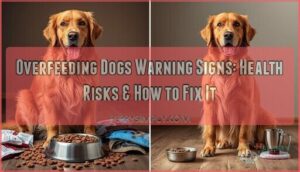
Your dog’s enthusiasm at mealtime—those pleading eyes, that tail-wagging excitement—can make it nearly impossible to say no to extra kibble or table scraps. But here’s what most dog owners don’t realize: according to the Association for Pet Obesity Prevention, 56% of dogs in the United States are overweight or obese, and the majority of their owners don’t even know it.
The problem isn’t just about a few extra pounds—chronic overfeeding triggers a cascade of health issues that can shorten your dog’s life by up to two years and cost thousands in veterinary bills. From subtle changes in your dog’s breathing pattern to more obvious digestive distress, your pet’s body sends clear warning signals when too much food is causing harm. Recognizing these signs early—and knowing exactly how to correct course—can mean the difference between a vibrant, active companion and one struggling with preventable, life-limiting conditions.
Table Of Contents
- Key Takeaways
- Physical Warning Signs Your Dog is Overfed
- Digestive Problems Caused by Overfeeding
- Serious Health Complications From Chronic Overfeeding
- Coat and Skin Changes Indicating Overfeeding
- How to Prevent and Correct Overfeeding
- Frequently Asked Questions (FAQs)
- How do you know if your dog is overfed?
- How do dogs act when they eat too much?
- Can certain dog breeds gain weight more easily?
- How does spaying or neutering affect appetite?
- What human foods are surprisingly high in calories?
- Do older dogs need fewer calories than puppies?
- Can medication cause increased hunger in dogs?
- Conclusion
Key Takeaways
- Over half of U.S. dogs are overweight or obese without their owners realizing it, and chronic overfeeding can shorten a dog’s life by up to two years while triggering preventable conditions like diabetes, heart disease, and pancreatitis.
- Physical warning signs include loss of the waistline when viewed from above, inability to feel ribs through chest fat with light pressure, labored breathing during mild activity, and pronounced lethargy replacing normal playfulness.
- Digestive red flags like vomiting within hours of meals, persistent diarrhea, and bloating (especially in deep-chested breeds) signal immediate overload, while long-term overfeeding damages coat quality and causes excessive shedding beyond seasonal patterns.
- Prevention requires measuring portions with a scale rather than eyeballing, limiting treats to 10% of daily calories, scheduling consistent mealtimes, and partnering with your vet to calculate precise calorie needs based on your dog’s age, breed, and activity level.
Physical Warning Signs Your Dog is Overfed
Your dog’s body will tell you when something’s off—you just need to know what to look for. Physical changes from overfeeding don’t happen overnight, but they’re easier to spot than you might think.
If you’re unsure whether your portions are right, check out these puppy meal frequency recommendations to dial in a feeding schedule that matches your dog’s age and size.
Here are the four warning signs that show up on your dog’s body when the food bowl is too full.
Visible Weight Gain and Loss of Waistline

Waistline expansion is often the first red flag you’ll notice in overfeeding pets. When your dog’s midsection fat accumulates, that natural tuck behind the ribs disappears—viewed from above, the silhouette shifts from an hourglass to a sausage.
This body mass gain signals excess calories are settling around internal organs, raising pet obesity risks. Weight management starts with recognizing these visual cues early, before weight gain spirals into serious health complications.
Inability to Feel Ribs Through The Chest
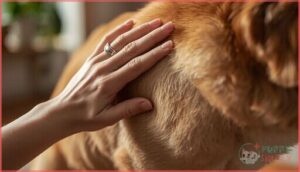
Rib cage changes give you another hands-on checkpoint for pet obesity—gently press your fingers along your dog’s sides. If you can’t feel individual ribs beneath a layer of thoracic fat, your dog is carrying too much weight.
Healthy chest wall sensation means you’ll detect subtle ridges without pressing hard. Loss of muscle tone and obesity prevention start with this simple palpation:
- Run your fingers along both sides of the rib cage using light pressure, just as you’d skim your knuckles across a washboard.
- Check for a soft, cushioned feel instead of distinct bone edges—excess fat masks rib definition and signals overfeeding pets need intervention.
- Compare the chest to your own knuckles—you should feel ribs like knuckles under skin, not buried under padding.
- Note any rounded thorax shape that’s lost its natural contour, often paired with breathing difficulties during play or short walks.
- Reassess monthly as part of weight management, since even small fat deposits around the chest wall mean calorie intake exceeds your dog’s needs.
This tactile test catches pet health issues before they escalate into chronic conditions.
Difficulty Breathing and Reduced Stamina

Beyond rib checks, watch for respiratory strain during walks—excess weight forces your dog’s heart and lungs to work overtime.
Even mild exercise limitations like lagging on stairs or gasping after fetch signal cardiac issues tied to pet obesity.
Breathing difficulties paired with fatigue management needs mean overfeeding pets face real danger, so weight management through obesity prevention protects pet health and wellness before damage becomes permanent.
Lethargy and Decreased Activity Levels

That respiratory strain quickly spirals into outright lethargy—your dog sleeps more, shows zero interest in favorite toys, and drags through short walks that used to excite them. Energy levels plummet as weight gain from overfeeding puts pressure on joints and lungs, turning once-active pups into couch fixtures.
Activity monitoring reveals fatigue factors you can’t ignore, so obesity demands motivation strategies and customized exercise plans before lethargic behavior becomes your dog’s new normal. Similar to humans, decreased alertness and energy are key symptoms of lethargy that shouldn’t be overlooked.
Digestive Problems Caused by Overfeeding

When you feed your dog too much food at once—or simply give too many meals throughout the day—their digestive system can’t keep up with the sudden overload.
Over time, this can lead to serious issues like obesity or even pancreatitis in dogs from high-fat foods, which requires immediate veterinary care.
This overwhelm doesn’t just cause mild discomfort; it often leads to messy, uncomfortable symptoms that signal something’s gone wrong. Let’s look at the three most common digestive problems you’ll see when overfeeding becomes a pattern.
Vomiting and Diarrhea From Excess Food
When you overload your dog’s digestive system with too much food, vomiting and diarrhea often follow within hours—clear signs of gastric distress and stomach inflammation. Excess food stretches the stomach, triggering digestive issues that sometimes mimic food poisoning, and fatty meals can worsen these digestive problems.
- Watch for vomiting within 1–12 hours after a binge, especially if accompanied by drooling or retching
- Expect loose, watery stools as the intestines rush to expel the overload, increasing dehydration risk
- Seek emergency care if vomiting lasts beyond 24 hours, diarrhea persists past 48 hours, or you notice bloody stools
Dehydration and electrolyte imbalances can develop rapidly with persistent vomiting and diarrhea, making prompt attention vital.
Proper dietary management and veterinary care are essential—rehydrate with small sips once vomiting slows, and contact your vet promptly if symptoms worsen, ensuring your dog’s health and nutrition stay on track.
Bloating and Gastric Dilation Risks
Large meals can trigger stomach distension within hours—gas accumulation builds pressure as fermentable ingredients and swallowed air overload the digestive system, raising GDV risk in deep-chested breeds.
Watch for abdominal swelling that feels tight or drumlike, restless pacing, and unproductive retching. These bloating symptoms demand immediate veterinary care, since gastric dilation can progress to life-threatening volvulus—preventable through proper dietary management and portion control.
Upset Stomach and Digestive System Overload
When your dog gulps down too much food, the digestive system goes into overdrive—stomach acid spikes, enzymes can’t keep pace, and undigested calories overwhelm the gut.
You’ll notice nausea, loose stools, or persistent gas as clear digestive issues from overfeeding. Addressing portion sizes protects gut health and prevents ongoing stomach upset, bloating relief, and food sensitivity reactions that compromise canine health.
Serious Health Complications From Chronic Overfeeding
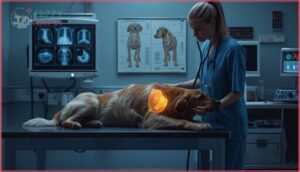
When you overfeed your dog for months or years, you’re setting the stage for serious, life-altering diseases—not just a few extra pounds.
The medical consequences go far beyond an expanding waistline, affecting nearly every major organ system and cutting years off your dog’s life. Here are the most critical health complications that develop when chronic overfeeding becomes a long-term pattern.
Diabetes Mellitus and Insulin Resistance
Chronic overfeeding pushes your dog toward diabetes mellitus—a condition where the pancreas can’t produce enough insulin or the body becomes insulin-resistant, just like in humans with type 2 diabetes.
Obesity from weight gain overwhelms normal blood sugar regulation, forcing lifelong insulin therapy and daily glucose monitoring.
Diet management becomes critical to slow progression, but prevention through proper pet nutrition beats treatment every time.
Heart Disease and High Blood Pressure
Excess body fat doesn’t just slow your dog down—it forces the heart to pump harder through a larger body, driving up blood pressure and raising hypertension risks that mirror human cardiovascular health problems.
Obesity from overfeeding strains cardiac function over time, increasing the chance of heart failure as the muscle weakens under constant demand. Weight management and proper pet nutrition and diet are your best defenses against these serious health risks.
Arthritis and Joint Problems From Excess Weight
Every extra pound your dog carries multiplies the load on joints—each step grinds cartilage and accelerates osteoarthritis as mechanical stress and joint inflammation from canine obesity reshape hips, knees, and spine.
- Excess weight increases joint strain: Carrying surplus fat forces weight-bearing joints to absorb more impact with every movement, speeding cartilage wear.
- Obesity fuels inflammation: Fat tissue releases chemicals that worsen joint inflammation and intensify arthritis pain.
- Weight management protects mobility: Losing just 5–10% of body weight can dramatically reduce joint load and slow osteoarthritis prevention efforts.
- Early action matters: Tackling overfeeding now preserves your dog’s comfort and activity for years to come.
Pancreatitis From High-fat Overfeeding
When you pile on too much fat in your dog’s bowl, you’re setting the stage for pancreatitis—a painful inflammation that strikes the pancreas hard.
High fat diets flood the bloodstream with fatty acids that trigger cellular stress and worsen pancreatic tissue swelling, turning a treat-heavy habit into a veterinary emergency. Obesity from chronic overfeeding magnifies that risk, so dietary fat management and pancreatitis prevention start with portion control today.
Reduced Lifespan and Quality of Life
Beyond pancreatitis, overfeeding steals years from your dog’s life—medium to large breeds can lose 1.5 to 2 years on average when excess weight becomes chronic.
Overfeeding can steal up to two years from your dog’s life as excess weight accelerates chronic disease
Obesity raises mortality rates by accelerating diabetes, heart disease, and joint degeneration, while persistent fat drives systemic inflammation that compounds health decline. Weight impact on life expectancy isn’t subtle—it’s measurable, preventable, and directly tied to your portion decisions.
Coat and Skin Changes Indicating Overfeeding
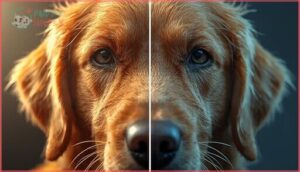
Your dog’s coat and skin can tell you a lot about what’s happening inside—and overfeeding often shows up in ways you mightn’t expect.
When a dog’s diet is out of balance or they’re carrying too much weight, their fur and skin are some of the first places you’ll notice the changes.
Here are three key coat and skin warning signs that your dog may be overfed.
Dull or Greasy Coat Appearance
Your dog’s coat can lose its healthy shine—or turn unexpectedly greasy—when you overfeed. Coat dullness and greasy appearance often signal nutrient imbalance affecting skin health and oil production.
Watch for these dermatological issues:
- Lackluster, matte fur instead of a glossy sheen
- Oily patches with a slick feel
- Strong odor from excess sebum
- Uneven texture across the body
- Persistent greasiness despite regular bathing
Dry, Flaky Skin From Nutrient Imbalance
While greasy fur signals one extreme, dry flaky skin from nutrient imbalance reveals the opposite problem—your dog’s diet may lack essential fatty acids, vitamins A and E, or adequate protein quality.
Pet obesity often masks these skin problems because excess calories don’t guarantee proper mineral balance or hydration levels. Zinc deficiency, omega-three shortfalls, and poor dietary management all contribute to rough, scaly patches that signal deeper dog health and nutrition concerns requiring veterinary assessment.
Excessive Shedding Beyond Normal Patterns
When your pet’s fur loss spikes outside normal spring and fall cycles, you’re likely witnessing telogen effluvium—stress-triggered shedding tied to poor canine health.
Hormonal imbalances, nutrient deficiencies, and chronic overfeeding all disrupt the hair growth cycle, while digestive problems and skin conditions fuel excessive shedding patterns.
Nutritional imbalances weaken hair shafts, making skin problems visible through persistent, abnormal fur loss.
How to Prevent and Correct Overfeeding

Preventing overfeeding isn’t complicated, but it does require consistency and a willingness to measure instead of guess.
The good news is that a few straightforward changes—from how you measure kibble to when you schedule meals—can protect your dog from obesity and all the health problems that come with it.
Here’s what you need to do to keep your dog at a healthy weight for life.
Accurate Portion Control and Measuring Food
You can’t eyeball portions and expect your dog to stay healthy—precision matters. A digital kitchen scale or set of measuring cups takes the guesswork out of calorie tracking and portion control, ensuring each meal aligns with feeding guidelines for your pet’s weight management.
Consider these tools:
- Food scales for exact grams of kibble or wet food
- Measuring cups sized to your dog’s daily needs
- Calorie tracking apps with built-in portion guides
- Pre-portioned containers to prevent overfeeding
- Label references to match actual servings with recommendations
Digital weighing beats guessing every time.
Scheduled Feeding Times for Better Regulation
Consistent feeding schedules—set at three to four hour intervals for puppies or twice daily for adults—give you real control over portion sizes and help prevent constant grazing that spikes insulin and packs on pounds.
Scheduled feeding lets you monitor how much pet food your dog actually consumes, making weight management far easier than free-feeding and reducing overfeeding risks while supporting better nutrient balance.
Limiting Treats to 10% of Daily Calories
Treats can sabotage even the best weight management plan if you’re not tracking calories—your dog’s daily energy intake should include no more than 10% from snacks to maintain proper nutrition planning and prevent obesity.
This healthy snacking guideline translates to around 60 kcal in treats for a 600‑kcal maintenance diet, making calorie tracking and reward strategies essential for effective portion control and long-term health.
Consulting Your Veterinarian for Ideal Calorie Intake
Your veterinarian is your strongest ally in calorie calculation and diet planning—they’ll use your dog’s resting energy requirement, activity factor, and body condition score to craft a precise nutrient balance suited to breed, age, and health status. Veterinary guidance transforms guesswork into evidence-based weight management strategies, ensuring portion control and scheduled feeding align with your dog’s unique needs through regular health assessments and ongoing veterinary care and advice.
| Calorie Factor | What the Vet Evaluates | How It Guides Your Plan |
|---|---|---|
| Resting Energy Requirement | Body weight and metabolic rate | Baseline daily calories needed |
| Activity Multiplier | Exercise level and lifestyle | Adjusts calories up or down |
| Body Condition Score | Fat coverage and muscle mass | Determines ideal target weight |
Regular Weigh-ins and Body Condition Assessments
Track your dog’s progress with monthly weigh-ins on a calibrated scale—monitoring weight tracking alongside body scoring helps you catch a 2–3% gain before it becomes a crisis. Consistent health journaling and calorie monitoring let you spot trends early, tie nutrition planning to portion control and scheduled feeding, and adjust your weight management strategies to prevent overfeeding before serious health problems take root.
- Weigh monthly at the same time of day to limit short-term fluctuations.
- Score body condition (ideal is 4–5 out of 9) at each weigh-in.
- Palpate ribs with light pressure—if you can’t feel them, adjust portions.
- Log activity levels to distinguish true weight gain from temporary shifts.
- Review veterinary notes and calorie targets in your health journal regularly.
Increasing Daily Exercise and Activity
Boost your dog’s calorie burn with 30-minute daily walks five days a week—outdoor activities like fetch, tug-of-war, and agility drills turn active play into structured exercise routines that combat overfeeding and obesity.
Fitness tracking apps help you log steps and monitor dog health and wellness progress, reinforcing pet owner responsibilities for weight management for dogs and making every walk count toward a leaner, healthier companion.
Frequently Asked Questions (FAQs)
How do you know if your dog is overfed?
You’ll notice your dog’s waistline disappearing when you look from above, ribs become harder to feel under thicker fat coverage, and breathing grows labored after light activity—clear overfeeding symptoms signaling weight gain.
How do dogs act when they eat too much?
When dogs overeat, you’ll usually see lethargy right after meals—they’ll prefer lounging to playing.
Watch for shortness of breath, abdominal discomfort, and reduced activity levels, all signaling digestive system overload from overconsumption.
Can certain dog breeds gain weight more easily?
Labrador retrievers, beagles, and English bulldogs carry genetic factors and metabolic differences that make weight gain nearly inevitable without careful portion control—breed-specific risks mean some dogs need half the calories you’d expect.
How does spaying or neutering affect appetite?
After surgery, hormone changes trigger an appetite shift in most pets—spaying removes estrogen’s hunger-suppressing effects while metabolism drops 10-20%.
Without calorie adjustment in their post-surgery diet, weight gain follows quickly.
What human foods are surprisingly high in calories?
A slice of cheese packs 100 calories while a tablespoon of peanut butter delivers nearly the same—these calorie dense foods and high fat snacks quickly overwhelm your dog’s daily caloric intake, causing unintended weight gain.
Do older dogs need fewer calories than puppies?
Yes—puppies burn energy faster for growth, while senior nutrition requires 15 to 25 percent calorie reduction.
Metabolic changes and age related needs mean dog owners must make dietary adjustments to prevent weight gain and canine obesity.
Can medication cause increased hunger in dogs?
Ironically, the very drugs meant to heal your dog can backfire—prednisone, capromorelin, and mirtazapine directly boost appetite through ghrelin receptors and hormonal shifts, triggering weight gain if portions aren’t adjusted with veterinary guidance.
Conclusion
Like a slow leak, overfeeding dogs warning signs often go unnoticed until serious damage accumulates. Those extra treats and upsized portions aren’t expressions of love—they’re stealing years from your dog’s life.
Start measuring portions today, schedule a veterinary body condition assessment, and commit to daily exercise. Your dog depends on you to make the hard choices their instincts can’t. Their longer, healthier life is worth saying no to those pleading eyes.
- https://www.yahoo.com/lifestyle/articles/overfeeding-pet-watch-signs-140400726.html
- https://thepetvet.com/overfeeding-pets/
- https://www.undertheweatherpet.com/blogs/under-the-weather/can-overfeeding-cause-diarrhea-in-dogs
- https://www.huntboo.com/blogs/dog/the-risks-of-overfeeding-your-dog
- https://colaskitchen.com/blog-posts/dog-diet-overfeeding-underfeeding-effects