This site is supported by our readers. We may earn a commission, at no cost to you, if you purchase through links.

Your dog doesn’t just tolerate your presence—she places herself between you and strangers, tracks your movements from room to room, and reacts to the slightest shift in your mood. That devotion isn’t random sentiment. It’s rooted in thousands of years of selective breeding that shaped canine behavior around human partnership.
Some breeds display this bond more intensely than others, influenced by genetic pathways that govern attachment, protective instincts inherited from working roles, and neurochemical responses to social interaction. Understanding what drives loyalty in the most loyal dog breeds helps you recognize which companion will match your household’s rhythm. The right breed doesn’t just fit your space—it reinforces the connection you’re hoping to build.
Table Of Contents
- Key Takeaways
- What Makes a Dog Breed Loyal?
- Most Loyal Large Dog Breeds
- Most Loyal Medium and Small Dog Breeds
- Training and Socialization for Loyal Breeds
- Choosing The Right Loyal Breed for Your Family
- Frequently Asked Questions (FAQs)
- Which dog breed is most attached to owners?
- What is the most loyal dog in the world?
- What is the most loyal and protective dog?
- What is the most loyal dog breed according to Rovers study?
- How do early socialization and training affect a dogs loyalty?
- How does positive reinforcement contribute to strengthening the bond with a dog?
- How do loyal breeds handle being left alone?
- Are loyal dogs more prone to separation anxiety?
- What health issues affect the most loyal breeds?
- Can rescue dogs be as loyal as puppies?
- Conclusion
Key Takeaways
- Canine loyalty stems from thousands of years of selective breeding that shaped specific genetic pathways governing attachment, protective instincts, and neurochemical responses to human interaction—not random sentiment or training alone.
- The most loyal breeds combine breed-specific traits like single-person bonding, protective alertness, emotional empathy, and reliable responsiveness, with large breeds (German Shepherds, Labradors, Akitas) and small breeds (Cavalier King Charles Spaniels, Chihuahuas) showing equally intense devotion in different packages.
- Early socialization during the critical three-to-fourteen-week window and positive reinforcement training methods build confident, well-adjusted companions by preventing fear responses and strengthening trust-based bonds without creating overprotective or anxious behaviors.
- Matching a loyal breed to your household requires aligning breed-specific exercise needs (ranging from 30 minutes to 90 minutes daily), living space, grooming requirements, and temperament with children to your actual lifestyle—not just picking the most devoted breed on paper.
What Makes a Dog Breed Loyal?
Loyalty in dogs isn’t just about following you from room to room—it’s a complex mix of breeding history, temperament, and the bond you build together.
Breeds like the Great Dane Great Pyrenees mix inherit guardian instincts that translate into deep devotion to their people.
Some breeds were developed specifically to work closely with humans, which shaped their instinct to form deep, lasting connections.
These instincts often lead to behaviors like following their owners from room to room, and you can explore more about dog-related questions and answers to understand breed-specific traits better.
Understanding what drives canine loyalty helps you recognize the difference between a dog who’s truly devoted and one who’s simply overly dependent.
Breeds like Rottweilers demonstrate this partnership-based loyalty through their protective instincts and deep attachment to family members.
Key Traits of Loyal Dogs
Loyal behavior in dogs isn’t just about staying close—it’s rooted in observable patterns that define faithful companions. When you’re choosing among loyal dog breeds, watch for these breed-specific characteristics:
- Strong attachment to one or two primary family members, with consistent follow-me behavior throughout daily routines
- Protective instincts that prompt alertness to unfamiliar sounds and people approaching the home
- Quick responsiveness to your commands and cues, reinforcing trust through obedience
- Empathy shown by reading your emotional state and offering physical comfort during stress
- Predictable, reliable patterns in wake times and energy levels across their lifespan
These traits reflect canine loyalty and dog loyalty and faithfulness shaped by generations of selective breeding.
Dogs’ faithfulness is closely linked to their evolutionary pack behavior, which fosters their strong social bonds with humans.
Role of Genetics and Breed History
Those breed-specific characteristics you notice trace back through centuries of genetic influence and ancestral roots. Domestication and selective breeding shaped gene variants tied to sociability, while working roles in Europe and Asia reinforced heritability factors for cooperation.
Today’s loyalty traits reflect dopamine and serotonin pathway genes that drive reward learning, so your dog’s faithful temperament isn’t random—it’s encoded across generations of careful breeding. Researchers have identified canine behavioral genetics concepts that explain how these traits have been shaped over time.
Loyalty Vs. Attachment: Key Differences
Understanding the difference between these concepts helps you recognize what your dog truly needs. Loyalty centers on steadfast allegiance rooted in duty or shared values, while attachment reflects emotional closeness and comfort-seeking behavior.
Loyalty is steadfast allegiance rooted in duty, while attachment is emotional closeness driven by comfort-seeking
Key differences in Canine Companionship:
- Commitment Levels – Loyalty persists across distance; attachment craves proximity
- Emotional Bonds – Attachment demands daily interaction; loyalty endures separation
- Relationship Dynamics – Loyal Dog Breeds defend on principle; attached dogs seek reassurance
- Loyalty Types – Protection-driven versus comfort-driven responses
- Attachment Styles – Anxious dependence differs from confident devotion
Most Loyal Large Dog Breeds
Large dog breeds often develop powerful bonds with their families, combining physical presence with genuine devotion. These dogs usually serve as both protective guardians and gentle companions, making them ideal for households that want a loyal friend who can also provide a sense of security.
Below are seven large breeds known for forming deep, lasting attachments with their human families.
German Shepherd
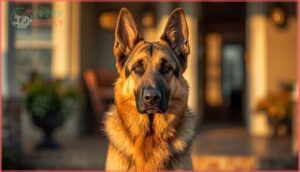
German Shepherds rank among the most loyal dog breeds, combining intelligence with guardian instincts honed through breed history in herding and police work.
Shepherd training strengthens their natural loyalty traits, building reliable obedience through structured routines.
While shepherds excel with structured methods, first-time owners choosing affable dog breeds should consider temperament alongside trainability when selecting their ideal companion.
They usually form strong bonds with one or two family members, demonstrating unwavering dog loyalty through protective behavior and constant companionship at home.
Labrador Retriever

Labrador Retrievers display steady dog loyalty that makes them outstanding family companions, seeking close daily interaction and forming persistent attachment to one or two household members. Their breed history as cooperative hunting partners shaped their gentle temperament and reliable companionship benefits.
- You’ll notice your Labrador following you from room to room, craving your presence
- Retriever training deepens their trust through 1 to 1.5 hours of daily positive reinforcement
- Proper Labrador care and consistent routines strengthen their devotion across all family ages
Golden Retriever

When you want a companion who bonds with everyone while seeking guidance from one special person, Golden Retrievers deliver that balance beautifully. Their family-oriented nature shows through consistent affection and eagerness to please, reinforcing their reputation as loyal dog breeds across generations.
Early exposure during puppy maturity behavioral milestones helps Goldens develop the social confidence that makes them excellent with children and strangers alike.
| Golden Temperament | Retriever Health | Dog Nutrition |
|---|---|---|
| Gentle with children | 1–1.5 hours daily exercise | High-quality protein needs |
| Quick learners | Regular vet checkups | Portion control essential |
| Affectionate to all | Joint health monitoring | Age-appropriate formulas |
Golden Retrievers’ breed history as hunting partners shaped their trainable nature, while proper dog nutrition and attention to breed-specific characteristics sustain their devoted loyalty throughout their lives.
Newfoundland
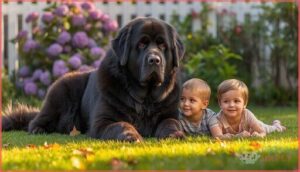
These Gentle Giants prioritize family safety with devoted companionship that showcases their calm temperament in every interaction. Newfoundland dogs demonstrate protective instincts through patient supervision of children, requiring 40 to 60 minutes of moderate daily activity.
Their breed characteristics make them standout loyal guardians and family companions, cementing their place among faithful pets and loyal dog breeds for households seeking steady, affectionate dog breeds.
Saint Bernard

You’ll find steadfast loyalty and quiet vigilance define the Saint Bernard temperament, making this Gentle Giant ideal for Family Companionship in calm households. Their Mountain Rescue heritage and Cold Climate Adaptation produce breed-specific characteristics that prioritize protection:
- Requires 40 to 90 minutes of daily walks
- Guards family spaces with soothing presence
- Displays affectionate behavior at home
- Maintains calm, reliable temperament
- Bonds through consistent routines
Great Pyrenees
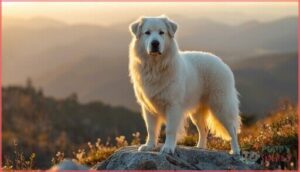
The Great Pyrenees maintains a guardian temperament rooted in Mountain Origins, watching over family and property with an unwavering Protective Nature. These Loyal Dog Breeds exhibit Herding Instincts and Breed-Specific Characteristics requiring consistent training to balance territorial awareness with household calm.
Their Guardian Traits make them outstanding Family Companions when you provide structured routines, early socialization, and firm but respectful leadership that channels their Loyalty into reliable protection.
Akita
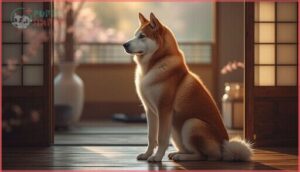
The Akita retains a strong sense of territory, guarding home and family with a reserved but loyal demeanor rooted in Breed History as Japanese protectors. These Loyal Dogs form exclusive bonds with one primary caregiver, displaying Protective Instincts that require early socialization and firm, respectful Akita Training to balance loyalty with Family Dynamics.
Consider these Loyal Dog Breeds Characteristics:
- Reserved temperament with strangers but devoted companionship at home
- Territorial awareness requiring consistent leadership during training
- Deep attachment to a single handler, reinforcing Dog Loyalty through trust
Most Loyal Medium and Small Dog Breeds

You don’t need a giant dog to find unwavering devotion. Medium and small breeds can form just as strong a bond with their families, often matching the loyalty of their larger counterparts in a more compact package.
Here are nine medium to small breeds known for their dedicated, faithful companionship.
Cocker Spaniel
Cocker Spaniels bond deeply with one or two primary people in your household, often following you from room to room. They read emotions well and respond with affectionate attention.
Regular exercise needs—like daily walks—strengthen this devotion. Cocker training tips emphasize gentle, consistent methods that respect their sensitive nature.
While Cocker Spaniel grooming requires weekly brushing, spaniel health issues remain manageable with routine veterinary care, supporting spaniel family dynamics.
Beagle
Beagles form strong family bonds and seek close contact with multiple household members, often following their chosen person around the home. They show affection through vocalizations and tail wagging when you return.
Beagle training works best with consistent routines and positive reinforcement.
Regular veterinary visits support Beagle health, ensuring these loyal companions remain happy family members who mirror your emotional cues and provide steady companionship.
Boxer
Boxers bond closely with their families and show energetic, protective loyalty that thrives on interaction. You’ll notice your Boxer following you around and greeting you with enthusiastic jumps and wiggles.
Boxer temperament combines playfulness with devotion, making them excellent companions for active households.
Boxer exercise needs are high—plan for daily runs or play sessions. Boxer grooming remains minimal, though regular Boxer health checks support their well-being.
Proper Boxer nutrition fuels their boundless energy and devoted companionship.
Cavalier King Charles Spaniel
If you’re looking for gentle nature paired with unwavering devotion, Cavalier King Charles Spaniels make ideal family companions. Their royal heritage shaped a temperament that craves close contact—you’ll often find your Cavalier following you room to room.
Consider how Cavalier temperament enriches daily life:
- Keen lap time creates relaxing bonding moments
- Persistent companionship offers emotional reassurance
- Gentle responses to children’s unpredictable movements
- Alert tracking of your moods and routines
- Warm greetings that brighten your homecoming
Spaniel health benefits from consistent routines and affectionate handling.
Dachshund
Dachshunds build strong bonds with their primary caregiver and rarely leave their side. Their protective instincts and enthusiastic greetings reflect genuine devotion. Dachshund care thrives on consistent routines that reinforce family dynamics and healthy attachment.
| Dachshund Trait | Loyalty Expression |
|---|---|
| Primary bond | Single-person attachment |
| Daily behavior | Follows chosen owner constantly |
| Greeting style | Enthusiastic, affectionate welcome |
| Protective nature | Alert to household changes |
| Routine preference | Consistent schedules strengthen devotion |
Training tips emphasize gentle boundaries that channel their loyal, playful companionship effectively.
Pug
You’ll find Pugs happiest when curled up beside you, mirroring your emotions and seeking reassurance through gentle cuddles. Their commitment shines in smaller homes where they can stay close to family members throughout the day.
Pug behavior thrives on consistent routines and praise that reinforce bonds. Proper Pug grooming, nutrition, health monitoring, and moderate Pug exercise support their devoted companionship as loyal dogs.
Chihuahua
These pocket-sized loyal dogs often bond closely with one person in the household, showing devoted dogs’ fierce attachment. Their Chihuahua care and small breed needs are straightforward when you understand pet loyalty.
- They follow their chosen person throughout the home, seeking reassurance through close contact and enthusiastic greetings.
- Consistent dog nutrition and pet grooming routines strengthen their trust and reinforce bonds.
- Their breed history as companions explains why Chihuahuas thrive on steady interaction with family members.
Brussels Griffon
Brussels Griffons forge intense bonds with their primary caregiver, displaying a loyal temperament through persistent companionship and emotional attunement. These small breed companions excel at reading family dynamics and respond with affectionate attention when you’re nearby.
Brussels care includes gentle handling that reinforces pet relationships, while Griffon health thrives on consistent routines.
Among loyal dogs, this dog breed shows devotion through a steady presence and enthusiastic interaction with household members.
Shiba Inu
Shiba Inus express loyalty through independent devotion, rooted in their ancient origins and Japanese heritage. Unlike velcro dog breeds, this fox-like companion bonds selectively with family while maintaining self-reliance.
Their canine behavior reflects breed-specific characteristics that favor calm observation over constant attention-seeking. Shiba Inu grooming sessions and daily routines strengthen attachment, and you’ll notice loyalty through alert watchfulness and selective affection toward household members.
Training and Socialization for Loyal Breeds
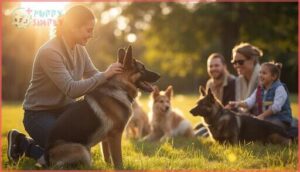
Loyal dogs naturally bond deeply with their families, but that devotion needs proper guidance to flourish in a healthy way. Without the right training and socialization, even the most loyal breed can develop overprotective behaviors or struggle in new situations.
Here’s how to shape your dog’s loyalty into a balanced, trusting relationship.
Importance of Early Socialization
Early socialization builds behavioral foundations during the critical puppy development window—roughly three to fourteen weeks. This period shapes canine communication, social learning, and environmental adaptation for life.
Positive exposure to people, dogs, sounds, and surfaces prevents fear responses and fosters responsible pet ownership. The importance of dog socialization can’t be overstated: it transforms loyal breeds into confident, well-adjusted companions who trust your guidance.
Positive Reinforcement Methods
Once your loyal companion is comfortable in social settings, you can shift your focus to reward systems that shape calm, responsive behavior. Positive reinforcement training techniques use treats or praise immediately after your dog performs a desired action, strengthening that habit without fear or stress.
Three core reinforcement strategies guide successful dog training:
- Deliver small, healthy treats within two seconds of the correct behavior to maintain a clear connection between action and reward.
- Use specific, descriptive praise like “good job sitting” so your dog understands exactly what earned your approval.
- Vary your rewards between treats, verbal encouragement, and play to prevent satiation and keep your dog motivated during each session.
Clicker training offers another effective tool for behavior modification. The sharp click marks the exact moment your dog succeeds, followed by a treat. This precision helps loyal breeds—who naturally seek your guidance—learn faster and retain commands longer.
Reserve high-value treats for challenging tasks that require extra motivation. As your dog masters each behavior, gradually shift from continuous to intermittent reinforcement. This builds long-term reliability without creating dependency on constant rewards.
Keep sessions short and end on a successful repetition. Multiple five-minute practices throughout the day maintain focus better than one exhausting marathon. Your loyal dog thrives on consistency, so use the same verbal cues and reward timing across all training sessions.
Responsible pet ownership tips emphasize patience and adaptability. Monitor your dog’s body language for signs of frustration, and adjust your approach to maintain a positive training climate. Understanding dog behavior and psychology helps you recognize when your companion needs a break or a shift in strategy.
Tie reinforcement to real-life outcomes whenever possible. If your dog returns to your side during a walk, reward that choice immediately. This approach to dog socialization and loyalty reinforcement teaches your companion that good behavior pays off in everyday situations, not just formal training sessions.
By pairing rewards with calm handling, you prevent overexcitement while building a bond rooted in trust and clear communication.
Preventing Over-Protectiveness
Reward-based training lays the foundation, but you also need to watch for overprotection signs like excessive barking at visitors or blocking doorways. Boundary setting helps your dog understand that you control access to your home.
Use desensitization techniques by pairing new people with treats, gradually reducing your dog’s guarding instincts. This balance between loyalty and protection prevents separation anxiety while respecting breed-specific traits and temperaments.
Building Healthy Human-Dog Bonds
Beyond managing protective tendencies, you can strengthen canine companionship through consistent routines that build trust and emotional support.
Shared activities like training sessions or outdoor exploration create human connection while reducing stress for both of you. Regular physical affection releases bonding hormones, and respecting your dog’s safe space teaches mutual understanding.
These bonding techniques support dog wellness and deepen the pet friendship you’re building together.
Choosing The Right Loyal Breed for Your Family

Finding the right loyal breed isn’t just about picking the dog with the most devotion—it’s about matching that loyalty to your household’s daily reality. A breed that thrives with your family might struggle in someone else’s home, even if both households offer plenty of love.
Here’s what you need to think about before bringing a loyal companion into your life.
Matching Breed Traits to Lifestyle
Finding the right loyal companion means matching breed-specific traits and temperaments to your household realities. Some dogs earn the nickname “velcro dog” because they crave constant closeness, while others show loyalty through protective watchfulness. Consider these critical factors during breed selection:
- Living space determines whether a Great Pyrenees or a Chihuahua fits your home
- Family dynamics shape how breeds interact with children and visitors
- Grooming requirements vary from weekly brushing to professional appointments
- Exercise needs range from brief walks to hours of active play
Activity and Exercise Needs
Meeting your dog’s Daily Exercise requirements prevents behavioral issues and strengthens your bond. Working breeds like German Shepherds need 60 to 90 minutes of Physical Stimulation daily, while Toy breeds thrive with 30-minute sessions.
Mental Fatigue matters just as much—incorporate Training Methods during walks and structured Playtime Management.
Balancing Energy Balance through breed-specific routines ensures your loyal companion stays healthy and content.
Considerations for Families With Children
When selecting from loyal Family Dogs like the Labrador Retriever or German Shepherd, you’ll want to prioritize breeds with proven temperaments around kids. Child Safety Tips start with matching energy levels—active children pair well with patient, playful breeds. Consider these factors:
- Supervision during all interactions between young children and dogs
- Breed size relative to your child’s age and physical abilities
- Household Preparation including secure play zones and childproofing essentials
- Family Dynamics that support consistent Dog Training and Socialization routines
- Kid Friendly Environments with Pet Safety and Nutrition protocols matching various Parenting Styles
Tips for First-Time Dog Owners
As a first-time owner, you’ll benefit from New Owner Support that covers Dog Care Basics like crate training and potty schedules. Prioritize Household Preparation with collars, ID tags, and designated dog zones.
Seek Veterinary Guidance within your first week for vaccinations and health checks.
Focus on Dog Training and Socialization using positive reinforcement, and follow Pet Safety Tips to establish Responsible Pet Ownership from day one.
Frequently Asked Questions (FAQs)
Which dog breed is most attached to owners?
German Shepherds, Labrador Retrievers, and Golden Retrievers show intense owner bonding.
Cavalier King Charles Spaniels and Chihuahuas are classic “velcro dogs,” forming exclusive family ties and following you constantly throughout your home.
What is the most loyal dog in the world?
No single breed holds the title of most loyal, but Akitas, German Shepherds, and Labrador Retrievers consistently rank highest for canine devotion.
Breed-specific traits and temperaments shape faithful companions, though individual bonds vary widely.
What is the most loyal and protective dog?
No dog breed can claim absolute supremacy in loyalty and protective instincts, but German Shepherds consistently demonstrate outstanding guarding behaviors, high trainability, and deep family bonding—making them standout companions for protection-focused households.
What is the most loyal dog breed according to Rovers study?
According to Rover’s breed loyalty rankings based on dog owner surveys, German Shepherds consistently rank among the most devoted companions. They demonstrate strong canine attachment styles and outstanding family pet dynamics through their protective nature and unwavering commitment.
How do early socialization and training affect a dogs loyalty?
Some people think loyalty just happens, but puppies exposed to varied experiences before sixteen weeks grow into confident adults who bond deeply through trust-based training methods rather than fear-driven obedience.
How does positive reinforcement contribute to strengthening the bond with a dog?
Reward-based training builds trust by pairing you with pleasant outcomes, boosting your dog’s confidence and emotional support.
Positive reinforcement techniques strengthen canine bonding methods through calm, consistent interactions that reinforce companionship benefits and deepen pet friendship naturally.
How do loyal breeds handle being left alone?
Many loyal breeds tolerate brief absences when you establish routines and provide mental stimulation through puzzle toys.
Gradual desensitization, crate training, and doggy day care help prevent separation anxiety while supporting their emotional needs.
Are loyal dogs more prone to separation anxiety?
Yes, highly attached dogs often show stronger separation stress due to their intense bonds. Breeds developed for close companionship may struggle more with being alone, though early socialization and structured routines help manage anxiety triggers.
What health issues affect the most loyal breeds?
Joint problems like hip dysplasia and osteoarthritis affect many large loyal breeds. Heart conditions, cancer risks, skin allergies, and dental issues also appear frequently, requiring regular veterinary monitoring and proactive breed-specific care.
Can rescue dogs be as loyal as puppies?
Adult dog bonds form just as strongly as puppy attachment.
Rescue dog loyalty develops through post-adoption support, patient foster care effects, and consistent routines that build long-term attachment and deep dog companionship benefits.
Conclusion
Loyalty isn’t a trick you can teach—it’s a breed-embedded trait shaped by centuries of work alongside humans.
The most loyal dog breeds offer more than companionship; they provide vigilance, emotional attunement, and unwavering presence. Match their protective instincts and energy levels to your household’s rhythm, commit to early socialization, and you’ll build a bond rooted in mutual trust.
The right dog doesn’t just follow you—she anticipates your needs before you voice them.
- https://www.forbes.com/advisor/legal/dog-attack-statistics-breed/
- https://thediscerningcat.com/10-signs-your-dog-considers-you-its-best-friend/
- https://www.sciencedirect.com/science/article/pii/S0376635714000473
- https://www.impawssiblepups.com/post/bonds-beyond-puppyhood-why-rescues-and-shelters-are-still-important
- https://www.dogster.com/lifestyle/how-long-does-it-take-a-rescue-dog-to-bond