This site is supported by our readers. We may earn a commission, at no cost to you, if you purchase through links.

Somewhere between the third lint roller of the week and vacuuming the couch for the second time in a day, most dog owners start wondering if there’s a better way. There is. Minimal shedding dog breeds don’t just shed less—they have specific coat structures that fundamentally change how much fur ends up on your clothes, your furniture, and your life.
A curly or single-layer coat traps loose hair close to the skin instead of releasing it in waves across your home. That said, low-shedding doesn’t mean no-maintenance, and “hypoallergenic” is a term worth questioning. The breeds, grooming routines, and practical tips ahead will help you make a choice you won’t regret.
Table Of Contents
Key Takeaways
- Low-shedding dogs have curly or single-layer coats that trap loose hair instead of releasing it, so you’ll spend way less time vacuuming.
- No dog is truly hypoallergenic — every breed still produces dander, saliva, and urine proteins that can trigger allergies, so spend real time with a breed before committing.
- Low-shedding coats aren’t low-maintenance — most breeds need brushing several times a week and professional grooming every four to eight weeks to prevent painful mats.
- The right breed match depends on your lifestyle, not just your allergies — a Havanese suits a quiet home, while a Giant Schnauzer needs an experienced, active owner.
What Makes a Dog Breed Low-Shedding?
Not all dogs shed the same, and a few key factors explain why some breeds leave barely a trace on your couch.
Coat type plays the biggest role, and medium-sized dogs that don’t shed much tend to share a few specific traits that make them easier to live with.
Understanding what’s actually behind low shedding helps you choose a dog that fits your home and your health. Here’s what you need to know before picking a breed.
Difference Between Shedding and Dander
Shedding and dander aren’t the same thing — and mixing them up leads a lot of people to the wrong dog. Here’s the quick breakdown:
- Shedding means loose hair falling off your dog’s coat.
- Dander is microscopic dead skin, always present regardless of shedding patterns.
- Allergy triggers like Can f 1 protein live in dander, not hair.
- Dander removal requires cleaning routines, not just picking a low-shedding breed.
Even hypoallergenic dogs produce dander. For essential information on handling pet dander allergy symptoms, regular grooming and cleaning are highly recommended.
Coat Types Linked to Minimal Shedding
Hair texture drives shedding patterns more than most people realize. Dogs with a single layer coat drop far less fur because there’s no dense undercoat releasing in seasonal waves.
Curly coats trap loose strands close to the skin, keeping your furniture cleaner. Wirehaired breeds hold onto guard hairs longer too.
These dog coat types are what make low-shedding breeds genuinely manageable. All owners can benefit from learning more about coat care and maintenance to keep their pet’s fur healthy.
Why No Dog is Truly Hypoallergenic
Coat type tells only part of the story. Even so-called hypoallergenic dogs produce allergen proteins like Can f 1 through Can f 6 — found in dander, saliva, and urine, not just fur. The hypoallergenic myth persists, but no nonshedding dogs reach zero allergen output.
Even hypoallergenic dogs produce allergens through dander, saliva, and urine — no breed reaches zero
Here’s what actually drives dog allergies:
- Dog dander carries proteins that trigger canine sensitization regardless of breed
- Saliva dries on surfaces and becomes an airborne allergy trigger
- Individual sensitivity varies, so lowshedding breeds won’t work for everyone
Top Minimal Shedding Small Dog Breeds
Small dogs pack a lot of personality into a tiny frame — and the right breed won’t leave hair on every couch cushion you own.
If you’re looking for a compact companion that keeps shedding to a minimum, you’ve got some really solid options. Here are five small breeds worth getting to know.
Bichon Frise

The Bichon Frise is one of those low-shedding breeds that earns its reputation. Weighing 12 to 18 pounds, this cheerful little dog traps loose hair in its dense double coat rather than scattering it across your sofa.
That low-maintenance coat, combined with its gentle and playful nature, makes the Bichon Frise one of the top affectionate dog breeds for elderly people.
Regular grooming tips apply here — brush several times weekly and schedule professional dog grooming every four to six weeks. Great for families prioritizing pet health and dog socialization.
Maltese

The Maltese packs a lot of personality into under 7 pounds. This ancient breed has a long, silky single coat that sheds very little — good news for your floors and your allergies.
- Truly LowShedding, but daily brushing keeps tangles away
- Maltese Training works best with patience and positive rewards
- Dog Nutrition matters — small dogs need calorie-dense, quality food
- Grooming Tips: trim face and feet regularly for Pet Health
- A Hypoallergenic reputation backed by centuries of Breed History
Havanese

The Havanese is a social butterfly in a small, sturdy package — usually 7 to 13 pounds of pure companionship. Their long, silky coat is LowShedding, making them a popular pick for Pet Allergies and health concerns.
Havanese Socialization comes naturally; they love people and adapt easily. Brush a few times weekly, stay on top of Havanese Nutrition, and you’ve got a cheerful, low-maintenance friend.
Miniature Schnauzer
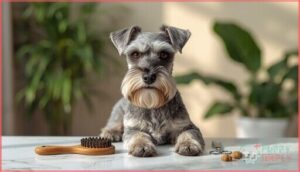
The Miniature Schnauzer punches above its weight as one of the most well-rounded LowShedding Dog Breeds. Weighing 11 to 20 pounds, their wiry double coat keeps visible shedding low — a genuine win for Pet Health Tips and cleaner floors.
Terrier Training comes naturally since they’re sharp and enthusiastic. Brush weekly, schedule clips every six to eight weeks, and stay consistent with Small Dog Nutrition and Canine Exercise for a thriving companion.
Coton De Tulear

Think of the Coton de Tulear as a cloud that follows you around the house. This Small Breed weighs 8 to 15 pounds and has a Cotton Coat that barely sheds, making it a favorite among fans of LowShedding Dog Breeds and Hypoallergenic Pets.
- Gentle Nature makes them great with kids
- Coton Care requires brushing several times weekly
- Tulear Training responds well to positive reinforcement
- Suits relaxed households perfectly
Best Medium and Large Low-Shedding Breeds
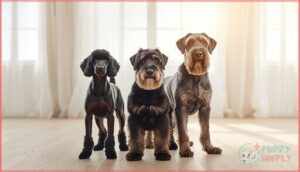
If you want a dog that won’t leave a trail of fur across your couch but still has some real presence, medium and large low-shedding breeds are worth a serious look.
They bring the size without the mess — and a few of them might surprise you.
Here are five that stand out.
Standard Poodle
Few breeds check as many boxes as the Standard Poodle. Standing 18–24 inches tall and weighing up to 70 pounds, these intelligent dogs carry a curly, low-shedding coat that traps loose hair before it hits your sofa. Great for families seeking hypoallergenic dogs, they’re also highly trainable and athletic.
| Trait | Details | Owner Takeaway |
|---|---|---|
| Coat Type | Dense, curly, low-shedding | Less hair on furniture |
| Poodle Training | Highly responsive, keen to please | Great for first-timers |
| Grooming Tips | Brush frequently, clip every 6–8 weeks | Prevents matting fast |
Portuguese Water Dog
Portuguese Water Dogs were built for an active lifestyle — literally bred to herd fish and dive off boats. Their curly coat care needs are real, but the payoff is worth it: PWD temperament is enthusiastic, bright, and loyal.
As low-shedding dogs with a single-layer coat, Portuguese Water Dogs leave less hair around your home, making grooming more manageable for hypoallergenic-friendly living.
Soft Coated Wheaten Terrier
If the Portuguese Water Dog is the athlete of the group, the Soft Coated Wheaten Terrier is the happy-go-lucky teammate. These Irish farm dogs are low-shedding dogs with a single silky coat — no thick undercoat means less hair on your couch.
Wheaten Terrier care highlights worth knowing:
- Soft coat grooming requires brushing several times weekly to prevent mats
- Terrier training tips work best with consistency — they’re smart but stubborn
- Terrier family dynamics shine with school-age kids
- Wheaten health issues include protein-losing conditions, so regular vet checkups matter
Afghan Hound
Now for something unexpected. The Afghan Hound looks high-maintenance — and honestly, Afghan Hound grooming is — but this breed is actually a low-shedding dog.
That long, silky hound coat care demands frequent brushing and regular baths to prevent tangles, but loose hair stays minimal. They’re reserved with strangers, so consistent hound training tips and patience go a long way.
Dog exercise needs are real here too — they love to run.
Giant Schnauzer
From the elegant Afghan to a dog that means serious business — the Giant Schnauzer is a powerful, confident breed that sheds surprisingly little year-round. Regular clipping or hand-stripping keeps that wiry coat tidy and hair off your floors. Giant Schnauzer Care isn’t passive, though — these dogs need structure.
Top things to know:
- Low-Shedding Dogs — wiry coat releases minimal hair with proper grooming
- Exercise Needs — plan for 90+ minutes of daily activity
- Training Methods — firm, consistent handling works best for this bold breed
- Family Dynamics — loyal and protective, but better with experienced owners
- Health Issues — watch for hip dysplasia and bloat as they age
Essential Grooming for Low-Shedding Dogs
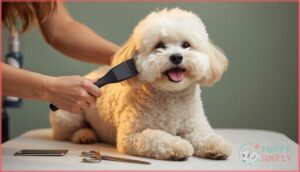
Low-shedding doesn’t mean low-maintenance — those coats still need real attention to stay healthy and tangle-free.
The good news is that once you find a routine that works, it becomes second nature.
Here’s what you need to know to keep your dog looking and feeling their best.
Brushing and Coat Maintenance
Think of brushing as the foundation of dog grooming for low-shedding dogs. Even hypoallergenic dog breeds need coat brushing three to four times a week — skip it, and mats sneak in fast.
Start with a slicker brush for shedding control, then follow with a steel comb for mat removal. Line brushing from skin outward keeps hair care thorough and your dog comfortable.
Bathing Frequency and Techniques
Bath schedules matter more than most owners realize. For low-shedding dogs, a bath every four to eight weeks promotes skin health and handles dander removal effectively.
If allergies are a concern, stepping that up to weekly or twice-weekly grooming sessions helps with allergen control — studies show bathing can cut Can f 1 levels by over 80 percent. Always use gentle cleansing, hypoallergenic shampoos designed for dogs.
Professional Grooming Vs. At-Home Care
Weighing your options comes down to budget, skill, and your dog’s personality.
Professional grooming for low-shedding dogs runs $40–$100 per session every four to eight weeks — convenient, but it adds up.
At-home care cuts costs and lets sensitive pets relax on familiar turf.
Pros also double as health monitors, catching lumps or ear issues you might miss.
Preventing Matting and Tangles
Mats don’t appear overnight — they sneak up on you. For low-shedding dogs like the Poodle, daily brushing is your best defense against painful tangles.
- Brush 4–7 times weekly, focusing on high-friction spots
- Use a slicker brush, then follow with a metal comb
- Apply detangling spray before working through knots
- Trim coats every 4–8 weeks for easier coat maintenance
Consistent mat prevention beats any last-minute tangle removal session.
Choosing The Right Minimal Shedding Breed

Picking the right low-shedding breed isn’t just about the coat — it’s about finding a dog that actually fits your life.
The wrong match can leave both you and your pup frustrated, no matter how little it sheds. Here’s what to think through before you decide.
Matching Breed Temperament to Lifestyle
Your daily routine matters more than you might realize in the context of breed selection. Lifestyle assessments help match your energy level and family dynamics to the right dog.
A Havanese suits work-from-home owners craving constant companionship, while a Miniature Schnauzer fits busier households better. Honest owner expectations make all the difference — the best low-shedding dogs thrive when their socialization needs actually match your life.
Allergy Considerations for Families
Low-shedding dogs don’t eliminate pet dander — they just spread less of it. Before committing, allergy testing can confirm whether your family reacts to specific proteins like Can f 1.
Sensitive environments need real-world trials too, so spend extended time with the breed first. Allergen reduction strategies help allergy sufferers manage family reactions, but no dog is truly hypoallergenic.
Maintenance and Care Requirements
Think of grooming as a standing commitment, not an occasional chore. Most low-shedding dogs need brushing two to three times weekly and professional grooming every four to six weeks to maintain coat health and shedding control.
The right grooming tools matter too. Factor in bathing, nail trims, and ear care — and don’t overlook dog nutrition, since diet directly affects skin conditions and overall coat quality.
Tips for First-Time Owners
First-time ownership of low-shedding dogs starts before the dog even comes home. Budget for grooming essentials, set up a clean space, and — if allergies are a concern — spend real time with the breed first.
Dog training around grooming should begin week one. Keep expectations grounded: hypoallergenic isn’t the same as allergy-free, but with smart allergy management and consistent dog grooming and care, it absolutely works.
Frequently Asked Questions (FAQs)
What dog breed sheds the least?
If shedding degree is your concern, Poodles and Bichon Frises top the list of non-shedders. Their hair-type coats trap loose strands instead of dropping them, making them ideal hypoallergenic picks for allergy sufferers.
What is the calmest dog that doesn’t shed?
The Havanese tops the list for calm canine traits — gentle, adaptable, and low shedding.
It’s a natural fit for allergy friendly dogs seekers who want quiet pet care without constant vacuuming.
What is the cleanest house dog?
The Poodle tops most lists. It’s low-shedding, low-odor, and minimal drooling means fewer messes overall. Pair that with simple cleaning routines, and your home stays noticeably cleaner day to day.
What is the #1 most cuddly dog?
The Cavalier King Charles Spaniel wins the cuddle factor crown. It’s a natural lap dog with serious dog affection built into its breed temperament — calm, clingy in the best way, and always ready to snuggle.
Can shedding increase due to stress or illness?
Yes — stress shedding is very real. Canine anxiety and illness symptoms like thyroid issues or skin infections can trigger sudden hair loss causes.
Even low-shedding dogs benefit from consistent health monitoring.
Are low-shedding breeds more expensive to own?
Generally, yes. Low-shedding dogs tend to carry higher purchase costs and ongoing grooming fees.
Professional sessions can run $80–$150 each, making your total maintenance budget noticeably steeper than with typical shedding breeds.
How does diet affect a dogs coat shedding?
What your dog eats directly affects how much they shed.
Poor protein intake, omega balance issues, and nutrient deficiencies all weaken the coat.
Balanced diets rich in vitamin supplements keep fur healthy and shedding manageable.
Conclusion
A thousand lint rollers won’t save you if you pick the wrong breed. Choosing from minimal shedding dog breeds isn’t just about cleaner furniture—it’s about finding a dog that genuinely fits your home, your allergies, and your patience for grooming.
Match the coat type to your lifestyle, stay consistent with brushing, and don’t skip professional trims. Do that, and you’ll spend far less time cleaning—and a lot more time actually enjoying your dog.
- https://www.telavets.com/blog/hypoallergenic-non-shedding-dogs
- https://www.akc.org/expert-advice/lifestyle/small-dogs-that-dont-shed/
- https://www.goodhousekeeping.com/life/pets/g4503/dogs-that-dont-shed/
- https://pawhootz.com/low-maintenance-grooming-best-breeds/
- https://adogablepets.com/dog-breeds-with-minimal-grooming-needs/