
This site is supported by our readers. We may earn a commission, at no cost to you, if you purchase through links.

Roughly 10 to 20 percent of people worldwide are allergic to pets, yet millions of them share their homes with dogs anyway. For some, that means constant sneezing and itchy eyes. For others, it means finding the right breed and making life work.
Low maintenance hypoallergenic dogs sit in a sweet spot—they shed minimally, produce less dander, and don’t demand hours of daily grooming or exercise to stay happy. Breeds like the Bichon Frise, Miniature Schnauzer, and Yorkshire Terrier have helped allergy sufferers keep dogs without the daily misery. Knowing which breeds hold up in real households, and how to care for them, makes all the difference.
Table Of Contents
- Key Takeaways
- Best Low Maintenance Hypoallergenic Dog Breeds
- Key Traits of Low Maintenance Hypoallergenic Dogs
- Grooming Needs for Allergy-Friendly Breeds
- Exercise and Lifestyle Compatibility
- Health and Allergy Considerations
- Top Products for Managing Allergies at Home
- Frequently Asked Questions (FAQs)
- What is the lowest maintenance hypoallergenic dog?
- What is a calm dog that doesn’t shed?
- What lazy dogs don’t shed?
- Can hypoallergenic dogs still cause allergic reactions?
- Are hypoallergenic dogs good with young children?
- How much do hypoallergenic dog breeds typically cost?
- Do hypoallergenic dogs get along with other pets?
- At what age should hypoallergenic puppies be adopted?
- Conclusion
Key Takeaways
- Breeds like the Bichon Frise, Miniature Schnauzer, and Yorkshire Terrier shed very little and produce less dander, making them genuinely practical choices if you’re living with pet allergies.
- “Hypoallergenic” doesn’t mean allergen-free — these dogs still produce proteins in their saliva, urine, and skin that can trigger reactions, so pairing the right breed with HEPA purifiers and regular cleaning is essential.
- Low-shedding coats trap dead hair instead of releasing it, which means consistent brushing and professional grooming every four to eight weeks aren’t optional — they’re how you keep allergens in check.
- Most of these breeds weigh under 25 pounds, need only 30 to 60 minutes of daily activity, and adapt well to apartment living, so they fit naturally into a busy, smaller-space lifestyle.
Best Low Maintenance Hypoallergenic Dog Breeds
Finding a dog that’s easy to live with and gentle on your allergies doesn’t have to feel like searching for a needle in a haystack.
A little research goes a long way—finding the best dogs for allergy sufferers can point you toward breeds that shed less and fit your lifestyle perfectly.
Some breeds naturally produce less dander and shed very little, making everyday life a lot more comfortable. Here are eight low maintenance hypoallergenic breeds worth knowing about.
Miniature Schnauzer

The Miniature Schnauzer punches well above its weight. Standing just 12 to 14 inches tall, this sturdy little breed fits easily into apartment life without sacrificing personality.
Their wiry, low-shedding coat traps dander close to the skin, making them a smart pick among hypoallergenic dog breeds. With consistent schnauzer care — brushing a few times weekly and grooming every four to eight weeks — they stay tidy and manageable.
Unlike many breeds, their coat makes them a popular choice among those seeking effective allergy management tips.
Yorkshire Terrier

If the Miniature Schnauzer won you over, the Yorkshire Terrier might just seal the deal. This tiny dog — rarely topping 7 pounds — carries a silky, low-shedding coat that makes it one of the most popular hypoallergenic dog breeds for allergy sufferers.
Key reasons Yorkies work well for sensitive households:
- Their single-layer coat sheds very little, supporting practical pet allergy tips at home
- Consistent dog coat maintenance and brushing keeps dander low
- Terrier training comes naturally with patience, making small dog care surprisingly manageable
For more on why they’re a top choice, read about the hypoallergenic breed characteristics of Yorkies.
Maltese

Another small dog worth knowing about is the Maltese. Weighing just 7 to 9 pounds, this ancient breed has a single, silky coat that sheds very little, which helps keep allergens down.
For allergy sufferers, that’s a real advantage. With basic dog training, consistent grooming, and pet insurance for heart health monitoring, the Maltese is a genuinely low-maintenance companion for smaller spaces.
Lagotto Romagnolo

If the Maltese felt a bit too delicate, the Lagotto Romagnolo might be your match. This Italian breed carries centuries of Lagotto History, originally bred for truffle hunting across northeastern Italy. Its curly coat sheds minimally, making it a solid pick for managing Allergies at home.
- Tightly curled, low-shedding coat traps dander
- Roots trace to Italian Origins in Romagna’s wetlands
- Breed Revival in the 1970s preserved working bloodlines
- Weekly brushing keeps the coat allergy-friendly and mat-free
Afghan Hound

Few dog breeds turn heads quite like the Afghan Hound. Its long, silky coat sheds surprisingly little, making it a genuine option for allergy sufferers chasing low shedding benefits. Yes, Afghan Hound grooming takes commitment, but the payoff is real.
| Feature | Details | Allergy Impact |
|---|---|---|
| Shedding Level | Very low | Fewer allergens airborne |
| Coat Type | Long, fine, silky | Traps loose hair |
| Grooming Frequency | Several hours weekly | Reduces dander buildup |
| Independent Temperament | Aloof, dignified | Low-stress companionship |
| Sighthound Exercise Needs | Daily runs, secure yard | Manageable with planning |
Hound training tips matter here — patience wins over pressure with this independent temperament.
Whoodle

The Whoodle — a cross between a Soft Coated Wheaten Terrier and a Poodle — checks a lot of boxes for anyone exploring hypoallergenic dogs. Doodle genetics give it that low-shedding, allergy-friendly coat, while Whoodle origins keep the temperament warm and family-ready.
Here’s what makes Whoodles stand out:
- Wavy, low-shedding coat reduces loose hair indoors
- Weighs 20–60 lbs depending on size
- Friendly, sociable — great family pets
- Needs 45–60 minutes of daily activity
- Professional grooming every 6–8 weeks keeps the coat manageable
Bichon Frise

Few dogs carry themselves with as much charm as the Bichon Frise — a small but sturdy breed standing 9 to 11 inches tall and weighing around 12 to 18 pounds. With a cloud-like coat that traps loose hair instead of scattering it, this is one of the most reliable hypoallergenic dogs for allergy sufferers.
Their cheerful, low-shedding nature also makes the Bichon Frise one of the top picks among best pets for seniors seeking gentle, easygoing companions.
| Feature | Details | Why It Matters |
|---|---|---|
| Coat Type | Curly double coat, low-shedding | Reduces allergens indoors |
| Grooming Schedule | Every 4–6 weeks professional grooming | Keeps coat manageable |
| Exercise Needs | ~30 minutes daily | Great for apartment living |
| Temperament | Affectionate, social | Easy Bichon Training and Dog Socialization |
| Size | 12–18 lbs | Low-maintenance, adaptable |
Breed History traces this breed back to Mediterranean companions — bred for personality, not work. That heritage shows. They’re gentle with kids, warm with strangers, and rarely hyperactive. Factor in Frise Nutrition needs, routine vet visits, and Pet Insurance, and you’ve got a low-maintenance, LowShedding Dogs option that genuinely fits a busy lifestyle without aggravating your Allergies.
Poodle (Standard, Miniature, Toy)

Few breeds pack this much into one package. Poodles — Standard, Miniature, and Toy Size — are among the most dependable Hypoallergenic Dogs around, thanks to their curly, LowShedding coat that traps loose hair close to the body.
Poodle Training comes naturally given their sharp intelligence. With consistent Standard Grooming every 6–8 weeks, solid Poodle Nutrition, and attention to Miniature Health, these LowMaintenance companions — and their popular Poodle Mixes — genuinely fit nearly any lifestyle.
Key Traits of Low Maintenance Hypoallergenic Dogs

Not every dog labeled “hypoallergenic” is actually easy to live with, so knowing what to look for makes all the difference.
The best low-maintenance options share a handful of traits that keep both your allergies and your schedule in check. Here’s what sets them apart.
Low Shedding and Dander Production
Low shedding and dander reduction go hand in hand in managing pet allergies at home. Hypoallergenic dogs don’t produce zero allergens, but their low shedding coat types spread far less allergen-laden hair around your space.
Hypoallergenic dogs still produce allergens, but their low-shedding coats keep far less dander drifting through your home
Here’s what makes them allergy-friendly pets:
- Their non-shedding coats trap loose hair close to the skin.
- Less shed hair means less allergen control needed on floors and furniture.
- Consistent shedding patterns make it easier to stay ahead of buildup.
Minimal Grooming Requirements
Keeping up with coat care doesn’t have to feel like a second job. Most hypoallergenic dogs are naturally low maintenance because their non-shedding coats don’t scatter loose hair everywhere.
Simple brushing techniques two to three times a week handle matting prevention for most low shedding dog breeds. Grooming needs stay manageable, and professional visits every four to eight weeks round out a practical, stress-free routine.
Calm and Adaptable Temperaments
Beyond coat care, temperament matters just as much when choosing low maintenance pets. Most allergy friendly dogs and non shedding dogs tend toward emotional stability, staying calm through schedule shifts, new visitors, or a noisy afternoon.
Their quiet tendencies and easygoing social behavior mean less stress for you. Handling changes comes naturally to these low shedding dog breeds, making daily life genuinely easier.
Suitability for Apartment Living
Their calm nature makes them a natural fit for apartment living with dogs. Small dog breeds like the Bichon Frise or Toy Poodle slot easily into compact spaces, and most check every box on standard lease agreements.
Here’s what makes hypoallergenic dogs especially apartment-friendly:
- They usually weigh under 25 pounds, clearing most apartment pet rules on weight limits.
- Non shedding dogs produce less dander, reducing complaints tied to shared spaces.
- Their quiet temperaments help you stay within typical noise restrictions for buildings.
- Low maintenance pets keep grooming messes contained, which landlords appreciate.
- Upfront pet fees and monthly pet rent are easier to justify with a small, low-impact dog.
Space constraints won’t feel overwhelming when your dog is genuinely built for smaller living.
Moderate Exercise Needs
Most hypoallergenic dogs don’t need a marathon to stay happy. About 30 to 60 minutes of daily walk benefits and light play cover their exercise needs comfortably.
Short exercise routines support canine fitness and joint health without wearing you out. Non shedding dogs like the Bichon Frise thrive on this low maintenance approach, making physical stimulation easy to fit into a busy day.
Grooming Needs for Allergy-Friendly Breeds

Grooming is where a lot of allergy-friendly breeds actually demand your attention, even if they barely shed. Their low-shedding coats hold onto dead hair instead of releasing it, which means brushing and trimming become part of your regular routine.
Here’s what you need to know to keep your dog’s coat clean, tangle-free, and easier on your allergies.
Brushing Frequency and Techniques
Most hypoallergenic dogs don’t shed the way others do — instead, dead hair stays trapped in the coat, building up into mats if you skip brushing.
For curly coats like Poodles or Bichons, grooming needs call for brushing every two to three days. Slicker brushes handle detangling methods well, while metal combs confirm mat removal is complete.
Consistent coat maintenance keeps allergens low.
Professional Grooming Schedules
Regular salon visits are essential for low maintenance hypoallergenic dogs. For example, Miniature Schnauzers thrive on a grooming frequency of every 5 to 8 weeks, while Poodles and Bichon Frise benefit from 4 to 6 week cycles.
Breed specificity matters—long coats need shorter intervals. This routine keeps hypoallergenic coats tidy, aids coat maintenance, and helps with dander reduction.
Coat Types and Maintenance Tips
Coat type shapes everything about your grooming routine. Curly coat care, like what Poodles need, means brushing two to three times weekly so air reaches the skin.
Silky hair tips for breeds like the Maltese focus on friction points behind the ears. Wire brushing suits Schnauzers well. Each coat texture management approach keeps low shedding grooming simple and hypoallergenic coats genuinely low maintenance.
Managing Shedding and Matting
Mats don’t warn you before they form. For hypoallergenic dogs and nonshedding dogs, trapped dead hair is the real culprit. Smart hair management means staying ahead of it:
- Use a slicker brush for shedding control on curly coats
- Follow with a metal comb for mat removal near the skin
- Focus grooming tools on high-friction spots like armpits and ears
- Brush before baths to prevent wet hair from tightening into mats
- Schedule professional grooming every four to six weeks for low maintenance dogs
Consistent coat maintenance keeps grooming needs manageable.
Exercise and Lifestyle Compatibility

Finding a dog that matches your energy level makes a real difference in daily life.
Some hypoallergenic breeds are happy with a short morning walk, while others need more room to run and play.
Here’s a closer look at how these dogs fit into different lifestyles and living situations.
Daily Walks Vs. High-Energy Needs
Not every dog needs a two-hour trail run — and that’s good news for busy owners. Most low maintenance hypoallergenic dogs, like Yorkshire Terriers and Miniature Poodles, meet their physical activity needs with just 30 to 60 minutes of daily walking.
Walk intensity levels matter too; a brisk pace burns more energy than a slow stroll.
| Breed | Exercise Duration | Energy Burn Rates |
|---|---|---|
| Yorkshire Terrier | 30–45 min/day | Low |
| Miniature Poodle | 30–60 min/day | Moderate |
| Bichon Frise | 30 min/day | Low |
Indoor Vs. Outdoor Activity Levels
Most small hypoallergenic dogs don’t need a backyard to stay happy — indoor play covers a surprising amount of their movement needs. A few short activity bursts each day, combined with outdoor trips, creates the activity balance these low-maintenance pets thrive on.
- Indoor puzzle games keep dogs engaged for 10–20 minutes
- Outdoor walks add sensory input that indoor play can’t replicate
- Apartment living works well with 4–6 short daily outings
Best Breeds for Busy Owners
If your schedule is packed, a few hypoallergenic dog breeds genuinely fit that reality.
Yorkshire Terriers need only about 30 minutes of daily activity, making them an easy pick for busy owners.
Miniature Schnauzers adapt well to structured routines with 45 to 60 minutes of mixed play.
Both breeds offer low-maintenance grooming needs, family friendliness, and manageable dog allergy concerns — real pet care wins.
Adaptability to Small Spaces
Busy schedules pair well with compact breeds that thrive in tight spaces, too. Most low maintenance hypoallergenic dogs weigh under 25 pounds, making apartment living genuinely comfortable.
Toy and Miniature Poodles, Bichon Frises, and Maltese handle indoor activities like hallway fetch or puzzle games with ease. Their low-shedding coats mean less cleanup, a real small space solution for anyone juggling a full life.
Health and Allergy Considerations

Even the most hypoallergenic dog comes with some health and allergy details worth knowing before you commit.
A little preparation goes a long way toward keeping both you and your dog comfortable at home.
Here’s what you should keep in mind.
Allergy Management Strategies
Managing life with pet dander doesn’t have to feel like a losing battle. Pairing hypoallergenic dogs with smart allergy management strategies goes a long way toward symptom reduction.
Run HEPA air purifiers continuously for effective air purification, vacuum twice weekly, and keep your bedroom pet-free. For allergy sufferers with persistent reactions, immunotherapy options like allergy shots can gradually build tolerance — a genuine long-term solution worth exploring with your doctor.
Common Health Issues in Hypoallergenic Breeds
Even the most allergy-friendly breeds come with their own health baggage. Hypoallergenic dogs like Poodles and Bichon Frise are prone to skin conditions such as atopic dermatitis, plus ear infections, eye problems like tear staining, and dental issues from crowded jaws.
Orthopedic concerns, genetic disorders like Addison’s disease, and canine health conditions tied to dog allergies can quietly develop, so staying observant matters.
Veterinary Care Recommendations
Staying on top of canine health means more than treating problems after they show up. A yearly wellness exam covers skin checks, nutrition advice, and vaccine schedules, while bloodwork every one to two years catches hidden issues early.
Parasite control and dental care round out a solid routine, keeping your allergy-friendly, low-maintenance pet feeling their best year-round.
Tips for Allergy Sufferers Living With Dogs
Living with hypoallergenic dogs doesn’t have to feel like a constant battle. A few smart habits go a long way toward dander control and allergen reduction in pet friendly homes.
- Keep dogs out of bedrooms to create a low-allergen sleep zone
- Run a HEPA air purifier continuously in shared living spaces
- Bathe your dog weekly with allergen-reducing shampoo
- Change clothes after heavy cuddle sessions to limit dander spread
Small, consistent steps make allergy-friendly pet ownership genuinely sustainable.
Top Products for Managing Allergies at Home
Even with the right dog by your side, keeping allergens under control at home takes a little extra effort.
The good news is that a few practical products can make a real difference in your day-to-day comfort. Here are four worth keeping on your radar.
1. Chuckit Classic Ball Launcher Dog Toy

If your hypoallergenic dog has energy to burn, the Chuckit Classic Ball Launcher is worth keeping by the door. It lets you throw up to three times farther than your arm alone, giving high-energy breeds a real workout without wearing you out.
The claw cup scoops the ball off the ground hands-free, so no more grabbing slobbery balls mid-play. It’s lightweight and durable, and built for open spaces where your dog can really stretch their legs.
| Best For | Dog owners with high-energy breeds who love fetch and have access to open spaces like parks or big yards. |
|---|---|
| Pet Focus | Fetch/play tool |
| Allergy Benefit | Hands-free ball pickup |
| Ease of Use | Ergonomic handle |
| Material/Build | Durable plastic |
| Maintenance | Minimal upkeep |
| Indoor Suitability | Open spaces preferred |
| Additional Features |
|
- Throws up to three times farther than your arm, giving your dog a serious workout without tiring you out
- Scoops the ball off the ground hands-free, so no more touching slobbery balls between throws
- Lightweight and easy to carry around, making it a great grab-and-go toy for the dog park
- Not great for small spaces — you really need room to get the most out of it
- The included ball may wear out faster than expected if your dog is a heavy chewer
- Takes a bit of practice to get the technique down, especially if the launcher feels stiff at first
2. Allerpet Dog Dander Remover

Dander is the real culprit behind most dog allergies, and Allerpet Dog Dander Remover targets it directly. You simply dampen a cloth with the solution and wipe it through your dog’s coat — no bath needed.
Used weekly, it’s been shown to cut dander loads in your home by about 50 percent. The formula includes aloe vera, chamomile, and hydrolyzed collagen, so it conditions the skin while it cleans. It’s non-toxic, fragrance-free, and vet-recommended for allergy households.
| Best For | Dog owners who suffer from allergies and want to reduce dander in the home without the hassle of frequent baths. |
|---|---|
| Pet Focus | Dander reduction |
| Allergy Benefit | Reduces dander 50% |
| Ease of Use | No bath required |
| Material/Build | Non-toxic formula |
| Maintenance | Weekly application |
| Indoor Suitability | Home use |
| Additional Features |
|
- Cuts dander loads by up to 50% with just a weekly wipe-down — no bathing required
- Made with skin-friendly ingredients like aloe vera, chamomile, and hydrolyzed collagen that condition while they clean
- Non-toxic and vet-recommended, so it’s safe for both your dog and your family
- Results can vary — it doesn’t work equally well for everyone
- You have to keep up with regular applications or the dander builds back up
- Not a medical solution, so if your allergies are severe, you’ll still need to check in with your doctor
3. Eureka Powerful Upright Vacuum Cleaner
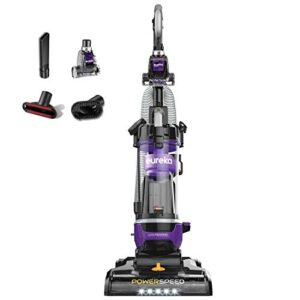
Pet hair doesn’t stand a chance against the Eureka PowerSpeed Upright Vacuum. With 960 watts of suction power and a motorized brush head, it pulls embedded fur and dander from carpet, hardwood, and upholstery alike.
The included pet turbo tool spins hair right off sofas and stairs. Its 2.1-liter dust cup means fewer stops to empty mid-clean, and the washable foam filter keeps maintenance costs low.
For allergy households vacuuming several times a week, it’s a practical, reliable workhorse.
| Best For | Pet owners and busy households who need a reliable, powerful vacuum that works across all floor types without breaking the bank. |
|---|---|
| Pet Focus | Pet hair removal |
| Allergy Benefit | Removes pet hair |
| Ease of Use | Lightweight design |
| Material/Build | Corded electric |
| Maintenance | Regular brush cleaning |
| Indoor Suitability | All floor types |
| Additional Features |
|
- Tackles pet hair like a champ — the turbo tool pulls fur off sofas and stairs with ease
- The 2.1-liter dust cup means you’re not stopping every five minutes to empty it
- Works on everything: carpet, hardwood, tile, upholstery — no switching vacuums needed
- At 88 decibels, it’s loud — not great if you’ve got sleeping kids or noise-sensitive pets
- The cord rewind sounds handy but can be more annoying than helpful in practice
- It’s not the lightest vacuum out there, so lugging it up stairs might get old fast
4. Afloia Air Purifier For Pets
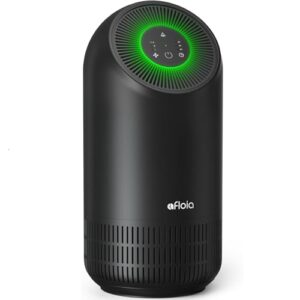
Even the most allergy-friendly dog leaves invisible particles floating in your air. That’s where the Afloia Air Purifier earns its place.
Its three-stage filter system — pre-filter, true HEPA, and activated carbon — captures 99.97% of dander, dust, and smoke while neutralizing pet odors. It covers up to 880 square feet, so one unit accommodates most living areas comfortably.
Running as quietly as 22 decibels in sleep mode, it won’t disturb you or your dog overnight.
| Best For | Pet owners who deal with allergies, asthma, or just can’t keep up with the fur and odors that come with having dogs or cats. |
|---|---|
| Pet Focus | Pet dander filtration |
| Allergy Benefit | Removes 99.99% allergens |
| Ease of Use | Adjustable fan speeds |
| Material/Build | AC powered |
| Maintenance | Filter replacement 4-6 months |
| Indoor Suitability | Up to 880 sq ft |
| Additional Features |
|
- Tackles the full range of pet messes — dander, hair, smoke, and odors — with a solid 3-stage filter system
- Covers up to 880 sq ft, so it works well in larger living rooms and open-plan apartments
- Simple to customize with adjustable fan speeds, a timer, and a toggleable light
- No handle makes it a little awkward to move from room to room
- Buttons are silent, so it’s hard to tell if you actually pressed anything
- Filters need replacing every 4–6 months, and the cold airflow can feel uncomfortable in winter
Frequently Asked Questions (FAQs)
What is the lowest maintenance hypoallergenic dog?
The Miniature Schnauzer takes the crown — or rather, the clip. It sheds very little, adapts well to smaller homes, and has moderate exercise needs that won’t run you ragged.
What is a calm dog that doesn’t shed?
The Bichon Frise and Bolognese are two of the calmest low-shedding dogs you’ll find.
Both breeds stay close to their owners, shed very little, and adapt well to quieter, smaller living spaces.
What lazy dogs don’t shed?
Like the loyal lap dog of legend, some breeds are born for cozy days. The Maltese, Bichon Frise, and Shih Tzu shed very little and prefer lounging over long runs.
Can hypoallergenic dogs still cause allergic reactions?
Yes, hypoallergenic dogs can still cause allergic reactions. They produce less dander, but their saliva, urine, and skin still carry allergen proteins that can trigger symptoms in sensitive people.
Are hypoallergenic dogs good with young children?
Many hypoallergenic breeds are gentle and people-oriented, making them a solid fit for families with kids.
That said, proper socialization, supervised playtime, and teaching children to handle dogs respectfully matter just as much as the breed itself.
How much do hypoallergenic dog breeds typically cost?
Hypoallergenic breeds usually cost between $1,500 and $5,000 from reputable breeders, depending on the breed and your location.
Rarer breeds like the Lagotto Romagnolo tend to run higher than more common ones like Miniature Schnauzers.
Do hypoallergenic dogs get along with other pets?
Most do, but don’t assume a “gentle” breed automatically plays nice with your cat. Temperament, early socialization, and proper introductions matter far more than whether a dog sheds.
At what age should hypoallergenic puppies be adopted?
Most breeders recommend waiting until a puppy is at least 8 to 10 weeks old before bringing them home.
That window gives them time to learn social skills from their mother and littermates.
Conclusion
The best things in life take a little preparation—and finding the right dog is no different.
Low maintenance hypoallergenic dogs make that preparation worthwhile, giving allergy sufferers a real path to pet ownership without daily misery.
Match the breed to your lifestyle, stay consistent with grooming, and keep your home clean.
The sneezing stops, the bond begins, and you’re left wondering why you waited so long to bring one home.
- https://www.petmd.com/dog/general-health/hypoallergenic-dogs
- https://www.telavets.com/blog/hypoallergenic-non-shedding-dogs
- https://dogacademy.org/blog/low-maintenance-hypoallergenic-dogs/
- https://www.newsweek.com/dog-breeds-dont-need-lots-exercise-1612079
- https://bazallergy.com/the-best-dog-breeds-for-allergy-sufferers/