This site is supported by our readers. We may earn a commission, at no cost to you, if you purchase through links.
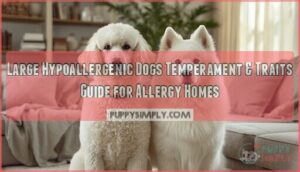
The idea of a “hypoallergenic” dog can sound like wishful thinking—especially for anyone who’s ever sneezed their way through a house full of fur. Yet some large breeds truly do make life easier for allergy-prone owners.
Think smart, confident dogs like the Standard Poodle or the gentle, cloud-like Samoyed—deeply loyal yet less likely to trigger your sinuses. These breeds don’t just shed differently; they think differently too. Their intelligence, steady temperament, and devotion make them outstanding companions when matched with the right household.
Understanding their temperament is the key to finding the right fit for your home and your allergies.
Table Of Contents
- Key Takeaways
- What Makes a Dog Hypoallergenic?
- Popular Large Hypoallergenic Dog Breeds
- Typical Temperament of Large Hypoallergenic Dogs
- Grooming and Allergy Management Needs
- Choosing The Right Large Hypoallergenic Dog
- Frequently Asked Questions (FAQs)
- What is the best hypoallergenic large sized dog?
- Which hypoallergenic dog has the best temperament?
- What big dogs are best for allergy sufferers?
- How do large hypoallergenic dogs handle long travel?
- Which large hypoallergenic breeds adapt best to apartments?
- What are common behavioral challenges in large hypoallergenic dogs?
- How do seasonal changes affect hypoallergenic dog behavior?
- Conclusion
Key Takeaways
- No dog is truly allergy-free; “hypoallergenic” large breeds just tend to shed less and spread fewer dander and saliva particles, so they’re often easier on sensitive noses.
- Popular large hypoallergenic dogs like Standard Poodles, Giant Schnauzers, Irish Water Spaniels, Afghan Hounds, Samoyeds, and doodles are usually smart, people-focused, and strongly bonded to their families, but they vary a lot in energy and independence.
- These breeds almost always need lots of training, socialization, and daily exercise, plus careful management of loyalty and protective instincts, to stay calm, safe, and easy to live with.
- Regular grooming, thoughtful bathing, and home habits like HEPA filters, frequent cleaning, and dog-free zones are essential to keep allergens down and make life with a large hypoallergenic dog manageable.
What Makes a Dog Hypoallergenic?
If you’ve ever wondered why some dogs are easier on your allergies, it all comes down to how much allergen they actually spread. From dander to saliva, every breed is different.
If you’re curious which breeds might be easier on your allergies, this guide to hypoallergenic Cavapoos explains how factors like coat type and saliva levels play a role.
Let’s take a closer look at what really makes a dog “hypoallergenic.”
Allergen Sources in Dogs (Dander, Saliva, Urine)
Dog allergies don’t just come from fur—they start with tiny Dander Proteins, Saliva Allergens, and Urine Antigens.
These canine allergens contain lipocalin reactions that cling to dander and spread through Allergen Transmission.
Understanding this allergen science helps explain why even a clean home or short-haired dog can still trigger allergy symptoms.
How Low-Shedding Coats Reduce Allergies
That sticky mix of dander and saliva doesn’t float as freely when you’re living with low-shedding breeds. Their dense coat structure works like a net, holding loose hair until grooming. This allergen-trapping keeps particles near the skin, lowering airborne dander and helping allergy prevention—especially in large hypoallergenic dog breeds with slow-shedding patterns.
However, even low-shedding dogs still produce allergens from their dander, saliva, skin, and urine, so consistent allergy management practices are important to further reduce reactions in sensitive households.
Myths and Facts About Hypoallergenic Breeds
It’s easy to believe Breed Myths that Hypoallergenic Dogs won’t trigger Pet Sensitivities, but Allergen Science says no dog is fully allergy-free. Even Low Shedding Breeds still spread proteins through dander and saliva. The real Hypoallergenic Facts? Large Hypoallergenic Dog Breeds simply shed less, helping Allergy Sufferers breathe easier—when paired with consistent grooming and cleaning.
Because allergens are carried in dander, saliva, and skin proteins rather than just fur, it’s important to understand key facts about hypoallergenic pets.
Popular Large Hypoallergenic Dog Breeds
If you’ve been wondering which big dogs play nice with allergies, you’re in the right spot. Some large breeds manage to stay gentle on your sinuses without losing their charm or energy.
Let’s take a look at the ones that stand out for both size and suitability.
Standard Poodle Temperament and Traits

Elegant yet endlessly playful, the Standard Poodle stands out among Large Hypoallergenic Dog Breeds for its Poodle Adaptability and tight, Low Shedding coat.
This Social companion thrives on Mental Needs and close Caregiver Bonds. Known for gentle Child Compatibility, the Poodle’s balanced Dog Temperament makes it one of the most reliable Hypoallergenic Dog Breeds for family life.
Giant Schnauzer Personality Profile
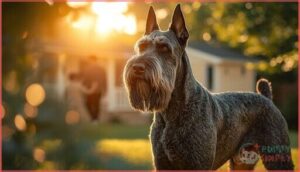
Power packed and full of Giant Loyalty, the Giant Schnauzer is a bold, brainy partner built for active families. With top-tier Breed Intelligence and strong bonds, this Low Shedding guard dog thrives on firm Schnauzer Training and early Dog Socialization to balance its intensity.
- Confident yet sensitive
- Protective in Family Dynamics
- Loyal across Hypoallergenic Dog Breeds
Irish Water Spaniel Behavioral Characteristics
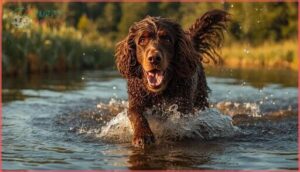
Irish Water Spaniels bring clownish joy to your allergy home, with lively curls that keep shedding low among large hypoallergenic dog breeds. These water-loving goofballs weigh 45-68 pounds and crave close family dynamics.
For more insight into what “low-shedding” really means for allergy-sensitive owners, check out this guide to the best low-shedding dogs.
| Trait | Fit for You |
|---|---|
| Dog Temperament | Playful, owner-focused |
| Exercise Requirements | Daily swims, hikes |
| Socialization Needs | Early meets for trust |
Smart training tips and grooming habits tame their energy—a perfect low-shedding match.
Afghan Hound Temperament Overview

Grace and quiet strength describe the Afghan Hound—a true standout among Large Hypoallergenic Dog Breeds. Its silky coat sheds little, pleasing Allergy Sufferers who value elegance.
Beneath that beauty lies an Independent Nature and Gentle Soul requiring patient Leash Training and mindful Socialization Needs. This breed’s refined Dog Temperament rewards calm, steady companionship.
Samoyed Disposition and Suitability
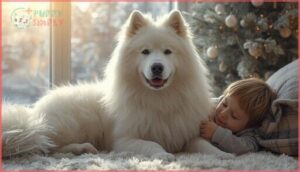
Ever met a dog with a smile that melts winter itself? The Samoyed, born for the cold climate, carries a Fluffy Coat and Gentle Nature perfect for families. With patient Samoyed Training, these loyal Family Pets fit beautifully among Large Hypoallergenic Dog Breeds.
Picture it:
- Morning walks in crisp air.
- Snowy cuddles indoors.
- A heart full of quiet joy.
Goldendoodle and Labradoodle Temperament

Looking for a dog that feels like sunshine with fur? Large Hypoallergenic Dog Breeds like the Goldendoodle and Labradoodle blend Doodle Friendliness with a calm, Social Nature. Their Family Bonds run deep—they’re Patient with kids, quick learners, and love adventure. Just remember, their Exercise Needs suit active homes craving a loyal, affectionate Dog Temperament.
| Breed | Energy Level | Best For |
|---|---|---|
| Goldendoodle | High | Families with children |
| Labradoodle | Moderate‑High | Active households |
| Both | Consistent | Allergy‑sensitive owners |
| Both | Strong | Companionship seekers |
Typical Temperament of Large Hypoallergenic Dogs

Big hypoallergenic dogs tend to be smart, sensitive, and very tuned in to their people, but they aren’t all the same. Some are mellow shadows, others are energetic goofballs, and many land somewhere in between.
To help you picture what living with one might really feel like, let’s walk through the main temperament traits you can expect to see.
Intelligence and Trainability
Think of the smartest large hypoallergenic dog breeds as kids who love school and extra credit. Their Canine Cognition shines in Obedience Training because they enjoy learning.
- Picture quick-witted Poodles nailing new cues in just a few tries.
- Imagine focused Giant Schnauzers working best with clear, calm dog training.
- See Irish Water Spaniels turning games into clever Learning Strategies.
- Notice how Trainability Factors shift if routines are rushed or harsh.
- Understand that Intelligent Breeds still need patient, kind guidance to shape everyday dog temperament in real-life canine companions.
Loyalty and Family Attachment
Just as smart dogs crave learning, they crave connection too. Large Hypoallergenic Dog Breeds often act like “velcro” Canine Companions—following their people from room to room. Understanding Loyalty Factors and Attachment Styles helps balance Bonding Techniques and Family Dynamics so Allergy Sufferers can enjoy steady affection without overstimulation in sensitive Dog Temperament profiles.
| Breed | Loyalty Pattern |
|---|---|
| Standard Poodle | Quietly devoted; steady eye contact |
| Giant Schnauzer | Shadows main caregiver daily |
| Goldendoodle | Shares warmth across the family |
| Irish Water Spaniel | Playfully loyal with select favorites |
Protective Instincts and Socialization Needs
Your “velcro” Canine Companions don’t just cling; many Large Hypoallergenic Dog Breeds also watch over you. Some, like Giant Schnauzers, have strong Watchdog Traits, while others, like Standard Poodles, mostly sound the alarm and stay polite. Good Dog Socialization and simple Guarding Techniques keep that instinct feeling safe, not scary.
Try these Socialization Methods and Calming Strategies:
- Pair every new guest with treats, praise, and short, calm greetings to shape healthy Dog Temperament and guard-style Protective Training.
- Teach a “quiet” cue so vocal Hypoallergenic Dogs can bark once, then settle, blending Watchdog Traits with house peace.
- Use a bed or mat as a “guarding spot” so protective Canine Companions can watch from one place instead of blocking doors.
- Plan slow, neutral dog meetups to practice Dog Socialization, preventing overprotective habits in naturally wary Large Hypoallergenic Dog Breeds.
Activity Level and Exercise Requirements
Those protective pups also pack plenty of pep. Large hypoallergenic dog breeds have high energy levels, so meet their dog exercise requirements with 60-120 minutes of daily exercise. Mix physical activity like walks with play needs and mental stimulation to keep them happy.
| Breed Example | Daily Exercise | Mental Stimulation |
|---|---|---|
| Standard Poodle | 90 mins walks/runs | Training games, scent work |
| Giant Schnauzer | 120 mins active play | Problem-solving toys |
| Labradoodle | 60-90 mins fetch | Nose work drills |
| Samoyed | 2+ hours outings | Rotating agility tasks |
| Irish Water Spaniel | 75 mins swims/hikes | Short obedience sessions |
Balance keeps your home calm.
Compatibility With Children and Other Pets
A balanced routine sets the stage for smooth family integration. Large hypoallergenic dog breeds shine in child safety and pet socialization, blending loyalty with gentle vibes for allergy sufferers. They adapt well to household dynamics when you prioritize dog ownership basics.
- Teach kids: no hugging necks or disturbing resting dogs.
- Supervise play closely—be ready to step in.
- Use gates for dog’s quiet zones.
- Introduce cats slowly on leash.
- Reward calm behavior around small pets.
Grooming and Allergy Management Needs

Keeping a large hypoallergenic dog healthy and your allergies under control takes a bit of routine and know‑how. Grooming isn’t just about looks—it’s the key to keeping allergens low and coats in great shape.
Here’s what to focus on to make daily care easier for both you and your dog.
Coat Maintenance and Professional Grooming
Think of Coat Maintenance as allergy armor for your Hypoallergenic Dog Breeds: good Coat Brushing, the right Grooming Tools, and a steady Dog Grooming routine are what keep Low Shedding coats working in your favor.
Curly and wavy Hair Texture needs regular brushing for Shedding Control and Dander Removal, while wiry or double coats have stricter Grooming Requirements, so plan on consistent professional help.
Bathing Frequency to Control Allergens
Occasionally, the right Bathing Schedules make life with Hypoallergenic Dogs much easier. For most Low Shedding Breeds, a weekly bath is a sweet spot for Allergen Reduction and Dander Control while still protecting Skin Health with gentle Dog Grooming products and lukewarm water.
If your allergies are stronger, consider every 3–4 days, and ask your vet to personalize those Grooming Tips for your Hypoallergenic Dog Breeds.
Home Strategies for Allergen Reduction
Inside your home, smart Allergy Management matters as much as the right Hypoallergenic Dog Breeds. Aim for steady Allergen Reduction: use Air Purification with true HEPA Filters for Pet Dander, keep simple weekly Cleaning Routines, vacuum often, and wash bedding hot.
These small Allergen Removal habits make Managing Dog Allergies and everyday Dog Allergies feel a lot more doable.
Choosing The Right Large Hypoallergenic Dog
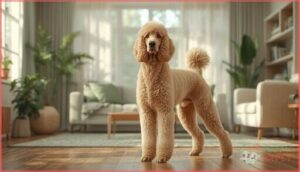
Choosing the right large hypoallergenic dog isn’t just about coat type or looks; it’s about finding a personality that fits your home and your allergies. You’ll want to think about energy level, health needs, and how each breed meshes with your daily routine.
Let’s walk through some key things to keep in mind so the next options are easier to sort through.
Matching Breed Temperament With Owner Lifestyle
Choosing a large hypoallergenic dog isn’t just about looks—it’s about fit. Your Lifestyle Assessments, Family Dynamics, and Living Situations should shape your choice.
High-energy Hypoallergenic Dog Breeds suit active owners, while calmer types prefer quieter homes.
Balancing Owner Priorities and Pet Preferences helps match Dog Breed Characteristics with real life—a must for allergy sufferers seeking lasting harmony.
Health Considerations in Large Hypoallergenic Breeds
Big, fluffy, and “hypoallergenic” doesn’t mean low-maintenance regarding Dog Health and Wellness for Hypoallergenic Breeds.
Large Hypoallergenic Dog Breeds face Health Considerations like Joint Disorders, Cancer Risks, Endocrine Issues, and bloat, and they’re prone to weight gain, so Obesity Management, smart Allergen Reduction and Management, and consistent Veterinary Care matter just as much as coat type.
Adoption Vs. Breeder Selection
Think of this as a gentle Cost Comparison with two very different paths.
With Dog Adoption and Rescue Organizations, the Adoption Process is usually cheaper upfront, and you’re giving a home to a dog who really needs one, but you’ll know less about genetics and Puppy Socialization.
With ethical Breeder Selection and Reputation, you pay more for Large Hypoallergenic Dog Breeds, yet you often get health testing, clearer temperament history, and stronger Owner Support—especially when choosing a large hypoallergenic dog from Hypoallergenic Dog Breeds for Allergy Sufferers.
Responsible Ownership for Allergy Sufferers
Whether you adopt or buy from a breeder, responsible pet ownership keeps everyone happy in your allergy home. Start with allergen testing to check your sensitivity to dog allergies. Here’s how to manage dog allergies and pet dander:
- Schedule regular vet visits and get pet insurance for large hypoallergenic dog breeds.
- Boost home cleaning with HEPA filters weekly.
- Practice allergy prevention like dog-free bedrooms.
- Bathe your hypoallergenic dog breeds for allergy sufferers every few weeks.
- Test immunotherapy if symptoms linger.
Frequently Asked Questions (FAQs)
What is the best hypoallergenic large sized dog?
For most people balancing Dog Allergy, Pet Ownership, and real-life Hypoallergenic Needs, the Standard Poodle is often the best “all-rounder” among large hypoallergenic dog breeds.
It is one of the most reliable large dog breeds with low shedding and allergy-friendly traits compared with other low-shedding dogs and mixed hypoallergenic dog breeds in Large Breeds.
Which hypoallergenic dog has the best temperament?
Picture a calm, allergy-friendly dog curled at your kid’s feet, happy after a walk, not bouncing off the walls. For most families, Standard Poodles top the Dog Temperament list in any Breed Comparison: smart, steady, low-shedding dogs with gentle Canine Psychology, great Pet Compatibility, and consistently good Owner Experience across hypoallergenic dog breeds and large hypoallergenic dog breeds.
Among low-shedding dogs, they’re often the safest “best temperament” bet.
What big dogs are best for allergy sufferers?
For allergy sufferers who still love big dogs, the best fits are Large Hypoallergenic Dog Breeds like Standard Poodles, Giant Schnauzers, Irish Water Spaniels, Afghan Hounds, and Samoyeds.
These Allergy Friendly Dogs pair Low-Shedding Breeds with Canine Allergy Management, Dog Dander Control, Hypoallergenic Grooming, and solid Large Breed Health support.
How do large hypoallergenic dogs handle long travel?
As they say, “slow and steady wins the race.” Large hypoallergenic dog breeds handle long travel best with gradual training, comfort breaks, and calm setups that reduce Travel Anxiety, Motion Sickness, and Air Travel Precautions during Long Distance Logistics.
Which large hypoallergenic breeds adapt best to apartments?
For tight Apartment Living with Urban Adaptation in mind, Standard Poodles, Portuguese Water Dogs, and Standard Labradoodles are your best large hypoallergenic dog breeds.
Their moderate Space Requirements, low shedding dogs’ coats, trainability, and Noise Reduction potential make Breed Selection smoother for allergy sufferers seeking large dog breeds with low shedding and calmer indoor behavior.
What are common behavioral challenges in large hypoallergenic dogs?
Ever wonder if large hypoallergenic dog breeds really dodge drama? Nope—they face Separation Anxiety, like Poodles chewing from loneliness; High Energy sparking destruction without runs; Protective Aggression toward strangers; Stubborn Traits ignoring calls; and Excessive Barking.
Allergy sufferers, match your lifestyle to tame these.
How do seasonal changes affect hypoallergenic dog behavior?
Seasonal changes can shift a hypoallergenic dog’s behavior—cool weather boosts energy levels, while heat slows them down.
Spring and fall bring seasonal shedding, allergy flareups, and extra coat maintenance needs for allergy-friendly large dog breeds.
Conclusion
Choosing the right dog for your allergies isn’t just a small decision; it can feel like choosing a new heartbeat for your home. When you understand large hypoallergenic dogs’ temperament, grooming needs, and energy levels, you’re not guessing—you’re building a partnership on purpose.
Visit breeders, meet rescues, ask hard questions, and notice how your body responds. The right dog won’t only spare your sinuses; they’ll quietly stitch themselves into your daily life for many years.
- https://www.houndsy.com/blogs/modern-tails/understanding-giant-schnauzer-personality-traits-and-what-they-mean-for-you
- https://www.wisconsindesignerdoodles.com/stokeshire-doodle-puppy-blog/best-large-hypoallergenic-dogs-for-families
- https://www.petplace.com/article/dogs/pet-care/airedale-terrier
- https://www.webmd.com/pets/dogs/what-to-know-about-irish-water-spaniels
- https://www.akc.org/expert-advice/health/how-to-groom-a-dog/