This site is supported by our readers. We may earn a commission, at no cost to you, if you purchase through links.

Your dog charging through the yard is pure joy—until you realize that gorgeous plant near the fence might be a trip to the emergency vet. The ASPCA reports thousands of pet poisoning cases each year, with common garden plants like sago palm and oleander sitting quietly in neighborhood yards, toxic enough to cause organ failure or cardiac arrest. Most dog owners don’t find this out until something goes wrong.
The good news? Your yard can be lush, colorful, and completely safe. Choosing landscape plants safe for dogs doesn’t mean sacrificing beauty—it means knowing which flowers, shrubs, and groundcovers work with your dog’s presence, not against it.
Table Of Contents
Key Takeaways
- Common yard plants like sago palm, oleander, and azaleas can cause organ failure or cardiac arrest in dogs, so knowing which plants to avoid is just as important as knowing which ones are safe.
- Beautiful, dog-friendly yards are completely achievable using non-toxic flowers like sunflowers, zinnias, and marigolds, plus shrubs like magnolia and camellia that add structure without the risk.
- Smart yard design—raised beds, dog-deterrent edging, pet-safe mulch like cedar or pine, and designated play zones—protects both your garden and your pup beyond just plant selection.
- Always use scientific plant names when researching safety, since common names like "lily" cover dozens of species with wildly different toxicity levels.
Best Dog-Safe Landscape Flowers

Picking flowers for a yard with dogs doesn’t have to mean sacrificing color or beauty. You just need to know which ones won’t send you racing to the vet.
A quick look at yard plants that are harmful to dogs can save you a lot of stress before you ever break ground.
Here are some reliable, dog-safe favorites worth planting.
Sunflowers for Sunny Borders
Sunflowers (Helianthus spp.) are one of the best dog-friendly plants you can grow along a sunny border. They’re non-toxic, cheerful, and genuinely hard to mess up.
For best results across most USDA Hardiness Zones, follow these basics:
- Soil Preparation: Use well-drained soil with a pH of 6.0–7.5.
- Spacing Guidelines & Staking Techniques: Plant 12–36 inches apart; stake tall varieties early.
- Watering Schedule & Sun Exposure: Deep, infrequent watering plus 6–8 hours of daily sun keep heads big and blooms strong.
Zinnias for Long-lasting Color
Zinnias are another pawtastic swap if you loved how sunflowers filled your border. They’re completely non-toxic and bloom from early summer straight through autumn — roughly 60 to 90 days after sowing.
For peak color, give them full sun and soil around pH 6.0 to 7.0.
Regular deadheading keeps new blooms coming, and watering at soil level prevents color fading on those vibrant petals.
Snapdragons for Vertical Interest
Want to add some height after all that zinnia color? Snapdragons are your answer.
Their upright stalks reach one to three feet tall, making vertical color stacking easy in borders or containers.
They’re non-toxic and genuinely wind-resistant stems hold steady without staking.
Bloom timing peaks in cool spring weather — perfect for a pet-friendly garden that looks intentional and keeps your dog safe.
Marigolds for Easy Seasonal Planting
After snapdragons bring the height, marigolds bring the hustle. These workhorses of the seasonal garden are non-toxic, bright, and practically grow themselves.
Quick germination happens in just 5–7 days, and they thrive across a solid light exposure range — full sun to light shade. Here’s why they earn a spot in every seasonal planting guide for dogs:
- Companion planting benefits: they naturally deter soil nematodes near veggie beds
- Soil drainage tips: avoid heavy clay — amend or raise beds slightly
- Seasonal sowing schedule: direct-sow after last frost, once soil hits 60°F
- Deadhead spent blooms to extend color all season
Dog-safe plants don’t get more beginner-friendly.
Camellias and Coral Bells for Mixed Beds
Camellias and coral bells are a dream pairing for mixed beds — and both are dog-safe plants your pup can sniff around freely. Camellias anchor the space with glossy evergreen structure and spring blooms, while coral bells layer in colorful foliage all season long.
That seasonal color stagger keeps beds interesting year-round.
Pairing that stagger with pet-safe flea and tick prevention methods means your blooming beds stay beautiful and safe for the whole family.
For acidic soil tips, mulch with pine bark and space camellias 5–8 feet apart. Both attract pollinators too — a genuine win for pet-friendly landscaping and garden design alike.
Dog-Safe Shrubs, Trees, and Hedges
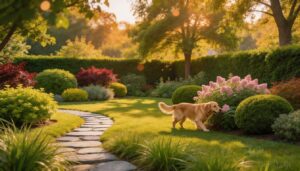
Flowers get a lot of the glory, but shrubs, trees, and hedges do the heavy lifting in a dog‑friendly yard. They create structure, shade, and privacy — all without putting your pup at risk.
Here are some solid woody plants worth adding to your landscape.
Magnolia as a Non-toxic Statement Plant
Magnolia trees (Magnolia spp.) are a standout Magnolia focal point that won’t put your dog at risk. Most species are non-toxic, making them a smart pick for pet-friendly gardening.
Their evergreen shade canopy keeps pups cool in summer, and Dwarf Magnolia options like Little Gem suit smaller yards beautifully.
With bark safety concerns minimal and seasonal bloom appeal undeniable, Magnolia trees earn their place in non-toxic landscaping.
Camellia for Privacy and Blooms
If you want a plant that pulls double duty — privacy screen and showstopper blooms — camellia deserves a serious look. It’s completely dog‑friendly, so no worries there.
For best results:
- Acidic soil prep (pH 5.5–6.5) keeps leaves lush
- Partial shade placement protects blooms from scorching
- Mulch benefits roots by retaining moisture year-round
- Pruning timing right after blooming extends next season’s color
True Bamboo for Screening
True bamboo — specifically clumping types rather than aggressive runners like Phyllostachys aurea — makes a genuinely dog-safe privacy screen.
Clumping growth stays contained without a root barrier, reaching 8–12 feet of screening height within a few years. Culms range from green to amber tones, looking sharp year-round.
Maintenance pruning just means removing dead canes annually. Practical, pet-friendly landscaping that actually works.
Shrub Roses for Dog-friendly Borders
Shrub roses can pull double duty in a dog-friendly backyard — beautiful borders AND natural barriers. Choose compact growth varieties with sturdy, disease-resistant canes. Their seasonal bloom cycle delivers color from spring through summer.
Focus on thorn management by planting away from play zones. Use good soil drainage, smart mulch selection, and space plants 3–5 feet apart. Truly practical pet-friendly landscaping.
Consider planting non‑toxic shrubs such as tropical hibiscus for added safety.
Choosing Low-litter, Low-risk Woody Plants
Low-litter woody plants are honestly one of the smartest choices you can make for a dog yard. compact canopies tidy, dropping far less debris than full-size trees.
bark smoothness and leaf texture — rough edges snag fur and irritate paws. pruning after flowering to cut bloom drop.
nontoxic ornamental shrubs means fewer fruit or litter problems, less mess, safer dogs.
Safe Groundcovers and Herbs
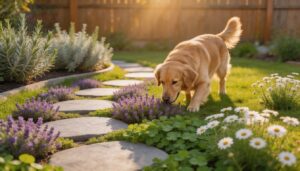
Once you’ve sorted your shrubs and trees, it’s time to think closer to the ground. The right groundcovers and herbs can fill in gaps beautifully while staying completely safe for your dog.
Here are some great options worth planting.
Creeping Thyme for Paw-friendly Coverage
Creeping thyme is one of the most rewarding groundcover options safe for dogs — and genuinely low‑maintenance. It forms a soft paw surface just 2–3 inches tall, offering real traffic resilience as it bounces back after play.
Its drought tolerance keeps bare patches away, while natural weed suppression tidies the yard. As an aromatic deterrent, the scent actually discourages chewing — a quiet bonus in non‑toxic landscaping.
Irish Moss for Soft Green Texture
If creeping thyme is your sunny-spot solution, Irish moss shines in shadier corners. This non-toxic landscaping gem stays just 2–4 inches tall and spreads slowly — no aggressive takeovers here.
Here’s what makes it a smart pick for groundcover options safe for dogs:
- Moisture Management — Keep soil evenly moist; it hates standing water
- Light Tolerance — Thrives in partial to full shade
- Soil Acidity Preference — Performs best at pH 5.5–7.0
- Foot Traffic Resilience — Manages light paw traffic beautifully
Its slow spreading growth keeps your dog-friendly backyard tidy and genuinely plush underfoot.
Blue Star Creeper for Light Traffic Areas
Blue Star Creeper manages light paw traffic beautifully — staying just 2–3 inches tall with sky-blue blooms each late spring. It’s a standout among groundcover options safe for dogs.
soil drainage and moisture management are key; soggy roots slow its spread. Light pruning after flowering keeps spread control easy.
Nontoxic landscaping doesn’t get much more charming than this.
Rosemary, Basil, and Sage for Edible Beds
Edible beds with rosemary, basil, and sage pull double duty — they’re dog-safe plants your kitchen will love, too. All three need full sun (six-plus hours daily) and soil pH management around 6.0–7.0. Smart plant spacing matter: space rosemary 24–36 inches apart, and basil 12–18 inches.
- Harvest timing tips: snip basil before it flowers for peak flavor
- Pest management techniques like organic soap sprays keep aphids off basil safely
- Rosemary and sage naturally deter insects without harming curious dogs
Fescue and Clover Lawn Alternatives
If you’re tired of patching up dead grass, fescue and clover might just save your lawn — and your sanity. Together, they form a dog-friendly groundcovers for dog‑friendly groundcovers: clover provides nitrogen fixation benefits naturally, cutting fertilizer bills, while fescue’s deep roots deliver soil structure improvement and real foot traffic tolerance. That’s low maintenance turf that actually works.
| Feature | Fine Fescue | Clover Mix |
|---|---|---|
| Drought Resilience Strategies | Good once established | Excellent, stays green longer |
| Nitrogen Fixation Benefits | None | Self‑fertilizing naturally |
| Foot Traffic Tolerance | Moderate to good | Light to moderate |
| Mowing Frequency | Low | Very low |
| Nontoxic Landscaping | Yes | Yes |
Both options support a genuinely dog-friendly yard without harsh chemicals.
Toxic Landscape Plants to Avoid
Not every pretty plant in the nursery is a safe one for your yard. Some common landscaping favorites can seriously harm your dog, even in small amounts.
Here are the ones worth knowing before you plant.
Sago Palm and Severe Poisoning Risk
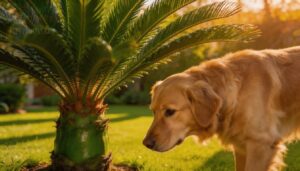
Sago palm might look like a harmless tropical accent plant, but it’s one of the most dangerous choices you can make for a yard with dogs.
Every part contains cycasin and a neurotoxin called BMAA — both trigger liver failure and neurologic symptoms like seizures and tremors.
Signs can appear within hours, though liver damage often develops 48–72 hours later. Emergency treatment is critical.
For nontoxic landscaping, identifying toxic plants harmful to dogs starts here.
Oleander and Cardiac Toxicity
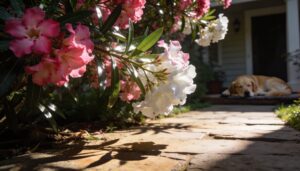
Oleander is just as deadly as sago palm — maybe more so. Its cardiac glycoside mechanism works by disrupting Na/K ATPase inhibition in heart cells, flooding them with calcium and triggering dangerous arrhythmia types like ventricular fibrillation.
Even tiny amounts can cause hyperkalemia risk and rapid collapse.
Emergency treatment must happen fast.
Check the ASPCA plant toxicity database and keep oleander out completely when identifying toxic plants harmful to dogs.
Tulips and Dangerous Bulbs
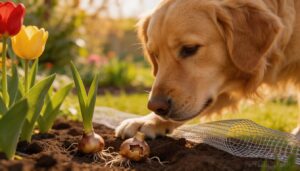
Tulips look innocent, but the real danger is underground. Bulb Digging Risks are serious — dogs love to sniff out and chew freshly planted bulbs, and Tulip Bulb Toxicity can trigger real symptoms of ingestion quickly:
- Drooling and vomiting
- Lethargy and appetite loss
- Abdominal discomfort
For garden safety for pets, use Preventive Barriers like wire mesh over beds. Safe Planting Practices keep these toxic plants for dogs out of reach.
Azaleas, Yews, and Common Yard Hazards

Azaleas and yews are two of the most common toxic plants hiding in everyday yards. Azalea Toxicity hits fast — vomiting, drooling, even heart issues after just a little chewing.
Yew Needle Hazards are year-round since needles don’t disappear with the seasons. Watch for Mulch Debris Risks and Seasonal Pruning Dangers too, as Dog Chewing Pathways often start with fallen clippings.
Why Scientific Names Prevent Plant Mix-ups
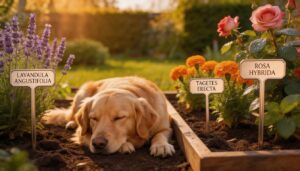
Here’s a truth that could save your dog’s life: common names lie. "Lily" alone covers dozens of plants — some safe, some deadly.
Common plant names can lie — lily alone spans dozens of species, some safe, some deadly
That’s where standardized taxonomy earns its keep. Using scientific names to avoid plant confusion means accurate labeling every time. Latin nomenclature benefits extend into international plant registries and cultivar identification, so when you’re selecting dog-safe plants for your yard, you’re choosing the right one.
Dog-Friendly Planting and Yard Design
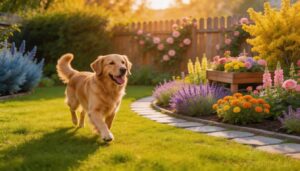
Choosing the right plants is only half the job — how you design your yard matters just as much for keeping your dog safe. A few smart layout choices can protect your garden and give your pup room to roam freely.
Here’s what to think about when planning a dog-friendly yard from the ground up.
Matching Plants to USDA Hardiness Zones
Before you fall in love with a plant at the nursery, check its USDA Hardiness Zone range first. Zone Range Selection keeps you from planting a zone 8 magnolia in a zone 5 yard — and losing it in February.
Hardiness Map Interpretation is straightforward: find your zone, match it to the plant’s range. Don’t forget Microclimate Adjustments either; a sheltered south-facing corner can stretch what survives.
Selecting Durable Plants for Active Dogs
Once your zone is sorted, pick plants tough enough to survive dog’s daily chaos. Think Root Depth Resilience — deep-rooted perennials bounce back after trampling.
Durable yard plants for designing durable yards for active dogs share four traits:
- Leaf Toughness — thick, flexible leaves resist tearing
- Traffic-Resistant Grasses like fescue handle constant running
- Watering Tolerance through irregular schedules
- Seasonal Regrowth from strong crown buds
Using Raised Beds and Barriers
Tough plants hold their ground, but smart structure protects them even better. Raised beds at 12–18 inches follow solid Bed Height Guidelines — high enough to discourage casual digging, deep enough for healthy roots.
Barrier Material Choices, cedar or galvanized steel both work beautifully. Add Dog-Deterrent Edging and buried hardware cloth, and your dog-friendly backyard stays exactly that — friendly for everyone.
Avoiding Cocoa Mulch and Harsh Chemicals
Smart structure isn’t the only thing standing between your dog and harm.
That bag of cocoa mulch smells pleasant — to your dog too. It contains theobromine and caffeine, both toxic enough to trigger vomiting, tremors, or worse.
Stick to nontoxic Cocoa Mulch Alternatives like cedar, pine, or rubber mulch instead.
For a chemical-free lawn, choose Organic Fertilizer Options and pet-safe soil amendments over harsh weed killers.
Creating Paths, Play Zones, and Safe Access
Once your plants are sorted, the hardscape matters just as much. Use Permeable Path Materials like crushed gravel or permeable pavers — they drain fast and give paws a clear direction.
Gentle Slope Design keeps slippery moments rare, and Non-slip Surface Textures protect joints on wet days.
Add Self-closing Gate Features, Visibility Fencing Options, and shaded Dog Play Zones, and your yard basically runs itself.
Frequently Asked Questions (FAQs)
Can dogs safely eat plants from the yard?
Most yard plants won’t seriously harm a curious sniffer, but digestive tolerance varies. Plant part toxicity matters too — bulbs and seeds hit harder than leaves.
When in doubt, vet consultation beats guessing.
Which succulents are non-toxic to dogs?
Echeveria varieties, Haworthia, Sempervivum houseleeks, Burro’s Tail, Opuntia cactus, and Beaucarnea ponytail palm are all dog-safe succulent choices.
Always verify the exact species name — plant toxicity for dogs depends on correct identification.
How do I handle a dog that digs up plants?
Give your dog a Designated Dig Zone — a sandbox corner just for them. Pair Reward Redirection with Enrichment Toys and Scent Work Games to burn energy.
Supervised Yard Time and Dogproof fencing handle the rest.
Are indoor houseplants safe if dogs chew them?
Not always. Chewing toxicity is real — even "non-toxic" options can cause digestive upset. Potting soil risks include vomiting and diarrhea.
dog-safe plants, always supervise, and keep any houseplant out of easy reach.
What groundcovers tolerate dog urine without dying?
Persistent patches and paw‑proof plants exist!
Creeping thyme, blue star creeper, and Irish moss are dog‑friendly groundcovers that bounce back fast from dog urine, handling high‑traffic groundcovers and urine‑resistant groundcover needs beautifully.
Conclusion
The greatest challenge in creating a dog-friendly yard isn’t choosing plants, but balance—freedom and safety aren’t mutually exclusive. By selecting landscape plants safe for dogs, you’re merely protecting your pet, but also cultivating a vibrant outdoor space.
Imagine a yard where your dog can play, and you can relax, surrounded by beauty that’s non-toxic. With these tips, you can create a harmonious haven, where joy and safety bloom together, every day.
- https://www.aspca.org/pet-care/animal-poison-control/dogs-plant-list
- https://wallacesgardencenter.com/blogs/gardening/pet-friendly-plants
- https://porchpotty.com/blogs/news/creating-a-dog-safe-landscaping-oasis-pet-safe-plants-and-hazards-to-avoid
- https://www.petscare.com/news/post/pet-safe-garden-plants-dogs-cats
- https://www.shrubhub.com/blog/10-must-have-dog-safe-outdoor-plants.php