This site is supported by our readers. We may earn a commission, at no cost to you, if you purchase through links.
On a hot summer day, clipping a thick-coated dog might feel like an act of kindness. But beneath that fluffy surface lies a complex system designed to regulate temperature, protect from sunburn, and even balance skin moisture. Shaving can strip away that natural defense, especially in double-coated breeds like Huskies or Golden Retrievers, leaving them more at risk than relieved.
Understanding coat types isn’t about grooming trends—it’s about respecting biology. Knowing when it’s safe to shave your dog, and when to step back, can mean the difference between comfort and long-term coat damage.
Table Of Contents
- Key Takeaways
- Is It Safe to Shave Your Dog?
- How Dog Coat Types Affect Shaving
- Risks of Shaving Double-Coated Dogs
- Risks of Shaving Single-Coated Dogs
- When is Shaving a Dog Necessary?
- Common Myths About Shaving Dogs
- Safe Alternatives to Shaving for Cooling
- Preparing to Shave Your Dog Safely
- Step-by-Step Dog Shaving Best Practices
- When to Seek Professional Grooming Help
- Frequently Asked Questions (FAQs)
- Conclusion
Key Takeaways
- Shaving a dog, especially double-coated breeds, disrupts natural temperature control and exposes skin to sunburn, irritation, and infection.
- A dog’s coat regulates heat, protects from UV damage, and maintains skin health, so shaving usually harms rather than helps.
- Safe alternatives like brushing, de-shedding, regular bathing, and shade are far more effective for cooling and coat maintenance.
- Shaving should only be done for medical reasons, severe matting, or under veterinary or professional grooming guidance.
Is It Safe to Shave Your Dog?
Have you ever wondered if it’s really safe to shave a dog when the weather heats up? In most cases, it’s not. A dog’s coat isn’t just fur—it’s a built-in temperature regulator and skin shield. Veterinary experts note that natural coat temperature regulation helps pets stay cool in summer, warm in winter, and protected from heat-related risks like sunburn and heatstroke.
Removing it can cause serious Dog Health Risks, from sunburn to disrupted heat control. Shaving also exposes delicate skin, raising infection and irritation chances.
For more insight into how your dog’s coat protects its health, this guide on Rottweiler shedding and skin care explains why regular grooming matters far more than shaving.
Many owners mean well, thinking it’s a shortcut to Summer Safety, but effective Shaving Alternatives like regular brushing, de‑shedding, and good Coat Maintenance work far better. The right Grooming Techniques can manage shedding and comfort without stripping protection. Unless recommended for medical reasons, full Coat Shaving Risks usually outweigh the benefits in healthy dogs.
How Dog Coat Types Affect Shaving

Your dog’s coat type determines how their body manages heat, cold, and even sun exposure. Before you think about shaving, it’s important to understand how those coat layers actually work.
Let’s look at how different coat types influence when and how grooming should happen.
Double-Coated Breeds Explained
Think of double-coated dogs as wearing a built-in two-layer jacket: a coarse outer guard-hair layer and a soft, dense undercoat close to the skin, the key Coat Layer Structure that defines these coat types. This double coat manages Thermal Regulation by trapping warm air in winter and slowing heat gain in summer, while shedding follows distinct Shedding Patterns, with heavy seasonal “blowing coat” periods rather than constant light hair loss.
Double-coated dogs wear a built-in two-layer jacket: coarse guard hairs outside, dense undercoat inside, regulating temperature by trapping winter air and blocking summer heat
Because of these Breed Characteristics and Grooming Needs, double-coated breeds like German Shepherds, Golden Retrievers, and Border Collies rely on regular brushing and de-shedding—not shaving—to clear impacted undercoat, protect skin, and keep shedding manageable without damaging coat function. Owners of these breeds should commit to to prevent matting, manage heavy seasonal shedding, and support overall skin and coat health.
Single-Coated Breeds Explained
Unlike double coats, a single coat is one clear layer of hair that sits close to the skin, offering limited insulation. Single-coated dogs—like Greyhounds, Boxers, and Poodles—shed lightly but need consistent grooming to prevent tangles.
Their hair texture and coat structure make them more sensitive to temperature shifts, so careful summer care keeps them comfortable year-round.
Breed-Specific Grooming Needs
Single-coated dogs and double-coated dogs don’t just look different; their breed characteristics change how you handle coat maintenance and canine hygiene.
For instance, German Shepherds need slicker brushes several times a week, while Poodles rely on frequent grooming tools, careful hair texture management, and regular trims.
When you plan dog coat types and care, always factor in breed considerations and overall canine coat types.
Risks of Shaving Double-Coated Dogs

Double-coated dogs rely on their undercoat and guard hairs for natural protection. Shaving them disrupts this balance in ways you mightn’t expect. Here are the main risks to watch for.
Coat Damage and Regrowth Issues
Shaving double-coated dogs often leads to coat damage, where the undercoat surges back faster than guard hairs, creating patchy regrowth patterns that linger for months. This follicle damage disrupts natural growth cycles, resulting in coarser, uneven coat regrowth prone to matting and poor shedding.
You’ll notice fuzzy spots on Huskies or Goldens, so focus on damage prevention through brushing to avoid skin irritation and permanent texture changes.
Increased Sunburn and Skin Risks
Shaving double-coated dogs strips away their coat’s natural UV filter, spiking sunburn risks on exposed skin like noses and bellies. You’ll see pink, warm patches fast, especially in light-skinned breeds, with skin irritation or infections following close behind.
Repeated UV damage ups skin cancer odds and worsens dermatitis from follicle damage, harming overall coat health. Prioritize sun protection to dodge these shaving risks.
Impact on Temperature Regulation
Thermal balance falls apart when you shave a double-coated dog, because you strip away the very layers that support natural temperature regulation and Climate Adaptation in both heat and Cold Exposure.
Their undercoat normally traps still air for insulation, while guard hairs shield from radiant heat, so Insulation Loss increases overheating risk and Heat Stress, forcing you to rely even more on strict heat safety and heatstroke prevention strategies for basic thermoregulation.
Risks of Shaving Single-Coated Dogs
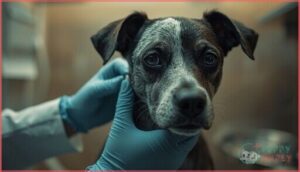
Shaving a single-coated dog might seem harmless, but it can cause more trouble than you’d expect. These breeds rely on their hair for basic protection and skin health. Before reaching for the clippers, here are the main risks you should know about.
Loss of Protection and Insulation
That natural dog coat you see isn’t just “fur,” it’s a built‑in Natural Barrier that provides Coat Insulation, Skin Protection, and steady Temperature Regulation across seasons.
With single‑coat canine coat types, shaving too short strips away that Environmental Shield, so fur protection against cold wind, hot surfaces, and everyday drafts drops sharply, and your dog may feel temperature swings much more intensely, despite careful coat maintenance.
Skin Irritation and Infection Risks
Think of the clipper as sandpaper on thin dog skin; close shaving can trigger Razor Burn, tiny nicks, and intense skin irritation that set the stage for Skin Infections and deeper Follicle Issues.
With single‑coated breeds, poor Clipper Safety and weak Grooming Hygiene let bacteria like Pseudomonas or Staphylococcus enter freshly shaved follicles, so razor burns, hot painful bumps, and serious post‑grooming skin infections become real canine dermatology problems that threaten long‑term dog skin health.
Minimum Hair Length Guidelines
How short is too short when shaving your dog? Stick to Coat Length Standards for single-coated breeds to dodge the risks of shaving dogs.
Use proper Clipper Blade Sizes in dog grooming for canine coat types and best practices.
- Face and paws: 1/16 inch (1.6 mm) preserves essential protection without irritation.
- Smooth coats: 1.2 mm avoids follicle shock and uneven Hair Growth Rates.
- Sanitary zones: 1/16 inch hygiene prevents infections amid fast Shedding Patterns.
- Everyday trims: 9.5 mm matches natural look, boosting safe Grooming Frequency.
When is Shaving a Dog Necessary?
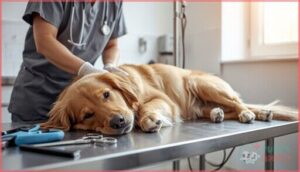
Shaving your dog isn’t something to take lightly, but there are rare times when it’s truly needed. You’ll want to know these specific situations to make the right call for your pet’s health.
Here are the key cases where it makes sense.
Medical and Veterinary Reasons
Veterinary care often demands medical shaving for your dog’s health. Vets shave wide patches around surgical sites to minimize infection risks, ensuring antiseptics reach the skin fully. They clip legs for IV catheters during anesthesia, aiding precise placement and sterility.
| Procedure | Shaving Purpose |
|---|---|
| Surgical Preparation | Reduces bacteria near incisions |
| Emergency Clipping | Facilitates rapid IV access |
| Diagnostic Imaging | Allows clear ultrasound waves |
| Anesthesia | Improves vein visibility |
This targeted approach prioritizes safety over coat aesthetics.
Severe Matting or Skin Conditions
In contrast to neat surgical clips, severe matted hair often leaves you with only one humane option: shaving your dog very short to protect dog skin health.
Matted fur risks include pain, restricted movement, parasites, and hidden skin infections, so safe mat removal methods matter for coat damage prevention and shaving safety tips that respect:
- Skin irritation causes
- Dog skin health
- Long‑term coat protection
Special Grooming Requirements
Beyond matting, certain breeds demand special grooming requirements where shaving fits into coat maintenance routines. Consider breed specificity: wire-haired Schnauzers need hand-stripping with grooming tools every 4-6 weeks to preserve fur texture, while Poodles require trims for continuous growth.
| Breed Type | Grooming Method | Frequency |
|---|---|---|
| Doublecoated dogs | Brushing, deshedding | Weekly |
| Singlecoated dogs | Trims for skin conditions | 6 weeks |
| Wire coats | Hand-stripping | 4-6 weeks |
These canine coat types guide safe dog grooming alternatives to shaving, ensuring dog grooming safety.
Common Myths About Shaving Dogs

A lot of well-meaning owners are told that shaving will cool their dog down, stop the shedding, or is simply what certain breeds need in summer. In reality, many of these ideas are common myths that can accidentally put your dog at risk instead.
Let’s quickly sort through the biggest misunderstandings so you know exactly what to look for in the list below.
Shaving for Summer Cooling
Many think shaving your dog keeps them cool in summer, but it’s a myth. A healthy coat traps insulating air, blocking sun and aiding summer coat care.
Shaving strips this, risking shaving risks like faster overheating and heat stress prevention failure.
Stick to dog cooling methods such as shade, canine hydration, and alternatives to shaving for cooling for true heat safety for dogs and summer safety.
Misconceptions About Shedding
Shaving won’t stop your dog’s shedding—it’s a stubborn shedding myth. Hair growth cycles push out loose hairs daily, regardless of length; shorter pieces just cling to your furniture.
In double-coated breeds, the undercoat keeps shedding seasonally. Focus on coat care through regular dog grooming and deshedding tools for real shed control and managing dog shedding effectively.
Breed Myths and Misinformation
Breed myths cloud canine care, like thinking shaving cools double-coated dogs such as Golden Retrievers or Huskies. Their undercoats insulate against heat and cold; removing them heightens sunburn risks and patchy regrowth.
Single-coated dogs like Poodles face razor burns on sensitive skin.
Understand breed-specific needs and grooming misconceptions to dodge these shaving risks—stick to smart dog grooming tips instead.
Safe Alternatives to Shaving for Cooling

If shaving isn’t the best option, there are safer ways to help your dog stay cool when temperatures rise. These methods protect both their skin and coat while keeping them comfortable through the heat. Here’s where to start.
Regular Brushing and Grooming
Think of brushing as your dog’s daily thermal check. Regular brushing keeps air flowing through their coat, lifts out loose fur for effective shedding control, and stops tangles before they turn painful.
Using the right grooming tools and brushing techniques aids coat maintenance, matting prevention, and overall comfort—core dog grooming best practices for any canine coat type.
Bathing and Coat Maintenance
Good bathing habits quietly do what shaving can’t: they support Skin Health, Coat Hygiene, and long-term dog coat care across all canine coat types. Use gentle Dog Grooming Bathing Techniques and Fur Care routines to clean without stripping oils, then dry the coat fully to protect the skin and support shedding control.
- Brush before every bath to remove loose hair and surface mats for better shampoo penetration and easier rinsing.
- Bathe every few weeks to every few months, adjusting to your dog’s coat type, oiliness, and dirt level while watching for dryness or irritation.
- Rinse thoroughly and dry to the skin, especially on thicker coats, to prevent trapped moisture, odor, and secondary infections while keeping grooming comfortable.
Summer Heat Safety Tips
Your dog’s natural coat beats shaving for Heatstroke Prevention.
Focus on Summer Pet Care with Canine Hydration—aim for one ounce of water per pound daily, adding low-sodium broth if needed. Schedule walks before 10 a.m. or after 4 p.m., test hot pavement with your hand, and use booties for Outdoor Safety.
Cooling Methods like evaporative vests offer real hot weather relief, keeping your dog cool without risks.
Preparing to Shave Your Dog Safely
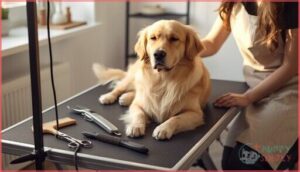
Before you pick up the clippers, it’s important to make sure both you and your dog are ready. A calm setup, the right tools, and proper preparation can make a big difference in how the shave goes.
Here’s what to have in place before you start.
Choosing The Right Tools
A safe shave starts with choosing the right grooming tools. For thorough clipper selection, use corded dog clippers with steady torque and match blades to coat type—oil them often for proper blade maintenance.
Keep grooming scissors sharp for precision trimming techniques, and practice strict tool sanitization to prevent infection. Proper grooming tools guarantee safety and clean results.
Pre-Shave Grooming Steps
Once your tools are ready, careful coat preparation makes all the difference. Start with gentle brushing techniques to loosen dirt and undercoat. Follow these pre-shave grooming steps to protect skin and equipment:
- Line brushing and detangling tips in small sections
- Remove mats before bathing
- Wash and dry completely
- Brief pre-clip if heavily coated
- Finish with a full skin inspection
Minimizing Stress for Your Dog
After careful coat prep, you also need to protect your dog’s mind, not just their skin and coat. A Calm Environment Tips plan, Gradual Desensitization, Positive Reinforcement, and Gentle Handling Techniques all work together to support dog grooming, dog safety, and dog health through low-stress grooming techniques and good Stress Signal Recognition.
| What you do | Why it helps | What to watch for |
|---|---|---|
| Quiet room, non-slip mat | Lowers arousal, improves stability | Less trembling, smoother breathing |
| Short, frequent sessions | Gradual Desensitization to tools | Dog returns willingly next time |
| Treats, soft voice, petting | Positive Reinforcement of calm | Looser body, tail at mid-height |
| Pause when stress signs appear | Respecting Stress Signal Recognition | Lip licking, freezing, trying to escape |
Used well, these pet grooming habits turn shaving from something your dog endures into something they can manage safely over time.
Step-by-Step Dog Shaving Best Practices
When you do decide to shave your dog, the way you do it matters just as much as the decision itself. In this section, you’ll walk through clear, practical steps that keep the process as safe and low-stress as possible.
We’ll also cover how to protect your dog’s skin and coat afterward so they stay comfortable and healthy.
Safe Shaving Techniques
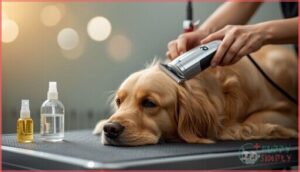
Precision matters when shaving a dog. Keep blades cool and oiled for proper Clipper Maintenance, and always move with hair growth using steady, gentle strokes.
Shaving Precautions protect against burns and nicks, while quality Grooming Tools guarantee comfort.
Short sessions, cooling breaks, and mindful technique define safe dog shaving practices and effective Shaving Techniques for Dogs.
Protecting Skin and Coat Health

Your careful strokes protect the skin, but focus on Skin Protection next—apply a light barrier cream before clipping to shield against irritation.
Tailor Coat Maintenance to your dog’s canine coat types; for double-coated breeds, leave guard hairs intact for natural insulation.
These Grooming Tips, including vigilant Health Monitoring, prevent skin issues during grooming and support dog skin and fur health through smart Hair Care and dog grooming practices.
Post-Shave Care Essentials

After shaving, your dog’s skin needs gentle postoperative care to heal smoothly. Start with Skin Soothing cool compresses for redness from clipper friction.
Here’s a 5-step Post-Shave plan:
- Apply pet-safe moisturizers for hydration for pets and skin barrier restoration.
- Use antiseptic solution on irritated spots to prevent infection.
- Add omega-3s for Coat Repair and healthier regrowth.
- Reapply Sun Protection sunscreen daily on exposed areas.
- Monitor behavior with these Grooming Tips to catch skin irritation early.
When to Seek Professional Grooming Help
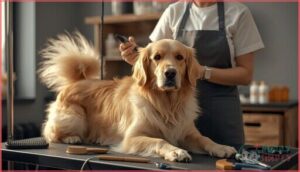
Sometimes shaving your dog at home just isn’t the best call. You might run into challenges that call for a pro’s steady hand and know-how.
Here are the key times to seek professional grooming help.
Handling Difficult or Aggressive Dogs
If your dog growls or snaps during grooming, it’s time for professional help. Experts use Muzzle Training with basket styles that let dogs pant and drink, paired with Desensitization Techniques like gentle paw touches with treats.
Calming Aids such as Thundershirts ease anxiety, while watching Stress Signals like lip licking prevents escalation.
Professional Safety measures, including grooming loops, guarantee dog grooming safety—key pet owner advice for dog health and wellness.
Managing Complex Coat Types
Complex Coat Texture demands skill and patience. Each breed’s Hair Follicles, from dense double-coated breeds to fine single-coated breeds, behave differently under clippers and brushes.
Professionals understand Shedding Patterns through Canine Dermatology, choosing precise Grooming Tools and safe Grooming Alternatives to Shaving.
Proper technique hinges on understanding dog coat types to balance hygiene, texture, and comfort.
Consulting a Veterinarian
Before tackling your dog’s coat, schedule vet consultations for pet health checks. Veterinarians assess coat type, skin issues, and medical history to offer dog grooming advice and veterinary guidance.
They’ll share professional insights on veterinary reasons for shaving, like infections or matting, and recommend safer alternatives. This veterinary advice prioritizes animal welfare, ensuring grooming promotes your dog’s long-term health.
Frequently Asked Questions (FAQs)
How long does it take for a dog’s coat to regrow?
Let’s get to the root of it: for most dogs, you’ll see soft fuzz in 2–3 weeks, noticeable Dog Hair Growth by 2–3 months, and a full Coat Regrowth Timeline of 4–12 months, depending on Canine Coat Types, Regrowth Factors, health, seasonal shedding, and whether you’re dealing with double-coated breeds or single coats after shaving.
Fur Regeneration and Shaving Recovery sometimes stretch closer to a year for thicker dog hair.
Can shaving affect a dog’s behavior or stress levels?
Yes, shaving can absolutely affect a dog’s behavior and stress levels, especially in dogs already prone to Canine Anxiety. Sudden clipper noise, restraint, and skin sensitivity can trigger Stress Signals and Fear Response, leading to Grooming Phobias or Behavioral Changes that worry pet owners about future dog grooming sessions.
What are signs my dog’s skin is reacting badly after shaving?
Watch for Skin Irritation such as persistent redness, speckled rash, or bumps suggesting Clipper Burn after shaving. Additionally, licking, hot spots, swelling, oozing sores, or foul odor may indicate Infection Risks and the need for urgent Post Shave Care.
Addressing these issues promptly is crucial for maintaining dog skin health, preventing skin problems during grooming, and ensuring overall canine health and dog grooming safety.
Are there seasonal times when shaving is most harmful?
Shaving hits hardest in peak summer, stripping insulation and spiking sunburn or heatstroke risks amid poor Temperature Regulation—your dog’s Coat Cycle needs those guard hairs.
Winter clipping invites hypothermia, ignoring Climate Considerations and Shaving Timing in the seasonal shave risks.
How can I keep my dog comfortable while the coat grows back?
Focus on dog comfort with gentle Skin Soothing Methods: aloe vera gel, coconut oil, oatmeal baths, and hypoallergenic shampoos as Post Shave Care.
Additionally, consider Coat Regrowth Tips like omega-3 and biotin, providing shade, using cooling mats, and implementing Heat Safety Measures to keep your dog cool and enhance Comfort Enhancement during dog grooming, shaving, and overall dog coat care.
Conclusion
Like a well-fitted coat in a classic fairy tale, your dog’s fur isn’t decoration; it’s protection. The real question isn’t just “is it safe to shave your dog,” but whether shaving respects how their skin and coat are built to work together.
When you choose brushing, cooling, shade, and professional guidance over the clippers, you’re not being cautious for its own sake—you’re preserving comfort, preventing damage, and treating your dog’s body with informed respect daily.
- https://www.americaspawspaw.com/the-hidden-dangers-of-shaving-double-coated-dogs-what-every-pet-owner-should-know/
- https://retrostylistwear.com/blogs/news/understanding-the-double-coated-dog-the-facts-risks-and-benefits-of-shaving
- https://www.whole-dog-journal.com/health/should-you-shave-a-dog/
- https://fonjonpetcare.com/shaving-dogs-for-summer-the-difference-between-double-and-single-coated-dogs/
- https://tractive.com/blog/en/health/dog-shaving