This site is supported by our readers. We may earn a commission, at no cost to you, if you purchase through links.

Your dog’s constant scratching isn’t just annoying—it’s a signal that something in their bowl might be working against them. Food allergies affect roughly 10% of all canine allergy cases, and the culprits are often proteins your dog eats every single day: chicken, beef, dairy, or eggs.
Hypoallergenic dog food brands reviews show that switching to specialized formulas with novel proteins or hydrolyzed ingredients can transform a dog’s quality of life within weeks. The challenge isn’t just choosing any hypoallergenic option—it’s finding one that matches your dog’s specific sensitivities, fits your budget, and actually tastes good enough that your pup will eat it.
This guide breaks down the top 10 brands that veterinary nutritionists recommend most often, helping you make an informed choice backed by both science and real owner experiences.
Table Of Contents
- What Makes Dog Food Hypoallergenic
- Signs Your Dog Needs Hypoallergenic Food
- How to Choose Hypoallergenic Dog Food
- Top 10 Hypoallergenic Dog Food Brands
- 1. JustFoodForDogs Fresh Dog Food
- 2. Open Farm Digestive Health Dog Food
- 3. Squarepet Hydrolyzed Protein Dog Food
- 4. Brothers Chicken Meal Dog Food
- 5. Brothers Advanced Allergy Dog Food
- 6. Sensitive Skin Dog Food Formula
- 7. Hills Prescription Diet Dog Food
- 8. Zignature Kangaroo Dog Food
- 9. Nutro Limited Ingredient Dog Food
- 10. Natural Balance Salmon Dog Food
- Real Customer Reviews and Brand Ratings
- Comparing Hydrolyzed Vs. Novel Protein Diets
- Tips for Managing Food Allergies in Dogs
- Frequently Asked Questions (FAQs)
- What food is good for hypoallergenic dogs?
- What is the best food for dogs with allergies?
- What is the number 1 food allergy in dogs?
- Is hypoallergenic dog food any good?
- How does hydrolyzed protein benefit allergic dogs?
- What are novel protein sources for dog food?
- Can environmental factors affect dog food allergies?
- Is grain-free dog food necessary for allergies?
- Are hypoallergenic dog foods suitable for all breeds?
- Can puppies eat hypoallergenic dog food safely?
- Conclusion
What Makes Dog Food Hypoallergenic
You’ve probably heard the term hypoallergenic thrown around, but what does it actually mean regarding your dog’s food? In essence, hypoallergenic dog food is designed to minimize the risk of triggering an allergic reaction by carefully selecting ingredients that your dog’s immune system is less likely to recognize as threats.
Let’s break down the key features that make these foods different from standard kibble.
Key Ingredients That Reduce Allergies
The right protein sources make all the difference when you’re fighting allergies. Hydrolyzed protein breaks down molecules so your dog’s immune system won’t recognize them as threats. Novel ingredient dog food introduces unfamiliar proteins like venison or duck. Limited ingredient diets reduce exposure to common triggers.
Omega fatty acids deliver anti-inflammatory benefits for skin, while fiber benefits gut health by supporting your dog’s immune response.
Understanding clear science information is vital for making informed decisions about dog food.
Novel Proteins Vs. Hydrolyzed Proteins
Choosing between novel proteins—like venison, duck, or rabbit—and hydrolyzed protein depends on your dog’s history. Novel protein sources work when your dog hasn’t encountered them before, reducing cross-reactive immune responses. Hydrolyzed protein breaks molecules into peptides smaller than 5–10 kDa, so the immune system can’t recognize allergens.
Both approaches prevent food allergies and support digestive health, improving nutrient absorption and managing food sensitivities effectively. Understanding scientific research findings is essential for making informed decisions about your dog’s diet.
Limited Ingredient Diets Explained
Limited ingredient diets simplify your dog’s menu by using fewer protein sources and novel carbs—usually one protein like lamb or duck paired with a single carbohydrate such as rice or potato.
This minimalist approach helps you pinpoint allergy triggers more easily during elimination trials. By stripping ingredient lists down to essentials, limited ingredient recipes reduce exposure to common allergens and often ease digestion issues in sensitive dogs.
Grain-Free and Other Formulations
Grain-free options swap corn and wheat for potatoes or legumes, but that alone won’t guarantee hypoallergenicity—protein quality still matters. You’ll find grain-free formulas paired with novel protein sources like venison, hydrolyzed diets that break proteins into tiny peptides, and limited ingredient recipes that simplify allergen tracking. Your vet can guide you toward the right match for your dog’s food sensitivities.
- Grain-free formulas replace cereals with potatoes, peas, or tapioca as carbohydrate sources
- Novel protein options like duck or kangaroo reduce exposure to common allergens
- Hydrolyzed protein diets use broken-down peptides to minimize immune reactions
- Limited ingredient grain-free recipes pair one protein with one non-grain carb
- Some grain-free foods still contain chicken or beef, so always check labels carefully
Signs Your Dog Needs Hypoallergenic Food

Your dog can’t tell you when something’s wrong with their food, but their body will. Food allergies and sensitivities show up in ways that are easy to miss if you don’t know what to look for.
Let’s walk through the signs that suggest it’s time to think about a hypoallergenic diet.
Common Allergy Symptoms in Dogs
If your dog won’t stop scratching, you’re seeing the most common red flag of food allergies. Let’s break down what to watch for:
| Symptom | What You’ll Notice |
|---|---|
| Itchy Skin | Constant scratching, licking paws, rubbing against furniture |
| Red Erythema | Inflamed patches on belly, face, ears, or groin areas |
| Ear Infections | Head shaking, waxy buildup, persistent pawing at ears |
| Gastro Issues | Vomiting or diarrhea after meals, often with food allergy symptoms |
| Respiratory Symptoms | Sneezing, coughing, or wheezing (less common with food allergies) |
Skin allergies dominate most cases, but digestive troubles can signal your dog needs hypoallergenic dog food.
Difference Between Allergies and Intolerances
You might think they’re the same, but food allergies and food intolerances work very differently. Allergies involve immune reactions—your dog’s body sees a protein as a threat and launches symptoms like hives or itching.
Intolerances skip the immune system entirely, causing intolerance signs like bloating or diarrhea instead.
Diagnostic tests distinguish between the two, guiding treatment options and whether hypoallergenic dog food helps.
When to Consult Your Veterinarian
When should you pick up the phone and call your vet? If your dog shows persistent skin itching or hair loss for more than 2–4 weeks, it’s time for a proper dog health check and allergy testing.
- Chronic vomiting or diarrhea that won’t quit
- Recurrent ear infections despite treatment
- Facial swelling or breathing changes
- New lethargy alongside food allergy symptoms
Veterinary advice guides safe elimination trials and emergency care when reactions escalate.
How to Choose Hypoallergenic Dog Food
Choosing the right hypoallergenic dog food isn’t about grabbing the first “allergy-friendly” bag you see. You’ll need to pinpoint what’s triggering your dog’s reactions, weigh practical considerations like cost and taste, and introduce the new food gradually to avoid upsetting their system.
Here’s how to make smart decisions that actually work for your dog’s unique needs.
Identifying Food Allergens
Your vet will usually recommend an elimination diet to pinpoint what’s triggering your dog’s food allergies. This diagnostic tool strips the menu down to a single novel protein and carbohydrate, then gradually reintroduces ingredients one at a time.
Symptom analysis during this 8-12 week trial reveals the culprit—often beef, chicken, dairy, or eggs. It’s the benchmark for identifying food sensitivities in canine nutrition.
Budget, Palatability, and Lifestyle Factors
Selecting hypoallergenic dog food means balancing three realities: what you can afford, whether your dog will actually eat it, and how the diet fits your daily routine. Cost considerations matter—expect to spend $20 to $40 per bag, with specialized limited-ingredient diet or novel protein formulas running 20–60% higher than standard kibble.
Here’s what shapes your choice:
- Pet Owner Budget: Fresh or prescription diets can exceed $10 daily; bulk buying cuts monthly costs by 15–25%.
- Food Acceptance: Some dogs reject new hypoallergenic dog food initially—gradual transitions and mix-ins help.
- Lifestyle Impact: Active breeds need higher-calorie grain-free dog food; multi-pet homes require separate feeding to prevent cross-contamination.
Palatability trials show acceptance varies widely across formulas, so be prepared to experiment within your dietary restrictions framework.
Transitioning Your Dog Safely
Rush a diet change, and you’ll likely trigger digestive upset—even with the best hypoallergenic dog food. Start a gradual shift over 7 to 14 days, mixing 25% new formula with 75% old on days one through three.
Monitor stool quality and watch for signs of food intolerance. This safe switching approach aids canine nutrition while revealing whether a limited ingredient diet or novel protein truly helps your dog.
Top 10 Hypoallergenic Dog Food Brands
You’ve narrowed down your dog’s triggers and you’re ready to make a switch. The brands below represent some of the most trusted hypoallergenic options available in 2025, each formulated with specific allergy-management strategies in mind.
Let’s look at what sets each one apart and how they might fit your dog’s unique needs.
1. JustFoodForDogs Fresh Dog Food
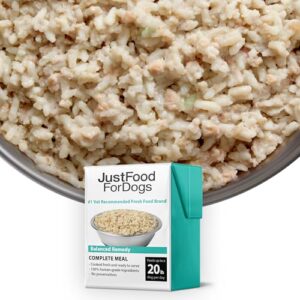
If your dog’s been scratching or struggling with digestive troubles, JustFoodForDogs might offer relief. This brand delivers Fresh Ingredients through human-grade recipes prepared in real kitchens, not industrial plants.
Their limited ingredient diet options focus on whole proteins and vegetables, with grain-inclusive and grain-free dog food formulations available. Research shows these meals are 40% more digestible than kibble, supporting Canine Wellness for dogs with Food Sensitivities.
You’ll find novel protein choices and recipes designed specifically for dog food allergies, though Pet Dietetics experts still recommend working with your vet before switching to any hypoallergenic dog food.
| Best For | Dog owners seeking high-quality, human-grade fresh food for pets with sensitive stomachs, digestive issues, or allergies who value convenience and are willing to invest in premium nutrition. |
|---|---|
| Brand | JustFoodForDogs |
| Primary Protein | Whole foods |
| Item Form | Pate |
| Age Range | Adult |
| Grain-Free | Yes |
| Package Weight | 12.5 oz x 12 |
| Additional Features |
|
- Made with real whole-food ingredients in human-grade kitchens, offering 40% better digestibility than traditional kibble with proven improvements in coat, skin, and energy levels.
- Shelf-stable Tetra Pak packaging means no refrigeration needed until opened, making it perfect for travel or storing backup meals for up to two years.
- Specifically formulated options for sensitive stomachs and pancreatitis, with limited-ingredient recipes that help reduce allergen exposure and digestive upset.
- Significantly more expensive than conventional dog food options, which can add up quickly for multi-dog households or larger breeds.
- Once opened, fresh meals require refrigeration and careful portioned storage, reducing the long-term convenience factor.
- Limited flavor and protein variety compared to some competitors, and the texture or smell may not appeal to all dogs or their owners.
2. Open Farm Digestive Health Dog Food
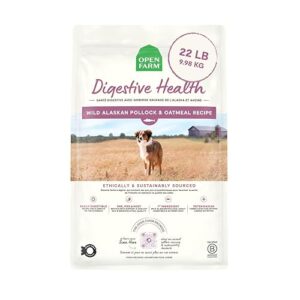
Open Farm Digestive Health stands out with wild-caught Alaskan pollock as its first ingredient, offering a novel protein option for dogs with food sensitivities. This formula includes pre-, pro-, and postbiotics that support gut health and can ease digestive issues in sensitive stomach cases.
You won’t find poultry, wheat, corn, or soy here—common triggers for dog food allergies. At $95.99 for 22 pounds, it’s pricier than standard kibble, but many owners report fewer digestive issues and improved stool quality.
The grain-free dog food approach works well for allergy prevention in reactive dogs.
| Best For | Dogs with sensitive stomachs or food allergies who need a limited-ingredient formula with digestive support and novel protein sources. |
|---|---|
| Brand | Open Farm |
| Primary Protein | Wild-Alaskan pollock |
| Item Form | Pellet |
| Age Range | Adult |
| Grain-Free | Yes |
| Package Weight | 22 lb |
| Additional Features |
|
- Wild-caught Alaskan pollock as the primary protein avoids common allergens like poultry and beef
- Pre-, pro-, and postbiotics work together to support healthy gut function and improve stool quality
- Completely free of poultry, corn, wheat, soy, and artificial additives that often trigger reactions
- At $95.99 for 22 pounds, it’s significantly more expensive than most standard dog foods
- Some dogs may refuse to eat it due to the fish-based flavor and smell
- Delivery times can stretch beyond a week, and bags sometimes arrive less than full
3. Squarepet Hydrolyzed Protein Dog Food
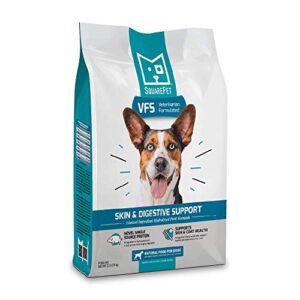
When standard novel proteins don’t bring allergy relief, hydrolyzed formulas step in. Squarepet’s pork-based recipe breaks protein sources down into tiny peptides that your dog’s immune system won’t recognize as threats—that’s the science behind hydrolyzed protein.
This limited ingredient diet includes omega-3 and omega-6 fatty acids for skin health, with no fillers or chemical preservatives.
At 22 pounds for roughly $80-90, it targets dogs with multiple sensitivities or severe dog food allergies, though some owners report inconsistent results with skin issues despite improved digestion.
| Best For | Dogs with severe food allergies or multiple sensitivities who haven’t responded to standard novel protein diets and need hydrolyzed protein to avoid immune reactions. |
|---|---|
| Brand | Natural Balance |
| Primary Protein | Hydrolyzed pork |
| Item Form | Dry |
| Age Range | Adult |
| Grain-Free | Yes |
| Package Weight | 22 lb |
| Additional Features |
|
- Hydrolyzed pork protein breaks down into small peptides that most dogs’ immune systems won’t recognize as allergens, making it ideal for severe allergy cases
- Includes omega-3 and omega-6 fatty acids to support skin health and coat quality without fillers or chemical preservatives
- Limited ingredient formula makes it easier to identify and avoid specific triggers if your dog has multiple sensitivities
- Premium price point at $80-90 for 22 pounds makes it one of the more expensive allergy management options
- Some owners report mixed results, with improved digestion but persistent skin issues like hot spots or itchiness
- Quality control concerns and potential reactions to specific ingredients like dandelion greens or sunflower oil mean it won’t work for every allergic dog
4. Brothers Chicken Meal Dog Food
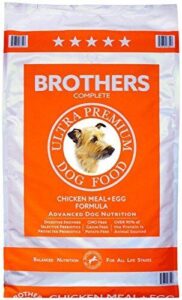
Brothers Chicken Meal Dog Food markets itself as a mid-range hypoallergenic dog food option, though chicken meal benefits may not extend to every dog with food allergies. If you’re managing dog food for sensitive skin, understand that chicken remains a common allergen—food sensitivity tests often flag poultry proteins.
This grain-free dog food with limited ingredient diet principles uses chicken meal (concentrated protein), but its suitability depends entirely on your dog’s specific triggers.
Pet nutrition advice consistently emphasizes that ‘hypoallergenic’ labels aren’t regulated, so vet consultation before choosing any chicken-based formula remains essential for true food allergies.
| Best For | Dog owners looking for a grain-free, limited-ingredient option with high animal protein content, particularly if their dog has sensitivities to common fillers like white potatoes or grains (though chicken itself can be an allergen for some dogs). |
|---|---|
| Brand | Brothers Dog Food |
| Primary Protein | Chicken |
| Item Form | Pellet |
| Age Range | Adult |
| Grain-Free | Yes |
| Package Weight | 25 lb |
| Additional Features |
|
- Over 90% animal protein with human-grade, non-GMO ingredients and no protein sourced from China
- Includes probiotics and prebiotics to support digestive health and gut balance
- Many users report improvements in skin health, digestion, and overall well-being in dogs with food sensitivities
- Expensive compared to other brands, with frequent price increases that frustrate loyal customers
- Quality control issues reported, including packaging problems, shipping damage, and occasional batches causing digestive upset
- Customer service can be unresponsive when issues arise, and “hypoallergenic” claims aren’t regulated—chicken remains a common allergen
5. Brothers Advanced Allergy Dog Food
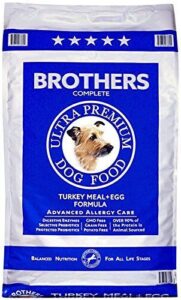
This turkey-based formula presents itself as a sophisticated allergy management solution, emphasizing grain-free dog food with over 90% animal proteins and probiotics. If you’re tackling food sensitivities in dogs with multiple triggers, its limited ingredient diet approach—minus grains and potatoes—aims to support pet wellness through digestive enzymes and human-grade proteins.
However, canine nutrition realities matter: dietary transitions must be gradual, and individual dogs react unpredictably to even novel proteins. Customer feedback reveals palatability challenges and frequent price hikes, so consult your vet before committing to this hypoallergenic dog food for long-term food allergies management.
| Best For | Dog owners dealing with persistent allergies, skin issues, or digestive sensitivities who want a high-protein, grain-free option with probiotics and digestive support. |
|---|---|
| Brand | Brothers Dog Food |
| Primary Protein | Turkey |
| Item Form | Pellet |
| Age Range | Adult |
| Grain-Free | Yes |
| Package Weight | 25 lb |
| Additional Features |
|
- Over 90% animal protein with human-grade turkey and added probiotics may help reduce itching, improve coat quality, and support gut health in sensitive dogs.
- Grain and potato-free formula targets common allergens, making it useful for elimination diets or dogs with multiple food intolerances.
- Contains digestive enzymes and non-GMO ingredients, which can benefit dogs with tummy troubles or weak immune systems.
- Significantly more expensive than standard dog foods, with frequent price increases that strain budgets over time.
- Some dogs don’t tolerate it well despite the allergy focus—reports of vomiting and digestion issues suggest it’s not a universal fit.
- Customer service and shipping problems (lost or damaged bags) add frustration to an already pricey purchase.
6. Sensitive Skin Dog Food Formula
Diamond CARE’s hydrolyzed salmon formula targets skin irritation and canine dermatitis through a strategic blend: single-protein simplicity, omega fatty acids for barrier function, and proprietary probiotics for gut-skin axis support. If your dog battles itchy skin or food sensitivities, this grain-free dog food provides hypoallergenic dog food essentials—antioxidants, limited ingredients—to calm allergy triggers.
Yet not all dogs respond uniformly; some owners report minimal improvement or palatability issues. For dog food for sensitive skin concerns or sensitive stomach dog food needs, partner with your vet to establish an 8-12 week trial before declaring success with skin allergies management.
| Best For | Dogs with food sensitivities, allergic skin reactions, or chronic itchiness who need a simplified protein source and gut-friendly support to calm flare-ups. |
|---|---|
| Brand | Diamond CARE |
| Primary Protein | Hydrolyzed salmon |
| Item Form | Dry |
| Age Range | All |
| Grain-Free | Yes |
| Package Weight | 8 lb |
| Additional Features |
|
- Hydrolyzed salmon as the sole protein reduces the chance of triggering common allergens like chicken, beef, or grains
- Omega fatty acids and antioxidants work together to strengthen skin barriers and support immune health
- Probiotics help balance digestion, which often connects to skin improvements in sensitive dogs
- Price point runs higher than standard kibble, which can add up for long-term feeding
- Small kibble size doesn’t work well for larger dogs or picky eaters who prefer bigger pieces
- Results vary widely—some dogs show no improvement even after the recommended 8-12 week trial period
7. Hills Prescription Diet Dog Food

When your vet prescribes Hills Prescription Diet z/d, you’re getting hydrolyzed proteins broken down so small your dog’s immune system won’t recognize them as allergens. Hills Nutrition backs this prescription diets line with clinical trials showing firmer stools in three days and calmer skin in thirty.
For dogs with confirmed food allergies or sensitive stomach dog food needs, Hills Science Diet’s veterinary guidance ensures you’re feeding a tested formula—not guessing.
Keep in mind: this hypoallergenic dog food requires a prescription, costs more than grocery brands, and palatability varies among picky eaters.
| Best For | Dogs with diagnosed food allergies or chronic digestive issues who need a vet-supervised, hydrolyzed-protein formula to calm their immune response and firm up loose stools. |
|---|---|
| Brand | Hill’s Prescription Diet |
| Primary Protein | Hydrolyzed chicken |
| Item Form | Dry |
| Age Range | Adult |
| Grain-Free | No |
| Package Weight | 25 lb |
| Additional Features |
|
- Hydrolyzed proteins are broken into tiny fragments that slip past the immune system, preventing allergic flare-ups in sensitive dogs.
- Clinically shown to firm loose stool in three days and improve skin and coat within thirty days, so you see real results fast.
- Packed with omega fatty acids and prebiotic fibers that support both skin health and digestive balance in one bag.
- Requires a veterinary prescription, so you can’t just grab it off the shelf at your local pet store.
- More expensive than regular grocery-store kibble, which can add up for larger dogs or long-term feeding.
- Some dogs turn their noses up at the taste, making the transition tricky if you’ve got a picky eater.
8. Zignature Kangaroo Dog Food
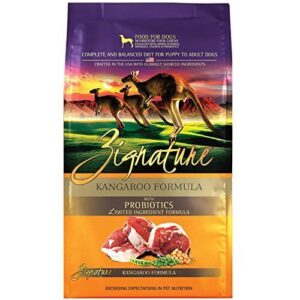
If your dog reacts to beef or chicken, kangaroo protein offers a truly exotic alternative—most dogs have never encountered it. Zignature Kangaroo Formula uses this novel protein in a grain-free dog food that side-steps common triggers, making it a smart choice for allergy prevention.
The limited-ingredient recipe facilitates an easier dog food shift and targets hypoallergenic benefits through simplicity. Omega-3s promote coat health, and probiotics aid digestion.
Trade-offs? Higher cost and variable palatability mean some dogs need coaxing, but for confirmed dog food allergies, this novel ingredient approach delivers real hypoallergenic dog food relief.
| Best For | Dogs with food sensitivities to common proteins like chicken or beef, or owners looking to prevent allergies with a novel protein source. |
|---|---|
| Brand | Zignature |
| Primary Protein | Kangaroo |
| Item Form | Dry |
| Age Range | All Life Stages |
| Grain-Free | Yes |
| Package Weight | 25 lb |
| Additional Features |
|
- Kangaroo is a rare protein most dogs haven’t eaten before, making it ideal for elimination diets and reducing allergic reactions
- Limited ingredients keep things simple for sensitive stomachs, while probiotics and omega-3s support digestion and coat health
- Grain-free formula avoids common allergens and meets nutritional standards for all life stages
- Significantly more expensive than standard dog foods due to the specialty protein source
- Some dogs may be picky about the unfamiliar flavor and need a gradual transition period
- Higher price point may not be necessary if your dog doesn’t have confirmed allergies or sensitivities
9. Nutro Limited Ingredient Dog Food
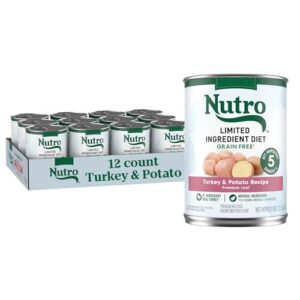
When you’re narrowing down suspects in your dog’s itching or upset stomach, Nutro Limited Ingredient Diet simplifies the detective work. This formula centers on real turkey—no chicken, beef, egg, wheat, or dairy—making it easier to isolate food sensitivities and manage pet allergies.
The grain-free dog food approach uses just five key ingredient sources plus essential vitamins, offering canine nutrition without the noise. Limited diets like this one help you identify triggers faster, though cross-contact during manufacturing means trace allergens remain possible.
It’s a practical first step in hypoallergenic dog food trials.
| Best For | Dogs with food sensitivities or allergies who need a simplified diet to pinpoint triggers and reduce reactions. |
|---|---|
| Brand | Nutro |
| Primary Protein | Turkey |
| Item Form | Wet |
| Age Range | Adult |
| Grain-Free | Yes |
| Package Weight | 12.5 oz x 12 |
| Additional Features |
|
- Real turkey as the first ingredient with no chicken, beef, egg, wheat, or dairy makes it easier to identify what’s causing problems
- Grain-free formula with only five key ingredient sources cuts down on potential allergens
- Works well as a standalone meal or mixed with dry food for flexibility
- Cross-contact during manufacturing means trace allergens could still sneak in
- Some buyers noticed the texture turned mushy or soupy, which their dogs didn’t love
- Higher price point compared to regular dog food, especially for a 12-pack
10. Natural Balance Salmon Dog Food
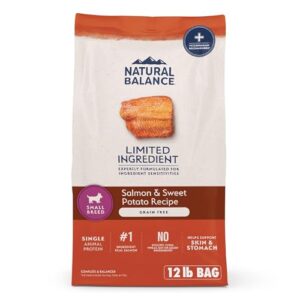
Natural Balance Limited Ingredient Diet targets food sensitivities with a single novel protein approach—salmon paired with sweet potatoes. This limited ingredient diet keeps the formula clean, reducing exposure to common allergens in dog food allergies while delivering omega-3s for pet wellness and allergy relief.
The grain-free dog food design suits small breeds needing digestible dog nutrition. However, some owners note a strong odor and missing resealable packaging, which affects freshness.
If your dog tolerates fish, this hypoallergenic dog food offers straightforward salmon benefits without the guesswork.
| Best For | Small breed dogs with food sensitivities or allergies who need a simple, grain-free formula with easily digestible ingredients. |
|---|---|
| Brand | Wellness |
| Primary Protein | Salmon |
| Item Form | Pellet |
| Age Range | Adult |
| Grain-Free | Yes |
| Package Weight | 12 lb |
| Additional Features |
|
- Single salmon protein source reduces common allergens and supports sensitive stomachs
- Omega-3s from salmon promote healthy skin and coat, potentially reducing itching and scratching
- Small kibble size designed specifically for smaller mouths and easier chewing
- Strong fishy odor that some owners find unpleasant
- No resealable bag or zipper, making it harder to keep food fresh
- Higher price point compared to standard dog food options
Real Customer Reviews and Brand Ratings

Reading through real customer experiences gives you a clearer picture of how these foods actually perform once the bag is opened. You’ll notice patterns in what dogs accept, how their symptoms improve, and where certain brands fall short.
Here’s what owners and veterinarians are reporting about palatability, health improvements, satisfaction levels, and common concerns.
Palatability and Acceptance by Dogs
Acceptance is the make-or-break moment in pet nutrition. You can choose the most scientifically sophisticated hypoallergenic dog food, but if your dog won’t eat it, you’re stuck. Palatability testing and real feeding trials show that canine taste varies wildly between dogs, even with identical novel protein or grain-free formulas, so your pet’s individual dog food preferences ultimately determine success with managing dog food allergies.
- First-choice consumption measured in pairwise preference trials reveals immediate appeal.
- 24-hour intake tracking assesses sustained acceptance beyond initial curiosity.
- Multi-week compliance confirms long-term willingness, critical for canine health outcomes.
Improvements in Skin and Digestive Health
Once your dog accepts the diet, the next question is whether it works. Clinical evidence shows that hypoallergenic dog food delivers measurable relief: roughly 60–70% of dogs with skin allergies see fewer lesions within weeks, while digestive issues often settle in 3–8 weeks on hydrolyzed or limited ingredient formulas, supporting both skin healing and digestive balance.
Clinical evidence shows that hypoallergenic dog food delivers measurable relief in 60–70% of dogs with skin allergies within weeks, while digestive issues often settle in 3–8 weeks on hydrolyzed or limited ingredient formulas
| Health Marker | Timeline | Observed Improvement |
|---|---|---|
| Skin Allergies & Itching | 6–12 weeks | Reduced scratching, fewer hot spots |
| Digestive Issues & Stool Quality | 1–4 weeks | Firmer stools, less diarrhea |
| Inflammation Control | 3–8 weeks | Lower GI sensitivity, calmer gut health |
Grain-free dog food and novel protein sources help minimize allergen exposure, which translates to sustained allergy reduction and better sensitive skin and coat care over time.
Owner Satisfaction and Veterinary Feedback
Veterinary insights and owner experiences align when hypoallergenic diets work: hydrolyzed protein foods earn higher satisfaction metrics for confirmed dog food allergies, with 4–8 week improvements in itching noted across feedback mechanisms.
Veterinary advice emphasizes recheck appointments at 6–12 weeks to track pet wellness, while prescription hypoallergenic dog food backed by diagnosis consistently rates better in owner experiences, supporting dog health and nutrition goals.
Potential Drawbacks Noted by Users
Even successful hypoallergenic dog food shifts present hurdles. Palatability issues top user complaints—some dogs flatly refuse novel protein or hydrolyzed formulas, forcing you to test multiple brands. High costs strain budgets over months-long trials, while limited availability in regional markets delays diagnosis.
Stool quality shifts and adjustment challenges during gradual food switches require patience. Roughly 20–30% of dogs with suspected food allergies don’t improve, signaling you’ll need deeper investigation beyond diet alone.
Comparing Hydrolyzed Vs. Novel Protein Diets
When you’re weighing hypoallergenic options, the choice between hydrolyzed and novel protein diets can feel confusing. Each approach addresses food allergies differently, and understanding how they work helps you pick what’s right for your dog.
Let’s break down the key differences so you can make an informed decision.
How Hydrolyzed Proteins Work

Think of hydrolyzed protein as pre-digested food for your dog’s immune system. The process breaks whole proteins into tiny peptides—usually 2 to 10 amino acids long—so they slip past immune recognition. This allergen reduction lowers IgE-mediated reactions, the culprit behind most canine allergies. Your dog still absorbs nutrients efficiently, but the immune response stays quiet.
| Feature | Why It Matters |
|---|---|
| Peptide size (2–10 amino acids) | Too small for immune cells to flag as threats |
| High digestibility | Facilitates nutrient absorption without triggering reactions |
| Works across protein sources | Fish, poultry, or novel proteins can all be hydrolyzed |
Benefits of Novel Protein Sources
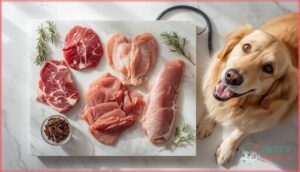
Novel proteins open new doors when your dog has ruled out chicken, beef, or lamb. Kangaroo, venison, and insect-based amino acid profiles bring fresh options to food trials without triggering old immune memories. Studies show reduced itching and fewer secondary infections when you switch to uncommon protein sources. That’s allergy prevention in action—your dog’s diet expands, and symptoms shrink.
| Novel Protein | Allergy Prevention Advantage | Best For |
|---|---|---|
| Venison | Rarely encountered in commercial diets | Dogs sensitive to poultry and red meat |
| Kangaroo | Lean, highly digestible amino acid profile | Active dogs needing novel protein sources |
| Duck | Moderate novelty with good palatability | Picky eaters during food trials |
| Insect (cricket) | Sustainable, hypoallergenic option | Multi-protein allergies or grain-free needs |
| Rabbit | Low-fat, highly digestible | Dogs with gastrointestinal sensitivities |
Limited ingredient diets built around these proteins let you isolate triggers during elimination trials. Hypoallergenic dog food works best when you commit to one novel protein for 8 to 12 weeks—no treats, table scraps, or mixed formulas. Food allergies demand patience, but the payoff is a happier, healthier pup.
Which Dogs Benefit Most From Each

Canine sensitivities vary by breed and history, so matching hypoallergenic diets to your dog’s dietary needs requires careful allergy testing. Hydrolyzed formulas suit dogs with multiple food allergies or failed food trials, while novel proteins work best for single-protein sensitivities. Your vet guides which hypoallergenic dog food fits best—grain-free dog food, insect-based, or prescription hydrolyzed—based on your dog’s unique allergy profile.
| Diet Type | Best Candidate Dogs |
|---|---|
| Hydrolyzed protein | Multi-food allergies, severe atopic dermatitis |
| Novel protein (venison, kangaroo) | Single-protein sensitivities, first food trials |
| Limited ingredient grain-free | Grain-sensitive breeds, suspected wheat/corn triggers |
| Insect protein | Multi-meat allergies, eco-conscious owners |
| Prescription hypoallergenic diets | Chronic GI signs, veterinary-supervised elimination trials |
Tips for Managing Food Allergies in Dogs

Managing food allergies in dogs isn’t just about picking the right bag of food and calling it a day. You’ll need to stay vigilant with what goes into your dog’s bowl, commit to proper testing periods, and support their overall wellness throughout the process.
Let’s walk through the practical steps that make a real difference in keeping your allergic dog comfortable and healthy.
Monitoring and Adjusting Diets
You’ll need to track your dog’s symptoms every day during the 8–12 week feeding trial with hypoallergenic dog food. Keep a simple diary noting stool quality, scratching frequency, and any skin changes.
If you’re switching between limited ingredient diet options or trying hydrolyzed protein formulas, change only one variable at a time.
Weigh your dog monthly to catch any shifts in body condition.
Avoiding Common Canine Allergens
Beef, dairy, chicken, and eggs trigger most canine dermatitis and protein allergies. Your best defense? Skip foods listing these first on the label.
Allergen testing can pinpoint suspects, but dietary trials remain the primary method for diagnosing food sensitivities.
Grain-free dog food helps some dogs, though it’s not universally necessary. Always read ingredient panels on allergen-friendly foods—cross-contamination happens more often than you’d think.
The Importance of Consistent Feeding Trials
Switching diets overnight won’t reveal true dietary response—you need a strict feeding trial design spanning eight to twelve weeks. That trial duration lets your dog’s system clear old allergens and adapt to the new hypoallergenic dog food.
Track skin lesions, stool quality, and scratch frequency weekly. Real health outcomes emerge only when you maintain consistency, avoid table scraps, and resist switching formulas mid-trial.
Supporting Overall Canine Health
Beyond the trial, your dog’s wellness demands a comprehensive approach. Hypoallergenic dog food works best when paired with:
- Regular veterinary care to track skin lesion scores and inflammatory markers
- Consistent health monitoring of coat quality, stool, and energy levels
- Balanced canine nutrition that tackles allergies without compromising overall pet safety
Dog wellness isn’t just about avoiding allergens—it’s about supporting every system.
Frequently Asked Questions (FAQs)
What food is good for hypoallergenic dogs?
Dogs with food allergies thrive on limited ingredient diets featuring novel proteins like venison or kangaroo, or hydrolyzed protein formulas that break down allergens.
Grain-free options help some dogs, though individual responses vary considerably.
What is the best food for dogs with allergies?
The best dog food for allergies depends on food trials lasting 8 to 12 weeks.
Hypoallergenic recipes with novel proteins or hydrolyzed formulas support dietary management.
Allergy testing helps guide canine nutrition choices for best results.
What is the number 1 food allergy in dogs?
Beef triggers the most canine food allergies, affecting roughly 10% of dogs with allergic reactions. Dairy, chicken, and eggs also rank high, though beef consistently leads in veterinary dermatology reports.
Is hypoallergenic dog food any good?
Coincidentally, many dog owners notice skin relief within weeks of switching formulations. Hypoallergenic dog food often reduces itching and digestive issues in allergic dogs.
Dietary trials confirm effectiveness for most, though individual responses vary considerably.
How does hydrolyzed protein benefit allergic dogs?
Hydrolyzed protein breaks down into tiny peptide fragments that your dog’s immune response won’t recognize as allergens.
This protein breakdown aids in allergy reduction, improves digestive health, and enhances nutrient absorption in dogs with food allergy symptoms.
What are novel protein sources for dog food?
Think outside the chicken coop—novel protein sources like venison, duck, kangaroo, and bison offer fresh alternatives for allergic dogs.
These uncommon meats reduce reactions in dogs intolerant to traditional proteins like beef or chicken.
Can environmental factors affect dog food allergies?
Yes, environmental triggers like seasonal allergies, household allergens, and air pollution effects can worsen food allergy symptoms in your dog. Microbiome impact from these exposures may alter how your pet reacts to dietary proteins.
Is grain-free dog food necessary for allergies?
Grain-free dog food isn’t always the silver bullet for allergies—most dogs react to proteins, not grains.
An elimination trial with your vet pinpoints the real culprit, whether grain-free or not.
Are hypoallergenic dog foods suitable for all breeds?
Not every breed responds the same way to hypoallergenic dog food. Genetic factors and individual food sensitivities mean what works for one dog won’t necessarily work for another, even within the same breed.
Can puppies eat hypoallergenic dog food safely?
Puppies can safely eat hypoallergenic dog food when veterinary-supervised, especially if showing food allergy symptoms. These diets support growth monitoring and allergy prevention.
However, strict food trials and careful puppy nutrition planning guarantee dietary safety for sensitive stomachs.
Conclusion
Luna, a golden retriever who scratched herself raw for two years, stopped itching within three weeks of switching to a hydrolyzed protein formula. Her owner’s persistence in finding the right hypoallergenic dog food brands reviews and working with a vet made the difference.
Your dog deserves that same relief. Start with an elimination diet, choose a brand that matches your dog’s specific triggers, and give each trial the full eight weeks it needs to work.
- https://thefarmersdog.otegtm.net/c/2442109/1640964/9488
- https://www.dpbolvw.net/click-100788894-15827016
- https://pangovet.com/?utm_source=dogster&utm_medium=article&utm_campaign=dog-nutrition
- https://petcorner.pangovet.com/ask-the-vet/general/what-is-a-novel-protein-diet/
- https://www.fda.gov/animal-veterinary/outbreaks-and-advisories/fda-investigation-potential-link-between-certain-diets-and-canine-dilated-cardiomyopathy