This site is supported by our readers. We may earn a commission, at no cost to you, if you purchase through links.
Your dog sits perfectly during training, eyes locked on your treat pouch—then you reach inside and pull out a crumbly, stale mess that wouldn’t motivate a starving wolf. Spoiled treats don’t just kill your training momentum. They can make your dog sick, waste your money, and turn what should be a rewarding experience into a frustrating one.
The difference between fresh and stale treats often comes down to how you store them in that pouch clipped to your waist. Poor storage lets moisture, air, and bacteria turn premium treats into garbage within days. Smart storage habits keep treats appetizing, safe, and effective for weeks.
Table Of Contents
- Key Takeaways
- Why Training Treat Freshness Matters
- Choosing Treats for Maximum Freshness
- Selecting The Best Treat Pouch
- Storing Treats Safely in a Pouch
- Preventing Spoilage and Contamination
- Portioning and Handling Treats Effectively
- Top Training Treats for Freshness in a Pouch
- Frequently Asked Questions (FAQs)
- Conclusion
Key Takeaways
- Fresh treats prevent bacterial growth and mold that cause gastrointestinal upset, allergic reactions, and pancreatitis from degraded fats—stale rewards kill training motivation and waste your money.
- Choose airtight pouches with food-grade materials, double seal designs, and moisture barriers, then store treats in their original packaging inside the pouch to block air and humidity.
- Clean your treat pouch every 2-4 sessions with mild soap, air dry completely, and use oxygen absorbers or desiccant packs in airtight containers to stop spoilage for months.
- Pre-portion treats before each session, follow the 90/10 rule to prevent overfeeding, and rotate stock using FIFO with labeled dates to maintain freshness and safety.
Why Training Treat Freshness Matters
Fresh training treats aren’t just about flavor—they directly affect your dog’s health, your training success, and your wallet. Stale or spoiled treats can make your dog sick, kill their motivation to work with you, and force you to throw money in the trash.
Proper storage is essential—keeping dog food fresh after opening the bag prevents nutrient loss and contamination that could harm your pup.
Fresh training treats directly impact your dog’s health, training motivation, and your wallet—stale or spoiled treats risk illness and wasted effort
Here’s why keeping treats fresh in your pouch should be at the top of your training checklist.
Impact on Dog Health and Safety
Freshness control isn’t just about taste—it’s about canine wellness. Spoiled treats threaten your dog’s health in ways you can’t always see.
Protect your dog with these safety precautions:
- Prevent bacterial growth that causes gastrointestinal upset and infections
- Avoid moldy treats that trigger allergic reactions and digestive distress
- Track expiration dates to prevent pancreatitis from degraded fats
Fresh treats mean safer training sessions.
Effects on Training Motivation
Stale treats kill your dog’s intrinsic drive during training sessions. When reward timing pairs with fresh, appealing treats, you’ll see a motivation boost that strengthens training consistency.
Your dog masters skills faster when each reward delivers on taste and scent. Quality treat storage directly impacts your reward systems—fresh treats mean your dog stays enthusiastic, focused, and ready to learn throughout every session.
Preventing Spoilage and Waste
Beyond keeping your dog motivated, proper treat storage protects your wallet and prevents unnecessary waste. Spoilage prevention starts with recognizing early warning signs and implementing smart rotation habits.
Microbial contamination remains one of the leading causes of treat spoilage, so following best practices for safe food storage and handling is essential.
- Check treats daily for off odors, visible mold, or slimy texture
- Use FIFO rotation by labeling containers with opening dates
- Store treats in airtight containers away from heat and moisture
- Dispose of leftovers at session end to maintain food safety
Choosing Treats for Maximum Freshness
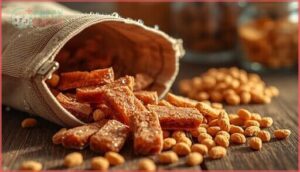
Not all treats hold up the same way in a pouch. Some lose their appeal within hours, while others stay fresh for days with the right storage approach.
Understanding the differences between treat types helps you make smarter choices that keep your training sessions effective and your dog motivated.
Dry Vs. Moist Training Treats
Your choice between dry and moist dog treats shapes both shelf life and training rewards. Dry treats stay stable longer—often weeks—because moisture levels under 20 percent resist mold growth. Moist varieties boost dog preferences with stronger aroma but require tighter treat storage and faster rotation to preserve freshness.
Match treat texture to your portability needs and your dog’s motivation.
| Feature | Dry Treats | Moist Treats |
|---|---|---|
| Moisture Levels | Under 20% | 25% or more |
| Shelf Life | Weeks to months | Days to weeks (refrigerate after opening) |
| Treat Texture | Firm, easy to break | Soft, aromatic |
| Training Rewards | Quick grab, consistent pieces | High motivation, strong scent |
| Treat Preservation | Room temperature in airtight pouch | Cooler storage, tight seal required |
Natural Ingredients and Preservatives
Ingredients tell the freshness story before you ever open the bag. Look for treats listing whole proteins and recognizable preservative types like vitamin E or rosemary extract—natural additives that protect pet nutrition without synthetic chemicals.
Once you’ve chosen quality treats, proper labeling and organization of your dog food storage area helps you track freshness and rotate stock before anything expires.
Organic options often skip artificial colors and fillers, boosting ingredient safety. These freshness methods support treat preservation and food safety, keeping your treat storage simple and your dog healthy.
For more details, see how natural preservatives for longevity can extend product shelf life and safety.
Portion Size and Calorie Control
Smaller training treats mean better calorie control and more rewards per session. Track daily intake with food scales to stay within the 90-10 rule—90% regular food, 10% treats in your treat bag—preventing overfeeding during multiple sessions.
- Weigh each treat type to know exact calories per piece.
- Pre-portion into containers for calorie tracking throughout the day.
- Adjust meal sizes to maintain calorie balance when training heavily.
Selecting The Best Treat Pouch
Your treat pouch isn’t just a convenience—it’s your first line of defense against stale, spoiled treats.
The right pouch keeps treats fresh, accessible, and safe during training sessions. Look for three key features that separate a functional pouch from one that’ll let you down.
Airtightness and Material Quality
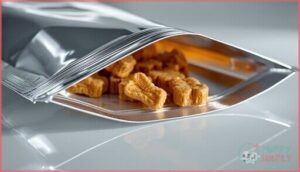
Your pouch’s barrier is your first defense against stale treats. Look for food-grade plastics with low oxygen transmission rates or metallized films that block light and moisture. Heat-sealed seams must stay uniform to avoid pinholes that ruin airtightness.
| Feature | Why It Matters |
|---|---|
| Multi-layer films | Block oxygen and humidity that cause spoilage |
| Metallized barriers | Protect against light and moisture degradation |
| Continuous heat seals | Prevent air leaks through gaps or folds |
Choose pouches with double seal designs for redundancy. Zipper closures should snap completely and include a secondary seal. Your storage containers need the same barrier integrity to maintain freshness between sessions.
Size, Capacity, and Portability
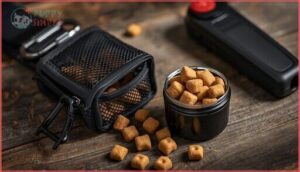
Your treat bag must match your session length and training style. Most trainers use 6 to 8 inch pouches that hold 1 to 4 cups of treats—enough for extended work without constant refills.
Choose lightweight designs under 150 grams with belt clips for hands-free portability. Airtight containers inside the bag preserve freshness while portion control prevents overfeeding during drills.
Easy Cleaning and Maintenance
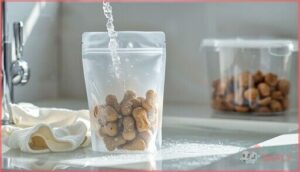
A dirty treat bag kills freshness faster than air exposure. Clean your pouch every 2 to 4 training sessions with mild soap and warm water to prevent odor buildup and bacterial growth.
Choose wipeable materials for quick maintenance—avoid fabric that traps moisture and scent oils. Remove hardware, air dry completely, and store in airtight containers away from pantry foods to maintain ideal hygiene between sessions.
Storing Treats Safely in a Pouch

The way you store treats inside your pouch makes all the difference between fresh rewards and spoiled waste.
Smart storage keeps treats safe from air, moisture, and contamination during training sessions.
Here are three proven methods to protect your dog’s treats and maintain their quality.
Keeping Treats in Original Packaging
Think of original packaging as your first line of defense against stale treats. The sealed bag preserves ingredient lists, lot numbers, and freshness dates you’ll need for safe rotation.
Original packaging protects treats from moisture and air until you’re ready to portion. Keep treats in their factory bag, then slip that bag into your pouch for double protection.
Using Airtight Containers or Bags
While original packaging offers good protection, airtight containers provide an extra layer of security. Choose BPA-free plastics or stainless steel with silicone seals that flex across temperature changes.
Look for locking clips that compress gaskets uniformly—double seals add redundancy as seals wear. Clear bodies let you spot mold or staleness fast. Size your container between 0.5 and 2.5 liters based on your training frequency and portion control needs.
Labeling and Dating for Rotation
Even the best container won’t help if you can’t tell which treats expire first. Mark each batch with its arrival date and expiration date using waterproof labels—stick to a simple YYYY-MM-DD format so there’s no guessing.
Color-code freshness levels if you run multiple treat types: green for fresh stock, yellow when you’re nearing the use-by window. Rotate oldest treats to the front of your pouch every time you refill.
Preventing Spoilage and Contamination
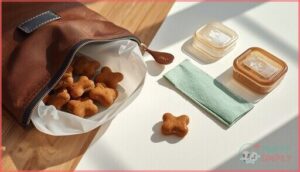
You’ve done the work to choose the right treats and store them properly—but without the right safeguards, they can still go bad faster than you’d expect.
Spoiled treats put your dog’s health at risk and waste your time and money. Here’s how to spot warning signs early, keep your pouch clean, and protect treats from moisture and air.
Recognizing Signs of Stale or Moldy Treats
Your dog’s health depends on catching spoilage early. Check treats for fuzzy white, green, or black patches indicating mold. A sour or rotten odor signals contamination even without visible growth.
Texture changes like sticky surfaces or excessive hardness mean moisture has compromised shelf life. Discoloration, past expiration dates, or damaged packaging all demand immediate disposal to prevent illness.
Cleaning Treat Pouches Regularly
Once you’ve spotted spoilage, preventing it starts with regular pouch cleaning. Your treat bag collects crumbs, moisture, and bacteria that accelerate contamination.
- Empty and wipe the interior after every session to remove residual bits
- Wash fabric pouches weekly with mild soap to prevent odor buildup
- Air dry completely before refilling to stop mold growth
- Replace worn pouches that can’t maintain proper storage hygiene
- Clean daily when using moist treats
Using Oxygen Absorbers or Desiccant Packs
For exceptional freshness, add oxygen absorbers or desiccant packs to your airtight containers. Absorbers consume oxygen to stop spoilage for months, while desiccants control humidity and prevent mold. Choose packaging materials that seal tightly—vacuum bags work best. Place desiccant types like silica gel at the bottom, keeping treats above. Monitor absorber safety by replacing swollen packs and never mixing with powdered foods.
| Method | Primary Function | Best For |
|---|---|---|
| Oxygen Absorbers | Remove oxygen levels to prevent rancidity | Long-term storage in sealed pouches |
| Silica Gel Desiccants | Control moisture and humidity | Preventing clumping in dry treats |
| Clay-Based Desiccants | Absorb ambient moisture slowly | Rigid storage containers |
| Combined Use | Lower oxygen and humidity together | Maximum freshness in vacuum-sealed bags |
Portioning and Handling Treats Effectively
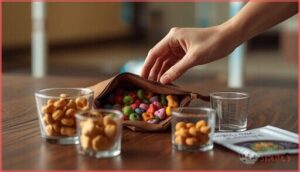
Getting the portion size right keeps your dog healthy and makes every training session count. You’ll avoid overfeeding while keeping treats fresh and easy to grab when you need them.
Follow these three strategies to handle treats like a pro during training.
Pre-Portioning for Each Training Session
Preparing exact portions before you start training keeps your sessions sharp and your dog’s intake in check. Pre-portioning prevents fumbling for treats mid-drill and helps you maintain portion control across daily training sessions.
Here’s how to portion like a pro:
- Weigh or count each session’s treats using a standard unit—one biscuit or 0.5-ounce piece—to keep treat allocation consistent and promote calorie management.
- Label pre-portion packs with session date and drill focus for quick setup and better session planning.
- Track portions used on a simple sheet to monitor total intake and boost training efficiency while staying within your dog training goals and the 9010 rule guidelines.
Avoiding Overfeeding With The 90/10 Rule
Sticking to the 90/10 rule is your safeguard against overfeeding during dog training sessions. This feeding guideline ensures 90 percent of calories come from balanced meals and only 10 percent from treats—supporting calorie balance and dog nutrition.
Calculate your dog’s daily needs, count treat portions, and log totals weekly. Pair small healthy rewards with praise to boost motivation while keeping portion control tight in your treat bag.
Hygiene Tips for Handling Treats
Proper hand washing is your first defense against cross contamination and bacterial growth when handling dog treats. Treat every training session like you’re prepping food—because you’re.
- Wash hands with soap and warm water for at least 20 seconds before and after handling treats
- Use clean utensils or disposable gloves to prevent transferring bacteria
- Sanitize surfaces and containers daily to block spoilage and maintain freshness
- Pre-portion treats in clean containers to minimize moisture exposure during sessions
Top Training Treats for Freshness in a Pouch
Not all training treats hold up the same way in a pouch. Some dry out fast, others get sticky, and a few stay fresh for hours without any hassle.
Here are five reliable options that won’t let you down during training sessions.
1. Get Naked Soft Dog Treats
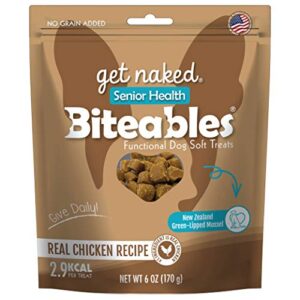
Get Naked Soft Dog Treats deliver real chicken as the first ingredient, making them highly palatable for consistent training responses. Each treat contains fewer than 3 calories, so you can reward frequently without overfeeding.
The soft, chewy texture works well for dogs with tooth loss or difficulty chewing—especially useful for senior dogs. Variants include functional additives like probiotics for gut health and green-lipped mussel for joint support.
Store these moist treats in airtight containers inside your pouch to prevent staleness and maintain their soft texture.
| Best For | Senior dogs or dogs with dental issues who need soft, easy-to-chew treats that support heart, brain, and joint health. |
|---|---|
| Primary Ingredient | Real Chicken |
| Age Range | Senior |
| Form | Soft Treat |
| Special Diet | No Rawhide |
| Made In | USA |
| Package Size | 6 Ounces |
| Additional Features |
|
- Real chicken as the first ingredient with added New Zealand green-lipped mussel for joint support
- Soft texture perfect for older dogs or those with missing teeth
- Made in the USA with natural ingredients and no rawhide or artificial additives
- Higher price point compared to similar soft treats on the market
- 6-ounce bag size may not last long for the cost
- May not work for dogs with specific food allergies or dietary restrictions
2. Himalayan Yogurt Dog Treats
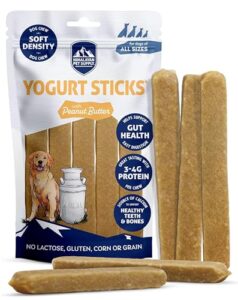
Himalayan Yogurt Dog Treats combine probiotics with a soft density that works across all life stages, from puppies to seniors. Each stick contains around 60 kcal with 13% protein and 5% fat, making portion control straightforward during training sessions.
The yogurt powder and probiotics support digestive balance without lactose, reducing the risk of stomach upset. Store the resealable 4.8-ounce pouch in a cool, dry place and transfer to an airtight container once opened to preserve the soft texture and probiotic viability.
| Best For | Dog owners looking for a digestive-friendly treat that works for any age or size, especially helpful for dogs with sensitive stomachs or food allergies. |
|---|---|
| Primary Ingredient | Peanuts & Yogurt |
| Age Range | All Life Stages |
| Form | Soft Stick |
| Special Diet | Gluten-Free |
| Made In | Not Specified |
| Package Size | 5 Count |
| Additional Features |
|
- Contains prebiotics and probiotics to support gut health and digestion
- Soft texture makes it easy for puppies, seniors, and dogs with dental issues to enjoy
- Lactose and gluten-free formula reduces the risk of allergic reactions or stomach upset
- Not durable enough for aggressive chewers who may finish them too quickly
- Some dogs may experience digestive issues like constipation
- Requires refrigeration after opening to maintain freshness and probiotic effectiveness
3. Cloud Star Soft Chews Dog Treats
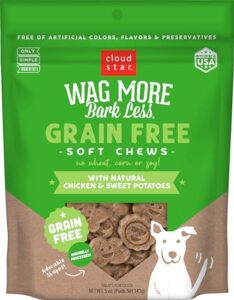
Cloud Star Soft Chews deliver reliable freshness in a training pouch with their moisture-sealed, pliable texture that resists crumbling during quick-reward sessions. You’ll find their Tricky Trainers line at just 3 kcal per bite and Wag More Bark Less Chicken and Sweet Potatoes options that stay soft after opening.
Keep the compact packaging in an airtight container once you break the seal. Their slow-baking process preserves flavor without artificial colors, and the short ingredient list—chicken or chicken liver first—makes them suitable for dogs with wheat, corn, or soy sensitivities.
| Best For | Dog owners looking for grain-free, low-calorie training treats that stay soft and fresh in a portable pouch. |
|---|---|
| Primary Ingredient | Chicken |
| Age Range | All Life Stages |
| Form | Chewy |
| Special Diet | Grain-Free |
| Made In | USA |
| Package Size | 5 oz |
| Additional Features |
|
- Natural chicken as the first ingredient with a short, clean ingredient list free from wheat, corn, soy, and artificial colors
- Low calorie count (3-8 kcal per treat depending on variety) makes them ideal for frequent training sessions without weight gain
- Moisture-sealed packaging keeps treats pliable and prevents crumbling, maintaining freshness after opening
- Texture inconsistencies reported by some customers, with treats occasionally arriving harder than expected
- Isolated reports of quality control issues, including one batch with an unpleasant chemical or mildew odor
- May not address all dietary sensitivities beyond grain intolerance, limiting options for dogs with multiple allergies
4. Modern Dog Parent’s Holistic Raw Feeding Guide
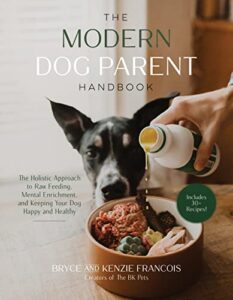
You’ll build stronger treats when you understand raw feeding principles from The Modern Dog Parent’s Guide. This 160-page resource from Page Street Publishing shows you how to prep homemade rewards using 70% lean muscle, 10% raw bone, and organ meats that deliver micronutrients commercial treats can’t match.
Store raw portions in silicone pouches with humidity packs inside your training bag, then rotate protein sources—fish, chicken, beef—to keep your dog interested while you maintain that critical 1:1 calcium-to-phosphorus ratio.
| Best For | Dog owners ready to ditch kibble and commit to preparing homemade meals with proper nutritional balance, whether you’re just starting out or already experienced with raw feeding. |
|---|---|
| Primary Ingredient | N/A (Book) |
| Age Range | N/A |
| Form | Book |
| Special Diet | N/A |
| Made In | USA |
| Package Size | 160 Pages |
| Additional Features |
|
- Walks you through safe homemade diet prep with clear feeding routines based on your dog’s weight
- Packed with recipes for meals, snacks, and supplements plus mental enrichment ideas to reduce stress
- Helps improve your dog’s energy, coat health, and potentially extend their life through holistic nutrition
- Some recipes work better for larger dogs, so small breed owners might need to adjust portions
- The table layouts can be confusing when you first flip through them
- Requires real commitment—both time and money—to overhaul your dog’s diet and lifestyle
5. Vet One Soft Chews Dog Treats
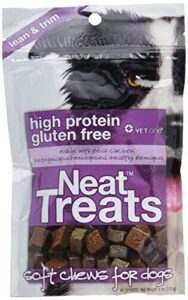
Vet One Soft Chews use real chicken in a gluten-free formula that holds up across all life stages. Store these 4 oz resealable pouches inside your treat bag—they’re soft enough for dental-sensitive dogs and work well hiding medication when needed.
The melt-in-your-mouth texture won’t crumble like freeze-dried options, and that resealable pouch means you’re limiting air exposure every time you grab a reward. Just check the best-by date printed on each bag and rotate stock to keep things fresh.
| Best For | Dog owners looking for a versatile, high-protein treat that works for training, hiding pills, or rewarding pups with gluten sensitivities. |
|---|---|
| Primary Ingredient | Real Chicken |
| Age Range | All Life Stages |
| Form | Soft Chews |
| Special Diet | Gluten-Free |
| Made In | Not Specified |
| Package Size | 4 oz |
| Additional Features |
|
- Real chicken and gluten-free formula makes them safe for dogs with dietary restrictions
- Soft texture works great for senior dogs, training sessions, and concealing medication
- Resealable 4 oz pouch keeps treats fresh and fits easily in your pocket or treat bag
- Higher price point compared to standard training treats
- Limited to just one flavor option (chicken only)
- Some customers report inconsistent shipping experiences
Frequently Asked Questions (FAQs)
How to store dog training treats?
Store treats in airtight containers inside their original packaging. Keep them in a cool, dry place away from sunlight. Pre-portion before each session to minimize air exposure and maintain freshness.
How to keep dog treats fresh?
Keep treats in airtight pouches made from food-grade materials. Store them in cool, dry places away from sunlight.
Rotate stock using oldest treats first, and clean your pouch after every session.
Can you use a treat pouch for training?
Training pouches are your training partner’s best friend. They clip onto your belt, keep reinforcers within arm’s reach, and let you reward behaviors instantly—keeping sessions sharp, focused, and flowing smoothly.
Can I freeze training treats for long-term storage?
Yes, you can freeze training treats for several months. Use airtight freezer bags to prevent freezer burn. Cool treats completely before packaging, then thaw in the refrigerator before serving.
How long do homemade treats stay fresh?
Your homemade treats won’t last forever. Dry baked treats stay fresh 7 to 14 days at room temperature. Refrigerated soft treats last 5 to 7 days. Freeze them for 2 to 6 months.
Should I refrigerate soft treats between sessions?
Refrigeration helps soft treats stay moist and prevents spoilage between sessions. Store them in an airtight container at 35–40°F, and always return them promptly after training to minimize air exposure.
What temperature is best for treat storage?
Store dry treats at room temperature between 60 and 70 degrees Fahrenheit. Refrigerate perishable or dairy-based treats to slow bacterial growth. Avoid storage above 80 degrees, which accelerates spoilage and fat oxidation.
Conclusion
Studies show that over 40% of dog owners unknowingly feed spoiled treats during training sessions. That number drops to nearly zero when you follow proper storage protocols.
Learning how to keep training treats fresh in a pouch isn’t complicated—it’s about choosing the right treats, using airtight storage, and maintaining clean equipment. Your dog deserves safe rewards every session.
Fresh treats mean better focus, faster learning, and zero health risks. Make freshness a non-negotiable part of your training routine.