This site is supported by our readers. We may earn a commission, at no cost to you, if you purchase through links.
That treat pouch clipped to your belt right now? It’s probably harboring more bacteria than your dog’s food bowl. Between the greasy residue from training treats, moisture from your dog’s enthusiastic nose dives, and the inevitable crumb collection in every seam, your pouch becomes a breeding ground for mold and odors faster than you’d think.
I’ve watched trainers reach for treats during sessions only to pull out something that looks—and smells—like it’s been marinating in questionable science experiment. The good news is that keeping your treat pouch clean doesn’t require special equipment or hours of scrubbing. With the right approach and a few simple products you already have at home, you can maintain a pouch that’s safe, fresh-smelling, and ready for every training session.
Table Of Contents
- Key Takeaways
- Essential Steps to Clean a Dog Treat Pouch
- Choosing Safe Cleaning Products for Pouches
- How to Remove Odors From Dog Treat Pouches
- Cleaning Mesh Pockets and Magnetic Closures
- How Often to Clean Your Dog Treat Pouch
- Maintenance Tips for Long-Lasting Treat Pouches
- Top Dog Treats for Your Treat Pouch
- Frequently Asked Questions (FAQs)
- Conclusion
Key Takeaways
- Clean your dog treat pouch after every use with a damp microfiber cloth and pet-safe products to prevent bacterial growth, mold, and odors that can compromise your dog’s health and the pouch’s functionality.
- Use pH-neutral enzymatic cleaners or mild vinegar solutions instead of harsh chemicals to safely remove grease and organic residues without damaging materials or leaving harmful residues that transfer to treats.
- Rotate between two pouches to allow complete 24-48 hour drying time between uses, which prevents moisture buildup that breeds bacteria and extends the lifespan of both pouches significantly.
- Store your pouch in a dry, ventilated area away from heat sources and choose antimicrobial materials with reinforced seams to reduce microbial growth and prevent premature wear from daily training sessions.
Essential Steps to Clean a Dog Treat Pouch
You don’t need fancy equipment or harsh chemicals to keep your dog treat pouch fresh and sanitary. A quick, consistent cleaning routine prevents odor buildup, bacterial growth, and those mysterious sticky spots that somehow appear overnight.
If you’re new to using one during walks or training sessions, learning the best way to attach a treat pouch while training ensures it stays secure and accessible when you need it most.
Let’s walk through the four essential steps that’ll keep your pouch in top shape between training sessions.
Emptying and Shaking Out Crumbs
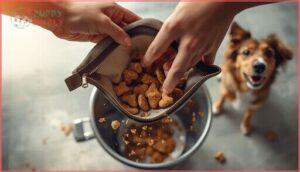
Before any cleaning begins, you need to shake out every last crumb from your dog treat pouch. Hold it upside down over a trash can and shake vigorously for 5 to 10 seconds, rotating from different angles to clear zipper tracks and pockets.
For stubborn bits, tap along the seams and give a gentle squeeze from bottom to top—this prevents residue buildup and keeps your pouch hygiene maintenance simple.
Wiping Interior Surfaces With Pet-safe Cloth

Once those crumbs are gone, grab a lint-free microfiber cloth—one that’s pet-safe and won’t leave residue behind. Here’s how to wipe down your dog treat pouch interior for proper maintenance and hygiene:
- Dampen the cloth lightly with water (never soak it)
- Wipe in circular motions from top to bottom
- Fold to expose a fresh section after each pass
- Apply gentle pressure to lift dried residue without tearing fabric
- Finish with a dry microfiber cloth to remove any moisture
This fabric selection and cloth maintenance routine keeps your pet hygiene and health priorities on track. Regularly using pet-safe cleaning methods helps safeguard your pet from exposure to harmful chemicals.
Spot Cleaning Exterior and Seams
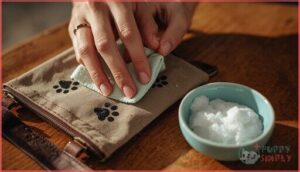
The exterior takes a beating during training sessions, so spot cleaning the fabric and seams keeps your pouch looking sharp.
Focus on high-contact areas—belt loops, zipper edges, and stitched seams—where dirt settles into crevices. Lightly dampen your cloth with a pet-safe cleaner and use gentle circular motions along seam lines to lift debris without fraying threads or weakening stitching that holds your pouch together.
Proper Air Drying Before Reuse
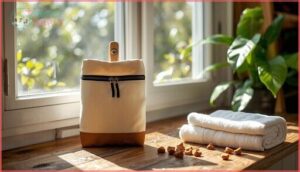
Once you’ve wiped down the surfaces, don’t rush to refill—complete air drying before reuse prevents mold and keeps odors at bay.
Proper pouch maintenance means checking every corner for dampness, because moisture control methods directly impact your dog treat pouch’s longevity and hygiene.
- Shake out all crumbs and hang the pouch in a well-ventilated area to enhance air flow techniques around all surfaces
- Blot interior surfaces with a clean towel to reduce drying time factors before hanging
- Position seams and zippers to prevent water pooling in folds during the drying process
- Feel interior surfaces and sniff for any damp odor before loading treats again
- Consider pouch material considerations—synthetic fabrics dry faster than cotton or canvas options
Choosing Safe Cleaning Products for Pouches
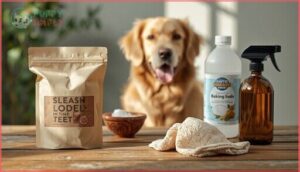
Not all cleaning products belong anywhere near your dog’s treat pouch—some contain harsh chemicals that can linger on surfaces and transfer to treats your pup will eat later.
The wrong cleaner can damage your pouch’s materials or leave behind residues that cause skin irritation when the pouch rubs against your hand or hip during training sessions. Let’s look at the safest options that clean effectively without putting your dog at risk.
Pet-safe Disinfectants and Wipes
When you’re choosing disinfectant sprays and surface sanitizers for your dog treat pouch, look for products explicitly labeled as Pet Safe Wipes. These cleaning products avoid harsh chemicals like phenol and bleach that can irritate your dog’s paws or mouth.
Many natural cleaners now include odor control formulations with deodorizing enzymes instead of strong fragrances, making them ideal for maintenance without compromising pet health. Always check ingredient transparency before wiping down your pouch.
To protect your pet from accidental harm, make sure you’re familiar with toxic ingredients in cleaning products.
PH-neutral and Enzymatic Cleaners
PH Balance matters when you’re selecting cleaning products for pouch maintenance because neutral formulas protect materials without harsh degradation. Enzymatic Formulas deliver Enzyme Action that breaks down organic residues—leftover treat oils and saliva—while Neutralizing Odors at the source rather than masking them.
Choosing cleaning products that preserve pouch integrity ensures your training gear stays functional through hundreds of sessions without material breakdown or lingering smells.
For safe, effective dog treat pouch care, consider these Cleaner Safety essentials:
- Look for pH-neutral enzymatic blends that preserve fabric integrity
- Confirm pet-safe certification before applying to food-contact surfaces
- Allow proper dwell time so enzymes can work on embedded soils
How to Remove Odors From Dog Treat Pouches

Even the cleanest treat pouch can develop that unmistakable stale-food smell over time, especially if you’re using soft or greasy treats.
The good news is that you don’t need harsh chemicals to freshen things up—simple household ingredients work wonders. Here are three proven methods to eliminate odors and keep your pouch smelling neutral between training sessions.
Mild Vinegar Solution for Odor Control
When odors linger in your dog treat pouch despite regular cleaning, a mild vinegar solution offers natural preservatives and pet safety in one simple step.
Mix one part white vinegar with three parts water, then lightly mist the interior surfaces or dampen a cloth to wipe seams where smells hide. This odor removal technique neutralizes bacteria without harsh chemicals, making pouch maintenance both effective and safe for your pup.
Baking Soda Application and Removal
After spot cleaning your dog treat pouch, sprinkle a thin layer of baking soda inside to absorb lingering odors naturally—this gentle cleaning method works wonders for natural deodorizing without harsh chemicals.
Let the soda paste sit for three to four hours, then shake it out completely or vacuum away the residue to reveal a fresh pouch ready for daily cleaning and deep cleaning routines alike.
Preventing Moisture-related Smells
Moisture control is the secret weapon against stubborn smells in your dog treat pouch—when you allow proper airflow management after each cleaning, you prevent the humidity that breeds mildew and odor.
Stand the pouch open for thirty minutes in a well-ventilated spot, then store it away from heat sources to maintain dry storage and support long-term durability of your magnetic closure.
Cleaning Mesh Pockets and Magnetic Closures
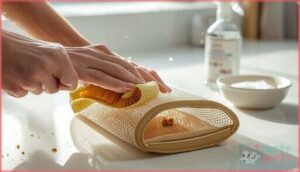
Mesh pockets and magnetic closures need special attention since they trap debris and attract grease that can interfere with function.
You can’t treat these areas the same way you’d wipe down smooth surfaces—they require specific techniques to stay clean without damage. Here’s how to properly care for both components so your pouch stays fresh and functional.
Gentle Cleaning of Mesh With Soft Toothbrush
Mesh brushing demands the same care you’d give your dog’s favorite toy—it needs gentle scrubbing without damage. Grab a soft-bristled nylon toothbrush and work in circular motions along the weave to lift stuck crumbs and oils.
For effective dog treat pouch maintenance and pet hygiene and health:
- Hold your pouch upright during cleaning to prevent seam stress
- Apply pet-safe soap sparingly to target stubborn grime
- Rinse your brush frequently to avoid redistributing debris
- Follow the mesh pattern for thorough deep cleaning
- Air dry completely before reloading treats
Safe Cleaning for Magnetic Closures
While mesh requires brushing finesse, magnets need an even lighter touch to protect their coatings. Your magnetic closure faces dirt buildup just like mesh, but harsh cleaners can corrode those surfaces fast.
| Cleaning Step | Safe Method |
|---|---|
| Wipe magnet faces | Distilled water + microfiber cloth only |
| Remove residue | Baking soda paste, rinse thoroughly |
| Dry completely | Air dry away from heat sources |
| Test strength | Gentle pull after each cleaning cycle |
Never soak closures—moisture trapped inside seams weakens seal durability and invites rust formation over time.
Dishwasher Safety and Care Tips
After protecting your magnetic closure, you might wonder if a dishwasher can speed up deep cleaning your dog treat pouch. Most pouches aren’t dishwasher-safe, so skip the machine altogether—hand cleaning protects both mesh and magnets better.
For actual Dishwasher Maintenance at home, follow these Safety Precautions:
- Always unplug before transferring parts to avoid Electrical Safety risks
- Run Cleaning Cycles with vinegar monthly to remove mineral deposits
- Clean filters weekly under warm water for better Filter Care
- Let units cool 10 minutes after cycles to prevent steam burns
How Often to Clean Your Dog Treat Pouch

A clean treat pouch isn’t just about appearances—it’s about keeping your dog safe from bacteria and mold that can grow in those leftover crumbs.
The cleaning schedule you need depends on how often you’re using your pouch and what kinds of treats you’re carrying. Let’s look at the recommended frequency, warning signs that your pouch needs attention, and a smart rotation strategy that makes hygiene easier.
Recommended Cleaning Frequency
Ideally, you’ll wipe down your dog treat pouch after every use to maintain freshness and prevent buildup. A quick interior wipe with a damp cloth takes just seconds but keeps oils and crumbs from accumulating.
Weekly deep cleaning with pet-safe products tackles stubborn residue, while monthly attention to magnetic closures and mesh areas ensures your Dog Treat Pouch Maintenance stays ahead of odor and wear.
Signs Your Pouch Needs Cleaning
Even with regular wiping, your dog treat pouch sends clear signals when it needs deeper attention. Trust your senses—if something seems off, it probably is.
Watch for these Dirty Smell Signs and other red flags:
- A sour or acrid odor that lingers even when the pouch feels dry
- Visible Mold or dark spots forming along seams and fabric linings
- Sticky Residue creating a tacky film on interior walls
- Fabric Staining with yellowing around pockets where treats rest
- Moisture Buildup collecting in corners despite previous drying
Rotating Pouches for Better Hygiene
Switching between two pouches isn’t just about convenience—it’s your best defense against bacteria and trapped moisture. While one pouch air-dries completely for 24-48 hours, you’re already out training with the backup. This rotation gives each unit proper drying time, preventing the mildew and odor that plague single-pouch systems.
| Rotation Benefit | Why It Matters |
|---|---|
| Complete drying time | Prevents bacterial growth between uses |
| Reduced wear on closures | Magnetic closure and seams last longer |
| Odor control advantage | Eliminates moisture that amplifies smells |
| Material quality preservation | Fabrics and plastics maintain integrity |
| Hygiene benefits | Cross-contamination risks drop substantially |
The rotating mechanism in premium designs lets you swap treat types without cross-contamination, while alternating between pouches means you’re never rushing the cleaning process. Invest in two quality units with antimicrobial pouch materials—your dog treat pouch maintenance routine becomes straightforward, and both pouches will outlast a single overworked option.
Maintenance Tips for Long-Lasting Treat Pouches
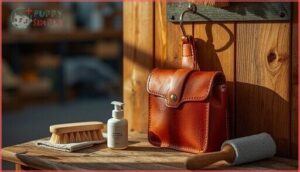
Keeping your treat pouch clean is only half the battle—the other half is making sure it actually lasts. A few simple maintenance habits can prevent premature wear and save you from replacing your pouch every few months.
Let’s look at the key practices that’ll keep your pouch in top shape for years of training sessions.
Inspecting for Wear and Tear
You’ll want to inspect your dog treat pouch monthly for signs that cleaning alone can’t fix. Run your fingers along seams checking for loose stitching or fraying fabric—these weaken pouch materials over time.
Test your magnetic closure‘s holding power and examine mesh pockets for tears during each pouch examination. Spot tear detection early prevents crumbs escaping mid-training session.
Storing in Dry, Ventilated Areas
After each training session, tuck your dog treat pouch into a well-ventilated cupboard where humidity stays below 15 percent and temperatures hover between 10 and 15 degrees Celsius.
Airflow management prevents mildew, so choose a cool dry place with steady airflow management — never near heaters or sunny windows.
Dry storage tips like keeping pouches off the floor and using silica gel packets inside containers guarantee your treat storage stays fresh for months.
Benefits of Antimicrobial and Durable Materials
Pouches built with antimicrobial tech and durable designs act like a shield against bacteria, cutting microbial growth on surfaces between cleanings. Material science delivers fabrics that resist tearing while maintaining microbe resistance through dozens of wash cycles, so your dog treat pouch stays fresher longer.
Longevity factors like reinforced seams and water-resistant coatings mean fewer replacements and less waste—practical wins for pet accessories that work hard daily.
Top Dog Treats for Your Treat Pouch
Your treat pouch is only as effective as the treats you put in it. Choosing the right treats means finding options that won’t crumble into a greasy mess, maintain their appeal throughout your training session, and fit easily through your pouch opening.
Here are four solid options that consistently perform well in treat pouches and keep dogs motivated.
1. Get Naked Soft Dog Treats
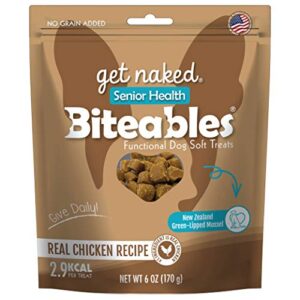
Get Naked Soft Dog Treats stand out for treat pouches because they’re made with real chicken as the first ingredient, delivering protein-packed rewards your dog will actually work for. At about 2.9 calories per treat, you can reward generously during training sessions without blowing your dog’s daily calorie budget.
These grain-free, bite-sized pieces work especially well for senior dogs or small breeds who need something easy to chew, and they come in functional varieties with added joint support or digestive health ingredients to match your dog’s specific needs.
| Best For | Senior dogs or picky eaters who need soft, easy-to-chew treats made with real chicken and wholesome ingredients like New Zealand green-lipped mussel. |
|---|---|
| Form | Soft Treat |
| Age Range | Senior |
| Primary Ingredient | Real Chicken |
| Made in USA | Yes |
| Grain-Free | Yes |
| Weight/Size | 6 Ounces |
| Additional Features |
|
- Real chicken as the first ingredient provides quality protein without fillers or artificial additives
- Soft-baked texture works great for older dogs with dental issues or tooth loss
- Includes functional ingredients like antioxidants for heart and brain health plus green-lipped mussel for joint support
- Higher price point compared to similar soft treats on the market
- 6-ounce bag size may not last long for the cost, especially for multi-dog households
- Not suitable for dogs with chicken allergies or specific dietary restrictions
2. Himalayan Yogurt Dog Treats
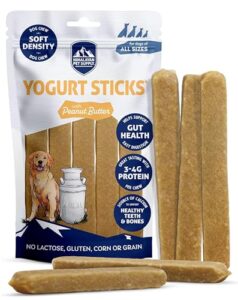
Himalayan Yogurt Dog Treats bring probiotics and prebiotics straight to your training pouch, supporting your dog’s digestive health with every reward. These soft, lactose-free sticks work beautifully for dogs with sensitive stomachs or food allergies, and at roughly 60 calories per treat, they’re substantial enough for focused training without overfeeding.
The coconut powder and yogurt base create a naturally appealing flavor that even picky eaters respond to, though you’ll want to refrigerate the resealable pouch after opening to keep that soft texture intact.
| Best For | Dogs with sensitive stomachs or food allergies who need digestive support during training sessions. |
|---|---|
| Form | Stick |
| Age Range | All Life Stages |
| Primary Ingredient | Peanuts & Yogurt |
| Made in USA | No |
| Grain-Free | Yes |
| Weight/Size | 5 Count |
| Additional Features |
|
- Packed with prebiotics and probiotics to support gut health and boost immune function
- Soft texture works for all ages and sizes, including senior dogs or those with dental issues
- Lactose and gluten-free formula makes them safe for dogs with common food sensitivities
- Need refrigeration after opening, which limits portability for long training sessions or travel
- Soft density means aggressive chewers may gobble them down too quickly
- Some dogs may experience constipation or other digestive issues despite the probiotic content
3. Cloud Star Soft Chews Dog Treats
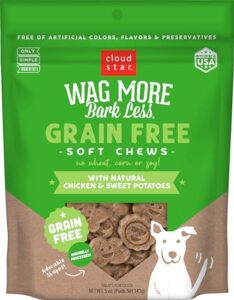
Cloud Star’s Tricky Trainers Soft Chews earned their reputation in AKC Canine Good Citizen programs for good reason—they’re small, pliable, and clock in at just a few calories each, perfect for frequent reinforcement without guilt.
You’ll find chicken and cheddar cheese flavors that dogs respond to consistently, and the texture stays soft in your pouch without crumbling during handling.
The grain-free formulations work well for sensitive dogs, while their Dynamo line adds glucosamine and chondroitin for older pups who need joint support alongside their training rewards.
| Best For | Pet owners looking for low-calorie, grain-free training treats made with simple ingredients that work for dogs of all sizes and life stages. |
|---|---|
| Form | Chewy |
| Age Range | All Life Stages |
| Primary Ingredient | Natural Chicken |
| Made in USA | Yes |
| Grain-Free | Yes |
| Weight/Size | 5 oz |
| Additional Features |
|
- Natural chicken as the first ingredient with grain-free and gluten-free formulation, ideal for dogs with sensitivities
- Only 8 calories per treat makes them perfect for frequent training sessions without overfeeding
- Oven-baked in the USA with clean, wholesome ingredients you can feel good about
- Texture inconsistencies reported by some customers, with treats sometimes being harder than expected
- Occasional quality control issues, including reports of bad batches with unpleasant odors
- May not address all food sensitivities beyond grain intolerance
4. Vet One Soft Chews Dog Treats
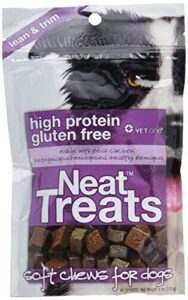
Vet One Soft Chews take a different angle—they’re veterinary-formulated supplements disguised as treats, which makes them ideal for pouches when you’re working with dogs who need joint support or skin health boosts during training sessions.
The real chicken flavor keeps dogs interested, and the soft texture won’t dry out or crumble in your bag. At four ounces per package with resealable packaging, they’re practical for trainers managing multiple dogs with specific nutritional needs alongside their behavioral work.
| Best For | Dog trainers and owners who need a dual-purpose treat that works for training while providing veterinary-formulated nutritional support for joints or skin health. |
|---|---|
| Form | Book |
| Age Range | All Dogs |
| Primary Ingredient | N/A |
| Made in USA | Yes |
| Grain-Free | N/A |
| Weight/Size | 160 pages |
| Additional Features |
|
- Soft texture won’t crumble in training pouches and stays fresh in resealable packaging
- High-protein, gluten-free formula works for dogs with dietary sensitivities
- Veterinarian-formulated with real chicken, so you’re supporting health goals while rewarding good behavior
- Higher price point compared to standard training treats
- Limited to one flavor option, which might not work for all dogs
- Some reports of shipping and delivery issues affecting product freshness
Frequently Asked Questions (FAQs)
How to clean a dog treat pouch?
Start by turning your pouch inside out and shaking loose crumbs over a trash can.
Wipe interior surfaces with a damp microfiber cloth, then spot clean the exterior and seams before air drying completely.
What to put in a dog treat bag?
A stitch in time saves nine—stock your bag with bite-sized rewards that won’t crumble.
Mix soft jerky and freeze-dried meats, keeping portions three times smaller than regular snacks for effective training sessions.
Can I machine wash my dog treat pouch?
Most pouches aren’t designed for machine washing and may suffer seam damage or coating breakdown.
If your model advertises machine wash compatibility, use cold water on gentle cycle inside a protective mesh bag.
How do I clean waterproof treat pouches?
Waterproof pouches require a gentler touch than standard fabric.
Turn them inside out, wipe with a damp cloth and mild soap, then rinse thoroughly and air dry completely to protect those waterproof coatings.
What removes grease stains from treat pouches?
Battling stubborn grease? Pre-treat stains with mild dish soap, letting it sit for three to five minutes before rinsing.
For tougher buildup, enzymatic cleaners or a baking soda paste work wonders.
Are silicone pouches easier to clean than fabric?
Yes, silicone pouches clean more easily than fabric. Their non-porous surfaces resist staining and odors, rinse clean in seconds with warm soapy water, and air dry quickly without trapping moisture or smells.
How do I sanitize pouches after illness?
When your pup’s been sick, you’ll want to empty the pouch completely, wipe it down with pet-safe disinfectant, rinse thoroughly, and air dry in a well-ventilated spot before using again.
Conclusion
An ounce of prevention truly beats a pound of cure in the context of pouch hygiene. Spending five minutes after each session wiping down your pouch prevents the week-long deep cleaning headache later.
Now that you know how to clean and maintain a dog treat pouch, you’re equipped to keep your training tools as professional as your techniques. Your dog deserves clean treats from a clean pouch—and honestly, so do your hands.