This site is supported by our readers. We may earn a commission, at no cost to you, if you purchase through links.
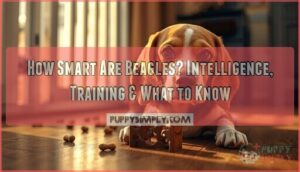
Your beagle just figured out how to unlatch the gate, tracked a sandwich across three rooms, and somehow convinced you to share it. Then you ask for a simple “sit” and get a blank stare. This disconnect puzzles many beagle owners who wonder if their dog is clever or just selectively deaf.
The truth is more nuanced than a single number on an intelligence ranking. Beagles possess remarkable cognitive abilities in specific domains—particularly anything involving their nose—but they process commands differently than breeds engineered for obedience.
Their intelligence shows up in unexpected places, from problem-solving motivated by scent trails to social learning within their pack. Understanding how beagles think, rather than how quickly they obey, reveals a complex mind adapted for independent work and sensory mastery.
Table Of Contents
- Key Takeaways
- Beagle Intelligence: an Overview
- Beagle Intelligence Rankings Explained
- Instinctive Intelligence: Hunting and Scenting
- Problem-Solving and Learning Aptitude
- Social Intelligence and Communication
- Training Beagles: Challenges and Solutions
- Top Products to Support Beagle Intelligence
- Frequently Asked Questions (FAQs)
- What is the intelligence rank of a Beagle?
- Are Beagles smart or dumb dogs?
- Which dog breed has the highest IQ?
- Are Beagles attached to one person?
- Are Beagles smart?
- Are Beagles more intelligent than you think?
- Do Beagles have innate intelligence?
- What can Beagles learn from humans?
- How does a beagles intelligence compare to other hounds?
- Do beagles have good memory and recall abilities?
- Conclusion
Key Takeaways
- Beagles rank around 72nd in obedience intelligence but excel in scent detection with 220-300 million olfactory receptors, making them specialists rather than generalists in cognitive ability.
- Their apparent “stubbornness” reflects instinctive intelligence bred for independent scent tracking, not defiance—they prioritize nose-led problem-solving over immediate command compliance.
- Short training sessions of 5-10 minutes using high-value rewards work best because beagles learn quickly when motivation aligns with their scent-driven instincts rather than strict obedience.
- Beagles demonstrate strong social intelligence through pack dynamics and emotional bonding with humans, forming attachments to multiple family members rather than selecting one favorite person.
Beagle Intelligence: an Overview
You’ve probably heard mixed things about how smart beagles really are. The truth is that canine intelligence isn’t one-size-fits-all—it shows up in different ways depending on what a dog was bred to do.
Beagles often get labeled as stubborn or slow learners, but understanding their unique intelligence and scent-driven instincts reveals why traditional obedience training doesn’t always click with them.
Let’s look at what makes beagle intelligence unique and how it stacks up against traditional measures.
Defining Canine Intelligence
Canine intelligence isn’t just one thing—it’s a blend of cognitive abilities that vary across breeds. You’ll see dog intelligence measured through instinctive intelligence, like a Beagle’s nose work, social intelligence in reading your moods, and learning speed.
Brain structure and breed comparisons show us that canine cognition works differently than ours, with intelligence metrics revealing strengths rather than ranking smarts. In fact, understanding the different canine intelligence categories helps explain why each breed displays unique problem-solving abilities.
Instinctive Vs. Obedience Intelligence
Instinctive intelligence and obedience intelligence measure different cognitive strengths in your dog. Instinctive behavior reflects breed traits—what your Beagle was born to do—while obedience shows how quickly they respond to training methods. Here’s what sets them apart:
- Instinctive intelligence drives automatic scent work without formal teaching
- Obedience intelligence measures command response speed and retention
- Scent hounds excel at tracking but may lag in obedience rankings
- Problem-solving often ties to instinctive motivation rather than obedience
- Canine cognition encompasses both types, not just one measure
Understanding these differences can help with dog care best practices to support your Beagle’s development.
Specialized Skills in Beagles
Beyond basic obedience, your Beagle shines in specialized areas that reflect their scent hound heritage. Their olfactory intelligence—powered by 300 to 500 million scent receptors—drives outstanding scent tracking and independent hunting skills. Problem-solving abilities emerge when they’re motivated by interesting odors, and their pack dynamics support social learning. Olfactory training draws on these instinctive intelligence strengths effectively.
| Skill Area | How It Shows | Real-World Use |
|---|---|---|
| Scent Tracking | Nose-to-ground focus, persistent trailing | Border control detection work |
| Problem Solving | Methodical searches, pattern recognition | Research lab scent studies |
| Pack Dynamics | Observation learning, cooperative signaling | Therapy and educational demos |
Beagle Intelligence Rankings Explained

You’ve probably heard that beagles aren’t the sharpest tools in the shed regarding dog intelligence rankings. That reputation comes from one influential study, but the full story is more nuanced than a simple number.
Let’s look at where these rankings come from, what they actually measure, and why they don’t tell you everything about your beagle’s smarts.
Stanley Coren’s Dog Intelligence Study
Stanley Coren’s pioneering research established a framework that transformed how we grasp canine cognition. His Dog Intelligence Rankings divided intelligence metrics into three categories: instinctive intelligence, adaptive problem-solving, and working obedience.
Breeds like the Cane Corso exemplify high working obedience, often mastering new commands with remarkable speed and focus.
The Coren Method relied on professional judges evaluating breed performance in obedience tasks rather than controlled dog IQ tests. This approach showed that canine intelligence is multi-dimensional, not a single measure.
How Beagles Rank Among Dog Breeds
In formal obedience rankings, Beagles consistently place in the 130s out of 195 breeds—a position that doesn’t capture their true capabilities. Dog Intelligence Rankings emphasize trainability over specialized skills, which means Canine Intelligence tests often overlook scent-driven breeds.
When you compare Dog Breed Intelligence across different systems, Beagles excel in scent detection but rank lower in strict obedience tasks that measure working compliance.
Myths About Beagle Intelligence
You’ve probably heard that Beagles are stubborn or slow learners—classic Breed Misconceptions that ignore their specialized Canine Cognition. Intelligence Tests measuring obedience miss what Beagles do brilliantly: Scent Tracking over miles with unwavering focus.
These Beagle Stereotypes overlook how intelligence development in Beagle puppies reveals rapid learning when motivation aligns with instinct.
Debunking Beagle intelligence myths starts with recognizing that different doesn’t mean deficient.
Instinctive Intelligence: Hunting and Scenting
Beagles were bred for one thing above all else: following their nose. Their scent detection abilities aren’t just impressive—they’re what the breed was built to do.
Let’s look at what makes their instinctive intelligence so extraordinary and how it shows up in the real world.
Scent Detection Abilities

Your beagle’s nose isn’t just impressive—it’s basically a superpower. With hundreds of millions of olfactory receptors, they can distinguish complex odor mixtures and track scent trails at incredibly low concentrations.
Your beagle’s nose is a superpower—hundreds of millions of receptors track scent trails at impossibly low concentrations
This scent intelligence makes them outstanding scent hounds. Through olfactory training and nose work, beagles develop impressive smell recognition abilities, remembering specific odors over time and using advanced detection methods to focus on target scents even amid distracting background smells.
Real-World Uses for Beagle Instincts
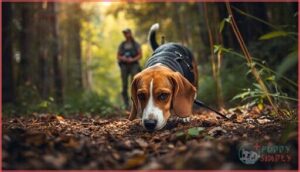
That remarkable nose your beagle has translates into real jobs beyond hunting. Scent hounds excel in wildlife tracking, helping biologists monitor animal populations across challenging terrain.
You’ll also find beagles in therapy sessions, where their social warmth shines, and in educational demos that captivate kids. Detection exercises and scent work applications keep these tracking experts mentally sharp while putting their animal scent detection skills to meaningful use.
Problem-Solving and Learning Aptitude

Beagles show a different kind of smarts regarding solving problems and picking up new skills. Their learning style leans heavily on what motivates them—usually food or an irresistible scent—which means they think through challenges in their own unique way.
Let’s look at how beagles handle critical thinking, how quickly they learn and remember, and their knack for watching and copying what works.
Critical Thinking and Puzzle Solving
Your beagle’s nose leads the way in problem-solving situations. When faced with puzzle toys or treat-dispensing toys, they’ll test multiple strategies until one works.
Here’s what makes their cognitive games approach unique:
- They rely on scent work more than visual cues during challenges
- Memory recall guides them to repeat successful methods quickly
- Adaptive learning kicks in when familiar tactics fail
- Problem-solving abilities shine brightest with food-based motivation
- Persistence trumps speed in their puzzle-solving style
Learning Speed and Retention
Short, frequent training sessions work best for your beagle’s cognitive development. Five to ten minute drills, repeated daily, help them master new commands faster than marathon sessions.
Their retention techniques improve when you practice spaced repetition—revisiting learned cues after a day, then again after several days. This approach accesses multiple memory types, strengthening both short-term recall and long-term obedience training success.
Imitation and Observation Skills
Your beagle’s observation skills extend beyond basic training exercises. They watch other dogs and humans closely, picking up model behavior through social learning.
This imitation technique strengthens their cognitive development—they’ll notice when another pup gets rewarded for sitting, then try it themselves. Their canine cognitive abilities shine when they’re learning through watching rather than direct instruction, making pack environments ideal for building problem-solving abilities.
Social Intelligence and Communication

Beagles don’t just track scents—they read rooms. Their ability to pick up on human emotions and dog body language sets them apart from many breeds.
Let’s look at how their social smarts shape the way they bond and learn.
Bonding With Humans and Dogs
Eye contact between you and your beagle triggers oxytocin release in both of you, strengthening emotional connection and trust building. This social bonding mechanism explains why gentle petting and predictable routines boost canine empathy and human interaction.
Your beagle’s social intelligence shines when reading your body language and mood, making these dogs outstanding at canine communication and emotional intelligence through consistent socialization.
Pack Mentality and Social Learning
Pack Dynamics shape how your beagle learns from other dogs through direct observation and imitation. When one pack member solves a scent puzzle or discovers food, others copy that success—a Learning Mechanism that speeds up skill building.
Understanding Pack Mentality helps you use Socialization Techniques effectively:
- Group Communication relies on vocal signals and body language to coordinate tasks
- Social Bonds lower stress during training, making problem-solving more persistent
- Cooperative Hunting behaviors translate into shared play and exploration at home
- Pack Dynamics and Behavior shift based on who your beagle trusts most
Social Intelligence thrives when beagles observe peers succeeding.
Training Beagles: Challenges and Solutions
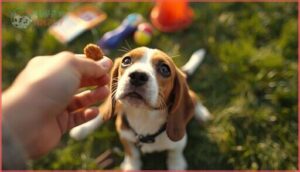
Training a beagle isn’t quite like training other breeds—their nose-led independence can make standard obedience feel like an uphill battle. The good news is that understanding how they think makes all the difference.
Let’s break down the main challenges you’ll face and the practical solutions that actually work.
Obedience and Stubbornness
Your beagle’s intelligence sometimes works against obedience. When training meets canine stubbornness, you’ll notice selective listening—especially when interesting scents compete for attention.
These leash manners challenges aren’t defiance; they’re the product of a breed designed to follow their nose, not commands. Short sessions of five to ten minutes work best. Consistency matters more than duration, and mild corrections rarely help beagles learn reliably.
Positive Reinforcement Techniques
Rewards work wonders when you catch desired behaviors immediately. Positive reinforcement builds obedience without the resistance harsh corrections create, making training sessions productive rather than frustrating.
- Use high-value treats during initial learning to strengthen motivation strategies
- Deliver rewards within two seconds because reinforcement timing directly affects retention
- Keep consistency matters front and center with the same cues every session
- Mix verbal praise with play to maintain your beagle’s problem-solving interest
Mental Stimulation and Enrichment
Boredom dulls even the sharpest nose, so you’ll want to rotate Puzzle Toys and Scent Work sessions that tap into your beagle’s Olfactory Intelligence.
Cognitive Games like hide-and-seek build Problem-Solving Abilities, while Outdoor Adventures offer fresh stimuli that strengthen Cognitive Abilities.
Sensory Play through foraging mats provides Mental Enrichment, keeping your dog engaged for 10–20 minutes and channeling curiosity into productive Mental Stimulation.
Top Products to Support Beagle Intelligence
The right tools can make a big difference when you’re working with your beagle’s unique intelligence. I’ve found that certain products help channel their natural curiosity and keep that sharp nose busy in productive ways.
Here are three items that support mental stimulation and make training easier for both of you.
1. Qreffor Ultrasonic Anti Barking Device
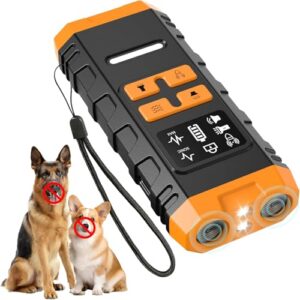
When your Beagle’s barking becomes disruptive, the Qreffor Ultrasonic Anti Barking Device offers a humane correction tool. It emits 25kHz ultrasonic waves that you won’t hear but your dog can detect up to 50 feet away.
The device features four training modes with an LCD screen for easy adjustment. It charges via Type-C in just one hour and holds a charge for up to 60 days.
While it won’t replace consistent positive reinforcement training, it can help interrupt unwanted barking patterns during your training sessions.
| Best For | Beagle owners who need a supplemental training tool to address persistent barking while using positive reinforcement methods. |
|---|---|
| Primary Use | Behavior training |
| Target Animal | Dogs |
| Indoor/Outdoor | Both |
| Durability | Rechargeable battery |
| Ease of Use | LCD screen |
| Weight | Not specified |
| Additional Features |
|
- Humane ultrasonic correction that’s inaudible to humans with impressive 50-foot range
- Long battery life (60 days standby) and quick one-hour charging via Type-C
- Four adjustable training modes with LCD screen for different situations and behaviors
- Effectiveness varies by dog and won’t work in every situation
- Some users may struggle with understanding the different modes and settings
- Not a standalone solution—still requires consistent training and doesn’t replace professional help for serious behavioral issues
2. Benebone Durable Dog Chew Toys

Mental enrichment goes hand-in-hand with your Beagle’s scenting obsession, and that’s where Benebone chew toys shine. They’re made from durable FDA-compliant nylon infused with real bacon, peanut butter, or chicken flavors that don’t fade after hours of gnawing.
The ergonomic shapes fit comfortably in your dog’s mouth while textured surfaces support dental health. Available in sizes from small to giant, these dishwasher-safe toys satisfy your Beagle’s natural urge to chew without the worry of rapid destruction or frequent replacements.
| Best For | Beagle owners looking for a durable, long-lasting chew toy that satisfies their dog’s natural scenting and chewing instincts without constant replacements. |
|---|---|
| Primary Use | Chew entertainment |
| Target Animal | Dogs |
| Indoor/Outdoor | Both |
| Durability | Long-lasting nylon |
| Ease of Use | Simple chew toy |
| Weight | 2 pounds |
| Additional Features |
|
- Infused with real flavors (bacon, chicken, peanut butter) that keep dogs engaged for hours
- Made from tough, FDA-compliant nylon that stands up to aggressive chewers
- Ergonomic design with textured surfaces supports dental health while being comfortable to hold
- Only suitable for dogs 60 lbs and under, limiting use for larger breeds
- Can be noisy when dropped on hard floors
- Requires supervision during chewing and disposal after wear
3. Black Decker Pet Hair Remover Tool
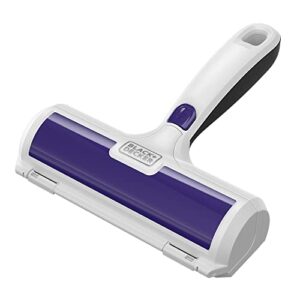
Your Beagle’s clever nose will find every corner of your home, so you’ll need a reliable way to keep furniture free of shedding.
The BLACK+DECKER Pet Hair Remover uses a reusable roller system that lifts hair from sofas, beds, and car seats without sticky tape refills. Its translucent window shows when the dust bin needs emptying, while the rubber-grip handle makes quick work of cleanup sessions.
Best results come from short, rapid push-pull motions across fabric surfaces.
| Best For | Beagle owners dealing with moderate shedding on furniture and car interiors who want a reusable alternative to lint rollers. |
|---|---|
| Primary Use | Hair removal |
| Target Animal | Dogs and cats |
| Indoor/Outdoor | Indoor primarily |
| Durability | Reusable design |
| Ease of Use | Easy emptying system |
| Weight | 8.15 ounces |
| Additional Features |
|
- No refills needed—the reusable roller saves money over time and works on couches, beds, and car seats
- Translucent window lets you see when it’s full so you’re not guessing
- Lightweight at just over 8 ounces with a comfortable rubber grip that won’t strain your hand
- Struggles with thin fabrics and clothing, so it’s mainly for upholstery
- Requires repetitive push-pull motions that might be tiring for people with joint pain or limited mobility
- Hard to maneuver in tight spots like car trunk corners or the backs of seats
Frequently Asked Questions (FAQs)
What is the intelligence rank of a Beagle?
Picture your pup ignoring your recall command—nose glued to a fascinating trail. Beagles usually rank around 72nd out of 138 breeds in obedience intelligence, though their instinctive smarts tell a different story.
Are Beagles smart or dumb dogs?
They’re smart, just differently. Beagles excel at scent work and problem-solving with their nose, though they won’t always follow commands when a fascinating smell catches their attention.
Which dog breed has the highest IQ?
Border Collies top most intelligence rankings based on obedience and working tests. Poodles, German Shepherds, Golden Retrievers, and Doberman Pinschers also score high, though rankings reflect specific testing methods rather than all intelligence types.
Are Beagles attached to one person?
Contrary to popular belief, your Beagle won’t choose just one favorite. They form strong attachments to multiple family members, bonding with whoever feeds them, walks them, and trains them most consistently.
Are Beagles smart?
Yes, beagles are smart dogs with specialized strengths. Their intelligence shines in scent work and problem-solving, though they’re independent thinkers. You’ll notice their cleverness when they’re tracking or figuring out food puzzles.
Are Beagles more intelligent than you think?
Beagles excel in ways traditional intelligence tests miss. Their scent tracking rivals top detection breeds, and their social savvy with humans and dogs shows sophistication that deserves recognition beyond simple obedience rankings.
Do Beagles have innate intelligence?
Absolutely. Your beagle’s nose comes hardwired with roughly 220 million scent receptors—that’s 45 times more than yours. This built-in tracking system lets them follow trails with striking accuracy and persistence.
What can Beagles learn from humans?
You can teach your Beagle basic commands, house rules, and desired behaviors through consistent training sessions.
They’ll pick up routines, understand your emotional cues, and learn acceptable ways to interact with family members.
How does a beagles intelligence compare to other hounds?
Ironically, beagles often outshine many hound cousins in scent discrimination, yet rank mid-pack for obedience.
Compared to coonhounds or foxhounds, they excel at independent scent tracking but share that trademark stubborn streak.
Do beagles have good memory and recall abilities?
Yes, beagles possess excellent memory. They recall commands after weeks without practice and remember scent trails from months ago.
They quickly reactivate learned behaviors, showing stable long-term retention of training and problem-solving strategies.
Conclusion
A beagle who can’t learn “stay” will nevertheless track a scent trail for miles, remembering every turn. That’s not stupidity—it’s specialization. Understanding how smart beagles are means recognizing that their intelligence fulfills a different purpose than instant obedience.
They think independently, solve problems through their noses, and learn what matters to them. Your beagle isn’t ignoring you out of defiance. They’re just wired to follow their instincts before your instructions.