
This site is supported by our readers. We may earn a commission, at no cost to you, if you purchase through links.

Your neighbor’s Golden Retriever bounces past during your morning walk, coat gleaming like he just stepped out of a salon, while your own pup looks like he’s been wrestling in a mud pit for weeks. The guilt sets in, and you wonder if you’re neglecting your dog’s hygiene—or worse, if your weekly bath routine is stripping away essential oils from his skin.
Here’s the truth: most veterinarians recommend bathing dogs every 4 to 6 weeks, but that timeline shifts dramatically based on breed, coat type, activity level, and health status. A Basset Hound who loves rolling in questionable backyard discoveries needs a completely different schedule than a low-shedding Poodle living in an apartment.
Understanding your dog’s specific needs prevents both the dry, flaky skin that comes from over-bathing and the skin infections that develop when dirt and bacteria accumulate for too long.
Table Of Contents
Key Takeaways
- Most dogs should be bathed every 4 to 6 weeks, though this timeline shifts dramatically based on breed, coat type, activity level, and health conditions—short-haired breeds can stretch to 8 weeks while dogs with skin issues need vet-guided schedules.
- Both over-bathing and under-bathing harm your dog’s skin in different ways: too-frequent washing strips protective oils and causes dryness or dermatitis, while skipping baths allows dirt and bacteria to accumulate, leading to odor, hotspots, and infections.
- Your dog’s bathing needs change with the seasons—spring pollen clings to fur and triggers itching, summer heat accelerates oil production, autumn debris embeds in long coats, and winter road salt irritates paws and skin.
- Watch for clear signs between scheduled baths that indicate your dog needs cleaning sooner: strong lingering odor, visible dirt or dull fur, skin irritation with excessive scratching, or sticky residue from outdoor adventures.
How Often Should You Bathe a Dog
Bathing your dog isn’t a one-size-fits-all routine, and there’s a lot to think about before reaching for the shampoo. The right schedule depends on several factors unique to your pet.
Before you set a routine, check out this guide on how often you should wash your dog to avoid over-bathing or missing key signs your pup needs a scrub.
Here’s what you’ll want to keep in mind as you decide how often to bathe your dog.
General Bathing Guidelines for Dogs
Most dogs benefit from a bath every 4 to 6 weeks to maintain canine hygiene and control skin oils, though your bathing schedule should match your dog’s unique needs.
Short-haired breeds may stretch to 8 weeks between baths, while dogs with skin conditions need vet-guided bathing frequency.
Proper coat maintenance and dog grooming support skin health year-round. Breed and coat type also affect how often you should bathe your dog, as explained in this breed-specific bathing guide.
Signs Your Dog Needs a Bath
Between scheduled baths, your dog’s coat condition and behavior offer clear health indicators about when it’s time to lather up.
Watch for these signs that signal bathing frequency should increase:
- A strong, lingering odor that doesn’t fade after brushing
- Visible dirt, grease, or dull fur that’s lost its natural shine
- Skin irritation, flakiness, or excessive scratching after outdoor play
- Sticky residue from rolling in something unpleasant
These cues help you maintain proper odor control and support healthy dog skin care through timely grooming habits.
For a full list of signs your dog needs a bath, review expert recommendations before your next grooming session.
Risks of Over-Bathing or Under-Bathing
While those signs help you time your next bath, getting the frequency wrong can harm your dog’s skin and coat. Over-bathing strips away natural oils, leading to dryness, itching, and even dermatitis within days. On the flip side, under-bathing allows dirt and bacteria to build up, causing odor, hotspots, and secondary infections.
Both over-bathing and under-bathing harm your dog’s skin—one strips protective oils, the other invites infection
Finding the right bathing frequency protects against both dermatological issues and keeps your dog comfortable.
Factors Affecting Dog Bathing Frequency

There’s no universal bathing schedule that works for every dog, because each pet has unique needs shaped by several key factors. Your dog’s breed, health status, daily activities, and even the time of year all play a role in determining how often they should hit the tub.
Let’s look at the main factors that influence your dog’s bathing frequency so you can create the right routine for your furry friend.
Dog Breed and Coat Type Considerations
Your dog’s breed and coat type determine how often bathing makes sense, along with the grooming effort you’ll invest between baths. Here’s what matters most:
- Short coats (Labradors, Boxers) need baths every 6 to 8 weeks with weekly brushing
- Long coats (Shih Tzus) require daily brushing and baths every 3 to 6 weeks
- Curly coats (Poodles) mat easily; bathe every 3 to 4 weeks with professional grooming
- Double coats (German Shepherds) shed heavily seasonally; bathe every 6 to 12 weeks
- Wire coats benefit from baths every 4 to 6 weeks to maintain texture
Each fur texture responds differently to water and shampoo, so matching your routine to breed specificity prevents skin irritation and keeps shedding patterns manageable.
For post-bath feeding, consider using slow-feeder dog bowls that encourage calm eating while their coat dries naturally.
Health Conditions and Veterinary Advice
Certain health conditions can significantly alter a dog’s bathing routine, making veterinary guidance essential. Dogs with skin allergies or infections often require medicated shampoos prescribed during health checks, applied weekly or biweekly to manage symptoms. Conversely, some canine therapies necessitate minimal bathing to preserve treatment efficacy. Your veterinarian will tailor bathing schedules to your dog’s specific condition, balancing hygiene with skin barrier protection.
| Condition | Bathing Frequency | Special Considerations |
|---|---|---|
| Bacterial infections | 1–2 times weekly | Medicated shampoos with contact time |
| Seborrhea | Every 3–7 days | Degreasing formulas, thorough rinsing |
| Atopic dermatitis | Weekly to biweekly | Hypoallergenic products, avoid irritants |
| Yeast overgrowth | Twice weekly initially | Antifungal shampoos, ear protection |
| Flea allergy dermatitis | As needed post-exposure | Combine with topical preventatives |
Lifestyle and Activity Level
Your dog’s daily routines and exercise needs directly influence how often baths become necessary. Active dogs averaging over 60 minutes of purposeful play each day pick up more dirt and odor, often requiring baths every two to three weeks.
Senior care shifts focus, with older pets needing fewer baths but gentler grooming wipes between sessions to maintain pet wellness without stripping natural oils.
Seasonal and Environmental Influences
Throughout the year, seasonality shifts coat needs and bathing patterns, with climate effects like temperature swings and humidity control playing key roles in your dog’s skin health. Environmental hazards from pollen management to road salt demand veterinary advice customized to coat type and lifestyle.
- Spring pollen clings to fur, triggering itching that gentle rinses can ease
- Summer heat accelerates oil production, intensifying odor between dog bathing sessions
- Autumn leaf debris embeds in long coats, requiring thorough brushing first
- Winter road salt irritates paws and skin, prompting careful post-walk cleanups
- Seasonal shedding peaks twice yearly, affecting how dirt accumulates in undercoats
Tips for Bathing Your Dog Safely
Bath time doesn’t have to feel like wrestling a wet seal if you know the right approach. The key is preparation, using the right products and techniques, and making sure your dog stays comfortable from start to finish.
Let’s walk through the essentials that’ll help you give your pup a safe, stress-free bath every time.
Choosing The Right Dog Shampoo

Your dog’s skin has a unique pH of around 6.5 to 7.5, which means human shampoo isn’t suitable. When selecting a dog shampoo, it’s essential to match the formula to your dog’s coat type. Short-haired pups require lightweight moisture, while double-coated breeds need deeper cleansing that preserves their guard hairs. For dogs with sensitive skin, opt for hypoallergenic, fragrance-free options. If your veterinarian recommends medicated shampoo for infections, follow their application guidance carefully. Natural formulas containing oatmeal, aloe vera, or chamomile provide gentle conditioning without harsh chemicals.
| Coat Type | Recommended Formula | Key Ingredients |
|---|---|---|
| Short-haired | Lightweight moisturizing | Aloe vera, natural oils |
| Double-coated | Deep cleansing | Omega fatty acids, mild surfactants |
| Long-haired | Detangling conditioner | Oatmeal extract, aloe proteins |
| Sensitive skin | Hypoallergenic fragrance-free | Chamomile, pH-balanced base |
Proper Brushing and De-shedding Techniques
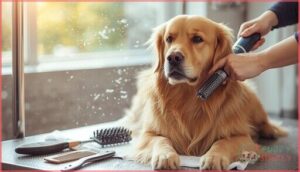
Brushing before bathing removes loose fur and prevents painful matting, making the whole grooming routine smoother for you and your dog. Use a slicker brush on long coats or a soft bristle brush for short-haired breeds, working in sections from neck to tail. The right de-shedding tools matched to your dog’s coat type dramatically reduce shedding indoors.
- Select grooming techniques based on whether your dog has a single or double coat
- Incorporate mat removal sessions weekly for breeds prone to tangles
- Build coat maintenance into your schedule during heavy seasonal shedding periods
Setting Up a Comfortable Bathing Area

A safe, comfortable bathing area sets the stage for stress-free grooming sessions. Install a non-slip mat inside your tub for bath mat safety, and place a cushioned, water-resistant mat outside to prevent slipping on wet floors.
Keep shampoos and towels within arm’s reach using a caddy or shelf, improving tub accessibility. Add a stable step stool for dogs with limited mobility, making bath time easier for everyone.
Water Temperature and Bathing Techniques
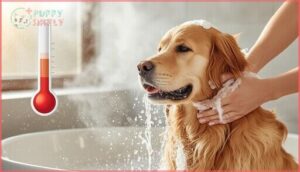
Once your bathing area is ready, focus on water temperature and bathing safety using a thermometer to confirm warmth between 37 to 39 degrees Celsius. Gently wet your dog’s coat from neck to tail, checking water insulation against their skin.
Apply diluted shampoo with gentle massage motions, adjusting coat temperature checks for double-coated breeds. These dog bathing tips guarantee comfort throughout your bathing schedule.
Drying and Post-Bath Care
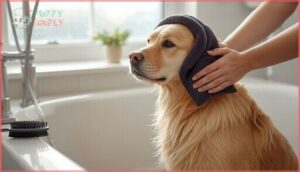
After the bath, proper drying techniques protect your dog’s skin and coat. Pat your dog dry with a soft towel, avoiding rubbing that can irritate skin or cause breakage.
These dog bathing tips help maintain dog hygiene:
- Blot moisture from face and ears to prevent infections
- Brush the coat while slightly damp to reduce tangles
- Check for dry skin or hotspots needing skin moisturizing
- Perform gentle ear cleaning with cotton-free cloth
- Schedule coat brushing and grooming tips within 30 minutes
Top Products for Easier Dog Baths
Having the right tools can turn bath time from a wrestling match into a smooth routine.
The products below are designed to make the process safer, cleaner, and less stressful for both you and your dog. Each one tackles a common bathing challenge that pet parents face.
1. DIY Dog Grooming Guide Book
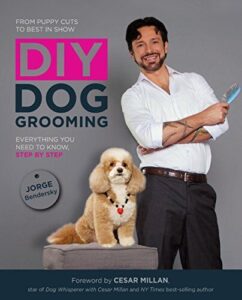
If you’re new to grooming at home, “DIY Dog Grooming, From Puppy Cuts to Best in Show” by Jorge Bendersky offers step-by-step guidance for bathing, brushing, and nail care across all coat types. You’ll find breed-specific tips, safety warnings for anxious dogs, and illustrated how-to sections that make learning easier.
The book includes removable checklists and tool recommendations, helping you build confidence while strengthening your bond with your dog. It’s a practical resource that can save you money and give you early warning signs of potential health problems.
| Best For | Dog owners who want to groom their pets at home, save money on professional services, and strengthen their bond through hands-on care. |
|---|---|
| Primary Use | Dog grooming education |
| Target Animal | Dogs (all breeds) |
| Material Type | Paper (book) |
| Special Features | Step-by-step instructions |
| Ease of Use | Beginner-friendly |
| Price Range | $18.08 |
| Additional Features |
|
- Step-by-step instructions cover everything from basic bathing to breed-specific cuts, making it accessible for beginners
- Includes practical tools like removable checklists and equipment recommendations to get you started
- Helps you spot early health warning signs during grooming sessions
- Content may feel repetitive if you’ve already read the author’s “Dog Grooming for Beginners”
- Some tasks like ear cleaning and nail trimming might still need professional help
- Doesn’t cover every breed’s specific grooming requirements
2. Natural Dog Shampoo Bar Soap
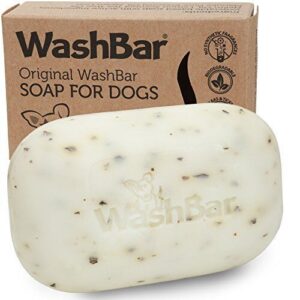
Once you’ve learned the techniques, you’ll need the right products. WashBar Natural Dog Shampoo Bar offers a concentrated, eco-friendly option that creates rich lather without the spill of liquids.
This 3.5-ounce bar includes neem and manuka oils to soothe itchy skin, while its pH-balanced formula works for both short and long coats.
You won’t deal with parabens, sulfates, or preservatives, and the minimal packaging reduces waste. It’s hypoallergenic, moisturizes dry skin, and leaves your dog’s coat shiny without harsh chemicals.
| Best For | Dog owners looking for an eco-friendly, chemical-free shampoo that tackles itchy skin and works well for all breeds and coat types. |
|---|---|
| Primary Use | Dog bathing/cleaning |
| Target Animal | Dogs and puppies |
| Material Type | Natural soap bar |
| Special Features | pH balanced formula |
| Ease of Use | Easy lathering |
| Price Range | Budget-friendly |
| Additional Features |
|
- Concentrated formula creates rich lather and lasts longer than liquid shampoos
- Neem and manuka oils naturally soothe irritated, itchy skin and help with allergies
- Free from harsh chemicals (parabens, sulfates, preservatives) with minimal waste packaging
- Natural lemon scent might not appeal to everyone compared to stronger fragrances
- No clear shelf life or expiration date listed on the product
- Price point may be higher than conventional liquid dog shampoos
3. Gorilla Grip Bath Tub Shower Mat
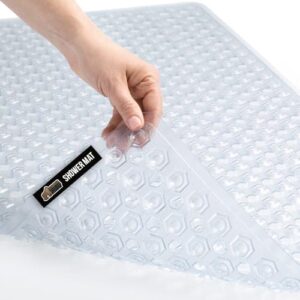
Safety in the tub matters as much for dogs as it does for people. The Gorilla Grip Bath Tub Shower Mat gives you peace of mind with its powerful suction cups—over 300 of them—holding tight to smooth surfaces, so you won’t have to worry about slips.
Its generous 35″ x 16″ size covers most tubs, and hundreds of drainage holes keep water moving, preventing mildew and slick spots.
The BPA-free, machine-washable design makes cleanup easy, especially after a muddy or anxious bath.
| Best For | Families who want a safe, easy-to-clean bath mat for smooth tubs, especially if they have kids, elderly relatives, or pets. |
|---|---|
| Primary Use | Bathing safety |
| Target Animal | Dogs (in bath) |
| Material Type | Rubber |
| Special Features | Suction grip design |
| Ease of Use | Machine washable |
| Price Range | Moderate |
| Additional Features |
|
- Strong suction cups keep the mat firmly in place on smooth surfaces
- Oversized and machine washable for easy cleaning
- Hundreds of drainage holes help prevent water buildup and mildew
- Not suitable for textured or newly refinished tubs
- Needs to be secured properly to avoid slipping
- Some users say it can be slippery when the shower is off
4. Kendall Cotton Prepping Balls
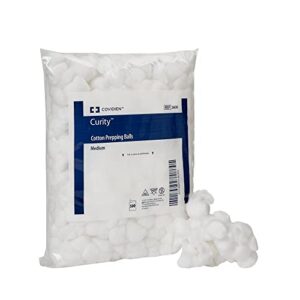
These 100% cotton prepping balls from Kendall make quick work of gentle cleaning tasks before and after your dog’s bath. You can use them to wipe down ears, paws, or facial folds with medicated solutions or plain water without worrying about harsh irritation.
They’re latex-free and hypoallergenic, so they work well for sensitive skin. The medium size might feel a bit smaller than you’d expect, but the 500-count case keeps you stocked for months of thorough grooming sessions.
| Best For | Dog owners who need versatile, hypoallergenic cotton balls for gentle cleaning tasks like wiping ears, paws, and facial folds during grooming sessions. |
|---|---|
| Primary Use | General cleaning/care |
| Target Animal | Dogs (indirect) |
| Material Type | Cotton |
| Special Features | Latex-free |
| Ease of Use | Ready to use |
| Price Range | Value pack |
| Additional Features |
|
- 100% cotton and latex-free formula works well for dogs with sensitive skin
- 500-count case provides excellent value and keeps you stocked for months
- Gentle enough for delicate areas like ears and facial folds without causing irritation
- Medium size runs smaller than expected, which may require using multiple balls per task
- Smooth texture can make them slippery when wet, reducing absorbency
- May not be thick enough for heavier-duty cleaning jobs
5. Perfect Curve Lick Pad Dog Device
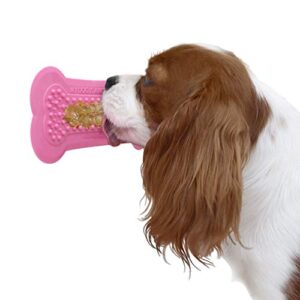
This food-grade silicone pad sticks to your tub or sink without suction cups, giving your dog something tasty to focus on while you work through the bath. You spread peanut butter or wet food across the textured surface, and most dogs stay happily distracted during scrubbing and rinsing.
It’s dishwasher-safe and free of BPA and phthalates, so cleanup stays simple. Heavy chewers might wear it down faster, and you’ll need a smooth, clean surface for reliable sticking.
| Best For | Dog owners who need to keep their pup distracted during bath time or grooming sessions without using bulky suction cups. |
|---|---|
| Primary Use | Bath time distraction |
| Target Animal | Dogs |
| Material Type | Silicone/adhesive |
| Special Features | Lick pad surface |
| Ease of Use | Simple application |
| Price Range | Under $10 |
| Additional Features |
|
- Sticks to smooth surfaces without suction cups and is dishwasher-safe for easy cleanup
- Made from food-grade silicone that’s BPA and phthalate-free
- Works well for dogs that can’t have bones or large treats but still need enrichment
- May not stick reliably to all surfaces and can be picked up by determined dogs
- Not ideal for heavy chewers who might wear down or destroy the silicone
- Some users report durability issues with the construction over time
Frequently Asked Questions (FAQs)
Can I bathe my dog too often?
Yes, you can. Over-bathing strips your dog’s skin of natural oils, leading to dryness, flaking, and irritation. Frequent washing may also trigger sensitivities or inflamed hotspots in some dogs.
What happens if I skip dog baths?
When you skip baths, dirt and oils accumulate, creating a dull, greasy coat that invites fleas, mites, and bacterial infections. This buildup triggers itchiness, odor, and discomfort, which can significantly affect your dog’s behavior and sleep.
Do puppies need different bathing schedules than adults?
Puppies require bathing every 2 to 4 weeks, more often than mature dogs, because they explore their world messily and need gentle, frequent cleaning to stay comfortable without stripping delicate skin oils.
Should I bathe my dog before or after walks?
After walks usually work better—your pup comes home tired and calm, making bath time easier, while you’ll rinse away dirt, outdoor allergens, and muddy paws before they track through your house.
How do I bathe a dog that hates water?
If your dog fears water, try desensitizing with dry towel rubs, then progress to damp sponge baths.
Use treats, a lick mat, and calm reassurance to build positive associations before introducing shallow lukewarm water gradually.
Conclusion
Your dog’s shiny coat doesn’t happen by accident—it’s the result of bathing at just the right intervals. When you understand how often you should bathe a dog based on their unique needs, you’re not just maintaining cleanliness; you’re protecting their skin barrier, preventing infections, and keeping them comfortable.
Watch for those telltale signs like odor or itching, adjust your schedule seasonally, and remember: consistency matters more than excellence in your grooming routine.
- https://midlandah.com/blog/how-often-should-i-bathe-my-dog-or-cat-and-can-i-use-human-shampoo/
- https://greenpawschicago.com/how-often-bathe-your-dog/
- https://www.petmd.com/dog/general-health/how-often-should-you-bathe-your-dog
- https://www.spencerspringsanimalhospital.com/blog/understanding-your-dogs-coat-a-guide-to-bathing-frequency.html
- https://clevelandvetcaldwell.com/blog/1299728-understanding-the-importance-of-regular-dog-bathing-for-skin-and-coat-health