This site is supported by our readers. We may earn a commission, at no cost to you, if you purchase through links.
Your puppy’s growth happens at warp speed, and what you feed them during those first months literally shapes their bones, brain, and immune system for life. Commercial kibble isn’t your only option, and honestly, it’s not always the best one.
When you make your puppy’s food at home, you control every ingredient that goes into their bowl, but here’s the catch: you can’t just toss chicken and rice together and call it complete nutrition. Puppies need specific ratios of protein, fat, calcium, and phosphorus, or you risk serious developmental problems.
The good news? Creating safe, balanced homemade meals is totally doable once you understand the essentials and have a few solid recipes in your back pocket.
Table Of Contents
- Key Takeaways
- Benefits of Homemade Puppy Food
- Puppy Nutritional Needs and Safety
- Safe Ingredients for Puppy Food
- Essential Supplements for Balanced Meals
- Step-by-Step Homemade Puppy Food Recipes
- Preparation, Cooking, and Storage Tips
- Top 8 Tools and Products for Homemade Puppy Food
- Frequently Asked Questions (FAQs)
- Can you make homemade dog food for puppies?
- How do you make homemade dog food?
- What is a healthy dog food recipe?
- How to prepare a dog food at home?
- How do you make dog food for puppies?
- Is homemade dog food okay for puppies?
- What homemade food can I give my puppy?
- What ingredients should be in homemade dog food?
- How often should I rotate protein sources in puppy recipes?
- Can puppies eat raw vegetables in homemade meals?
- Conclusion
Key Takeaways
- Homemade puppy food gives you total control over ingredients and can save money, but 94% of recipes fail to meet nutritional standards without proper vet guidance and supplements like calcium, phosphorus, and fish oil.
- Puppies need specific protein ratios (22-32%), healthy fats (8-20%), and a careful calcium-to-phosphorus balance (1.2:1 to 1.4:1) to build strong bones and avoid serious developmental problems during their rapid growth phase.
- Safe ingredients include lean proteins like chicken and turkey, digestible carbs like rice and oats, and puppy-safe veggies like green beans and pumpkin, but you must avoid toxic foods like chocolate, grapes, onions, and xylitol that can cause organ failure.
- Recipe rotation every 2-6 weeks prevents allergies and keeps meals interesting, but you’ll need essential tools like an Instant Pot for batch cooking and supplements like bone meal or eggshell powder to fill nutritional gaps that homemade meals naturally miss.
Benefits of Homemade Puppy Food
Making your own puppy food isn’t just about tossing ingredients into a bowl—it’s about giving your growing pup the best shot at a healthy, vibrant life. When you take control of what goes into their meals, you’re opening the door to fresher food, fewer mystery ingredients, and a diet that actually works for your dog’s unique needs.
Let’s look at why so many puppy parents are heading to the kitchen instead of the pet food aisle.
Ingredient Control and Freshness
The beauty of homemade puppy food is that you choose every ingredient. When you buy fresh chicken or sweet potato at the grocery store, you know exactly what’s going into your pup’s bowl—no mystery meat meals or long lists of additives.
Over 70% of owners preparing home diets cite ingredient control as their top reason, and it’s easy to see why ingredient sourcing matters so much for growing puppies. Homemade food also allows for customized puppy meals specifically designed to address specific health concerns.
Customization for Allergies and Preferences
Ingredient control also means you can customize food for puppies with allergies or picky eaters. Beef triggers 34% of protein allergies in dogs, so swapping in novel proteins like venison or fish makes a huge difference. Recipe variants let you eliminate specific allergens:
- Remove grains if wheat causes itching
- Try turkey instead of chicken for sensitive stomachs
- Swap sweet potato for pumpkin based on taste preferences
- Add quinoa when rice doesn’t agree with your pup
It’s worth pointing out that chronic ear infections can also be a symptom of food allergies. Studies show customized homemade puppy food recipes reduce allergic reactions by up to 70%, and over 90% of owners notice skin and tummy troubles clear up within weeks when they follow puppy nutrition guidelines with allergen substitution.
Cost-Effectiveness and Quality Assurance
Homemade puppy food recipes can cost as little as $1.21 per meal, matching mainstream kibble prices but beating premium brands. You’ll spend around $50 monthly for a medium dog versus $115 for commercial options, giving you long-term savings.
Here’s the catch: only 6% of analyzed homemade diets met dietary completeness standards. That’s why veterinary formulations and ingredient sourcing matter—nutritional adequacy requires careful planning, not just cost cuts.
Promoting Healthy Eating Habits
Building good food habits early pays off long-term. Puppies exposed to varied homemade puppy food recipes during their first six months accept new foods 85% better as adults.
Starting a consistent feeding schedule at 7–8 weeks reduces stress and digestive issues by 34%, while balanced nutritional quality improves coat condition by 70% and promotes steady appetite management throughout their growth.
Puppy Nutritional Needs and Safety

Your puppy’s body is like a high-speed construction site, building everything from strong bones to a shiny coat, and it needs the right fuel to do the job. Getting the nutrition wrong during these early months can lead to serious problems down the road, so it’s worth taking a few minutes to understand what your pup actually needs.
Your puppy’s body is a high-speed construction site that needs the right fuel to build strong bones and avoid serious problems down the road
Let’s walk through the essentials that’ll keep your growing puppy healthy and safe.
Essential Nutrients for Growth
Think of puppy nutrition as building blocks—each nutrient plays an essential role in your pup’s growth and development. Your growing furball needs specific levels of protein, healthy fats, and essential vitamins to thrive, not just survive.
- Protein sources should make up 22-32% of their diet, fueling muscle and organ growth
- Fat requirements range from 8-20%, providing energy and supporting brain development
- Mineral balance matters too—calcium and phosphorus work together for strong bones
Toxic Foods to Avoid
Just like you wouldn’t feed a baby candy and soda, certain foods spell disaster for your puppy’s health. Chocolate toxicity and xylitol dangers top the list—even tiny amounts can trigger seizures or organ failure. Grape poisoning and onion hazards cause serious kidney and blood damage, while avocado risks include gastrointestinal distress.
| Foods Puppies Should Never Eat | Why They’re Dangerous |
|---|---|
| Chocolate, grapes, raisins | Kidney failure, seizures, death |
| Onions, garlic, xylitol | Blood damage, liver failure |
| Macadamia nuts, alcohol | Tremors, respiratory failure |
Preventing health issues in puppies starts with knowing what’s toxic. Homemade puppy food risks increase when you accidentally include harmful ingredients, so double-check every recipe against this list before cooking.
Importance of Calcium and Phosphorus
Strong bones don’t build themselves—your puppy’s skeletal development depends on getting calcium and phosphorus in perfect mineral ratios. AAFCO sets growth diet targets at roughly 1.2% calcium and 1.0% phosphorus, aiming for a 1:1 to 1.8:1 ratio.
Here’s why balance matters for bone health:
- Calcium excess triggers joint problems and stunted growth in large breeds
- Deficiency risks include rickets and weak bones during critical puppy growth
- Essential supplements fill gaps most homemade recipes miss
Consulting a Veterinarian
You wouldn’t build a house without blueprints—and your puppy’s diet needs the same professional oversight. Only 6% of homemade recipes meet nutritional standards, making veterinary consultation critical for preventing deficiencies that cause bone abnormalities.
Expect dietary assessment every 3–6 months, recipe adjustments as your pup grows, and supplementation protocols designed to breed and health status. Professional monitoring ensures balanced nutrition during this important development window.
Safe Ingredients for Puppy Food

Building your puppy’s meals from scratch means you get to choose exactly what goes in the bowl, but not all ingredients are created equal. Some foods pack the perfect punch of protein, vitamins, and energy, while others can leave nutritional gaps or even cause harm.
Let’s break down the safest, most nutritious building blocks you can use to create balanced homemade meals that’ll help your puppy thrive.
Recommended Proteins (Chicken, Beef, Turkey, Fish)
Your homemade puppy food recipes should start with protein powerhouses like chicken breast (about 31 grams of protein per 100 grams), lean ground beef, ground turkey, or fish.
These ingredients deliver essential amino acids for growth and muscle repair, plus they’re highly digestible—which means your pup’s body can actually use all that nutrition.
Just keep proteins unseasoned and watch for any protein allergies during the first few weeks.
Healthy Carbohydrates (Rice, Oats, Sweet Potato)
Carbs fuel your puppy’s endless zoomies and brain development, but not all carbohydrates are created equal. Cooked white rice, brown rice, oats, and sweet potato offer varying fiber content and micronutrient benefits that support puppy nutrition.
- White rice: Highly digestible (90%+ energy availability), gentle on sensitive tummies
- Brown rice: More fiber than white, richer in B vitamins and minerals
- Oats: Contain beta-glucans that support heart health and immune function
- Sweet potato: Packed with beta-carotene, vitamin C, and potassium—but limit to 10% of daily calories
Always serve these carbs fully cooked and plain, introducing them gradually to avoid digestive upset.
Nutritious Vegetables (Green Beans, Pumpkin, Spinach)
Vegetables add fiber, vitamins, and color to your puppy’s bowl—but portions matter. Green beans (31 calories per cup) and pumpkin (3g fiber per cup) are safe veggie staples you can steam or boil, keeping things plain.
Spinach? Only in tiny amounts for pups over 12 weeks, since oxalates can stress young kidneys. Aim for 10% of their meal max.
Healthy Fats and Oils
After vegetables, fats deliver the energy source your pup craves—they pack twice the calories of protein and help fat absorption of vitamins A, D, E, and K.
Essential fatty acids like omega-3 from fish oil support brain development, while omega balance (aim for 2–4:1 omega-6 to omega-3) keeps inflammation in check.
Safe limits for puppies? About 8.5–10% minimum fat, with essential nutrients met through careful portioning.
Essential Supplements for Balanced Meals

Even the best homemade puppy recipes won’t hit every nutritional mark your growing pup needs. Think of supplements as the backup singers that make sure your puppy’s diet really shines.
Here’s what you might need to add to keep those tiny tails wagging and bodies thriving.
Multivitamins and Mineral Additions
Despite your best intentions, a University of California, Davis study found that 95% of homemade recipes lack at least one essential nutrient—that’s where multivitamins come in.
Your puppy needs AAFCO Standards-compliant supplements with zinc, copper, and vitamins A, D, and E to prevent Deficiency Prevalence.
Veterinary Oversight is essential for proper Dosage Recommendations, since Essential Nutrients for Puppies require precision to avoid toxicity and support healthy growth.
Fish Oil and Omega Fatty Acids
Fish oil brings omega-3 fatty acids—specifically EPA and DHA—that boost your puppy’s brain development and coat shine. Studies show puppies supplemented with DHA learn faster and score higher on trainability tests.
You’ll want 25–50 mg combined EPA+DHA per kg of body weight daily, keeping that fatty acid ratio below 10:1. Salmon and spinach recipes naturally deliver these omega-3 benefits without overdoing it.
Calcium and Phosphorus Sources
Beyond the protein and fish oil you’re adding, your puppy needs balanced calcium and phosphorus to build strong bones—aim for a ratio between 1.2:1 and 1.4:1 in homemade puppy food. Here’s how to hit those essential supplements for puppies’ Ca:P ratios:
- Plain yogurt delivers 450 mg calcium per cup, boosting puppy nutritional needs
- Bone meal powder provides 720 mg calcium per teaspoon with balanced phosphorus sources
- Eggshell powder offers 500 mg calcium per quarter teaspoon for precise adjustments
- Salmon and chicken supply 170–370 mg calcium naturally in your puppy food recipe
- Cottage cheese adds 65 mg calcium per half-cup serving
Without proper calcium sources and supplement options, you’re risking bone disorders—studies show 85% of homemade recipes need correction to avoid risks and deficiencies.
When Supplements Are Necessary
According to veterinary guidance, 94% of homemade puppy recipes fall short on puppy nutritional needs—that’s where essential supplements for puppies become non-negotiable. You’ll need supplement types like multivitamins, minerals, and fish oil to meet AAFCO guidelines and avoid diet deficiency risks.
Your vet’s homemade puppy food guidelines and monitoring growth help you protect puppy health and growth at every stage.
Step-by-Step Homemade Puppy Food Recipes
Now that you’ve got your supplements sorted out, it’s time to get your hands dirty with some real recipes your puppy will absolutely love.
These five homemade meals are simple to prepare, packed with nutrients, and designed to support your growing pup’s health.
Let’s walk through each recipe step by step so you can start cooking with confidence.
Chicken and Rice Puppy Bowl
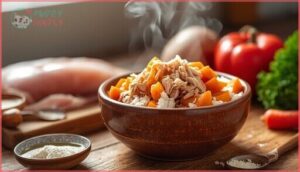
You’ll love this classic Chicken Rice Puppy Bowl—think of it as the comfort food that checks every box. Start with one cup cooked white rice for digestibility, add half a cup of quality shredded chicken, and toss in finely chopped carrots or pumpkin.
Simmer everything for 25 minutes, cool completely, then add calcium powder and fish oil. This homemade puppy food recipe nails supplement timing and portioning strategy perfectly.
Beef and Sweet Potato Mash
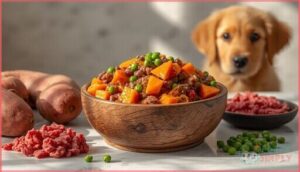
If your pup needs more muscle-building calories, this Beef Sweet Potato Mash delivers—approximately 42% protein and hearty energy.
Combine one pound lean ground beef with one large baked sweet potato and a cup of peas, then supplement with calcium powder and fish oil.
This easy puppy food recipe balances ingredient proportions beautifully, but you’ll need those supplements to meet growth requirements safely.
Turkey and Oat Power Mix

When energy demands ramp up during growth spurts, this turkey and oat recipe steps in as your nutritional workhorse, combining approximately 45–55% lean ground turkey with 25–30% cooked oats and mixed veggies.
- Cook 3 pounds of 85% lean turkey with 1.5 pounds carrots and broccoli
- Stir in 2 cups rolled oats and 4 cups low-sodium broth
- Add calcium powder and fish oil after cooling
- Store portions in the fridge for 3–4 days max
Recipe variations let you swap carrots for green beans, but supplement needs stay non-negotiable—plain turkey and oats won’t hit that critical 2.0 g calcium per 1,000 kcal target without help.
Salmon and Spinach Puppy Plate
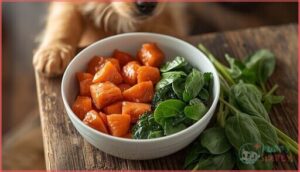
Fish brain-building power meets leafy greens in this Salmon Spinach Puppy Plate. However, oxalate levels in spinach demand you steam it lightly and limit portions to under 10% of each meal.
Salmon safety means cooking to a 145°F internal temp—no raw fish—while nutrient balance requires calcium supplementation since neither salmon nor spinach delivers enough alone.
Recipe variations can swap kale for half the spinach, lowering oxalate risk while preserving vitamin density.
Pumpkin and Rice Blend

Looking for gentle digestive support? Your pumpkin and rice blend delivers 5% fiber that regulates stool consistency beautifully.
Mix 1 teaspoon plain cooked pumpkin with rice for small pups, scaling to 1 tablespoon for 10-pounders. Recipe variations like adding lean chicken create a complete chicken pumpkin rice blend.
Never use raw or seasoned pumpkin—safety demands plain, cooked preparation for these easy puppy food recipes.
Preparation, Cooking, and Storage Tips

You’ve nailed the recipes, but now comes the real work—making sure every meal you prep is safe, properly portioned, and stays fresh. Getting these basics right protects your puppy’s health and saves you time in the long run.
Let’s walk through the cooking methods, storage tricks, and portion guidelines you’ll actually use every day.
Safe Cooking Techniques (Boiling, Steaming, Baking)
You’ve got three solid cooking techniques to choose from when preparing your puppy’s meals, and each has its perks. Steaming advantages shine brightest—it preserves more vitamins than boiling, which can strip away up to 70% of thiamine.
Baking temperatures should hit 165°F to kill bacteria.
Always cool food to lukewarm before safe serving, and use separate utensils to avoid cross-contamination risks during dog food preparation.
Portion Control and Serving Size
Once your food is safely cooked, puppy feeding guide principles help you nail the right amount. For pups under four months, you’ll need about 115 kilocalories per pound daily—split into three or four meals for steady energy.
Growth monitoring every week catches overfeeding early, and body condition scores around 4–5 keep joints healthy.
Changing diets? Start at 25% homemade, increasing gradually over seven days.
Storing Food Safely (Fridge, Freezer)
After you’ve portioned your puppy’s homemade dog food, proper storage keeps fresh ingredients safe and nutrient integrity intact. Refrigerate what you’ll use in three to five days—storing it below 40°F controls temperature and reduces spoilage risks.
For longer fridge storage, freeze meal-sized portions in airtight containers for up to six months, locking in freeze-dried beef heart and other nutrients while preventing freezer burn.
Rotating Ingredients for Variety
When you rotate proteins and fresh ingredients every two to three months, you’re giving your puppy a broader range of nutrients than any single homemade puppy food recipe can offer. Protein rotation aids allergy prevention and digestive health, while varying dog food ingredients keeps mealtimes exciting.
A simple rotation schedule—switching from chicken to beef to fish—builds a balanced diet and reduces behavioral impacts like picky eating.
Top 8 Tools and Products for Homemade Puppy Food
Making homemade puppy food is easier when you’ve got the right tools and resources in your corner. From helpful cookbooks that take the guesswork out of balancing nutrients to kitchen gadgets that save you time, these products can make a real difference.
Here are eight standout options that’ll help you prepare safe, nutritious meals your puppy will love.
1. Home Prepared Dog and Cat Diets
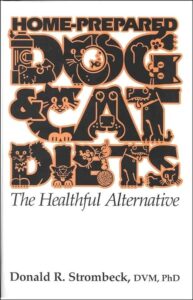
When you’re diving into homemade puppy food, you need a solid foundation—and that’s where Dr. Donald Strombeck’s book comes in. This guide addresses the nutritional inadequacies that plague 94% of homemade dog food recipes, offering science-backed formulas that actually meet canine dietary needs.
You’ll find detailed recipes with protein, fat, and calorie breakdowns, plus essential supplementation risks explained clearly. It’s especially valuable if you’re preparing dog food for puppies with health concerns, though fair warning—the vitamin charts can feel like decoding a treasure map!
Best For: Pet owners who want to create nutritionally complete homemade meals for dogs with specific health conditions like kidney disease, liver problems, or allergies—especially those willing to work through detailed nutrient calculations.
- Provides veterinary-grade recipes with actual nutrient breakdowns (protein, fat, calories) that address the 94% failure rate of typical homemade dog diets
- Written by a professor of nutrition and gastroenterology, offering the professional oversight that only 4 out of 200 analyzed recipes typically have
- Focuses on whole, unprocessed ingredients you can find at regular grocery stores, making it practical for everyday use
- Vitamin dosage charts and calorie calculations can be confusing and difficult to interpret without a science background
- The writing style is dry and technical, reading more like a textbook than a casual cooking guide
- Some copies have printing issues like repeated pages, and the book doesn’t always provide clear serving sizes for different dog weights or life stages
2. Home Cooking for Your Healthier Dog

With so many puppy nutrition resources scattered across the internet, you need a guide that simplifies diet customization without sacrificing science. This cookbook delivers 75 wholesome dog food recipes—cooked meals, treats, and even raw options—all crafted with ingredient sourcing and palatability factors in mind.
You’ll discover how homemade puppy food can improve stool quality while offering real cost savings compared to premium commercial brands. The book includes nutrition info, cooking tips, and color photos that make preparation straightforward, though dogs with specific health issues may need veterinary input before switching recipes.
Best For: Dog owners who want to move away from commercial kibble and are willing to invest time in meal prep, especially those with dogs who have food sensitivities or picky appetites.
- 75 varied recipes (cooked, raw, and treats) give you plenty of options to rotate proteins and keep meals interesting for your dog
- Clear nutrition information and cooking tips make it easier to get started without a veterinary degree
- Supports dogs with better palatability and potentially improved stool quality, plus you control exactly what goes into each meal
- Most home-cooked recipes in books like this historically fall short on essential nutrients like calcium, vitamin D, and proper calcium-to-phosphorus ratios without extra supplementation
- Transitioning can cause digestive upset, and some recipes may need hard-to-find ingredients or modifications for dogs with existing health conditions
- Research shows only 13% of owners stick exactly to prescribed recipes, so without ongoing vet nutritionist guidance you risk nutritional gaps over time
3. Pet Food Safety Guide Magnet
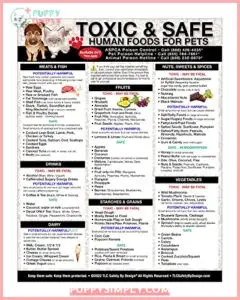
When you’re committed to homemade puppy food, you can’t overlook the risk of metal contamination—recalls affect about 0.5% of pet food products annually, and those washers or metal shavings don’t belong in your pup’s bowl.
This 8.5×11 vinyl magnet sticks right on your fridge, giving you visual reminders of toxic foods like grapes and chocolate, plus emergency poison control hotlines. It’s a simple safety compliance tool that protects puppy nutrition and keeps everyone in your household on the same page about dog food ingredients.
Best For: Pet owners preparing homemade dog food who want a quick reference for toxic foods and emergency contacts right on their fridge.
- Lists toxic and safe foods in one glance, so you don’t have to Google every time you’re prepping meals or when guests ask what scraps are okay
- Includes poison control hotlines and space for emergency contacts, which matters when every second counts
- Durable vinyl material holds up to kitchen spills and daily use without peeling or fading
- At 8.5×11 inches, it takes up significant fridge real estate and might feel bulky in smaller kitchens
- Only covers common food toxins, so you’ll still need to research less common plants or household chemicals
- Needs a magnetic surface to work, which rules out stainless steel fridges or non-magnetic areas
4. Jack and Pup Thick Bully Sticks
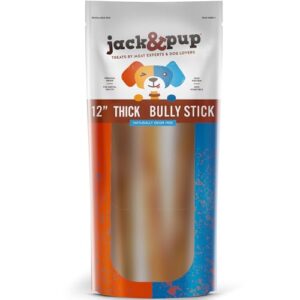
Between batches of homemade meals, your puppy’s teeth need attention—that’s where Jack and Pup Thick Bully Sticks shine. These 12-inch, single-ingredient chews deliver 75% crude protein to support puppy nutrition while scrubbing away plaque, so dental benefits pair with canine health.
They’re made from grass-fed beef pizzle in USDA-certified facilities, ensuring ingredient quality and 100% digestibility for sensitive puppy stomachs. Suitable for pups as young as 12 weeks, each stick provides mental stimulation and long chew duration, complementing your nutritional needs focus without the splintering risks of rawhide.
Best For: Puppy owners seeking a natural, digestible chew that supports dental health and provides mental stimulation without artificial additives or rawhide risks.
- Single-ingredient, grass-fed beef pizzle with 75% protein and 100% digestibility, making it safer for sensitive puppy stomachs than rawhide alternatives
- Naturally reduces plaque and tartar buildup while providing long-lasting mental stimulation for puppies as young as 12 weeks
- Made in USDA-certified facilities with no chemicals, hormones, or artificial preservatives, ensuring consistent quality and safety
- Some customers report the sticks aren’t as thick as advertised and may not last long with aggressive chewers
- Higher price point compared to other bully stick brands on the market
- Thickness can vary between sticks in the same pack, leading to inconsistent chew duration
5. Full Moon Natural Chicken Jerky Treats
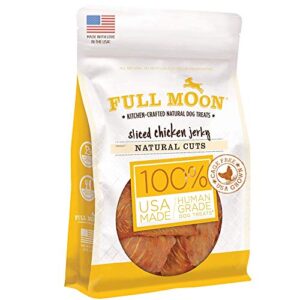
When you’re reaching for training rewards, Full Moon Natural Chicken Jerky Treats bring USDA-certified chicken to the table—but puppy suitability requires a closer look. At 54% crude protein and 43 kcal per treat, the caloric density can push your puppy’s nutritional needs past the 10% treat guideline fast, especially for small breeds.
Ingredient quality shines with no grains or glycerin, yet safety concerns around chew hardness and developing teeth mean you’ll want to supervise carefully and adjust your puppy diet to keep canine health on track.
Best For: Owners of adult or adolescent dogs who want high-protein, human-grade training rewards and are comfortable monitoring portion sizes to keep treats under 10% of daily calories.
- USDA-certified chicken with no by-products, grains, glycerin, or artificial preservatives gives you cleaner ingredients than most conventional jerky treats.
- High protein content (54%) and real meat flavor make these effective motivators for training sessions and reward-based work.
- Made in small batches in the USA with regionally sourced, cage-free chicken, so you’re supporting stricter quality standards and domestic manufacturing.
- At 43 kcal per treat, caloric density can quickly exceed the 10% guideline for small breeds or young puppies, requiring careful meal adjustments.
- Chew hardness may pose choking or dental risks for puppies with developing teeth, and some owners find the treats difficult to break into smaller pieces.
- Added organic cane sugar and price point may not align with every owner’s dietary preferences or budget for everyday treats.
6. Instant Pot Lux Multi Cooker

You’ll find the Instant Pot Lux Multi Cooker transforms your puppy nutrition guide into action with 12 smart programs—Soup, Rice, Steam—that lock in nutrient retention while cutting cooking speed by up to 70%.
Safety features like auto-pressure monitoring and a sealing-ring locking lid keep your homemade dog food recipes worry-free, and cleaning ease shines with a dishwasher-safe stainless pot.
Versatility meets your puppy diet needs: sauté chicken, steam veggies, batch-cook grains. Follow cooking instructions closely, rotate proteins weekly, and you’ll serve balanced meals every time.
Best For: Puppy owners who want to batch-cook nutritious homemade meals quickly and safely without juggling multiple appliances.
- 12 one-touch programs make it easy to cook everything from bone broth to rice without guesswork, and the pressure cooking preserves up to 70% more nutrients than traditional methods.
- Built-in safety features like auto-pressure monitoring and a locking lid give you peace of mind when cooking large batches of puppy food.
- Dishwasher-safe inner pot and versatile 6-quart capacity let you meal prep a week’s worth of food in one go with minimal cleanup.
- No low-pressure setting or yogurt function limits some recipe flexibility compared to other Instant Pot models.
- The 12.5-inch footprint takes up significant counter space, which might be tight in smaller kitchens.
- First-time users may feel intimidated by the learning curve, though online recipes and the free app help ease the transition.
7. Season Sardines in Water No Salt
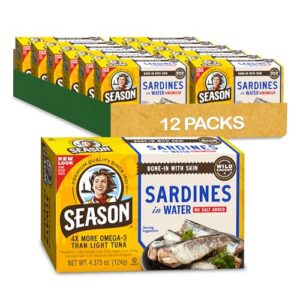
Season’s no-salt sardines in water pack 1,700 mg omega-3s and 364 mg calcium per serving, fueling puppy nutrition guide goals for brain growth and bone strength without excess sodium.
Your homemade puppy food gains a low-mercury, high-quality dog food ingredient that beats most brand comparisons—certified sustainable, bone-in for calcium absorption, and tested below heavy metals thresholds.
Skinless, boneless variants dodge puppy allergies while meeting dog nutrition and dietary requirements. Just chop, mix with rice or veggies, and watch tails wag.
Best For: Puppy owners who want a clean, low-sodium protein boost loaded with omega-3s and calcium for brain development and strong bones without additives or excess salt.
- Delivers 1,700 mg of omega-3s and 364 mg of calcium per serving to support brain growth, heart health, and bone strength in growing puppies.
- Contains only sardines and water with no preservatives, salt, or additives, making it safe for puppies sensitive to sodium or artificial ingredients.
- Certified sustainable and tested below heavy metal safety thresholds, offering a low-mercury, high-quality protein source for homemade puppy meals.
- Some customers report sardines are too small, too large, or contain scales, which may require extra prep time when feeding puppies.
- Bland flavor due to no added salt might not appeal to picky eaters, requiring mixing with other ingredients to boost palatability.
- Higher price point compared to other canned sardine brands and cans can be difficult to open or occasionally arrive damaged or leaking.
8. Manitoba Harvest Hemp Seed Oil
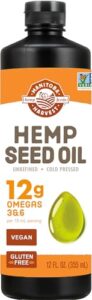
Manitoba Harvest hemp seed oil delivers 12 grams of omegas 3 and 6 per serving—that perfect 3:1 ratio your puppy’s skin and coat crave for shine and less shedding. GLA and SDA bring anti-inflammatory effects to stiff joints, while dosage guidelines suggest 1–2 teaspoons per 10 pounds of body weight mixed into homemade puppy food.
Cold-pressed means better dog nutrition, but storage stability demands refrigeration—keep it cool, dark, and sealed to dodge rancidity. Check with your vet before adding hempseed oil to balance those dog food ingredients right.
Best For: Puppy owners making homemade diets who want a natural omega boost for skin, coat, and joint health, and don’t mind refrigerating an oil that goes bad faster than most.
- Delivers that ideal 3:1 omega-6 to omega-3 ratio with 12g per serving, plus GLA and SDA for anti-inflammatory support in growing joints.
- Cold-pressed and unrefined means you keep all the good stuff—antioxidants, vitamin E, and essential fatty acids puppies can’t make themselves.
- Easy to dose at 1–2 teaspoons per 10 pounds and mixes right into homemade meals without fuss.
- Goes rancid quickly if you don’t store it in the fridge, sealed tight, away from light—not the most shelf-stable option.
- High fat content can pack on pounds or upset sensitive puppy stomachs if you overdo it or ramp up too fast.
- Mixed feedback on expiration dates and freshness means you need to check smell and color before each use.
Frequently Asked Questions (FAQs)
Can you make homemade dog food for puppies?
Yes, you can make homemade puppy food, but nutritional completeness is tricky—94% of recipes fall short.
With veterinary guidance, recipe customization, and proper supplements, preparing homemade food for puppies becomes safer and healthier.
How do you make homemade dog food?
You cook protein like chicken or beef, mix it with healthy carbs such as rice, toss in dog-safe vegetables, and—telegraph-style—guarantee nutritional balance through proper portioning and ingredient sourcing for your puppy’s homemade food recipes.
What is a healthy dog food recipe?
A healthy dog food recipe blends lean protein like chicken or turkey, digestible carbs such as rice, nutrient-rich vegetables, and healthy fats.
All ingredients are portioned carefully to guarantee balanced nutrition and proper hydration for your puppy’s health.
How to prepare a dog food at home?
You’ll want to choose fresh proteins like chicken or beef, cook them thoroughly with safe carbohydrates and vegetables, then portion and store the homemade dog food recipes properly in airtight containers.
How do you make dog food for puppies?
Making homemade puppy food involves selecting safe proteins like chicken, combining them with carbohydrates such as rice, adding puppy-safe vegetables, and using proper cooking methods like boiling or steaming for best digestibility and nutritional value.
Is homemade dog food okay for puppies?
Most recipes fall short—95% lack key nutrients puppies need.
Homemade puppy food can work, but only with vet consultation, AAFCO guidelines, and proper supplements to avoid nutrient deficiencies that harm puppy growth and development.
What homemade food can I give my puppy?
You can give your puppy lean proteins like chicken, turkey, beef, or salmon paired with safe carbohydrates such as brown rice, oats, or sweet potatoes.
Additionally, include vegetables like green beans, pumpkin, and spinach for essential nutrients.
What ingredients should be in homemade dog food?
Think of your puppy’s bowl like a balanced plate at dinner—you need protein diversity from chicken or beef, carb sources like rice, vegetable benefits from greens, healthy fats, and mineral balance for strong bones.
How often should I rotate protein sources in puppy recipes?
You can rotate protein sources in homemade puppy food every two to six weeks, helping prevent allergies while supporting digestibility.
Always switch over gradually over five to seven days, and check with your vet first.
Can puppies eat raw vegetables in homemade meals?
You can feed puppies raw vegetables like carrots, cucumbers, and green beans, but puree or chop them finely first—whole pieces often pass through undigested, wasting those valuable nutrients your pup needs.
Conclusion
Your puppy won’t stay small forever, but the foundation you build now echoes through every year ahead.
Each homemade dog food recipe for puppies you prepare is an investment in their long-term vitality, from stronger bones to a sharper mind.
Yes, it takes effort and attention to detail, but when you see your pup thrive on meals you’ve crafted with care, you’ll know it was worth every minute spent in the kitchen.
- https://www.petfoodindustry.com/nutrition/research-notes/news/15772556/study-finds-94-of-homemade-dog-diets-lack-complete-nutrition
- https://www.ucdavis.edu/news/homemade-dog-food-recipes-can-be-risky-business-study-finds
- https://www.veterinary-practice.com/article/feeding-for-optimal-growth
- https://www.frontiersin.org/journals/animal-science/articles/10.3389/fanim.2025.1506003/full
- https://pmc.ncbi.nlm.nih.gov/articles/PMC5672303/