This site is supported by our readers. We may earn a commission, at no cost to you, if you purchase through links.

Your French Bulldog’s sensitive stomach knows the difference between real food and processed kibble long before you notice the symptoms—chronic ear infections, itchy paws, loose stools, or that persistent yeasty smell that no amount of bathing seems to fix. Commercial dog foods, even premium brands, often contain rendered meat meals, synthetic preservatives, and ambiguous “natural flavors” that trigger inflammatory responses in brachycephalic breeds.
When you prepare homemade dog food for French Bulldogs, you’re not just cooking—you’re eliminating the guesswork about what’s actually fueling your dog’s body, tailoring each meal to their unique nutritional profile, and addressing breed-specific vulnerabilities that generic formulas can’t accommodate. The shift from bag to bowl requires understanding macronutrient ratios, calcium-to-phosphorus balance, and safe preparation methods that preserve nutritional integrity without introducing pathogens.
Table Of Contents
- Key Takeaways
- Benefits of Homemade Dog Food for French Bulldogs
- Essential Nutrients for French Bulldog Diets
- Safe Ingredients and Foods to Avoid
- Step-by-Step Homemade Dog Food Recipes
- Top 4 Products for Homemade Dog Food Success
- Frequently Asked Questions (FAQs)
- What is the best homemade dog food for French Bulldogs?
- What home foods can Frenchies eat?
- What home food can I feed my French Bulldog?
- What is the healthiest diet for a French Bulldog?
- What meat is best for French Bulldogs?
- What ingredients should be in homemade dog food?
- How long can homemade dog food be refrigerated?
- Should supplements be added to homemade French Bulldog food?
- Can homemade dog food help with allergies?
- How often should I rotate protein sources?
- Conclusion
Key Takeaways
- Homemade dog food for French Bulldogs addresses breed-specific digestive sensitivities by eliminating inflammatory triggers like rendered meat meals and synthetic preservatives found in commercial kibble, giving you complete control over macronutrient ratios and calcium-to-phosphorus balance.
- A properly balanced homemade diet requires 18-25% high-quality protein sources from lean sources like chicken or turkey, 10-15% healthy fats including omega-3s from fish oil, digestible carbohydrates like brown rice or sweet potato, and vet-approved supplements to prevent deficiencies in vitamin D, calcium, and B12.
- Certain everyday human foods pose serious toxicity risks—chocolate, grapes, xylitol, macadamia nuts, onions, and garlic must be completely excluded, while safe proteins should always reach 165°F internal temperature to eliminate pathogens.
- Transitioning to homemade meals takes 6-12 weeks to show results in reduced allergic reactions, improved coat quality, and stable digestion, but requires veterinary consultation for bloodwork baselines and ongoing monitoring of stool consistency and energy levels to ensure nutritional adequacy.
Benefits of Homemade Dog Food for French Bulldogs

When you make your French Bulldog’s food at home, you’re taking control of what goes into their bowl—and that matters more than you might think. Given that roughly 75% of Frenchies deal with sensitive digestion, the switch to homemade meals can address issues that commercial kibble simply can’t touch.
Before you start cooking, though, it’s worth checking which ingredients are safe—for instance, understanding whether dogs can eat corned beef helps you avoid sneaking in anything that could upset their already finicky stomachs.
Homemade meals let you control what your French Bulldog eats, addressing the sensitive digestion that affects three-quarters of the breed
Let’s look at the specific ways this approach benefits your dog’s health, from their gut to their coat.
Digestive Health and Sensitivities
Your French Bulldog’s gut microbiome—that complex community of bacteria—thrives when you control what goes into each meal. Homemade dog food helps sensitive digestive systems by eliminating common triggers of food intolerances and stomach sensitivities.
Here’s what you’re protecting:
- Digestive enzymes break down nutrients more efficiently with fresh, whole ingredients
- Food sensitivities decrease when you remove fillers, additives, and mystery proteins
- Inflammatory response settles as your dog’s system adjusts to consistent, quality meals
Supporting your dog’s gut health is essential, as plays a key role in digestion and immune system regulation.
Managing Allergies and Inflammation
When you prepare each meal, you’re directly addressing food allergies and inflammation control—two issues affecting French Bulldog health that commercial diets often miss.
Homemade dog food recipes let you eliminate culprit proteins through careful allergy testing, reducing histamine management challenges that cause itching and redness. You’ll support skin health and immune balance by controlling omega-3 to omega-6 ratios, giving your dog’s system the tools it needs to calm allergic responses naturally.
Weight Management and Portion Control
Beyond reducing reactions, you’ll gain precise control over portion sizes and calorie tracking—key tools for maintaining your French Bulldog’s ideal weight.
Meal planning with homemade dog food recipes lets you measure exact amounts using a dog calorie calculator, while consistent feeding schedules prevent the weight fluctuations that strain their compact frames.
Weight monitoring becomes straightforward when you control every ingredient in these healthy dog food preparations, supporting dog nutrition and health through portions suited to your Frenchie’s activity level.
Enhanced Energy and Coat Health
You’ll notice healthier dog nutrition transforms your French Bulldog’s appearance and vitality. Homemade dog food rich in omega-3 fatty acids, biotin, and zinc promotes coat shine and enhances strong hair growth, while lean proteins in French Bulldog recipes deliver steady energy levels.
This nutrient balance enhances skin health, reducing inflammation and dullness—visible proof that healthy dog food works from the inside out. For more information, read about the importance of a balanced diet for coat health.
Essential Nutrients for French Bulldog Diets

Your French Bulldog’s body runs on a precise fuel mix, not guesswork or generic dog food formulas. Getting the balance right means understanding exactly what nutrients support their compact build, sensitive digestion, and breed-specific vulnerabilities.
Let’s break down the four nutritional pillars that’ll keep your Frenchie thriving.
Protein Requirements and Sources
Your French Bulldog’s dietary needs hinge on high-quality protein—aim for 18 to 25 percent of the diet, adjusted for puppy growth or recovery. Lean protein intake from chicken, turkey, or beef delivers essential amino acid needs with protein digestibility exceeding 85 percent.
Balancing these protein targets with fat, fiber, and carbohydrates ensures your Frenchie gets complete dog nutritional requirements daily without excess calories or deficiencies.
Rotating proteins every eight weeks prevents sensitivities while ensuring complete profiles. Split meals twice daily to improve absorption and support muscle maintenance.
Healthy Fats and Omega-3s
You’ll want to include healthy fat options like fish oil or flaxseed in your French Bulldog’s homemade dog food, targeting 10 to 15 percent of total calories.
Fish oil benefits extend beyond coat shine—omega-3 sources support anti-inflammatory processes and joint health. Chia seeds offer additional omega-3s, while maintaining proper fatty acid balance prevents weight gain and ensures ideal canine nutrition.
Digestible Carbohydrates and Fiber
Complex carb types like brown rice and sweet potato provide steady energy carbs without digestive spikes in homemade dog food for French Bulldogs. Slow-absorbing carbohydrates support gastrointestinal health while fiber’s gut role—particularly from pumpkin puree and cooked vegetables—maintains stool consistency and weight management.
Aim for moderate fiber levels, as excessive amounts can interfere with nutrient absorption in sensitive French Bulldog digestive systems.
Vitamins, Minerals, and Supplements
Even carefully prepared homemade dog food can fall short on micronutrients—vitamin D, calcium, zinc, and B12—essential for bone strength, immune function, and energy production in your French Bulldog’s canine diet.
Deficiency risks increase without proper supplementation. Consult your vet before adding supplements, as fat-soluble vitamins accumulate and iron requires medical supervision to maintain nutritional balance and support dog nutrition and health.
Safe Ingredients and Foods to Avoid

Creating homemade meals for your French Bulldog means you control every ingredient that goes into their bowl, but that responsibility requires knowing what’s safe and what’s harmful.
Some everyday foods you eat without a second thought can cause serious health problems for your Frenchie, from mild digestive upset to life-threatening toxicity. Let’s break down the proteins, produce, grains, and dangerous foods you need to know about to keep your dog healthy and thriving.
Dog-Safe Meats and Proteins
Your French Bulldog’s protein foundation shapes their entire health trajectory. High-quality protein from safe meat sources promotes muscle maintenance, digestive comfort, and long-term vitality—but not all options suit their sensitive systems equally.
Top protein sources for homemade dog food recipes:
- Chicken and turkey provide lean amino acids that promote growth without triggering common sensitivities
- Salmon and white fish deliver omega-3s alongside easily digestible protein for coat health
- Novel proteins like duck or venison offer alternatives when standard meats cause allergic reactions
Always cook meats thoroughly to 165°F, removing bones and excess fat to guarantee meat safety.
Recommended Vegetables and Fruits
You’ll find fresh produce powers your French Bulldog’s immune system and digestion when you select the right varieties. Nutrient-dense vegetables like carrots and green beans complement homemade dog food recipes, while blueberries and apples deliver antioxidants. Pumpkin puree aids digestion and veggie blends maintain nutrient balance—just avoid toxic onions and garlic to guarantee French Bulldog care that promotes healthy snacks and ideal fruit nutrition.
| Vegetable Category | Top Choices for Homemade Dog Food |
|---|---|
| Leafy Greens | Spinach, kale (small amounts, cooked) |
| Crunchy Options | Carrots, green beans, zucchini |
| Digestive Support | Pumpkin puree, sweet potato (cooked) |
Grains and Grain Alternatives
Your dog food recipes can include whole grain nutrition through brown rice, which delivers fiber and micronutrients—ideal for homemade dog food that enhances French Bulldog care.
When exploring gluten-free options, consider these pseudograin benefits:
- Quinoa provides complete protein with magnesium and iron per half cup
- Millet offers easy digestibility with B vitamins
- Buckwheat supplies flavonoids and fiber for gut health
- Amaranth contains all essential amino acids
- Legume substitutes like pea flour add protein (use sparingly)
Grain rotation every 8 weeks prevents intolerances while maintaining balanced dog nutrition advice.
Toxic Foods to Exclude
While grains provide nutritional value, certain toxic substances pose deadly risks to your French Bulldog.
Chocolate, grapes, xylitol, macadamia nuts, and avocados cause everything from food poisoning to kidney failure—hazardous ingredients that don’t belong in homemade dog food.
Even small amounts trigger severe reactions in dogs with sensitivities and allergies, making pet safety your top priority when preparing meals.
Step-by-Step Homemade Dog Food Recipes
You’re ready to get cooking, and these four recipes will give you a solid foundation for feeding your French Bulldog safely and nutritionally. Each recipe includes precise measurements, cooking temperatures, and complete instructions to eliminate guesswork.
Think of these as your starter templates—you can rotate them weekly to keep meals interesting while maintaining the balanced nutrition your Frenchie needs.
Chicken and Brown Rice Meal

This gentle, time-tested recipe combines boneless chicken breast with brown rice to deliver approximately 26 grams of protein per 3-ounce serving, supporting lean muscle while respecting your French Bulldog’s sensitive digestion.
Follow these cooking methods for nutrient balance and food safety:
- Sauté or boil chicken until internal temperature reaches 165°F, then dice into small pieces
- Cook brown rice according to package directions until tender but not mushy
- Mix protein and rice in a 1:1 ratio, adding steamed carrots for fiber
- Portion into daily servings, refrigerate up to 4 days in airtight containers
Beef and Sweet Potato Feast

When you’re ready to step up nutrition, lean ground beef paired with diced sweet potatoes creates a protein-rich feast—approximately 22 grams per serving—that aids muscle maintenance while sweet potato benefits include steady energy release and digestive fiber.
Cook beef to 160°F, mix with potato in a 2:1 ratio by weight, and portion ½ to 1 cup per meal based on your French Bulldog’s activity level.
Turkey, Vegetable, and Quinoa Mix
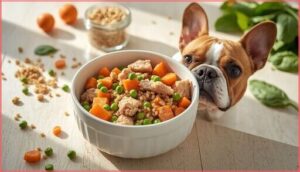
For French Bulldog owners seeking nutrient balance in homemade dog food recipes, combine 4 ounces cooked skinless turkey breast with 1 cup quinoa and steamed vegetables—carrots, peas, spinach—to deliver 26 grams of lean turkey nutrition alongside quinoa benefits like complete amino acids and gluten-free fiber.
This veggie selection promotes canine health and wellness, while meal prep tips include cooling before serving and refrigerating portions for up to 3 days.
Salmon and Broccoli Bowl

Omega-rich salmon paired with fiber-dense broccoli creates a powerhouse bowl for French Bulldog homemade dog food recipes, delivering anti-inflammatory benefits and digestive support your dog needs.
- Use 3-4 ounces baked wild-caught salmon, bones removed for fish safety
- Steam broccoli florets until tender, cut into bite-sized pieces for broccoli prep
- Serve over plain quinoa or brown rice for bowl nutrition
- Cool to room temperature before dog feeding to prevent mouth burns
- Store refrigerated portions up to 3 days, supporting canine health and wellness through homemade pet food
Salmon benefits include skin-nourishing omega-3s, while proper dog food and nutrition balances protein with vegetables.
Top 4 Products for Homemade Dog Food Success
Making homemade dog food for your French Bulldog doesn’t have to feel overwhelming, especially when you’ve got the right tools backing you up.
From thorough recipe guides to kitchen equipment that takes the guesswork out of meal prep, these four products address the most common challenges new home-feeders face.
Here’s what you need to set yourself up for long-term success.
1. Home Prepared Dog And Cat Diets Book
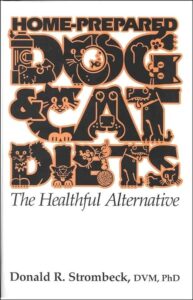
When you’re ready to move beyond guesswork, Home Prepared Dog and Cat Diets by Dr. Donald Strombeck gives you the clinical foundation you need. This 366-page guide breaks down nutrient density, protein ratios, and caloric content with veterinary precision—not vague suggestions.
You’ll find adjustable recipes for different life stages, downloadable spreadsheets for exact nutrient calculations, and guidance on managing medical conditions through diet. While it’s a textbook at heart (and priced accordingly), it enables you to calculate precise portions suited to your Frenchie’s weight and activity level.
| Best For | Pet owners who want to prepare homemade meals for dogs or cats with specific health conditions and are comfortable working with detailed nutritional data. |
|---|---|
| Primary Use | Nutritional guidance reference |
| Target Audience | Pet owners seeking detailed nutrition |
| Format Type | Textbook/guide |
| Recipe Count | Multiple condition-specific recipes |
| Price Point | High |
| Skill Level | Advanced/scientific |
| Additional Features |
|
- Provides precise recipes with complete nutritional breakdowns for managing medical conditions like obesity, allergies, and kidney disease
- Written by a veterinary professor with expertise in nutrition and gastroenterology, offering clinically-backed guidance
- Includes adjustable formulas and calculations so you can customize portions based on your pet’s exact weight and activity level
- Expensive, especially in the used market, which can be a barrier for many pet owners
- Dense textbook format with complex vitamin charts and calorie calculations that some readers find hard to follow
- Published in 1999, so some nutritional information may be outdated compared to current veterinary research
2. Holistic Dog Food Recipes Book

If you want variety without sacrificing nutritional balance, the Natural Dog Food Recipes Book offers 75 tested formulas spanning cooked meals, casseroles, and no-bake options. Published by Stewart, Tabori & Chang, this 160-page guide combines protein with fiber-rich vegetables and safe grains, emphasizing minimally processed ingredients you’ll prepare at home.
Each recipe includes calorie counts, portion guidelines aligned with your dog’s weight, and step-by-step instructions with prep times. You’ll also find a weekly meal plan with shopping lists, making the switch from kibble far less overwhelming.
| Best For | Dog owners who want to move away from commercial kibble and need structured, nutritionally balanced recipes with clear portioning guidance for everyday home cooking. |
|---|---|
| Primary Use | Recipe cookbook |
| Target Audience | Home cooking dog owners |
| Format Type | Illustrated cookbook |
| Recipe Count | 75+ recipes |
| Price Point | Moderate |
| Skill Level | Beginner to intermediate |
| Additional Features |
|
- 75 recipes covering everything from cooked casseroles to raw meals, so you won’t get stuck in a rut
- Each recipe includes calorie counts and weight-based portions, taking the guesswork out of feeding
- Weekly meal plans with shopping lists make the transition from store-bought food much easier
- You’ll need to adjust recipes yourself if your dog has allergies or specific health conditions
- Portion guidelines require manual tweaking for puppies or dogs outside standard weight ranges
- Not all recipes freeze well or scale up easily if you’re batch-cooking for the week
3. ChefPaw All-in-One Pet Food Maker
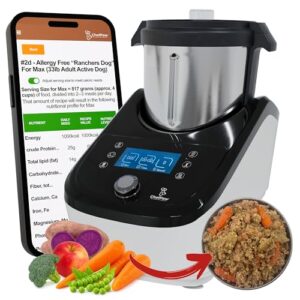
Cooking balanced meals from scratch doesn’t have to mean juggling pots, timers, and ingredient lists. The ChefPaw All-in-One Pet Food Maker weighs, cooks, and blends fresh ingredients in about 40 minutes, delivering 6.4 pounds of finished food per batch.
Its built-in scale ensures precise nutrition analysis, while the companion app stores recipes for multiple pets and lets you swap ingredients without losing meal balance. You’ll get consistent texture control, self-cleaning convenience, and a two-year warranty backing the stainless-steel construction.
| Best For | Pet owners who want to make fresh, nutritionally balanced dog food at home without the hassle of measuring, cooking, and cleaning multiple dishes. |
|---|---|
| Primary Use | Automated meal maker |
| Target Audience | Busy pet parents |
| Format Type | Kitchen appliance |
| Recipe Count | 50+ app recipes |
| Price Point | Premium |
| Skill Level | Beginner-friendly |
| Additional Features |
|
- Handles everything in one machine—weighing, cooking, stirring, and blending—so you can make 6.4 lbs of fresh food in 40 minutes
- Comes with an app that offers 50 recipes and lets you customize meals based on your dog’s specific needs
- Built-in scale and nutrition tracking take the guesswork out of portion control and balanced meals
- High upfront cost may be a barrier for budget-conscious pet owners
- Takes up significant counter space at 15″ x 10″ x 15″
- Gets loud on higher settings and requires careful manual reading to nail the right food texture
4. Magnetic Dog Cat Food Safety Chart
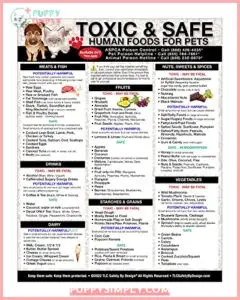
Ever wondered which foods in your kitchen could send your dog to the ER? The Magnetic Dog Cat Food Safety Chart turns your fridge into a command center for pet safety. With clear yes/no indicators, bold color coding, and three poison control hotlines, you’ll have instant answers at your fingertips.
Its 8.5 x 11-inch vinyl design is easy to read, durable, and perfect for busy households. For families, pet sitters, or new owners, it’s a practical safeguard—no guesswork, just quick, reliable protection.
| Best For | Families with kids, new pet owners, and anyone who wants a quick visual reference to keep their dog or cat safe from common kitchen hazards. |
|---|---|
| Primary Use | Safety reference chart |
| Target Audience | All pet owners |
| Format Type | Magnetic reference chart |
| Recipe Count | N/A |
| Price Point | Budget |
| Skill Level | All levels |
| Additional Features |
|
- Clear color-coded chart makes it super easy to identify toxic vs. safe foods at a glance
- Includes three poison control hotlines right on the magnet for emergencies
- Durable vinyl material holds up well on the fridge and stays readable over time
- The 8.5 x 11-inch size might feel too large for smaller fridges or crowded spaces
- Only one magnet per order, so you can’t put copies in multiple locations
- Doesn’t cover every possible toxin, so you’ll still need to research unfamiliar foods
Frequently Asked Questions (FAQs)
What is the best homemade dog food for French Bulldogs?
The best homemade recipe combines lean animal protein like chicken or turkey with digestible carbohydrates such as brown rice, steamed vegetables like carrots or peas, and a measured amount of fish oil for omega-3s.
What home foods can Frenchies eat?
Frenchies thrive on skinless chicken, lean turkey, and beef cooked plain.
Green beans, carrots, sweet potatoes, and spinach support digestion.
Brown rice, quinoa, and plain yogurt (if tolerated) round out balanced meals.
What home food can I feed my French Bulldog?
You can feed your French Bulldog cooked chicken, turkey, lean beef, or salmon paired with brown rice, sweet potatoes, carrots, green beans, and spinach—always ensuring proteins reach 165°F and avoiding toxic foods like onions or chocolate.
What is the healthiest diet for a French Bulldog?
What’s the secret to a thriving Frenchie? A protein-rich diet with 20 to 30 percent lean animal sources, moderate healthy fats, digestible carbohydrates like sweet potato, fiber-packed vegetables, and balanced calcium-phosphorus supplementation for ideal health.
What meat is best for French Bulldogs?
Chicken stands out as the ideal protein choice because it’s lean, easily digestible, and rarely triggers reactions in sensitive Frenchies.
Beef delivers high-quality iron for muscle support, while salmon provides omega-3s for skin health.
What ingredients should be in homemade dog food?
Building a balanced bowl from scratch is like putting together a puzzle—lean protein (40-60%), healthy fats (5-15%), digestible carbs (15-40%), plus vitamins and minerals help your dog thrive.
How long can homemade dog food be refrigerated?
You can safely refrigerate homemade dog food for three to five days when stored in airtight containers.
Always label portions with preparation dates, keep meals in the coldest fridge section, and discard anything showing spoilage signs.
Should supplements be added to homemade French Bulldog food?
Think of supplements as your insurance policy—when you’re building meals from scratch, a vet-approved multivitamin helps fill nutritional gaps that whole foods alone might miss, especially calcium and vitamin balance.
Can homemade dog food help with allergies?
Yes, homemade diets let you exclude common allergens like beef and chicken, substituting novel proteins such as venison or duck to reduce itching, ear infections, and inflammatory skin reactions within six to twelve weeks.
How often should I rotate protein sources?
Rotate protein sources every 1 to 2 weeks to cover essential amino acids while preventing intolerances. Introduce each new protein gradually over 3 to 5 days to maintain digestive stability and stool consistency.
Conclusion
You become what you eat—and the same holds true for your Frenchie. Switching to homemade dog food for French Bulldogs isn’t about flawlessness; it’s about informed choices that address your dog’s biological needs rather than manufacturer convenience.
Start with one recipe, monitor stool quality and energy levels, adjust protein ratios as needed, and consult your veterinarian for bloodwork baselines. Your dog’s thriving gut, glossy coat, and newfound vitality will confirm you’ve made the right call.
- https://www.aafco.org/Portals/0/SiteContent/Committees/Canine_Nutrient_Profiles.pdf
- https://safeconsumption.org/wp-content/uploads/2023/12/CDC_Raw_Pet_Food_Report_2023.pdf
- https://www.merckvetmanual.com/dog-owners/skin-disorders-of-dogs/pruritus-in-dogs
- https://www.jdoqocy.com/click-100592357-15827014
- https://olliepets.sjv.io/c/1249143/2745463/12309