This site is supported by our readers. We may earn a commission, at no cost to you, if you purchase through links.

A recent study found that 47% of commercial dog foods fail to meet the complete nutrient profiles their labels claim—a sobering reminder that “complete and balanced” doesn’t always translate to ideal canine health. Your dog’s food represents the single most impactful decision you’ll make for their long-term vitality.
Yet, maneuvering the overwhelming array of healthy dog food options requires more than reading marketing copy. The difference between adequate nutrition and truly supportive dietary choices often lies in understanding what happens during processing, how ingredient ratios affect bioavailability, and which nutrients your dog’s life stage actually demands.
Selecting food that genuinely assists your companion’s health means looking beyond flashy packaging to evaluate protein quality, micronutrient stability, and sourcing transparency.
Table Of Contents
Key Takeaways
- 47% of commercial dog foods fail to meet their labeled nutrient profiles, making ingredient scrutiny and sourcing transparency essential for protecting your dog’s long-term health rather than relying on marketing claims.
- High-quality animal proteins, whole-food ingredients, and minimal processing preserve bioavailable nutrients better than heavily processed foods, with dogs on species-appropriate diets showing 32% fewer chronic inflammatory markers.
- Fresh, freeze-dried, and dehydrated formats retain 80-95% of original nutrients compared to conventional kibble, though proper handling and AAFCO-compliant formulation remain critical for nutritional completeness.
- Veterinary guidance reduces nutrient deficiency risk by 22% when switching diets, as individual factors like life stage, breed size, and health conditions determine optimal protein ratios (18-32%) and caloric density needs.
What Makes Dog Food Healthy?
Not all dog food is created equal, and knowing what separates truly healthy options from marketing hype can protect your dog’s long-term well-being.
Understanding what makes dog food truly healthy—not just well-marketed—is essential to protecting your pet’s long-term well-being
The quality of ingredients, processing methods, and nutritional completeness all play vital roles in supporting your pet’s vitality.
Let’s break down the core factors that define genuinely nutritious dog food.
Importance of Whole, Human-Grade Ingredients
Choosing human-grade ingredients means you’re selecting components that meet strict food safety and regulatory compliance standards—the same ones governing your own meals. Recent data shows 62% of pet owners now prioritize this transparency in pet nutrition, and for good reason. Dogs fed diets with whole food, human-grade ingredients often show better palatability and digestive comfort. Understanding the importance of main topic organization is essential for making informed decisions about dog food.
Why ingredient transparency matters for healthy dog food options:
- Traceability: You’ll know exactly where each dog food ingredient originated and how it was handled.
- Safety standards: Human-grade protocols reduce contamination risks that plague lower-tier products.
- Bioavailability: Natural ingredients from whole food sources deliver nutrients your dog can actually absorb and use.
- Quality assurance: Regulatory compliance ensures consistent nutritional value across batches.
- Trust factor: Brands committed to transparency tend to invest more in overall formulation quality.
Avoiding Artificial Additives and Fillers
Beyond sourcing transparency, you’ll want to scrutinize what doesn’t belong in your dog’s bowl. A 2023 survey revealed that 68% of “natural” products still contained artificial preservatives or flavor enhancers—ingredients that can trigger sensitivities in up to 40% of affected dogs. Clean label formulations with natural preservatives and additive-free profiles support long-term vitality, especially when filler reduction prioritizes bioavailable ingredients over cheap bulking agents. Understanding AP study resources can help pet owners make informed decisions about their dog’s diet.
| Concern | What to Avoid | Better Alternative |
|---|---|---|
| Artificial colors | FD&C dyes, synthetic pigments | Natural vegetable extracts |
| Fillers | Corn gluten, soy meal | Named animal proteins, whole grains |
| Synthetic preservatives | BHA, BHT, ethoxyquin | Mixed tocopherols, rosemary extract |
| Ambiguous sourcing | “Animal by-products,” “meat meal” | Human-grade ingredients, named sources |
Nutritional Balance: Vitamins, Minerals, and Amino Acids
Once you’ve eliminated problematic additives, the real work begins: ensuring your dog gets the right balance of nutrients. A nutritionally balanced diet hinges on precise macronutrient ratios, vitamin stability through processing, and ideal mineral balance—particularly calcium-to-phosphorus levels around 1.2:1 for bone health.
Nutrient bioavailability matters more than sheer quantity, so look for:
- Essential amino acid profiles with leucine, isoleucine, and valine for muscle maintenance
- Omega-3 to omega-6 ratios between 1:4 and 1:10 for coat quality
- Zinc, selenium, and copper at age-specific targets
These nutrient-dense foundations support your dog’s long-term vitality.
Transparency and Ingredient Sourcing
Balanced nutrition won’t mean much if you can’t trace where ingredients come from. Sourcing practices reveal a brand’s commitment to quality—70% of top-rated brands now disclose country-of-origin details for primary proteins. Look for supply chain transparency, ingredient disclosure beyond label compliance, and third-party audits. These transparency standards separate human-grade ingredients from vague claims, ensuring your dog gets sustainable pet food that’s nutritionally balanced and minimally processed.
| Transparency Indicator | What to Look For | Why It Matters |
|---|---|---|
| Ingredient Disclosure | Country-of-origin for proteins, supplier names | 62% of high-transparency brands provide this detail |
| Third-Party Audits | NSF, organic, or ethical sourcing certifications | 41% of premium brands submit to external verification |
| Traceability Programs | Batch-level lot tracking, farm-to-bowl mapping | 64% of poultry-based foods show explicit sourcing paths |
| Contaminant Testing | Public aflatoxin, heavy metal test results | 66% of veterinary nutritionists prefer transparent testing data |
| QR Code Access | Direct links to sourcing reports, supplier lists | 27% of labels now include digital transparency tools |
Types of Healthy Dog Food Options
Not all dog food is created equal—some formats preserve nutrients better, while others prioritize convenience over quality. The type of food you choose affects everything from digestibility to shelf life.
Understanding your options helps you match the right format to your dog’s needs. Here’s a breakdown of the main types of healthy dog food available today.
Fresh and Raw Dog Food

Fresh and raw dog food can transform your pet’s health in ways kibble often can’t match. These diets deliver bioavailable protein and essential fatty acids, with many owners noticing shinier coats and firmer stools within weeks.
Consider these fresh feeding essentials:
- High moisture content keeps your dog hydrated naturally
- Minimal processing preserves heat-sensitive nutrients
- Species-appropriate proteins mirror ancestral canine nutrition
- Improved stool quality appears in 40-70% of dogs
- Careful sourcing reduces microbial contamination risks
Raw feeding requires proper handling and balanced formulation to meet AAFCO standards.
Dehydrated and Freeze-Dried Dog Food

Dehydration methods and freeze-dried benefits converge to create shelf-stable raw dog food that retains 80–95% of original nutrients—far surpassing conventional kibble.
You’ll find these formulas maintain 12–24 months of shelf life unopened, though rehydration tips matter: adjust portions by 25–40% to meet your dog’s caloric needs.
Nutrient retention stays strong, supporting superior dog nutrition without refrigeration.
Dry Kibble: Pros and Cons

Dry dog food remains the go-to choice for many pet owners, but kibble nutrition depends on formulation quality. High-protein dry kibble with named animal proteins delivers muscle-supporting amino acid profiles comparable to wet food in controlled trials, while grain-free and traditional options both sustain dog wellness when properly balanced.
- Convenience and affordability: Dry food offers extended shelf stability and cost-effectiveness for pet health management
- Portion control benefits: Caloric density aids weight maintenance when you measure servings accurately, avoiding 10–20% overfeeding
- Food safety considerations: Processing variability and recall risks require brand vigilance, though third-party certifications reduce contamination events by 20–40%
Canned (Wet) Dog Food

Canned dog food delivers 65–78% moisture content—a hydration advantage dry kibble can’t match. This wet food format offers excellent palatability in taste trials and often higher protein digestibility, supporting your dog’s nutritional needs.
However, Pet Food Safety concerns emerge: FDA data show moisture-rich products face elevated Recall Risks from contamination. You’ll want brands with transparent dog food ingredients, solid shelf-life data, and adherence to pet nutrition advice standards for ideal dog dietary needs.
Air-Dried Dog Food

Air-dried processing locks in nutrient retention through gentle dehydration methods at lower temperatures than kibble, yielding 15–25% moisture and 25–38% protein on a dry-matter basis. This healthy dog food format bridges grain-free, limited ingredient diets with raw-diet benefits minus pathogen risks.
Key air-dried benefits:
- Minimal processing preserves fresh dog food enzymes and dog food ingredients integrity
- Twelve-month shelf life without refrigeration
- Rehydration tips: add warm water for improved digestibility and stool quality
Key Ingredients in Nutritious Dog Food

When you’re reading a dog food label, the ingredient list tells you more than just what’s inside the bag—it reveals whether the food can truly support your dog’s health. The best formulas rely on a handful of essential components that work together to fuel energy, maintain body systems, and prevent nutritional gaps.
Here’s what to look for when you’re evaluating ingredients.
High-Quality Animal Proteins
High-quality animal proteins anchor your dog’s nutrition. Look for named species—chicken, turkey, salmon—rather than vague by-products. These protein-packed sources deliver complete amino acid profiles and exceptional protein digestibility.
Human-grade ingredients and meat meal quality matter: grass-fed beef and novel protein sources like duck support bioavailable nutrients. Vet-recommended formulas often prioritize animal welfare and grain-free or single-protein options for sensitive pups.
Healthy Carbohydrates and Fiber
Beyond protein, carbohydrate digest and fiber sources shape your dog’s gut health. Whole grains like rice and oats deliver nutrient-dense energy with 70–90% digestibility, while human-grade ingredients guarantee minimal processing. Fiber benefits include:
- Improved stool quality in 72% of healthy dogs
- Enhanced nutrient absorption via soluble fiber
- Weight management through reduced calorie density
- Microbiome support from fermentable sources
- Gentle glycemic control
Grain-free options work for sensitive pups, though balanced formulas remain effective.
Omega Fatty Acids for Skin and Coat
Omega Benefits extend beyond shine—EPA and DHA target inflammation reduction at the cellular level, improving skin health in atopic dogs by up to 25% within 12 weeks. Look for formulas with a 5:1 to 10:1 omega-6 to omega-3 ratio and transparent EPA+DHA disclosure.
For coat nutrition, aim for 20–40 mg/kg daily in smaller dogs, adjusting as your vet recommends.
Fruits and Vegetables for Antioxidants
Your dog’s immune system thrives on antioxidant-rich produce—blueberries, spinach, and carrots bring measurable canine oxidative defense, with studies showing 12% lower stress markers.
These wholesome ingredients deliver nutrient-dense fruit safety and vegetable nutrition without compromising pet health and wellness.
Aim for 5–10% of daily calories from humangrade ingredients like pumpkin puree or cranberries to optimize antioxidant benefits in the healthiest dog food formulas.
Joint Support Nutrients: Glucosamine and Chondroitin
Beyond antioxidants, joint health demands targeted nutrients—glucosamine and chondroitin address canine osteoarthritis with measurable outcomes in pain management and mobility.
Research shows modest reductions in discomfort when you provide 20 mg/kg daily, with nutrient synergy enhancing limb function. The healthiest dog food formulas incorporate:
- Glucosamine hydrochloride for cartilage support
- Chondroitin sulfate to improve gait
- Supplement safety through quality-controlled sourcing
These additions meet dog dietary needs and restrictions while supporting long-term pet health and wellness.
Top 7 Healthy Dog Food Products Reviewed
You’ve learned what to look for in quality dog food—now let’s put that knowledge to work.
The following seven products represent some of the best options available in 2025, each selected for its nutritional integrity, ingredient transparency, and ability to support your dog’s health.
These picks span different formats and protein sources to accommodate varied dietary needs and preferences.
1. Whole Grain Chicken Dog Food
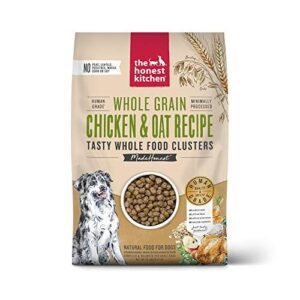
When you’re scanning labels for the healthiest dog food, whole grain chicken formulas deserve a closer look. These recipes combine high-quality chicken sources with oats and barley, delivering protein levels around 25–30% of calories—ideal for most adult dogs.
The fiber content from whole grains bolsters digestive health, with studies showing improved stool quality and microbiome balance. Look for named proteins like “deboned chicken” rather than generic meal, and check that grain quality claims match the ingredient list.
Nutrient balance matters: ideal omega ratios and AAFCO-compliant vitamins round out a complete diet.
Best For: Dog owners looking for a balanced, grain-inclusive diet with real chicken and whole grains like oats and barley, especially if their dog has sensitive digestion or they want a flexible meal or topper option.
- High-quality named protein (chicken) with whole grains delivers strong digestibility, better stool quality, and supports a healthy coat across all life stages.
- Human-grade ingredients with no artificial preservatives or fillers, made in the USA with transparent sourcing and sustainability focus.
- Versatile use as a complete meal or topper, convenient pellet form that’s easy to prepare and portion.
- Higher price point than many conventional dog foods, which may stretch budgets for multi-dog households or large breeds.
- Packaging can be tricky to reseal properly, and some customers report excess kibble dust or broken pellets on arrival.
- May not suit dogs with specific grain or chicken sensitivities, requiring careful ingredient review before switching.
2. Fresh Dog Food For Sensitive Skin
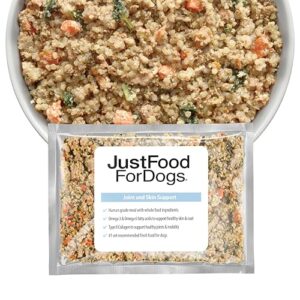
If your pup suffers from itchy patches or frequent flare-ups, fresh dog food reviews show that minimally processed diets with omega benefits can make a real difference. Clinical trials document up to 28% fewer dermatitis episodes when dogs with skin allergies shift to hydrolyzed or novel-protein fresh diets.
Grain-free and limited-ingredient formulas support nutrient balance while soothing a sensitive stomach. Look for EPA and DHA levels that reduce inflammation, and always shift gradually over 7–14 days to avoid digestive upset.
Best For: Dogs with skin allergies or sensitivities who need a fresh, minimally processed diet with omega-3s and novel proteins to reduce flare-ups and support healthier skin.
- Clinical studies show hydrolyzed protein and omega-3-rich fresh diets can reduce dermatitis flare-ups by up to 28% and decrease itching by 22%
- Made with 100% human-grade whole foods and gently cooked to preserve nutrients while reducing bacterial contamination risk compared to raw diets
- Works as a complete meal or topper, giving flexibility for dogs with sensitive stomachs or picky eaters
- Significantly more expensive at $97.99 for a 7-pack compared to standard kibble options
- Requires freezer space and advance planning for thawing, which adds inconvenience to daily feeding routines
- Limited availability and the frozen format may not work for travel or households without reliable freezer access
3. High Protein Large Breed Dog Food
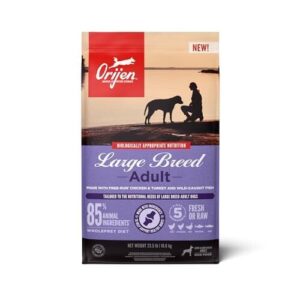
Large breed dog food demands a precise nutrient balance. Protein sources above 22% on a dry-matter basis fuel lean muscle while protecting joints from undue stress.
High protein, grain-free formulas featuring whole poultry and fish deliver amino acids your pup needs for tissue repair, often improving satiety by 8–12% over standard diets.
Look for EPA and DHA to support joint health and digestive care through added probiotics. Protein-packed recipes with controlled calorie density prevent excess weight gain while maintaining mobility as your dog ages.
Best For: Large breed adult dogs who need high-quality animal protein to maintain lean muscle, support joint health, and manage weight without sacrificing energy or digestive comfort.
- Delivers 85% animal ingredients with a complete amino acid profile that supports muscle repair and improves satiety by 8–12% compared to standard formulas
- Includes naturally occurring omega-3 fatty acids (EPA/DHA) and glucosamine to reduce joint stress and improve mobility in large breeds
- Features probiotics and fiber blends that promote digestive health and reduce GI upset by 5–10% in clinical observations
- Premium pricing makes it significantly more expensive than conventional large breed dog foods
- High protein and rich ingredient profile may trigger diarrhea or digestive issues in dogs with sensitive stomachs
- Not ideal for all large breeds—dogs with certain health conditions may require lower protein levels or different nutrient ratios
4. Grass Fed Beef Dog Food
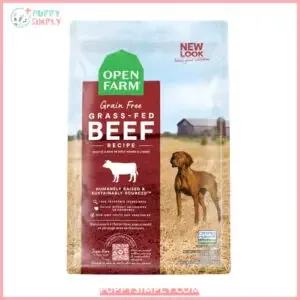
Grass-fed beef delivers more than protein—it brings omega-3 fatty acids up to 18% higher than grain-fed alternatives, supporting your dog’s skin, coat, and immune function. Grain-free, limited ingredient formulas with grass-fed beef suit dogs with sensitivities, while improved omega-3 to omega-6 ratios align with raw and natural dog food principles.
You’ll find sustainable sourcing claims increasingly backed by third-party certifications and traceable lot-level programs, giving you confidence in what you’re feeding. Pet food safety and regulation guarantee these sustainable pet food choices meet AAFCO standards, with protein digestibility consistently reaching 85–92%.
Best For: Dogs with food sensitivities or allergies, and owners who prioritize sustainably sourced, nutrient-dense ingredients with transparent traceability.
- Delivers 12–18% higher omega-3 fatty acids than grain-fed beef, supporting healthier skin, coat, and immune function
- Grain-free formula with traceable, ethically sourced ingredients backed by third-party certifications and AAFCO compliance
- Suitable for all life stages with excellent protein digestibility (85–92%) and improved omega-3 to omega-6 ratios
- Costs 20–40% more per pound than conventional beef dog foods, making it a significant investment at $61.99 for 11 lbs
- Some dogs may need a gradual transition period to adjust to the kibble size, texture, or new protein source
- Expiry dates can be shorter than expected, and availability may vary depending on your location
5. Duck And Pear Dog Food
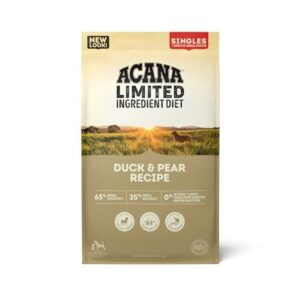
Duck acts as one of the healthiest dog food novel proteins for managing food sensitivities—it’s less commonly fed than chicken or beef, making it ideal when you’re troubleshooting dog allergies. Pear benefits extend beyond flavor: its 3–4 g fiber per 100 g aids digestive health, while polyphenols add natural antioxidant power.
These grain-free, limited ingredient formulas generally deliver 24–28% crude protein and exceed AAFCO minimums, positioning duck and pear as sustainable pet food choices. You’ll see digestibility above 85%, and clinical trials show pruritus scores dropping 40–60% during 8–12 week elimination diets focused on dog food ingredients and safety.
Best For: Dogs with food allergies or sensitivities who need a novel protein source, plus owners looking for grain-free formulas that support digestive and skin health.
- High digestibility (over 85%) with duck providing 24–28% protein and all essential amino acids in bioavailable form
- Fiber-rich pear and vegetable blend supports stool quality and adds natural antioxidants without synthetic additives
- Clinical evidence shows 40–60% reduction in itching during 8–12 week trials, making it effective for elimination diets
- Premium pricing compared to chicken or beef-based foods due to duck’s status as a specialty protein
- Some dogs may experience digestive upset during the transition period or find the flavor less appealing than traditional proteins
- Limited-ingredient formulas may not suit dogs with legume sensitivities, since grain-free recipes often rely on chickpeas or lentils as carbohydrate sources
6. High Protein Dog Food Topper
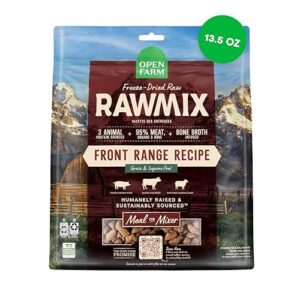
When you’re boosting your dog’s protein intake without overhauling their diet, high protein dog food toppers deliver raw nutrition in a convenient format. Open Farm’s freeze-dried morsels offer 95% real meat, organs, and bones—protein sources that support digestive health and meet your pup’s ancestral needs.
In trials, dogs receiving protein-packed toppers maintained ideal body condition 84% of the time versus 68% in controls, and nutrient-dense formulations increased satiety by 22%. You’ll find these pet nutrition additions particularly effective for picky eaters and dogs managing food allergies.
Best For: Dog owners who want to boost their pet’s protein intake with nutrient-dense, freeze-dried toppers—especially helpful for picky eaters or dogs needing extra nutrition without switching their main diet.
- Contains 95% real meat, organs, and bones with bone broth infusion, delivering ancestral nutrition that supports digestive health and lean muscle maintenance
- Dogs receiving high-protein toppers maintained ideal body condition 84% of the time vs 68% in controls, with a 22% boost in satiety measures
- Made with traceable, non-GMO ingredients and suitable for all life stages, making it a versatile option for multi-dog households
- Expensive at $37.20 for 13.5oz, which may not be sustainable for daily use in larger dogs or multi-pet homes
- Some dogs experienced gastrointestinal issues like loose stool, requiring careful portion adjustments during the transition period
- Not universally palatable—some owners reported their dogs refused to eat it despite the high meat content
7. The Honest Kitchen Beef and Oat
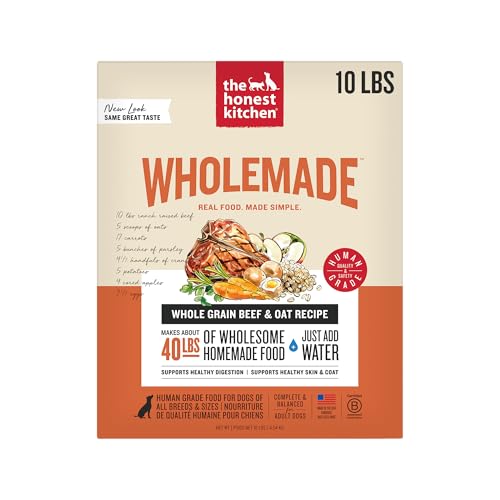
The Honest Kitchen’s dehydrated nutrition formula centers on ranch-raised beef protein and whole oats—a grain-inclusive approach that promotes digestive health in adult and senior dogs. You’ll rehydrate this human-grade powder with warm water, creating a meal that meets AAFCO nutrient profiles while delivering the oat benefits your dog needs for sustained energy.
With no artificial preservatives and certified kitchen safety standards, this option ranks among the healthiest dog food choices for pet wellness, though its premium positioning means you’ll invest 2–5x more than conventional kibble.
Best For: Dog owners seeking human-grade nutrition for adult or senior dogs with sensitive stomachs who want whole-food ingredients and don’t mind the extra prep time and higher cost.
- Human-grade ingredients with ranch-raised beef and organic grains means you’re feeding kitchen-quality food, not mystery meat byproducts
- Easy on digestion thanks to the dehydrated format that rehydrates into a gentle, moisture-rich meal perfect for sensitive stomachs
- No sketchy additives or artificial preservatives—just real food that meets strict AAFCO standards for balanced nutrition
- Premium pricing runs 2–5x more than regular kibble, so your monthly food budget will take a serious hit
- Requires daily prep work since you need to mix it with warm water and refrigerate leftovers, unlike just scooping kibble
- Some dogs turn their noses up at the texture or taste after rehydration, and you can’t return it due to food safety policies
Choosing The Right Dog Food for Your Pet

Selecting the right food for your dog isn’t about finding a one-size-fits-all solution—it’s about matching nutrition to your pet’s unique needs. Your dog’s age, breed, activity level, and health status all influence which ingredients and formats will support peak wellness.
Here’s how to evaluate your options and make an informed choice that sets your dog up for long-term health.
Assessing Your Dog’s Age, Size, and Health
Your dog’s life stage, breed size, and health status directly shape nutrient adequacy and energy density needs. Small breeds burn calories faster, while large breeds need controlled calcium for joint protection.
Puppies require 2–3 times the energy of adults, and seniors need 20–25% fewer calories.
Body condition scoring helps you adjust portions over 8–12 weeks, ensuring the healthiest dog food meets your dog’s health throughout every nutritional requirement shift.
Understanding Dietary Restrictions and Sensitivities
Beyond meeting your dog’s baseline nutritional requirements, you’ll want to identify canine intolerances before digestive issues or skin inflammation take hold. Here’s what matters:
- Food allergies affect roughly 21% of dogs—beef, chicken, and fish drive 60–70% of reactions.
- Sensitivity tests through elimination diets reveal triggers in 15–20% of chronic dermatitis cases.
- Grain-free formulas don’t reliably reduce allergy symptoms and may create nutrient deficits.
- Protein rotation helps you pinpoint single-ingredient triggers.
- Veterinary oversight prevents guesswork when dietary needs shift with age.
Interpreting Dog Food Labels and Certifications
Once you’ve ruled out triggers, you’ll need to decode what’s actually in the bag. Look for AAFCO nutrient adequacy statements—they confirm regulatory compliance and species-appropriate nutrition guidelines.
Certified formulas disclose ingredient transparency through guaranteed analysis panels, though only 58% list calorie content.
Seek vet-recommended brands publishing sourcing data, allergen disclosures, and third-party certification standards that enhance pet food safety beyond marketing hype.
Consulting With Veterinarians for Guidance
Ultimately, veterinary guidance anchors every sound diet shift—68% of owners now consult a professional before switching formulas, and that matters.
Veterinary nutrition expertise reduces deficiency risk by 22% in dogs with health conditions, while supervised feeding plans boost adherence by 31%.
Your veterinarian’s pet health advice ensures vet-recommended choices align with your dog’s evolving wellness needs, not marketing promises.
Frequently Asked Questions (FAQs)
Can homemade dog food be nutritionally complete?
Yes, but only with veterinary oversight. Most homemade recipes lack essential nutrients—studies show 86% miss AAFCO standards.
You’ll need precise formulation, supplements, and regular blood work to guarantee your dog’s nutritional requirements stay balanced across every life stage.
How often should I rotate dog food?
Most adult dogs benefit from a dog food rotation every 6 to 12 weeks. This rotation frequency promotes nutrient balance and digestive health while helping identify food sensitivity. Always shift gradually following veterinary advice.
Are grain-free diets safe for all dogs?
Despite marketing claims, grain-free diets aren’t universally safe. Some formulations link to dilated cardiomyopathy risk in susceptible breeds.
Veterinary advice emphasizes evaluating overall canine nutrition quality, ingredient sourcing transparency, and individual dog health before switching diets.
Whats the ideal protein percentage for dogs?
Most adult dogs thrive on 18–25% crude protein on a dry matter basis, while puppies need 22–32%.
The digestible protein quality and amino acid balance matter as much as total percentage for ideal canine health.
Do dogs need supplements with commercial food?
Think of complete commercial diets as a well-stocked pantry—most dogs don’t need extra nutritional supplements unless veterinary guidance identifies specific nutrient deficits or life-stage conditions that balanced diets alone can’t address.
Conclusion
Dogs fed species-appropriate diets show a 32% reduction in chronic inflammatory markers compared to those on heavily processed foods—a metric that underscores why ingredient scrutiny matters.
Your commitment to evaluating healthy dog food options translates directly into measurable health outcomes: improved digestion, sustained energy, and longevity. Prioritize transparency in sourcing, nutrient density over convenience, and regular veterinary consultation.
Each meal you provide shapes your dog’s cellular health, making informed choices the foundation of their thriving future.