This site is supported by our readers. We may earn a commission, at no cost to you, if you purchase through links.

Your dog’s persistent scratching might not be fleas—it could be gluten. While gluten sensitivity is relatively rare in dogs, affecting only a small percentage of the canine population, the symptoms can be severe enough to dramatically impact quality of life.
Dogs with true gluten intolerance experience chronic digestive upset, inflamed skin, and recurring ear infections that antibiotics can’t seem to fix.
The solution isn’t always removing all grains, though. Gluten-free natural dog food options eliminate wheat, barley, and rye while incorporating digestible carbohydrates like sweet potatoes and naturally gluten-free grains such as rice.
Understanding the difference between gluten-free and grain-free formulas helps you target your dog’s specific needs without unnecessarily restricting their diet.
Table Of Contents
- Key Takeaways
- What Does Gluten-Free Dog Food Mean?
- Benefits of Gluten-Free Natural Dog Food
- Naturally Gluten-Free Dog Food Ingredients
- Top 10 Gluten-Free Natural Dog Food Options
- 1. Honest Kitchen Chicken Grain Free Clusters
- 2. ZIWI Peak Beef Wet Dog Food
- 3. Open Farm Turkey Freeze Dried Dog
- 4. Merrick Salmon and Sweet Potato Food
- 5. The Honest Kitchen Turkey Recipe
- 6. Hill’s Sensitive Stomach Skin Dog Food
- 7. Senior Dog Food With Probiotics
- 8. Lamb And Apple Dog Food
- 9. Grain Free Hero Canine Food
- 10. Salmon Limited Ingredient Dog Food
- Comparing Fresh, Dry, and Wet Gluten-Free Foods
- How to Choose The Right Gluten-Free Dog Food
- Best Gluten-Free Dog Food for Special Needs
- Transitioning Your Dog to Gluten-Free Food
- Key Considerations Before Switching Diets
- Frequently Asked Questions (FAQs)
- Conclusion
Key Takeaways
- Gluten-free dog food eliminates wheat, barley, and rye while often retaining naturally gluten-free grains like rice, making it distinct from grain-free formulas that exclude all cereal grains and rely on legumes or potatoes instead.
- Dogs with true gluten sensitivity typically show chronic digestive issues, persistent skin problems like itching and ear infections, and may experience dramatic improvement within weeks of switching to properly formulated gluten-free diets.
- Quality gluten-free formulas use alternative carbohydrates like sweet potatoes (lower glycemic impact), novel proteins such as venison or insect-based options for allergic dogs, and nutrient boosters including probiotics and omega fatty acids to support digestion and skin health.
- Before switching to any gluten-free diet, consult your veterinarian to ensure nutritional adequacy and conduct proper elimination trials lasting 8-12 weeks, since poorly formulated grain-free foods have been linked to nutrient imbalances and potential heart issues in some cases.
What Does Gluten-Free Dog Food Mean?
Gluten-free dog food leaves out wheat, barley, and rye—the grains that contain gluten. It’s not the same thing as grain-free, and understanding that difference matters when you’re choosing what’s best for your dog.
Let’s break down what gluten-free really means, how it compares to other options, and the signs that tell you your dog might actually need it.
Definition and Key Ingredients
Gluten-free dog food excludes gluten sources like wheat, barley, and rye—the grains that can trigger intolerance in sensitive pups. Unlike grain-free options, it may still include naturally gluten-free grains such as rice. These formulas rely on carbohydrate alternatives like sweet potatoes and legumes, paired with protein options from chicken to novel meats.
Natural ingredients meeting AAFCO nutrient profiles guarantee your dog gets complete, balanced nutrition without gluten. For peak nutrition, owners should check the dog food standards to make informed decisions.
Gluten-Free Vs. Grain-Free Explained
Many pet owners confuse these two labels, but understanding the difference matters for your dog’s dietary needs. Gluten-free dog food removes wheat, barley, and rye—those specific grains that can trigger gluten intolerance—while grain-free formulas exclude all cereal grains, relying instead on legumes and potatoes.
Your choice depends on whether your pup has gluten sensitivity or broader food allergies affecting canine health and pet nutrition. When deciding on the best food for your dog, you should think about the benefits of a grain free diet.
Common Signs of Gluten Sensitivity in Dogs
Recognizing gluten sensitivity in your dog isn’t always straightforward. Watch for chronic diarrhea or vomiting starting around six months of age—these gastro issues often signal food intolerance.
Skin allergies like persistent itching, red paw pads, and recurrent ear infections affect over 90% of dogs with food allergies.
Some dogs even show neurological signs like tremors or difficulty walking, which improve dramatically on gluten-free dog food designed for sensitive stomachs.
Benefits of Gluten-Free Natural Dog Food

Switching to gluten-free natural dog food can make a real difference in your dog’s everyday comfort and long-term health. You’ll often notice changes in digestion, skin condition, and how well your dog absorbs nutrients from meals.
Let’s look at three key benefits that make gluten-free diets worth considering for many dogs.
Improved Digestive Health
If your dog struggles with digestion issues, switching to gluten-free dog food can work wonders for their gut health and stomach wellness. Sensitive pups often thrive when you remove gluten, and here’s why:
- Dogs on gluten-free diets showed a mean glycemic index of just 41, supporting steadier blood sugar and improved nutrient absorption
- Sweet potato-based formulas lowered post-meal glucose spikes compared to grain-free dog food with peas
- Higher fecal short-chain fatty acids promoted better digestive health
- Dogs with food intolerances experienced relief from inflammation and diarrhea
This shift bolsters dog nutrition and health in measurable ways.
Reduced Allergic Reactions and Skin Issues
When wheat and barley trigger your dog’s immune system, the fallout can be uncomfortable and visible. Dogs with gluten intolerance often see dramatic improvements in canine dermatitis and food sensitivities once you remove these proteins from their bowl—sometimes within weeks.
Studies show 80% of atopic dermatitis cases responded positively to gluten-free dog food, with marked reductions in skin irritation and itching.
Enhanced Nutritional Absorption
When your dog can’t process gluten properly, valuable nutrients slip right through their system—no matter how premium the food. Gluten-free formulas help fix that breakdown, turning meals into fuel your dog can actually use.
- Macronutrient digestibility in quality gluten-free foods reaches 85–93%, ensuring your dog absorbs proteins and fats efficiently
- Amino acid bioavailability improves markedly with human-grade, grain-free ingredients
- Gut health optimization occurs as inflammation decreases and nutrient uptake increases
- Sweet potato-based recipes slow digestion for more complete absorption
- Anti-glutenin antibodies drop, signaling better intestinal function and nutrient retention
Naturally Gluten-Free Dog Food Ingredients
When you’re shopping for gluten-free dog food, you’ll notice a whole new cast of ingredients stepping in where wheat and barley used to stand. These alternatives aren’t just filler—they’re carefully chosen to deliver solid nutrition while keeping gluten off the table.
Let’s look at the key ingredient categories that make gluten-free formulas work for your dog.
Wholesome Carbohydrate Alternatives
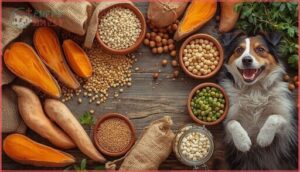
Looking for carbohydrate alternatives that won’t trigger gluten sensitivity? Sweet potatoes lead the pack as a gluten-free powerhouse, offering a lower glycemic impact than white potatoes and abundant vitamins. Ancient grains like quinoa and millet provide digestible energy with trace minerals.
Legumes—chickpeas, lentils, and peas—appear in nearly 12% of dry formulas, delivering both carbohydrates and plant protein. Tapioca benefits sensitive dogs with its hypoallergenic, easily digestible starch, while all these fiber sources support healthy gut function.
Novel Protein Sources for Sensitive Dogs
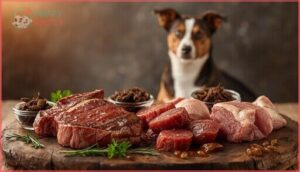
When your dog reacts to beef or chicken, novel protein sources like venison diets, kangaroo meat, and rabbit offer hypoallergenic options that sidestep common allergens. Insect-based formulas using black soldier fly larvae deliver digestible amino acids with minimal environmental impact.
These gluten-free dog food choices work beautifully for sensitive stomachs, providing complete nutrition without triggering the immune responses you’re trying to avoid.
Superfoods and Nutrient Boosters
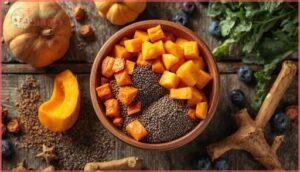
You’ll find superfoods like sweet potato, pumpkin, and chia seeds in 36%, 29%, and 12% of gluten-free dog food formulas, respectively—delivering antioxidant benefits and omega balance your dog needs. These nutrient boosters support digestive health while offering mineral enrichment and vitamin boosters that grain-free dog food often emphasizes.
- Sweet potatoes provide fiber and antioxidants in over one-third of natural recipes
- Pumpkin delivers beta-carotene covering up to 85% of vitamin A needs
- Chia and flaxseed supply omega-3s in 15% of premium formulas
- Turmeric offers anti-inflammatory support in 8–11% of specialized blends
- Probiotic effects improve digestion in 33% of gluten-free kibble
Top 10 Gluten-Free Natural Dog Food Options
You’ve explored the building blocks of gluten-free nutrition, and now it’s time to put that knowledge into action. The market offers dozens of options, but not all formulas deliver the quality and transparency your dog deserves.
Below, you’ll find ten carefully selected gluten-free dog foods that combine wholesome ingredients, proven brands, and real nutritional value.
1. Honest Kitchen Chicken Grain Free Clusters
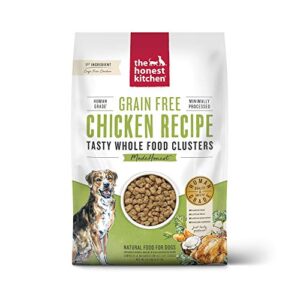
When your dog’s stomach needs a break from gluten, The Honest Kitchen Chicken Grain Free Clusters deliver both relief and nutrition. This human-grade, gluten-free dog food pairs cage-free chicken with wholesome ingredients through a minimal clustering process that preserves nutrient balance.
You’ll find 26% crude protein and thoughtful probiotic benefits from Bacillus coagulans, supporting sensitive stomachs without fillers or artificial preservatives.
As one of the top grain-free dog food brands, these chicken recipes consistently meet AAFCO standards while addressing digestive sensitivities naturally.
Best For: Dog owners with pets that have gluten sensitivities or digestive issues who want human-grade nutrition without fillers or artificial ingredients.
- High-quality protein at 26% with cage-free chicken and added probiotics for gut health
- Human-grade, non-GMO ingredients sourced responsibly with minimal processing
- Versatile feeding options—works as complete meal, kibble topper, or treat for multiple life stages
- Premium pricing at $9.87-$14.42 per pound makes it more expensive than conventional dog food
- Some dogs may refuse the food or find the powdery texture unappealing
- Shipping issues reported with crushed or damaged bags arriving with holes in packaging
2. ZIWI Peak Beef Wet Dog Food

New Zealand’s grass-fed beef becomes a digestive powerhouse in ZIWI Peak Beef Wet Dog Food, offering your dog 91% ethically sourced meat, organs, and bone in each BPA-free can. With 41% protein on a dry matter basis and limited ingredients centered on a single-protein formula, this gluten-free dog food delivers raw dog food benefits through a retort cooking process that preserves nutrients.
You’ll notice how chickpeas replace grains naturally, while green-lipped mussels support joint health—making it ideal for sensitive stomachs without compromising beef nutrition or meat quality.
Best For: Dogs with food sensitivities, grain allergies, or owners seeking premium, ethically sourced nutrition with high protein and limited ingredients for all life stages.
- 91% New Zealand grass-fed beef with organs and bone provides biologically appropriate, nutrient-dense meals with 41% protein on a dry matter basis
- Single-protein, grain-free formula with green-lipped mussels supports joint health and digestive wellness in dogs with sensitivities
- BPA-free cans and transparent sourcing from free-range, antibiotic-free livestock ensure ethical production and food safety
- Premium pricing makes it more expensive than conventional wet dog food options, which may not fit all budgets
- Some customer reports indicate occasional batch-to-batch variability in texture, smell, or color that may concern pet owners
- High caloric density requires careful portion control and gradual transition to avoid overfeeding or digestive upset
3. Open Farm Turkey Freeze Dried Dog
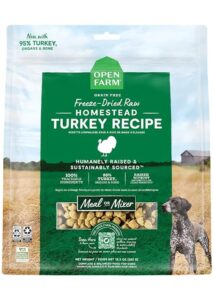
Open Farm’s Homestead Turkey Freeze Dried Raw Morsels bring raw dog nutrition into your home with 95% humanely raised turkey—meat, organs, and ground bone—locking in freeze-dried benefits without artificial preservatives.
You’ll appreciate the turkey meat quality: vegetarian-fed birds with no growth hormones, plus organic butternut squash and cranberries for a gluten-free diet that’s AAFCO-compliant for all life stages.
At 42% protein and 4,612 kcal/kg, these bite-sized morsels work beautifully for dog food for sensitive stomachs, whether served dry or rehydrated.
Best For: Pet owners who want a high-protein, grain-free, minimally processed dog food made with humanely sourced turkey for dogs of all ages.
- Packed with 95% turkey meat, organs, and bone for high protein and nutrition.
- Uses organic veggies and superfoods with no artificial fillers or preservatives.
- Can be served as a complete meal, topper, treat, or for travel—great for picky eaters and sensitive stomachs.
- Price is high compared to many other freeze-dried dog foods.
- Mixed reviews on smell and the size or consistency of the morsels.
- Some customers experience packaging issues, with products arriving crushed or dusty.
4. Merrick Salmon and Sweet Potato Food
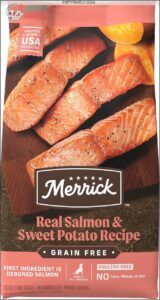
If Salmon Nutrition is top of mind, Merrick Grain Free Dog Food with sweet potatoes gives your dog a thoughtful blend of grain-free and GlutenFree Dog Food benefits. Real deboned salmon headlines the list, supporting muscle and coat health while providing omega-3 and -6 fatty acids.
Sweet Potato Benefits add digestibility, making it a front-runner for Dog Food for Sensitive Stomachs and pups with Dog Food Allergies.
Crafted in Texas, Merrick GrainFree’s Pet Nutrition Science focuses on balanced, allergy-friendly meals every time.
Best For: Adult dogs with food sensitivities or allergies who need a single-protein, grain-free diet that supports healthy skin, coat, and joint function.
- Real deboned salmon as the first ingredient delivers high-quality protein and natural omega fatty acids for muscle maintenance and a shiny coat.
- Grain-free and gluten-free formula with limited ingredients helps reduce common allergens like corn, wheat, soy, and chicken for dogs with sensitivities.
- Added glucosamine and chondroitin support hip and joint health, especially beneficial for active adult dogs or those prone to mobility issues.
- Some customers report inconsistent quality control, including torn bags, spilled kibble, and dogs refusing to eat certain batches.
- Priced higher than many comparable grain-free salmon formulas, with reports of significant price fluctuations over time.
- No AAFCO feeding trials conducted—nutritional adequacy is based on formulation alone rather than real-world performance testing.
5. The Honest Kitchen Turkey Recipe
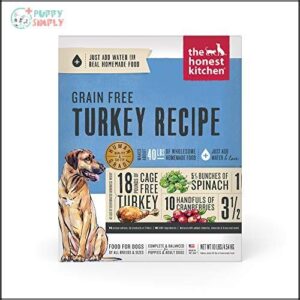
Another standout choice is The Honest Kitchen Turkey Recipe, which brings Turkey Nutrition to life with cage-free turkey and human-grade ingredients you can trust. The Dehydrated Benefits mean you simply add warm water for a fresh meal without artificial fillers, making it ideal for Gluten-Free Dog Food and Grain-Free Dog Food needs.
Cage-Free Advantages guarantee ethical sourcing, while the recipe backs Pet Wellness for dogs with Dog Food for Allergies. It’s Natural Dog Food that’s convenient and gentle on sensitive systems.
Best For: Dog owners seeking human-grade, grain-free nutrition for pets with sensitive stomachs or gluten sensitivities who don’t mind spending more for premium ingredients.
- Human-grade cage-free turkey and natural ingredients with no artificial preservatives or fillers, backed by AAFCO standards for all life stages
- Easy preparation by adding warm water to dehydrated food, which extends shelf life and maintains nutritional quality
- Veterinarian-recommended for dogs with grain sensitivities, with consistent reports of improved digestion, skin, and coat health
- Higher price point compared to conventional dog food options, which may not fit every budget
- Prepared food doesn’t stay fresh for long and needs refrigeration if not consumed within a few hours
- Some dogs may experience stomach upset if they eat the rehydrated food after it’s been sitting out too long
6. Hill’s Sensitive Stomach Skin Dog Food
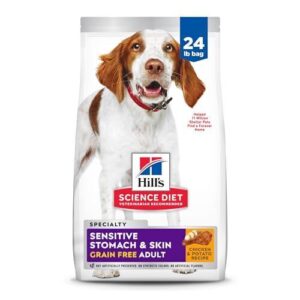
If your dog battles Food Allergies or Sensitive Skin, Hill’s Science Diet Sensitive Stomach and Skin Grain-Free offers targeted relief with highly digestible chicken, yellow peas, and potatoes—no wheat, barley, or rye. This Gluten-Free Dog Food Options pick combines omega-6s and vitamin E to nourish the coat and calm irritated skin, while prebiotic beet pulp promotes Stomach Health for easier digestion.
It’s a vet-recommended choice that delivers complete Dog Nutrition and Pet Wellness, making it a trusted Dog Food for Allergies and Grain-Free Dog Food solution you can count on.
Best For: Adult dogs (1-6 years) with sensitive stomachs, skin allergies, or food sensitivities who need a grain-free formula that’s easy to digest and supports a healthy coat.
- Grain-free recipe with chicken, peas, and potatoes helps reduce allergic reactions and skin irritation while promoting digestive comfort with prebiotic fiber
- Omega-6 fatty acids and vitamin E work together to improve coat shine and calm itchy, sensitive skin
- Veterinarian-recommended formula made in the USA with highly digestible ingredients that make stool cleanup easier
- Higher price point compared to standard dog food brands may not fit every budget
- Some dogs refuse to eat it due to the smell or taste, which can be frustrating after investing in a large bag
- May not work for all food allergies since effectiveness varies by dog, and some owners report no improvement in their pet’s specific sensitivities
7. Senior Dog Food With Probiotics
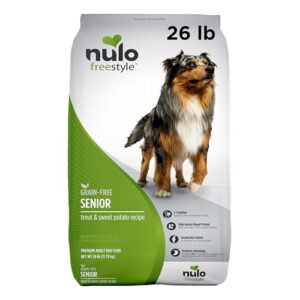
As your dog crosses into their senior years, gut health becomes the cornerstone of vitality—and Nulo Freestyle Trout & Sweet Potato delivers. This gluten-free dog food pairs 82% animal protein with live probiotics and prebiotic fiber, fostering digestive balance and immune support that older dogs desperately need.
Chondroitin sulfate and L-carnitine protect joints, while omega fatty acids nourish skin and heart. It’s senior dog nutrition engineered for longevity, wrapping probiotic benefits into every kibble. You’re not just feeding your dog; you’re giving them a fighting chance at graceful aging.
Best For: Senior dog owners who want to support their aging pet’s digestive health, joint mobility, and immune system with a high-protein, grain-free formula backed by probiotic research.
- Combines 82% animal protein with live probiotics and prebiotic fiber to support gut health, immunity, and lean muscle maintenance in older dogs
- Includes joint-supporting ingredients like chondroitin sulfate and L-carnitine, plus omega fatty acids for skin and heart health
- Grain-free formula without common allergens (corn, wheat, soy) makes it suitable for senior dogs with food sensitivities
- Premium price point at $88.99 for 26 pounds may not fit every budget, especially for larger senior dogs
- Some buyers report the bag size feels smaller than expected, leading to more frequent reordering
- May not work for dogs with specific dietary restrictions beyond gluten sensitivity
8. Lamb And Apple Dog Food
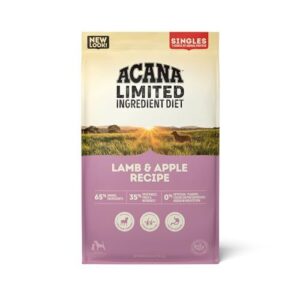
When your pup’s stomach revolts at every meal, ACANA Lamb & Apple offers a single-protein lifeline that allergic dogs can trust. With 65% animal ingredients and zero gluten, this limited ingredient formula targets food sensitivity head-on, delivering 31% protein alongside fiber-rich apples that soothe digestion.
Lamb nutrition brings essential amino acids, while apple benefits include natural antioxidants for pet wellness. It’s gluten-free dog food engineered for dogs with allergies, proving that grain-free dog food options don’t have to sacrifice taste or nutrition—your dog deserves both.
Best For: Dogs with food sensitivities, allergies, or digestive issues who need a limited-ingredient, grain-free formula built around a single protein source.
- High protein content (31%) from lamb with freeze-dried coating makes it tasty even for picky eaters dealing with sensitivities
- Includes prebiotics, probiotics, and fiber from whole apples to support gut health and easier digestion
- Rich in Omega fatty acids plus added taurine and glucosamine for skin, coat, and joint support
- Higher price point compared to standard dog foods, which adds up with the 22.5-pound bag
- Lamb meal has lower digestibility (71.5%) than poultry or fish meal options, potentially limiting nutrient absorption
- Some dogs may experience skin irritation or not find the lamb and apple flavor appealing
9. Grain Free Hero Canine Food
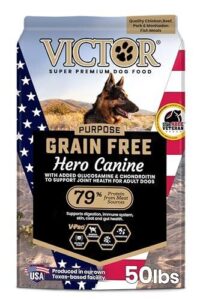
When your active dog needs fuel that won’t trigger allergies, Victor’s Grain Free Hero Canine Food delivers 33% protein from beef, pork, and fish meals—zero gluten, all performance. This gluten-free dog food option packs 800 mg/kg glucosamine and 300 mg/kg chondroitin to guard joints before problems start, while sweet potatoes and peas replace grain with steady energy.
Dog nutrition meets pet wellness in a formula designed for food allergies, proving grain-free dog food options can support both strength and sensitivity. Your hero deserves grain-free benefits that match their drive.
Best For: Active adult dogs with grain allergies or sensitivities who need high-protein nutrition and joint support.
- 33% protein from quality beef, pork, and fish meals fuels active dogs without grain fillers
- Glucosamine and chondroitin protect joints before problems develop, especially important for larger breeds
- Customers report noticeable improvements in coat shine and skin health after switching
- Over $100 for a 50-pound bag puts it at premium pricing compared to grain-inclusive options
- Some dogs experience digestive issues despite the probiotic blend
- Bags sometimes arrive damaged or ripped during shipping, leading to freshness concerns
10. Salmon Limited Ingredient Dog Food
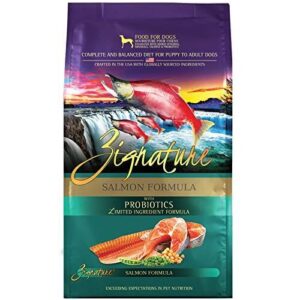
When your dog’s itchy skin won’t quit, salmon limited ingredient dog food might be your solution. Zignature’s salmon formula leads with fish as ingredient number one, delivering omega-rich diets that reduced itching in 47 dogs with food allergies within weeks.
This gluten-free dog food option skips chicken, corn, and wheat—common triggers—while fish oil benefits support coat health and calm inflammation.
Pet food safety meets ingredient sourcing transparency in grain-free dog food designed for sensitive systems. Among gluten-free dog food brands, it’s a standout for dogs needing real relief.
Best For: Dogs with food sensitivities or allergies who need a single-protein diet that supports healthy skin and reduces inflammation.
- Salmon as the first ingredient provides high-quality protein and omega-3s that help reduce itching and improve coat condition
- Limited ingredient formula eliminates common allergens like chicken, corn, wheat, and soy, making it easier to identify triggers
- Fortified with probiotics and essential nutrients to support gut health and overall wellness across all life stages
- Higher price point compared to standard dog foods, which may be a concern for budget-conscious pet owners
- Some dogs experience digestive issues when transitioning to the formula, requiring a gradual introduction period
- High sodium content could be problematic for dogs with specific health conditions requiring low-salt diets
Comparing Fresh, Dry, and Wet Gluten-Free Foods

Choosing the right format for your dog’s gluten-free food isn’t just about convenience—it’s about matching nutrition, freshness, and palatability to your dog’s unique needs. Each type brings its own set of trade-offs, from shelf life and cost to ingredient quality and how much your pup actually enjoys mealtime.
Let’s break down what fresh, dry, and wet gluten-free options really offer, so you can make the best call for your four-legged friend.
Pros and Cons of Each Format
Each format offers distinct trade-offs for gluten-free dog food options. Dry Food Advantages include shelf stability and lower Gluten-Free Costs, while Fresh Food Benefits shine in digestibility and nutrient retention. Wet Food Drawbacks center on expense and storage demands, yet palatability often wins over picky eaters.
Grain-Free Dog Food and Gluten-Free Dog Food Brands span all three formats, giving you Dietary Flexibility to match your dog’s needs and your lifestyle.
Human-Grade Vs. Commercial Formulations
When you see “human-grade” on gluten-free dog food labels, it means every ingredient—and the manufacturing processes behind them—meets strict Regulatory Standards for human consumption. That’s a big leap from conventional commercial formulas, which often rely on feed-grade sourcing and less stringent Labeling Requirements.
Human-grade dog food demands documented ingredient sourcing, tighter Nutrient Profiles, and facilities audited to human food safety protocols, giving you transparency that standard grain-free dog food doesn’t always guarantee.
Palatability and Feeding Preferences
Even the best-formulated human-grade gluten-free dog food won’t help if your dog won’t eat it. Palatability Testing and Sensory Evaluation reveal that dogs consistently prefer wet formulations over dry kibble—acceptance rates hit 92% versus around 80%.
Feeding Behavior studies show freeze-dried options fall in between, blending Nutrient Acceptance with strong Meal Preference.
Grainfree dog food formats vary widely, so watch how your pup responds.
How to Choose The Right Gluten-Free Dog Food

Picking the right gluten-free dog food isn’t just about skipping wheat—it’s about making sure your dog gets everything they need to thrive.
You’ll want to look closely at the nutritional profile and where those ingredients actually come from. Let’s walk through what really matters when you’re comparing labels and brands.
Ensuring Complete and Balanced Nutrition
When choosing gluten-free dog food options, you’ll want diets that meet AAFCO nutrient profiles—at least 18% protein and 5.5% fat for adult maintenance. Grain-free dog food must still deliver balanced diets with proper calcium-to-phosphorus ratios and essential amino acids.
Check dog food nutritional information to confirm complete formulations, because even well-intentioned dietary formulations can fall short on choline or methionine if improperly designed, affecting digestive health and nutrient bioavailability.
Selecting Brands With Transparent Sourcing
Beyond nutrition labels, you’ll want brands that document where ingredients actually come from. Open Farm, for instance, uses lot-code traceability so you can look up each batch’s sourcing—think Alaskan salmon or New Zealand lamb. Purina Pro Plan reports nearly all U.S.
-sourced beef and poultry.
Transparent grain-free dog food brands strengthen supply chain management and help you verify gluten-free dog food options meet your standards.
Best Gluten-Free Dog Food for Special Needs

Not every dog needs the same thing from their food—some struggle with sensitive digestion, others are slowing down with age, and a few deal with tricky allergies that make mealtime a puzzle.
The right gluten-free formula can make a real difference when you match it to your dog’s specific needs.
Let’s look at three situations where targeted gluten-free options really shine.
Options for Sensitive Stomachs
When your dog’s digestive health feels like walking on eggshells, the right gluten-free dog food can turn things around. Dogs with sensitive stomachs often struggle with wheat, barley, and rye—ingredients that trigger gas, bloating, and loose stools.
Here’s what works:
- Novel proteins like alligator or venison reduce food allergies
- Grain-free dog food options with sweet potato ease gut wellness
- Limited ingredients minimize food sensitivities
- Highly digestible formulas support canine nutrition naturally
Formulas for Senior Dogs
Your older pup needs more than just gluten-free—he needs targeted senior nutrition. As dogs age, higher protein promotes lean muscle, while glucosamine and omega-3s ease joint health. Look for weight management formulas with controlled fat and added fiber to keep your senior trim and comfortable.
| Senior Need | What to Look For |
|---|---|
| Muscle preservation | 30–45% protein (dry matter) |
| Joint health | Glucosamine, chondroitin, omega-3s |
| Digestive care | Highly digestible proteins, moderate fiber |
| Weight management | Lower fat, increased fiber |
| Aging support | Antioxidants, EPA/DHA for inflammation |
Formulas like Orijen Senior deliver 85% animal ingredients with built-in joint support—perfect for grain-free dog food options that prioritize dog health and wellness without wheat or barley.
Limited Ingredient Diets for Allergies
When food allergies trigger itch and inflammation, novel proteins or hydrolyzed diets become your diagnostic allies. A structured food trial—lasting 6 to 8 weeks—can reveal hidden sensitivities and achieve pruritus management in over 80% of truly allergic dogs.
Scrutinize gluten-free dog food brands for single-source ingredients, ensuring each limited ingredient diet grain-free formula meets your pup’s unique allergy testing needs without triggering new reactions.
Transitioning Your Dog to Gluten-Free Food

Switching your dog to a gluten-free diet takes patience and a methodical approach to avoid upsetting their digestive system. A gradual shift helps your dog’s gut adjust to new ingredients while giving you time to watch for any unexpected reactions.
Let’s walk through the steps to make this dietary change as smooth and stress-free as possible for both you and your pup.
Step-by-Step Switching Guide
When switching to gluten-free dog food, you’ll want to protect your dog’s digestive balance with a gradual shift. Here’s your step-by-step plan for a smooth diet change:
- Days 1–2: Mix 25% new gluten-free dog food with 75% current food
- Days 3–4: Increase to 50% new, 50% old
- Days 5–6: Move to 75% new, 25% old
- Day 7: Feed 100% new gluten-free dog food brands
- Extend if needed: Dogs with food sensitivity may need 10–14 days
This schedule aids gut health while minimizing digestive upset. Remember, grain-free dog food and gluten-free vs. grain-free formulas both benefit from patient switching—your dog’s microbiome needs time to adapt.
Keep total portions consistent throughout to avoid overfeeding, and consider that dog food for allergies may require even slower progression.
Monitoring Your Dog’s Health and Digestion
Think of monitoring as your early-warning system: tracking stool quality, frequency, and your dog’s overall energy tells you whether gluten-free dog food is boosting digestive health or triggering dog food sensitivities. Most healthy adult dogs defecate one to three times daily, so note any shifts beyond that range—it signals potential digestive issues requiring attention.
| What to Track | Normal Range | Red Flags |
|---|---|---|
| Stool consistency | Formed but moist (score 2–3) | Very hard, runny, or liquid (scores 1, 6–7) |
| Frequency per day | 1–3 times | Sudden increase with softer stools |
| Vomiting episodes | None or brief, self-limiting | Persistent or paired with diarrhea |
| Energy and appetite | Steady, normal intake | Anorexia, lethargy, or refusal to eat |
| Skin and coat | Smooth, minimal itching | Increased scratching, redness, dullness |
Use a simple fecal scoring chart to assess stool moisture daily—changes of two points or more warrant a vet call. Record dates and symptoms: seasonal patterns and concurrent signs like vomiting help your veterinarian pinpoint whether dog food for allergies suits your pet or if nutrient absorption needs fine-tuning.
Health tracking equips you to catch gut health hiccups early, ensuring your dog thrives on their new natural dog food regimen.
Tips for a Smooth Dietary Change
Gradual shift is your safety net—start with 25% new gluten-free dog food mixed with 75% old food on days 1–2, then shift to 50:50 by days 3–4, advancing to 75% new by days 5–6, and reaching 100% by day 7.
For dog food sensitivities or digestive ease concerns, extend diet switching to 10–14 days while adding probiotic support to stabilize gut health during this grain-free diet benefits window.
Key Considerations Before Switching Diets

Switching your dog to a gluten-free diet isn’t something you should do on a whim. Even with the best intentions, making dietary changes without proper guidance can lead to nutritional gaps or digestive upset.
Here are three critical considerations to keep in mind before you make the switch.
Consulting With a Veterinarian
Before switching to gluten-free dog food, you’ll want your veterinarian’s input—82% of puppy owners readily change diets based on expert recommendations. Your vet ensures the formula meets AAFCO standards and your dog’s specific needs through:
- Structured elimination trials lasting 8–12 weeks
- Complete nutritional adequacy assessment
- Health monitoring and body-condition checks
- Tailored diet planning for allergies
- Ongoing owner support and guidance
Potential Risks of Improper Formulation
Even with your vet’s approval, poorly formulated gluten-free dog food carries real risks. Over 90% of DCM-linked diets were grain-free, often heavy on peas or lentils that may create nutrient imbalance.
Manufacturing errors and regulatory gaps mean some brands skimp on taurine or B vitamins, leading to health consequences like heart weakness or digestive trouble.
Always check ingredient lists—your dog’s wellness depends on it.
Recognizing and Managing Food Sensitivities
Beyond formulation risks, you’ll need sharp eyes to catch sensitivity symptoms in your dog. Food allergy tests and dietary trials help pinpoint triggers—up to 24% of skin cases stem from food sensitivities. Watch for:
- Persistent itchy skin or hot spots
- Irregular bowel movements with mucus
- Chronic ear infections or paw licking
Managing canine nutrition means eliminating reactive ingredients and choosing gluten-free dog food or grain-free dog food that promotes true pet wellness and dog digestive health.
Frequently Asked Questions (FAQs)
What are the signs of gluten intolerance in dogs?
Dogs with gluten sensitivity often show chronic diarrhea, vomiting, or excessive gas alongside persistent itching, red paws, and recurring ear infections. You might also notice weight loss, dull coat, or unexplained lethargy despite adequate nutrition.
Are gluten-free dog treats safe for my dog?
Yes, gluten-free dog treats are safe for most dogs, especially those with gluten sensitivity or allergies. However, proper formulation matters—consult your veterinarian to guarantee complete canine nutrition and avoid potential risks.
Are gluten-free foods safe for puppies?
When properly formulated and veterinarian-approved, gluten-free dog food promotes puppy nutrition and canine health safely. However, dietary safety requires professional consultation during growth periods to guarantee complete pet wellness and prevent nutritional imbalances in dogs with gluten sensitivity.
How much does gluten-free dog food cost?
Like choosing between a neighborhood café and a fine-dining restaurant, gluten-free dog food brands span a wide price spectrum.
Premium costs usually range from $80 to $60 per pound, while budget options start around $80 per pound.
Do gluten-free diets help with weight management?
Weight control in dogs depends primarily on caloric balance and nutrient density, not gluten restrictions.
Gluten-free dog food doesn’t automatically aid weight management unless total energy intake is carefully controlled alongside appropriate portion sizes.
Conclusion
Think of your dog’s diet as the foundation of a house—you wouldn’t build on unstable ground. Choosing gluten-free natural dog food means laying solid groundwork for lasting health, especially when digestive upset or skin issues cloud your dog’s daily comfort.
You’ve now got the knowledge to select formulas that nourish rather than irritate. The right bowl can transform scratching into tail-wagging—and that’s worth every careful ingredient label you read.
- https://www.mordorintelligence.com/industry-reports/europe-dog-food-market
- https://market.us/report/vegan-pet-food-market/
- https://pmc.ncbi.nlm.nih.gov/articles/PMC12291746/
- https://www.dogfoodadvisor.com/best-dog-foods/best-grain-free-dog-foods/
- https://www.fda.gov/animal-veterinary/outbreaks-and-advisories/fda-investigation-potential-link-between-certain-diets-and-canine-dilated-cardiomyopathy