
This site is supported by our readers. We may earn a commission, at no cost to you, if you purchase through links.
Your dog’s been scratching more lately, and his coat doesn’t quite have that shine it used to. Maybe he’s sleeping through his favorite walk time, or turning up his nose at dinner—small changes you might chalk up to a bad day or getting older. But here’s what many pet owners don’t realize: these subtle shifts can be your dog’s way of waving a red flag about missing nutrients.
Dog vitamin deficiency symptoms don’t always announce themselves with dramatic signs—they creep in quietly, affecting everything from energy levels to skin health. The tricky part? A dull coat could mean anything from stress to a serious B vitamin shortage, and that’s where knowing what to look for becomes vital for your dog’s wellbeing.
Table Of Contents
Key Takeaways
- Vitamin deficiencies in dogs develop quietly through poor-quality diets, digestive disorders that block nutrient absorption, or health conditions that interfere with how the body processes essential vitamins—and symptoms often show up in subtle changes to energy, coat quality, and behavior before becoming serious.
- Your dog’s skin and coat act as early warning systems, with constant scratching, dull or thinning fur, dry flaky skin, and slow wound healing pointing directly to gaps in vitamins D, A, E, zinc, or omega fatty acids.
- Each vitamin deficiency creates distinct symptoms—vitamin D affects bones and muscles, vitamin A impacts vision and skin, vitamin E damages the nervous system, while zinc and omega deficiencies show up primarily in coat and skin health.
- Prevention centers on feeding a balanced diet with quality ingredients, scheduling regular vet checkups that include blood work, using veterinarian-approved supplements only when needed, and actively monitoring your dog’s weight, portion sizes, and physical changes every couple of weeks.
What Causes Vitamin Deficiency in Dogs?
Your dog’s vitamin deficiency doesn’t just happen out of nowhere—there’s always a reason behind it. Sometimes it’s as simple as what’s in the bowl, but other times the issue runs deeper, involving how your dog’s body processes nutrients.
If your puppy is eating stones or other non-food items, it could signal a nutritional gap that needs addressing.
Let’s look at the main culprits that can leave your pup running low on essential vitamins.
Inadequate or Poor-Quality Diet
One of the biggest culprits behind vitamin deficiencies in dogs? Food insufficiency and poor-quality nutrition. When your dog’s diet lacks nutrient-dense ingredients, it creates gaps that impact everything from energy to immunity.
Watch out for these dietary red flags:
- Cheap foods heavy on fillers but light on real protein and fat
- Highly processed kibbles with artificial additives that hamper nutrient absorption
- Inconsistent feeding schedules causing weight fluctuations
- Diets missing essential vitamins like A, D, E, and B-complex
- Low-bioavailability ingredients your dog can’t properly digest
For more insight into how inadequate diets impact long-term health, see this overview of the adverse effects of poor nutrition.
Without proper dietary guidelines, malnutrition sneaks in—and with it, digestive issues and weakened defenses against disease.
Digestive Disorders and Malabsorption
Even high-quality food won’t help if your dog’s gut can’t absorb it. Malabsorption causes—like pancreatic enzyme deficiency, bile flow issues, and intestinal damage from inflammatory bowel disease—prevent nutrients from ever reaching the bloodstream.
Digestive diseases disrupt gastrointestinal health, turning meals into wasted calories. Signs include greasy stools, weight loss despite eating well, and hidden malnutrition that creeps in silently.
In some cases, underlying issues such as intestinal disorders affecting absorption can exacerbate these symptoms.
Improper Feeding Guidelines
Sometimes you’re the problem—not your dog’s gut, but your feeding habits. Improper feeding guidelines create nutritional deficiencies even when you’re trying hard:
- Overfeeding table scraps causes nutrient imbalances
- Free feeding promotes grazing without portion control
- Not measuring meals leads to inconsistent nutrient ratios
- Using low-quality food with poor food quality standards
- Ignoring feeding schedules disrupts meal planning
These mistakes set the stage for vitamin D deficiency and other nutritional gaps.
Health Conditions Affecting Nutrient Uptake
Beyond feeding mistakes, your dog’s own body might block nutrients. Digestive barriers like inflammatory bowel disease damage the gut lining, while chronic diseases such as diabetes alter absorption rates.
Some dogs even develop unusual cravings like eating their own poop when their bodies desperately seek missing nutrients.
Age-related changes reduce gastric acid, medication interactions interfere with vitamin D metabolism, and poor nutrient bioavailability from certain foods compounds dietary intake problems—all triggering vitamin deficiency symptoms you can’t ignore.
General Symptoms of Vitamin Deficiency

Your dog’s body has a way of telling you when something’s off—you just need to know what to look for. Vitamin deficiencies don’t always show up in obvious ways, but they leave clues in your dog’s daily habits and physical condition.
Here are the general warning signs that might mean your pup isn’t getting the nutrients they need.
Changes in Weight and Appetite
Your dog’s appetite and weight can shift unexpectedly when vitamins run low. You might notice sudden weight loss even with regular food intake, or your pup may lose interest in meals—common when B vitamins drop.
Weight fluctuations also happen if nutrient absorption falters, slowing metabolism. Early fullness after small portions signals impaired processing, though appetite changes often rebound with dietary adjustments targeting these nutritional deficiency symptoms.
Digestive Issues (Vomiting, Diarrhea)
Gastrointestinal health often falters when nutrient deficiencies disrupt digestive enzymes and gut bacteria. You might see vomiting shortly after meals—especially if fat-soluble vitamins like A, D, E, or K run low—or notice inconsistent bowel movements and diarrhea.
Abdominal cramping can accompany these intestinal issues, signaling that your dog’s digestive system isn’t absorbing nutrients properly, which compounds stomach problems and weakens overall dietary intake.
Lethargy and Low Energy
Persistent tiredness—even with plenty of rest—often signals that your pup’s body lacks the vitamins needed to convert food into energy. You’ll notice reduced exercise tolerance and muscle weakness tied to B12 or iron deficits, and maybe drowsiness after meals.
Mental fog and slower reactions can also emerge when vitamin deficiency symptoms rob cells of fuel they desperately need.
Behavioral Changes
When B vitamins run low, you might see depression, irritability, or mood swings that don’t match your dog’s usual temperament. Anxiety signs—pacing, whining, social withdrawal—can crop up alongside aggression issues or exaggerated fear responses.
These behavioral changes hint that nutritional deficiency in dogs is messing with neurochemistry, and spotting vitamin deficiency symptoms early promotes both canine nutrition and health and your pup’s emotional well-being.
Skin and Coat Signs of Deficiency
Your dog’s skin and coat are like a window into their nutritional health—when something’s missing inside, it shows up on the outside. Deficiencies in vitamins, minerals, and essential fatty acids often appear first as visible changes you can see and feel when you pet your dog.
Your dog’s skin and coat reveal nutritional deficiencies before internal symptoms appear
Here are the most common skin and coat signs that suggest your dog mightn’t be getting the nutrients they need.
Itching and Scratching

If your dog scratches constantly—especially at night—you’re witnessing skin irritation that often ties back to nutrient balance. Vitamin D deficiency and gaps in essential fatty acids leave skin dry, rough, and intensely itchy.
Canine dermatology studies confirm that inadequate canine nutrition weakens the skin barrier, amplifying dog health issues like relentless scratching. Strengthening nutritional deficiencies directly aids itch relief and healthier skin.
Dull, Brittle, or Thinning Coat

A lackluster coat—thin, brittle, or shedding excessively—often signals nutritional deficiency in dogs rather than simple grooming neglect. Hair texture degrades when protein, essential fatty acids, or vitamins A and D run low, compromising skin health and nutrient absorption.
You’ll notice coat condition worsening over weeks, a clear vitamin deficiency symptom that warrants dietary review and, ideally, a vet consultation before thinning accelerates.
Dry or Flaky Skin
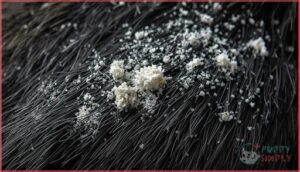
Along with that dull coat, you might notice pale flakes drifting from your dog’s skin—rough patches that feel powdery to the touch.
Environmental factors like low humidity combine with omega fatty acid or Vitamin D deficiency symptoms to disrupt skin hydration and moisture balance.
Flake analysis reveals dry, odorless residue rather than greasy buildup, pointing toward nutritional deficiency in dogs compromising canine dermatology and overall skin health.
Hair Loss and Poor Wound Healing

When hair falls out in patches, you’re watching follicle health collapse—zinc or omega deficiencies starve skin regeneration at the root.
Cuts that linger for weeks, crusting without closure, signal poor nutrient transport to healing tissue.
Vitamin D deficiency slows both hair regrowth and wound closure, leaving bare spots and scabs where your dog’s natural repair should kick in fast.
Specific Vitamin Deficiency Symptoms

Not all deficiencies look the same—each vitamin plays its own role in your dog’s health, and when one’s missing, the symptoms can be pretty specific. Some affect bones and muscles, others mess with vision or nerve function, and a few show up mostly in skin and coat problems.
Let’s break down what happens when your dog isn’t getting enough of these key nutrients.
Vitamin D Deficiency (Bone Pain, Weakness)
When vitamin D deficiency strikes your dog, bone health takes a serious hit—you’ll notice muscle weakness, lameness, and reluctance to move. These signs point to disrupted calcium balance, which can lead to canine osteoporosis or bowed limbs in puppies.
Dietary changes focused on nutrient absorption can restore vitamin levels, but you’ll need veterinary guidance for proper dietary management of vitamin D deficiency in dogs.
Vitamin a Deficiency (Vision, Skin Problems)
While bone problems signal vitamin D issues, your dog’s eyes and skin tell a different story with Vitamin A deficiency. You’ll spot vision loss, especially in dim light, as the retina struggles without this nutrient—corneal ulcers and eye infections often follow. Skin issues pop up too, leaving your dog vulnerable to:
- Dry, flaky patches that won’t heal
- Increased susceptibility to bacterial infections
- Rough, thickened skin around joints
Vitamin deficiency in dogs affects skin health and nutrition systemically.
Vitamin E Deficiency (Neurological Issues)
When your dog’s nervous system starts misfiring, vitamin E deficiency might be stealing electrons from nerve cells. Oxidative stress triggers free radical damage that compromises brain function. You’ll notice muscle weakness, vision problems, or uncoordinated movement as neurological decline accelerates. Dog health and nutrition experts recommend neuroprotection strategies through antioxidant-rich foods, since this fat-soluble vitamin shields delicate nerve tissue from nutritional deficiencies.
| Early Signs | Later Symptoms | At-Risk Dogs |
|---|---|---|
| Muscle tremors | Loss of coordination | Senior dogs |
| Stiff gait | Vision impairment | Malabsorption issues |
| Weakness | Paralysis | Poor-quality diets |
| Slow reflexes | Cognitive decline | Chronic illness |
| Lethargy | Immune suppression | Growing puppies |
Zinc and Omega Deficiency (Skin and Coat Health)
Flaky patches and dull fur—those aren’t just cosmetic hassles, they’re distress signals from skin cells starving for zinc and omega fatty acids. Nutritional supplements can restore nutrient absorption when canine dietary needs fall short, especially if Vitamin D deficiency complicates skin health.
Zinc supplements support dog care from the inside out.
- Coat problems: brittle, thinning hair that breaks easily
- Skin issues: crusty lesions, redness, constant scratching
- Omega balance: inflammation control requires proper fatty acid ratios
Preventing and Addressing Vitamin Deficiencies

The good news? Most vitamin deficiencies are preventable—and fixable once you know what to look for. It comes down to feeding well, staying alert to changes, and working with your vet when something feels off.
Let’s walk through the practical steps that keep your dog’s nutrition on track.
Importance of a Balanced Diet
Think of your dog’s bowl as a health blueprint—when you fill it with quality ingredients, you’re covering the bases against Nutritional Deficiency in Dogs.
A Balanced Diet rich in proteins, healthy fats, vitamins, and minerals meets your pup’s Dietary Needs head-on.
Smart Meal Planning with whole foods and proper Nutrient Balance helps prevent Vitamin D deficiency and other gaps before they show up as symptoms.
Role of Veterinary Check-Ups
Your vet isn’t just there for emergencies—Regular Checkups catch Nutrition Deficiencies in Dogs before symptoms spiral. During Veterinary Care visits, your vet establishes a Health Baseline through:
- Physical exams checking body condition and coat quality
- Blood work screening for Vitamin D deficiency and organ function
- Dietary reviews tailoring your pup’s feeding plan
- Diagnostic Testing revealing hidden imbalances
These Preventive Measures safeguard Dog Health and Wellness year-round.
Use of Supplements
Supplements can bridge nutritional gaps, but they’re not magic pills. Start with your vet’s approval to avoid overdosing or medication interactions. Choose products formulated exclusively for dogs, never human versions, and look for third-party testing and manufacturing standards. Dosage guidelines scale with weight, so a 10-pound terrier needs far less vitamin D than a 70-pound retriever.
| Supplement Type | Primary Benefit |
|---|---|
| Omega-3 fish oil | Skin, coat, inflammation support |
| Probiotics | Gut and immune health |
| Multivitamins | Filling dietary gaps |
| Zinc formulas | Immune and skin function |
Monitoring and Adjusting Feeding Practices
Your dog’s diet isn’t a set-it-and-forget-it deal—it needs regular check-ins. Weigh your pup every two weeks to track weight trends, then compare daily intake to age-appropriate targets.
Keep feeding schedules consistent, use a kitchen scale for portion accuracy, and log meals to spot gaps in dietary balance.
If you notice digestive issues or signs of nutritional deficiency, adjust calorie management and rotate protein sources. Meal planning with nutrient tracking catches problems before they snowball.
Frequently Asked Questions (FAQs)
Can puppies develop vitamin deficiencies faster than adults?
Growing bodies run on overdrive—puppies face higher vitamin absorption challenges and faster depletion during growth spurts, making them more vulnerable to nutritional deficiency in dogs than their adult counterparts.
Are certain dog breeds more prone to deficiencies?
Yes—large breeds face vitamin D deficiency risks during growth, while working dogs need more zinc.
Purebred dogs with genetic predispositions may struggle processing certain nutrients, making breed-specific health monitoring essential.
How long before vitamin deficiency symptoms appear?
Vitamin deficiency symptoms usually emerge within one to three months of sustained low intake, though some signs—like fatigue or skin changes—can appear in just a few weeks depending on the specific nutrient.
Can over-supplementation cause harm to my dog?
Too much of a good thing becomes dangerous—excess vitamin D can trigger kidney damage and hypocalcemia.
Overdose symptoms like vomiting signal nutrient imbalance, proving dietary monitoring beats guesswork with supplements every time.
Do senior dogs require different vitamin levels?
Absolutely—aging shifts how your dog’s body manages nutrients. Senior dogs need specialized Vitamin Metabolism, often requiring higher-quality protein, more omega-3s, and adjusted Vitamin D levels to support joints, cognition, and kidney health.
Conclusion
Last month, a Labrador came in lethargic, coat dull as dishwater—his owner thought it was just age. Bloodwork revealed severe B12 deficiency from years of cheap kibble. Three weeks of proper nutrition later, he was bounding around like a puppy again.
Don’t wait for dramatic symptoms to recognize dog vitamin deficiency symptoms. Your dog’s body whispers before it screams, and catching those early signs—the subtle coat changes, energy dips—means you can course-correct before real damage sets in.
- https://pets.webmd.com/dogs/guide/how-to-read-a-dog-food-label
- https://www.whole-dog-journal.com/food/choosing-canine-supplements-wisely/
- https://vetericyn.com/blog/signs-and-symptoms-of-dog-nutritional-deficiencies/
- https://onlinelibrary.wiley.com/doi/abs/10.1111/cea.12430
- https://www.proquest.com/openview/09b11237f48055c943dac775a0e6b75a/1?pq-origsite=gscholar&cbl=28636