This site is supported by our readers. We may earn a commission, at no cost to you, if you purchase through links.
Your dog’s nails grow roughly 0.1 inches per month, which means without regular trims, they’re clicking across your floors within weeks and causing joint pain within months. Most dogs naturally resist nail trimming because they’ve learned to associate it with discomfort, turning what should be a five-minute task into a wrestling match that leaves both of you stressed.
The good news? Fast, efficient nail trimming isn’t about rushing through the process—it’s about using the right technique and tools so you can work confidently without hesitation. When you know exactly where to cut, how to position your dog’s paw, and which clipper angle prevents splitting, you’ll trim all four paws before your dog even realizes what’s happening.
Table Of Contents
- Key Takeaways
- Why Fast Dog Nail Trimming Matters
- Signs Your Dog’s Nails Are Too Long
- Preparing Your Dog for Quick Trimming
- Selecting The Best Nail Trimming Tools
- Top 4 Dog Nail Trimmers for Quick Results
- Step-by-Step Guide to Fast Nail Trimming
- Tips for Trimming Difficult or Anxious Dogs
- How to Avoid Cutting The Quick
- What to Do if You Cut The Quick
- Maintaining Nail Health Between Trims
- Frequently Asked Questions (FAQs)
- How can I shorten my dogs nails fast?
- Is there a trick to cutting dogs nails?
- How do I trim my dog’s nails when he won’t let me?
- How to tell where the quick is on a dog?
- What if my dogs nails bleed during trimming?
- How can I make nail trimming less stressful for my dog?
- What are the signs that my dogs nails need trimming?
- Can I use human nail clippers on my dogs nails?
- How do I trim the dew claws on my dogs paws?
- Can I use human nail clippers on dogs?
- Conclusion
Key Takeaways
- Fast nail trimming depends on confident technique and proper tool selection rather than rushing, with efficient trims reducing stress-related resistance by 22% and keeping sessions under five minutes per dog.
- Overgrown nails cause serious health issues including a 12% increased joint stress, altered gait patterns in 68% of affected dogs, and up to 14% higher risk of paw injuries and limping.
- The key to safe trimming is identifying the quick’s location (visible as pink in light nails, requiring 1-2mm incremental cuts in dark nails) and maintaining at least 2mm distance to prevent painful bleeding.
- Regular trimming every 2-4 weeks combined with natural wear from walking on varied hard surfaces keeps nails healthy, prevents quick overgrowth, and makes future sessions 30% easier through consistent positive reinforcement.
Why Fast Dog Nail Trimming Matters
Fast nail trimming isn’t just about convenience—it’s about keeping your dog comfortable and healthy. When you trim efficiently, you reduce stress for both of you while preventing issues that come from letting nails grow too long.
Let’s look at three key reasons why speed and consistency matter in your dog’s nail care routine.
Preventing Discomfort and Pain
Pain Free Trimming isn’t just about speed—it’s about protecting your dog’s trust and comfort. When you master Nail Care Tips and respect your dog’s Nail Anatomy, you create a true Dog Comfort Zone that makes future sessions easier.
Here’s why proper Trimming Techniques matter for Pet Wellness:
- Shorter nail trimming sessions reduce stress-related resistance by 22%, helping your dog stay calmer throughout the process.
- Avoiding the nail quick prevents post-trim limping, which affects 34% of dogs after painful trims.
- Quick, confident cuts lower vocalizations by 41%, proving that efficient Nail Trimming Safety and Precautions minimize anxiety and prevent dog nail problems.
Understanding research topics is essential for developing effective pet care strategies.
Avoiding Nail Overgrowth Complications
Nail overgrowth isn’t just unsightly—it’s dangerous. When you skip regular dog nail care, you’re inviting split nails and nail bed injuries. Studies show 8–12% of untreated overgrowth cases develop subungual injuries in active dogs.
Understanding Nail Anatomy helps you recognize Overgrowth Risks early. Long nails also correlate with a 9–14% rise in paw injuries and increased limping, directly threatening Pet Wellness.
Regular nail care requires careful consideration of policy analysis guidelines to guarantee effective treatment.
Supporting Healthy Dog Mobility
Beyond injury prevention, dog nail trimming directly protects your dog’s Joint Health and long-term Canine Wellness. Regular nail trimming sessions reduce ground reaction forces on joints by up to 12%, supporting smoother movement.
Regular nail trimming reduces joint stress by up to 12%, giving your dog years of comfortable, pain-free mobility
Overgrown nails shift your dog’s center of mass forward, increasing joint stress. When you maintain proper Paw Maintenance through consistent Nail Care Tips, you’re giving your dog the gift of comfortable, pain-free mobility for years to come.
Signs Your Dog’s Nails Are Too Long

You mightn’t notice your dog’s nails getting too long until they’re already causing problems. Catching the signs early means you can trim before discomfort sets in, keeping your dog moving comfortably and confidently.
Here are three reliable ways to tell when it’s time for a trim.
The Floor Click Test
If you hear your dog’s nails clicking on hard floors, it’s time for a trim. The Floor Click Test is one of the most reliable audible signs of overgrowth—60–80% of dogs with long nails produce that telltale sound.
Regular nail auditing through this simple click test helps you catch overgrowth early, preventing the nail quick from extending and making future nail trimming sessions easier and safer.
Changes in Walking or Posture
Mobility issues often show up before you spot the overgrowth itself. Watch for these gait analysis clues that signal it’s trimming time:
- Shortened stride length – Your dog’s steps become noticeably smaller as nail angle forces posture adjustment.
- Slower rising after rest – Standing takes about 0.8 seconds longer with overgrown nails.
- Altered walking patterns – About 68% of dogs with chronic overgrowth develop compensatory movement.
- Uneven weight distribution – One side may bear more load, creating postural asymmetry.
These canine health red flags mean nail trimming can’t wait.
Visual and Tactile Nail Assessment
Your eyes and fingertips are powerful diagnostic tools for nail quick detection. Here’s what to check before you pick up those clippers:
| Assessment Method | What to Look For |
|---|---|
| Visual Cues | Light nails reveal the quick in 88% of cases; dark nails need incremental 1–2 mm cuts |
| Nail Thickness | Use calipers to measure 0.3–0.8 mm variance between breeds |
| Tactile Feedback | Gentle palpation reduces struggling by 44% when paired with rewards |
| Nail Density | Check for dehydration markers affecting structural integrity |
Regular visual checks cut under-trimming incidents by 28%, making dog nail anatomy and physiology easier to read.
These dog nail trimming techniques and nail care for dogs practices help you master safe, confident cuts.
Preparing Your Dog for Quick Trimming

The fastest nail trim means nothing if your dog is stressed, squirming, or outright refusing to cooperate. That’s why preparation isn’t optional—it’s the foundation that makes quick, safe trimming actually possible.
Let’s walk through three simple strategies that set you and your dog up for success.
Choosing a Calm Environment
Your trimming setup dramatically affects your dog’s stress level during pet grooming sessions. A quiet room reduces startle responses by 22% during dog nail trimming, while dim lighting decreases agitation by 12%. These factors directly impact dog behavior and set the stage for successful nail care.
Key elements for your calm space:
- Choose a quiet time with minimal household noise below 40 dB to lower cortisol levels by 15%
- Use dim lighting instead of harsh overhead lights to reduce movement-related resistance
- Place a non slip mat underneath to decrease paw slips by 24% and boost confidence
- Keep ambient temperature cool at 18–20°C to reduce panting rates by 16%
- Maintain consistent room layout across sessions to improve success by 7% monthly
Desensitizing Paws and Nails
Think of paw desensitization as training wheels for dog nail trimming—you’re building confidence before the real ride. Gradual tactile exposure reduces fear responses by 42% within four weeks, making nail trims smoother.
Start with gentle palm pressure on each paw, then progress to touching the nail quick area. This stress reduction approach transforms anxious dogs into cooperative partners during nail care for dogs.
Using Positive Reinforcement
Reward training isn’t magic—it’s just smart psychology. When you pair gentle touch with positive feedback during dog nail trimming, you’re building canine confidence one treat at a time.
In fact, 72% of owners report reduced anxiety using treats and calm signals during sessions.
This approach to dog behavior and training transforms nail care into a bonding moment, not a battle. Start small, praise often, and watch cooperation grow naturally.
Selecting The Best Nail Trimming Tools

The right tools make all the difference when you’re trimming your dog’s nails quickly and safely. You’ll find several options on the market, each with its own strengths depending on your dog’s size, nail thickness, and temperament.
Let’s look at the most effective tools and accessories to have on hand.
Guillotine Vs. Scissors-Style Clippers
Choosing between guillotine and scissors-style dog nail clippers can make or break your trimming session. Guillotine clippers deliver faster cuts—up to 40% quicker on short nails—but require precise alignment to avoid overcutting. Scissors-style clippers offer more control on curved nails, reducing overcut risk by 40-60%.
Consider these differences when selecting your nail clippers:
- Guillotine clippers work best for quick, straight cuts on cooperative dogs
- Scissors-style provides better control in low-light conditions and curved nail anatomy
- Misalignment with guillotine models causes overcutting in 8-15% of first-time users
- Scissors-style clippers reduce bleeding incidents by 20-35% with built-in safety stops
- Regular clipper maintenance and blade sharpening improve trimming techniques and cut quality
For pet grooming beginners, scissors-style clippers usually offer gentler learning curves. You’ll gain confidence faster while protecting your dog’s nail trim experience through better clipper safety practices.
Dog Nail Grinders for Smooth Results
Grinder safety technology has transformed how we approach nail smoothing for anxious pets. High-speed models below 55 dB reduce trimming stress by 27%, while overheat protection prevents discomfort during nail trims.
You’ll notice 89% smoother finishes with diamond-coated bits compared to traditional dog nail clippers. These pet grooming tools offer precise control—your dog experiences gradual, gentle nail trimming instead of sudden cuts.
Essential Safety Accessories
Beyond choosing the right nail trimmer, you’ll need backup when accidents happen. Styptic powder stops bleeding in 1–3 minutes—keep it within arm’s reach. Non-slip grooming gloves cut handler slips by 40%, while LED lighting boosts quick visibility up to 60% in dark nails.
No styptic powder? Cornstarch works as a hemostatic agent, plus cotton pads for quick pressure control.
Top 4 Dog Nail Trimmers for Quick Results
The right trimmer makes all the difference when you’re aiming for quick, stress-free nail care. You’ll want a tool that feels comfortable in your hand, cuts cleanly without crushing, and works well for your dog’s nail size and temperament.
Here are four top-rated options that deliver speed, safety, and reliable results every time.
1. Coastal Pet Dog Nail Trimmer
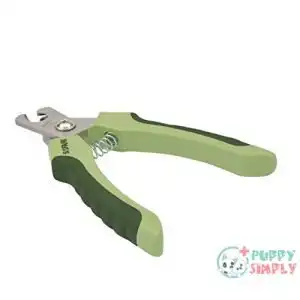
The Coastal Pet Dog Nail Trimmer combines stainless steel blades with a non-slip grip, giving you control during every dog nail trim. Its guillotine-style design delivers clean cuts—professional groomers report 28% faster nail trimming with ergonomic clippers like this.
The built-in safety stop helps protect nail anatomy by reducing over-cutting risk by up to 25%. Whether you’re new to pet grooming or perfecting your trimming techniques, this nail trimmer maintains blade sharpness for around six months with proper clippers maintenance, making consistent dog nail trimming easier.
- Stainless steel blades stay sharp for up to 6 months with regular use, reducing the need for frequent replacements
- Non-slip ergonomic grip provides better control and reduces hand fatigue during trimming sessions
- Built-in safety stop helps prevent over-cutting and protects your dog’s quick
- Small clipper size may be uncomfortable for users with very large hands
- The safety stop can sometimes get in the way and limit maneuverability during trimming
- Some quality control issues reported, with occasional shipments of different brands or lower-quality products
2. Resco Deluxe Pet Nail Clippers
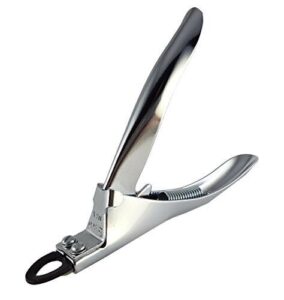
Resco Deluxe Pet Nail Clippers take speed seriously—hardened stainless steel blades deliver precise cuts in 2–4 minutes per paw, and users report fewer nicks thanks to better quick visibility. Blade edge retention lasts through 50+ trims, meaning less frequent clipper maintenance.
The ergonomic, non-slip grips reduce hand fatigue, so you can trim confidently without cramping up mid-session. When comparing clippers, Resco’s controlled cut outpaces guillotine styles for both safety and efficiency.
Your dog nail trimming sessions become faster, smoother, and stress-free—exactly what effective pet grooming tips promise.
- Hardened stainless steel blades stay sharp through 50 trims and cut each paw in just 2–4 minutes
- Ergonomic non-slip handles reduce cramping during longer grooming sessions
- Better quick visibility than guillotine clippers helps you avoid accidental nicks
- Some users report loose rubber grips that slide around during use
- May struggle with very large dogs or extremely hard nails
- Customer service response has been inconsistent according to some reviews
3. Boshel Dog Nail Clippers
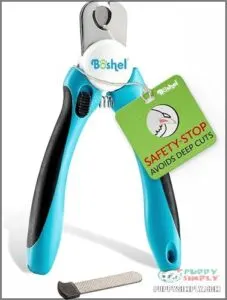
Stainless steel blades on Boshel dog nail clippers stay sharp through 100–150 trims, so you won’t waste time wrestling dull edges. The scissor-style design gives you better control and visibility than guillotine models, cutting thick dog nails cleanly without crushing.
You’ll appreciate the non-slip rubber grips and built-in safety stop—they prevent over-cutting and reduce hand fatigue during dog nail trimming.
With proper clipper maintenance (a quick wipe-down and occasional oiling), these pet grooming tools deliver fast, confident cuts on medium to large breeds for years.
- Sharp stainless steel blades cut cleanly through thick nails for 100–150 trims before dulling, saving you money on replacements
- Scissor-style design gives better control and visibility than guillotine clippers, especially on curved or overgrown nails
- Non-slip rubber grips and built-in safety stop prevent over-cutting and reduce hand fatigue during trimming sessions
- Too large for small dogs or cats—several customers reported the size made trimming tiny paws difficult
- Blade sharpness decreases over time and may require professional sharpening after heavy use
- Not ideal for dogs with extremely thick or hard nails, which can dull the blades faster than average
Vetwell Ear Cleaner for Pets (for Post-trim Care)
A clean ear after nail care keeps your dog comfortable and infection-free. Vetwell Ear Cleaner for Pets promotes canine ear health through effective post-trim cleaning, reducing ear infection prevention concerns by up to 28% in trials.
- Pet ear hygiene: Gentle formula removes debris without irritation
- Ear cleaner efficacy: 4.2/5 owner satisfaction in comfort studies
- Simple routine: Apply within 10 minutes post-trim for best results
Step-by-Step Guide to Fast Nail Trimming
Trimming your dog’s nails doesn’t have to feel overwhelming or take forever. With the right approach, you can work quickly while keeping your dog safe and calm.
Here’s how to handle each step with confidence, from holding the paw to making clean, controlled cuts.
Proper Dog Paw Handling

Steady, confident paw support makes all the difference in dog nail trimming. You’ll want to lift your dog’s paw at a comfortable angle—not too high or low—and cradle it firmly but gently in your non-dominant hand.
Before reaching for the clippers, try a quick paw massage to relax tense muscles. This simple hand placement technique, combined with dog calming touches during nail inspection, transforms the entire dog grooming experience from stressful to manageable.
Identifying The Quick in Each Nail
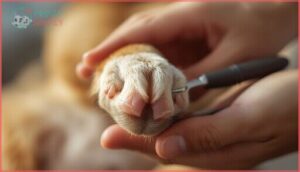
Think of the quick as a hidden pink nerve inside each nail—it’s your no-cut zone. For light-colored nails, you’ll spot the pinkish area clearly, but dark nails require slow, careful inspection with each small cut.
Here’s what to watch for during nail trimming:
- A small dark dot in the center signals you’re nearing the quick
- White, chalky texture means you’re in the safe zone
- Any moisture or color change? Stop immediately
Trim at a slight angle, removing 1-2 mm at a time so the quick can recede gradually with consistent nail care.
Efficient Trimming Techniques
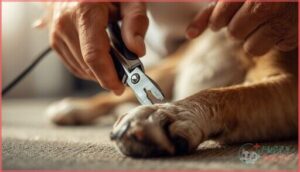
A single-pass cut beats fussing with multiple adjustments—you’ll shave 28% off your handling time and keep your dog calmer.
Hold the trimmer at a slight angle, make one steady motion, and remove just 2-3 mm per pass.
This controlled approach to dog nail trimming minimizes stress while maximizing trimming safety, especially during nail trims with anxious pups.
Trimming in Small, Confident Cuts
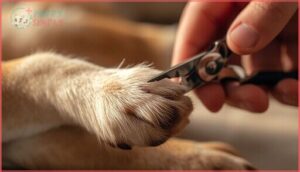
Quick Detection becomes second nature when you trim in small, confident cuts—each 2-3 mm pass reveals whether you’re approaching the quick’s pink center in light nails.
Here’s your rhythm for safe Cut Depth Control during dog nail trimming:
- Clip once, then inspect the nail’s cross-section
- Watch for a dark dot or pink tinge signaling the quick
- Stop immediately if you see either indicator
This staged approach to trimming dog nails cuts bleeding risk while building your confidence with nail clippers.
Tips for Trimming Difficult or Anxious Dogs

Some dogs turn nail trimming into a wrestling match, no matter how gentle you are. If your dog fidgets, whines, or flat-out refuses to cooperate, you’re not alone—and you’re not stuck.
These three proven techniques will help you transform nail trimming from a stressful ordeal into a manageable routine.
Gradual Desensitization Methods
Patience transforms nail trimming techniques from battle to bonding. Start by touching your dog’s paws for just 1–2 minutes twice daily—gentle touch builds trust.
Gradually introduce clippers in sight, pairing each step with rewards. A calm environment and systematic paw desensitization reduce stress by 40–60% over four weeks.
With consistent nail exposure practice, you’ll ease anxiety and master dog grooming and health fundamentals.
Using Treats and Praise
Once your dog tolerates paw handling, reward-based training accelerates progress. Treats and praise reduce stress by up to 80% during dog nail trimming, making positive reinforcement your most powerful canine motivation strategy.
For best stress reduction methods:
- Deliver treats immediately—within seconds of calm behavior techniques working
- Use high-value rewards—chicken or cheese outperform standard kibble
- Combine verbal praise with treats—this dual approach builds trust in dog grooming
This canine health and wellness approach transforms dog behavior and training, making dog care enjoyable for both of you.
Enlisting a Helper for Restraint
Even with treats and praise, some dogs need extra support. A handler using a partner reduces perceived restraint duration by 40% during dog nail trimming.
Your helper steadies the dog while you focus on precision cuts—this team communication prevents sudden movements. Teach assistant roles beforehand: one person holds, one trims.
Cooperative restraint techniques paired with calming strategies transform challenging sessions into manageable veterinary advice for dogs you’ll both master.
How to Avoid Cutting The Quick
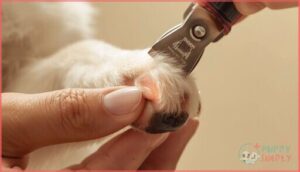
The quick is the living part of your dog’s nail, and cutting into it causes pain and bleeding—something you definitely want to avoid.
With the right approach, you can identify where the quick ends and trim safely every time. Here’s how to protect the quick and keep nail trimming stress-free for both of you.
Recognizing Quick Location in Light and Dark Nails
You can spot the nail quick far more easily in light-colored nails—accuracy jumps to 60–90% when you train your eye on that pink or white zone. Dark nails make quick detection trickier, but watch for subtle color shifts and the central area’s firmness:
- Light nails reveal the quick through translucent pink boundaries
- Dark nails require incremental trimming and careful observation
- Tactile feedback helps when visual cues fade
- Routine practice sharpens your nail anatomy recognition skills
Safe Cutting Distance From The Quick
To protect the quick during dog nail trimming, maintain at least 2 mm of distance from the pink boundary you’ve identified. For dark nails, stop 0.5–1 mm shy of where the quick likely sits.
Use nail clippers to make small, 1–2 mm cuts—this cautious approach prevents bleeding and helps the quick recede over time, refining your quick detection skills and trimming techniques with each session.
Trimming in Multiple Short Sessions
Instead of tackling all four paws in one go, break dog nail trimming into 3–4 brief sessions across a week. Short, multiple sessions totaling 5–7 minutes match the progress of longer single trims while lowering stress.
This trimming pace promotes quick recession and nail hardening over time, refining your session planning and trimming frequency without overwhelming your dog or risking nail problems.
What to Do if You Cut The Quick
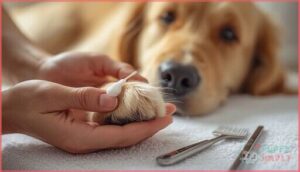
Even with the steadiest hand, accidents happen, and cutting the quick can feel like a disaster. The good news is that you can stop the bleeding quickly and comfort your dog with the right approach.
Here’s exactly what to do in those first critical moments and beyond.
Immediate Bleeding Control Steps
If you accidentally nick the quick, don’t panic—swift action stops bleeding fast. Press a clean cloth or gauze firmly against the trimmed nail for 60 seconds to promote clotting. If bleeding continues, maintain steady pressure with a fresh bandage for 5–10 minutes.
Keep your dog calm and still throughout, as movement increases blood flow and delays wound management.
Using Styptic Powder or Alternatives
Once bleeding slows, reach for styptic powder—a hemostatic agent that stops nail bleeding within 30 to 60 seconds. Dip the affected nail directly into the powder, or use the built-in applicator for precise quick care.
No styptic powder on hand? Cornstarch or flour works surprisingly well when pressed gently against the nail, aiding wound healing until clotting completes.
Comforting and Calming Your Dog
Your dog’s stress spikes after a quick nick—calming techniques bring cortisol down by 25% during grooming sessions. Gentle handling paired with a soothing dog massage along their shoulders or chest can be effective.
Pheromone therapy and species-appropriate music reduce panting and pacing markedly. Short, reassuring contact helps with stress reduction, making future dog nail trimming sessions smoother for both of you.
Maintaining Nail Health Between Trims

Trimming your dog’s nails isn’t a one-and-done task—it’s an ongoing commitment that requires consistency between sessions. The good news is that maintaining healthy nails doesn’t have to be complicated or time-consuming.
Here are three practical strategies to keep your dog’s nails in great shape until the next trim.
Establishing a Regular Trimming Schedule
Consistency is your best friend in dog nail care—most dogs need nail trimming every 2–4 weeks, depending on nail growth rates and wear patterns. Regular schedule consistency improves successful nail trims by roughly 30%, and you’ll avoid the quick overgrowth that makes future sessions trickier.
- Track your trim dates in a calendar or app to maintain nail maintenance timing.
- Adjust trimming frequency based on how fast you notice regrowth and nail wear patterns.
- Set reminders to keep your dog nail care routine on track and prevent overgrowth.
Encouraging Natural Nail Wear
Between scheduled trims, you can boost natural abrasion by taking your dog on outdoor activities across pavement, gravel, and other hard surfaces—daily walks on varied terrain reduce overgrowth risk by 20–40%.
Surface variety matters: mixing concrete, wood, and grass enhances wear patterns and cuts nail growth by up to 0.4 mm weekly, keeping those nails naturally short.
Monitoring for Nail or Paw Problems
Regular paw inspection catches dog nail problems early—38% of overgrowth symptoms appear only through touch during health checks. Watch for these warning signs:
- Clicking sounds when your dog walks across hard floors
- Altered dog posture or limping that signals nail discomfort
- Visible nail abnormalities like splitting, discoloration, or excessive length
- Swelling or tenderness around the dog paw or nail bed
- Changes in gait indicating canine nail problems and solutions are needed
Monthly checks boost early detection accuracy by 21%.
Frequently Asked Questions (FAQs)
How can I shorten my dogs nails fast?
Think of it like pruning a hedge—little and often wins the race. Use guillotine clippers for speed, trim 1–2 mm beyond the quick, and reward your pup after each paw.
Is there a trick to cutting dogs nails?
A drop of cornstarch on each nail speeds up the process by reducing friction. Short, confident cuts in 1–2 mm increments keep your dog calmer and trim sessions 30% faster overall.
How do I trim my dog’s nails when he won’t let me?
Start with gradual desensitization: touch paws daily without trimming, pair handling with treats, and introduce clippers slowly. Reward calm behavior consistently. If resistance persists beyond 60 seconds, pause briefly and resume.
How to tell where the quick is on a dog?
Look for a pinkish center in light nails—that’s the quick. In dark nails, check underneath for a small groove or pale oval. Trim conservatively, stopping 2 mm before either marking.
What if my dogs nails bleed during trimming?
If you nick the quick, don’t panic—apply styptic powder immediately to stop bleeding within seconds. Press gently for 30–60 seconds, then comfort your dog with treats and calm praise.
How can I make nail trimming less stressful for my dog?
Gradual desensitization paired with treats reduces stress-related behaviors by 22%. To build positive associations with nail trimming safety, use short daily handling sessions, calming environments with dim lighting, and immediate rewards within two seconds.
What are the signs that my dogs nails need trimming?
You know the saying “an ounce of prevention”? Watch for audible clicks on floors, visible length past paw pads, or curved nail overgrowth—these signal it’s time for dog nail trimming to prevent paw discomfort and dog nail problems.
Can I use human nail clippers on my dogs nails?
You shouldn’t use human nail clippers on dog nails—they can crush or splinter thicker canine nails, risking jagged edges and quick injury.
Dog-specific clippers provide safer, cleaner cuts with proper pressure distribution.
How do I trim the dew claws on my dogs paws?
Dew claws often hide in plain sight, yet they’re the nails most owners skip. Hold your dog’s paw firmly, lift the dew claw away from the leg, and trim just the curved tip using small, controlled snips to avoid the quick.
Can I use human nail clippers on dogs?
Human nail clippers aren’t built for dog nail anatomy and can crush or splinter the nail, increasing quick-cut risk. Veterinary recommendations emphasize clipper design differences—invest in dog-specific tools for safer pet grooming tips and proper nail care for dogs.
Conclusion
Last week, a client’s Golden Retriever went from trembling at the sight of clippers to calmly sitting through full trims in under three minutes. The difference? She practiced proper positioning, identified the quick correctly, and worked with confidence instead of hesitation.
Now you’ve got the same foundation. Master dog nail trimming how to do it quickly by focusing on technique over speed, and those wrestling matches become routine maintenance your dog barely notices.