This site is supported by our readers. We may earn a commission, at no cost to you, if you purchase through links.

Picture a dog who once darted after squirrels, now slowing to a gentle walk as their body quietly signals something’s not right. Liver disease doesn’t always announce itself, but its effects ripple through everything from a dog’s appetite to their spark for life.
When the liver struggles, every bite matters—choosing the right dog food for liver disease isn’t about spoiling a picky eater; it can shape the course of their health. With the right nutrition and a bit of expert guidance, you can help your dog regain their strength, one carefully chosen meal at a time.
Table Of Contents
- Key Takeaways
- What is Liver Disease in Dogs?
- Why Nutrition Matters for Liver Health
- Key Dietary Needs for Dogs With Liver Disease
- Prescription Vs. Non-Prescription Dog Foods
- Top 9 Dog Foods for Liver Disease
- Supplements to Support Liver Function
- Monitoring and Managing Diet Over Time
- Frequently Asked Questions (FAQs)
- What food is best for dogs with liver problems?
- Can dogs with liver disease eat rice?
- How to lower dog’s liver levels?
- How often should dogs with liver disease be fed?
- Are homemade liver diets safe for dogs?
- Can exercise impact liver health in dogs?
- What signs indicate improvement in liver health?
- Is liver disease in dogs hereditary?
- Can exercise impact recovery in dogs with liver disease?
- Are homemade diets safe for liver-diseased dogs?
- Conclusion
Key Takeaways
- Feeding dogs with liver disease requires highly digestible, low-copper, and moderate-protein diets tailored to reduce liver workload and support recovery.
- Veterinary guidance is critical in choosing between prescription and non-prescription foods, adjusting protein, copper, sodium, and supplement levels as your dog’s condition changes.
- Antioxidants like vitamin E and selenium, along with carefully selected supplements such as SAMe, play a key role in protecting and supporting liver function.
- Regular vet check-ups and ongoing diet adjustments based on your dog’s progress are essential to managing symptoms and promoting better quality of life.
What is Liver Disease in Dogs?
Liver disease in dogs can develop for many reasons and affects how well their body functions. Recognizing the signs early and understanding what causes liver problems gives you a better chance to help your dog feel their best.
Let’s look at the main things you should watch for and what might be behind these changes.
Common Causes of Liver Disease
In the realm of dog health, liver disease can appear from many directions. Genetic factors such as copper storage disease, environmental risks like exposure to liver toxins, and metabolic disorders often set the stage. Inflammatory responses further disrupt liver function. Even congenital issues or chronic conditions—such as hepatic encephalopathy—can threaten liver health when least expected.
Understanding AP study resources is vital for students, but in canine health, a different kind of education is necessary to tackle liver disease.
Symptoms and Warning Signs
Liver disease rarely wears a name tag, but subtle warning signs do appear. Elevated liver enzymes on routine bloodwork can ring the first bell. Be on the lookout for jaundice signs or vomiting causes that go beyond a simple stomach upset. You may also notice:
- Weight loss and poor appetite
- Swelling or ascites requiring management
- Shifts in energy or behavior.
Conducting a systematic review is essential for understanding the intricacies of liver disease.
How Liver Disease Progresses
Just as subtle warning signs emerge, the journey through Liver Stages is often quiet until late Disease Progression becomes clear.
Over months or even years, liver scarring and cirrhosis development can gradually chip away at liver function.
This slow decline may lead to hepatic failure or hepatic encephalopathy, demanding timely hepatic support to help your dog maintain quality of life.
Why Nutrition Matters for Liver Health

Feeding your dog the right way can make a real difference when liver disease is in the picture. The food you choose can support liver function, ease symptoms, and help your dog feel better day to day.
Here’s what you need to know as you look at the best nutrition options for liver health.
Role of Diet in Managing Liver Disease
Ever wonder why your dog’s bowl matters so much during liver disease? The right Liver Nutrition and Diet Planning do more than fill a stomach—they help drive Hepatic Recovery by easing stress on the liver and bolstering Digestive Health. Thoughtful dietary management protects liver function and sets the stage for canine healing.
The right diet can lighten the liver’s load and spark a dog’s path to healing and renewed vitality
- Boosts detox processes
- Promotes steady energy
- Minimizes harmful buildup
- Bolsters immune health
- Encourages appetite and vitality
Nutrients Essential for Liver Function
Amino acid quality, copper balance, and the antioxidant role of nutrients form the backbone of nutritional management for liver disease. Fatty acids and thoughtful vitamin therapy—especially Vitamin E and selenium—support liver function and strengthen your dog’s natural defenses.
Dietary therapy centers on meeting these needs, giving every cell the right building blocks and bolstering long-term liver health.
Foods to Avoid for Liver Issues
Trouble can brew quietly when dogs consume the wrong foods. High copper intake is risky for those with copper storage disease, while excess sodium levels and a fatty diet can strain liver function.
Processed foods and artificial additives often worsen hepatic encephalopathy and threaten liver health. Smart dietary therapy is about avoiding hidden dangers, not just choosing what’s good.
Key Dietary Needs for Dogs With Liver Disease
Meeting your dog’s nutritional needs becomes even more critical when liver disease is in the picture. The right balance can help protect the liver and support overall health.
Here’s a look at the key dietary factors you’ll want to keep in mind as you choose food options.
Protein Requirements and Sources

Imagine your dog’s liver as a filter needing just the right material—it can’t be clogged or starved. In liver disease, protein levels must be adjusted; not too high, not too low.
Prioritize highly digestible sources like eggs or fish, ensuring your dog absorbs the amino acids required for healing, muscle maintenance, and overall nutrient balance in their dietary therapy.
Sodium and Copper Restrictions
Copper toxicity can quietly undermine Liver Disease Management, much like excess sodium can spark unwanted fluid build-up. For your dog, precise Mineral Balance is vital:
- Limit Sodium Intake below 0.3% dry matter.
- Select Low Copper foods for copper storage disease.
- Tailor Dietary Formulation with veterinary input.
- Monitor Electrolyte Management for hepatic encephalopathy and changing needs.
Importance of Antioxidants and Supplements

Oxidative stress chips away at liver health, yet Antioxidant Benefits like Vitamin E and selenium can throw a protective net over fragile cells. When managed thoughtfully, Liver Supplements and Vitamin Therapy reduce cell damage, bolster recovery, and may even ease hepatic encephalopathy—highlighting the value of Nutritional Supplements for Dogs amid complex Nutrient Interactions.
| Antioxidant Benefits | Liver Supplements |
|---|---|
| Reduces oxidative stress | Bolsters recovery |
| Shields liver cell health | Aids in hepatic function |
| Vitamin therapy options | Nutrient interactions |
Easily Digestible Foods
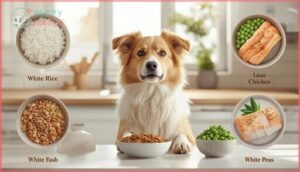
Think of easily digestible foods as a gentle hand guiding gut health—essential for dogs battling liver disease. Prioritize Liver Friendly choices that support Nutrient Absorption and soothe sensitive stomachs. Look for these in dog food formulas:
- Digestible Carbs, like white rice
- Hydrolyzed proteins
- Lean chicken breast
- White fish
- Low Food Allergens, such as peas
Prescription Vs. Non-Prescription Dog Foods

Finding the right food for a dog with liver disease can feel overwhelming with so many choices available. Some dogs need a prescription diet, while others might do well with certain non-prescription foods. Here’s a closer look at the options your veterinarian might recommend next.
When Prescription Diets Are Needed
Occasionally, your dog may need a Prescription Diet—especially when liver disease brings severe hepatic encephalopathy or requires precise Copper Management. Hepatic Formulas support Ammonia Control and recovery beyond what over-the-counter food can offer. Following Veterinary Guidance ensures you address individual needs through Veterinary Care and Dietary Therapy.
| Condition | Why Prescription Diets? |
|---|---|
| Hepatic Encephalopathy | Ammonia Control |
| Copper Accumulation | Copper Management |
| Progressive Liver Disease | Veterinary Guidance Required |
| Severe Symptom Flare-ups | Hepatic Formulas Essential |
Over-the-Counter Options for Milder Cases
For many dogs, mild liver disease can be managed at home with Mild Liver Diets and targeted OTC Supplements. Options like Nutro Natural Choice and other Liver Support formulas focus on easily digested proteins, low copper, and balanced antioxidants for well-rounded Dog Nutrition. The right hepatic care keeps your dog’s tail wagging and appetite steady.
| Product Name | Key Benefit | Suitability |
|---|---|---|
| Nutro Natural Choice | Mild Liver Diets | Early-stage cases |
| OTC Liver Support | Antioxidant boost | Mild impairment |
| MCT-rich Formula | Better digestion | Hepatic Care |
| Selenium Blend Food | Reduced oxidation | Overall wellness |
Choosing The Right Food With Veterinary Guidance
While over-the-counter foods offer support, partnering with your veterinarian in Veterinary Nutrition ensures nutrient balance and safe food trials—especially if liver disease complications like hepatic encephalopathy arise. Most dogs thrive with dietary adjustments guided by expert veterinary care.
| Benefit of Guided Care | Practical Outcome |
|---|---|
| Custom Hepatic Diets | Healthier clinical response |
| Regular Reassessment | Safer dietary therapy |
Top 9 Dog Foods for Liver Disease
With so many dog foods out there, it’s important to choose options that truly support liver health. Below, you’ll find nine choices that meet the key needs of dogs with liver disease.
Let’s take a look at what might work best for your dog.
1. Hills Liver Care Dog Food
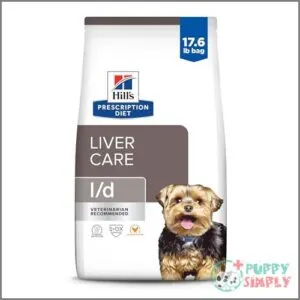
Could Hills Nutrition be just what your dog’s liver needs? Hills Liver Care Dog Food stands out in Prescription Diets for its customized approach to Hepatic Support. With controlled, highly digestible protein and low copper, it helps lessen your dog’s liver workload—ideal for chronic Liver Disease and even cases of Hepatic Encephalopathy.
This Chicken Flavor formula integrates antioxidants for immune health. Used under veterinary supervision, Hills Prescription Diet pairs practical Canine Nutrition with clinical research to support fragile liver function.
Best For: Dogs with liver disease or compromised liver function that need gentle, targeted support as recommended by a veterinarian.
- Specially designed to support liver health with controlled protein and low copper levels
- Contains antioxidants to boost the immune system and overall wellness
- Helps promote a urinary environment that lowers the risk of stone formation
- Pricey compared to regular dog foods and may not fit all budgets
- Large kibble size can be difficult for smaller breeds to eat comfortably
- Only comes in limited bag sizes, which some owners find inconvenient
2. Natural Chicken Dog Food

When you’re searching for a dog food that feels close to home cooking, natural chicken dog food steps up. Lean chicken protein gives your dog digestible energy without straining the liver, while natural ingredients and added nutrients help support digestive health and overall liver function.
Brands high in nutrient balance and free of artificial additives offer comfort for dogs with liver disease, and a true Liver Health Formula can be a gentle, tasty option—especially in milder cases or as your veterinarian suggests.
Best For: Dogs of all ages needing balanced, gentle nutrition, especially those with mild to moderate liver issues, when supervised by a vet.
- No artificial colors, flavors, or preservatives, and made with non-GMO, high-quality natural ingredients.
- Chicken protein supports digestibility and energy while being easy on the liver.
- Added vitamins and minerals help maintain overall wellness and coat quality for dogs of any age.
- Some dogs may need a slow transition or experience digestive upset at first.
- Not suitable for all dietary restrictions or severe liver disease cases needing a prescription formula.
- Can be more expensive and may not be found in every local store.
3. Eukanuba Large Breed Weight Control Food
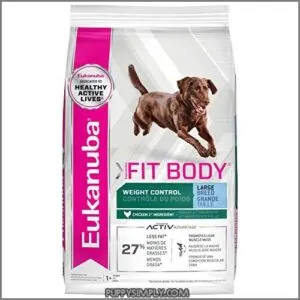
Precision matters when choosing for large breeds with liver disease. Eukanuba Large Breed Weight Control Food delivers on weight management and lean muscle support, thanks to balanced protein and controlled fat. Still, it’s not purpose-built for liver nutrition or hepatic encephalopathy, and its mineral profile may not meet every food restriction.
For breeds prone to liver issues, you’ll want to weigh digestibility and nutrient balance alongside breed considerations, ideally under your vet’s guidance to guarantee peak digestive health and canine nutrition.
Best For: Large breed adult dogs who need help managing their weight and maintaining joint and muscle health, but do not have specialized liver conditions.
- Supports lean muscle mass and joint health with high-quality protein and added glucosamine.
- Promotes brain and overall active lifestyle with DHA, vitamin E, and controlled fat.
- Designed for overweight-prone large breeds with balanced nutrition and L-carnitine.
- Not tailored for dogs with liver disease or specific liver-related dietary needs.
- Premium price and sometimes hard to find in stores.
- May not be effective for every dog’s weight management or health goals.
4. Royal Canin Hepatic Dog Food
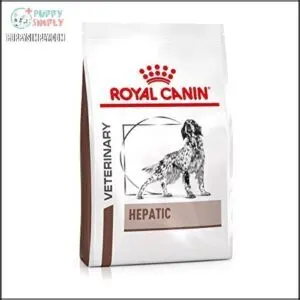
Regarding Hepatic Diet solutions, Royal Canin Hepatic Dog Food excels in providing targeted Liver Support in canine nutrition. With carefully restricted copper and sodium, it helps protect liver cells—essential for dogs battling liver disease or hepatic encephalopathy.
High caloric density means even picky eaters get enough energy in smaller meals, while antioxidants support immune health.
This prescription formula, designed around Hepatic Care, is most suitable when your veterinarian recommends specialized dog nutrition for long-term Liver Care and stable digestive well-being.
Best For: Adult dogs diagnosed with liver disease or copper storage disease who need targeted dietary management under veterinary guidance.
- Supports healthy liver function with restricted copper and controlled sodium.
- High energy density for smaller, easier-to-digest meals.
- Includes antioxidants and prebiotics for immune and gut health.
- Requires a veterinary prescription and is not suitable for all dogs.
- Higher cost compared to standard dog food options.
- Large kibble size may not work well for smaller breeds.
5. Purina Hydrolyzed Salmon Dog Food
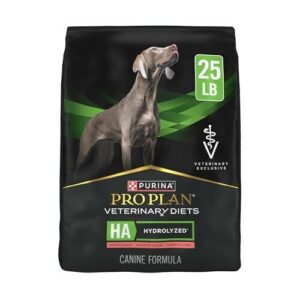
Regarding Liver Nutrition, Purina Hydrolyzed Salmon Dog Food excels with its customized approach to Hepatic Support and Digestive Health. You’ll find hydrolyzed proteins that help reduce allergenicity, plus a fish-based formula that eases your dog’s digestion.
With balanced copper and energy levels, this prescription option is especially useful for ongoing Liver Care. It’s a demonstration of Pet Nutrition and Wellness backed by Veterinary Care for Dogs—making it an excellent choice for managing Liver Disease with both comfort and efficacy.
Best For: Dogs with food sensitivities, liver conditions, or gastrointestinal issues, especially those needing a prescription diet and veterinary guidance.
- Hydrolyzed, high-quality fish protein supports digestion and reduces allergic reactions.
- Specially balanced energy, copper, and fat levels make it ideal for liver care.
- Highly digestible formula promotes better nutrient absorption and healthy skin and coat.
- More expensive than regular dog foods and only available with a prescription.
- Not suitable for dogs without specific dietary or medical needs.
- May not show significant improvement in every dog and requires veterinary monitoring.
6. Light Weight Management Dog Food
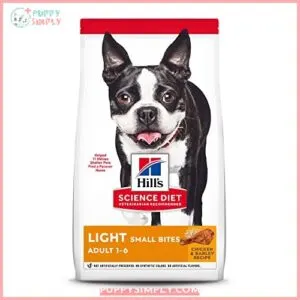
For dogs with liver disease, a light weight management dog food can be as practical as it’s protective. These low-fat diets emphasize calorie control and nutrient balance, supporting weight loss through portion management and steady energy.
Some hepatic support dog food formulas offer high-fiber recipes to help your dog feel satisfied and prevent hunger pangs between meals. This type of nutritional support also helps achieve a healthy weight, but also safeguards liver health—a powerful one-two punch for ongoing liver care.
Best For: Adult dogs who need to manage their weight, especially those with big appetites or liver health concerns.
- Promotes healthy weight loss with low calories, high fiber, and L-carnitine.
- Packed with quality protein and omega-6 for muscle, skin, and coat support.
- Made in the USA and is the #1 veterinarian-recommended option.
- Not all dogs like the taste, which can make the transition challenging.
- Tends to be pricier than many regular dog food brands.
- Some reports of quality control issues and possible manufacturing inconsistencies.
7. Healthy Weight Dog Food Formula
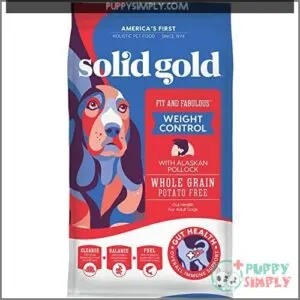
Imagine finding a formula that handles Weight Management and Liver Support in one scoop—this is what a Healthy Weight Dog Food Formula aims to deliver. Designed for Nutrient Balance and controlled Caloric Intake, this diet suits liver disease in dogs with customized protein and fat.
Research shows that Dietary Adjustments with hepatic support dog food can stabilize weight and ease appetite control. With high fiber and key nutrients, this option assists Dog Health and Wellness while addressing the challenges of liver disease care.
Best For: Dogs of all breeds and ages that need help managing weight, improving digestion, or supporting liver health, especially those with sensitive stomachs.
- Promotes healthy weight with a low-fat, high-fiber, and low-calorie recipe
- Supports gut health and immune system with added probiotics and superfoods
- Helps maintain a shiny coat and healthy skin with omega fatty acids
- Some dogs may experience stomach upset or diarrhea during transition
- Considered pricey by some customers for the amount provided
- Packaging does not include a resealable zipper, which may affect freshness
8. Blue Buffalo Adult Dog Food
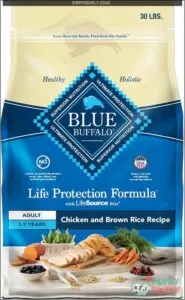
If you’re seeking a dog food with balanced Protein Levels and conscious Nutrient Balance for liver disease, Blue Buffalo Adult Dog Food is worth considering. Its real chicken foundation offers high-quality protein and promotes Digestive Health, and the use of natural antioxidants appeals to those looking for Antioxidant Benefits.
While not formulated specifically for hepatic cases, moderating Copper Content and monitoring your dog’s response—preferably under veterinary supervision—ensures Blue Buffalo fits well into a thorough Canine Nutrition and Diet strategy for Dog Health and Wellness.
Best For: Adult dogs needing balanced, high-quality protein with natural ingredients—especially those whose owners want to support immune health and digestion, but who do not require a prescription hepatic diet.
- Real chicken is the first ingredient, with no poultry by-product meals or common fillers.
- Includes antioxidants and LifeSource Bits to promote immune system health.
- Supports strong muscles, healthy coat, and digestion with natural ingredients.
- Not formulated specifically for liver disease, so always consult your vet before use in hepatic cases.
- Typically costs more than many mainstream dog food options.
- Kibble size and flavor may not suit picky eaters or all dog breeds.
9. Grain Free Small Breed Dog Food
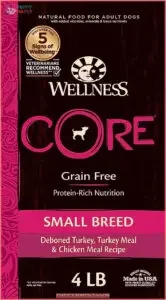
As you weigh options for supporting liver health, grain-free small breed dog foods often claim Grain Free Benefits and specialized Small Breed Needs. These formulas focus on Digestible Ingredients—often peas or lentils—to ease gastrointestinal health and maintain energy.
Yet, regarding true Liver Support, research hasn’t shown a consistent advantage over grain-inclusive choices. Nutrient Balance remains key. Always check copper and sodium levels, and let dietary therapy be guided by your veterinarian to guarantee you’re meeting your dog’s unique needs.
Best For: Small breed adult dogs needing a grain-free, high protein diet, especially those with sensitive stomachs or specific ingredient intolerances.
- Grain-free formula supports dogs with grain sensitivities.
- Smaller kibble is easier for small breeds to chew and digest.
- Packed with proteins, probiotics, and healthy fats for skin, muscle, and digestive support.
- Contains chicken, a potential allergen for some dogs.
- Reports of stomach upset, including diarrhea and vomiting, in some dogs.
- Grain-free isn’t proven superior for liver support and may raise energy density risks if overfed.
Supplements to Support Liver Function

Along with a balanced, vet-approved diet, certain supplements play a meaningful role in supporting your dog’s liver health. These extras can help protect liver cells and keep essential functions running smoothly.
Here’s a closer look at the top options vets often recommend.
Vitamin E and Selenium Benefits
Antioxidant allies—Vitamin E and selenium—bring powerful Liver Protection to the table for dogs facing liver disease. Thoughtful Selenium Dosage and consistent Vitamin E Supplements help shield fragile liver cells from Oxidative Stress.
For many, Nutritional Therapy rich in Antioxidants directly aids Oxidative Stress and Liver Health, giving your dog’s recovery a strong, evidence-based foundation.
S-adenosylmethionine (SAMe) for Liver Health
Building on the power of antioxidants, S-adenosylmethionine (SAMe) steps in as a trusted hepatic support and liver health supplement. SAMe benefits your dog by boosting glutathione for liver detox and aiding the methylation process, both key for cell repair.
With nutritional therapy for liver disease, consistent SAMe use strengthens antioxidant defenses—highlighting core dietary considerations for liver health.
Other Common Liver Support Supplements
The realm of liver health supplements isn’t limited to just SAMe—options like Silybin (from Silymarin) offer real benefits by improving enzyme profiles.
Omega fatty acids, especially omega-3s, support inflammation control, while zinc therapy promotes copper management.
The antioxidant role of these supplements, alongside branched-chain amino acids, rounds out a thorough approach to canine liver disease.
Monitoring and Managing Diet Over Time

Staying on top of your dog’s diet is key when managing liver disease. Over time, you may need to make adjustments based on their progress and your vet’s advice.
Here’s what you should keep in mind as you go.
Regular Veterinary Check-Ups
When your dog faces liver disease, routine Check-Up Schedules serve as your first line of defense. Veterinary Care, including frequent Liver Tests and Health Monitoring, offers early insight into changes.
These Follow-Up Appointments are key to managing Dog Health and Nutrition, helping your veterinarian tailor Veterinary Care and Advice that meets the evolving needs of Liver Disease in Dogs.
Adjusting Diet Based on Progress
As you work through Diet Progression, it’s essential to routinely assess Liver Enzymes and partner closely with your veterinarian. Hepatic Monitoring helps fine-tune Nutrition Therapy—sometimes the right Dietary Adjustments or careful Protein Restriction prevent complications.
Responsive Nutritional Management assists your dog’s Liver Disease journey, ensuring Dietary Therapy for Pets remains customized, effective, and grounded in expert Veterinary Care for Liver Disease.
Owner Tips for Feeding and Observation
Think of Diet Monitoring like reading subtle cues in a conversation—small changes in appetite, weight, or energy may signal a needed adjustment. Rely on simple Feeding Strategies, like smaller, frequent meals, and use Observation Techniques, such as daily owner notes or food diaries, to inform Nutrition Planning.
Regular communication with your veterinarian is the backbone of successful Nutritional Management and Dietary Therapy for Pets.
Frequently Asked Questions (FAQs)
What food is best for dogs with liver problems?
When managing Liver Disease in Dogs, focus on canine diets with easily digestible, low-copper proteins and moderate fat.
Prioritize foods designed for liver nutrition and customized nutrient supplements.
Avoid food allergens to protect digestive health and overall pet nutrition.
Can dogs with liver disease eat rice?
Like a gentle cushion for a sore stomach, plain cooked rice can be part of a Dog Rice Diet for liver disease, easing digestion and supplying energy.
Pair with medical guidance to balance Rice Nutrition with hepatic carbs, supporting Liver Recovery.
How to lower dog’s liver levels?
To help lower your dog’s liver levels, focus on Nutrient Balance and precision Diet Planning with adequate protein levels, regular Liver Function Tests to monitor changes, and customized Canine Nutrition—often integrating Nutritional Therapy for Liver Disease and gentle detox strategies.
How often should dogs with liver disease be fed?
Feeding schedules for liver disease in dogs aren’t set in stone, but four to five small meals daily can make a world of difference.
This approach aids meal frequency, optimizes nutrient timing, and promotes steadier liver health.
Are homemade liver diets safe for dogs?
Homemade Diet Risks are real—most owners struggle with Nutrient Balance, copper toxicity, and precise dietary restrictions.
Safe Diet Formulation for Liver Disease in Dogs requires veterinary guidance; otherwise, you risk worsening liver issues rather than improving pet nutrition.
Can exercise impact liver health in dogs?
Picture exercise as a gentle tide—when managed wisely, physical activity boosts Liver Function, promotes Gastrointestinal Health in Dogs, and aids Canine Health and Wellness, offering noticeable Exercise Benefits for dogs recovering from or managing Liver Disease.
What signs indicate improvement in liver health?
Improvement in liver health is seen when liver enzyme and bile acid levels normalize, hepatic ultrasound shows better structure, clinical symptoms lessen, and biochemical markers of nutrient metabolism and liver function begin trending in a healthier direction.
Is liver disease in dogs hereditary?
When you look closer at canine health, hereditary factors play a key role in some types of liver disease in dogs. Certain breeds show a clear genetic predisposition, reflecting how inherited traits and liver inheritance shape a dog’s risk.
Can exercise impact recovery in dogs with liver disease?
Gentle, supervised exercise offers real benefits for dogs with liver disease—supporting liver function, maintaining muscle mass, and boosting overall wellness.
The right activity, matched to fitness levels, may improve recovery time and long-term canine health.
Are homemade diets safe for liver-diseased dogs?
If making homemade bread was once roulette, imagine homemade diets for liver-diseased dogs—without precise diet formulation and veterinary guidance, nutrient balance is tricky.
Safety concerns and homemade risks mean commercial dog food better ensures pet nutrition and health.
Conclusion
Managing liver disease can feel like steering through fog, but thoughtful choices brighten the path. Prioritizing dog food for liver disease isn’t just about reading labels—it’s about giving your dog the tools to reclaim their energy and comfort.
Trust your observations, work with your veterinarian, and remember: small nutritional changes can reshape your dog’s future health. Every thoughtful meal nourishes hope, and in the quiet moments, you’ll notice the gentle return of your companion’s spirit.
- https://www.sciencedirect.com/science/article/pii/S2215016122002746
- https://www.merckvetmanual.com/digestive-system/hepatic-diseases-of-small-animals/nutrition-in-hepatic-disease-in-small-animals
- https://www.petdiets.com/
- https://balance.it/
- https://pangovet.com/?utm_source=dogster&utm_medium=article&utm_campaign=dog_infection_illness