This site is supported by our readers. We may earn a commission, at no cost to you, if you purchase through links.

Your dog hits adulthood around 12 months. Their nutritional needs shift completely. Puppies need growth fuel. Adults need maintenance support. Feed them the wrong formula and you’ll see dull coats, low energy, or weight problems within weeks.
The protein percentage that built strong bones now risks obesity. The calorie load that powered growth now packs on pounds. Most owners miss this shift entirely. They stick with puppy food too long or jump to adult formulas too fast. Both mistakes cost you—in vet bills, in your dog’s vitality, and in years off their life.
Choosing the right dog food for adult dogs means understanding protein levels, ingredient quality, and portion control that matches your dog’s actual lifestyle.
Table Of Contents
Key Takeaways
- Switch from puppy to adult dog food around 12 months because protein and calorie needs shift completely—feeding the wrong formula causes dull coats, low energy, weight problems, and shorter lifespans.
- Adult dogs need 18-25% protein and 8-18% fat based on activity level, with fiber at 3-5% for gut health and proper nutrient absorption.
- Look for whole-food ingredients with real meat as the first component and avoid artificial preservatives like BHA and BHT, which appear in 22% of mainstream kibble.
- Feed adult dogs two meals daily spaced 8-12 hours apart, measure portions with scales or cups for accuracy, and transition between foods gradually over 10-14 days to prevent digestive upset.
Best Dog Food for Adult Dogs: Top 7 Brands
Your dog deserves food that keeps them healthy and happy without breaking the bank. We’ve narrowed down seven brands that deliver solid nutrition for adult dogs at various price points.
Here’s what made our list and why each one stands out.
1. Pedigree Adult Dry Dog Food
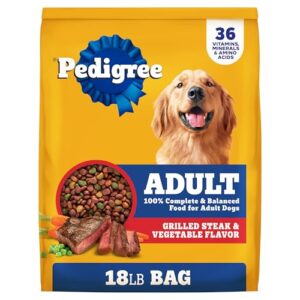
Pedigree Adult Dry Dog Food delivers complete nutrition for your dog’s wellness. This kibble quality formula meets AAFCO standards with 18–22% protein and 8–12% fat. It promotes lean muscle and healthy digestion through added fiber and prebiotics. The Steak & Vegetable flavor appeals to many dogs.
Pedigree Nutrition includes 36 vitamins and minerals for daily adult feeding needs. This dry dog food ranks among popular dog food brands for budget-conscious pet care tips.
Be aware it contains corn and meat byproducts, which may not suit dogs with sensitivities.
| Best For | Dog owners looking for an affordable, complete daily food that supports muscle health and digestion in adult dogs without special dietary needs. |
|---|---|
| Primary Ingredient | Steak |
| Age Range | Adult |
| Form | Dry Kibble |
| Skin & Coat Support | Omega 6 & Zinc |
| Weight | 18 Pounds |
| Digestive Support | Prebiotic Fiber |
| Additional Features |
|
- Contains 36 vitamins, minerals, and amino acids plus prebiotics for healthy digestion and skin
- High-quality protein (18–22%) helps maintain lean muscle mass in active adult dogs
- Budget-friendly option that meets AAFCO standards for adult maintenance nutrition
- Contains corn and meat byproducts that may trigger allergies or sensitivities in some dogs
- Includes artificial preservatives like BHA, which some owners prefer to avoid
- Not suitable for dogs with specific dietary restrictions or sensitive stomachs requiring grain-free options
2. Blue Buffalo Adult Dog Food
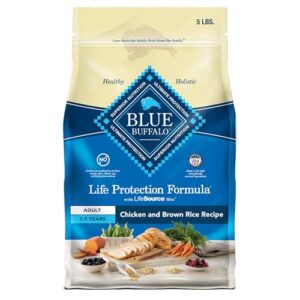
Blue Buffalo Adult Dog Food stands out among dog food brands with 27% protein and 16% fat in its Chicken and Rice formula. This adult dog food features real chicken as the first ingredient and no poultry by-products.
You’ll find LifeSource Bits in every bag—antioxidant-rich kibbles that support dog wellness and immune health. The omega fatty acids promote healthy skin and coat.
Blue Buffalo recipes meet adult nutrition needs without corn, wheat, or soy. Pet food reviews consistently rank it high, though the premium price and adjustment period matter for some dogs.
| Best For | Dog owners looking for a premium food with real chicken and natural ingredients who don’t mind paying more for quality nutrition. |
|---|---|
| Primary Ingredient | Chicken |
| Age Range | Adult |
| Form | Dry Kibble |
| Skin & Coat Support | Omega-3 & 6 |
| Weight | 5 Pounds |
| Digestive Support | Yes |
| Additional Features |
|
- Real chicken as the first ingredient with 27% protein and no poultry by-products, corn, wheat, or soy
- LifeSource Bits provide antioxidant support for immune health while omega fatty acids promote healthy skin and coat
- Consistently high rankings in pet food reviews and strong customer satisfaction scores
- Higher price point than many competing brands, typically ranging from $0.80 to $2.50 per pound
- Some dogs may need a 7-14 day transition period to avoid digestive upset when switching to this food
- Packaging lacks convenience features like resealable ziploc closures
3. Purina One Chicken Dog Food

While Blue Buffalo commands a premium, Purina One Chicken Dog Food offers solid nutrition at mid-range pricing. You’ll get 22% protein with real chicken leading the ingredient list. The formula meets AAFCO standards for adult maintenance and includes omega fatty acids for coat health.
Purina nutrition testing ensures consistency across batches. Best dog food ratings often place it high for value. Watch for food recalls affecting any brand—Purina’s safety record mirrors industry standards.
If your dog has chicken-based dog allergies, you’ll need alternative proteins. Otherwise, it’s reliable adult dog food for everyday feeding.
| Best For | Dog owners looking for affordable, vet-backed nutrition with real chicken and balanced ingredients for healthy adult dogs without specific dietary restrictions. |
|---|---|
| Primary Ingredient | Chicken |
| Age Range | Adult |
| Form | Kibble |
| Skin & Coat Support | Omega-6 Fatty Acids |
| Weight | 31.1 Pounds |
| Digestive Support | Prebiotic Fiber |
| Additional Features |
|
- Real chicken as the first ingredient with 22% protein that meets AAFCO standards for adult maintenance
- Mid-range pricing around $48 for a 31-pound bag makes it accessible without sacrificing quality
- Includes omega fatty acids, prebiotics, and glucosamine for skin, digestion, and joint support
- Contains grains like corn or wheat that won’t work for dogs with grain sensitivities or allergies
- Not suitable for dogs with poultry allergies since chicken is the primary protein source
- Some users report the kibble can be dusty when pouring from the bag
4. Nutrish Real Beef Dog Food
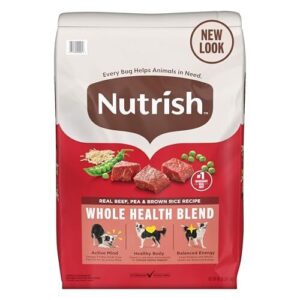
Nutrish Real Beef Dog Food shifts protein sources while keeping affordability in check. You’ll find 26-28% protein on a dry matter basis with real beef as the first ingredient. The formula includes omega-3 fatty acids and a vitamin blend for immune support. Calorie density runs 320-360 kcal per cup—suitable for weight management when portioned correctly.
High-quality protein from beef reduces dog allergies compared to chicken-based formulas. Dog food reviews note good palatability and digestible fiber around 3-5%. Best dog food ratings recognize it as solid mid-range nutrition with no artificial preservatives.
Monitor food recalls through FDA alerts for any brand you feed.
| Best For | Dog owners looking for an affordable, beef-based formula with real meat as the first ingredient and no artificial preservatives—especially good for dogs sensitive to chicken. |
|---|---|
| Primary Ingredient | Chicken |
| Age Range | Adult |
| Form | Granule |
| Skin & Coat Support | Natural Ingredients |
| Weight | 30.3 Pounds |
| Digestive Support | Natural Ingredients |
| Additional Features |
|
- Real beef as the #1 ingredient delivers 26-28% protein for lean muscle maintenance
- Includes omega-3s, vitamin C, and antioxidants to support immune health and digestion
- Mid-range pricing makes it accessible without sacrificing quality or natural ingredients
- May not work for dogs with grain or pea sensitivities since it includes brown rice and peas
- Some reports of packaging issues and loose stools due to higher oil content
- Kibble size might be too small for larger breed dogs who need bigger pieces
5. Kibbles n Bits Dog Food
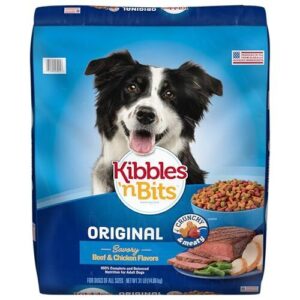
Kibbles n Bits Dog Food targets budget-conscious owners with its savory beef and chicken blend. You’ll find 23 essential vitamins and minerals in the crunchy kibble plus meaty bits texture. Pet nutrition facts show it provides complete and balanced nutrition for adult dogs.
Dog food ingredients include antioxidants for immune support and coat health. Dog food comparisons place it in the economy tier—affordable but not premium quality.
Dry dog food like this requires careful portion control. Check kibbles recall history periodically and read dog food reviews before purchasing from dog food brands and manufacturers.
| Best For | Budget-conscious dog owners looking for an affordable, complete nutrition option for their adult dogs. |
|---|---|
| Primary Ingredient | Beef |
| Age Range | Adult |
| Form | Dry |
| Skin & Coat Support | Omega-3 Fatty Acids |
| Weight | 40 Pounds |
| Digestive Support | Whole Health Blend |
| Additional Features |
|
- Contains 23 essential vitamins and minerals plus antioxidants for immune support and healthy coat
- Dual-texture kibble with crunchy bits and meaty pieces that many dogs find appealing
- Made in the USA with complete and balanced nutrition at an economy price point
- Only suitable for adult dogs, not formulated for puppies or senior pets
- Some customers report quality control issues with the product
- Economy-tier formula may not meet the standards of premium dog food brands
6. Purina One Turkey Venison Dog Food
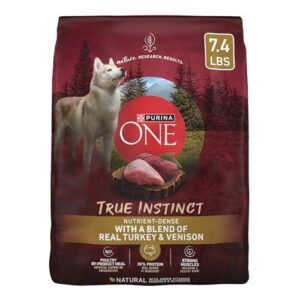
Real turkey as the number one ingredient sets Purina One Turkey Venison apart in dog food reviews. Turkey venison provides novel protein options for picky eaters. You get 30% protein to build strong muscles and support your dog’s heart health.
Pet nutrition research shows this formula includes glucosamine for joint support and omega-6 fatty acids for coat shine. Dog food ingredients contain no artificial flavors or fillers—just vitamins and minerals your adult dog needs.
Pet owner tips recommend it for active dogs needing balanced energy.
| Best For | Dog owners looking for a high-protein formula with novel meat sources to support active adult dogs’ muscle maintenance, joint health, and coat quality. |
|---|---|
| Primary Ingredient | Chicken |
| Age Range | Adult |
| Form | Pellet |
| Skin & Coat Support | Omega-6 Fatty Acids |
| Weight | 16.5 Pounds |
| Digestive Support | Prebiotic Fiber |
| Additional Features |
|
- Real turkey and venison as primary proteins deliver 30% protein content for strong muscle support and heart health
- Includes glucosamine for joint support plus omega-6 fatty acids that promote healthy skin and a shiny coat
- No artificial flavors, preservatives, or fillers—just complete nutrition with added vitamins and minerals
- Not suitable for dogs requiring grain-free diets or those with specific grain sensitivities
- Some dogs may not accept the kibble texture, and piece sizes can vary in uniformity
- Price point of $16.68 for 7.4 lbs may be higher than budget-friendly alternatives
7. Iams Proactive Health Dog Food
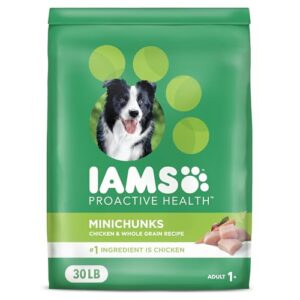
Chicken and wholesome grains anchor Iams Proactive Health Dog Food for balanced Adult Dog Food nutrition. You’ll find 26% protein and 12% fat to support lean muscle and steady energy in your dog.
The formula delivers Proactive Health Benefits through natural fiber and prebiotics that ease digestion. Large Breed Support comes from customized calcium levels for strong bones. Omega fatty acids promote coat health per the Dog Food Guide standards.
If Dog Food Allergies concern you, check the Iams Nutrient Profile carefully. Senior Dog Care options exist within the line for aging pets needing extra joint support.
| Best For | Adult dogs needing a budget-friendly formula that supports muscle maintenance and digestive health with quality protein and fiber. |
|---|---|
| Primary Ingredient | Chicken |
| Age Range | Adult |
| Form | Pellet |
| Skin & Coat Support | Omega-3 & 6 |
| Weight | 15 Pounds |
| Digestive Support | Natural Ingredients |
| Additional Features |
|
- Contains 26% protein from chicken and egg to maintain lean muscle mass in active adult dogs
- Natural fiber blend with prebiotics and beet pulp supports healthy digestion and consistent stool quality
- Balanced omega-6 and omega-3 fatty acids promote healthy skin and a shiny coat
- Includes grain fillers like corn and sorghum that may trigger sensitivities in some dogs
- Contains by-product meals that are less digestible than whole meat sources
- Requires gradual 7-10 day transition period to avoid gastrointestinal upset when switching foods
Key Nutritional Needs for Adult Dogs
Your dog’s diet isn’t one-size-fits-all. Adult dogs need the right balance of protein, fat, fiber, and calories to stay healthy and energized.
Let’s break down what your dog really needs based on their weight, activity level, and breed.
Recommended Protein and Fat Levels

Your dog’s protein requirements sit at 18-25% on a dry matter basis for healthy maintenance. Fat content should fall between 8-18% depending on your dog’s energy needs. Here’s what to target for ideal canine nutrition:
- Moderate activity dogs thrive on 22-28% high-quality protein
- Active breeds need 25-30% protein to support muscle mass
- Fat levels above 12% suit small breeds with higher metabolism
- Protein-to-fat ratios around 3:1 balance energy needs effectively
- AAFCO-compliant formulas guarantee proper nutrient balance
Monitor your dog’s body condition and adjust portions accordingly.
Importance of Fiber and Digestibility

Getting nutrients from food to your dog’s bloodstream depends on digestibility and fiber working together. Fiber at 3-5% aids gut health and stool quality without blocking nutrient absorption. Too little fiber causes loose stools, while too much reduces the digestibility of high-quality protein and fats. Targeting moderate fiber levels ensures steady energy and a thriving microbiome. Understanding AP study resources can help dog owners appreciate the importance of balanced nutrition.
| Fiber Level | Effect on Digestion |
|---|---|
| Very low ( 8%) | Impaired nutrient absorption, bloating |
| Grain-free varied | Mixed results on digestive health |
Essential Nutrients for Breed-specific Health

Your dog’s breed shapes its nutritional requirements more than you might expect. Working breeds need 25-30% protein to maintain muscle mass. Large breeds benefit from a calcium-to-phosphorus ratio near 1.2:1 for bone health. Fatty acid balance at 1:5 omega-3 to omega-6 promotes coat and skin. Taurine and L-carnitine prevent cardiomyopathy in predisposed breeds.
Tailoring breed-specific nutrition optimizes canine health and nutrition across life stages. Understanding the main theme development concepts is essential for effective communication about dog nutrition.
Calorie Requirements by Weight and Activity

Beyond breed traits, your dog’s weight and activity levels determine daily calorie needs. A 10 kg moderately active dog requires roughly 800 kcal per day. Dogs over 50 kg may need 1800–3500 kcal depending on exercise. Energy requirements shift with age and lifestyle.
- Dogs under 10 kg usually need 450–800 kcal daily
- Moderately active dogs require 1.3–1.6x their resting energy
- Highly athletic dogs may need 2.0–3.0x maintenance calories
- Weight management programs reduce intake by 15–25%
- Sedentary dogs need only 1.0–1.2x resting energy
How to Choose The Right Dog Food

Picking the right food means knowing what’s actually in the bag and how it fits your dog’s daily life. Not all ingredients are created equal, and some additives can do more harm than good.
Let’s walk through what to look for and what to skip when you’re standing in that pet food aisle.
Whole-food Vs. By-product Ingredients
Your dog’s body thrives on quality protein sources, and ingredient lists tell the story. Whole-food ingredients—real meat, fish, vegetables—deliver enhanced digestive health and nutrient balance compared to by-products. Premium brands featuring high-quality protein as the first ingredient support better food safety and overall dog nutrition and health.
While grain-free options exist, both grain-inclusive and grain-free formulas can excel when built on whole-food foundations rather than processed by-products.
Avoiding Artificial Additives and Toxic Ingredients
Beyond whole-food protein, you’ll want to steer clear of artificial preservatives like BHA and BHT, which appear in roughly 22% of mainstream kibble.
Additive-free diets minimize toxic ingredient risks from synthetic chemicals and undisclosed processing aids.
Look for naturally preserved, non-GMO formulas with transparent ingredient lists—sustainably sourced options support both dog food ingredients and safety and your dog’s long-term natural nutrition without the guesswork.
Matching Food to Your Dog’s Lifestyle
Once you’ve locked down clean ingredients, your next move is aligning nutrition planning with dog activity level. About 42% of pet owners adjust kibble within the first year based on exercise versus rest days. Active dogs need higher fat and protein to fuel endurance, while sedentary pups thrive on lighter formulas. Here’s how lifestyle feeding shapes pet wellness:
- Match calorie density to daily exercise intensity
- Use breed-specific formulas for joint or weight concerns
- Monitor coat and energy as feeding strategies evolve
- Consult your vet for customized dog diet and nutrition advice
- Adjust portions to maintain ideal body condition score
Special Dietary Options for Adult Dogs

Not every adult dog thrives on standard kibble. Some need grain-free formulas, while others do better with specific ingredients to manage allergies or weight.
Let’s walk through the most common dietary options so you can match your dog’s needs with the right food.
Grain-free Vs. Grain-inclusive Diets
You’ve probably heard conflicting advice about grain-free diets. Recent research shows no consistent health advantage over grain-inclusive options for most dogs. Both diet types deliver balanced pet nutrition when properly formulated.
Grain benefits include digestible fiber that aids healthy digestion. True food allergies to grains are uncommon—protein sources trigger reactions more often.
Choose based on your dog’s individual needs, not marketing hype. Diet comparison studies confirm nutrient balance matters more than grain content alone.
Focus on your dog’s unique needs—nutrient balance matters far more than grain content or marketing trends
Formulas for Sensitive Stomachs and Allergies
Does your dog struggle with chronic digestive upset or itchy skin? Food allergies and sensitive stomachs affect 10–15% of dogs with atopic-like symptoms. Here’s what works:
- Limited ingredient diets with single protein sources reduce allergen exposure
- Hydrolyzed proteins break down potential triggers for better tolerance
- Grain-free options may help, though protein sources cause most reactions
- Essential fatty acids decrease skin inflammation markers by 15–20%
- Allow 12–16 week trials to properly assess new formulas
Foods for Weight Management
Trimming your dog’s waistline starts with calorie control and portion management. Weight-loss formulas provide 22–28% protein to preserve lean mass during fat reduction. Target 0.5–1.0% bodyweight loss per week for safe results.
Measure portions daily and cap healthy snacks at 10% of intake. Prescription dog food may help stubborn cases. Reassess every 4–8 weeks to fine-tune your dog diet and nutrition plan.
Diets for Dogs With Medical Conditions
Medical nutrition transforms canine therapeutics when health monitoring reveals kidney disease, food allergies and sensitivities, or digestive disorders. Prescription dog food customized for these canine health issues reduces symptoms in 60–75% of cases within 8–12 weeks.
Dietary modifications require veterinary guidance to adjust protein, fat, and minerals safely. Track progress every 4–8 weeks to fine-tune your weight management or therapeutic plan.
Feeding Tips for Adult Dog Health

Feeding your adult dog the right way matters just as much as choosing quality food. Small adjustments to portion sizes, food transitions, and feeding routines can prevent digestive issues and keep your dog at a healthy weight.
Here’s what you need to know to feed your adult dog for long-term health.
Portion Control and Serving Guidelines
You can’t eyeball your dog’s meals and expect consistent results. Portion control is the foundation of sustainable weight management. Here’s what you need to know:
- Daily feeding: Adult dogs need 20-30 kcal per pound for moderate activity
- Meal frequency: Split total calories into 2-3 meals to reduce overfeeding risk by 25%
- Serving sizes: Use measuring cups or kitchen scales for 70% better accuracy
- Calorie intake: Cross-reference brand feeding schedules with your dog’s actual energy needs
- Dog food advisor ratings: Choose 4-star formulas and adjust portions by 5-10% increments based on weekly weight checks
Consistent portions tied to body condition scoring keep your dog diet on track.
Transitioning Between Dog Food Types
Switching foods the wrong way triggers diarrhea in 15-25% of adult dogs. A gradual shift over 10-14 days cuts vomiting by 22% and keeps digestive health stable. Start with 25% new food for three days, then increase incrementally.
Protein switching and fiber adjustment need the same slow approach. Grain shift from grain-free to grain-inclusive reduces upset and backs better nutrition advice long-term.
Mixing Dry and Wet Foods
After you’ve nailed down the shift schedule, you can start mixing dry and wet foods for better digestion and palatability. Mixed textures boost acceptance by 40% in picky eaters while supplying hydration benefits that cut grazing episodes by 15%.
- Replace up to 25% of dry kibble with wet food over 7–10 days
- Adjust portions to maintain daily calorie balance
- Slightly warm wet components to increase voluntary intake
Check Pet Food Reviews and Ratings on Dog Food Advisor to match quality formulas when combining formats.
Monitoring Weight and Adjusting Diet
Once you’ve blended textures, keep an eye on your dog’s waistline with weekly weight tracking. Studies show that a 10% caloric adjustment each week maintains stable weight for moderately active adults. If your dog gains or loses more than 5% body weight over three months, tweak portions right away.
Regular health monitoring catches problems early and keeps nutrient balance on target.
Frequently Asked Questions (FAQs)
When should I switch to senior dog food?
When should your aging companion need different nutrition? Most dogs shift to senior food between ages six and nine.
Large breeds benefit earlier, around six to eight years, while smaller dogs switch closer to seven to nine years.
Can adult dogs eat puppy food occasionally?
You can give your adult dog small amounts of puppy food occasionally. Limit portions to 10-20% of daily calories and monitor weight weekly.
Puppy formulas have higher calories and calcium, risking unwanted weight gain if overused.
How often should I feed my adult dog?
Most healthy adult dogs thrive on two meals daily, spaced 8–12 hours apart. This feeding schedule maintains steady energy, aids digestion, and helps prevent bloat—especially in larger breeds.
Are homemade diets safe for adult dogs?
Homemade diets can work if you follow veterinary guidance and prioritize nutrient balance.
Without proper diet planning and safety precautions, homemade risks include deficiencies that compromise canine dietary needs and pet health and wellness.
Should I rotate different protein sources regularly?
About 40–60% of dog guardians rotate proteins seasonally, and you can too. Protein rotation provides amino acid balance and nutrient variety.
Switch high-quality protein sources every 8–12 weeks using gradual transitions for digestive health.
Conclusion
Your dog’s bowl is the foundation of their health. Fill it with the wrong dog food for adult dogs and everything else crumbles.
You now know which brands deliver results. You understand protein ratios, ingredient quality, and portion control. Apply this knowledge daily.
Watch your dog’s coat shine. Feel their energy surge. See them thrive for years. Their longevity starts with what you choose to feed them today.