
This site is supported by our readers. We may earn a commission, at no cost to you, if you purchase through links.

Your agility champion slows down mid-course. Your hiking partner lags behind on trails they used to dominate. You’ve noticed the shift, but here’s what most owners miss: the culprit isn’t age or laziness—it’s inadequate fuel.
Active dogs burn through calories at rates that would make marathon runners jealous, yet they’re often fed the same maintenance formulas designed for couch-dwelling pets. The gap between their energy output and nutritional input creates a cascade of problems: muscle breakdown, lackluster performance, and that frustrating loss of stamina you can’t explain.
Getting dog food for active dogs right transforms everything—sharper focus during training, faster recovery after intense exercise, and sustained energy that matches their drive. The difference between generic kibble and performance-optimized nutrition isn’t subtle.
Table Of Contents
- Key Takeaways
- Top 7 Dog Foods for Active Dogs
- Key Nutritional Needs of Active Dogs
- Choosing Dog Food for High-Energy Breeds
- Protein’s Role in Canine Performance
- Importance of Fats in Active Dog Diets
- Carbohydrates and Energy for Active Dogs
- Feeding Guidelines for Highly Active Dogs
- Ingredients to Prioritize and Avoid
- Signs Your Active Dog Needs a Diet Change
- Frequently Asked Questions (FAQs)
- What is the best food for an active dog?
- What food is good for hyperactive dogs?
- What is active dog food?
- What is the best dog food for reactive dogs?
- How do I determine the best dog food for my pet?
- What are the benefits of mixing canned and dry dog food?
- How do I identify signs and symptoms of a food allergy?
- How does dehydration affect athletic dog performance?
- Should puppies eat adult performance dog food?
- What supplements benefit dogs in agility training?
- Conclusion
Key Takeaways
- Active dogs need 28-30% protein and 18-20% fat to support muscle repair and sustained energy, significantly exceeding the maintenance formulas designed for less active pets.
- Performance nutrition should deliver 380-450 kcal per cup with animal-based proteins as primary ingredients, since inadequate caloric density forces dogs to eat excessive volumes without meeting energy demands.
- Omega-3 fatty acids (EPA and DHA) at 70-100 mg/kg daily reduce exercise-induced inflammation and protect joint health during repetitive high-impact activity.
- Watch for early warning signs like mid-activity fatigue, unexplained weight loss exceeding 10% body weight, or muscle wasting despite adequate calories—these signal your current food isn’t meeting performance demands.
Top 7 Dog Foods for Active Dogs
Your active dog burns through energy fast, and the right food makes all the difference between a strong finish and hitting the wall.
We’ve evaluated dozens of performance formulas based on protein quality, fat content, and nutrient density to find what actually works.
Here are the seven dog foods that deliver the fuel your athlete needs.
1. High Energy Dog Food Formula
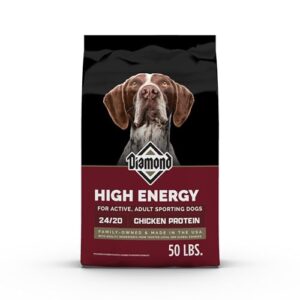
Diamond Hi-Energy Dog Food delivers serious fuel for your hard-working companion. With 24% protein and 20% fat, this formula packs roughly 440 kilocalories per cup—substantially higher energy density than standard kibble.
You’ll find nutrient-dense ingredients like chicken by-product meal supporting performance optimization, while probiotics tackle digestive health head-on. It’s a straightforward choice for active dog health when caloric needs run high.
The glucosamine aids joints during intense activity, and omega fatty acids keep skin and coat thriving despite demanding schedules.
Best For: Dog owners with highly active or working dogs that need extra calories to fuel long days of hunting, running, or outdoor work without packing on bulk.
- High calorie density (around 440 kcal/cup) means your dog gets more energy without eating massive portions, perfect for athletes that can’t afford to feel stuffed.
- Glucosamine and omega fatty acids work together to protect joints and keep coats healthy even when your dog is pushing hard day after day.
- Made in the USA by a family-owned company with probiotics included, so you’re supporting digestive health alongside performance needs.
- At 24% protein, it falls short of the 28-30% that experts recommend for true athletic performance, which might leave serious working dogs wanting more muscle support.
- Customer reviews mention inconsistent digestibility and some dogs just won’t eat it, plus occasional reports of damaged bags or quality issues on delivery.
- Price swings can be unpredictable, making it tough to budget long-term, and it may not work for dogs with specific allergies or sensitivities.
2. High Protein Salmon Dog Food
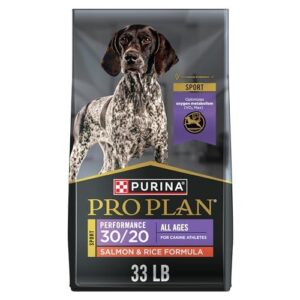
Purina Pro Plan Performance shifts the protein game entirely—salmon delivers all 30% of that high-protein punch while bringing genuine fish oil benefits to the table. Real salmon as the first ingredient means your canine athlete gets complete amino acids for muscle nourishment, plus EPA and glucosamine targeting joint health during hard work.
The 30/20 protein-to-fat ratio fuels endurance without empty calories. Fortified probiotics support digestive resilience when training intensifies.
For omega-rich foods that actually move the performance needle, salmon nutrition checks every box your active dog needs.
Best For: Sporting dogs, hunting breeds, and competitive canine athletes who need sustained energy, lean muscle support, and joint protection during intense activity.
- Real salmon as the first ingredient delivers 30% protein with complete amino acids, EPA for joints, and omega-3s for coat health in one clean package
- The 30/20 protein-to-fat ratio provides concentrated calories and endurance fuel without excess filler, perfect for dogs burning serious energy
- Live probiotics fortify digestive and immune health, which matters when training stress can compromise gut function
- Some dogs experience digestive upset including diarrhea and vomiting, suggesting the formula doesn’t agree with every system
- Price point runs higher than many competitors, making it a tough fit for multi-dog households or tight budgets
- Quality control complaints pop up occasionally, with reports of smaller-than-advertised bags and potential allergen concerns for sensitive dogs
3. Eukanuba Premium Puppy Food Formula
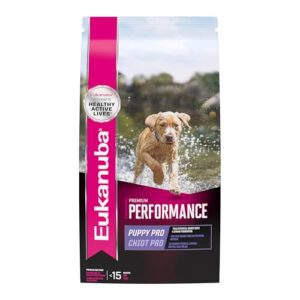
Growing champions demand advanced puppy nutrition—Eukanuba Premium Performance Puppy Pro brings 28% protein and 18% fat to fuel canine development from day one. DHA at 0.23% aids brain growth and trainability while your pup masters new skills.
Glucosamine (396 mg/kg) plus EPA protect joints already handling play and early conditioning. The gastrointestinal complex with prebiotics keeps nutrient absorption sharp when high-energy dog food meets a fast metabolism.
Premium formulas designed for active dogs under 15 months give your future athlete exactly what canine wellness and diet science recommends—nutrient balance that grows performance potential.
Best For: Owners of active, large-breed puppies up to 15 months who want a calorie-dense formula with clinical-grade DHA for brain development and glucosamine for joint support during high-energy growth phases.
- High protein (28%) and fat (18%) with 0.23% DHA support brain development, trainability, and the energy demands of active puppies
- Glucosamine (396 mg/kg) and chondroitin paired with EPA help protect growing joints from stress during play and early conditioning
- Prebiotic fiber complex and highly digestible ingredients promote nutrient absorption and consistent stool quality in fast-metabolism puppies
- Premium price point at $87 for 28 lb with mixed feedback on value, making it a significant investment for puppy owners
- First ingredients include chicken by-product meal and brewers rice, which some owners prefer to avoid in favor of whole-protein sources
- Not grain-free, and some customers report packaging or delivery issues that can affect product condition on arrival
4. High Performance Dog Food Formula
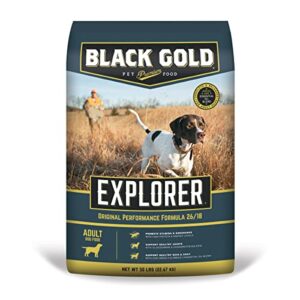
Black Gold Explorer Original Performance 26/18 delivers formula optimization for canine athletes who demand serious energy density—26% protein rebuilds muscle while 18% fat powers stamina through competition and training cycles. Glucosamine supports joint integrity under repetitive impact, and the omega blend keeps skin and coat thriving despite environmental stress.
Performance nutrition here hits 3,870 kcal/kg, letting your dog meet caloric needs without gastric overload. High-energy dog food meets high-protein dog food in a nutrient balance built for canine athleticism and real-world performance dog food results.
Best For: Active and competitive dogs who need high energy density to fuel intense training, endurance work, or athletic performance without eating massive portions.
- Delivers 3,870 kcal/kg with 26% protein and 18% fat, giving working dogs the calories and muscle support they need in a smaller feeding volume.
- Glucosamine and omega fatty acids target joint health and coat quality—two things that take a beating during heavy activity and outdoor work.
- Includes taurine for heart health and prebiotics for digestion, covering the wellness basics that matter for dogs under physical stress.
- Some customers reported mold or spoilage issues, likely from heat and moisture exposure during shipping or storage—a real concern with any high-fat formula.
- May trigger skin problems or digestive upset in dogs with sensitivities to corn, wheat, or certain protein sources in the ingredient list.
- Quality control complaints about busted bags suggest inconsistent packaging, which can compromise freshness before the food even reaches your dog.
5. Purina One Turkey And Venison Dog Food
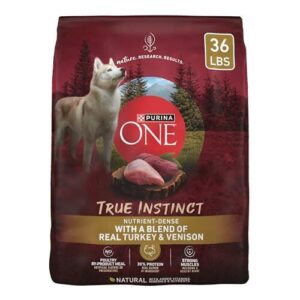
You’ll find 30% protein in Purina One Turkey and Venison Dog Food—real turkey leads the ingredient list, backed by venison for muscle maintenance your active dog demands. Omega-6 fatty acids support skin health, while natural glucosamine sources protect joints during training.
At 4,040 kcal/kg and 365 kcal per cup, this formula delivers energy density without bulk. Dog food reviews highlight digestibility, though some pet owner tips note sensitivity concerns.
Turkey benefits and venison nutrition combine in a performance-focused blend—just consult your vet before switching to any high-energy dog food.
Best For: Active adult dogs who need high protein and calorie-dense nutrition to fuel their energy levels and maintain strong muscles and healthy joints.
- Real turkey as the first ingredient delivers 30% protein to support lean muscle mass and heart health in active dogs.
- High caloric density at 365 kcal per cup means you can feed less volume while meeting energy needs for working or athletic dogs.
- Includes omega-6 fatty acids and natural glucosamine sources to promote healthy skin, coat, and joint function during regular activity.
- Some owners report digestive issues like diarrhea or vomiting when transitioning to this formula, suggesting it may not suit all dogs.
- Quality control complaints occasionally mention issues like bug infestation or inconsistent kibble size across batches.
- Not appropriate for dogs with poultry sensitivities or certain allergies, despite the turkey and venison focus.
6. Merrick Grain Free Duck Dinner
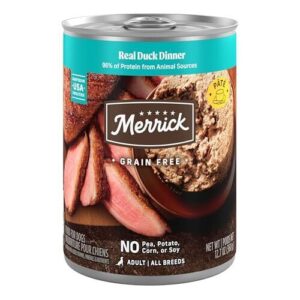
Merrick Grain Free Duck Dinner leads with deboned meat—real duck and duck liver—delivering 96% animal-sourced protein your active dogs need for muscle recovery. Novel proteins like duck suit sensitive athletes, while salmon oil provides omega-3s for joint health.
This wet food offers 358 kilocalories per 12.7-ounce can, supporting high-energy dog food requirements without grain fillers. You’ll appreciate the pea-free, potato-free formula if you’re managing grain-free concerns.
Best dog food choices balance duck nutrition with performance demands—consult your vet to match portions to your dog’s training intensity.
Best For: Active dogs with food sensitivities who need high-quality animal protein without common grains or legumes, especially those who benefit from novel proteins like duck.
- Real deboned duck as the first ingredient with 96% animal-sourced protein supports muscle maintenance and recovery in active dogs
- Grain-free, pea-free, and potato-free formula reduces exposure to common allergens and ingredients linked to some grain-free diet concerns
- Includes salmon oil for omega-3 fatty acids that support joint health, skin, and coat condition in working dogs
- Higher price point compared to conventional wet dog foods may strain budgets for multi-dog households
- Some customers report receiving dented cans or inconsistent quality control with packaging
- Dogs may tire of the single-protein flavor quickly, requiring rotation with other proteins for dietary variety
7. Trout And Salmon Dog Food
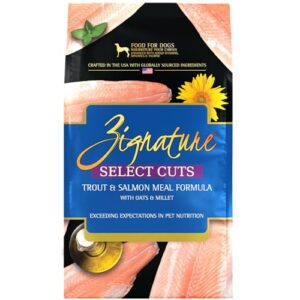
Zignature’s trout and salmon formula delivers 27% protein and 15% fat—solid macros for active dogs—with fish oil benefits like omega-3s supporting joints and coat health. Salmon nutrition shines here, offering approximately 376 kcal per cup to fuel your athlete.
You’ll find trout recipes paired with oats and millet for digestible energy, making this nutrient-dense ingredient choice appealing for high-energy dog food rotations. Sustainable sourcing matters for conscientious owners, though grain-sensitive dogs won’t thrive on this formula.
Match omega-rich foods to your dog’s health and wellness goals through vet consultation.
Best For: Active dogs needing omega-3 support for joints and coat, owners prioritizing fish-based protein rotation, and households seeking limited-ingredient formulas without common allergens like chicken or beef.
- High omega-3 content from salmon and trout supports skin health, coat shine, and joint mobility in athletic or aging dogs
- Strong protein-to-fat ratio (27% protein, 15% fat) provides sustained energy for active lifestyles without excess calories
- Limited-ingredient approach with wholesome grains like oats and millet works well for dogs sensitive to chicken, beef, or synthetic additives
- Contains grains (oats, millet), making it unsuitable for dogs with grain allergies or owners seeking grain-free options
- Premium fish-based formulas typically cost more per pound than chicken or beef diets, which some buyers find prohibitive
- Individual dogs may reject the fish flavor or experience itching if they have undiagnosed salmon sensitivities
Key Nutritional Needs of Active Dogs
Your active dog isn’t just burning calories—they’re breaking down muscle, depleting energy stores, and demanding more from every system in their body. Standard dog food won’t cut it when performance and recovery are on the line.
Here’s what your high-energy companion actually needs to stay strong, energized, and ready for whatever comes next.
Protein Requirements for Muscle Repair
Your active dog’s muscles take a beating during intense activity, and protein intake is the cornerstone of muscle recovery. While basic maintenance diets offer around 45 grams per 1,000 calories, athletic dogs need considerably more—often exceeding 75 grams to support proper amino acid delivery and tissue repair.
High-protein dog food with nutrient-dense ingredients ensures ideal protein density, fueling canine health and nutrition through excellent nutrient balance. Providing a diet rich in high quality protein is essential for supporting their muscle growth and recovery.
Healthy Fats for Sustained Energy
Fat metabolism powers your dog through marathons, not sprints. Unlike carbs that burn fast, lipid oxidation delivers sustained energy—endurance athletes can pull up to 60% of their fuel from fat. For true working dogs, diets reaching 35% fat on a dry matter basis enhance performance without the crash.
High-energy dog food with elevated fat content trains your dog’s muscles to mobilize free fatty acids efficiently, sparing glycogen for explosive moments when it counts. Understanding the fat metabolism process is vital for enhancing a dog’s diet and performance.
- Omega benefits: EPA and DHA modulate post-exercise inflammation and support joint recovery
- Fatty acid balance: Aim for ratios around 5:1 to 10:1 (n-6:n-3) to minimize oxidative stress
- Energy sources: Medium-chain triglycerides offer rapid absorption for cognitive and physical demands
- Nutrient-dense ingredients: Marine oils and quality animal fats deliver concentrated, metabolizable fuel
Carbohydrates for Quick Energy
When your dog hits the field, glycogen storage determines whether they finish strong or fade early. Carbohydrate sources like sweet potatoes and brown rice fuel rapid energy release at different digestion rates—simple starches spike glucose fast, while complex carbs with moderate fiber content provide steadier power.
High-energy dog food balances these for peak performance. Nutrition for active dogs means matching carb quality to workload intensity.
Essential Vitamins and Minerals
Beyond macros, your active dog depends on twelve vitamins—including A, D, E, K, and the B-complex—plus macrominerals like calcium, phosphorus, and magnesium to drive metabolism and muscle contraction.
Trace minerals such as zinc and selenium boost antioxidant role and nutrient absorption, countering exercise stress. Mineral deficiency or poor bioavailability factors derail performance fast.
Nutrient-dense ingredients in high-energy dog food deliver vitamin balance that keeps dog health and wellness on track.
Choosing Dog Food for High-Energy Breeds
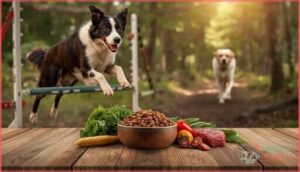
Picking the right food for your high-energy dog isn’t just about grabbing the bag with the highest protein number—it’s about matching nutrition to your dog’s actual daily demands.
A Border Collie training for agility competitions has vastly different needs than a Labrador who goes on weekend hikes, and getting this wrong can leave your dog dragging or packing on unwanted pounds.
Here’s how to nail the perfect match for your dog’s unique energy output and body.
Matching Calorie Content to Activity Level
Generally, your dog’s calorie calculation starts with their resting energy requirement—about 70 × (body weight in kg)^0.75—then multiplies by an activity factor. Light work dogs need roughly 2 × RER, while heavy exercise can push requirements to 6 × RER.
An active 20 kg dog often needs 1,060–1,540 kcal daily. Matching high-energy dog food to these performance metrics prevents weight loss and maintains nutrient balance for ideal canine health.
Understanding Breed-specific Needs
Your retriever’s food motivation isn’t just a training quirk—Golden and Labrador Retrievers run 10% higher in appetite drive than most breeds, making obesity and taurine-linked cardiac risks genuine threats.
Breed nutrition demands you match genetic factors with dietary restrictions: 96% of Goldens with grain-free DCM reversed course after diet change.
Canine development and health risks vary wildly across high-energy dog food choices, so tailor canine health strategies to your dog’s lineage.
Considering Dog Size, Weight, and Life Stage
Your 15-pound terrier puppy and 90-pound adult shepherd can’t thrive on identical formulas—size, weight, and life stage feeding dictate caloric density and nutrient profiles.
Puppy nutrition for large breeds demands controlled calcium to prevent orthopedic disease, while senior care drops energy needs 10–60%.
Weight management in active dogs requires metabolic calculations: young adults need 103 kcal/kg daily versus 85 kcal/kg for geriatric athletes, making breed specifics and high-energy dog food choices critical.
Protein’s Role in Canine Performance
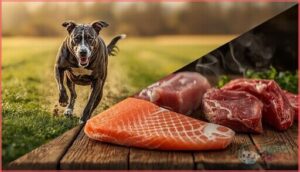
Protein isn’t just another nutrient on the label—it’s the foundation of every muscle contraction, every recovery session, and every ounce of endurance your active dog builds. But not all proteins fuel performance the same way, and the source matters as much as the percentage.
Protein fuels every muscle contraction and recovery session in your active dog, but the source matters as much as the percentage
Here’s what you need to know about choosing the right protein to keep your dog strong, fast, and ready for anything.
Importance of High-quality Protein Sources
Protein quality matters more than quantity when fueling your active dog. High-quality animal proteins deliver excellent amino acid profiles and protein digestibility above 80%, ensuring maximum nutrient absorption for muscle repair and performance.
Here’s what sets premium proteins apart:
- Complete essential amino acids (lysine, methionine, leucine) your dog can’t produce alone
- Reduced fecal waste from efficient nutrient-dense ingredients
- Better training outcomes seen in working dogs fed high-protein dog food from meat sources
Choose protein quality for real results.
Animal Vs. Plant-based Proteins
You might assume animal proteins always outperform plant options, but recent research challenges this. When comparing properly formulated diets, protein digestibility rates for both sources overlap considerably—wheat gluten hits 93.8% while some chicken by-product meals reach only 82.6%. The key difference lies in amino acid profiles. Plant proteins may need complementary ingredients to match meat’s complete essential amino acids, particularly methionine and lysine.
| Factor | Animal Proteins | Plant Proteins |
|---|---|---|
| Digestibility Rates | 82.6–93.8% | 84–94% |
| Amino Acid Profile | Complete naturally | Requires balancing |
| Environmental Impact | Higher resource use | Lower carbon footprint |
Both protein sources can fuel active dogs when formulated correctly with nutrient-dense ingredients.
Protein Recommendations for Athletic Dogs
Dial up your dog’s performance by choosing HighProtein Dog Food that delivers at least 25–30% protein from meat sources. That’s the ideal spot for Muscle Recovery and peak Canine Nutrition.
For Active Dogs, total Protein Intake matters more than precise Protein Timing—spread out meals, focus on complete Amino Acid profiles, and let HighEnergy Dog Food fuel every leap, sprint, and adventure.
Importance of Fats in Active Dog Diets
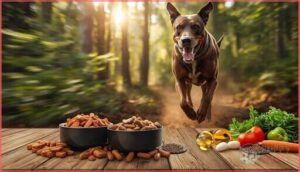
Fat isn’t just a backup fuel—it’s your active dog’s primary energy source during sustained exercise. While protein repairs muscles and carbs provide quick bursts, fat powers your dog through long runs, training sessions, and competitive events.
Let’s look at which fats matter most, how much your performance dog actually needs, and why fat does more than just fuel movement.
Types of Healthy Fats for Dogs
Not all fats fuel your dog the same way—choosing the right types makes the difference between sustained performance and empty calories. When you’re shopping for high-energy dog food, look for these key fat sources:
- Omega-3 fatty acids (EPA and DHA) from fish oil protect heart rhythm, reduce joint inflammation, and support cognitive function
- Omega-6 fatty acids like linoleic acid keep skin and coat healthy while reducing fatal cardiac events
- Medium-chain triglycerides provide quick-burning energy and improve memory in senior athletes
Balance matters for nutrient-dense ingredients and fatty acid balance.
Fat Content in Performance Dog Food
Performance dog food turns regular kibble into a powerhouse by packing 18–22% fat—nearly double standard maintenance diets. This elevated fat intake boosts energy density without bloating your dog’s belly before work.
Racing sled dogs burn through 800–900 grams of dietary fats daily during extreme endurance events, fueling canine endurance when carbohydrates fall short. Your high-energy dog food should match this intensity for peak performance.
Fat’s Role in Hormone Production and Metabolism
Your dog’s fat intake quietly orchestrates a hormonal symphony that controls everything from insulin sensitivity to inflammation. Adipose Tissue functions as an Endocrine Function powerhouse, secreting hormones that govern Energy Balance and Fat Metabolism in active breeds.
High Energy Dog Food leverages these mechanisms through:
- Optimized n-6:n-3 fatty acid ratios (around 5:1) that reduce inflammatory eicosanoid production
- Enhanced insulin signaling for improved glucose uptake
- Balanced leptin and adiponectin secretion supporting Hormone Regulation
- Thyroid hormone support maintaining metabolic rate
Strategic fat composition in HighProtein formulas directly impacts Dog Nutrition and Health by meeting Nutrient Requirements that standard diets miss.
Carbohydrates and Energy for Active Dogs

You’ve probably heard that protein and fat fuel your active dog, but carbohydrates deserve credit too. They’re your dog’s go-to source for quick energy bursts during intense activity and help restore depleted glycogen stores after exercise.
Here’s what you need to know about choosing the right carbs and balancing them with other nutrients.
Glycogen Replenishment and Quick Energy
When your active dog pushes through intense work, muscle glycogen stores drop fast—and that’s where carbohydrates shine. Studies in sled dogs show glycogen synthesis kicks in within four hours after carbohydrate supplementation, restoring the quick energy reserves your dog burned during performance.
Post-exercise nutrition with maltodextrin or digestible starches accelerates muscle recovery and prepares glycogen stores for the next training session, supporting sustained high energy metabolism in performance dog food formulas.
Sources of Digestible Carbs
Your dog’s body runs best on carbs it can actually use. Commercial dog foods pack 30–60% carbohydrates, with high-energy formulas leaning on nutrient-dense ingredients for active dogs.
- Grain options: Rice, corn, and barley deliver over 95% starch digestibility
- Starch sources: Brown rice and wheat supply quick-burning fuel
- Legume benefits: Peas and lentils offer steady glucose release
- Tuber nutrition: Potatoes and tapioca provide grain-free alternatives
- Carbohydrate digestibility: Extruded kibbles boost absorption above 90%
These sources power dog nutrition needs without digestive drama.
Balancing Carbs With Protein and Fat
Finding the right macronutrient balance separates okay nutrition from true performance nutrition. Your athletic dog thrives on about 30% protein, 50% fat, and 20% carbohydrates—a formula that drives energy optimization while supporting recovery.
This dietary flexibility lets you fine-tune portions for intense workdays versus rest periods. Nutrient timing matters too: feed one-third of your dog’s protein-packed, nutrient-dense ration at least three hours before hard work to boost high-energy output.
Feeding Guidelines for Highly Active Dogs
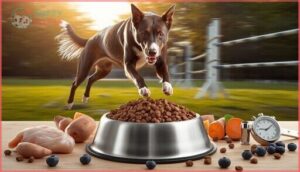
Figuring out how much to feed your active dog isn’t guesswork—it’s a science that directly impacts their performance and health. The right feeding strategy accounts for their energy expenditure, training schedule, and individual metabolism.
Here’s how to dial in their nutrition with precision.
Determining Daily Caloric Needs
Your active dog’s caloric intake depends on work intensity and body weight—not guesswork. Start with their resting energy requirement using 70 × body weight^0.75, then multiply by an activity factor.
Light work needs about 2× RER, while racing sled dogs demand extreme energy requirements up to 8× or more.
Always conduct dietary assessments and adjust nutrient-dense ingredients based on performance and body condition.
Meal Timing and Frequency
Most adult dogs thrive on two meals daily, stabilizing energy and digestive health. For active dogs, split the ration so one-third comes at least three hours before strenuous exercise to prevent GDV risk.
Post-exercise, offer nutrient-dense ingredients within four hours to kickstart glycogen replenishment. Consistent feeding schedules also support circadian rhythms, keeping high-energy dogs sharp and ready to perform.
Adjusting Portions for Training and Competition
During heavy competition, you’ll need to double or even triple portions—some sled dogs hit 15,000 kcal daily. Scale caloric intake to match work intensity: multiply baseline needs by two for light training, three for moderate runs, and up to six for extreme events.
Monitor body condition weekly and adjust portion control accordingly, ensuring energy balance maintains performance optimization without unwanted weight gain in athletic dogs.
Ingredients to Prioritize and Avoid
What you put in your dog’s bowl matters just as much as how much you’re feeding. The right ingredients fuel performance, protect joints, and keep your dog running strong—while the wrong ones can sabotage their energy and health.
Here’s what to look for on the label and what to leave on the shelf.
Animal Proteins and Organ Meats
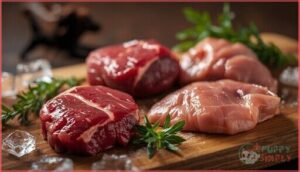
Your dog’s diet should lean heavily on whole-animal proteins—think muscle meat, liver, heart, and kidney. Organ meats pack remarkable nutrient density: liver delivers bioavailable iron and B vitamins, while heart supplies taurine that aids cardiac function.
Aim for roughly 10% organ content in raw feeding approaches to optimize micronutrient intake without risking vitamin A toxicity. These protein-packed, nutrient-dense ingredients fuel high energy performance naturally.
Omega Fatty Acids and Joint Support

Active dogs face joint stress that demands strategic omega-3 intervention—EPA and DHA from fish oil dial down canine inflammation while supporting cartilage integrity. Target roughly 70–100 mg/kg daily of combined omega-3s for meaningful joint health gains:
- Aim for omega-6:omega-3 ratios under 10:1 to minimize inflammatory pathways
- Prioritize marine sources like salmon oil over plant-based alternatives
- Pair omega-3s with glucosamine for complementary joint support
- Monitor improvements in mobility and reduced stiffness within 6–8 weeks
These nutrient-dense ingredients protect performance longevity.
Artificial Additives and Fillers to Avoid

Your active dog deserves better than a laboratory experiment in every bowl. Synthetic preservatives like BHA and ethoxyquin—banned in some countries yet still lurking in budget kibbles—raise carcinogenic red flags, while artificial colors and humectants like propylene glycol serve zero nutritional purpose.
Low-value fillers (corn, wheat, soy) dilute nutrient-dense calories your athlete needs. Scan labels ruthlessly; toxic ingredients compromise pet nutrition and sabotage performance.
Choose healthy dog food options that fuel, not hinder.
Signs Your Active Dog Needs a Diet Change
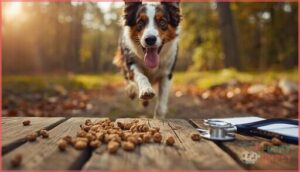
Your dog’s body will tell you when their current food isn’t cutting it anymore. Performance issues, physical changes, and overall health signals can all point to nutritional gaps that need addressing.
Here’s what to watch for—and why these signs matter for your active dog’s diet.
Low Energy or Poor Performance
When your dog drags through training or quits mid-run, food might be the culprit. Energy deficits and nutrient imbalances directly sabotage dog performance, leaving even healthy athletes struggling with exercise intolerance.
Watch for these fatigue factors:
- Refusing activities they normally love – sudden disinterest signals nutritional needs aren’t met
- Hitting a wall early – exhaustion before the workout ends points to inadequate fuel
- Slow recovery – lingering tiredness after exercise suggests performance issues rooted in diet
Weight Fluctuations or Muscle Loss
Your dog’s body is a truth-teller. Unplanned weight loss—more than 10% over a few months—signals serious trouble, particularly when muscle mass vanishes alongside fat. Studies link inadequate protein (below 28% crude protein) directly to muscle wasting and fat accumulation, even at identical calorie levels.
| Warning Sign | What It Means | Action Needed |
|---|---|---|
| Visible ribs, protruding spine | Body condition score dropping below 4/9 | Increase calorie density immediately |
| Sunken temples, flat shoulders | Sarcopenia—muscle loss despite adequate weight | Boost high-quality animal protein sources |
| Weight cycling up and down | Nutrient imbalance or inconsistent feeding | Stabilize portions, assess protein deficiency |
| Soft muscles, reduced bulk | Protein deficiency compromising lean mass | Switch to nutrient-dense ingredients (30%+ protein) |
Don’t wait for obvious emaciation. Active dogs burning serious energy need protein-packed, high-energy formulas to prevent muscle breakdown during performance.
Coat, Skin, and Digestive Health Issues
Your dog’s skin and gut broadcast distress signals that standard kibble can’t fix. If you’re seeing chronic itching, dull coat, or loose stools, you’re likely dealing with fatty acid imbalances or low-digestibility proteins.
Skin allergies affect up to 15% of dogs, often triggered by nutrient-deficient formulas.
Switch to nutrient-dense ingredients rich in omega-3s and digestive enzymes—gut health and coat quality improve within 6–8 weeks when you feed the right fuel.
Frequently Asked Questions (FAQs)
What is the best food for an active dog?
Your pup’s boundless drive deserves fuel that matches it—performance formulas packing 30% protein and 20% fat deliver the nutrient balance and energy needs that transform everyday dog nutrition into championship-level canine wellness.
What food is good for hyperactive dogs?
For hyperactive dogs, consider lower-protein formulas enriched with omega-3s and L-tryptophan to support calming through dietary therapy.
Avoid artificial colorings and high-glycemic carbohydrates that may heighten excitability, prioritizing energy balance and behavioral modification through targeted nutrition.
What is active dog food?
Think of it as rocket fuel for your pup’s lifestyle.
Active dog food is an energy-dense formula engineered to deliver 380–450 kilocalories per cup—markedly more protein and fat than standard maintenance diets require.
What is the best dog food for reactive dogs?
Look for formulas with omega-3s, tryptophan, and probiotics—they support calming neurotransmitters and gut health. Hypoallergenic options help if food sensitivities trigger reactive behavior.
Always consult your vet before switching diets.
How do I determine the best dog food for my pet?
Decoding pet nutrition basics isn’t rocket science—it’s about reading dog food labels like a detective.
Match nutrient requirements to your dog’s activity level, monitor their health response, and adjust feeding strategies accordingly for best results.
What are the benefits of mixing canned and dry dog food?
Mixed feeding boosts hydration benefits through canned food’s 75–78% moisture content while maintaining dry kibble’s dental benefits.
You’ll improve palatability scores, digestive comfort, and nutrient balance—especially valuable when your active dog needs flexible energy intake.
How do I identify signs and symptoms of a food allergy?
Your dog may be food-allergic if persistent itching targets the ears, paws, or belly—often paired with soft stools, vomiting, or excessive gas.
Nonseasonal pruritus management and skin irritation signal allergic reactions worth investigating through food allergy testing.
How does dehydration affect athletic dog performance?
Even mild dehydration—just 1-2% body weight loss—triggers heat stress, reduces cardiovascular efficiency, and impairs your athletic dog’s endurance and focus.
Maintaining proper water intake and electrolyte balance prevents performance decline during high-energy activity.
Should puppies eat adult performance dog food?
No—performance formulas designed for adult maintenance rarely meet the stricter calcium, phosphorus, and protein requirements puppies need.
Growth stage considerations demand puppy-specific nutrition to prevent developmental health issues and nutrient deficiencies.
What supplements benefit dogs in agility training?
Your agility star thrives on omega supplements for joint support, probiotics for gut resilience, and L-carnitine for muscle recovery.
These targeted boosts help maintain high energy, improve performance dog nutrition, and provide an antioxidant boost during intense training sessions.
Conclusion
Generic kibble keeps your dog moving. The right dog food for active dogs unlocks their full potential. You’ve seen the evidence—targeted nutrition rebuilds muscle faster, sustains energy longer, and sharpens performance when it matters most.
Your high-energy companion doesn’t need excuses about age or breed limitations. They need fuel that matches their drive. Choose formulas built for athletes, adjust portions to their workload, and watch them reclaim the stamina you thought they’d lost.
- https://www.lancasterpuppies.com/pet-advice/how-to-feed-very-active-or-working-dogs-essential-nutrition.html
- https://todaysveterinarypractice.com/nutrition/canine-performance-nutrition/
- https://histandarddogfood.com/working-dogs-nutrition/
- https://www.primadog.com/dog-nutrition/feeding-active-dog
- https://journals.plos.org/plosone/article?id=10.1371%2Fjournal.pone.0261506