This site is supported by our readers. We may earn a commission, at no cost to you, if you purchase through links.
Your dog’s been scratching constantly for months, and you’ve tried everything—new shampoos, flea treatments, different bedding—but nothing works. The culprit might be hiding in plain sight: their food bowl.
Food allergies affect approximately 10% of all canine allergy cases, and unlike seasonal allergies that come and go, they persist year-round because dogs encounter the problematic ingredient at every meal. The tricky part? Dogs can develop allergies to proteins they’ve eaten without issue for years, making chicken or beef—staples in most commercial dog foods—common triggers rather than safe bets.
Understanding dog food allergy requirements means learning to recognize subtle symptoms, navigate the diagnostic process, and select diets that meet your dog’s nutritional needs while avoiding their specific allergens.
Table Of Contents
- Key Takeaways
- What is a Dog Food Allergy?
- Common Symptoms of Food Allergies in Dogs
- Most Frequent Food Allergens for Dogs
- Diagnosing Food Allergies in Dogs
- Dietary Requirements for Allergic Dogs
- Managing and Treating Dog Food Allergies
- Pet Food Regulations and Allergen Labeling
- Top Dog Foods for Allergy Requirements
- 1. Natural Balance Limited Ingredient Dog Food
- 2. Diamond Care Sensitive Skin Grain-Free Dog Food
- 3. Open Farm Plant Based Dog Food
- 4. Open Farm Grain Free Dog Food
- Hill’s Prescription Diet Z/d Wet Dog Food
- 5. Purina Pro Plan Hydrolyzed Dog Food
- 6. Orijen Regional Red Dog Food
- 7. Blue Buffalo Alligator Dog Food
- Frequently Asked Questions (FAQs)
- How to rule out food allergies in dogs?
- What foods should you avoid if your dog has allergies?
- Can food allergies cause behavioral changes in dogs?
- Are grain-free diets better for allergic dogs?
- How long does an elimination diet take?
- Can puppies inherit food allergies from parents?
- Do seasonal allergies worsen food allergy symptoms?
- Conclusion
Key Takeaways
- Food allergies affect about 10% of canine allergy cases and persist year-round because dogs encounter problematic proteins—most commonly chicken, beef, lamb, and dairy—at every meal, often developing reactions even after years of safe consumption.
- Diagnosing a food allergy requires an 8-12 week veterinarian-supervised elimination diet using novel or hydrolyzed proteins, followed by systematic food reintroduction to identify specific triggers, since blood tests and other quick diagnostics aren’t reliable for food allergies.
- Effective management centers on complete allergen avoidance through limited-ingredient or hydrolyzed protein diets that maintain balanced nutrition with adequate fats, fiber, and energy while eliminating all sources of the identified allergen, including treats and table scraps.
- Symptoms extend beyond itching to include chronic ear infections (affecting 50% of food-allergic dogs), gastrointestinal issues like vomiting and diarrhea (30% of cases), and skin lesions, making thorough veterinary examination essential to rule out conditions that mimic food allergies.
What is a Dog Food Allergy?
A dog food allergy happens when your dog’s immune system mistakenly identifies a harmless food ingredient—usually a protein—as a dangerous invader and launches an attack. This reaction differs from a simple food intolerance, which doesn’t involve the immune system at all.
Common allergens like dairy can be tricky—certain ice cream ingredients that are safe for dogs may still trigger reactions in sensitive pups.
Understanding how these allergies develop over time can help you recognize what’s happening when your dog starts showing symptoms after eating the same food for years.
Definition and Immune Response
A food allergy occurs when your dog’s immune system mistakenly identifies harmless food proteins as dangerous invaders, triggering an adaptive response that causes allergic reactions.
This canine health issue involves the immune system producing antibodies against specific allergens, most commonly proteins or complex carbohydrates.
Unlike simple food sensitivities, canine food allergies represent a true immunological overreaction requiring careful allergy diagnosis and dietary management. For a deeper understanding of the immune system’s self-nonself discrimination ability, consult additional scientific research.
Difference Between Allergy and Intolerance
Understanding the distinction between food allergy and food intolerance helps you recognize whether your dog needs immune-system intervention or digestive support. While canine food allergies involve antibody production and immune reactions that can affect the skin, airways, and even heart rates, food intolerance triggers digestive issues—bloating, gas, or abdominal discomfort—without engaging the immune system.
Key Differences Between Food Allergies and Intolerances:
- Immune Reactions vs. Digestive Issues – Allergies activate immune defenses; intolerances stem from enzyme deficiencies or digestive sensitivities
- Reaction Timing – Allergic reactions often appear within minutes to hours, while intolerance symptoms may emerge several hours after eating
- Severity and Risk – Food allergies can trigger life-threatening anaphylaxis requiring epinephrine, whereas intolerances rarely pose serious danger
- Body Systems Affected – Allergies may cause hives, swelling, and respiratory distress; intolerances primarily affect the gastrointestinal tract
- Allergy Triggers and Specificity – Allergic reactions can involve cross-reactivity with related foods, while intolerances usually point to single components like lactose or gluten
Learning about the immune system and digestive differences in food allergies versus intolerances is important for confidently managing your dog’s diet.
How and When Allergies Develop
Your dog’s immune system doesn’t randomly decide to attack food—sensitization builds over time.
After repeated exposure to proteins like chicken or beef, the immune system mistakenly flags them as threats and produces IgE antibodies.
Genetic factors and environmental influences during puppyhood can determine whether sensitization occurs, explaining why food allergies often emerge after years of eating the same diet without issue.
Common Symptoms of Food Allergies in Dogs
Recognizing a food allergy in your dog isn’t always straightforward, since symptoms can look a lot like other health issues.
The signs often show up on the skin first, but digestive problems and ear trouble are just as common. Let’s look at the three main ways food allergies usually reveal themselves in dogs.
Skin-related Signs (itching, Lesions)

When your dog’s immune system overreacts to dietary proteins, histamine release triggers relentless itching—especially on paws, face, belly, and ears. This cutaneous adverse food reaction causes redness, inflammation, and visible skin lesions like raised bumps or scaly patches.
Persistent scratching worsens allergic reactions, leading to hair loss, thickened skin, and secondary skin infections with oozing crusts, making itch management and dermatologic care essential for inflammation control.
Gastrointestinal Symptoms (vomiting, Diarrhea)

About 30% of dogs with food allergies experience gastrointestinal issues like vomiting and diarrhea alongside skin symptoms.
Gut inflammation from dietary proteins triggers stomach issues—vomiting usually resolves within 24 hours, while diarrhea treatment may require 1 to 3 days of bland feeding.
Puppies show higher rates of these digestive health problems, and persistent gastrointestinal issues beyond this timeframe signal the need for veterinary intervention and possible diet modification.
Chronic Ear Infections

Ear infections strike about 50% of dogs battling food allergies—sometimes as the only clue your pet has a problem. Chronic inflammation from immune overreaction triggers middle ear problems and often leads to persistent discharge or muffled hearing if left untreated.
- Ear canal issues from allergic reactions create warm, moist environments for bacteria
- Eustachian tube dysfunction reduces drainage, trapping fluid behind the eardrum
- Recurrent flare-ups occur even with standard allergy treatment
- Persistent scratching at ears signals need for dietary intervention
Most Frequent Food Allergens for Dogs

Not all dog foods are created equal in terms of triggering allergic reactions. Research shows that certain ingredients consistently appear as culprits in canine food allergies, with some proteins and carbohydrates causing problems far more often than others.
Understanding which foods most frequently cause issues—and which dog breeds face higher risk—can help you identify potential allergens before symptoms spiral out of control.
Animal Proteins (chicken, Beef, Lamb, Dairy)
If you’ve noticed your dog scratching non-stop, animal proteins might be the hidden culprit. Chicken, beef, lamb, and dairy rank as the most frequent allergens because dogs often eat them for years before their immune systems react. Though these protein sources deliver complete amino acids—chicken offers about 31 grams per 100 grams, beef 26 grams—they can trigger food allergies and intolerances in sensitive dogs, making allergen testing and novel protein diets essential management tools.
Animal proteins like chicken and beef are the most common dog allergens because immune systems can react after years of safe consumption
| Protein Source | Protein Content (per 100g cooked) | Key Allergen Notes |
|---|---|---|
| Chicken | ~31 grams | Most common allergen; white meat is leaner |
| Beef | ~26 grams | Rich in B12 and iron; allergen in many dogs |
| Lamb | ~25 grams | Less common allergen; used in meat alternatives |
| Dairy | 7–12 grams (varies) | Lactose intolerance common; casein can trigger reactions |
Plant-based Allergens (wheat, Soy, Corn, Walnuts)
Plant proteins often fly under the radar, yet wheat allergy, soy intolerance, corn sensitivity, and walnut reactions can trigger the same itchy misery as animal-based allergens in your dog.
Wheat contains alpha amylase inhibitors and gliadins, soy harbors beta conglycinin, and corn includes zeins—all capable of provoking immune responses.
Plant crossreactivity with related grains and legumes further complicates food allergies, requiring careful ingredient scrutiny.
Breed Predispositions
Genetic risk factors and canine inherited traits mean certain breeds face higher odds of developing food allergy symptoms.
Breed specific allergies cluster in:
- Boxers and Labrador Retrievers – prone to cutaneous adverse food reactions requiring careful diagnosing food allergies protocols
- West Highland White Terriers and German Shepherds – elevated hereditary health issues linked to canine nutrition sensitivities
- Golden Retrievers – increased food allergy rates, sometimes warranting puppy allergy testing
Your dog’s breed matters when planning allergen avoidance.
Diagnosing Food Allergies in Dogs

Figuring out if your dog has a food allergy isn’t as simple as running a quick test—it takes time, patience, and a methodical approach.
Your veterinarian will need to gather detailed information about your dog’s health history, rule out other conditions that mimic allergy symptoms, and guide you through a carefully controlled diet trial.
Let’s walk through the three essential steps that lead to an accurate diagnosis.
Veterinary Examination and Medical History
When you bring your dog to the vet for suspected food allergies, the first steps involve a thorough owner interview and signalment assessment—capturing breed, age, and reproductive status alongside your pet’s dietary history and current food allergy symptoms.
During the physical exam, your veterinarian evaluates skin, ears, and overall condition while documenting findings to guide diagnostic testing and guarantee accurate veterinary diagnosis for proper canine nutrition and veterinary care.
Elimination Diet Trials
Once the veterinary exam narrows the suspect list, an elimination diet trial becomes your most reliable diagnostic tool. For eight to twelve weeks, you’ll feed a novel protein diet or hydrolyzed protein diet—completely avoiding suspected allergens in all meals and treats.
Daily symptom monitoring tracks itching and GI signs, while nutrient balance ensures your dog stays healthy. After improvement, food challenge tests reintroduce ingredients one at a time to pinpoint the true culprit.
Ruling Out Other Health Conditions
Before confirming a food allergy, your veterinarian must rule out conditions that mimic adverse food reactions—hypothyroidism, Cushing’s disease, GI parasites, and pancreatitis all share symptom overlap with true allergies.
Blood work, urinalysis, dermatologic exams, and sometimes imaging distinguish these medical exclusions from genuine food sensitivities, reducing misdiagnosis risks. This differential diagnosis process ensures you’re treating the real culprit behind your dog’s skin and gastrointestinal issues.
Dietary Requirements for Allergic Dogs

Once you’ve identified your dog’s food allergy, the real work begins: finding a diet that won’t trigger symptoms while still meeting all their nutritional needs.
This isn’t about picking any grain-free or “hypoallergenic” label off the shelf—your dog needs specific dietary strategies backed by veterinary science. Let’s look at the three main dietary approaches that can help manage food allergies effectively.
Limited-ingredient Diets
Limited-ingredient diets simplify your dog’s nutrition by pairing a single protein source—like venison or salmon—with one carbohydrate such as sweet potato. This simplification helps pinpoint food allergy triggers during elimination diet trials while reducing gut irritation from common fillers.
- They minimize allergen exposure through ingredient transparency and clear labeling
- Many formulas exclude grains to lower potential grain-related reactions
- Diet switch should occur gradually over 7 to 14 days under veterinary guidance
Novel and Hydrolyzed Protein Sources
When single-protein approaches don’t resolve your dog’s food allergy, novel protein diets and hydrolyzed protein diets offer sophisticated dietary management through elimination diet trials. Novel proteins—from insects like black soldier fly to plant sources such as pea or potato—deliver complete amino profiles your dog’s immune system hasn’t encountered. Hydrolyzed diets break proteins into tiny peptides, masking allergenic structures while maintaining nutrition.
| Protein Type | Common Sources | Key Benefit |
|---|---|---|
| Insect Proteins | House cricket, black soldier fly | Low allergenicity, sustainable |
| Plant Sources | Pea, soy, potato, rice | Hypoallergenic when processed |
| Hydrolyzed Formulas | Chicken, soy (broken down) | Disrupts allergenic epitopes |
| Novel Animal | Alligator, salmon, venison | Unfamiliar to immune system |
| Protein Alternatives | Algae, fungi, legumes | Diverse amino profiles |
Importance of Balanced Nutrition
Canine dietary needs extend beyond allergen avoidance—your dog’s therapeutic diet must deliver macronutrient ratios that fuel metabolic function while managing sensitivities.
Nutritional balance requires:
- Healthy fats providing omega-3s and fat-soluble vitamins for skin barrier repair and immune modulation
- Adequate dietary fiber supporting gut microbiome health and nutrient absorption during dietary management
- Ideal energy intake matching your dog’s activity level to prevent weight fluctuations that complicate allergy assessment
Managing and Treating Dog Food Allergies

Once you’ve identified what’s triggering your dog’s allergic reactions, the real work begins—keeping those allergens out of their bowl for good.
This isn’t a one-and-done fix; it requires ongoing attention to what they eat, strategic supplementation to support healing, and regular check-ins to make sure the new diet is actually working.
Here’s how to manage your dog’s food allergies effectively over the long haul.
Allergen Avoidance Strategies
Once you’ve pinpointed your dog’s food allergy through an elimination diet, the real work begins: keeping those allergens out of your pet’s bowl for good.
Careful food labeling review is your first line of defense—scan ingredient lists for hidden sources and watch for cross contamination warnings, especially in facilities that process common allergens like beef or dairy. Implement strict dietary planning with separate utensils and feeding areas to prevent accidental exposure.
Maintaining a consistent hypoallergenic diet with novel protein sources isn’t just about allergy prevention—it’s about giving your dog lasting relief.
Supplements and Supportive Care
Beyond the hypoallergenic bowl, targeted supplements can substantially improve your dog’s recovery from food allergy symptoms and support long-term comfort under veterinary care for dogs.
- Omega supplements deliver anti-inflammatory relief, with 1000–3000 mg of combined EPA and DHA daily supporting skin and joint health in allergic dogs
- Probiotic benefits include gut health restoration, particularly with Saccharomyces boulardii for GI upset during allergy treatment options
- Vitamin therapy featuring B-complex and vitamin E bolsters skin barrier function and energy metabolism during dietary restrictions
- Skin soothers like colloidal oatmeal shampoos provide immediate itch relief alongside your pet nutrition plan
Monitoring and Adjusting The Diet
Think of dietary adjustments as an ongoing science experiment—you’re the lead researcher, and your dog’s daily food logs reveal the truth. Track every meal, treat, and reaction for at least 8–12 weeks during your elimination diet or hypoallergenic diet trial, then make dietary tweaks in 5–10% increments to maintain nutrient balance without triggering flare-ups.
| Monitoring Action | Recommended Frequency |
|---|---|
| Review food logs | Weekly |
| Adjust portion control | Every 1–2 weeks |
| Veterinary check-ins | Monthly |
| Novel protein trials | 7–14 days per ingredient |
| Reassess meal frequency | As symptoms change |
Fine-tune dietary restrictions based on stool quality, skin condition, and energy levels, ensuring your food allergy management plan evolves with your dog’s needs.
Pet Food Regulations and Allergen Labeling
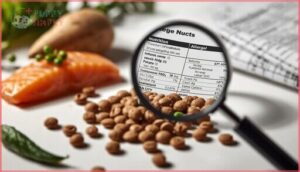
When you’re choosing food for a dog with allergies, understanding what’s actually in the bag matters more than ever.
The FDA and state agencies regulate pet food labeling to guarantee you’re getting accurate information about ingredients and safety. Let’s look at the key regulatory requirements that help you make informed decisions about your dog’s diet.
FDA and State Labeling Requirements
FDA regulation sets the foundation for pet food labeling, requiring every dog food package to display product identification, net quantity in both US and metric units, and a complete ingredient list in descending order by weight.
State agencies may add further requirements like safety certifications or recall disclosures. You’ll find allergen declarations when triggers are present, helping you make informed decisions for your allergic dog.
Ingredient Transparency and Safety
When your dog’s health is on the line, ingredient labeling becomes your first defense. Manufacturers following FDA regulation and food safety standards disclose allergens, sourcing details, and manufacturing practices through packaging, QR codes, or online ingredient maps.
This supply chain transparency—backed by regulatory compliance and third-party testing—lets you verify what’s actually in each bowl, reducing cross-contamination risks that trigger food allergies in sensitive pets.
Top Dog Foods for Allergy Requirements
Choosing the right food for your dog’s allergen management can feel overwhelming with so many options on the market. The following products have been formulated with allergen management in mind, featuring limited ingredients, novel proteins, or hydrolyzed formulas that reduce the risk of triggering immune responses.
Each option caters to different allergy requirements, so you’ll want to take into account your dog’s specific sensitivities and nutritional needs when making your selection.
1. Natural Balance Limited Ingredient Dog Food
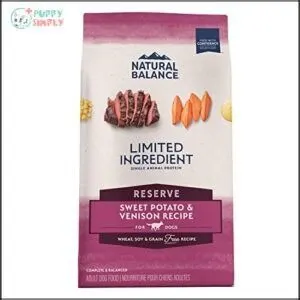
If your dog scratches constantly or battles recurring ear infections, consider a formula built around a single animal protein. Natural Balance Limited Ingredient Dry Dog Food features venison as the sole meat source, paired with sweet potatoes for fiber and digestive support.
It’s grain-free, which helps dogs with carbohydrate sensitivities, and skips artificial colors or flavors. You’ll find omega fatty acids for skin health and vitamin E to strengthen the immune barrier—ingredients chosen to calm inflammation without overwhelming a sensitive system.
| Best For | Dogs with food allergies or sensitivities who need a simple, single-protein diet to reduce scratching, digestive issues, and ear infections. |
|---|---|
| Form | Pellet |
| Age Range | All Life Stages |
| Primary Protein | Venison |
| Grain-Free | Yes |
| Weight | 4 lb |
| Special Diet | Limited Ingredient |
| Additional Features |
|
- Single venison protein and grain-free formula minimize allergen exposure for sensitive dogs
- Sweet potatoes and omega fatty acids support digestion and promote healthier skin and coat
- No artificial additives, colors, or preservatives—just straightforward, clean ingredients
- Some dogs experience changes in stool consistency or skin reaction after switching formulas
- Higher price point compared to standard dog food brands
- Limited flavor and size options may not suit all preferences or household needs
2. Diamond Care Sensitive Skin Grain-Free Dog Food
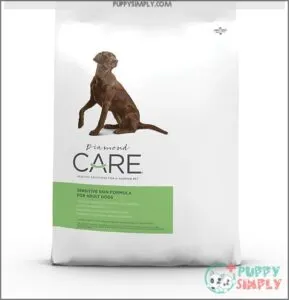
Hydrolyzed salmon takes allergen management one step further. Diamond Care Sensitive Skin breaks down protein molecules into fragments too small to trigger an immune response—a process called hydrolysis that benefits dogs who’ve reacted even to novel proteins.
You’ll find omega-6 and omega-3 fatty acids in a calibrated ratio, plus K9 strain probiotics to support gut health and immune function. The formula delivers 22 percent protein and avoids grains, potatoes, and common triggers, making it suitable for long-term feeding in adults with persistent skin flare-ups.
| Best For | Dogs with persistent skin allergies or sensitivities who haven’t responded well to standard limited-ingredient diets. |
|---|---|
| Form | Pellet |
| Age Range | Adult |
| Primary Protein | Venison |
| Grain-Free | Yes |
| Weight | 22 lb |
| Special Diet | Limited Ingredient |
| Additional Features |
|
- Hydrolyzed salmon protein minimizes allergic reactions by breaking down molecules too small to trigger immune responses
- Includes targeted omega fatty acids and K9 probiotics to support both skin health and digestive function
- Grain-free formula avoids common triggers like wheat, corn, and potatoes for long-term feeding safety
- Higher price point at $21.98 for 8 pounds compared to standard sensitive skin formulas
- Requires slow transition period to prevent digestive upset when switching from current food
- May not work for dogs with specific protein allergies like egg, and isn’t a replacement for prescription diets in severe cases
3. Open Farm Plant Based Dog Food
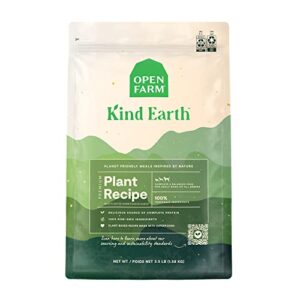
Plant protein offers another route when your dog reacts to multiple animal sources.
Open Farm Plant Based Dog Food relies on fava beans and pea protein to supply complete amino acids, while barley and oats provide fiber and energy.
You’ll also get added taurine for cardiac support—a must in plant formulas—plus omega-rich flax and sunflower seeds.
Every ingredient is traceable to its source, and the recipe meets AAFCO profiles for all life stages, though some dogs may experience gas during adaptation.
| Best For | Dogs with multiple protein allergies or sensitivities who need a complete plant-based diet that still delivers proper nutrition across all life stages. |
|---|---|
| Form | Dry Kibble |
| Age Range | Adult |
| Primary Protein | Hydrolyzed Salmon |
| Grain-Free | Yes |
| Weight | 8 lb |
| Special Diet | Sensitive Skin |
| Additional Features |
|
- Traceable, sustainable ingredients with complete amino acid profiles from fava beans and pea protein, plus added taurine for heart health
- Meets AAFCO standards for all life stages, making it suitable for puppies through seniors
- Omega-rich seeds support healthy skin and coat while being hypoallergenic for sensitive dogs
- Some dogs experience gas, loose stools, or unpleasant odors, especially during the transition period
- High omega and turmeric content may cause skin or coat issues in certain dogs
- A few reviewers reported unexpected weight gain even when feeding at lower recommended amounts
4. Open Farm Grain Free Dog Food
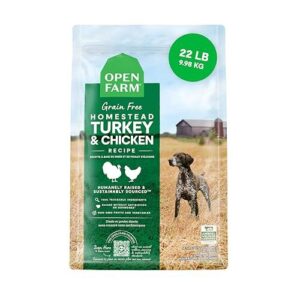
If grains trigger your dog’s symptoms, Grain Free Open Farm Grain Free Homestead Turkey & Chicken offers a traceable, nutrient-dense alternative. You’re getting humanely raised poultry plus non-GMO sweet potatoes and peas for energy, while coconut oil and omega-3s support skin barrier health.
The 22 lb bag runs $93.99—pricey, but every ingredient links back to its farm of origin. Some owners report kibble size challenges for larger breeds, and early expiry dates can be an issue, so check packaging closely before you commit.
| Best For | Dogs with grain sensitivities or food allergies who need a transparent, nutrient-dense diet with traceable ingredients. |
|---|---|
| Form | Pellet |
| Age Range | All Life Stages |
| Primary Protein | Plant-Based |
| Grain-Free | No |
| Weight | 20 lb |
| Special Diet | Hypoallergenic |
| Additional Features |
|
- Humanely raised turkey and chicken with farm-traceable ingredients
- Packed with omega-3s, coconut oil, and superfoods to support skin and digestion
- Non-GMO fruits and veggies provide balanced nutrition for all life stages
- Expensive at $93.99 for a 22 lb bag compared to other brands
- Some bags arrive with expiry dates that are too close for comfort
- Kibble size may not work well for larger breed dogs
Hill’s Prescription Diet Z/d Wet Dog Food
When your dog needs a food trial under veterinary diagnosis and treatment, Hill’s Prescription Diet Z/d Wet Dog Food delivers hydrolyzed proteins that break down chicken liver into peptides too small to trigger an immune response.
You’re supporting skin barrier integrity with elevated vitamin E and omega fatty acids, while prebiotic fibers promote digestive comfort. This hypoallergenic diet effectively handles dog food allergies, though it requires refrigeration after opening and costs around $3 per can.
5. Purina Pro Plan Hydrolyzed Dog Food
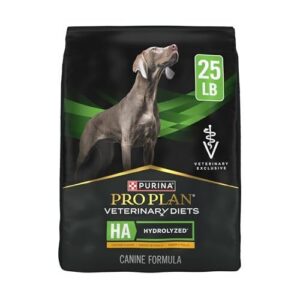
When you’re managing a veterinary-supervised allergy trial, Purina Pro Plan Hydrolyzed Dog Food offers hydrolyzed chicken liver broken into peptides that minimize immune reactions in sensitive dogs. You’ll feed approximately 315 calories per cup with 18 percent crude protein and corn starch as a single carbohydrate source, supporting ideal nutrient absorption while reducing allergen exposure.
This therapeutic kibble requires veterinary authorization and costs considerably more than standard formulas, though it’s effective for confirmed food allergies, inflammatory bowel disease, and malabsorption disorders.
| Best For | Dogs with diagnosed food allergies, inflammatory bowel disease, or severe gastrointestinal issues who need a veterinary-supervised diet with hydrolyzed protein to minimize allergic reactions. |
|---|---|
| Form | Pellet |
| Age Range | All Life Stages |
| Primary Protein | Turkey & Chicken |
| Grain-Free | Yes |
| Weight | 22 lb |
| Special Diet | Nutrient-Dense |
| Additional Features |
|
- Hydrolyzed protein breaks down into tiny peptides that bypass most immune responses, making it highly effective for dogs with confirmed food sensitivities
- Single carbohydrate source (corn starch) and highly digestible formula support optimal nutrient absorption while reducing strain on sensitive digestive systems
- Clinically formulated to help manage serious conditions like IBD, malabsorption, and pancreatitis under veterinary guidance
- Requires a prescription from your vet and costs significantly more than regular dog food, which can strain your budget long-term
- Some dogs need an adjustment period to accept the taste and texture, and it won’t help with environmental allergies like pollen or dust
- Only necessary for dogs with specific diagnosed conditions—feeding it to healthy dogs without allergies is overkill and unnecessarily expensive
6. Orijen Regional Red Dog Food
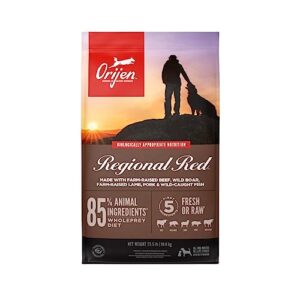
When your dog tolerates red meat but reacts to common poultry proteins, Orijen Regional Red delivers 85 percent animal ingredients—including fresh beef, lamb, pork, and wild boar—with no chicken, grains, or soy.
You’ll find WholePrey ratios of muscle meat, organs, and bone that mirror ancestral canine diets, plus freeze-dried liver coating for palatability. This Canadian-made kibble suits adult dogs with poultry sensitivities, though you’ll need to budget around $110 for 23.5 pounds and confirm it matches your dog’s life stage requirements.
| Best For | Dogs with poultry allergies or sensitivities who need a high-protein, grain-free diet based on red meat sources. |
|---|---|
| Form | Pellet |
| Age Range | All Life Stages |
| Primary Protein | Turkey & Chicken |
| Grain-Free | Yes |
| Weight | 11 lb |
| Special Diet | Nutrient-Dense |
| Additional Features |
|
- 85% animal ingredients with WholePrey ratios (meat, organs, bone) that closely match what dogs would eat in nature
- Multiple red meat proteins (beef, lamb, pork, wild boar) provide variety while avoiding common allergens like chicken, soy, and grains
- Supports skin, coat, digestion, and immune health through omega fatty acids and natural antioxidants
- Expensive at $110 for 23.5 pounds, which adds up quickly for regular feeding
- Not formulated for large breed puppies (dogs that will be 70 pounds as adults)
- Bag may not be resealable, making it harder to keep the food fresh over time
7. Blue Buffalo Alligator Dog Food
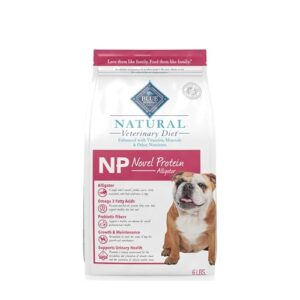
When your dog needs a truly uncommon protein source, alligator emerges as one of the most novel options available.
Blue Buffalo’s NP formula features deboned alligator as the first ingredient—a veterinary-prescribed choice designed for dogs with multiple food sensitivities or inflammatory skin conditions. You’ll find omega-3 fatty acids from flaxseed supporting skin integrity, plus pea-based carbohydrates for energy without corn, wheat, or soy.
This 6-pound bag requires your veterinarian’s authorization and costs more than standard kibble, but it provides a legitimate elimination-diet foundation for persistent allergy cases.
| Best For | Dogs with severe food allergies or sensitivities who need a novel protein source and have tried common proteins without success. |
|---|---|
| Form | Wet Food |
| Age Range | Adult |
| Primary Protein | Hydrolyzed Chicken |
| Grain-Free | N/A |
| Weight | 9.8 lb |
| Special Diet | Prescription |
| Additional Features |
|
- Real deboned alligator as the #1 ingredient provides a rare protein that most dogs have never been exposed to
- Formulated specifically for inflammatory skin and GI conditions with added vitamins and minerals
- Free from common allergens like chicken, corn, wheat, and soy
- Requires a veterinarian’s prescription, so you can’t just buy it off the shelf
- Significantly more expensive than regular dog food
- Some dogs may still have adverse reactions despite the novel protein source
Frequently Asked Questions (FAQs)
How to rule out food allergies in dogs?
While symptoms alone won’t confirm the diagnosis, you’ll need a veterinarian-supervised elimination diet lasting 8 to 12 weeks, feeding only novel or hydrolyzed proteins your dog hasn’t eaten before.
What foods should you avoid if your dog has allergies?
You’ll need to eliminate chicken, beef, dairy, wheat, and lamb—the most frequent culprits.
Also avoid soy, corn, eggs, and processed kibbles with artificial colors or preservatives that can trigger reactions.
Can food allergies cause behavioral changes in dogs?
Contrary to popular belief, your dog’s sudden mood swings mightn’t just be teenage rebellion. Food allergies can trigger irritability, restlessness, and anxiety due to persistent itching, digestive discomfort, or pain that disrupts their normal temperament.
Are grain-free diets better for allergic dogs?
Grain-free diets don’t universally solve allergies because most dogs react to proteins like chicken or beef, not grains.
You’ll need veterinary guidance to identify your dog’s specific triggers through an elimination diet trial.
How long does an elimination diet take?
An elimination diet usually takes 8 to 12 weeks total. You’ll spend the first 8 to 10 weeks feeding a novel or hydrolyzed protein, then gradually reintroduce foods one at a time.
Can puppies inherit food allergies from parents?
While genetics can play a role in your puppy’s susceptibility to food allergies, there’s no direct inheritance of specific allergens.
Certain breeds, however, carry predispositions that increase their risk of developing sensitivities.
Do seasonal allergies worsen food allergy symptoms?
Yes, seasonal pollen can worsen your dog’s food allergy symptoms.
When airborne allergens inflame the skin and mucous membranes, they worsen itching, ear infections, and gastrointestinal flare-ups caused by dietary triggers.
Conclusion
Ironically, the ingredient that’s been fueling your dog’s discomfort might be the same premium protein you’ve been paying extra for.
Meeting dog food allergy requirements doesn’t mean settling for inferior nutrition—it means precision.
Once you’ve identified the trigger through proper diagnosis, elimination diets and novel proteins transform from medical jargon into your dog’s pathway to relief.
The scratching stops when the right food enters the bowl, not when you’ve tried everything in the store.
- https://hospital.cvm.ncsu.edu/services/small-animals/nutrition/food-allergies-and-your-pet/
- https://perfectlyrawsome.com/raw-feeding-knowledgebase/elimination-diet-raw-feeding-guide/
- https://chappellevet.ca/diagnosing-food-allergies-in-dogs-elimination-diet-trials/
- https://vcahospitals.com/know-your-pet/food-allergies-in-dogs
- https://mywoof.com/blogs/articles/the-benefits-and-risks-of-a-hydrolyzed-protein-diet-for-allergy-prone-dogs-what-every-dog-owner-should-know