
This site is supported by our readers. We may earn a commission, at no cost to you, if you purchase through links.

Your dog circles three times, scratches at the bare crate floor, then settles with a resigned sigh—sound familiar? That hard plastic surface might seem fine to us, but it’s the equivalent of asking your pup to sleep on a tile floor night after night.
Most dogs spend 12-14 hours a day resting, and where they sleep directly affects their joint health, stress levels, and overall well-being. The debate around crate bedding isn’t really about whether your dog needs one—it’s about understanding when a bed helps and when it could actually cause problems.
From destructive chewers to arthritic seniors, every dog has different bedding requirements that balance comfort with safety.
Table Of Contents
- Key Takeaways
- Why Bedding Matters in a Dog’s Crate
- Factors to Consider Before Adding a Bed
- When Dogs Need a Bed in Their Crate
- Situations Where a Crate Bed Isn’t Needed
- Choosing The Right Bedding for Crates
- Safety and Hygiene Tips for Crate Bedding
- Top 5 Dog Crate Bedding Products
- Step-by-Step Guide to Setting Up Crate Bedding
- Frequently Asked Questions (FAQs)
- Conclusion
Key Takeaways
- Most dogs benefit from crate bedding for joint health and anxiety reduction, but chewers and puppies in potty training should wait until destructive behaviors improve
- Orthopedic beds are essential for senior dogs, large breeds prone to hip dysplasia, and pups recovering from injury—proper cushioning prevents pressure sores and supports healing
- Dogs who naturally prefer hard surfaces or live in hot climates often do better without bedding, as bare crate floors help with temperature regulation and joint stability
- Choose chew-resistant, waterproof, and machine-washable materials sized 4-6 inches longer than your dog’s standing length to balance safety, hygiene, and comfort
Why Bedding Matters in a Dog’s Crate
You might think a crate is just a simple pen, but what goes inside makes a real difference for your dog’s comfort and wellbeing. Adding bedding isn’t just about making the space cozy—it actually affects your pup’s physical health, emotional security, and daily behavior.
The right dog crate bed for winter keeps your pup warm during colder months while providing the cushioning they need for healthy joints.
Here’s why that cushion or mat matters more than you’d expect.
Comfort and Security Benefits
Think of your pup’s crate as their personal sanctuary. A soft bed reduces pressure on joints and creates that den-like comfort dogs instinctually crave.
The familiar texture signals safety, helping anxious dogs settle faster and whine less. Cushioned bedding also muffles noise and holds warmth, turning the crate from bare metal into a cozy retreat your dog actually wants to enter.
Health and Wellness Considerations
Beyond comfort, bedding aids your dog’s health and wellness in measurable ways. Proper cushioning protects joint health—especially vital for breeds prone to hip dysplasia or arthritis. Washable covers improve pet hygiene by reducing bacteria that cause skin infections. Temperature-regulating materials boost canine health by preventing overheating or chills.
Proper bedding protects your dog’s joints, prevents skin infections, and regulates temperature—turning crate comfort into measurable health benefits
These crate training benefits directly impact animal welfare, turning safe containment into restorative canine comfort that aids overall dog health.
Behavioral Impacts of Bedding
Bedding can reshape your dog’s behavior inside the crate. A familiar bed reduces crate anxiety by triggering denning instinct and calming techniques that lower separation-related barking.
Dogs with consistent bed preference settle faster, improving sleep patterns and overall dog behavior. Stress reduction happens when cushioned surfaces ease restlessness, transforming crate training from a struggle into anxiety relief that fosters dog comfort and long-term cooperation.
Factors to Consider Before Adding a Bed
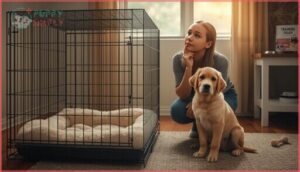
Before you toss a bed into your dog’s crate, it’s worth thinking through a few key things. Not every pup needs the same setup, and what works for one might actually backfire for another.
Let’s look at the main factors that’ll help you make the right call for your dog.
Dog’s Age and Health
Your pup’s age and health status are game-changers regarding crate bedding. Senior dogs and aging dogs dealing with joint problems like arthritis really benefit from orthopedic support—think of it as their cozy retirement plan. Puppies healing from health issues also need that cushioned comfort.
Always check with your vet for veterinary advice customized to your dog’s specific canine health and wellness needs during crate training.
Sleeping Preferences
Just like you might prefer a firm mattress while your partner loves something plush, dogs have unique bed preferences that matter for crate comfort. Watching your dog’s resting habits and sleeping patterns helps you nail down the right setup.
- Sprawlers need space – Dogs who stretch out while sleeping may skip the bed entirely
- Curlers love cushions – Pups who sleep in tight balls often prefer a soft, defined dog bed
- Floor seekers – Some dogs naturally choose cool, hard surfaces over padded options
- Texture matters – Pay attention to where your dog naps outside the dog crate during crate training
- Trial and adjust – Sleeping needs can shift, so stay flexible with your dog sleeping options
Crate Size and Type
The dog crate you choose directly affects whether bedding will fit or even work. Wire crates offer ventilation and visibility, while plastic options create a cozier den feel. Foldable models are great for travel but may limit bed thickness.
Always measure your crate dimensions before shopping—a snug-fitting bed won’t slide around, and you’ll need room for your pup to turn comfortably. It’s important to take into account to guarantee your dog’s comfort and safety.
When Dogs Need a Bed in Their Crate

Not every dog needs a bed in their crate, but some pups benefit more than others. Certain life stages, health conditions, and temperaments make soft bedding less of a luxury and more of a necessity.
Here’s when your dog really should have a cushioned spot to rest.
Puppies and Senior Dogs
Your pup’s age makes a huge difference in crate comfort and bedding needs. Puppies need soft surfaces to protect developing joints during crate training, while senior care demands orthopedic support for aching hips and spine.
Here’s why a dog bed matters for these age groups:
- Cushioned joint health – Reduces pressure sores and strain
- Puppy safety – Non-slip mats prevent sliding during potty training
- Better pet care – Washable covers keep the dog crate hygienic
For older dogs, portion control and a balanced nutrient profile for seniors are also key to their health and comfort as they age.
Dogs Recovering From Injury or Illness
When your furry friend’s on the mend from surgery or illness, a soft bed in the crate isn’t optional—it’s essential medical support. Recovery environments need cushioning to protect healing tissues and prevent new injuries.
Here’s what makes crate bedding indispensable during rehabilitation:
| Recovery Need | Why It Matters | Bedding Benefit |
|---|---|---|
| Post surgery care | Prevents pressure on incisions | Orthopedic foam distributes weight |
| Injury prevention | Limits movement safely | Non-slip surface stops sliding |
| Healing support | Regulates body temperature | Moisture-wicking materials keep dogs dry |
| Pain management | Reduces joint stress | Memory foam cushions sore spots |
| Rehabilitation techniques | Encourages rest periods | Familiar bedding promotes calmness |
A washable, waterproof cover maintains hygiene during recovery—critical for dog health and wellness. This setup turns the dog crate into a proper healing space where your pup can focus on getting better, not shifting around uncomfortably on hard floors.
Breeds Prone to Joint Issues
German Shepherds, Labs, and Great Danes aren’t just big—they’re ticking time bombs for hip and elbow dysplasia. These large breed issues demand orthopedic care from day one in the dog crate.
Your pup needs cushioned support if they’re:
- Large breeds at risk for canine arthritis (Mastiffs, Newfoundlands)
- Small breeds prone to luxating patella (Chihuahuas, Yorkies)
- Long-backed breeds fighting spine problems (Dachshunds, Corgis)
- Any dog breed showing early joint stiffness
- Breeds genetically wired for joint health struggles
A quality dog bed protects vulnerable joints and bolsters dog health and wellness during critical growth phases.
Anxious or Nervous Dogs
Anxious pups show their stress through panting, pacing, and those tucked tails that break your heart. A soft bed inside the dog crate transforms it from a cage into a calming sanctuary—reducing crate anxiety and nervous behaviors.
Cushioned bedding provides stress relief by offering familiar comfort during separation anxiety episodes. When your dog faces anxiety triggers like thunderstorms or alone time, that cozy spot becomes their safe zone for dog calming.
Situations Where a Crate Bed Isn’t Needed
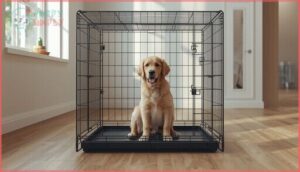
While bedding offers great benefits for many dogs, it’s not always the right choice. Some situations call for a bare crate floor instead.
Here’s when you can skip the bed without worrying about your pup’s comfort or safety.
Dogs Prone to Chewing or Destruction
If your pup has a habit of tearing through toys or shredding fabric, skip the bed during crate training. Puppies teething or anxious dogs often target soft materials, which can create choking hazards or intestinal blockages.
A bare crate keeps things safer until those chewing tendencies settle down. You can always introduce bedding later once destructive behavior improves.
Potty Training Puppies
During potty training, skip the bed in your dog crate. Puppies can’t yet signal when they need to go, and bedding absorbs accidents, making housebreaking tips harder to follow. A bare crate encourages your pup to hold it until you let them out.
- Keep crate size snug so accidents feel less appealing
- Stick to a consistent puppy schedule with frequent potty breaks
- Use crate training as part of your house training routine
- Remove bedding only during active puppy training phases
- Prevent accidents by limiting crate time to age-appropriate intervals
Dogs Who Prefer Hard Surfaces
Some dogs naturally choose tile or concrete over soft bedding, even when a cozy dog bed is available. This surface preference often helps with temperature regulation and joint support—firm floors let your pup cool down quickly and provide stable rest without sinking in.
| Why Dogs Choose Hard Floors | What You’ll Notice | Crate Training Tip |
|---|---|---|
| Cooler body temp after play | Stretches out on tile instead of cushions | Leave crate floor bare or add thin mat |
| Joint stability for anxious pups | Settles faster on firm ground | Skip thick bedding during adjustment |
| Arthritis relief from even pressure | Stands up easier from hard surfaces | Use low-profile orthopedic pad if needed |
| Breed instinct from open terrain | Avoids sinking into soft materials | Watch where your dog rests outside crate |
If your dog consistently picks hard surfaces for naps, don’t force crate comfort with bedding they won’t use.
Hot Weather or Warm-Natured Dogs
Heat stress builds fast when thick bedding blocks airflow around warm breeds like Huskies or Bulldogs during summer. A bare crate floor with good crate ventilation helps your dog regulate body temperature better than cushioned surfaces that trap warmth.
Consider cooling pads designed for dog comfort instead of standard beds—proper pet care during hot months means prioritizing summer safety over crate training tradition.
Choosing The Right Bedding for Crates
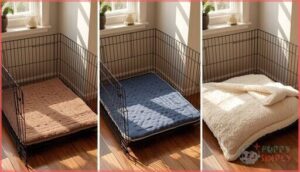
Not all crate beds are created equal, and picking the wrong one can leave your pup uncomfortable or even create safety issues. The right bedding depends on your dog’s chewing habits, age, and any special needs they might have.
Here are three key types of crate bedding worth exploring based on what works best for different dogs.
Orthopedic and Foam Beds
Your pup’s joints deserve the best, especially if arthritis or age is making life harder. Orthopedic foam beds with high-density cores—generally 50 to 60 kg per cubic meter—keep spines aligned and reduce sinking.
Memory foam molds to your dog’s body, relieving pressure on hips and shoulders. Look for removable, washable covers and water-resistant liners to maintain crate comfort and hygiene.
Chew-Resistant Materials
Fabric selection matters when your dog loves to chew excessively. Nylons and ultra-high-molecular-weight polyethylene resist fraying under sharp teeth, while Kevlar-infused blends balance chew testing standards with comfort.
For dog crate interiors, polypropylene casings and reinforced ripstop fabrics prevent damage and improve material durability.
Choosing pet safety first means fewer shredded pieces and lower choking risks in your dog bed.
Waterproof and Washable Covers
Accidents happen, so waterproof materials like polyurethane-coated covers block spills while staying breathable. Look for machine-washable fabrics rated for 60°C cleaning—they kill germs without cracking after multiple cycles.
Leak prevention features such as sealed edges and quick-zip removable shells make cover maintenance simple.
Durability tests confirm these pet bedding options protect your dog bed during crate training, supporting pet care and safety through every mess.
Safety and Hygiene Tips for Crate Bedding

Getting the bedding right is only half the battle—you also need to make sure it’s safe and stays clean. A few simple precautions can prevent accidents and keep your pup’s crate a healthy space.
Here’s what to watch for regarding safety and hygiene.
Preventing Choking and Chewing Hazards
Think of bedding as something your pup might try to turn into confetti. Choose chew proof materials with reinforced seams to prevent tearing and ingestion. Inspect the bed daily for loose threads or fraying—these are choking hazard prevention essentials.
Safe bedding options include durable bed construction with water-resistant, non-shredding covers. If your dog’s a power chewer, skip stuffed beds entirely until crate training benefits kick in.
Regular Cleaning and Maintenance
Your pup’s crate bedding is a magnet for drool, dirt, and dander—sanitary practices keep it fresh. Vacuum weekly to maintain crate hygiene and odor control.
Toss covers in hot water with pet-safe detergent on a cleaning schedule. Plan bedding replacement every 6 to 12 months based on dog crate usage.
Dry thoroughly to prevent mold during dog care and comfort routines.
Sizing The Bed Properly
A bed that’s too snug turns your doggo’s crate into a cramped closet instead of a cozy den. Measure your crate first, then choose a comfortable bed that’s 4 to 6 inches longer than your pup when standing—this maintains natural dog posture without bunching.
Check bed thickness against ceiling height for proper space allocation and dog crate comfort, ensuring adequate breathing room and comfort levels.
Top 5 Dog Crate Bedding Products
Finding the right bedding for your dog’s crate doesn’t have to be overwhelming. I’ve rounded up five solid options that cover everything from chew-proof durability to calming features.
These picks address the most common challenges dog owners face when setting up a safe, comfortable crate space.
1. K9 Ballistics Chew Proof Dog Bed
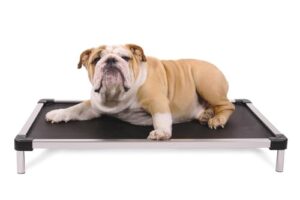
If your dog treats bedding like a chew toy, the K9 Ballistics Chew Proof Dog Bed can withstand serious destruction. It features a solid aluminum frame that shields fabric edges from teeth, supporting up to 250 pounds without wobbling. The breathable mesh sling resists tears while promoting airflow—perfect for hot days.
It’s pre-assembled and fits standard wire crates easily. Though pricier than typical beds, this investment saves you from repeatedly replacing shredded bedding. Just secure those rubber feet with glue to prevent them from popping out.
| Best For | Dog owners with aggressive chewers or pups who shred traditional beds within days. |
|---|---|
| Material | Aluminum |
| Washable | Yes |
| Brand | K9 Ballistics |
| Size | 41x27x6 inches |
| Anxiety Relief | Yes |
| Durability | Chew-proof |
| Additional Features |
|
- Solid aluminum frame protects fabric edges from teeth and supports up to 250 pounds
- Breathable mesh sling promotes airflow, keeping dogs cool in hot weather
- Pre-assembled and fits standard wire crates without any setup hassle
- Higher price point than standard dog beds
- Rubber feet may fall out and need to be glued back in place
- Cleaning up accidents inside a crate requires more effort than with typical bedding
2. Molly Mutt Dog Bed Cover
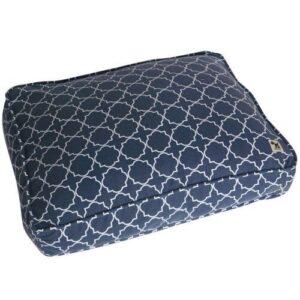
Sometimes you want an affordable, eco-friendly option that won’t break the bank. The Molly Mutt Dog Bed Cover lets you fill it with old towels, clothes, or blankets to create a custom cushion. That familiar scent can ease anxiety and give your pup a cozy spot to settle down.
Made from 100% cotton canvas, it’s machine washable and measures 22″x27″x5″ for smaller crates. The zippered opening makes stuffing and cleaning simple, though you’ll need to supply your own filling materials.
| Best For | Budget-conscious dog owners who want an eco-friendly bed option and have plenty of old linens to repurpose as filling. |
|---|---|
| Material | Cotton |
| Washable | Machine washable |
| Brand | Molly Mutt |
| Size | 22x27x5 inches |
| Anxiety Relief | Yes |
| Durability | Durable |
| Additional Features |
|
- Saves money by using items you already own (old clothes, towels, blankets) as stuffing
- Machine washable cotton cover makes cleaning straightforward
- Sustainable choice that reduces waste while providing familiar scents that comfort anxious dogs
- You need to supply your own filling materials, which takes extra effort
- May not hold up to aggressive chewers despite being durable cotton
- Size works best for smaller dogs—larger breeds will need something bigger
3. Molly Mutt Washable Dog Bed Stuff Sack

If you want to keep that duvet clean and organized, the Molly Mutt Washable Stuff Sack (27″x36″x5″) is your go-to. This 100% nylon mesh bag holds all those old clothes and blankets inside the duvet cover, keeping everything tidy and evenly distributed.
The full-length zipper makes stuffing it a breeze, and you can toss the whole thing in the washing machine. It’s durable, dries fast, and fits perfectly inside Molly Mutt duvets for a neat, cohesive look.
| Best For | Dog owners who want a washable, easy-to-use bed insert that calms pets and lets them reuse old clothes or blankets. |
|---|---|
| Material | Nylon |
| Washable | Machine washable |
| Brand | Molly Mutt |
| Size | 27x36x5 inches |
| Anxiety Relief | Yes |
| Durability | Durable |
| Additional Features |
|
- Machine washable and quick to dry
- Helps reduce separation anxiety by carrying your scent
- Makes old clothes and blankets into a cozy, eco-friendly mattress
- Not ideal for dogs that chew through nylon
- Can get heavy when filled with lots of fabric
- Needs careful sizing to fit your dog bed properly
4. Molly Mutt Water Resistant Dog Bed Liner
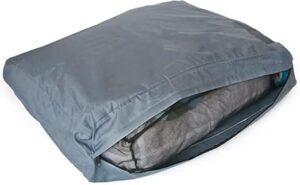
Once you’ve got the stuffing sorted, protect it with the Molly Mutt Armor Bed Liner (27″x36″x4.75″). This water-resistant polyester liner slides between the stuff sack and duvet, keeping accidents and spills from soaking through to your filling.
It’s easy to wipe down after messes and resists staining from common liquids. The gray fabric is free from toxic chemicals, so it’s safe for pups who nibble corners. Just note it’s water-resistant, not fully waterproof, so severe accidents might seep through.
| Best For | Dog owners using the Molly Mutt bed system who need extra protection against accidents, spills, or dogs with incontinence issues. |
|---|---|
| Material | Polyester |
| Washable | Hand wash only |
| Brand | Molly Mutt |
| Size | 27x36x4.75 inches |
| Anxiety Relief | Yes |
| Durability | Standard |
| Additional Features |
|
- Water-resistant barrier protects your filling from most accidents and keeps odors contained
- Non-toxic polyester is safe for dogs who chew on their beds
- Easy to clean with a quick wipe-down between washes
- Only water-resistant, not waterproof, so heavy accidents can still seep through
- Thin material feels cheaper than expected and may not hold up long-term
- Hand wash or delicate cycle only, and the liner can trap air like a balloon if you don’t leave the zipper cracked
5. ThunderEase Dog Calming Pheromone Spray
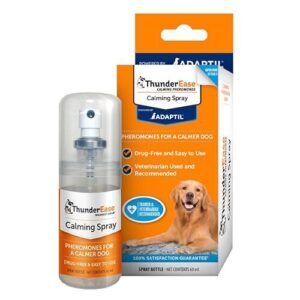
If your pup gets anxious in their crate, try the ThunderEase Calming Spray (60mL). It mimics the pheromones mother dogs release to comfort puppies, helping reduce stress during crate training, vet visits, and thunderstorms.
Just spray it on bedding or crate surfaces 15 minutes before use—never directly on your dog. It’s drug-free, vet-recommended, and safe for all ages.
Keep in mind it won’t work for every dog, and you’ll need to reapply every few hours for ongoing stressors.
| Best For | Dogs who get anxious in crates, during travel, or in stressful situations like vet visits and thunderstorms. |
|---|---|
| Material | Spray |
| Washable | N/A |
| Brand | ThunderEase |
| Size | 1.75×1.75×5 inches |
| Anxiety Relief | Yes |
| Durability | N/A |
| Additional Features |
|
- Drug-free and safe for dogs of all ages
- Vet-recommended and uses clinically proven pheromone technology
- Works for multiple anxiety triggers including separation, travel, and loud noises
- Needs reapplication every few hours for extended calming
- Won’t work for every dog—results vary by individual
- Must be sprayed on surfaces 15 minutes before use, not directly on your dog
Step-by-Step Guide to Setting Up Crate Bedding
Setting up crate bedding the right way makes all the difference in whether your pup actually uses it or turns it into confetti. The process doesn’t need to be complicated, but a few smart steps will help your dog accept their cozy new setup.
Here’s how to prep the crate, introduce the bedding, and make adjustments so your dog settles in comfortably.
Preparing The Crate
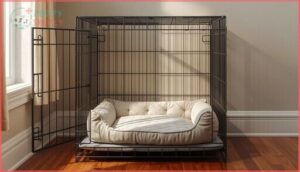
Before your pup sets paw inside, the crate itself needs a quick once-over. Choose a bed that fits fully inside with at least 2 inches of clearance on all sides for good airflow and dog comfort.
Place a clean removable liner on the crate floor to protect against moisture and simplify washing. Position the bed against a quiet corner to boost crate safety and security.
Introducing The Bed to Your Dog

Once your comfortable bed is in place, help your doggo warm up to it with positive reinforcement. Toss a few high-value treats onto the soft bed and let your pup sniff and circle at their own pace.
Sit nearby during the first few tries to create calm, reassuring vibes. A worn t-shirt on the bed brings familiar scents that boost crate comfort and dog bed acceptance.
Monitoring and Adjusting for Comfort

After the first day, watch how your pup settles in. Look for comfort signals like full-body stretching, steady breathing, and quick sleep onset—proof your dog bed choice is working.
If they’re panting, shifting constantly, or avoiding the crate, adjust the bed thickness or position. Track sleep patterns for a week to fine-tune dog crate comfort.
Regular crate maintenance keeps that comfortable bed inviting.
Frequently Asked Questions (FAQs)
Can I use blankets instead of a bed?
You’d think blankets are simpler than beds, yet they demand more vigilance.
Yes, blankets work beautifully for crate liners and dog comfort—just choose chew-resistant fabric safety, skip loose threads, and wash them often to keep your pup’s soft bed cozy.
How often should crate bedding be replaced?
Replace your dog’s crate bedding weekly for most households. If your pup spends lots of time outdoors or has accidents, swap it out every five to seven days to maintain proper hygiene.
Do outdoor dogs need crate bedding too?
Yes, outdoor dogs absolutely need crate bedding. It provides weather protection, crate insulation from cold ground, and promotes dog hygiene by keeping your pup dry—essential for outdoor comfort year-round.
What bedding works best for travel crates?
Look for machine-washable beds with waterproof liners that fit snugly in your travel crate. Foldable or rollable designs pack easily, while non-slip bottoms keep things stable during car rides.
Should multiple dogs share one crate bed?
Most dogs shouldn’t share one crate bed. Different dog personalities, sizes, and behaviors make crate sharing risky. Individual beds prevent conflicts, support proper crate training, and let each pup claim personal space comfortably.
Conclusion
Studies show dogs with proper bedding sleep 20% longer in deep, restorative phases—critical for recovery and mental health. So, do dogs need a bed in their crate? Most benefit from one, especially seniors, anxious pups, and those with joint concerns. But chewers and potty-training puppies might need to wait.
Evaluate your dog’s age, temperament, and habits, then choose bedding that prioritizes safety without sacrificing comfort. Your dog’s rest quality depends on it.