This site is supported by our readers. We may earn a commission, at no cost to you, if you purchase through links.

Your dog’s crate should be a cozy retreat, not a hard floor with a bowl of water. But walk into any pet store and you’ll face a wall of cushioned options that all look suspiciously similar. The difference between crate pad and crate bed isn’t just marketing fluff—it’s about thickness, support, and whether your pup wakes up refreshed or stiff.
Crate pads offer lightweight, basic cushioning that works great for travel and quick cleanups. Crate beds bring thicker padding and often orthopedic features that support aging joints. Picking the wrong one means your dog might skip the crate entirely or, worse, develop discomfort over time.
Table Of Contents
- Key Takeaways
- What is a Crate Pad Vs. Crate Bed?
- Key Differences Between Crate Pads and Beds
- Pros and Cons of Crate Pads
- Pros and Cons of Crate Beds
- Choosing The Right Option for Your Dog
- Maintenance and Durability Comparison
- Top 5 Crate Pads and Beds Reviewed
- Tips for Comfortable and Safe Crate Setup
- Frequently Asked Questions (FAQs)
- Conclusion
Key Takeaways
- Crate pads are thin (1-2 inches), lightweight liners designed for portability and easy cleanup, while crate beds offer thicker cushioning (2-6 inches) with orthopedic support for joint health and long-term comfort.
- Choose crate pads for puppies in potty training, travel situations, or dogs that don’t need heavy cushioning; opt for crate beds when your dog sleeps extended periods in the crate or has joint issues requiring memory foam support.
- Maintenance differs significantly—crate pads wash and dry faster (6-12 hours) and last 2 years, while quality crate beds with solid foam cores can handle 1,000+ uses over 3-5 years but take longer to clean.
- Proper setup matters as much as product choice: measure your dog’s length plus 2-4 inches, fill 70-90% of the crate floor, and position the pad or bed along the back wall to optimize space without blocking airflow or the entrance.
What is a Crate Pad Vs. Crate Bed?
You might be wondering what the difference is between a crate pad and a crate bed—and you’re not alone. While the terms sound similar, they refer to two distinct products designed for your dog’s crate.
Before you decide, it helps to understand what makes a quality dog crate bed so you can choose the right option for your pup’s comfort and safety.
Let’s break down what each one is and why you’d choose one over the other.
Definition of Crate Pad
A crate pad is a thin, cushioned surface you place inside your dog’s crate to create a softer resting spot. Unlike bulkier crate beds, these lightweight crate liners sit flat against the crate floor without raised edges.
Most crate mats use polyester fills with machine-washable covers, offering just enough dog comfort for crate training without taking up valuable space. For a more detailed explanation on dog crate accessories, check out this resource on crate pad uses and benefits.
| Feature | Typical Range | Purpose |
|---|---|---|
| Pad Thickness | 0.5–2 inches | Basic cushioning |
| Crate Pad Materials | Polyester, fleece, foam | Comfort and warmth |
| Standard Sizes | 24×36 inches (large) | Fits dog crate dimensions |
| Pet Bedding Type | Flat, no bolsters | Space-efficient design |
Definition of Crate Bed
If your pup needs more support than a thin liner can provide, a crate bed offers thicker cushioning and sometimes raised edges. These dog crate beds fit snugly inside your dog’s crate, delivering enhanced comfort through memory foam or orthopedic beds that contour to your pet’s body. You’ll find various crate bed designs—from simple pillow styles to bolstered options—that create a cozy retreat while protecting joints during rest.
| Feature | Typical Range | Purpose |
|---|---|---|
| Bed Thickness Options | 2–6 inches | Enhanced joint support |
| Crate Bed Materials | Memory foam, orthopedic foam | Cushioning Benefits |
| Pet Comfort Levels | Medium to high | Pressure point relief |
| Crate Bed Designs | Pillow, bolster, flat | Security and warmth |
Purpose of Each Product
Now that you understand what each product is, here’s why they matter. A crate pad gives your dog a clean, soft layer that makes crate training easier by turning a wire floor into a welcoming spot. A crate bed addresses joint health and long-term comfort, especially for older pups who need extra cushioning to rest pain-free.
| Product | Primary Purpose |
|---|---|
| Crate Pad | Light cushioning for crate training and travel |
| Crate Bed | Enhanced joint support and extended rest comfort |
| Crate Pad | Easy portability and quick cleanup |
| Crate Bed | Warmth, insulation, and pressure relief |
| Both | Pet comfort and dog safety inside the crate |
Key Differences Between Crate Pads and Beds
Now that you understand what each product is, let’s break down the real differences between crate pads and beds. These distinctions affect your dog’s comfort, your maintenance routine, and how well the product fits your specific situation. Here’s what sets them apart.
Thickness and Support
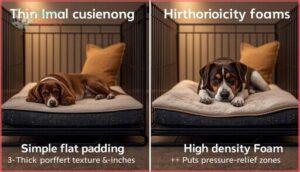
Think of thickness as your dog’s comfort insurance. Crate pads usually measure 1 to 2 inches thick, offering basic cushioning for smaller pups.
Dog beds pack more support layers—often 2 to 3 inches of high-density crate foam—making them ideal for joint relief.
Orthopedic beds take it further with structured cores that distribute pressure evenly, keeping your dog comfortable during longer rests in their dog crate.
Materials and Construction
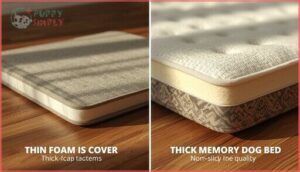
Foam density separates crate pad basics from dog bed luxury. Pads use low-pile or memory foam wrapped in soft textile covers, while beds layer thicker orthopedic foam for serious joint support.
You’ll find machine washable covers on both, but fabric selection and stitching quality matter more in durable mats. Reinforced seams prevent edge collapse in beds, while non-skid backing keeps pads anchored during naps.
Intended Use and Placement
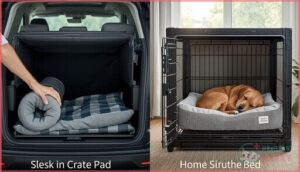
Travel setups and temporary crate use call for lightweight crate pads that slip in and out fast. When your dog spends extended time confined at home, a structured crate bed creates a defined sleeping zone with better body support.
Crate placement matters too—align edges for even support and check that your choice doesn’t block latches or ventilation slots in the dog crate.
Comfort and Insulation

Thermal regulation separates basic crate pads from plush dog crate beds. Comfortable beds stack insulation materials—memory foam cores, microfiber fleece, and moisture-wicking covers—to retain warmth while breathability factors prevent overheating.
For year-round comfort in cold climates, explore dog crate beds designed for winter that prioritize both insulation and temperature control.
Orthopedic mats use dual-density comfort layers that balance support and temperature control. A simple crate pad offers minimal insulation, while a structured dog bed adds cooling technologies and heat-reflective backing for year-round comfort.
Pros and Cons of Crate Pads

Crate pads are a popular choice for many dog owners, but they’re not perfect for every situation. Understanding what they do well—and where they fall short—can help you decide if they’re right for your dog.
Let’s break down the advantages, limitations, and when a crate pad makes the most sense.
Advantages of Crate Pads
Crate pads bring a surprising mix of practical perks that make your life easier while keeping your dog comfortable. They support your dog’s joints with soft cushioning, trap warmth in chilly weather, and create a hygienic barrier against messes.
- Easy cleaning – Machine washable and quick drying, you can refresh them weekly without hassle
- Snug fit – Designed to stay put inside your dog crate, minimizing shifting during movement
- Odor control – Moisture wicking fabrics resist smells better than traditional crate beds
- Long lasting value – Reinforced stitching and tear resistant materials withstand years of use
- Flexible placement – Works as a liner or standalone mat for flexible crate training setups
Dogs benefit from extra comfort and joint support provided by a.
Limitations of Crate Pads
Despite their advantages, crate pads have real downsides you should know about. Pad wear issues show up fast—many flatten or peel after 6 to 12 months of washing. Material degradation happens when foam shifts, creating uneven spots that hurt joint support.
Thermal insulation falls short on cold metal floors, leaving small breeds shivering.
Cleaning challenges pop up with bulky sizes that don’t fit standard machines, and durability tests reveal chewing can expose bacteria-trapping holes.
Best Scenarios for Crate Pad Use
When does a crate pad make the most sense? You’ll want one during crate training for puppies—that waterproof surface manages accidents without drama.
Travel in a dog crate works better with a non-slip pad that keeps your dog steady.
Quick rest spots benefit from lightweight portability, and senior dogs needing joint support appreciate medium-density cushioning that fits snugly inside tight crate spaces.
Pros and Cons of Crate Beds

Crate beds offer more cushioning and support than basic pads, but they come with their own set of trade-offs. Understanding both the benefits and drawbacks helps you decide if a crate bed is the right fit for your dog’s needs.
Let’s look at what makes crate beds shine and where they might fall short.
Benefits of Crate Beds
Your pup deserves more than a hard floor when resting inside their dog crate. Here’s why crate bed comfort makes a real difference for dog sleep and overall wellbeing:
- Orthopedic support cushions joints and hips, essential for dog joint health as your furry friend ages
- Pet anxiety relief comes from a cozy den-like space that feels safe during crate training tips sessions
- Insulation keeps them warm in winter and can regulate temperature year-round
- Faster settling means longer, more restful dog sleep without constant repositioning
- Non-slip bottoms prevent sliding, so your dog stays comfortable throughout the night
Drawbacks of Crate Beds
While crate beds offer great comfort, they aren’t perfect. Here are some real-world drawbacks you might face:
| Issue | Impact on Your Dog |
|---|---|
| Space Limitations | Thick padding shrinks the dog crate interior, restricting movement for larger breeds |
| Cleaning Hassles | Removable covers shrink or trap odors; foam loses shape after washing |
| Durability Issues | Chewers destroy fabric fast; cheaper orthopedic dog beds flatten within months |
Temperature flaws and behavioral drawbacks also crop up with some dog beds.
Ideal Situations for Crate Bed Use
Your dog will thank you for a crate bed if they sleep through the night without wandering or deal with anxiety in busy homes. The snug fit helps during crate training, while joint support makes them perfect for older pups.
They’re also lifesavers for travel comfort—just fold and go.
Multiple pets? A crate bed creates a personal retreat that boosts pet safety.
Choosing The Right Option for Your Dog

Picking between a crate pad and a crate bed isn’t one-size-fits-all—it depends on your dog’s unique situation. You’ll want to think about who your dog is right now and what they actually need from their crate space.
Here are the key factors that’ll help you make the right call.
Dog’s Size, Age, and Health
Your dog’s size, age, and health directly shape which option works best. Larger breeds benefit from thicker support for joint health, while puppies develop best with easy-to-clean pads during training. Senior care demands orthopedic features to ease arthritis.
- Small dogs need less padding but appreciate cozy bolsters
- Growing puppies require washable, chew-resistant materials
- Seniors with joint issues benefit most from memory foam beds
Sleeping Style and Preferences
Just like you favor a certain sleep position, your dog has personal rest preferences that shape what works in their crate. Side sleepers need extra cushioning for hips and shoulders—orthopedic dog beds excel here. Dogs who curl into a ball appreciate bolster-style crate bedding options, while sprawlers need thin crate pads.
Observing your dog’s sleeping habit analysis reveals whether plush dog comfort or minimal padding suits their canine rest preferences best.
Training Needs and Behaviors
Your training methods and behavioral analysis matter when picking crate bedding. Puppies in early potty training need simple, washable crate pads that you won’t mind replacing during accidents. Dogs with destructive behavior require chew-proof materials until behavior modification succeeds.
As canine learning progresses and puppy development advances, you can upgrade to plush crate beds that reward improved dog socialization and crate training and management skills.
Maintenance and Durability Comparison
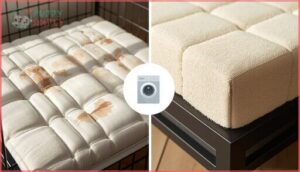
When you’re weighing crate pads against crate beds, how easy they’re to clean and how long they last matters just as much as comfort. Some options hold up better to accidents and chewing, while others need replacing sooner than you’d like.
Let’s break down what you can expect from each regarding upkeep and durability.
Cleaning and Washing Ease
For easy cleanup, crate pads usually win. Most pads are machine washable at 30 to 40 degrees Celsius and dry quickly—often within 6 to 12 hours. Dog beds, while wipeable on the bottom, can be bulkier and take longer to dry.
Here’s a quick comparison:
| Feature | Crate Pads | Dog Beds |
|---|---|---|
| Washing Frequency | Every 1-2 weeks | Monthly unless soiled |
| Drying Methods | Air dry or low tumble; 6-12 hours | Longer drying due to bulk |
| Stain Removal | Removable covers; enzyme cleaners work well | Wipeable bases; deeper fabrics trap dirt |
| Odor Control | Frequent washing prevents buildup | Less frequent cleaning may hide odors |
Removable covers on pads simplify spot cleaning between washes, and many options resist staining. For odor control, a vinegar or baking soda rinse works wonders. Dog crate beds with water-resistant bottoms wipe clean easily, but their thicker materials mean you’ll spend more time on laundry day.
Longevity of Pads Vs. Beds
You’ll get different lifespans depending on your choice. Quality crate pads hold up through 300 wash cycles and retain 90 percent absorbency, while durable pet beds with solid foam cores can handle 1,000-plus uses before breaking down. Bed thickness matters—orthopedic foam in long-lasting dog beds maintains its shape for 3 to 5 years, but standard pads may compress faster.
| Feature | Crate Pads | Dog Beds |
|---|---|---|
| Pad Material Lifespan | 2 years with gentle washing | 2–4 years for quality covers |
| Bed Thickness Retention | Maintains 90% loft after 100+ uses | Holds support through 1,000+ sits |
| Wear Factors | Edge stitching stays intact; less foam stress | Heavier foam resists compression longer |
| Cleaning Methods Impact | Air drying preserves fill distribution | Gentle cycles prevent material breakdown |
| Durability Tests | Waterproof backing lasts 2–3 years | Zippered covers extend life by years |
For your dog crate setup, consider how often you wash and whether your pup shifts around a lot—that affects how long either option lasts.
Durability Against Chewing and Wear
Your dog’s chewing habits can turn a crate pad into confetti within weeks if you don’t pick wisely. Chew-resistant beds with reinforced seams and high-denier polyester outperform standard pads—fabric durability tests show double-stitched edges hold up through moderate gnawing, while thin pads fray fast.
| Feature | Crate Pads | Crate Beds |
|---|---|---|
| Chew Resistance | Light to moderate; frays at seams | Higher with reinforced stitching |
| Fabric Durability | Thinner weaves wear faster | Dense polyester resists teeth |
| Wear Patterns | Edge unraveling; surface thinning | Localized bald spots only |
| Material Strength | Foam compresses with heavy chewing | Memory foam shows compression lines |
| Longevity Tests | 6–12 months for moderate chewers | 1–3 years with proper rotation |
Chew-proof dog beds with water-resistant barriers and removable covers protect inner foam from saliva breakdown. Rotating between multiple durable dog crate solutions reduces concentrated wear—your pup’s temperament matters more than price when choosing long-lasting dog beds.
Top 5 Crate Pads and Beds Reviewed
Now that you understand the differences between crate pads and beds, you’re probably wondering which specific products are worth your money.
We’ve tested and reviewed five popular options that stand out for comfort, durability, and value.
Here’s what you need to know about each one before making your purchase.
1. Bedsure Orthopedic Dog Bed
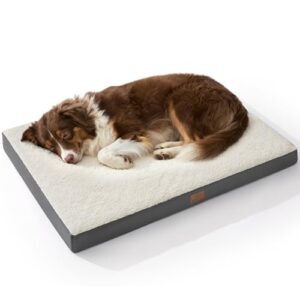
If you’re looking for serious joint support, the Bedsure Orthopedic Dog Bed delivers with high-density memory foam that won’t flatten over time. It features a supportive egg-crate foam layer and a cozy 200gsm sherpa fleece cover that’s machine washable.
The waterproof inner liner protects against accidents, while the non-slip bottom keeps everything stable. It’s CertiPUR-certified and comes in multiple sizes to fit crates up to 36″L x 27″W.
Perfect for senior dogs or those with arthritis needing extra cushioning.
| Best For | Senior dogs, large breeds, or pets with arthritis who need extra cushioning and joint support. |
|---|---|
| Material | Egg crate foam |
| Machine Washable | Yes (cover) |
| Size | 36″L x 27″W x 3″Th |
| Anti-Slip Bottom | Yes |
| Portability | Portable |
| Support Type | Orthopedic egg-crate |
| Additional Features |
|
- High-density egg-crate foam provides excellent orthopedic support without flattening
- Machine-washable sherpa cover with waterproof liner makes cleanup easy
- Non-slip bottom and CertiPUR-US certification ensure safety and quality
- Not durable for dogs that tend to chew or dig at their beds
- Some buyers found the size runs smaller than expected
- Cover may shrink or lose shape after multiple washes
2. Furrybaby Dog Bed Mat
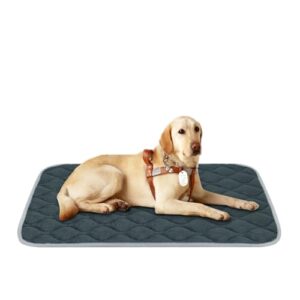
For a lighter, travel-friendly option, the Furrybaby Dog Bed Mat works well at just 0.7 inches thick. This 42″x28″ polyester mat features a soft surface with anti-slip backing to prevent sliding around your dog’s crate.
It’s machine washable and foldable, making it ideal for trips or camping. The thin polyester insert offers basic pressure relief without taking up much space.
However, it won’t hold up against heavy chewers and may feel too firm for dogs needing serious joint support.
| Best For | Pet owners who need a lightweight, portable mat for travel, crates, or protecting furniture—but not for heavy chewers or dogs requiring thick cushioning. |
|---|---|
| Material | Polyester |
| Machine Washable | Yes |
| Size | 42″L x 28″W x 0.7″Th |
| Anti-Slip Bottom | Yes |
| Portability | Foldable |
| Support Type | Pressure relief |
| Additional Features |
|
- Machine washable and foldable design makes it super easy to clean and pack for trips
- Anti-slip backing keeps the mat stable in crates, carriers, or on slippery floors
- Affordable option that protects surfaces from dirt and fur without breaking the bank
- Too thin (0.7 inches) to provide adequate joint support for older or larger dogs
- Won’t survive pets that chew, scratch, or bite their bedding
- Some users report it feels flimsy and may not grip well on all floor types
3. Soft Dog Bed Mat
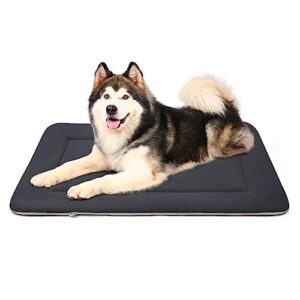
The Magic Dog Soft Dog Bed Mat offers a mid-range thickness of 1.2 inches with high-quality fiber filling that resists flattening over time. Available in three sizes (36″x23″ up to 48″x30″), this flannel-topped mat includes silicone dots on the bottom to prevent slipping.
You can toss it in the washing machine when it needs cleaning. At 3.38 pounds, it’s adaptable enough for crates, furniture, or car seats.
Just know it won’t survive aggressive chewing, and the fleece surface attracts hair easily.
| Best For | Dog owners looking for an affordable, machine-washable mat that works in crates, on furniture, or in the car—but whose dogs don’t chew bedding. |
|---|---|
| Material | Flannel/PP Fiber |
| Machine Washable | Yes |
| Size | Up to 48″L x 30″W |
| Anti-Slip Bottom | Yes |
| Portability | Portable |
| Support Type | Fiber filling |
| Additional Features |
|
- Machine washable and easy to clean
- Non-slip bottom keeps it in place on floors and furniture
- Versatile enough to use in crates, on couches, or in car seats
- Not chew-resistant, so it won’t last with destructive chewers
- Fleece surface attracts hair and dirt easily
- Thinner than foam beds, so it may not provide enough cushioning for older or arthritic dogs
4. Pet Dreams Dog Crate Pad
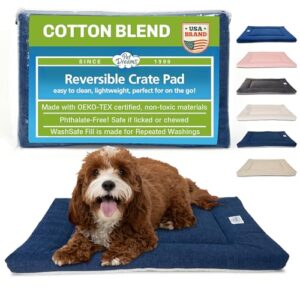
If your budget is tighter, the Pet Dreams Dog Crate Pad offers solid value at just 1.5 inches thick. This reversible design gives you a Sherpa side for winter and cotton for summer—stretching time between washes. The 24″x18″ pad fits small crates perfectly and uses OEKO-TEX certified non-toxic materials.
You’ll appreciate how quickly it dries after machine washing. However, it slides on metal crate floors unless you add grip pads, and chewers will pull the filling loose.
| Best For | Budget-conscious pet owners with small dogs who want a versatile, seasonal crate pad and don’t have chewers. |
|---|---|
| Material | Cotton/Polyester |
| Machine Washable | Yes |
| Size | 24″L x 18″W x 1.5″Th |
| Anti-Slip Bottom | No |
| Portability | Lightweight |
| Support Type | Cushioned fiberfill |
| Additional Features |
|
- Reversible Sherpa/cotton design adapts to different seasons and extends time between washes
- OEKO-TEX certified non-toxic materials provide peace of mind for pet safety
- Machine washable and quick-drying for easy maintenance
- Slides on metal crate floors without additional grip pads
- Not suitable for dogs that chew or dig, as filling can come loose
- Thinner 1.5-inch profile may not provide enough cushioning for all dogs
5. K9 Ballistics Chew Proof Dog Bed
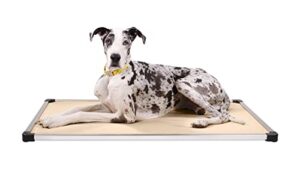
For power chewers, the K9 Ballistics Chew Proof Dog Bed puts up a real fight. Its 100% aluminum frame guards every corner where dogs usually tear into fabric, and the ripstop ballistic material resists punctures that destroy cheaper beds in days.
The elevated cot design keeps your dog comfortable while promoting airflow underneath. It fits standard wire crates perfectly and withstands machine washing without falling apart.
The catch? At 1.5 inches thick, some dogs need extra cushioning for joint support.
| Best For | Dog owners with aggressive chewers who need a durable, crate-compatible bed that can withstand destructive behavior. |
|---|---|
| Material | Aluminum/Ballistic fabric |
| Machine Washable | Limited (fabric only) |
| Size | 47″L x 29″W x 1″H |
| Anti-Slip Bottom | N/A (crate-mounted) |
| Portability | Crate-compatible |
| Support Type | Orthopedic-style padded |
| Additional Features |
|
- 100% aluminum frame and ripstop ballistic fabric provide exceptional durability against chewing and tearing
- Elevated cot design promotes airflow and fits perfectly in standard wire crates
- Machine washable and waterproof backing make maintenance relatively easy
- 1.5-inch padding may be too thin for dogs needing extra joint support or cushioning
- Cleaning can be difficult when liquids sit on the surface, sometimes requiring special cleaning methods
- The smooth, slick texture may not appeal to all dogs or provide enough grip
Tips for Comfortable and Safe Crate Setup

Getting the right pad or bed is only half the battle—you also need to set up your dog’s crate in a way that keeps them comfortable and safe. A few simple adjustments can make a big difference in how quickly your dog settles in and how well they sleep.
Here’s what you need to know to create a cozy, secure space your dog will actually want to use.
Measuring for The Perfect Fit
Getting the right fit isn’t guesswork—it’s about accurate sizing methods and dog measurement tips. Measure your dog’s length from shoulder to hindquarters, then add 2 to 4 inches for comfortable clearance.
Check crate size guidelines to match dimensions, ensuring dog crate beds or crate mats don’t obstruct movement.
Use fit assessment tools like measuring tape for precision when selecting machine washable, durable dog crate solutions.
Proper Crate Pad or Bed Placement
Where you position your pad or bed inside the crate directly affects your dog’s comfort and training success. Align crate pads or dog crate beds along the back wall to optimize space and allow your pup to turn around easily.
- Crate orientation: Place the crate in a low-traffic area to reduce stress and create comfort zones
- Pad thickness: Choose thinner pads for proper crate training without blocking the entrance
- Bed positioning: Verify the surface lies flat to prevent joint pressure and bunching
- Space optimization: Fill 70-90% of the floor, leaving borders for air circulation
- Dog crate comfort: Use non-slip mats to keep dog bed and crate pad options stable during movement
Enhancing Comfort and Security
You can boost dog crate comfort and safety by adding familiar scents that ease dog anxiety and promote pet wellness. Drape a breathable blanket over three sides to create a den-like retreat that improves sleep quality.
Pair your crate pad or orthopedic dog beds with chew-safe toys to redirect nervous energy, transforming the space into complete dog comfort solutions focused on crate safety.
Frequently Asked Questions (FAQs)
Can I use both a pad and bed together?
Yes, you can layer a crate pad over a crate bed for dual comfort. This stacked beds approach adds joint support and warmth, but check that combined height doesn’t block your crate door or restrict airflow.
Which option is better for puppies during housebreaking?
Crate pads work better for puppy housebreaking because they’re easier to clean after accidents, dry faster, and cost less to replace.
They help your puppy connect crate time with their potty routine.
Are waterproof crate pads or beds available?
You’ll find plenty of waterproof crate pads and machine washable dog crate accessories with coated backings that block liquids.
Waterproof materials protect crate liners and maintain pet hygiene while supporting dog comfort.
How often should I replace my crate pad?
Replace your crate pad every two to three years with regular use.
Watch for flattened cushioning, persistent odors, fraying seams, or visible holes—these signs mean it’s time for a fresh, supportive replacement.
Do crate beds help with separation anxiety issues?
A comfortable sleeping surface can help ease separation stress by creating a secure den-like space.
Pair crate training with a supportive pad for dog anxiety relief, and use consistent routines to support dog behavior modification.
Conclusion
Think of your dog’s crate as their personal bedroom—what you put inside matters. The difference between a crate pad and a crate bed comes down to your dog’s specific needs: quick trips favor lightweight pads, while senior pups need the cushioned support of a proper bed.
Measure your crate, watch how your dog sleeps, and don’t overthink it. When your dog curls up without hesitation, you’ve made the right call.