This site is supported by our readers. We may earn a commission, at no cost to you, if you purchase through links.

You’d be surprised how many dogs trade itchy skin and upset stomachs for wagging tails the moment their bowl swaps grains for sweet potatoes or salmon. Grain-free dog food isn’t a fad—it’s a lifeline for pups who can’t stomach wheat or corn, and for owners who want control over what fuels their best friend.
But choosing the best grain-free dog food brands can feel like browsing a crowded farmers market: plenty of choices, but not every label tells the whole story. If you’re searching for safe, healthy options, knowing what sets the top brands apart makes all the difference.
Table Of Contents
- What is Grain-Free Dog Food?
- Signs Your Dog May Need Grain-Free Food
- Essential Features of Quality Grain-Free Dog Food
- Top 10 Grain-Free Dog Food Brands
- 1. Taste of the Wild Puppy Food
- 2. Blue Buffalo Wilderness Chicken Dog Food
- 3. Cesar Poultry Variety Wet Dog Food
- 4. The Honest Kitchen Turkey Recipe
- 5. Natural Balance Sweet Potato Fish Food
- 6. Canidae Healthy Weight Chicken and Pea
- 7. Natures Recipe Small Breed Chicken Food
- 8. Blue Buffalo Freedom Chicken Dog Food
- 9. Hill’s Sensitive Stomach Skin Dog Food
- 10. Nature’s Recipe Salmon Dog Food
- Benefits and Risks of Grain-Free Diets
- How to Choose The Best Grain-Free Dog Food
- Frequently Asked Questions (FAQs)
- Do vets recommend grain-free dog food?
- What grain-free food is good for dogs?
- Is grain-free really best for dogs?
- What brand of dog food do most vets recommend?
- How much grain-free food should I feed my dog?
- What are the signs of grain allergies in dogs?
- How do I know if my dog needs grain-free food?
- How do I transition my dog to grain-free food?
- Are grain-free diets suitable for puppies?
- What are the storage requirements for grain-free dog food?
- Conclusion
What is Grain-Free Dog Food?
Grain-free dog food skips traditional grains like wheat, corn, and rice, replacing them with alternative ingredients that still give your dog the energy and nutrition they need. These formulas lean heavily on animal proteins and use things like potatoes, sweet potatoes, and legumes to fill the carbohydrate role.
Understanding what goes into grain-free food—and how it differs from regular kibble—helps you make smarter choices for your dog’s bowl.
Key Ingredients in Grain-Free Dog Food
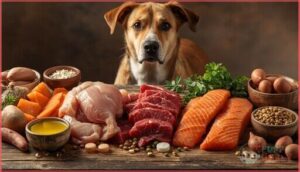
Grain-free dog food replaces traditional grains with nutrient-dense alternatives that support your dog’s health. Understanding these ingredients helps you make informed choices.
- Protein sources: Real meat like chicken, beef, or salmon leads the ingredient list, providing 25-38% protein for muscle maintenance
- Carb alternatives: Sweet potatoes, peas, and lentils replace grains while offering steady energy
- Fat composition: Animal fats and fish oil deliver 10-18% fat content for skin and coat health
- Vitamins/minerals: Fortified formulas meet AAFCO standards with essential nutrients often absent in grain substitutes
Grain-free options often have higher protein content.
Common Grain Substitutes and Their Benefits
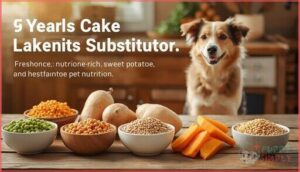
When manufacturers replace grains, they turn to legumes like peas, lentils, and chickpeas—often making up 12% or more of the formula. Sweet potatoes and white potatoes follow closely at around 13%, delivering complex carbs with a low glycemic index.
These grain substitutes pack serious benefits: legumes boost fiber content and provide plant protein, while sweet potatoes offer beta-carotene for immune support and healthy vision. You’ll also find alternatives like quinoa, pumpkin, and millet adding antioxidant boosts and supporting easier carb absorption in sensitive dogs.
The website may experience technical difficulties, but will be resolved soon.
Grain-Free Vs. Grain-Inclusive: Main Differences
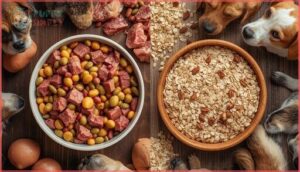
The real divide comes down to protein and carbs. Grain-free dog food delivers 28% animal-based protein versus 21% in grain-inclusive formulas, while swapping traditional grains for legumes and potatoes.
You’ll notice grain-inclusive options pack 3.5% fiber compared to 2.2% grain-free, offering better micronutrient density through ingredients like brown rice and oats.
Digestibility rates favor grain-free by about 4%, though dog nutrition needs vary widely based on allergies and activity level.
Signs Your Dog May Need Grain-Free Food

Not every dog needs grain-free food, but certain signs can point you in that direction. If your dog’s struggling with itchy skin, upset stomach, or constant ear infections, grains might be part of the problem.
Here’s what to watch for and when it’s time to make a change.
Symptoms of Grain Sensitivities or Allergies
Dog allergies can show up in ways you mightn’t connect to their food at first. If your dog’s scratching more than usual or dealing with tummy troubles, food sensitivities or allergies could be the culprit. Watch for these common signs:
- Skin irritation with persistent itching or red, inflamed patches
- Digestive issues like diarrhea, vomiting, or excessive gas
- Ear infections that keep coming back
- Paw licking that seems obsessive or constant
- Behavioral changes including restlessness or decreased energy
Breeds and Ages Prone to Grain Intolerance
Some pups are born with a tougher road ahead. West Highland White Terriers, German Shepherds, Labrador Retrievers, Cocker Spaniels, and Boxers show breed predisposition to grain sensitivities and food allergies.
Most symptoms appear between one and two years of age, though senior dogs can develop issues too. Genetic factors and environmental impact both play roles, making clinical diagnosis essential for these at-risk dog breeds.
When to Consult a Veterinarian
Before switching your dog’s diet, reach out to a veterinarian if digestive distress or unexplained weight loss persists. Heart concerns, dermatological symptoms, and appetite changes demand professional evaluation. Watch for:
- Vomiting or diarrhea lasting beyond 48 hours
- Sudden weight loss exceeding 10% in two months
- Persistent itching, redness, or hair loss
- Coughing, lethargy, or breathing difficulties
Veterinary recommendations guarantee canine health, especially regarding food sensitivities and dog food allergies.
Essential Features of Quality Grain-Free Dog Food
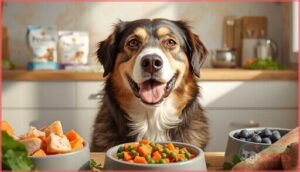
Not all grain-free dog foods are created equal. The best products share a few key qualities that set them apart from cheaper, less nutritious options.
Here’s what you should look for when reading labels and comparing brands.
Importance of Animal-Based Protein Sources
When you scan the label on grain-free dog food, protein sources matter more than you might think. Animal protein delivers complete amino acid profiles that plant proteins simply can’t match, with chicken and turkey showing nearly 90% amino digestibility compared to legumes. This difference affects muscle maintenance, immune support, and even palatability factors—your dog instinctively knows what fuels their body best.
| Protein Source | Digestibility Rate | Key Advantage |
|---|---|---|
| Deboned Chicken | 89.85% | Complete amino acids for muscle repair |
| Turkey | ~90% | High palatability, lean protein |
| Plant Proteins | 82-84% | Lower B-vitamins, incomplete profile |
| Animal Blends | 90%+ | Superior immune support and satiety |
The best grain-free dog food brands prioritize animal-based proteins because they support everything from lean body mass to immune cell function, making them non-negotiable for quality nutrition.
Role of Alternative Carbohydrates (Potatoes, Legumes)
Think of alternative carbohydrates as the structural backbone in grain-free dog food—potatoes and legumes replace traditional grains while serving dual roles.
Potatoes offer low glycemic responses and high digestibility, making them gentle on your dog’s system.
Legumes boost fiber content and contribute protein, though they require careful food processing to maintain nutrient contribution.
Together, these carbohydrate sources provide energy without compromising digestibility or triggering grain sensitivities.
Nutritional Balance and Complete Diet
Your dog’s food isn’t truly grain-free unless it’s labeled “complete and balanced”—that’s regulatory compliance at work. Look for formulas meeting AAFCO standards, which guarantee proper macronutrient ratios, vitamin supplementation, and essential amino acids.
Digestibility studies confirm high-quality ingredients deliver balanced nutrition your dog can actually absorb. Without this nutritional balance, you’re feeding calories, not complete and balanced nutrition that promotes long-term health.
Ingredient Transparency and Sourcing
You can’t trust what you can’t trace. Brands like Open Farm and Primal Pet Foods use traceability systems showing exactly where each ingredient originates—no mystery meat here.
Look for third-party certifications and label accuracy audits, since studies found undeclared proteins in eight of twenty-one tested foods.
Human-grade ingredients from ethical sourcing practices mean higher quality, safer nutrition for your dog.
Top 10 Grain-Free Dog Food Brands
Now that you know what to look for in a quality grain-free dog food, it’s time to explore the brands that actually deliver on those standards.
The following ten products represent a mix of dry kibble, wet food, and dehydrated options, each offering something unique for different dog sizes, life stages, and dietary needs.
We’ve selected these based on ingredient quality, nutritional balance, and real-world performance.
1. Taste of the Wild Puppy Food
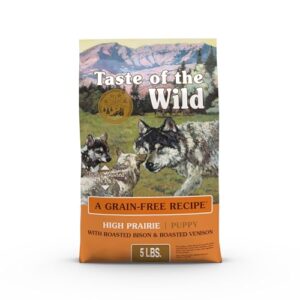
You want the best for your growing pup, and Taste of the Wild Puppy Food delivers with 28% protein from real roasted bison and venison. This grain-free dog food includes DHA for brain development and K9 probiotics to support sensitive digestion.
Ingredient sourcing is transparent—most proteins come from USDA-inspected facilities, though some specialty nutrients originate from China. Customer ratings average 4.7 stars, and its safety record shows just one recall back in 2012.
Market performance remains strong, making it a trusted choice among the best grain-free dog food brands.
Best For: Pet owners looking for a high-protein, grain-free puppy food with real meat as the first ingredient and probiotics for sensitive digestion.
- High protein content (28%) with real roasted bison and venison supports strong muscle and bone development in growing puppies.
- Includes DHA for brain development and K9 strain probiotics to promote healthy digestion and immune function.
- Strong customer satisfaction with 4.7-star average rating and transparent ingredient sourcing from USDA-inspected facilities.
- Some specialty nutrients like folic acid and taurine are sourced from China due to limited global production.
- May be too expensive for some pet owners compared to conventional puppy food options.
- Individual puppies may experience digestive issues or dislike the taste, as results can vary by dog.
2. Blue Buffalo Wilderness Chicken Dog Food
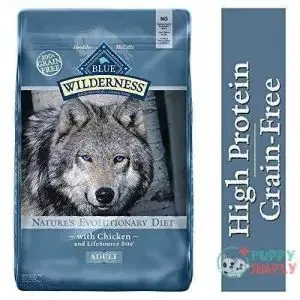
Blue Buffalo Wilderness Chicken Dog Food packs 34% protein from deboned chicken, meeting AAFCO standards for adult maintenance. This grain-free formulation relies on peas and potatoes instead of corn or wheat, delivering 409 calories per cup.
Market ratings hover around 4.5 stars, and Blue Buffalo holds over 60% of General Mills’ pet segment sales. However, legume-heavy recipes like this have appeared in ongoing diet-associated DCM discussions, so you’ll want to monitor your dog’s heart health and consult your vet before switching.
Best For: Active adult dogs who need high-protein fuel and owners seeking a grain-free option with strong market ratings and AAFCO-compliant nutrition.
- Real chicken delivers 34% protein to support muscle maintenance and active lifestyles
- No corn, wheat, soy, or artificial additives—just recognizable ingredients and added vitamins
- Consistently rated around 4.5 stars with wide availability and proven market trust
- Legume-based carbs (peas, pea protein) have appeared in diet-associated DCM research, requiring vet oversight
- High calorie density (409 kcal/cup) can lead to weight gain without portion control
- Premium pricing puts it above many comparable adult maintenance formulas
3. Cesar Poultry Variety Wet Dog Food
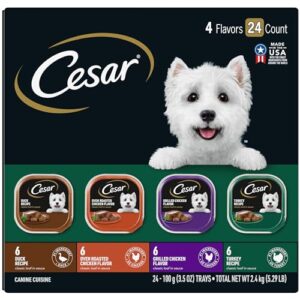
Cesar Poultry Variety Wet Dog Food delivers 45.5% dry-matter protein from real chicken, turkey, or duck in easy-peel 3.5 oz trays. Each serving provides about 35 calories and meets AAFCO completeness guidelines, using yam and modified tapioca starch instead of grains.
Palatability concerns rarely surface—customer ratings average above 4.5 stars. Still, the FDA flagged grain-free recipes with potatoes in DCM investigations, and 90% of reported cases involved grain-free formulas.
Ingredient analysis shows no direct causal link for Cesar, yet regulatory compliance demands ongoing veterinary oversight if you choose this poultry variety.
Best For: Adult dogs who enjoy real poultry flavors and need a high-protein, grain-free wet food in convenient single-serve portions—especially picky eaters or small breeds.
- High protein content at 45.5% dry matter from real chicken, turkey, or duck supports muscle health and satisfies dogs who crave meat-rich meals.
- Easy-peel 3.5 oz trays offer perfect portion control and stay fresh, making mealtime simple for busy owners.
- Strong palatability with 4.5 star ratings means most dogs love the taste and texture right out of the tray.
- FDA investigations into grain-free diets link 90% of DCM cases to formulas like this one, requiring veterinary monitoring for at-risk dogs.
- Small tray size may not satisfy larger breeds without feeding multiple servings, which can get expensive quickly.
- Rich formula might upset sensitive stomachs in some dogs, especially during the transition period.
4. The Honest Kitchen Turkey Recipe
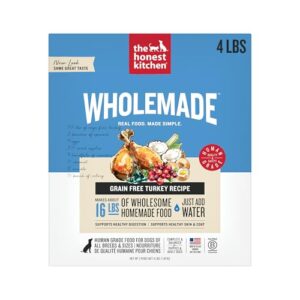
The Honest Kitchen Turkey Recipe stands out with human-grade ingredients processed in facilities meeting FDA standards for people food. This dehydrated grain-free dog food packs 29% protein and rehydrates in three minutes—one 10 lb box yields 40 lbs of fresh meals.
Feeding guidelines are simple: toy breeds get 64 days from a 4 lb bag, while small breeds stretch it 32 days.
With $24.3 million in 2025 revenue and zero recent recalls, market performance reflects consistent quality you can trust.
Best For: Dog owners looking for human-grade, grain-free nutrition who don’t mind paying premium prices and can handle the extra prep of rehydrating meals.
- Human-grade ingredients made in FDA-approved facilities with strong safety record and no recent recalls
- Highly concentrated nutrition that rehydrates 4x its weight, making storage easy and lasting longer than expected
- Works for all life stages and breeds with 29% protein and grain-free formula that helps sensitive stomachs
- Significantly more expensive than standard kibble or even many premium dog foods
- Rehydrated food only stays fresh for a few hours and needs refrigeration, requiring meal-by-meal prep
- Limited to just turkey flavor, so picky eaters or dogs needing variety might get bored
5. Natural Balance Sweet Potato Fish Food
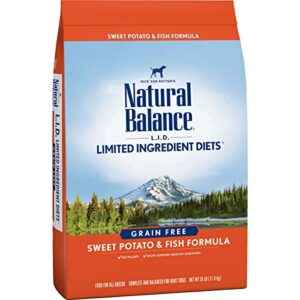
Natural Balance Limited Ingredient Diet delivers 24% salmon protein paired with sweet potato as the sole carb source—a smart combo for dogs with food sensitivities. This AAFCO-compliant formula packs 3,360 kcal/kg and includes 800 mg/kg glucosamine for joint support. You’ll find omega-3s from fish meal and no artificial additives in the dog food ingredients list.
Past recalls in 2010 and 2019 affected other Natural Balance formulas, not this sweet potato and fish variant, though it’s worth noting when comparing the best grain-free dog food options.
Best For: Dogs with food allergies or sensitive stomachs who need a simple, grain-free diet with one protein source and easy-to-digest carbs.
- Single protein (salmon) and single carb (sweet potato) setup minimizes triggers for dogs with sensitivities
- Includes 800 mg/kg glucosamine for joint health plus omega-3s and omega-6s for skin and coat
- AAFCO-compliant for adult maintenance with solid protein content (24%) and no artificial additives
- Pricier than regular dog food and bags aren’t resealable
- Kibble size can vary between bags, which some picky eaters might notice
- Past recalls on other Natural Balance formulas (though not this specific variant) may give some buyers pause
6. Canidae Healthy Weight Chicken and Pea
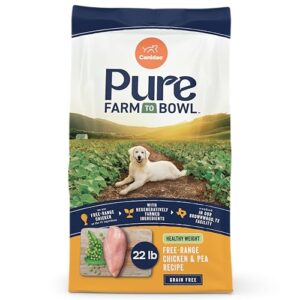
When your dog carries extra pounds, Canidae Pure Grain-Free Healthy Weight Chicken and Pea offers a thoughtful solution. This limited ingredient diet features chicken as the protein source and delivers 28% protein with just 9% fat—roughly 30% less than standard maintenance formulas.
You’ll get 409 kcal per cup, plus 0.10% taurine to address DCM concerns in grain-free dog food. The best grain-free dog food brands include probiotic benefits (220,000 CFU/g) and AAFCO compliance for adult weight management, making it a sensible choice for overweight pups.
Best For: Dog owners managing their adult dog’s weight who want a grain-free, limited-ingredient formula with lean protein and added joint support.
- High protein (28%) with reduced fat (9%) helps dogs lose weight while maintaining muscle mass
- Includes joint-supporting glucosamine (400 mg/kg) and chondroitin (700 mg/kg), helpful for overweight dogs with extra stress on their joints
- Contains taurine (0.10%) and probiotics (220,000 CFU/g) for heart health and digestion
- Premium pricing at around $3.41 per pound makes it one of the more expensive options
- Some dogs experience digestive upset or diarrhea when switching to this food
- Not all dogs find the taste appealing, and quality can vary between batches
7. Natures Recipe Small Breed Chicken Food
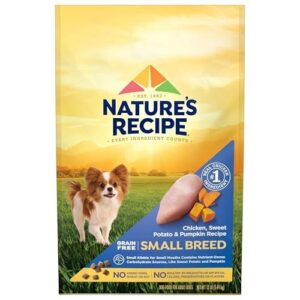
Small breeds need fuel suited to their fast-burning engines, and Nature’s Recipe Small Breed Chicken Food delivers exactly that. You’ll find real chicken as the first ingredient, followed by sweet potato and pumpkin—nutrient-dense carbs that skip the grain entirely.
At 342 kcal per cup with 24% protein and 14% fat, it matches small breed energy needs while supporting healthy digestion.
With a 4.7-star customer rating and zero recalls on this grain-free dog food formula, it’s earned trust among owners of picky, senior, and sensitive pups alike.
Best For: Small breed adult dogs with grain sensitivities who need calorie-dense nutrition and digestive support from real chicken, sweet potato, and pumpkin.
- Real chicken as the #1 ingredient with 24% protein and 342 calories per cup to fuel small breed metabolism
- Grain-free formula with sweet potato and pumpkin supports digestion while avoiding corn, wheat, and soy
- Clean safety record with zero recalls on this formula and strong 4.7-star rating from nearly 3,000 customers
- Not formulated for puppies or all life stages—adult maintenance only
- Availability can be hit-or-miss in physical stores depending on location
- Higher price point than standard dog foods, though still considered affordable in the grain-free category
8. Blue Buffalo Freedom Chicken Dog Food
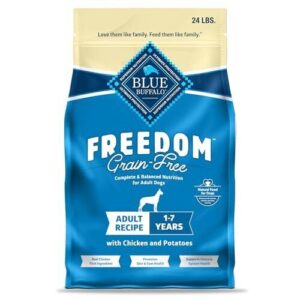
You’ll find deboned chicken leading the charge in Blue Buffalo Freedom, making it a standout among grain-free dog food brands for dogs with sensitivities. With 24% protein, 14% fat, and 373 kcal per cup, the nutritional analysis shows solid balance. Product variants span adult, senior, and large breed formulas—each adapted to different life stages.
Consumer feedback averages 3.4 stars, with praise for ingredient sourcing transparency. Recall history includes a 2025 vitamin D incident affecting other lines, though Freedom Chicken wasn’t directly named, reminding you to stay vigilant about dog food ingredients.
Best For: Dogs with grain sensitivities or food allergies who need a protein-rich formula with traceable chicken sourcing and immune support ingredients.
- Real deboned chicken as the #1 ingredient with 24% protein and grain-free recipe that avoids common allergens like corn, wheat, and soy
- LifeSource Bits provide cold-formed antioxidants for immune health, plus variants tailored to specific needs (large breed joint support, senior formulas, weight management)
- Widely available in multiple sizes (4 lb to 24 lb bags) with transparent U.S. chicken sourcing
- Premium pricing at $68.98 for 24 lbs makes it expensive for long-term feeding, especially for larger dogs
- Mixed customer reviews (3.4/5 stars) cite palatability issues with picky eaters and occasional digestive sensitivities
- Parent brand recall history in 2025 (vitamin D issue in other lines) raises quality control concerns despite this formula not being directly affected
9. Hill’s Sensitive Stomach Skin Dog Food
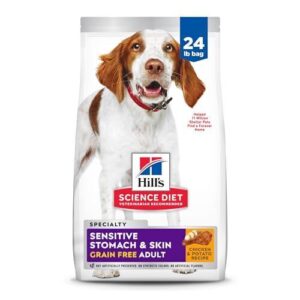
When digestive troubles plague your pup, Hill’s Sensitive Stomach & Skin Dog Food delivers targeted relief backed by veterinary recommendation. You’ll get 25% protein and 16.8% fat, plus beet pulp as a prebiotic fiber to support sensitive stomachs.
The grain-free dog food uses chicken as its first ingredient, with omega-6s and vitamin E for skin health benefits. Ingredient quality meets AAFCO standards, and Hill’s sustainable sourcing earned LEED Gold certification.
It’s among the best grain-free dog food brands for dogs needing digestive and dermatological support.
Best For: Adult dogs (1-6 years) with sensitive stomachs, skin allergies, or chronic itching who need a grain-free formula with prebiotic fiber and digestive support.
- Vet-recommended formula with 25% protein, omega-6s, and vitamin E that addresses both digestive issues and skin health in one diet
- Contains beet pulp as a prebiotic fiber to support gut bacteria and improve nutrient absorption for dogs with sensitive stomachs
- Made in LEED Gold certified facilities with sustainably sourced ingredients and meets AAFCO nutritional standards
- Significantly more expensive than most standard dog food brands on the market
- Some dogs refuse to eat it due to smell or taste preferences, which can be frustrating given the premium price
- May not work for all food allergies or sensitivities since results vary by individual dog
10. Nature’s Recipe Salmon Dog Food
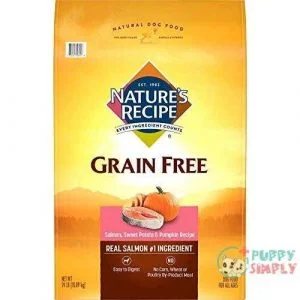
When your dog struggles with grain allergies, Nature’s Recipe Salmon Dog Food delivers 25% protein with real salmon as the first ingredient. You’ll find sweet potato and pumpkin for digestive sensitivity support, plus omega-3s at 0.2% minimum for skin health.
Customer ratings consistently hit 5 out of 5 stars across all bag sizes. While the brand has recall history from 2012, ingredient transparency meets AAFCO standards.
It’s among the best grain-free dog food brands if you’re seeking a salmon protein source without corn, wheat, or artificial flavors.
Best For: Dogs with grain sensitivities or allergies who need a high-protein diet with digestible carbs like sweet potato and pumpkin.
- Real salmon as the #1 ingredient provides 25% protein and omega-3s for healthy skin and coat
- Grain-free formula with sweet potato and pumpkin supports sensitive stomachs and digestion
- Consistently rated 5 out of 5 stars by customers and meets AAFCO standards for all life stages
- Some dogs experienced vomiting and diarrhea, suggesting it may not work for every pet
- Higher price point compared to grain-inclusive dog food options
- Brand has recall history from 2012, though no recent incidents with this specific recipe
Benefits and Risks of Grain-Free Diets

Grain-free dog food can offer real benefits for some dogs, but it’s not the right choice for every pet. You need to understand both the advantages and the potential risks before making the switch.
Let’s look at what grain-free diets can do for your dog—and what concerns you should keep in mind.
Allergy Relief and Digestive Health
While true grain sensitivities affect fewer than 1% of dogs, many owners report noticeable improvements when switching to grain-free dog food brands. Dogs with sensitive stomachs often show better stool quality and reduced bloating within weeks.
Over 65% of owners switching for suspected dog food allergies and sensitivities report skin allergy reduction and digestive health improvements. These hypoallergenic benefits drive strong owner satisfaction rates, though you’ll want to confirm your dog truly needs this approach.
Over 65% of dog owners switching to grain-free food report noticeable improvements in skin allergies and digestive health
Potential Heart Health Concerns (DCM)
However, grain-free dog food concerns emerged when the FDA investigation into dog food linked certain formulas to canine dilated cardiomyopathy (DCM). Over 90% of reported DCM cases involved grain-free diets heavy in peas and lentils, suggesting a legume association and possible taurine deficiency.
Genetic factors also play a role, and ongoing research continues to explore this complex relationship without definitive proof of causation.
Suitability for Different Life Stages and Breeds
As concerns about heart health continue, it’s smart to match Dog Food for Different Life Stages and Breed-specific diets to your dog’s needs. Puppies need formulas supporting healthy Puppy growth rates, while adults benefit from diets adapted for Adult energy needs.
Senior weight control is key for older dogs, and Individual sensitivities mean the Best GrainFree Dog Food Brands should fit your dog’s unique profile.
How to Choose The Best Grain-Free Dog Food

Choosing the right grain-free dog food can feel overwhelming with so many options out there. You’ll want to look at nutrition, brand quality, and what fits your budget and routine.
Here’s what to keep in mind as you compare the top choices.
Assessing Nutritional Value for Your Dog’s Needs
Ever wonder if your dog’s food is truly fueling their best life? Focus on Protein Quality—animal-based sources top the list for Dog Nutrition Guidelines. Carb Sources like sweet potatoes help with Digestibility and steady energy.
Check for balanced Micronutrients and whole-food Ingredients in Dog Food. The Best GrainFree Dog Food Brands should match your dog’s Nutritional Value and Ingredients needs for real Health Impact.
Comparing Brand Reputation and Quality
Trust is built on facts, not just flashy packaging. Look for Brand Transparency and clear Ingredient Sourcing—dog food brands like Merrick Grain Free Dog Food often publish testing results.
Veterinary Endorsements and Recall History shape Consumer Trust. Dig into dog food reviews: brands with consistent quality and safety lead the pack among the Best grainfree dog food choices for 2025.
Price, Availability, and Feeding Recommendations
When weighing price trends and market penetration, you’ll notice grain-free options cost more—averaging $45–$75 per 20-pound bag in 2025. Geographic availability varies, but pet specialty stores stock the best grain-free dog food.
Feeding guidelines suggest 1 cup per 20 pounds daily, with portion sizes adjusted for age and activity. Affordable grain-free options exist, but always follow commercial dog foods’ recommendations.
Frequently Asked Questions (FAQs)
Do vets recommend grain-free dog food?
Veterinary consensus in 2025 is clear: vets rarely recommend grain-free dog food unless a dog has a medically confirmed grain allergy.
DCM concerns, professional guidelines, and owner perceptions all highlight the risks of grain-free diets without medical justifications.
What grain-free food is good for dogs?
Good grain-free dog foods use animal protein sources and carb alternatives like sweet potatoes or lentils. Look for nutritional balance, especially if your dog shows allergy symptoms or grain sensitivities.
Always consider DCM concerns and your dog’s nutritional needs.
Is grain-free really best for dogs?
Think of grain-free dog food like a double-edged sword—while it offers benefits for dogs with Grain Sensitivities and Allergies, the DCM link and Risks of grain-free food mean Veterinary advice is essential before switching, considering Nutritional value and Breed suitability.
What brand of dog food do most vets recommend?
Most veterinarians recommend Hill’s Science Diet, Purina Pro Plan, and Royal Canin for their ingredient transparency and clinical trials.
If grain-free is needed, choose major brands with added taurine, addressing DCM concerns and supporting best dog nutrition.
How much grain-free food should I feed my dog?
How much GrainFree Dog Food your dog needs depends on their breed differences, activity levels, and weight. Use feeding frequency guidelines and calorie calculation for accurate portions, monitor weight, and adjust for Dog Food Nutritional Needs and Dog Nutrition changes.
What are the signs of grain allergies in dogs?
Spotting grain allergies in dogs can feel like chasing shadows—look for skin itchiness, red patches, ear infections, chronic paw licking, and gastrointestinal upset.
Systemic signs like hives or facial swelling also suggest food sensitivities and dog health issues.
How do I know if my dog needs grain-free food?
If your dog shows Digestive Distress, Skin Irritation, or has a Breed Predisposition to Food Sensitivities, an Elimination Diet and Veterinary Confirmation can help determine if Grain-Free Dog Food or Dog Food for Allergies is needed.
How do I transition my dog to grain-free food?
Start your adjustment timeline with gradual feeding ratios—mix 10–25% GrainFree Dog Food for Sensitive Stomachs at first, increasing over 7–10 days.
Daily stool monitoring and prebiotics use help.
Seek veterinary advice if ingredients trigger allergies.
Are grain-free diets suitable for puppies?
Addressing puppy nutrition is like walking a tightrope—balance is everything. GrainFree Dog Food can meet Puppy Nutrient Needs if carefully formulated, but Veterinary Guidance and Diet Monitoring are key, especially with DCM Risk Factors and low Allergy Prevalence in puppies.
What are the storage requirements for grain-free dog food?
Temperature control is key—store grain-free dog food below 80°F, in airtight container types, away from sunlight.
Dry food’s shelf life is 12–18 months unopened; wet food spoils faster. Follow FDA guidelines to prevent spoilage risks.
Conclusion
Think of choosing dog food like picking seeds for a garden—what you plant shapes what grows. The best grain free dog food brands aren’t just labels; they’re foundations for your dog’s health, energy, and happiness.
If you listen to your dog’s needs and read ingredient lists like a map, you’ll find a path that leads to fewer vet visits and more wagging tails. Your choices matter, so let your next bowl reflect care and understanding.
- https://www.globenewswire.com/news-release/2025/11/14/3188291/0/en/Grain-Free-Pet-Foods-Market-Size-to-Exceed-USD-92-22-Billion-by-2034-Towards-FnB.html
- https://dataintelo.com/report/grain-free-dog-food-market
- https://beastiespets.com/blogs/news/best-grain-free-natural-dog-food-brands-in-2025-all-natural-no-preservatives
- https://kohapet.com/blogs/news/grain-free-dog-food
- https://zoomveteriner.com/en/dog-food-2025-guide/