
This site is supported by our readers. We may earn a commission, at no cost to you, if you purchase through links.

About 20 million Americans with asthma also share their homes with dogs—and many of them breathe easier than you’d expect. The idea that asthma and dog ownership can’t coexist is outdated.
What actually triggers symptoms isn’t fur itself, but the proteins found in dander, saliva, and urine, and some breeds produce far less of it than others. Choosing the right dog matters, but so does how you manage your home.
The best dogs for asthma sufferers combine low-shedding coats, calm temperaments, and minimal dander output—and there are more good options than most people realize.
Table Of Contents
- Key Takeaways
- Best Dog Breeds for Asthma Sufferers
- Key Traits of Asthma-Friendly Dogs
- Managing Dog Allergens in The Home
- Top Products for Asthma-Safe Dog Ownership
- Tips for Living With Dogs and Asthma
- Frequently Asked Questions (FAQs)
- What is the best dog for someone with asthma?
- Are there dogs that help with asthma?
- What dogs are hypoallergenic for asthma sufferers?
- Can dog saliva trigger asthma symptoms too?
- Are mixed-breed dogs less allergenic than purebreds?
- How do asthma medications interact with pet exposure?
- Can children with asthma safely grow up with dogs?
- Do hypoallergenic dogs cost more than regular breeds?
- Conclusion
Key Takeaways
- The real asthma trigger isn’t dog fur — it’s proteins in dander, saliva, and urine, so choosing a low-shedding breed like a Poodle or Bichon Frise can meaningfully reduce your exposure.
- No dog is truly hypoallergenic, but breeds with curly or single-layer coats trap allergens close to the body instead of releasing them into your air.
- Consistent grooming, weekly baths, HEPA air purifiers, and a pet-free bedroom do as much heavy lifting as breed choice when it comes to keeping symptoms in check.
- Working with an allergist to track symptoms and pair environmental controls with the right medication is what turns dog ownership from a risk into a manageable reality.
Best Dog Breeds for Asthma Sufferers
Not all dogs are created equal regarding asthma triggers. Some breeds shed less, produce less dander, and simply play nicer with sensitive airways.
Breeds that shed less tend to keep dander contained, which is why many allergy sufferers gravitate toward options like those covered in this guide to low-shedding dogs and hypoallergenic traits.
Here are eight breeds worth considering if you want a dog without the constant wheeze.
Poodle

Poodles are a top pick for asthma sufferers — and for good reason. Their single-layer, curly coats trap dander instead of releasing it into the air. All three sizes share the same hypoallergenic traits, so you’ve got options.
Keep these care points in mind:
- Use proper grooming tools every 2–3 days to control loose hair
- Support health issues like hip dysplasia with balanced poodle nutrition
- Apply positive training methods early — they’re quick learners
It’s important for asthma sufferers to be aware of to guarantee the health and safety of both pets and owners.
Bichon Frise

Another great option is the Bichon Frise — a small, cheerful breed that’s hard not to love. Weighing just 12–18 pounds, their curly double coat traps pet dander rather than releasing it into your air.
Consistent Bichon Training and proper Frise Nutrition keep them healthy and low-allergen. For asthma sufferers seeking hypoallergenic dog breeds, this breed genuinely delivers.
Known for their adaptable and affectionate nature, Bichons make excellent companions in a variety of living conditions and families.
Maltese

If the Bichon won you over, the Maltese might seal the deal. These tiny dogs — rarely topping 7 pounds — have a single, low-shedding silky coat that’s easier on sensitive airways.
With the right Maltese Grooming Tools, regular baths, and smart Maltese Nutrition, dander stays manageable. They’re calm, affectionate, and genuinely one of the better hypoallergenic dog breeds for asthma sufferers.
Schnauzer

If you loved the Maltese’s petite build, the Miniature Schnauzer brings something a little bolder to the table. All three Schnauzer size variations share wiry, low-shedding coats — a big win for asthma sufferers.
Schnauzer Coat Care matters, though: regular brushing traps loose hair before it floats around your home. Their manageable Exercise Needs and steady Temperament make them one of the more practical hypoallergenic dog breeds for allergies.
Portuguese Water Dog

The Portuguese Water Dog has a fascinating breed history — these seafaring workers once herded fish and carried messages between boats off Portugal’s coast. That single-layer, non-shedding coat makes them standout hypoallergenic dogs for asthma sufferers today.
- Minimal dander spread due to no undercoat
- Regular dog training keeps boredom (and chaos) at bay
- Needs 30–60 minutes of vigorous daily exercise
- Professional grooming every 6–8 weeks prevents matting
- Bathing removes trapped allergens effectively
Soft Coated Wheaten Terrier

The Soft Coated Wheaten Terrier carries centuries of Farm Origins in its DNA — bred in Ireland as an all-purpose working dog long before it became a household companion.
Their low-shedding, allergy-friendly coat is one reason Wheatens rank among the best dog breeds for allergy sufferers looking for an active, loyal companion.
For asthma and allergies sufferers, its single, low-shedding coat is a real advantage among hypoallergenic dogs. Regular brushing several times a week keeps dander in check.
Just note that Wheatens Health screening matters, as this breed is prone to kidney and intestinal conditions.
Shih Tzu

The Shih Tzu’s ancient breed history traces back to Chinese royalty. Its long, continuously growing hair sheds far less than most dog breeds, which helps reduce airborne allergens at home.
That’s a genuine plus for asthma and allergy management. Pair consistent veterinary care, smart dog nutrition, and regular grooming with pet insurance, and this calm, affectionate hypoallergenic dog becomes a surprisingly livable companion for sensitive households.
Lagotto Romagnolo

Few hypoallergenic dogs match the Lagotto Romagnolo’s combination of charm and practicality for allergy sufferers. Originally bred as truffle hunters in Italy, this low-shedding dog breed has a dense, curly coat that traps dander close to the skin rather than releasing it into the air.
Consistent hypoallergenic grooming and Romagnolo care keep allergens manageable, while the Lagotto’s affectionate nature and trainability make family compatibility genuinely easy to achieve.
Key Traits of Asthma-Friendly Dogs

Not every dog is a safe bet for someone with asthma — it really comes down to a few specific traits that separate manageable breeds from ones that’ll keep your inhaler busy.
Knowing what to look for makes the whole search a lot less overwhelming. Here are the key traits worth paying attention to.
Low-Shedding Coats
Coat texture and shedding patterns matter more than most people realize when you have asthma. Low-shedding dog breeds — like Poodles and Bichon Frises — have nonshedding coats that trap loose hair instead of releasing it into the air. That means less dander floating around your home.
For smart breed selection and allergen reduction, prioritize these coat traits:
- Curly or wiry coats that hold shed hair within the fur
- Single-layer coats without a heavy seasonal undercoat
- Continuously growing hair that stays on the body until groomed
Grooming needs increase with these hypoallergenic dogs, but that tradeoff is worth it.
Minimal Dander Production
Even so-called hypoallergenic dog breeds still produce allergen proteins like Can f 1 — the real culprit behind asthma flare-ups. Dander reduction comes down to skin hydration, grooming habits, and smart breed selection.
Low shedding breeds release fewer airborne particles, but keeping your dog’s skin healthy matters just as much. Better skin means less flaking, less dander, and cleaner air for you.
Size Considerations for Indoor Air Quality
Dog weight impact on indoor air quality is real. A larger dog simply has more skin, more coat, and more saliva surface — meaning higher allergen concentration in your home’s air.
For asthma and allergy sufferers, low shedding breeds in a smaller size class genuinely help with pet dander reduction. Pair that with smart ventilation strategies, and your air quality metrics improve noticeably.
Temperament and Activity Level
Size matters, but so does what your dog does all day. Hypoallergenic dog breeds with calm energy levels and predictable behavior stir up far less dander than high-drive dogs constantly zooming indoors.
For asthma sufferers, gentle play and moderate exercise routines — short walks, puzzle toys, quiet cuddles — keep allergens settled and your breathing steadier. Low-impact activities aren’t just easier on you; they suit these allergy-friendly dog breeds naturally.
Managing Dog Allergens in The Home

Even with the right breed, allergens can still build up in your home over time.
The good news is that a few consistent habits can make a real difference in keeping your air cleaner and your symptoms in check. Here’s what actually helps.
Regular Grooming and Bathing
Keeping up with regular grooming makes a real difference for breathing difficulties. Bathing your dog once or twice a week cuts allergen levels markedly — though they creep back up within about three days, so consistency is key.
Use gentle, hypoallergenic shampoos with oatmeal or aloe for effective pet hygiene and minimal dander.
Pair bathing techniques with daily brushing using the right grooming tools for steady allergen reduction and healthier coat maintenance.
Cleaning Routines for Allergy Reduction
Grooming gets you halfway there — the rest comes down to your cleaning routine. For real allergen reduction, pet dander removal needs to happen room by room, consistently:
- Vacuum carpets and upholstery twice weekly using a sealed HEPA filter for thorough pet dander removal and vacuum filter maintenance
- Wipe hard surfaces with damp microfiber for effective allergen neutralization without stirring particles airborne
- Wash dog bedding weekly at 140°F to support dust mite control
- Run an air purifier daily for ongoing air purification methods
Creating Pet-Free Zones
Think of your bedroom as sacred ground — a true allergen barrier where dander reduction starts. Close that door for good.
| Pet Gate Ideas | Benefit |
|---|---|
| Pressure-mounted gates | No drilling, renter-friendly |
| Freestanding folding gates | Ideal for visiting allergy sufferers |
Pet-free flooring like hardwood promotes asthma-friendly decor. Keeping dogs off furniture drastically cuts managing pet allergies struggles for allergy sufferers with asthma or pet allergies.
Air Filtration and Ventilation
Even with the right breed, dog dander floats. That’s why indoor air quality matters just as much as breed choice for managing asthma and allergies.
- True HEPA Technology captures 99.97% of airborne pet allergens
- Air Purifier Systems with CADR ratings above 300 work best in larger rooms
- Ventilation Strategies like cross-ventilation dilute dander naturally
- Filter Maintenance every one to three months keeps breathing difficulties and pets from clashing
Top Products for Asthma-Safe Dog Ownership
The right tools can make a real difference when you’re managing asthma alongside dog ownership. From vacuums that actually capture dander to air purifiers designed with pets in mind, a few smart products go a long way.
Here are four worth keeping in your corner.
1. Eureka Powerful Upright Vacuum Cleaner
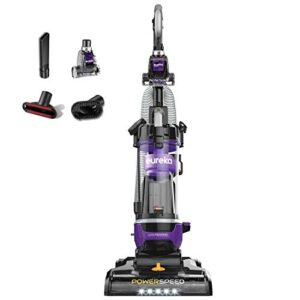
Pet hair and dander don’t stand a chance with the Eureka PowerSpeed Upright Vacuum in your corner. Its 960-watt motor delivers strong, consistent suction across carpets and hard floors, and the 12.6-inch cleaning path means you’re covering more ground with fewer passes.
The XL dust cup holds 0.7 gallons, so you won’t be stopping every five minutes. A crevice tool, dusting brush, and upholstery tool round out the kit — keeping allergens off your furniture and out of the air.
| Best For | Pet owners and busy households who want a reliable, no-fuss vacuum that handles multiple floor types without constant emptying. |
|---|---|
| Primary Use | Pet hair & debris removal |
| Pet Friendly | Yes |
| Dander Control | Captures dander via suction |
| Power Source | Corded Electric |
| Maintenance Required | Regular brush & belt cleaning |
| Multi-Surface/Use | All floor types |
| Additional Features |
|
- Big 2.1-liter dust cup means fewer trips to the trash can
- Works on carpet, hardwood, tile, and upholstery — one vacuum for the whole house
- Comes with four attachments, including a dedicated pet tool, so you’re ready for any mess
- At 960 watts, it’s on the louder side — not great if you’re vacuuming while someone’s sleeping
- Some users find it heavier than expected, which can make longer sessions tiring
- The automatic cord rewind sounds handy but can feel clunky in practice
2. Afloia Air Purifier For Pets
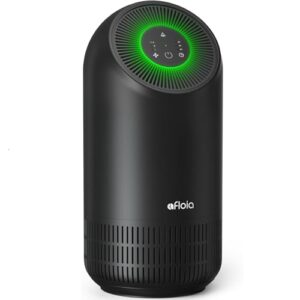
Clean air matters just as much as the dog you choose. The Afloia Air Purifier for Pets runs a three-stage filter — pre-filter, true HEPA, and activated carbon — capturing particles down to 0.03 microns and removing up to 99.99% of dander, dust, and pet odors.
It covers up to 880 square feet, so it manages most living spaces easily. The quiet operation won’t disturb your sleep or your dog, and the built-in timer keeps it running on your schedule.
| Best For | Pet owners dealing with allergies, dander, or odors in larger rooms or apartments. |
|---|---|
| Primary Use | Air purification |
| Pet Friendly | Yes |
| Dander Control | Removes 99.99% dander |
| Power Source | AC Power |
| Maintenance Required | Filter replacement every 4-6 months |
| Multi-Surface/Use | Large rooms up to 880 ft² |
| Additional Features |
|
- Covers up to 880 sq ft and pulls out 99.99% of pet dander, dust, pollen, and odors with its three-stage filter system.
- Quiet enough to run overnight without bothering you or your pets, and the timer lets you set it and forget it.
- Lightweight at just 4.6 lbs, so moving it from room to room isn’t a big deal.
- No handle makes it awkward to carry, and the silent buttons give zero feedback when you press them.
- It can push out cooler air, which gets uncomfortable in the winter months.
- Filters need replacing every 4–6 months, and a few buyers reported getting units that arrived used or damaged.
3. GoPets Self Cleaning Slicker Brush
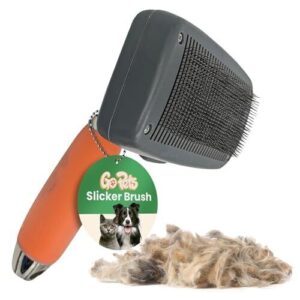
Brushing your dog regularly is one of the simplest ways to keep airborne dander down — but only if the brush actually does its job. The GoPets Self Cleaning Slicker Brush has 672 fine bent-wire bristles spread across a nearly 4-inch head, reaching deep into the undercoat to lift loose hair and dander before they hit your floors.
One push of the button retracts the bristles, and the collected fur wipes away cleanly. The cushioned gel handle makes long sessions comfortable, so you’ll actually stick with it.
| Best For | Dog and cat owners who want an easy, low-mess way to stay on top of shedding and keep their home fur-free. |
|---|---|
| Primary Use | Pet grooming & deshedding |
| Pet Friendly | Yes |
| Dander Control | Reduces loose dander |
| Power Source | Manual |
| Maintenance Required | Regular self-cleaning |
| Multi-Surface/Use | All coats and breeds |
| Additional Features |
|
- The self-cleaning button makes cleanup quick — no picking fur out of bristles by hand.
- Works on all coat types and breeds, so it’s versatile if you have more than one pet.
- The cushioned gel handle makes longer grooming sessions way more comfortable.
- Some users found the handle awkward, so it might not feel great for everyone.
- It combs out mats but won’t cut through them — tough tangles may need a different tool.
- A few buyers felt the quality didn’t quite match the price tag.
4. Oneisall Dog Grooming Clipper Set
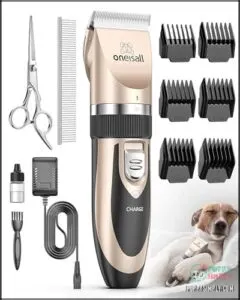
For dogs with long or thick coats, regular clipping is just as important as brushing. The Oneisall Dog Grooming Clipper Set runs under 50 decibels — quiet enough that even anxious dogs stay calm.
The cordless, rechargeable design gives you freedom to move around without tangles, and six guide combs let you adjust coat length depending on the season or your dog’s breed.
Less loose hair means less dander floating through your air, making this an easy win for asthma-friendly home grooming.
| Best For | Dog and cat owners who want a quiet, easy-to-use clipper for at-home grooming without stressing out their pets. |
|---|---|
| Primary Use | Pet hair clipping |
| Pet Friendly | Yes |
| Dander Control | Reduces dander via grooming |
| Power Source | Battery Powered |
| Maintenance Required | Regular oiling & cleaning |
| Multi-Surface/Use | Dogs and cats, various coats |
| Additional Features |
|
- Runs under 50 dB, so even nervous dogs stay calm during grooming sessions
- Cordless and rechargeable — no tangled cords getting in the way
- Six guide combs give you flexibility for different coat lengths and breeds
- Thick or heavily matted coats may need some pre-trimming before use
- Needs regular oiling and cleaning to stay in good shape
- Not a great fit for small animals like angora rabbits with very dense fur
Tips for Living With Dogs and Asthma

Living with asthma doesn’t mean you have to give up on having a dog — it just means being a little more intentional. The right habits can make a real difference in how well you breathe day to day.
Here are a few practical tips that can help you and your dog find a comfortable rhythm together.
Working With Your Allergist
Your allergist is genuinely your best teammate here. Through allergy testing, they can confirm exactly what triggers your symptoms — dog dander, saliva, or something else entirely.
From there, they’ll help you build a realistic asthma action plan covering medication advice, treatment plans, and symptom management strategies customized to hypoallergenic dogs.
For allergy sufferers dreaming of asthma-friendly pets, that partnership makes all the difference.
Monitoring Asthma Symptoms
Once your allergist has your action plan in place, staying on top of symptom tracking becomes your daily safety net. Small changes — a little more coughing, tighter chest, breathing difficulties overnight — can signal rising asthma triggers before things escalate.
Keep tabs with these four monitoring habits:
- Log symptoms and asthma triggers daily using a health logging app
- Track peak flow each morning before medication
- Note nighttime breath monitoring — waking up wheezy is a red flag
- Record inhaler use to spot patterns in asthma management
Combining Medical and Environmental Controls
Symptom tracking and medication management only go so far on their own. Real asthma control comes when both work together. HEPA air purifiers cut airborne allergens while your inhaled steroids reduce airway inflammation — each making the other more effective.
Real asthma control happens when clean air and the right medication work together, not separately
Good allergen reduction at home means your treatment planning stays realistic, and hypoallergenic dog breeds give allergy sufferers a genuinely safer starting point.
Frequently Asked Questions (FAQs)
What is the best dog for someone with asthma?
No single breed is perfect, but low shedding dog breeds like Poodles and Bichon Frises are among the top hypoallergenic dogs that tend to trigger fewer pet allergies and asthma triggers in sensitive individuals.
Are there dogs that help with asthma?
No breed completely eliminates Asthma Triggers, but Low Shedding Dog Breeds produce less dander, which can ease Breathing Issues.
With proper Allergy Testing and Asthma Management, AsthmaFriendly Pets are possible for many people.
What dogs are hypoallergenic for asthma sufferers?
No dog is truly hypoallergenic — that’s the Hypoallergenic Myth. All dogs produce dander, saliva proteins, and allergens.
Low-shedding breeds simply release less into your air, making symptoms more manageable for allergy sufferers.
Can dog saliva trigger asthma symptoms too?
Yes, dog saliva can absolutely trigger asthma. When your dog licks its coat, airborne proteins like Can f 1 dry and float into the air you breathe, making saliva allergens a real asthma trigger.
Are mixed-breed dogs less allergenic than purebreds?
Not really. Mixed breeds and purebreds both produce Can f 1, the main allergen behind pet allergies. Genetic factors and individual biology matter more than breed comparison or whether a dog is “pure.
How do asthma medications interact with pet exposure?
Daily controller inhalers reduce airway inflammation, so pet allergens are less likely to trigger flare-ups. Keep your reliever inhaler nearby during dog contact, and pair asthma medication with smart allergy management for best symptom control.
Can children with asthma safely grow up with dogs?
Children with well-controlled asthma can often grow up safely with dogs. Good allergy management, smart breed choices, and medical guidance make a real difference in keeping childhood respiratory symptoms and dog sensitization in check.
Do hypoallergenic dogs cost more than regular breeds?
Hypoallergenic dog breeds do tend to carry a higher price tag. Puppy prices and breeder fees often range from $1,000 to $3,500, with grooming costs, healthcare expenses, and maintenance budgets adding up over time.
Conclusion
Like finding the right key for a stubborn lock, choosing the best dogs for asthma sufferers is about fit—not luck. The right breed, paired with consistent grooming and smart home management, makes shared living genuinely workable.
Your allergist can help fine-tune the details. Clean air filters, regular vacuuming, and pet-free sleeping zones do the heavy lifting day to day.
With the right setup, a dog and easier breathing aren’t opposites—they’re completely compatible.
- https://sierraallergy.com/best-dog-breeds-for-allergy-and-asthma-sufferers/
- https://www.heyallergy.com/blog/top-hypoallergenic-dog-breeds-to-consider
- https://bazallergy.com/the-best-dog-breeds-for-allergy-sufferers/
- https://resources.healthgrades.com/right-care/asthma/does-allergic-asthma-mean-you-cant-keep-your-pet
- https://www.petmd.com/dog/general-health/hypoallergenic-dogs