This site is supported by our readers. We may earn a commission, at no cost to you, if you purchase through links.

Your Chihuahua’s stomach is about the size of a walnut, yet her metabolism burns through calories like a furnace. That mismatch creates a nutritional puzzle that generic dog food can’t solve. Small breed dogs need up to 40 more calories per pound of body weight than their larger cousins, but their tiny jaws struggle with standard kibble, and their mouths become breeding grounds for dental disease at five times the rate of big breeds.
The wrong food doesn’t just leave them hungry—it sets them up for hypoglycemia, obesity, and tooth loss before they hit middle age. Finding the best dog food for small breeds means matching calorie density to metabolism, kibble size to jaw mechanics, and nutrient profiles to breed-specific vulnerabilities.
The ten foods ahead represent formulas that actually address these challenges, backed by AAFCO standards and real-world results in dogs under 20 pounds.
Table Of Contents
- Key Takeaways
- Key Nutritional Needs of Small Breed Dogs
- Factors to Consider When Choosing Dog Food
- Top 10 Best Dog Foods for Small Breeds
- 1. Open Farm Small Breed Dog Food
- 2. Royal Canin Small Breed Wet Dog Food
- 3. Hill’s Science Diet Senior Small Breed
- 4. Blue Buffalo Puppy Chicken and Oatmeal
- 5. JustFoodForDogs Venison Squash Dog Food
- 6. Blue Buffalo Basics Turkey Small Breed
- 7. The Honest Kitchen Beef and Oat
- 8. Honest Kitchen Chicken Small Breed Food
- 9. Ketona Chicken Low Carb Dog Food
- 10. Stella Chewy’s Small Breed Beef Bites
- Matching Dog Food to Life Stage and Health
- Tips for Transitioning and Feeding Small Breeds
- Frequently Asked Questions (FAQs)
- What food is best for small dogs?
- What brand of dog food do most vets recommend?
- What is the #1 best dog food?
- Should my dog eat small breed food?
- How often should I rotate my small breed dogs food?
- Can small dogs eat homemade food safely?
- Do small breeds need grain-free diets?
- How often should small dogs eat daily?
- Are supplements necessary for small breed dogs?
- What human foods are toxic to small dogs?
- Conclusion
Key Takeaways
- Small breed dogs need up to 40 more calories per pound than large breeds, but their tiny stomachs and jaws require calorie-dense food with appropriately sized kibble (around 0.3 inches) to prevent choking while meeting their metabolic demands.
- The right small breed food must meet AAFCO standards and address breed-specific vulnerabilities like hypoglycemia risk in puppies (requiring 4-6 small meals daily), dental disease (five times higher than large breeds), and obesity (affecting nearly half of some small breeds).
- Most small dogs eating complete, balanced diets don’t need supplements, and grain-free formulas are only necessary for dogs with confirmed allergies—beef, dairy, and chicken trigger reactions far more often than grains like wheat or rice.
- When switching foods, follow a 7-day gradual transition mixing 25% new food with 75% old to start, and use precise portion control with a gram scale since even slight overfeeding quickly leads to obesity in dogs with narrow calorie margins.
Key Nutritional Needs of Small Breed Dogs

Your small dog’s nutritional needs aren’t just a scaled-down version of what larger breeds require. Small breeds burn calories faster, need food they can actually chew, and face unique health risks that the right diet can help prevent.
Let’s look at the specific nutritional factors that matter most when you’re choosing food for your small dog.
Caloric Requirements for Small Breeds
Your small dog’s metabolic rate runs higher per pound than larger breeds, so caloric needs pack a punch. RER Calculation starts at 70 × (body weight in kg)^0.75, then MER Multipliers adjust for life stage—puppy calories demand 2–3 times resting energy.
Obesity risks climb fast without calorie estimation, making precise portions essential. Understanding your dog’s daily caloric needs is key for their health.
Choosing the best dog food for small breeds means matching nutritional needs to your pup’s unique energy burn.
Importance of Kibble Size and Texture
Beyond calories, kibble size and texture shape your small dog’s dental health, safety, and digestion efficiency. Here’s why it matters:
- Dental health: Larger, textured kibble reduces tartar by up to 42% through mechanical scraping—but only if your dog can chew it.
- Chewing mechanics: Toy breeds need pieces around 0.3 inches to match their narrow jaws.
- Eating safety: Oversized kibble becomes a choking hazard.
- Palatability: Bite-sized pieces encourage picky eaters.
- Digestion efficiency: Proper size promotes thorough chewing before swallowing. Some therapeutic options require a veterinarian’s prescription.
Essential Nutrients for Small Dogs
Quality protein requirements form the foundation of small dog nutrition, with adult diets needing at least 18% crude protein. Your dog also requires balanced fatty acids—like omega-3s and omega-6s—for skin, coat, and joint health.
Vitamins such as E and C support cognitive function, while minerals like calcium and phosphorus (ideally at a 1.2:1 ratio) strengthen bones.
Risks of Obesity and Portion Control
Even with all the right nutrients, your small dog can quickly become overweight if portions aren’t measured. Small dog breeds face the highest obesity rates—studies show nearly half of some popular breeds tip the scales too high.
Even with perfect nutrition, small dogs quickly become overweight without measured portions—nearly half of some breeds are already too heavy
Extra pounds strain joints, increase diabetes risk, and worsen dental disease. Stick to calorie-dense kibble portions based on your dog’s weight, and limit treats to 10% of daily intake.
Special Considerations for Puppies and Seniors
Puppies burn energy fast and need two to three times the calories of adults to fuel rapid growth, while toy breeds face hypoglycemia risk without frequent meals.
Senior dog food shifts the focus: your aging small dog requires high-quality protein to preserve muscle, fewer calories to prevent weight gain, and nutrients that support cognitive aging.
Feeding frequency and life-stage formulas matter at both ends.
Factors to Consider When Choosing Dog Food
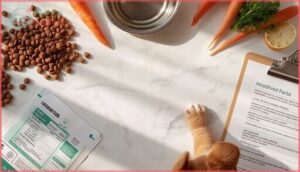
Picking the right food for your small dog isn’t as simple as grabbing the first bag with a cute picture on it. You need to think about nutrition standards, your dog’s age and health, ingredient quality, and what fits your budget.
Here are the key factors that’ll help you make a smart choice for your pup.
Meeting AAFCO Nutritional Standards
Think of AAFCO standards as your safety net when choosing food for your small dog. These pet food standards guarantee products deliver balanced nutrition through either formulated nutrient profiles or proven feeding trials. You’ll find an adequacy statement on every quality bag that confirms macronutrient minimums are met.
Here’s what matters most:
- Protein must reach at least 18% for adults, 22.5% for puppies
- Fat levels sustain your dog’s energy and nutritional needs
- The label specifies which life stage the formula sustains
Life Stage and Breed-Specific Formulas
Your small dog’s nutritional needs shift dramatically as they move from puppyhood through their golden years. Puppy formulas deliver 380–450 kilocalories per cup and roughly 22.5% protein to fuel rapid growth, while senior dog food generally offers 246–408 kilocalories and maintains protein targets near 25–30% to preserve lean muscle.
Breed-specific nutrition accounts for caloric density variations, ensuring your Chihuahua or Pomeranian receives proper protein targets at every stage.
Ingredient Quality and Food Safety
High-quality dog food ingredients matter because toxic metal levels—lead, mercury, and uranium—exceeded FDA limits in 80%, 100%, and nearly 96% of tested samples, respectively. Microbial contamination drove 44% of U.S. pet food recalls between 2017 and 2023, with raw formulas carrying a higher Salmonella risk.
Look for brands with rigorous sourcing practices, third-party testing, and PFAS-free packaging to protect your small dog from hidden hazards.
Wet Vs. Dry Vs. Fresh Food Options
Choosing between wet dog food, dry dog food, and fresh dog food isn’t one-size-fits-all for small dog nutrition. Each format affects moisture content, energy density, and digestibility rates differently:
- Wet food delivers 60–87% moisture for hydration but lower calorie concentration per bite
- Dry kibble offers dental benefits through mechanical scraping yet minimal water intake
- Fresh diets show enhanced digestibility rates and amino acid absorption compared to extruded options
Your dog’s palatability factors and dental implications matter, too.
Budget and Brand Reputation
Price sensitivity shapes your dog food decisions, especially when half of pet owners switched to cheaper options in 2025. Yet brand loyalty and perceived value matter just as much—trusted pet food brands with strong online reviews consistently earn higher satisfaction scores.
Your goal is balancing budget with quality: find dog food recommendations that meet nutritional standards without overpaying for marketing hype.
Top 10 Best Dog Foods for Small Breeds
You’ve learned what makes small breed nutrition unique, and you’ve looked at the key factors that matter when choosing food.
Now it’s time to see which products actually deliver on those promises. The following ten options have been carefully reviewed by veterinary professionals, and each one meets AAFCO standards while addressing the specific needs of small dogs.
1. Open Farm Small Breed Dog Food
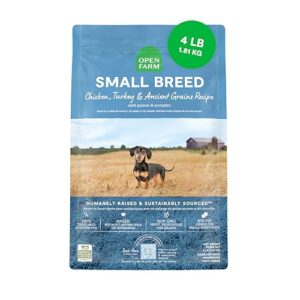
When choosing dog food brands for your small dog, Open Farm Small Breed stands out for its ethical practices and ingredient sourcing. You’ll find humanely raised chicken and turkey, certified by Global Animal Partnership, alongside ancient grains like quinoa.
The smaller kibble size makes chewing easier for tiny mouths, and palatability remains strong—owners report dogs enthusiastically eating it for years.
With 34% protein and added omega-3s, digestibility is excellent. Independent reviews confirm it meets AAFCO standards, making it reliable high-quality dog food for your small breed dog food guide.
Best For: Dog owners of small breeds who prioritize ethically sourced, transparent ingredients and need a nutrient-dense kibble that’s easy for tiny mouths to chew.
- Humanely raised chicken and turkey certified by Global Animal Partnership with full ingredient traceability
- High protein content (34%) with omega-3s and DHA supports digestion, coat health, and overall wellness
- Smaller kibble size works well for picky eaters and senior small dogs, with strong long-term palatability
- Some dogs may experience digestive issues like diarrhea during transition or ongoing feeding
- Price point is higher compared to many other small breed dog food options
- Mixed reviews on taste and smell, and may not work for all dogs with sensitivities to ingredients like sweet potato or fish meal
2. Royal Canin Small Breed Wet Dog Food
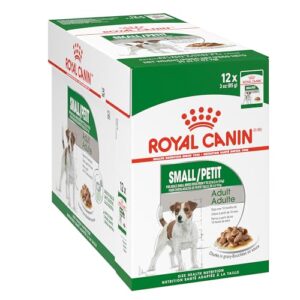
Royal Canin Small Breed Wet Dog Food offers a soft loaf-in-gravy texture that’s easy on sensitive stomachs and appeals to picky eaters—palatability factors matter when your small dog breeds turn their nose up at dinner.
With 8.6% protein and omega-3s from fish oil, digestibility benefits show up in healthier coats and steady energy levels.
Veterinary recommendations back this formula because it meets AAFCO standards while addressing small dog nutrition needs. The ingredient sourcing includes chicken liver and fish oil, though pricing runs higher than many wet dog food options.
Best For: Small breed adult dogs with sensitive stomachs who need digestible, palatable wet food that supports healthy weight and coat quality.
- High digestibility with omega-3 fatty acids promotes healthy skin, shiny coat, and steady energy levels in small breeds
- Soft loaf-in-gravy texture appeals to picky eaters and makes chewing easier for dogs with dental sensitivities
- Meets AAFCO standards and earns strong veterinary recommendations with a 4.7 out of 5 rating for quality and effectiveness
- Significantly more expensive than most competing wet dog food brands
- Some customers report digestive issues including severe diarrhea in their dogs after feeding
- Product has been discontinued, leaving customers struggling to find suitable replacements for their dogs
3. Hill’s Science Diet Senior Small Breed
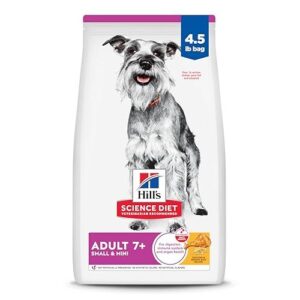
Hills Science Diet Senior Small Breed targets dogs 7 and older with specialized nutrition for senior vitality. The kibble size fits tiny mouths, and the mineral balance—1.1% calcium, 0.69% phosphorus—promotes kidney and heart health in aging small dog breeds.
With 619 ppm glucosamine and 0.33% EPA, joint support comes built in. Caloric density sits at 371 kcal per cup, helping senior dogs maintain energy without excess weight.
This senior dog food earned its veterinarian-recommended status through solid nutrient profiles and consistent digestibility for dogs entering their golden years.
Best For: Senior small and mini breed dogs (7+ years) who need joint support, kidney-friendly minerals, and easy-to-chew kibble designed for aging mouths.
- Joint and mobility support with 619 ppm glucosamine and EPA omega-3s for inflammation control
- Kidney and heart-conscious mineral balance (1.1% calcium, 0.69% phosphorus) tailored for senior health concerns
- Small kibble size and digestible formula make it easier for older, smaller dogs to eat and process
- Some dogs experienced occasional stomach upset, suggesting it may not suit all sensitive digestive systems
- Limited to senior dogs 7 years old, so you’ll need to switch formulas if your dog is younger
- A few owners reported needing to add supplements, indicating the formula might not cover every individual dog’s nutritional gaps
4. Blue Buffalo Puppy Chicken and Oatmeal
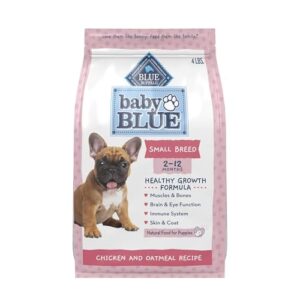
Blue Buffalo Baby BLUE Chicken & Oatmeal shifts focus to puppy development, delivering 31–33% protein to fuel muscle growth in small dog breeds. Real chicken leads the ingredients, paired with DHA for brain and eye development during critical early months.
The kibble size suits tiny jaws, though some pups pick around the LifeSource Bits—antioxidant nuggets mixed into each serving. At roughly 3,717 kcal/kg, this puppy food meets AAFCO growth standards while three daily meals help stabilize blood sugar in growing small breeds.
Best For: Owners of small-breed puppies who want high-protein food with DHA for brain development and smaller kibble designed for tiny mouths.
- Real chicken as first ingredient with 31–33% protein supports healthy muscle growth during the critical puppy development phase
- Includes DHA and ARA for cognitive and retinal development, plus LifeSource Bits with concentrated antioxidants for immune support
- Small-bite kibble designed specifically for smaller jaws, with feeding guidelines tailored to small-breed energy needs
- Some puppies pick around the LifeSource Bits instead of eating them, potentially missing out on the antioxidant benefits
- Pricier than basic puppy food brands, which adds up quickly during the high-consumption growth phase
- Past voluntary recalls for other Blue Buffalo formulas (though not this specific recipe) may concern some owners about quality control
5. JustFoodForDogs Venison Squash Dog Food
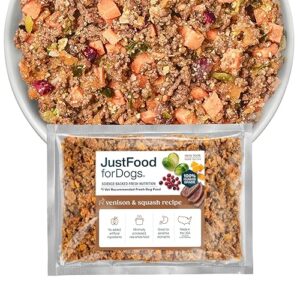
JustFoodForDogs Venison & Squash offers human-grade fresh dog food tailored for small dogs requiring novel proteins. New Zealand venison replaces common meats like chicken or beef, while 40% better ingredient digestibility ensures less waste in the bowl.
At 882 kcal/kg, this formula meets AAFCO compliance for adult maintenance, allowing for smaller portions compared to kibble. Omega fatty acids from marine algae support skin health, making it a nutritious choice.
However, frozen storage and premium pricing cater to owners prioritizing fresh ingredients over convenience. Consult your veterinarian to confirm if this fresh-cooked option aligns with your small dog’s nutritional needs.
Best For: Dog owners with pets that have food sensitivities or allergies to common proteins like chicken, beef, or lamb, who want fresh, human-grade nutrition and can manage frozen storage and premium pricing.
- Novel protein from New Zealand venison helps dogs with food sensitivities avoid common allergens while providing complete nutrition that meets AAFCO standards for adult maintenance
- 40% more digestible than kibble with high moisture content (80-82%) and omega fatty acids that support better nutrient absorption, healthier skin, and shinier coats
- Made with whole foods like butternut squash, sweet potatoes, and Brussels sprouts—no grains, preservatives, or fillers, just recognizable ingredients you’d find in your own kitchen
- Expensive for daily feeding, especially if you have a larger dog or multiple pets, with costs adding up quickly compared to traditional kibble or canned food
- Requires freezer space and advance planning to thaw portions, which can be inconvenient if you’re short on storage or forget to prep meals ahead
- Some dogs experience digestive upset like diarrhea when transitioning to this food, and it’s only formulated for adult maintenance—not puppies or pregnant dogs
6. Blue Buffalo Basics Turkey Small Breed
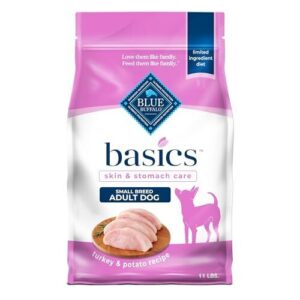
For small dogs with sensitive stomachs, Blue Buffalo Basics Turkey & Potato delivers limited ingredients without compromising nutrition. This turkey protein source excludes chicken by-products, corn, wheat, and soy, making it ideal for breed-specific nutrition needs.
The small kibble size suits tiny jaws, while 22% protein and 15% fat support energy demands. Omega fatty acids (0.75% omega-3, 2.75% omega-6) promote healthy skin and coat.
At 404 kcal per cup, portion control prevents obesity. It’s the best dog food for small dogs requiring digestive support without unnecessary fillers.
Best For: Small breed adult dogs with sensitive stomachs or food allergies who need a limited-ingredient diet with quality protein and digestive support.
- Real turkey as the #1 ingredient with no chicken by-products, corn, wheat, or soy—great for dogs with common food sensitivities
- Small kibble size designed for tiny jaws, plus omega fatty acids (0.75% omega-3, 2.75% omega-6) that support healthy skin and coat
- Includes LifeSource Bits with antioxidants and 300 mg/kg glucosamine for immune and joint support in active small dogs
- Higher price point compared to standard dog food brands, which may not fit every budget
- Limited flavor options in the Basics line may not work if your dog gets bored with turkey
- Some dogs may still react to specific ingredients despite the limited-ingredient formula, so monitoring is needed
7. The Honest Kitchen Beef and Oat
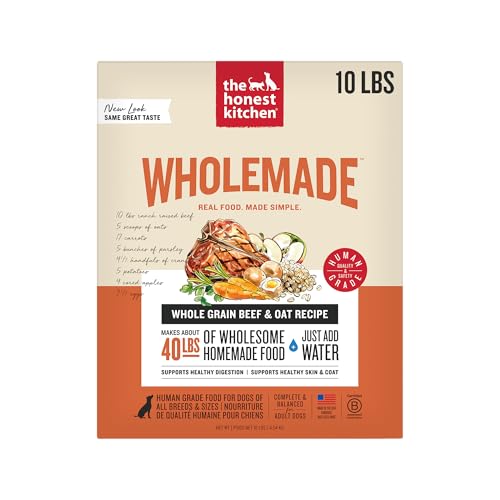
If you prefer minimally processed dog food, The Honest Kitchen Beef & Oat delivers human-grade ingredient quality your small dog deserves. This dehydrated formula uses ranch-raised beef, oats, and carrots—no artificial preservatives or feed-grade fillers—supporting digestibility through whole grains and added probiotics (20 million CFU per pound).
At 419 kcal per cup with 23% protein, it suits adult small breeds’ energy needs. The safety record shows only one 2013 recall for a supplier issue, resolved with tighter controls. It’s high-quality dog food for owners prioritizing transparency in dog nutrition.
Best For: Dog owners who want minimally processed, human-grade food for their adult or senior small breed and are willing to pay premium prices for transparent sourcing and whole-food ingredients.
- Made with human-grade, ranch-raised beef and whole grains like oats and barley, with no artificial preservatives or feed-grade fillers.
- Includes probiotics for digestive health and added taurine and L-carnitine to support heart and metabolic function.
- Clean safety record with only one precautionary recall in 2013 that was quickly resolved with stricter supplier controls.
- Significantly more expensive than conventional kibble, which may not fit every budget.
- Some dogs may reject the taste or texture of the dehydrated clusters, and the rehydrated version requires refrigeration after preparation.
- Not formulated for puppies or highly active dogs, and the standard adult formula’s calorie density (419 kcal/cup) is lower than small-breed-specific recipes.
8. Honest Kitchen Chicken Small Breed Food
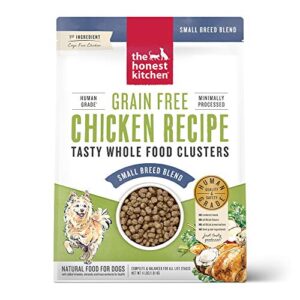
When small dog nutrition meets human-grade benefits, The Honest Kitchen Chicken Small Breed Food stands out with 462 kcal per cup and 24.5% protein—suited for your small dog’s higher metabolic rate.
This AAFCO “All Life Stages” formula uses fresh chicken, oats, and salmon oil, plus Bacillus coagulans probiotics for digestive support. The small, crunchy clusters fit tiny mouths, while ingredient digestibility exceeds 80% for protein and fat.
With no recalls through 2025, it’s a solid choice for choosing the right dog food with probiotic inclusion and balanced macronutrient ratios.
Best For: Small-breed owners who want human-grade ingredients, probiotic support for sensitive stomachs, and energy-dense nutrition that meets AAFCO “All Life Stages” standards.
- Human-grade chicken, oats, and salmon oil deliver 462 kcal/cup with 24.5% protein and over 80% digestibility for protein and fat
- Small, crunchy clusters designed for tiny mouths, plus Bacillus coagulans probiotics to support digestive health
- No recalls through 2025 and independently rated 4.5–5 stars for ingredient quality and nutritional balance
- Higher cost per pound compared to conventional kibble, which can add up for multi-dog households
- Some dogs may experience digestive upset during transition, especially if switching from grain-free or raw diets
- 4-pound bag size may feel small for the price, requiring frequent reordering
9. Ketona Chicken Low Carb Dog Food
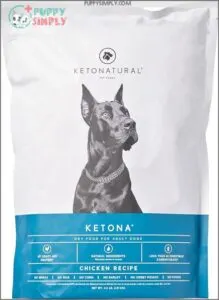
If your small dog thrives on protein but struggles with weight or glucose spikes, Ketona Chicken Low Carb Dog Food delivers 46% protein and under 6% starch—about 85% fewer carbs than typical grain-free kibbles. At 451 kcal per cup, portion control matters: feed roughly 0.5 cup daily for a 10-pound dog.
This AAFCO-compliant “all life stages” formula uses chicken, chicken meal, and peas for high-quality proteins. Ingredient analysis confirms low carb benefits that support dog nutrition without excess sugars—ideal for small dogs needing controlled energy from dog food ingredients.
Best For: Small dog owners managing diabetic conditions, weight issues, or glucose sensitivity who want a high-protein, ultra-low-carb kibble without switching to raw food.
- Delivers 46% protein with less than 6% starch—about 85% fewer carbs than standard grain-free options, making it great for blood sugar management.
- AAFCO-compliant for all life stages (except large-breed puppies), so you can feed it to small-breed puppies, adults, and seniors.
- Made entirely in the USA with chicken as the first ingredient and natural preservatives like mixed tocopherols.
- Expensive compared to most dog foods, and some customers question whether the results justify the premium price.
- High calorie density (451 kcal/cup) requires careful portion control to avoid overfeeding small dogs.
- Some reports of quality inconsistencies—kibble texture issues, freshness concerns, or dogs experiencing diarrhea.
10. Stella Chewy’s Small Breed Beef Bites
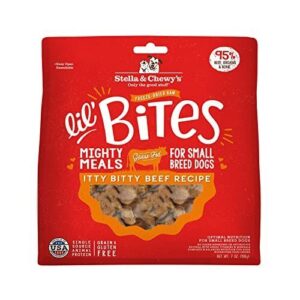
When your small dog turns up its nose at kibble, freeze-dried raw food benefits like enhanced palatability can win over picky eaters. Stella & Chewy’s Lil’ Bites Itty Bitty Beef delivers 95% beef, organs, and bone in bite-sized pellets designed for small breed palatability.
At 37% protein and 37% fat, it bolsters the nutritional needs of small dogs—but freeze-dried concerns include high cost and calorie density (300 kcal per cup). Ingredient sourcing emphasizes U.S. beef with no fillers.
For a cost-benefit analysis, budget-conscious owners may reserve this premium option for toppers rather than sole meals.
Best For: Small dog owners looking for a high-protein, grain-free option who want freeze-dried raw nutrition and don’t mind paying premium prices for convenient feeding.
- 95% beef, organs, and bone gives picky eaters a protein-packed formula that most small dogs find irresistible
- Bite-sized pellets work perfectly for tiny mouths, and the freeze-dried format makes storage and portioning super easy
- Grain-free recipe with added probiotics supports digestion and helps dogs with common food sensitivities
- At 300 calories per cup, it’s very calorie-dense—you’ll need to measure carefully to avoid overfeeding small breeds
- Premium freeze-dried raw pricing makes this one of the more expensive options, especially if you’re using it as a full meal
- High fat content (37%) isn’t safe for dogs with pancreatitis or those needing a lower-fat diet
Matching Dog Food to Life Stage and Health

Your small dog’s nutritional needs change as they move through life, from the high-energy puppy stage to the calmer senior years.
Health issues like food sensitivities or weight gain also require different approaches to feeding.
Let’s look at how to match your dog’s food to their current life stage and specific health needs.
Puppy Nutrition for Small Breeds
Because toy and small breed puppies face higher hypoglycemia risk, you’ll need to feed them 4–6 small meals daily. Always verify your puppy is actually eating each meal to prevent low blood sugar episodes.
Choose puppy-specific dog food with softened kibble texture and at least 22.5% protein to match their rapid growth patterns. Breed specifics matter—Yorkshire Terriers, for example, need fewer calories than many nutritional calculators suggest.
Adult Maintenance Diets
Once your pup grows up, feeding frequency drops to twice daily, making portion accuracy even more important for obesity prevention.
Small dogs thrive on balanced nutrition that meets their specific nutritional requirements, so regular diet adjustments are key.
Dog food should fit your dog’s lifestyle and body condition—don’t hesitate to seek veterinary guidance for specific canine nutrition and ongoing health.
Senior Small Dog Food Needs
As your dog ages, her nutritional needs shift considerably. Senior formulas for small dogs generally reduce calories by about 12% while boosting protein to around 28–32% to preserve muscle mass.
Look for dog food for senior dogs that includes joint support ingredients like omega-3s and glucosamine.
Dental considerations matter more than ever—smaller kibble textures help aging teeth, and palatability issues may require you to explore softer options.
Managing Allergies and Sensitive Stomachs
When small dogs develop allergies or a sensitive stomach, identifying triggers becomes your first priority. Surveys show beef, dairy, chicken, and wheat trigger most reactions—often with year-round itching and digestive upset.
Your best strategies include:
- Novel Proteins: venison, duck, or rabbit your dog hasn’t eaten before
- Hydrolyzed Diets: proteins broken into tiny peptides to avoid immune reactions
- Limited Ingredients: single protein and carbohydrate sources
- Elimination Diets: strict 4–8 week trials under veterinary guidance
- Cross-Contamination Awareness: even trace amounts compromise results
Hydrolyzed formulas like Royal Canin’s work for many dogs with confirmed food allergies.
Weight Management for Small Dogs
With over half of U.S. dogs classified as overweight, small breeds face outsized obesity risks. Their narrow calorie margin makes portion sizes critical—a 10-pound dog needs just 218 kcal daily for weight loss versus 349 for maintenance.
| Weight Management Strategy | Why It Works |
|---|---|
| Weigh food with a gram scale | Cups vary 10–20%; precision prevents overfeeding |
| Choose 280–320 kcal/cup formulas | Lower calorie-dense kibble fills bowls without excess calories |
| Add 4–8% fiber (beet pulp, peas) | Promotes satiety during calorie control |
| Feed 2–3 measured meals daily | Structured schedules beat free-feeding for consistent portion sizes |
Select dog food meeting AAFCO standards but with reduced energy density. Aim for 1–2% body weight loss weekly—faster risks muscle loss.
Health consequences of untreated obesity include shorter lifespans, joint pain, and diabetes, so early intervention matters most.
Tips for Transitioning and Feeding Small Breeds
Feeding your small dog the right food is just one piece of the puzzle. How you introduce new food and manage daily meals can make a real difference in your dog’s health and happiness.
Let’s walk through some practical steps to keep mealtimes smooth and stress-free.
How to Safely Switch Dog Foods

Switching your dog’s diet too fast can feel like hitting a speed bump—uncomfortable for everyone. Follow a 7-day adjustment timeline, mixing 25% new food with 75% old, then gradually increase the new portion every few days.
Probiotic usage helps support digestive health during the change. Watch for adverse reactions like vomiting or diarrhea, and adjust your feeding strategies if needed.
Determining Proper Portion Sizes

How do you figure out exactly how much kibble to pour? Start with a dog food calculator that factors in metabolic needs, then adjust based on body condition and life stage. The importance of portion control for small dogs can’t be overstated—even slight overfeeding raises obesity risk.
- Calculate your dog’s resting energy requirement using body weight
- Multiply by a life stage factor for daily calories
- Divide total calories by your dog diet’s energy density
- Monitor body condition weekly for portion adjustment
- Reduce intake 10–20% if weight creeps up
Monitoring Digestive and Dental Health

Your small dog’s stool consistency tells a story about digestive health—fecal scoring lets you catch soft or watery stools early. Studies show prebiotic-rich diets firm up stool in puppies, while probiotics support gut balance.
On the dental side, small dogs face up to five times higher periodontal disease risk than large breeds. Daily oral care and appropriately textured kibble help protect their teeth between professional cleanings.
When to Consult Your Veterinarian

Think of your veterinarian as your front-line partner whenever your dog’s health shifts. Watch for these diet change red flags and acute GI issues that demand immediate veterinarian advice:
- Multiple vomiting episodes within 24 hours or blood in stool
- Weight change concerns—any loss in puppies or unexplained drops in adults
- Nutritional deficiency signs like dull coat or lethargy
- Allergic reactions with facial swelling or hives
- Persistent diarrhea beyond one day after food changes
Professional veterinarian recommendations protect your pet health when home monitoring isn’t enough.
Frequently Asked Questions (FAQs)
What food is best for small dogs?
The best dog food for small dogs meets AAFCO standards, offers breed-specific nutrition with appropriately sized kibble, balances calories to prevent obesity, and takes into account any food sensitivities or palatability factors your dog shows.
What brand of dog food do most vets recommend?
Most veterinarians consistently recommend Hill’s Science Diet, Purina Pro Plan, and Royal Canin. These brands meet WSAVA compliance standards, employ board-certified nutritionists, and offer research-backed formulas adapted to your dog’s specific life stage and health needs.
What is the #1 best dog food?
No single dog food ranks as universally best. Veterinary guidance emphasizes that individual needs—age, size, health status, and budget—matter more than brand rankings when you’re selecting nutritionally adequate, AAFCO-compliant food for your dog.
Should my dog eat small breed food?
If your dog weighs under 25 pounds, small-breed formulas offer caloric density, appropriately sized kibble, and breed-specific nutrition designed for smaller jaws and higher metabolic needs—making them especially beneficial for toy and miniature dog breeds.
How often should I rotate my small breed dogs food?
There’s no one-size-fits-all answer, but rotation benefits most healthy small dogs when you switch every 2–4 months using AAFCO-compliant foods. Adjustment methods matter—gradual changes over 7–10 days prevent upset stomachs.
Can small dogs eat homemade food safely?
Yes, small dogs can eat homemade food safely when professionally formulated by a veterinary nutritionist. However, 94% of owner-created recipes lack balanced nutrition, risking nutrient imbalance effects and serious health problems without expert guidance.
Do small breeds need grain-free diets?
Most small dogs thrive on grain-inclusive food. Grain-free diets suit only those rare pups with confirmed allergies—beef and dairy trigger reactions far more often than wheat or rice, so blanket grain avoidance isn’t necessary.
How often should small dogs eat daily?
Most adult small dogs thrive on two meals daily, spaced about 10–12 hours apart. Puppies, however, require more frequent feedings, needing three to four meals per day. Senior dogs generally maintain a twice-daily feeding schedule to support a stable metabolism.
Are supplements necessary for small breed dogs?
Here’s the supplement story: Most small dogs eating AAFCO-complete diets don’t need extras—over-supplementation risks calcium toxicity and skeletal issues.
Omega-3 benefits joint health, but always seek veterinarian advice before adding anything beyond balanced nutrition.
What human foods are toxic to small dogs?
Chocolate toxicity, xylitol dangers, grape and raisin risks, allium vegetables like onions and garlic, and alcohol poisoning are serious threats to small dogs. Contact your veterinarian immediately if your dog ingests these toxic foods.
Conclusion
Your small dog’s bowl isn’t just a dish—it’s the foundation of their health. The best dog food for small breeds bridges the gap between their pocket-sized stomachs and marathon-runner metabolism, delivering concentrated nutrition without compromise.
When you match calorie density to their needs, size kibble to their jaws, and nutrients to their vulnerabilities, you’re not just feeding them. You’re protecting their energy, teeth, and years ahead.
- https://apupabove.com/blogs/all/how-many-calories-are-in-dog-food
- https://www.petobesityprevention.org/pet-caloric-needs
- https://pmc.ncbi.nlm.nih.gov/articles/PMC12345587/
- https://www.merckvetmanual.com/management-and-nutrition/nutrition-small-animals/nutritional-requirements-of-small-animals
- https://www.simonvetsurgical.com/news/pet-owner-needs-to-know-about-omega-3-fatty-acids