This site is supported by our readers. We may earn a commission, at no cost to you, if you purchase through links.
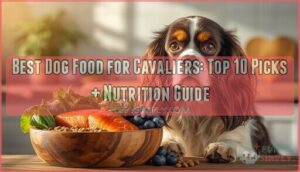
Your Cavalier’s soulful eyes and affectionate nature deserve more than just any kibble in a bag—especially when up to 60% of Cavalier King Charles Spaniels develop mitral valve disease by age five, making their nutritional needs uniquely critical. The breed’s predisposition to heart conditions, obesity, and sensitive digestion means that choosing the right food isn’t just about keeping them fed; it’s about giving them the best shot at a longer, healthier life.
From dehydrated whole foods packed with taurine to limited-ingredient formulas that won’t upset delicate stomachs, the options span far beyond traditional dry kibble. Understanding which nutrients support heart health (omega-3s, L-carnitine) versus which ingredients might trigger digestive issues can feel overwhelming.
We’ve evaluated dozens of formulas based on protein quality, cardiac-supportive nutrients, digestibility, and real-world feeding results to identify ten standout options that address the specific health challenges Cavaliers face—plus the nutritional science behind making the smartest choice for your dog.
Table Of Contents
- Key Takeaways
- Best Dog Foods for Cavaliers: Top 10 Picks
- 1. Honest Kitchen Whole Grain Chicken Dog Food
- 2. Nutro Ultra Adult Dog Food
- 3. JustFoodForDogs Beef Dog Food
- 4. Open Farm Grain Free Dog Food
- 5. Blue Buffalo Adult Dog Food
- 6. Open Farm Senior Dog Food
- 7. Acana Wholesome Grains Dog Food
- 8. Blue Buffalo Digestive Care Dog Food
- 9. Portland Pet Food Fresh Dog Meals
- 10. Natural Balance Low Calorie Dog Food
- Key Nutritional Needs for Cavaliers
- Health Issues Impacting Cavalier Diet Choices
- How to Choose The Right Food for Cavaliers
- Safely Switching Your Cavalier’s Dog Food
- Frequently Asked Questions (FAQs)
- Conclusion
Key Takeaways
- Cavalier King Charles Spaniels face a 60% risk of mitral valve disease by age five, making heart-supportive nutrients like omega-3s, taurine, and L-carnitine essential in their diet—not optional add-ons.
- The top-performing formulas balance high-quality animal proteins with controlled calorie density (around 350-450 kcal per cup) to prevent obesity, which compounds cardiac stress in this already vulnerable breed.
- Successful food transitions require a 7-14 day gradual shift, mixing old and new foods in measured ratios, with careful monitoring for digestive upset or allergic reactions like itching or swelling.
- Adult Cavaliers thrive on roughly 480 kilocalories daily, split into two measured meals, while puppies need three to four smaller portions to maintain stable blood sugar and support growth without orthopedic stress.
Best Dog Foods for Cavaliers: Top 10 Picks
After years of working with Cavalier owners and reviewing countless formulas, I’ve narrowed down the dog foods that consistently support this breed’s unique health needs—from heart function to weight management.
If you’re searching for trusted recommendations tailored to Cavaliers, check out this comprehensive guide to the best dog food for Cavalier King Charles Spaniels with detailed breakdowns for every life stage.
The options below represent a mix of fresh, dehydrated, and kibble formats, each chosen for specific nutritional benefits that matter for Cavaliers.
For owners of other breeds with similar sensitivities, exploring options like premium food choices for Shiba Inus can offer helpful comparisons when evaluating ingredient quality and format variety.
Whether you’re managing an existing condition or simply want preventive nutrition, you’ll find a solid choice here.
If you’re raising a larger breed, check out this guide to the best dog food for Bernese Mountain Dogs to see how balanced formulas support their unique nutritional needs.
1. Honest Kitchen Whole Grain Chicken Dog Food
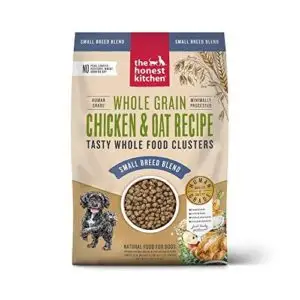
If you’re looking for a small breed dog food that won’t let your Cavalier King Charles Spaniel down, The Honest Kitchen’s whole grain chicken formula deserves your attention. Deboned chicken leads the ingredient list, delivering high-quality protein for muscle maintenance, while oats and barley offer grain benefits through complex carbohydrates that sustain energy without triggering common food sensitivities.
The human-grade ingredients and gentle texture work well for Cavaliers with digestive quirks—you can even soak it in water if your pup needs extra softness or hydration.
| Best For | Small breed dogs like Cavalier King Charles Spaniels who need high-quality protein and easy-to-digest grains, especially those with sensitive stomachs or dental issues. |
|---|---|
| Form | Dry |
| Primary Protein | Chicken |
| Age Range | All Life Stages |
| Weight | 10 pounds |
| Grain-Free | No |
| Special Ingredients | Whole grain |
| Additional Features |
|
- Deboned chicken as the first ingredient provides excellent protein for muscle health and energy
- Whole grains like oats and barley offer steady energy without common allergens found in corn or wheat
- Flexible feeding options—serve dry or soak in water for dogs needing softer texture or extra hydration
- Higher price point compared to standard kibble brands
- Crumble consistency gets mixed reviews from pet owners
- Expands in the stomach, so you’ll need to watch portion sizes carefully
2. Nutro Ultra Adult Dog Food
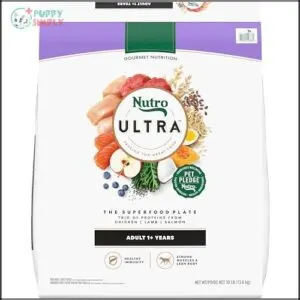
Nutro Ultra Adult Dog Food takes a trio-protein approach—chicken, lamb, and salmon combine in this small breed dog food to deliver a complete amino acid profile your Cavalier King Charles Spaniel needs for lean muscle.
The blend of 14 superfoods alongside omega-3 and omega-6 fatty acids promotes both coat health and cardiovascular function, which matters given this breed’s predisposition to heart issues.
With no corn, wheat, or soy, Nutro ingredients work well if your pup struggles with food sensitivities or dog allergies, though the calorie density (around 350–450 kcal per cup) means you’ll want to measure portions carefully to prevent weight gain.
| Best For | Cavalier owners looking for a multi-protein formula that supports heart health and manages food sensitivities without grain-free risks. |
|---|---|
| Form | Dry Kibble |
| Primary Protein | Chicken, Lamb & Salmon |
| Age Range | Adult |
| Weight | 30 Pounds |
| Grain-Free | No |
| Special Ingredients | 14 superfoods |
| Additional Features |
|
- Three animal proteins (chicken, lamb, salmon) deliver a complete amino acid profile for lean muscle maintenance
- Omega fatty acids and superfoods support coat health and cardiovascular function—important for a breed prone to heart issues
- No corn, wheat, or soy makes it suitable for Cavaliers with food sensitivities or allergies
- Higher price point compared to single-protein alternatives may stretch budgets over time
- Calorie density of 350–450 kcal per cup requires careful portion control to prevent weight gain in small breeds
- May not appeal to picky eaters who prefer stronger flavors like bacon or cheese
3. JustFoodForDogs Beef Dog Food
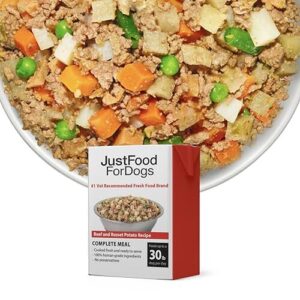
JustFoodForDogs Beef Dog Food shifts the conversation from kibble to fresh ingredients—lean ground beef and beef heart provide high-quality protein that’s 40% more digestible than traditional dry food, which can make all the difference if your Cavalier King Charles Spaniel has a sensitive stomach.
The gently cooked, human-grade formula promotes digestive health and nutrient balance through whole foods like russet potatoes and carrots.
However, the premium price point and smaller 12.5-ounce shelf-stable portions mean you’re paying considerably more per meal than conventional best dog food options.
| Best For | Dog owners who want restaurant-quality nutrition for their Cavalier King Charles Spaniel and are willing to pay premium prices for fresh, gently cooked ingredients that support sensitive stomachs. |
|---|---|
| Form | Pate |
| Primary Protein | Beef |
| Age Range | All Life Stages |
| Weight | 12.5 ounces |
| Grain-Free | N/A |
| Special Ingredients | Human-grade whole foods |
| Additional Features |
|
- 40% more digestible than kibble thanks to whole food ingredients like lean beef, beef heart, and russet potatoes
- Human-grade formula improves energy levels, coat health, and mealtime excitement
- Shelf-stable Tetra Pak packaging makes storage easy without refrigeration
- Significantly more expensive than traditional dog food options
- Small 12.5-ounce portions only provide 3-4 meals per package
- Some dogs reject the smell or taste, and packaging can be tough to open
4. Open Farm Grain Free Dog Food
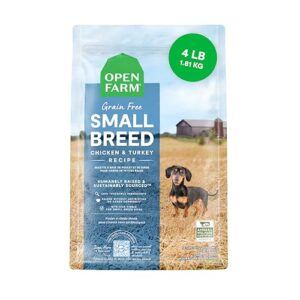
Open Farm Grain Free Dog Food delivers humanely raised chicken and turkey alongside functional ingredients like chicory root and green-lipped mussel—superfoods that support your Cavalier King Charles Spaniel’s joint health and digestion without common grain allergens.
If you’ve noticed dog food allergies or skin sensitivities, this grain-free diet can reduce inflammation while providing the high protein smaller breeds need.
The premium price ($27.99 for 4 pounds) and smaller kibble size won’t suit every budget or palate, but the transparency in pet nutrition facts and ingredient sourcing makes Open Farm a standout in dog food reviews.
| Best For | Small breed dogs with food sensitivities or allergies who need high-quality protein from humanely raised sources, and owners willing to invest in premium, transparent nutrition. |
|---|---|
| Form | Pellet |
| Primary Protein | Chicken & Turkey |
| Age Range | All Life Stages |
| Weight | 4 pounds |
| Grain-Free | Yes |
| Special Ingredients | Green lipped mussel |
| Additional Features |
|
- Grain-free formula with humanely raised chicken and turkey helps reduce inflammation and supports dogs with skin allergies or sensitivities
- Packed with functional superfoods like chicory root, green-lipped mussel, sweet potato, and pumpkin for joint health, digestion, and immune support
- No artificial flavors, preservatives, or GMO ingredients—complete transparency in sourcing and ingredient quality
- Expensive at $27.99 for just 4 pounds compared to other dog food brands
- Smaller kibble size may not appeal to all dogs, even within small breeds
- Some bags may have shorter expiry dates, and the formula isn’t suitable for dogs allergic to chicken or turkey
5. Blue Buffalo Adult Dog Food
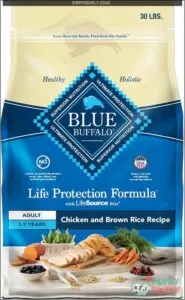
Blue Buffalo’s Life Protection Formula anchors its recipe with real chicken—not by-products or fillers—alongside their proprietary LifeSource Bits, antioxidant-rich kibbles designed to strengthen your Cavalier’s immune system while delivering balanced nutrition at a price point ($67.98 for 30 pounds) that won’t drain your wallet.
If you’re exploring similar nutrition strategies for other breeds, this guide to premium dog food for Lagotto Romagnolos breaks down how to match ingredients with your dog’s energy needs.
The absence of corn, wheat, and soy makes this adult dog nutrition choice gentle on sensitive stomachs, a common issue in Cavalier King Charles Spaniel diet management.
In dog food comparison reviews, pet health benefits like improved coat shine and steady energy consistently earn Blue Buffalo high marks from owners exploring best dog food options for their Cavaliers.
| Best For | Cavalier owners looking for a budget-friendly option with immune-boosting antioxidants and simple, recognizable ingredients that won’t upset sensitive stomachs. |
|---|---|
| Form | Granule |
| Primary Protein | Chicken |
| Age Range | Adult |
| Weight | 30 pounds |
| Grain-Free | No |
| Special Ingredients | LifeSource Bits |
| Additional Features |
|
- Real chicken as the first ingredient with no fillers like corn, wheat, or soy
- LifeSource Bits provide targeted antioxidant support for immune health
- Noticeable improvements in coat shine and energy levels according to owner reviews
- At $67.98 for 30 pounds, it’s pricier than many mainstream brands
- Kibble size may be too large for some Cavaliers to comfortably chew
- Resealable bag doesn’t seal as securely as some competitors
6. Open Farm Senior Dog Food
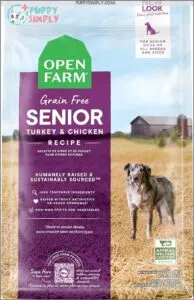
As your Cavalier ages past seven, senior nutrition becomes non-negotiable. This grain-free formula shines, featuring humanely raised chicken and turkey alongside joint support ingredients like glucosamine and green-lipped mussel.
At $22 for 22 pounds, you’re investing in sustainable ingredients that address food allergies while supporting digestive health through non-GMO pumpkin and sweet potato.
The pellet texture promotes dental care, and the protein-forward profile maintains lean muscle in aging Cavalier King Charles Spaniels, though you’ll want to shift gradually to avoid stomach upset.
| Best For | Cavalier owners with senior dogs who need joint support and have food sensitivities or allergies. |
|---|---|
| Form | Pellet |
| Primary Protein | Chicken & Turkey |
| Age Range | Senior |
| Weight | 22 Pounds |
| Grain-Free | Yes |
| Special Ingredients | Green lipped mussel |
| Additional Features |
|
- High-quality protein from humanely raised chicken and turkey supports lean muscle mass in aging dogs
- Joint support ingredients like glucosamine and green-lipped mussel help with mobility issues common in senior Cavaliers
- Grain-free formula with pumpkin and sweet potato works well for dogs with digestive sensitivities
- Expensive at $22 for 22 pounds compared to other senior dog food brands
- Some dogs may reject the taste or pellet texture during transition
- Short expiry dates reported by some customers can be problematic for slower eaters
7. Acana Wholesome Grains Dog Food
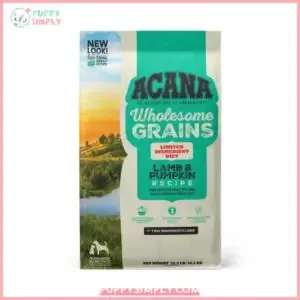
Protein-driven nutrition meets digestive tolerance in this lamb and pumpkin formula, delivering 60% animal ingredients alongside fiber-rich grains like oats and sorghum. ACANA Wholesome Grains balances regional sourcing with nutrient-dense wholesome ingredients.
Naturally occurring omega-3 and omega-6 fatty acids support your Cavalier King Charles Spaniel’s coat and cardiac function, while prebiotics and probiotics boost digestive support.
At $75 for 22.5 pounds, you’re choosing breed-specific dog food that tackles canine nutrition through grain benefits rather than trendy elimination, though the investment reflects premium regional sourcing standards.
| Best For | Cavalier owners seeking a high-protein, grain-inclusive formula that supports digestive health and coat quality without relying on grain-free trends. |
|---|---|
| Form | Dry Kibble |
| Primary Protein | Lamb |
| Age Range | Adult |
| Weight | 22.5 pounds |
| Grain-Free | No |
| Special Ingredients | Pre- and probiotics |
| Additional Features |
|
- 60% animal ingredients provide robust protein levels (lamb as primary source) ideal for maintaining muscle mass in active Cavaliers
- Prebiotics, probiotics, and fiber-rich grains like oats and sorghum support digestive tolerance, particularly helpful for Cavaliers with sensitive stomachs
- Omega-3 and omega-6 fatty acids promote healthy skin, coat shine, and cardiovascular function—important for a breed prone to heart conditions
- Premium pricing at $75 for 22.5 pounds makes it significantly more expensive than many comparable grain-inclusive options
- Limited flavor variety (primarily lamb-based) may not appeal to picky eaters or dogs requiring protein rotation
- Some Cavaliers may still need supplemental dental chews or toppers, as kibble alone doesn’t address breed-specific dental challenges
8. Blue Buffalo Digestive Care Dog Food
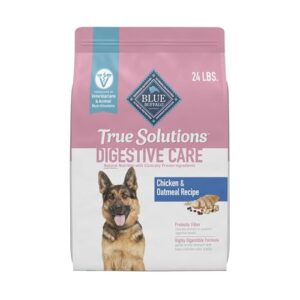
When your Cavalier King Charles Spaniel struggles with sensitive stomachs, this formula tackles digestive health head-on through clinically proven prebiotic fiber and real chicken as the first ingredient. Blue Buffalo’s Digestive Care promotes pet wellness while maintaining the dog food quality standards you’d expect—no poultry by-products, corn, wheat, or soy cluttering the ingredient panel.
At 24.2 pounds for around $60, you’re investing in Cavalier nutrition that prioritizes gut balance over grain-free trends, though it’s pricier than standard kibble. The best dog food works from the inside out.
| Best For | Cavalier King Charles Spaniels with sensitive stomachs or digestive issues who need a clinically proven formula to support gut health and maintain consistent stool quality. |
|---|---|
| Form | Dry |
| Primary Protein | Chicken |
| Age Range | Adult |
| Weight | 24.2 pounds |
| Grain-Free | No |
| Special Ingredients | Prebiotic fiber |
| Additional Features |
|
- Real chicken as the first ingredient with prebiotic fiber that’s clinically proven to support digestive health and reduce gas or stomach upset
- Clean ingredient list without chicken by-product meals, corn, wheat, or soy—formulated by vets and animal nutritionists
- Meets AAFCO nutritional standards for adult dogs with added omega-3s for coat health and antioxidants for overall wellness
- Higher price point at around $60 for 24.2 pounds compared to standard kibble options
- May not work for every dog with digestive issues, and results can vary by individual
- Requires consistent purchasing or subscription to maintain digestive benefits, and gradual 7–10 day transition is needed when switching foods
9. Portland Pet Food Fresh Dog Meals
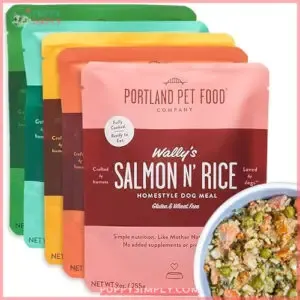
When convenience meets fresh ingredients without requiring refrigeration, Portland Pet Food’s shelf-stable meals offer a different approach to pet nutrition. Their human-grade, USDA-certified proteins like beef, pork, and salmon are combined with visible vegetables in microwavable pouches.
Their meal variety pack delivers digestive health support through limited-ingredient formulations (11 or fewer per pouch). However, some Cavalier King Charles Spaniel owners report mixed results on value and occasional stomach sensitivity.
For dog food selection prioritizing food safety and transparency, this fresh dog food bridges kibble and refrigerated options. It makes practical for travel while supporting dog health and wellness through minimally processed, USA-sourced ingredients.
| Best For | Dog owners who want fresh, human-grade meals without the hassle of refrigeration—especially those with picky eaters or dogs needing limited-ingredient diets. |
|---|---|
| Form | Wet |
| Primary Protein | Mixed |
| Age Range | All Life Stages |
| Weight | 9 ounces |
| Grain-Free | N/A |
| Special Ingredients | Limited ingredients |
| Additional Features |
|
- Human-grade USDA-certified ingredients with complete USA sourcing and full transparency (11 or fewer ingredients per pouch)
- Shelf-stable and microwavable pouches make feeding easy at home or while traveling
- Works as a complete meal, mix-in, or topper for dogs of all sizes and life stages
- Higher price point compared to traditional kibble may not fit every budget
- Some dogs experience digestive upset or don’t take well to certain flavors
- Mixed customer feedback on overall value for the cost
10. Natural Balance Low Calorie Dog Food
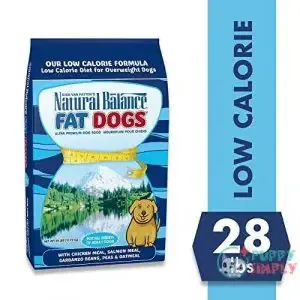
When your Cavalier King Charles Spaniel’s scale starts creeping upward, Natural Balance’s reduced-calorie formula tackles weight control without sacrificing nutrition. With chicken meal as the primary protein and 25% fewer calories than standard formulas, this kibble aids calorie management through added fiber that helps dogs feel satisfied.
The oat groats and barley blend benefits Cavaliers with sensitive stomachs while maintaining nutrient balance. Though some dogs experience gas from the high-fiber content, it’s among the best dog food options for low-fat diets targeting healthy weight maintenance.
| Best For | Cavalier King Charles Spaniels who need to shed a few pounds without losing out on protein or leaving them hungry between meals. |
|---|---|
| Form | Dry |
| Primary Protein | Chicken |
| Age Range | Adult |
| Weight | 28 pounds |
| Grain-Free | No |
| Special Ingredients | Fiber and protein blend |
| Additional Features |
|
- Cuts 25% of the calories compared to regular formulas while keeping chicken meal as the main protein source
- Fiber-rich blend with oats and barley helps dogs feel full longer and supports gentle digestion
- Added vitamins and zinc give the immune system a boost alongside weight management
- High fiber content can cause gas or bloating in some dogs during adjustment
- Pricier than many standard dog foods, which adds up for regular feeding
- Some Cavaliers may turn their nose up at the taste or texture of the kibble
Key Nutritional Needs for Cavaliers
Your Cavalier’s body needs specific nutrients to thrive—not just any dog food will do. The right balance of protein, fats, carbohydrates, vitamins, and minerals becomes even more critical when you consider this breed’s predisposition to heart disease and weight gain.
Let’s break down what should be in your Cavalier’s bowl and why each component matters for their long-term health.
Importance of High-Quality Protein
Your Cavalier King Charles Spaniel needs animal protein as the cornerstone of proper canine health and nutrition—think chicken, beef, or fish that deliver all essential amino acids for muscle growth and tissue repair.
High-quality protein sources with strong digestibility scores help maintain lean body mass while supporting your dog’s digestive health, and leucine-rich options improve muscle protein synthesis, keeping your pup strong and thriving with balanced nutrient absorption.
Healthy Fats and Heart Support
Just as protein builds muscle, healthy fats fuel your Cavalier King Charles Spaniel’s heart—especially omega-3 fatty acids from fish oil sources that deliver EPA and DHA for improved cardiac function and anti-inflammatory benefits. Taurine supplements from animal proteins strengthen heart muscle, while balanced fat-to-protein ratios prevent obesity-related cardiac stress in this vulnerable breed.
- Target omega-3-rich formulas with standardized EPA/DHA levels for consistent heart health support
- Choose taurine-rich animal proteins like chicken or beef to maintain strong cardiac muscle function
- Balance fat content carefully—your Cavalier needs energy without excess saturated fat that contributes to weight gain
- Look for fish oil or algal sources listed prominently in ingredient panels for ideal fatty acid balance
Complex Carbohydrates for Energy
While fats power the heart, your Cavalier’s day-to-day energy comes from complex carbohydrates—oats, brown rice, sweet potatoes—that release glucose gradually rather than spiking blood sugar. This steady fuel maintains small breed metabolism and digestive health through dietary fiber, helping with weight management and glycemic control that benefits Cavaliers prone to hypoglycemia during active play.
| Carb Energy Sources | Fiber Benefits | Glycemic Control |
|---|---|---|
| Brown rice | Promotes regularity | Stable blood sugar |
| Sweet potatoes | Supports weight management | Prevents energy crashes |
| Oats | Aids digestive health | Reduces hypoglycemia risk |
| Barley | Maintains gut motility | Sustains activity levels |
Choose grain-inclusive or grain-free dog food based on your Cavalier King Charles Spaniel’s sensitivities—complex carbs with minimal allergen risk keep small breed dog care simple while maintaining dog nutrition through slow-digesting starch content that fuels without overwhelming their compact systems.
Essential Vitamins and Minerals
Beyond macronutrients, your Cavalier needs micronutrients that work behind the scenes—calcium and phosphorus in a 1.2:1 ratio support bone density, zinc supplements promote coat quality, and B vitamins fuel metabolism. Vitamin balance prevents deficiencies that compromise nutrient absorption, while complete dog food ingredients deliver selenium and iodine for thyroid function.
Quality pet nutrition ensures:
- Adequate vitamin A for vision and immune defense
- Balanced calcium ratio preventing skeletal issues
- Zinc preventing skin and coat deterioration
- B-complex supporting energy pathways
- Trace minerals like selenium for antioxidant protection
Omega-3 Fatty Acids and Taurine
Two nutrients stand out for Cavaliers at risk of mitral valve disease—omega-3 fatty acids from fish oil (EPA and DHA) reduce inflammatory markers linked to cardiac stress, while taurine supplements support myocardial function when dietary levels fall short. Together, they form a cornerstone of cardiac nutrition, though dosing requires veterinary guidance to avoid bleeding risks from over-supplementation.
Check guaranteed analysis labels for omega-3 content per cup and any taurine fortification claims—grain-inclusive diets with added fish oil deliver better bioavailability than plant-based ALA from flaxseed. Plasma taurine testing helps tailor supplementation when heart disease appears, ensuring your Cavalier’s diet aligns with their cardiac needs without guesswork.
| Nutrient | Primary Sources | Heart Health Role |
|---|---|---|
| Omega-3 (EPA/DHA) | Fish oil, salmon, sardines | Reduces triglycerides, bolsters cardiac function |
| Taurine | Fortified diets, meat-based proteins | Aids bile conjugation, myocardial stability |
| Combined Strategy | Commercial formulas with both | Targets valvular concerns, anti-inflammatory support |
Health Issues Impacting Cavalier Diet Choices

Cavaliers face a handful of breed-specific health challenges that directly influence what you should look for in their food. From heart disease to sensitive digestion, these conditions aren’t just background noise—they’re practical considerations that shape your daily feeding decisions.
Let’s break down the most common health issues and how the right diet can support your dog through each one.
Mitral Valve Disease and Heart Health
Mitral valve disease affects approximately 50% of Cavalier King Charles Spaniels by age five or six—a sobering reality that underscores the importance of heart nutrition from the outset. Your dog’s cardiac care hinges on specific dietary choices that complement medications like pimobendan and ACE inhibitors to slow the progression toward heart failure.
Half of all Cavaliers develop mitral valve disease by age six, making heart-focused nutrition essential from the start
- Quality protein sources preserve lean muscle as the disease advances
- Omega-3 fatty acids (EPA/DHA) support heart function and reduce inflammation
- Moderate sodium restriction eases fluid retention and reduces cardiac workload
- Taurine and L-carnitine may offer additional cardiovascular support, though veterinary guidance matters
Canine cardiology research highlights that thoughtful nutrition and health strategies—combined with regular monitoring—can significantly extend your Cavalier’s quality of life, even when valve repair isn’t an option and small dog health issues complicate treatment.
Managing Obesity and Weight Control
Nearly one in three small breed dogs carries excess weight—a figure that threatens your Cavalier’s heart health and joint function.
Start with a 15–20% calorie reduction from maintenance levels, pair high-protein, high-fiber meals with daily 20–40 minute exercise routines, and practice strict portion control.
Healthy snacking means low-calorie treats, not table scraps, while veterinary check-ins every 2–4 weeks keep weight loss tips on track.
Sensitive Stomachs and Digestive Care
Your Cavalier’s delicate stomach lining reacts to rich ingredients and meal irregularities—frequent vomiting, soft stools, or gas signal it’s time for gentle ingredients that prioritize gut health. Sensitive diets featuring easily digestible proteins, limited ingredient formulas, and digestive enzymes can transform your dog’s comfort, while grain-free dog food options address potential food allergies without compromising nutrition.
Watch for these red flags that demand stomach soothers:
- Abrupt diet switches triggering gastrointestinal distress within 24–48 hours
- Persistent loose stools despite consistent feeding schedules
- Gas or bloating after meals containing multiple protein sources
Dental Health and Kibble Texture
Hard kibble acts like a toothbrush for your Cavalier—firm textures scrape away dental plaque during every crunch, reducing tooth decay and supporting gum health. Choose pieces sized to encourage chewing rather than gulping, pairing quality dog food with veterinary dental care for thorough oral hygiene.
| Kibble Feature | Dental Benefit | What to Look For |
|---|---|---|
| Firm texture | Mechanical plaque removal | Abrasive surface that resists crumbling |
| Ideal size/shape | Encourages thorough chewing | Larger pieces for small mouths |
| Lower moisture | Increased salivary flow | Dry kibble over wet food |
| Dental formulas | Targeted tooth cleaning | Grain-free dog food with dental benefits |
Antioxidants for Neurological Support
Oxidative stress quietly damages brain cells over time—especially concerning in Cavalier King Charles Spaniels predisposed to syringomyelia. Neuroprotection through antioxidant benefits safeguards neural support and brain health, making nutrient profiles vital in animal nutrition.
- Vitamin E (tocopherols) preserves neuron membranes and reduces harmful lipid peroxidation
- Vitamin C shields neural cells as a water-soluble antioxidant
- Selenium-dependent enzymes neutralize reactive oxygen species in brain tissue
- Berry polyphenols (flavonoids) modulate neuroinflammation naturally
- Omega-3 fatty acids (EPA/DHA) improve membrane fluidity while providing antioxidant coactivity
Quality dog food with these components bolsters dog health and wellness tips rooted in dog nutrition and health science.
How to Choose The Right Food for Cavaliers

Standing in the pet food aisle or scrolling through endless online options can feel overwhelming when you’re trying to make the right call for your Cavalier. The good news is that once you know what to look for—from label claims to ingredient lists—the decision becomes much more straightforward.
Here’s what you need to focus on to find a food that truly meets your dog’s unique needs.
Checking Nutritional Adequacy Statements
You’ll want to look for a clear Nutritional Adequacy Statement on every package—this confirms the food meets AAFCO Dog Food Nutrient Profiles through formulation or Feeding Trials.
Reputable brands publish Label Claims showing Compliance Verification and specifics like Crude Protein percentages for your Cavalier’s life stage.
AAFCO Standards guarantee the formula backs Dog Nutrition and Health, so don’t settle for vague marketing language.
Grain-Free Vs. Grain-Inclusive Options
Once you’ve confirmed the nutritional adequacy, you’ll face the grain-free versus grain-inclusive debate—both can support dog wellness when properly formulated. Grain-free dog food swaps rice or oats for potatoes or tapioca as carb sources, though some veterinarians caution about potential heart concerns with long-term use.
Grain-inclusive dog food nutrition offers grain benefits like steady energy from barley or oatmeal, particularly helpful for breed-specific dog food needs when food sensitivities or dog allergies aren’t present—your vet can guide you through pet nutrition specifics for your Cavalier’s unique health profile.
Considering Food Type: Kibble, Wet, or Fresh
Beyond the grain question, you’ll decide between kibble, wet food, or fresh diets—each with distinct nutrient profiles and feeding strategies. Kibble benefits include affordability and dental texture, while fresh dog food and wet food offer higher moisture for heart support. Dog food brands now span everything from grain-free dog food to raw dog food options.
- Kibble stays shelf-stable and delivers consistent calories per cup
- Wet food boosts hydration, particularly helpful for Cavaliers prone to heart concerns
- Fresh dog food provides whole-food nutrition but needs refrigeration and costs more
- Raw dog food requires careful handling and veterinary guidance on balanced formulation
- Mixing types can offer variety while meeting your Cavalier’s specific health needs
Evaluating Brand Reputation and Cost
Once you’ve nailed down the food type, brand transparency and cost efficiency come into focus—reputable dog food brands publish sourcing reports and recall histories, with customer reviews averaging above 80% satisfaction for established names. Market trends show premium lines reduce complaints by 12%, and ingredient sourcing from trusted regions signals quality.
Veterinary-recommended dog food often costs $1.50–$3.50 per cup, but dog food reviews and ratings reveal that smart budgeting through loyalty programs cuts annual expenses by 5–15%.
Safely Switching Your Cavalier’s Dog Food
Switching your Cavalier’s food too quickly can trigger digestive upset, from mild stomach rumbling to more serious diarrhea—so a slow, methodical approach protects their sensitive system while giving their gut time to adjust.
Whether you’re upgrading to a heart-healthier formula or addressing a food sensitivity, the shift process matters just as much as the food itself.
Here’s how to make the switch safely and what to watch for along the way.
Gradual Transition Steps
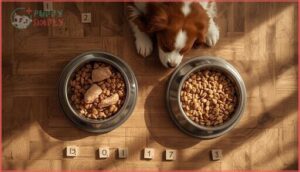
Here’s the shift timeline that works for most Cavaliers, especially those with sensitive stomachs:
- Days 1-2: Mix 75% old food with 25% new food—this gentle start lets their system begin recognizing new ingredients without shock
- Days 3-4: Shift to a 50-50 blend, watching for any stomach soothing needs during this midpoint
- Days 5-6: Increase to 75% new food, 25% old—you’re nearly there with this phased introduction
- Day 7: Complete the dog food shift to 100% new food, celebrating your small dog care success
- Extend to 10-14 days if your Cavalier shows sensitivity—there’s no prize for rushing breed specific dog food changes
Maintain consistent meal scheduling throughout this shift timing, feeding at the same times daily so their digestive rhythm stays predictable.
Monitoring for Allergic Reactions

Watch closely during the shift—most Allergy Symptoms like itching, facial swelling, or hives appear within hours of eating, signaling true reactions rather than simple Food Intolerance (which shows as soft stools or gas over days).
Keep a feeding log noting Reaction Timing and portions, especially for Cavaliers with sensitive stomachs. If symptoms occur, stop the suspect food immediately and discuss Hypoallergenic Options or Sensitivity Testing with your vet.
Consulting With Your Veterinarian

Before switching foods, schedule a vet visit for Health Assessments and Diet Planning. Your veterinarian can review Medical History, evaluate heart function (especially for mitral valve disease), and provide Veterinary Nutrition Advice customized to your Cavalier’s needs.
They’ll recommend Veterinary-Recommended Dog Food options, portion sizes, and shift timelines, while offering ongoing Veterinary Care and Advice through follow-up appointments to monitor your dog’s response.
Tips for Picky Eaters

If your Cavalier turns up their nose at mealtime, start with small, frequent portions to establish consistent eating habits while identifying food allergies or nutrient sensitivities—especially important for sensitive stomachs.
A limited ingredient diet or grain-free dog food option can help pinpoint flavor preferences.
Warm wet food slightly, adjust meal timing, or add a vet-approved topper for dog food and nutrition advice customized to their pet care advice needs.
Frequently Asked Questions (FAQs)
How often should I feed my Cavalier King Charles Spaniel?
Most adult Cavaliers thrive on two measured meals daily—morning and evening, which promotes steady energy, prevents obesity, and aids digestion.
Puppies under six months need three to four smaller portions to fuel growth and maintain stable blood sugar.
How much should I feed my Cavalier daily?
Your seven-kilogram Cavalier isn’t a bottomless pit—though they’ll act like it—and thrives on roughly 480 kilocalories daily, split into two measured meals of about 1 to 5 cups of quality dry food.
To determine the ideal amount, consider consulting dog nutrition guidelines for a tailored plan.
Can Cavaliers eat homemade dog food safely?
Yes, but you’ll need veterinary guidance to guarantee nutrient balance and safe ingredients—homemade diet risks include deficiencies that can harm your Cavalier King Charles adult.
Tailored recipes with breed-specific considerations work best.
What ingredients should Cavaliers always avoid?
Your Cavalier’s sensitive stomach means steering clear of toxic foods like grapes, xylitol, and chocolate, plus common allergens such as chicken and beef.
Dogs with MCADD need avoiding coconut oil and excess minerals.
Do Cavalier puppies need different food?
Absolutely—puppies need higher protein, fat, and calorie density to fuel rapid growth stages. Look for puppy-specific formulas like NutriSource Puppy Food that balance energy requirements with controlled calcium levels, preventing orthopedic stress during development.
Should senior Cavaliers eat less protein?
Senior Cavaliers don’t necessarily need less protein—they actually benefit from adequate protein requirements to maintain lean muscle and support senior health.
Monitor kidney function through bloodwork, then adjust nutrient balance accordingly for aging dogs’ ideal pet health.
Conclusion
Your Cavalier isn’t asking for a telegram listing ingredients—they’re trusting you to decode the nutritional puzzle that protects their heart, maintains their weight, and keeps that gentle spirit thriving.
Choosing the best dog food for cavaliers means prioritizing taurine-rich proteins, omega-3s, and digestible formulas customized to their breed-specific vulnerabilities.
Armed with these ten vetted options and the science behind them, you’re equipped to make feeding decisions that genuinely extend their years by your side.
- https://talkspetfood.aafco.org/readinglabels
- https://pangovet.com/?utm_source=dogster&utm_medium=article&utm_campaign=dog-nutrition
- https://www.aafco.org/consumers/understanding-pet-food/whats-in-the-ingredients-list/
- http://healthypets.mercola.com/sites/healthypets/archive/2011/05/17/the-quality-of-pet-food-ingredients-part-2.aspx
- https://www.science.org/doi/10.1126/sciadv.adj3823