This site is supported by our readers. We may earn a commission, at no cost to you, if you purchase through links.

Picture the kind of dog that doesn’t flinch at the shadow of a charging bear—muscle packed under a coat built for brambles, nose low to the ground and mind locked on a ten-mile trail. Whether weaving through rocky slopes or pushing through icy underbrush, these dogs move with a steady confidence that belies the danger around every turn.
Bear hunting dogs thrive where the wild runs thick, their instincts sharp as teeth and bodies made for the grind. If you’re curious about the strength, training, and history behind these exceptional canine partners, you’ll find no shortage of grit and skill in their world.
Table Of Contents
- Key Takeaways
- What Are Bear Hunting Dogs?
- Top Bear Hunting Dog Breeds
- Essential Traits of Bear Hunting Dogs
- Training and Preparing Bear Hunting Dogs
- Regulations and Safety in Bear Hunting With Dogs
- Frequently Asked Questions (FAQs)
- What is the best dog for bear hunting?
- What are bear hunting dogs called?
- What states allow bear hunting with dogs?
- What is the average lifespan of a bear hunting dog?
- Are bear hunting dogs suitable for children?
- Are bear hunting dogs good with other animals?
- What is the best way to train a bear hunting dog?
- How much exercise does a bear hunting dog need?
- How do you transport bear hunting dogs safely?
- What are common health risks for bear hunting dogs?
- Conclusion
Key Takeaways
- The best bear hunting dogs are known for their strength, stamina, scent-tracking abilities, and courage in challenging environments.
- Key breeds like the Karelian Bear Dog, Plott Hound, Alaskan Malamute, Caucasian Shepherd Dog, and Dogo Argentino are often chosen for bear hunts due to their specialized traits.
- Effective training for bear hunting dogs focuses on socialization, scent work, obedience, ongoing health, and safety skills.
- Legal requirements, ethical hunting practices, and proper gear are essential for both dog and handler safety when hunting bears.
What Are Bear Hunting Dogs?
Bear hunting dogs have a special set of hunting skills that make them stand out from the pack. These breeds have been trusted by hunters for generations to help track, corner, or contain bears in the wild.
If you’re curious about which dogs have these remarkable abilities, check out this handy list of top-rated bear hunting breeds and their unique traits.
Let’s look at some of the most important breeds and what sets them apart.
Definition and Purpose
Imagine a pack at work—Bear Hunting Dogs are specialized canines trained to help you find, track, and control bears. These working dogs know their hunt objectives. They use sharp noses and teamwork, taking on key pack roles from leading the search to tracking wounded animals.
That’s what sets these hunting dog breeds apart for unparalleled canine hunting capabilities in difficult terrain.
Historical Role in Bear Hunting
Bear hunting with dogs runs deep in history. From Indigenous hunting practices tied to survival, to the ancient hunting methods of early clans, specialized breeds drove bear hunts with teamwork and grit.
Traditions often wove together bear cultural significance, the historical bear trade, and rituals—using traditional hunting tools and skilled hounds at the center of every successful pursuit. Bear hunting remains an important topic in discussions about wildlife management and heritage.
Key Traits for Bear Hunting
If you’ve ever wondered what truly sets apart the top bear hunting dog breeds, it comes down to a powerful mix of Bear Strength, Hunting Instinct, and keen Scent Ability. When a dog can keep up in tough conditions, tracking endurance and environmental adapt skills tip the scale.
- Muscular builds power through harsh terrain
- Scenting abilities track bears even in wind
- Stamina holds up on long hunts
For a broader understanding of necessary hunting skills, see essential skills every bear hunter.
Top Bear Hunting Dog Breeds
Choosing the right dog for bear hunting makes all the difference. Each breed brings its own strengths and personality to the hunt.
Here’s what you need to know about the top breeds on the list.
Karelian Bear Dog
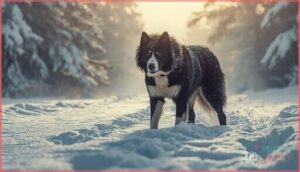
Looking for a no-nonsense partner in the field? The Karelian Bear Dog stands out among Bear Hunting Dog Breeds thanks to deep roots in Finnish Hunting Culture and Karelian Breed History.
This breed’s dense coat, sharp Bear Tracking Techniques, and high energy make it ideal for Bear Hunting with Dogs. Prioritize Dog Nutrition Needs and Winter Training Methods for peak performance.
Plott Hound
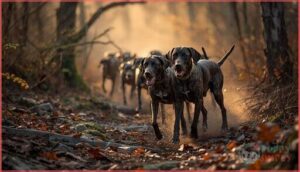
Muscle and grit set the Plott Hound apart in bear country. Born from Plott Hound History in 18th-century North Carolina, this breed’s brindle coat and relentless scenting ability make it a legend among Bear Hunting Dog Breeds.
For more advice on picking a hunting companion that fits your specific goals and setting, check out this helpful guide to the best dog breeds for new hunters and different terrain types.
Plott Hounds thrive in packs, showing fierce loyalty and drive for anyone seeking control in Bear Hunting with Dogs.
- Tenacious on the trail
- Striking brindle coat
- Bold, focused temperament
- Enduring hunting instinct
Alaskan Malamute
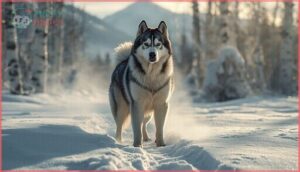
Nothing says tough like the Alaskan Malamute holding its own in cold climate hunts. With a thick coat and muscular build, it’s equipped for Bear Tracking and snow.
Malamute Training? You’ll need patience—they’re smart but stubborn. Focus on Malamute Health and Hunting Ethics to keep this classic hunting dog breed thriving in modern Bear Hunting with Dogs.
Caucasian Shepherd Dog
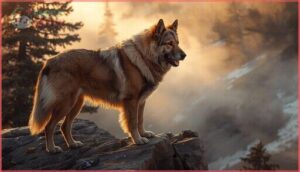
Shepherd Breed History paints the Caucasian Shepherd Dog as a force in Bear Hunting with Dogs—think thick coat, mountain adaptation, and sheer muscle. Their talent for bear tracking makes them stand out among hunting dog breeds shaped by selective dog breeding and training.
You’ll need serious Guard Dog Training to manage those protective instincts. For large breed care, prioritize space and conditioning.
Dogo Argentino
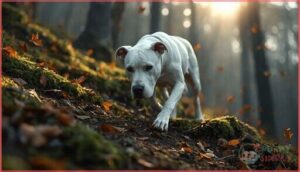
Ever hear of a dog that chases down big game with the confidence of a heavyweight boxer? That’s the Dogo Argentino—built for stamina, power, and control. Master this breed’s training, channel its courage, and you’ll see why it’s legendary in Bear Hunting with Dogs.
- Unyielding drive in pursuit
- Impressive physical presence
- Focused scent-tracking instincts
- Demands hands-on, daily training
Black and Tan Coonhound
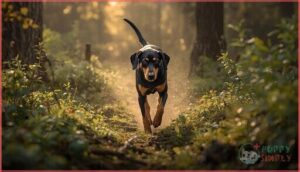
Tracking a bear isn’t just about muscle—it’s about a nose that won’t quit. The Black and Tan Coonhound is a legend in Bear Hunting circles for its deep bay, bold temperament, and natural Scent Work drive. Consistent Coonhound Training and Coonhound Care turn this breed’s powerful instincts and Breed History into relentless Hunting Dogs.
| Trait | Description | Tip for Owners |
|---|---|---|
| Scent Work | Exceptionally strong | Practice with trails |
| Hunting Tactics | Persistent trailers | Use in packs |
| Coonhound Care | Minimal grooming | Weekly brushing |
Other Notable Breeds (e.g., Tibetan Mastiff, Rhodesian Ridgeback)
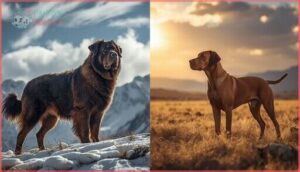
Ever wonder how Bear Hunting Dogs handle extremes? The Tibetan Mastiff stands out for its guardian traits and a heavy coat, thriving in cold, rugged terrain. In contrast, the Rhodesian Ridgeback’s hunting tactics and endurance shine in hot, open country.
This breed comparison shows that top hunting breeds bring different strengths—choose the right dog breed for your hunting needs and conditions.
Essential Traits of Bear Hunting Dogs
If you’re picking a bear hunting dog, a few qualities matter most. These traits decide just how well a dog can handle the challenge.
Here’s what separates the best from the rest.
Physical Strength and Endurance
Canine strength and stamina aren’t just buzzwords—they’re your dog’s ticket to a long, successful hunt. Through muscle conditioning and strength building, you help dogs push, pull, and run with power.
Endurance training and cardiovascular fitness keep them moving over hills and through thick brush. Injury prevention matters too; smart conditioning ensures your companion is always ready to charge ahead.
Scent Tracking and Intelligence
Stamina on the trail gives your dog time to read olfactory cues and piece together complex odor signatures. Smart scent hounds lean on canine intelligence and scent discrimination, remembering which scent came from which bear.
Game tracking techniques depend on these remarkable scenting abilities. Strong tracking mechanisms let your dog adapt fast, making canine scent work a real force in bear hunting.
Courage and Temperament
Fearless tracking in bear dogs starts with a steady mind. Bold decisions on the trail depend on temperament stability—your dog has to make courageous actions with cool nerves. This mix of canine bravery and adaptive bravery isn’t luck.
Look for dogs with:
- Calm focus under pressure
- Quick recovery from startle
- Reliable recall
- Balanced protective instincts
Adaptability to Harsh Environments
Steady nerves set the foundation, but when the weather turns or wilderness gets rough, you want Climate Resilience and Survival Instincts on your side.
Endurance drives stamina through snow drifts, rocky trails, or muggy forests.
Dogs with quick Terrain Adaptation—like thicker coats for Cold Weather, tough paw pads, and instincts for tracking bears—turn environmental acclimation into raw canine endurance you can count on.
Training and Preparing Bear Hunting Dogs
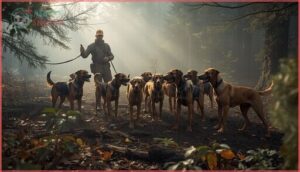
Getting a dog ready for bear hunting takes work and patience. Training covers social skills, scent tracking, and safety basics. Here’s what you’ll want to focus on next.
Socialization and Obedience Basics
Start strong with Puppy Socialization—no one wants a shaky hunting partner. You build control and trust through Basic Obedience and clear Canine Communication. Positive Reinforcement cements Training Foundations. For any dog breed, the big three:
- Daily Dog Socialization with new faces and places.
- Practice obedience cues in real-life settings.
- Reward each win—immediately.
Master these, and your hunting dog thrives.
Scent and Tracking Training
Nose Work Training separates the average from the elite in bear dog circles. You need sharp Scent Imprinting, sophisticated Tracking Techniques, and precision with Odor Discrimination. Use Environmental Conditioning to get your dog ready for any terrain. Here’s a quick guide for dog training for hunting—compare, adapt, and master their scenting abilities:
| Scenting Skill | Training Focus |
|---|---|
| Scent Imprinting | Controlled odor source |
| Tracking Techniques | Fresh, varied tracks |
| Odor Discrimination | Decoy scent exposure |
| Environmental Conditioning | Mixed terrains, weather |
| Nose Work Training | Short warm-ups, rewards |
Safety and Recall Skills
Vigilance is your best asset regarding recall techniques and safety protocols in bear hunting. Reliable recall under stress isn’t optional—it’s central to bear hunting and safety for every breed in the field.
Train your dog with consistent signals and emergency procedures, like quick-release harnesses and practiced verbal cues. Prioritize handler training and canine conditioning in all hunting dog training requirements.
Ongoing Health and Conditioning
Want your dog to keep up with bears? Focus on ongoing health and conditioning to optimize canine stamina and welfare during hunts. Strong routines support their best game.
- Cardiovascular Training for endurance
- Nutrition Planning for energy and coat health
- Health Monitoring to catch problems early
- Injury Prevention through boots and recovery days
- Physical Conditioning customized to dog breed characteristics
Regulations and Safety in Bear Hunting With Dogs
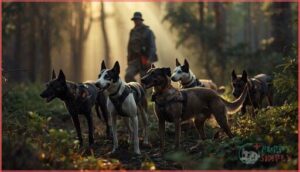
Regarding bear hunting with dogs, there’s more to think about than just training and teamwork. You’ll need to follow regulations, keep safety at the front of your mind, and know what gear really matters. Here’s what you should look out for before you head out.
Regional Hunting Laws
Looking to chase bears with dogs? Each region spells out License Requirements and Hunting Permits for Bear Seasons in black and white. You’ll find Harvest Reporting duties and strict gear rules, too.
Hunting Regulations and Laws aren’t suggestions—they’re key to Wildlife Management and Conservation. If you want to stay legal, get clear on Hunting and Fishing Regulations before planning any hunt.
Ethical Considerations and Conservation
Think bagging a bear is just about the chase? You’re also a steward of Wildlife Ethics and Habitat Preservation. Here’s what matters most:
Bear hunting isn’t just about the chase—you’re also responsible for protecting wildlife and preserving their habitat
- Respect Conservation Status—hunt only where populations are stable.
- Support Conservation Efforts that restore bear habitat and ecosystem health.
- Make Bear Welfare and Sustainable Hunting your priorities to shape Wildlife Conservation and responsible dog ownership for future generations.
Dog and Handler Safety Practices
After securing bear welfare, your next task is keeping both you and your dog safe during the hunt. Reliable handler training and canine first aid shouldn’t be optional—they’re your frontline against unpredictable bear behavior and WildlifeHuman conflict. Simple strategies—like using safety equipment, practicing emergency protocols, and understanding dog training and behavior—can keep everyone a step ahead.
| Practice | Purpose |
|---|---|
| Recall drills weekly | Reliable dog control |
| First aid kits handy | Treat canine injuries fast |
| Two handlers per dog | Share risk, aid emergencies |
Recommended Hunting Gear for Dogs
After you’ve handled safety practices, it’s time to outfit your hunting dogs with real tools for the job. Smart handlers count on gear that works as hard as their team. Here’s what you should always have:
- Protective Vests and eye protection
- GPS Tracking Gear and night bands
- Hydration Packs and food containers
- First Aid Kits and quick-clean wipes
Frequently Asked Questions (FAQs)
What is the best dog for bear hunting?
If you’re aiming for serious Bear Breed Selection, the Karelian Bear Dog stands out due to fearless Bear Tracking and high Canine Endurance.
Still, smart Hunting Dog Training and strong Dog Safety Measures matter more than picking from top Dog Breeds.
What are bear hunting dogs called?
Ironically, even with all those fierce reputations, bear hunting dogs are usually grouped under Bear Dog Names or Bear Hunting Breeds.
The most recognized are the Karelian Bear Dog, Plott Hound, Dogo Argentino, and Black and Tan Coonhound.
What states allow bear hunting with dogs?
Bear hunting with dogs is allowed in states like Georgia, Maine, Vermont, California, Wyoming, and Montana. Each state enforces its own bear hunting laws, dog regulations, state permits, hunting seasons, and license requirements for sport hunting.
What is the average lifespan of a bear hunting dog?
Most dog breeds used in bear hunting live about 10 to 12 years, shaped by factors like genetics, health issues, breeding, and intense activity.
Good veterinary care, healthy weight, and proper training boost longevity and canine welfare.
Are bear hunting dogs suitable for children?
You know, it often surprises folks—some large Dog Breeds like Plott Hounds or Karelian Bear Dogs can be gentle Canine Companions, but serious Dog Training and close supervision are essential Child Safety Tips for safe Pet Child Interactions at home.
Are bear hunting dogs good with other animals?
Animal interactions depend on socialization techniques and the dog’s breed. Canine companions can thrive in multi-pet households with early dog socialization, but some breeds show canine aggression or strong instincts, especially during wildlife encounters or unfamiliar situations.
What is the best way to train a bear hunting dog?
Like sharpening a blade before a big hunt, start with Dog Socialization and Bear Obedience.
Build Scent Work skills, progress to expert recall, then keep sessions focused and short to channel canine tenacity for successful Hunting Strategies.
How much exercise does a bear hunting dog need?
For Daily Exercise Needs, aim for 60 to 90 minutes of structured Physical Conditioning, plus mental stimulation from scent work or training.
Terrain Adaptation, focused Health Monitoring, and pacing matter—especially for driven Dog Breeds with demanding Hunting Dog Traits.
How do you transport bear hunting dogs safely?
Even the best-trained companions deserve more than a quick ride. Prioritize Vehicle Preparation by choosing secure crates, using nonslip mats, and ensuring fresh water is available.
Canine Comfort and Dog Health and Wellness rely on those simple travel habits.
What are common health risks for bear hunting dogs?
Heat exhaustion, musculoskeletal injuries, and cardiac stress top the list of risks. Trauma from rough terrain or wildlife, plus parasitic infections, can threaten dog health and wellness.
Prioritize training, protective gear, and ongoing care for canine welfare in hunting.
Conclusion
Step quietly into the field, and you’ll see the upcoming cohort keen to learn from the seasoned bear hunting dogs at your side. Every track left behind is another lesson—they know what it means to face the wild with discipline, drive, and heart.
The skills you build together aren’t just for one hunt; they become part of every challenge that follows. In this work, mastery isn’t luck—it’s patience, respect, and the willingness to keep learning.
- https://www.nationalgeographic.com/animals/mammals/facts/lynx
- https://www.sciencedirect.com/topics/agricultural-and-biological-sciences/wild-boars
- https://animalcorner.org/animals/wolves/
- https://vetplayas.com/caucasian-shepherd-traits-facts-more/
- https://www.webmd.com/pets/dogs/what-to-know-about-alaskan-malamute