This site is supported by our readers. We may earn a commission, at no cost to you, if you purchase through links.

Your daughter’s been begging for a puppy for months, but you can’t make it through a visit to your friend’s house without your eyes watering and nose running. About 10% of the U.S. population shares your struggle with pet allergies, yet millions of families successfully live with dogs.
The secret isn’t finding a magical allergen-free breed—that doesn’t exist. Instead, certain allergy-friendly family dogs produce fewer allergens thanks to their unique coat types and lower shedding patterns.
Combined with smart grooming habits and home management strategies, these breeds can help you give your kids the furry companion they’ve dreamed of without turning your home into a tissue box convention.
Table Of Contents
- Key Takeaways
- What Makes a Dog Allergy-Friendly?
- Top Allergy-Friendly Family Dog Breeds
- Essential Grooming for Allergy-Friendly Dogs
- Allergy Management Tips for Dog Owners
- Top Products for Managing Pet Allergies
- Choosing The Right Allergy-Friendly Dog for Your Family
- Frequently Asked Questions (FAQs)
- What dog can I get if my kid is allergic to dogs?
- How do I introduce a hypoallergenic dog to allergy-prone children?
- Can allergy symptoms worsen over time with dogs?
- Are puppies better than adult dogs for allergies?
- Do outdoor dogs trigger fewer allergies than indoor?
- What foods reduce dog dander and allergen production?
- Conclusion
Key Takeaways
- No dog is truly hypoallergenic because all breeds produce allergens through dander, saliva, and urine, but certain low-shedding breeds with curly or silky coats trap particles better and release less into your home.
- Regular grooming every 1-2 weeks combined with weekly brushing and professional trims every 4-8 weeks significantly reduces airborne dander more effectively than sporadic deep-cleaning sessions.
- Creating pet-free bedroom zones, running HEPA air purifiers continuously, and vacuuming high-traffic areas 2-3 times weekly with sealed HEPA systems form the foundation of successful allergen management beyond breed selection.
- Matching a breed’s energy level and size to your family’s daily routine and living space matters as much as coat type—active breeds like Poodles need 60-90 minutes of exercise while calmer breeds like Maltese thrive with shorter walks.
What Makes a Dog Allergy-Friendly?
You’ve probably heard the term “hypoallergenic dog” tossed around, but what does it actually mean? The truth is, all dogs produce allergens through their dander, saliva, and urine—not just their fur.
If you’re wondering whether cockapoos fall into this category, the answer depends on how your body reacts to their lower-shedding coats.
However, certain breeds with specific coat types shed less and trap dander better, making them easier on your allergies.
Understanding Pet Dander and Allergens
When you pet your dog, tiny skin flakes called dander drift into the air and settle on furniture. The real culprit behind pet allergies isn’t the fur itself—it’s proteins in saliva, skin, and urine that dry and cling to hair. These airborne particles, often just 0.5 to 10 microns wide, float through rooms for hours and trigger sneezing or itchy eyes.
Pet allergies come from proteins in saliva, skin, and urine—not fur—that float as microscopic particles through your home for hours
Research shows that maintaining a consistent can greatly reduce allergen levels in your home.
Regular vacuuming, air purifiers, and weekly grooming help, but underlying health issues like zinc deficiency in dogs can also worsen skin flaking and dander production.
Key Coat Types in Low-Allergen Breeds
Different coat types determine how much dander escapes into your home. Curly wool coats on Poodles trap loose hair and flakes in their dense curls, while silky coats grow like human hair with minimal shedding.
Wirehaired breeds hold dead hair until grooming, and hairless dogs skip fur altogether. Fleece hybrids blend wavy texture with low shedding, making these allergy-friendly breeds practical choices for sensitive families.
Regular grooming is essential for controlling dander buildup in allergy-prone homes.
Why No Dog is Truly Hypoallergenic
Even low-shedding pooches still produce the same dog protein allergens in their skin, saliva, and urine. Can f 1 shows up in every home with a dog, triggering reactions in about half of allergy sufferers. The hypoallergenic myth persists, but medical experts confirm:
- All breeds release pet dander and allergy triggers
- Grooming only offers temporary relief
- Allergen production never stops completely
Hypoallergenic dog breeds for allergy sufferers reduce symptoms for some people, yet no dog is truly allergy-friendly for everyone.
Top Allergy-Friendly Family Dog Breeds
Now that you understand what makes certain breeds better for allergy-prone families, let’s look at some of the best options out there. These ten breeds won’t eliminate allergens completely, but they produce far less dander than typical dogs.
Each one brings its own personality and care needs to the table, so you can find the right fit for your home.
Poodle (Standard, Miniature, Toy)

Poodles rank among the most popular hypoallergenic dog breeds because their curly, low-shedding coats trap dander instead of releasing it into your home.
Standard Poodle health screenings help catch hip issues early, while miniature Poodle diet plans and toy Poodle care routines keep smaller sizes thriving.
Poodle training sessions tap into their people-oriented nature, and grooming tips—brushing every few days plus regular trims—minimize dog allergies for your family.
Bichon Frise

This cheerful, sturdy breed offers a curly, non-shedding coat that produces minimal dander, making Bichon Frise a favorite among allergy-friendly pets.
- Bichon training leverages their social nature, helping families build a responsive companion
- Frise nutrition and regular vet care support skin health and prevent ear infections
- Dog socialization early on keeps them friendly with children and other pets
- Pet insurance can cover breed-specific issues like dental disease or moisture-related skin problems
Bichon Frise breed history traces back to European sailing ships, and today they adapt well to apartments or suburban homes when you provide daily walks and gentle play.
Portuguese Water Dog

This energetic, loyal breed features a water-repellent double coat that sheds minimally, securing its place among hypoallergenic dogs and allergy-friendly pets.
- Portuguese Training and Water Therapy channel their athletic nature, perfect for active family dynamics
- Proper Dog Nutrition and breed history research help prevent joint or eye issues
- Their low shedding dogs profile reduces dog allergies while demanding regular brushing
- Portuguese Water Dog temperament bonds strongly with all ages in outdoor-loving homes
Maltese

This gentle, devoted companion produces less dander than many breeds, earning its reputation among hypoallergenic dogs perfect for quieter households.
Low shedding dogs like the Maltese need daily brushing and regular Grooming Tips to prevent mats in their silky white coat.
Maltese Nutrition and Dog Training support dental health and calm behavior, while Pet Insurance helps manage Health Issues common in small, allergy-friendly pets that minimize dog allergies.
Chinese Crested
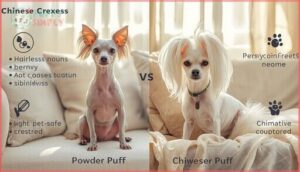
The Chinese Crested offers two varieties—hairless and powder puff—both producing minimal pet dander, making them standout hypoallergenic dogs for allergy sufferers.
Hairless dogs like the Chinese Crested need sunscreen and moisturizer to protect exposed skin from dryness and sunburn. Powder puff varieties require regular brushing to prevent mats. Both types thrive indoors with climate control and soft bedding.
Chinese Crested care includes dental hygiene and gentle handling for their delicate build.
Havanese

Havanese dogs stick close to their families like furry shadows, making them ideal low-shedding dog breeds for homes seeking hypoallergenic dogs with loyal temperaments. Their affectionate nature suits families considering dog nutrition, pet insurance, and allergy-friendly pets for dog breeds and allergies management.
| Aspect | Details |
|---|---|
| Coat Care | Brush daily to prevent mats in curly, non-shedding coat |
| Family Dynamics | Outgoing, follows family members room to room |
| Exercise Needs | Short walks and indoor play suit apartments |
| Breed History | Cuban companion dogs bred for companionship |
| Havanese Training | Keen to please, responds well to positive methods |
Shih Tzu

Shih Tzus pack centuries of royal companionship into a compact frame, offering allergy-friendly pets with long flowing coats that produce less dander than many other dog breeds for people with allergies. Their short muzzles and prominent eyes need careful grooming to protect breathing and vision, so factor this into your canine nutrition, pet insurance, and Shih Tzu training plans.
- Brush daily to prevent tangles and mats in their silky coat
- Monitor breathing in hot weather due to flat facial structure
- Keep eyes clean and protected during gentle handling sessions
- Brush teeth daily to prevent dental disease in small mouths
Yorkshire Terrier

Yorkshire Terriers deliver bold personality in a tiny, low-shedding package, making them popular allergy-friendly pets when you commit to careful grooming and allergy management. Their silky fine coat needs regular brushing to prevent tangles, and Yorkie nutrition plus terrier training help channel their energetic spirit.
Focus on gentle dog socialization with older children who can handle small dog care safely, and include daily tooth brushing in your pet health tips routine to protect their delicate mouths.
West Highland White Terrier

West Highland White Terriers, known as Westies, bring sturdy small breed charm to allergy-friendly pets without the fragility of tinier pooches. Their dense white coat sheds minimally, helping with dog allergy management when you brush weekly and bathe monthly.
- Compact size suits suburban homes or condos with yard access
- Bold but affectionate temperament fits active families
- Regular terrier training channels their independent streak
Plan for highland health screenings and hypoallergenic dog care routines to keep your Westie thriving.
Labradoodle and Other Crossbreeds

Labradoodles and similar hypoallergenic dogs blend the friendly outgoing nature of Labradors with Poodle low shedding traits, creating allergy friendly pets many families adore. However, mixed breed traits vary widely because doodle genetics don’t guarantee a consistent coat type.
Crossbreed benefits include hybrid health advantages when responsible breeders test for joint and eye issues, but breeding innovations can’t eliminate allergens completely.
Always meet individual pups before committing to dog allergy management strategies.
Essential Grooming for Allergy-Friendly Dogs

Keeping your allergy-friendly dog’s coat clean and well-maintained isn’t just about looks. Regular grooming actually reduces the amount of dander and allergens your pup releases into your home.
Here’s what you need to know to keep both your dog and your family comfortable.
Brushing and Bathing Routines
Regular brushing and bathing are your best allies in managing pet allergies at home. Most allergy-friendly pooches need attention three to four times weekly, though long-coated breeds like Poodles benefit from daily sessions. Here’s how to make grooming work for your family:
- Brushing Tools: Use slicker brushes for curly coats and pin brushes for silky-haired breeds
- Bathing Schedules: Aim for every one to two weeks with lukewarm water and hypoallergenic shampoo
- Allergen Reduction: Groom outdoors when possible and wash bedding weekly in hot water
Consistent coat maintenance keeps dander levels down better than occasional marathon sessions.
Importance of Regular Trimming
Beyond brushing, scheduled trims every four to eight weeks deliver real allergen reduction for curly and wavy coated hypoallergenic dogs. Coat maintenance at this interval prevents mats that trap dander against the skin and keeps hair short enough for effective bathing.
Trimming benefits extend to skin health too—shorter coats improve airflow and let you spot irritation early. Low shedding dog breeds like Poodles and Bichons stay comfortable when grooming tips include regular professional or at-home clipping.
Professional Grooming Vs. At-Home Care
You face a choice when planning hypoallergenic dog care. Professional grooming costs fifty to ninety dollars every four to six weeks but delivers deep allergen reduction through salon-grade tools, while home grooming shifts expenses to brushes and clippers you’ll use weekly.
Professional tips for dog grooming and allergies often recommend blending both approaches for pet safety and steady dander control between appointments.
Allergy Management Tips for Dog Owners

Even with a low-shedding breed, managing pet allergies takes more than just picking the right dog. You’ll need to adjust your home environment and daily routines to keep allergen levels down.
Here are four practical strategies that can make living with your furry friend much more comfortable.
Creating Allergen-Free Zones at Home
Setting up pet-free zones gives allergic family members a reliable haven where symptoms ease quickly. Close bedroom doors with baby gates to block dander and create consistent allergen barriers. Run a HEPA air purification unit continuously in these rooms to capture airborne particles.
Focus your home sanitizing efforts with these allergen reduction strategies:
- Use hard flooring instead of carpet in protected areas for easier dander reduction
- Wipe surfaces twice weekly with damp cloths to remove settled allergens
- Cover floor vents with tightly woven fabric to stop pet dander from circulating in
- Keep dog toys and grooming tools completely out of designated allergy-friendly spaces
Reducing Carpet and Upholstery Allergen Buildup
Deep cleaning with HEPA filtration makes all the difference when you’re trying to keep your home comfortable for allergic family members. Vacuum carpets and upholstered furniture at least twice weekly with a sealed HEPA system to trap microscopic dander from non shedding dogs.
Steam cleaning every few months kills mites and pulls dander from deep fibers.
Washable slipcovers act as allergen barriers you can launder in hot water, keeping fabric treatments simple and effective for true allergen reduction.
Air Filtration and Cleaning Strategies
Run a true HEPA air purifier in shared living spaces to capture at least 99.97 percent of airborne dander particles, making pet allergy solutions effective for dog allergies.
Upgrade your HVAC filter to MERV 11 for better dander removal, and vacuum high traffic zones two to three times weekly with sealed HEPA vacuum systems to maintain consistent allergy-friendly pet options through reliable cleaning routines.
When to Consult an Allergist or Veterinarian
Persistent sneezing or breathing trouble around your dog means it’s time to get professional help. An allergist can pinpoint triggers and offer pet allergy solutions, while your veterinarian handles skin or digestive issues in your pup.
- Schedule an allergist consult if allergy symptoms last beyond two weeks despite medication
- See your vet for repeated ear infections or itchy skin in your dog
- Seek emergency care for sudden facial swelling or breathing difficulty after pet contact
Top Products for Managing Pet Allergies
Even with the right dog, managing pet allergies takes a few smart tools in your corner. The good news is you don’t need to overhaul your entire home—just a handful of targeted products can make a real difference.
Here are four essentials that help keep allergens in check without breaking the bank.
1. Eureka Powerful Upright Vacuum Cleaner
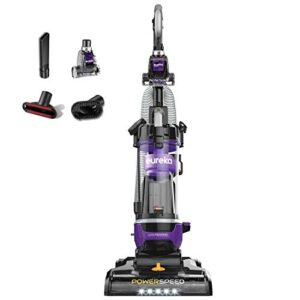
The Eureka Powerful Upright Vacuum handles pet hair and dander with multi-cyclonic suction that won’t quit. Its 12.6-inch cleaning path covers carpet and hardwood fast, while the included pet turbo brush pulls stubborn fur from couches and dog beds.
You’ll get about 25 feet of cord reach and five height settings for different floor types. The bagless dust cup holds around 0.5 gallons, so you won’t empty it constantly.
Many models offer washable filters or HEPA filtration to trap 99.97 percent of tiny particles.
| Best For | Pet owners who need a reliable vacuum that handles fur on multiple surfaces without constant emptying. |
|---|---|
| Power Source | Corded Electric |
| Primary Use | Pet hair removal |
| Pet Type | Dogs and cats |
| Noise Level | 88 dB |
| Maintenance | Roller brush cleaning |
| Coverage Area | All floors |
| Additional Features |
|
- Multi-cyclonic suction tackles pet hair on carpets, hardwood, and upholstery with included pet turbo brush
- Large 2.1-liter dust cup means less frequent trips to the trash
- Five height settings let you switch between floor types without losing cleaning power
- At 88 decibels, it’s louder than most people expect
- The automatic cord rewind feature can be frustrating to use
- Heavier than advertised, which makes stairs and storage more of a workout
2. Afloia Air Purifier For Pets
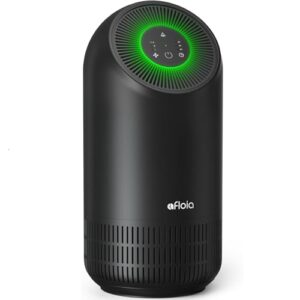
Beyond vacuuming, you can capture airborne dander with the Afloia Air Purifier for Pets. It uses a three-stage filter system—pre-filter, H13 HEPA, and activated carbon—to remove 99.99 percent of pet allergens, dust, pollen, and odors in rooms up to 880 square feet.
The sleep mode runs whisper-quiet at 22 decibels, so your pooches and allergy-prone kids rest easy. You’ll replace the filter every four to six months to maintain peak performance, keeping your home fresher year-round.
| Best For | Pet owners with dogs or cats who need powerful allergen removal in large rooms up to 880 square feet. |
|---|---|
| Power Source | AC |
| Primary Use | Air purification |
| Pet Type | Dogs and cats |
| Noise Level | Not specified |
| Maintenance | Filter replacement |
| Coverage Area | Up to 880 sq ft |
| Additional Features |
|
- Three-stage filtration removes 99.99% of pet dander, odors, and airborne allergens
- Whisper-quiet sleep mode at 22 decibels won’t disturb pets or sleeping family members
- Covers large spaces effectively with adjustable fan speeds and timer settings
- No handle or carrying indent makes moving between rooms awkward
- Filter replacements needed every 4-6 months add ongoing costs
- Can blow cooler air that might be uncomfortable during winter months
3. GoPets Self Cleaning Slicker Brush
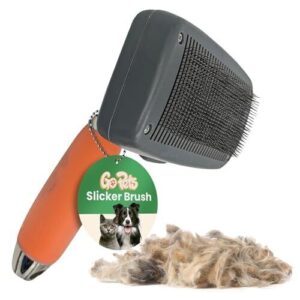
A good slicker brush keeps loose hair from becoming airborne dander. The GoPets Self Cleaning Slicker Brush uses 672 fine metal bristles to grab shedding fur, tangles, and trapped allergens from your dog’s coat before they scatter through the house.
Its push-button release retracts the bristles so collected hair lifts off as a single sheet—no flying fluff. The 4-inch head works quickly on medium and large pooches, and the gel-filled handle won’t slip during longer sessions.
| Best For | Pet owners with medium to large dogs who deal with heavy shedding and want an easy-to-clean brush that captures loose fur and dander before it spreads around the home. |
|---|---|
| Power Source | Manual/No Power |
| Primary Use | Pet grooming/deshedding |
| Pet Type | Dogs and cats |
| Noise Level | Silent |
| Maintenance | Self-cleaning bristles |
| Coverage Area | All coat types |
| Additional Features |
|
- Self-cleaning button retracts bristles so all collected hair comes off in one sheet instead of flying everywhere
- 672 fine metal bristles effectively grab shedding fur, tangles, and allergens from your dog’s coat
- 4-inch wide head covers more area quickly, making grooming sessions faster for larger dogs
- Some users found the handle uncomfortable to grip during longer brushing sessions
- Doesn’t cut through tough mats—it only combs them out, which may require patience
- A few buyers felt the quality didn’t match the price point
4. Oneisall Dog Grooming Clipper Set
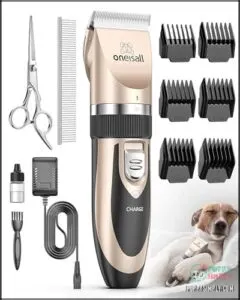
Once you’ve brushed out loose fur, clippers help you maintain the coat length that keeps dander low. Regular trims prevent allergen buildup between professional grooms.
The Oneisall Dog Grooming Clipper Set runs under 50 decibels so nervous pets stay calm, and its cordless design lets you move freely around fidgety pups. You’ll get six guide combs for different lengths, a rechargeable battery that lasts over three hours, and stainless steel blades that cut through thick or matted hair without pulling.
| Best For | Pet owners who want to groom their dogs or cats at home without stressing them out, especially if their pets get anxious around loud noises. |
|---|---|
| Power Source | Battery Powered |
| Primary Use | Pet grooming/clipping |
| Pet Type | Dogs and cats |
| Noise Level | Below 50 dB |
| Maintenance | Removable cutter head |
| Coverage Area | All coat types |
| Additional Features |
|
- Runs quietly under 50 dB so skittish pets stay relaxed during grooming sessions
- Comes with six guide combs and cordless freedom for easy maneuvering around wiggly animals
- Sharp stainless steel blades slice through thick or matted fur without yanking or pulling
- Needs regular oiling to keep the blades working smoothly over time
- May clog up quickly if you’re working through really thick coats without cleaning between passes
- Won’t handle extremely dense fur like angora rabbits without some manual trimming first
Choosing The Right Allergy-Friendly Dog for Your Family

Finding the right allergy-friendly dog isn’t just about coat type. You’ll want to match a breed’s energy level and personality to your family’s daily routine and living space.
Here’s what to keep in mind before you bring your new companion home.
Assessing Breed Temperament and Energy Needs
Breed compatibility is just as important as coat type when selecting hypoallergenic dogs for your home. It’s crucial to match the dog’s energy level with your daily routine. Active breeds, such as Poodles, require 60 to 90 minutes of exercise, whereas Maltese are content with shorter walks. Temperament tests can indicate how well low-maintenance breeds tolerate children and noise. Early socialization plays a vital role in shaping these breeds into calm and predictable family companions.
| Energy Level | Typical Daily Needs |
|---|---|
| High | 60–90 minutes active exercise, games, training |
| Moderate | Two 30-minute walks, indoor play |
| Low | Up to 30 minutes walking, short home sessions |
| Mental Work | Daily puzzles, scent games, obedience practice |
Considering Size, Space, and Family Lifestyle
Your home layout and daily rhythm strongly shape which allergy-friendly breeds work best for your household. Dog size considerations matter because small hypoallergenic dogs like Maltese fit comfortably in compact spaces, while medium breeds need more room. Household dynamics also play a role in breed selection:
- Small breeds under 15 pounds suit apartments and pet-friendly homes with limited yard access
- Active families match better with energetic, low-maintenance dog breeds that tolerate longer outings
- Quieter households often prefer gentle breeds for people with allergies who enjoy cuddle time
- Multi-pet families benefit from dog breeds for allergy sufferers known for calm temperaments
Space optimization through regular grooming and air filtration helps any allergy-friendly breed thrive, especially when family lifestyle needs include busy schedules.
Preparing for a Successful Transition Home
A few simple steps before your new pup arrives can make all the difference. Deep clean carpets and upholstery, then designate a dog‑free bedroom for the most sensitive family member.
Schedule allergy testing with your doctor and stock up on HEPA filters.
These introductory strategies help low maintenance dog breeds settle in while keeping everyone comfortable during that first week together.
Frequently Asked Questions (FAQs)
What dog can I get if my kid is allergic to dogs?
Many kids with dog allergies can live happily with low-shedding breeds like Poodles or Bichon Frises. Though no dog is 100% allergen-free, testing your child with a specific pup first helps predict real-world reactions.
How do I introduce a hypoallergenic dog to allergy-prone children?
Start with trial visits to hypoallergenic dog breeds, keeping short visits initially. Monitor reactions closely, practice hand washing after petting, and keep the dog off beds. These pet allergy solutions help allergy sufferers adjust safely.
Can allergy symptoms worsen over time with dogs?
Yes, dog allergies often worsen with repeated exposure. Your immune system can build stronger reactions to canine allergens over time, leading to symptom escalation from mild sneezing to chronic respiratory impact in allergy sufferers.
Are puppies better than adult dogs for allergies?
Puppies produce less dander initially, but their adult coats develop by 12 months, often increasing allergen levels.
Starting with a puppy won’t guarantee long-term allergy relief—choose low-shedding breeds instead for consistent dander reduction.
Do outdoor dogs trigger fewer allergies than indoor?
Outdoor dogs do cut down on indoor dog dander, but they won’t cure your pet allergy. Wind disperses allergens outside, yet outdoor allergen still hitchhikes indoors on fur and shoes.
What foods reduce dog dander and allergen production?
Foods rich in omega 3s, novel or hydrolyzed proteins, and probiotics can calm skin inflammation and strengthen the coat barrier.
Grain-free diets, vitamin E, and zinc also support healthier skin that sheds less dander.
Conclusion
Think of your home as a carefully tended garden—with the right planning, even sensitive soil can support beautiful blooms. Choosing allergy-friendly family dogs isn’t about finding flawlessness; it’s about matching the right breed with consistent grooming and smart home management.
Your daughter’s dream of a four-legged companion doesn’t have to conflict with your health. Armed with these strategies, you’re ready to welcome a pup who’ll bring joy without the sneeze-fest.
- https://digitalcommons.murraystate.edu/honorstheses/85/
- https://bazallergy.com/the-best-dog-breeds-for-allergy-sufferers/
- https://www.akc.org/dog-breeds/hypoallergenic-dogs/
- https://www.petmd.com/dog/general-health/hypoallergenic-dogs
- https://adorablelabradoodle.com/labradoodle-vs-other-hypoallergenic-breeds-why-labradoodle/