
This site is supported by our readers. We may earn a commission, at no cost to you, if you purchase through links.

Most German Shepherds you see in police work, search and rescue, or even at the local dog park share one trait that connects them to the breed’s earliest roots: the sable coat. This isn’t just another color variation—it’s the original pattern that Max von Stephanitz, the breed’s founder, specifically bred for when he established the German Shepherd standard in 1899.
The sable German Shepherd’s wolf-like appearance comes from the Agouti gene, which creates those distinctive black-tipped hairs over a lighter base, giving each dog a unique, multi-toned coat that shifts and shimmers as they move.
While show rings have popularized the black-and-tan saddle pattern, sable remains the genetically dominant coat and the one most commonly seen in working lines, where function has always trumped fashion.
Table Of Contents
- Key Takeaways
- What is a Sable German Shepherd?
- Breed History and Origins
- Sable German Shepherd Genetics
- Physical Characteristics and Appearance
- Temperament and Personality Traits
- Exercise and Activity Requirements
- Training and Socialization Needs
- Health Concerns and Lifespan
- Grooming and Shedding Habits
- Finding a Sable German Shepherd Puppy
- Frequently Asked Questions (FAQs)
- What is a sable German Shepherd?
- How much does a sable German Shepherd cost?
- Do sable German Shepherds get darker with age?
- What is the rarest German Shepherd mix?
- How does the sable coat pattern develop?
- What jobs are sable German shepherds suited for?
- How do sable German shepherds compare to other breeds?
- Are sable German shepherds good with other pets?
- What are the challenges of owning a sable shepherd?
- Can Sable German Shepherds live in apartments comfortably?
- Conclusion
Key Takeaways
- The sable coat is the original and genetically dominant German Shepherd pattern, controlled by the Agouti gene that creates distinctive black-tipped hairs over lighter bases, making each dog’s appearance uniquely wolf-like.
- While black-and-tan patterns dominate show rings, sable remains most common in working lines where Max von Stephanitz’s original breeding priorities—function over fashion—still hold strong.
- These intelligent, loyal dogs require serious commitment: 60-90 minutes of daily exercise, consistent mental stimulation, early socialization, and regular grooming to manage their double coat’s year-round shedding.
- You’ll typically invest $2,000-$5,000 for a sable puppy from reputable breeders, plus ongoing costs for veterinary care, quality nutrition, training, and grooming throughout their 9-13 year lifespan.
What is a Sable German Shepherd?
If you’ve seen a German Shepherd with a stunning, wolf-like coat that seems to shift between shades of tan, gray, and black, you’ve likely spotted a sable. This isn’t just another color variation—it’s actually the original and most genetically dominant coat pattern in the breed.
The sable pattern is just one of several recognized German Shepherd colors, each with unique characteristics and breed standards.
The sable German Shepherd’s wolf-like coat isn’t just beautiful—it’s the breed’s original and most genetically dominant pattern
Let’s break down what makes sable German Shepherds unique, how they compare to other colorings, and why they’re both common and highly sought after.
Defining The Sable Coat Pattern
The sable coat color displays black-tipped hairs over a lighter base, creating a shaded, wolf-like appearance controlled by the Agouti gene and eumelanin distribution.
Your sable German Shepherd’s coat patterns show tip distribution that ranges from light taupe to deep black, with shade intensity varying between individuals. This color variance gives each dog a unique, sunlit look that sets sables apart.
For more about the genetic basis and types of sable, explore these sable pattern details.
Sable Vs. Other German Shepherd Colors
While other German Shepherd types display solid tan, black, or bi-color patterns, your sable dog stands apart with its distinctive wolf-like banding.
Traditional black-and-tan coats lack the multi-toned hair shafts that give sables their unique depth.
Color genetics determine whether eumelanin concentrates at hair tips or spreads evenly, creating breed variations from sleek solids to richly layered sable characteristics you’ll recognize instantly.
The sable German Shepherd has earned distinction as a highly intelligent working dog valued for loyalty and versatility.
Rarity and Popularity
You won’t find sable German Shepherds on every street corner—breeder selection usually focuses on classic black-and-tan patterns, making this coat color variance less common. That scarcity drives puppy demand higher, especially during spring litter announcements.
Rarity factors like limited show lines and market trends mean you’ll often encounter wait lists and price premiums when seeking authentic sable Shepherds with strong canine genetics and proper coat color expression.
Breed History and Origins
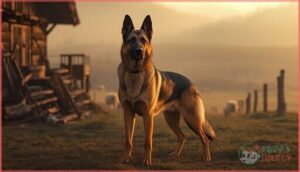
The Sable German Shepherd’s story begins in late 19th-century Germany, where one man’s vision transformed working farm dogs into the breed we recognize today. Understanding this history helps you appreciate why your sable-coated companion carries such distinctive genetics and traits.
Let’s explore how this exceptional breed came to be, from its earliest origins to the specific role the sable coloring played in its development.
Development of The German Shepherd
You’re looking at a breed that transformed from farm helper to worldwide icon in just decades. Max von Stephanitz founded the Verein für Deutsche Schäferhunde in 1899, launching a focused breeding history that prioritized:
- Working ability and keen intelligence
- Athletic structure with balanced proportions
- Trainability combined with steady confidence
Von Stephanitz selected Horand as the foundation dog, establishing the AKC breed standard that shaped shepherd origins forever.
Origins of The Sable Gene
This genetic variation didn’t just appear out of nowhere—the Agouti gene behind sable expression has deep roots in canine genetics and breeding programs.
Early breeders noticed how coat color inheritance worked, with sable German Shepherd lines showing a dominant pattern that reliably passed through generations.
Gene history reveals allelic interaction between the Agouti gene and modifier genes, creating those signature banded hairs.
Role of Max Von Stephanitz
You can’t talk about German Shepherd history without recognizing Max von Stephanitz, the pioneer who founded the breed in 1899. His legacy shaped breed standardization through the Verein für Deutsche Schäferhunde, prioritizing fitness for work over appearance alone.
Von Stephanitz established breed characteristics that connected physical traits to function, ensuring German Shepherd development—including sable lines—maintained working ability, intelligence, and structural soundness across generations.
Sable German Shepherd Genetics
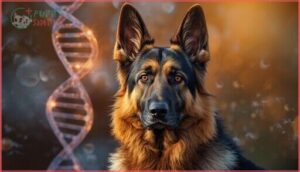
The sable coat isn’t just beautiful—it’s the result of specific genetic coding that makes this color the most dominant in the German Shepherd breed. Understanding how the Agouti gene works will help you appreciate why your sable shepherd looks the way they do, and what to expect if you’re considering breeding.
Let’s break down the science behind that striking wolf-like appearance.
The Agouti (Sable) Gene Explained
You know how your Sable German Shepherd’s coat looks like each hair was hand-painted? That’s the agouti gene at work, controlling the precise switch between black eumelanin and yellow phaeomelanin during coat production.
This gene expression directs pigment production within individual hair follicles, creating those distinctive dark tips over lighter bases.
Allele interactions at this locus produce stunning coat variation, making genetic inheritance in sable patterns beautifully complex.
How Sable Coloring is Inherited
When you breed two sable German Shepherds, you’re working with dominant alleles at the agouti locus that drive genetic inheritance. The agouti gene controls melanin production—specifically how eumelanin and phaeomelanin distribute across each hair shaft.
Inheritance patterns mean puppies receive one allele from each parent, and because sable is dominant, even one copy produces that signature coat color through predictable genetic testing outcomes.
Variations in Sable Coat Shades
You’ll notice sable coat patterns in German Shepherds aren’t cookie-cutter—each dog’s shade depth perception differs based on how base shade influence and tip color intensity combine.
- Lighter bases (cream to tan) create softer, honey-toned sable color effects
- Darker bases (rich brown) produce dramatic, deeper coat patterns
- Black tips offer maximum contrast while brown tips yield warmer tones
- Sunlight exposure can shift how you perceive your Sable Shepherd’s coat color genetics daily
Physical Characteristics and Appearance
The Sable German Shepherd carries the classic GSD build you’d recognize anywhere, wrapped in that signature wolf-like coat that sets them apart from their solid-colored cousins. From their powerful frame to the unique banding on each individual hair, these dogs have a look that’s both striking and functional.
Let’s break down what makes their physical appearance so distinctive.
Size and Build
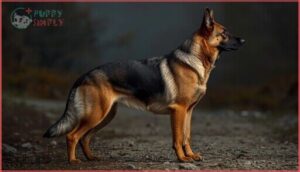
You’re looking at a substantial working dog when you meet a Sable German Shepherd. Males usually stand 24 to 26 inches tall and weigh 65 to 90 pounds, while females reach 22 to 24 inches and 50 to 70 pounds.
Their body proportions favor a balanced, slightly rectangular silhouette with deep chest, sturdy bone density, and well-developed muscle structure that enables agility and endurance.
Coat Texture and Length
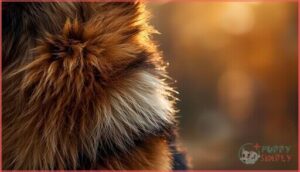
Your Sable German Shepherd’s coat features a dense double layer, with a soft undercoat beneath a coarser outer coat. Fur length ranges from medium along the body to slightly longer around the neck and tail, creating that signature plume.
Texture variance shifts with seasons—expect a plush feel that stiffens during heavy shedding cycles, demanding consistent coat maintenance and grooming to keep shedding patterns manageable.
Markings and Color Variations
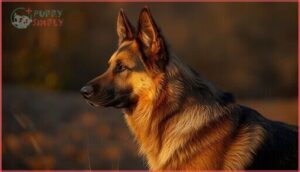
Beyond texture, you’ll notice the sable color showcases dramatic depth through banded hairs with dark tips over lighter bases. This ticking effect creates a peppery overlay, most intense along the withers and spine. Coat patterns shift from charcoal-tipped guard hairs to beige undertones, while phaeomelanin influences redness.
- Darker sable masks often highlight the muzzle and eyes
- Lighter eyebrows contrast with dark ear tips
- Spine and shoulders display the richest shade variations
- Cheeks and underbelly remain paler for striking contrast
- Sun exposure and seasonal shedding alter perceived intensity
Temperament and Personality Traits
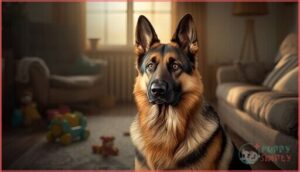
If you’re considering bringing a Sable German Shepherd into your life, understanding their temperament is just as important as appreciating their striking coat.
These dogs aren’t just beautiful—they’re complex, intelligent companions with distinct personality traits that shape how they interact with your family and the world around them.
Let’s break down what makes their character so unique and whether this breed matches your lifestyle.
Intelligence and Trainability
Your Sable German Shepherd thrives on mental challenges, mastering obedience training faster than most breeds through their outstanding problem-solving skills. Short daily sessions of 5 to 10 minutes maintain high attention during cognitive development, while positive reinforcement and varied learning strategies prevent boredom.
This intelligence demands consistent mental stimulation—without it, you’ll find your sharp companion inventing their own (often destructive) entertainment.
Loyalty and Protective Instincts
That intelligence pairs naturally with fierce loyalty bonds that make your Sable German Shepherd a devoted guardian.
Their protective instincts activate when they sense threats, using alarm systems like controlled barking and guarding behavior to shield family members. Protective responses emerge from deep emotional connections, positioning themselves between you and perceived danger—family defense driven by temperament, not aggression.
Suitability for Families
With proper training and dedication, your Sable German Shepherd becomes an outstanding family companion who thrives in active households. This dog breed adapts remarkably well to family dynamics when you establish clear boundaries and consistent routines from day one.
Consider these household adaptation essentials:
- Supervise child interaction during play to reinforce gentle handling and respect for boundaries
- Provide 60-90 minutes of daily exercise needs through walks, games, and mental challenges
- Start socialization tips early, exposing your shepherd to various ages and environments
- Create a predictable schedule for feeding, training, and rest
Their protective instincts and intelligence make them devoted guardians, though pet ownership and care requires commitment to animal behavior and training. With active families who understand dog care and behavior, these loyal shepherds flourish as affectionate protectors.
Exercise and Activity Requirements
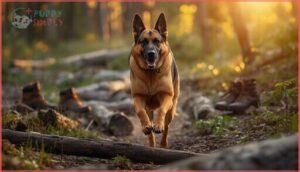
Your Sable German Shepherd isn’t a couch potato, and pretending otherwise is a recipe for disaster. These athletic dogs need serious daily exercise to stay physically healthy and mentally balanced, or you’ll find yourself dealing with destructive behaviors and a frustrated pup.
Let’s break down exactly what it takes to keep your Sable happy, healthy, and properly tired.
Daily Physical Needs
Your sable German shepherd thrives when you commit to at least 60 minutes of vigorous daily exercise. These powerhouse dogs demand structured activity to maintain their athletic build and prevent destructive behaviors that stem from pent-up energy.
| Time of Day | Activity Type | Duration | Purpose | Notes |
|---|---|---|---|---|
| Morning | Brisk walking or jogging | 20 minutes | Cardio conditioning | Adjust pace for age |
| Midday | Interactive play with toys | 15 minutes | Energy release | Rotate toys weekly |
| Evening | Structured walking | 20 minutes | Physical maintenance | Vary routes daily |
| Post-meal | Light activity | 5-10 minutes | Aid digestion | Gentle pace only |
| Weekend | Extended hiking or running | 30-45 minutes | Intensive conditioning | Weather-dependent |
Breaking up exercise routines into two or three sessions keeps your dog engaged without overwhelming their system. Include daily walks that challenge different muscle groups—uphill terrain builds strength, while varied surfaces improve coordination and balance.
Physical conditioning isn’t just about burning calories; it’s essential for maintaining healthy joints, especially since this breed faces hip and elbow dysplasia risks. Consistent play activities like fetch or tug-of-war satisfy their working dog instincts while strengthening your bond.
Don’t underestimate the connection between nutrition and exercise—your sable shepherd’s nutrient requirements increase with activity level, so you’ll need to adjust portions accordingly. Fresh water should be available immediately after each session to support proper hydration and recovery.
Weather shouldn’t derail your exercise commitment. Invest in a secure fenced yard for safe outdoor play, and have backup plans like indoor fetch or stair climbing during extreme temperatures. Your dedication to their grooming requirements and physical routine will pay dividends in their overall health and temperament.
Mental Stimulation and Enrichment
Channeling your sable shepherd’s impressive intelligence quotient requires deliberate cognitive challenges that go beyond physical workouts. Puzzle toys and scent work engage their problem-solving instincts, while interactive games prevent boredom-driven mischief.
Environmental enrichment through nose work activities and treat-dispensing feeders draws on natural dog behavior patterns. These intelligent dog breeds excel when you incorporate short training bursts and trick learning, transforming animal behavior into productive mental exercise.
Activities and Dog Sports
Your sable shepherd’s athletic build and sharp mind make them naturals for competitive dog sports that satisfy both exercise needs and mental drive. Agility training courses challenge speed and precision, while flyball racing draws upon their chase instinct and teamwork abilities.
- Dock diving tests powerful leaps and water confidence, perfect for working line energy levels
- Scent work competitions engage their legendary nose and problem-solving skills
- Canicross running pairs you both for shared canine fitness adventures
Training and Socialization Needs
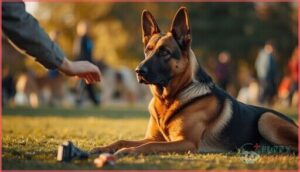
Your Sable German Shepherd’s intelligence can work for you or against you, depending on how you approach training. These dogs thrive on structure and clear boundaries, but they also need early exposure to different people, places, and situations to develop into well-rounded adults.
Let’s break down the essential training and socialization strategies that’ll help you raise a confident, obedient companion.
Early Socialization Importance
Think of your Sable German Shepherd puppy as a sponge, soaking up every experience during those critical first weeks. Early socialization in canine development shapes behavioral training success and emotional intelligence for life.
Exposing your pup to varied puppy interactions—people, sounds, places—builds social skills and confidence, preventing anxiety and aggression down the road. This foundation makes future dog training smoother and creates a well-adjusted companion.
Positive Reinforcement Methods
Reward systems transform your Sable German Shepherd’s learning because they tap into dog motivation at its heart. Clicker training marks desired behaviors instantly, strengthening reinforcement theory through precise timing.
You’ll see better results using positive reinforcement—treats, praise, play—than outdated methods. These training techniques build trust while shaping obedience, making your German Shepherd keen to learn rather than just compliant.
Preventing Behavioral Issues
Strong training methods prevent problems before they start. Establish consistent daily routines—set meal times, walks, training sessions—to reduce anxiety in your German Shepherd.
Early socialization techniques expose your dog to people and other animals through short, positive sessions.
Behavioral therapy grounded in canine psychology teaches you to reward calm behaviors, building confidence while preventing defensive habits from taking root.
Health Concerns and Lifespan
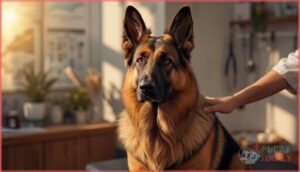
Like all large breeds, Sable German Shepherds can face certain health challenges that you’ll want to understand before bringing one home. Knowing what to watch for, how to prevent problems, and what to expect regarding lifespan will help you give your dog the best possible care.
Let’s look at the most important health considerations for this outstanding breed.
Common Genetic Health Issues
Like many large breeds, your Sable German Shepherd faces several genetic health issues you’ll want to watch for. Hip dysplasia tops the list, alongside elbow problems that can cause lameness.
Eye problems like progressive retinal atrophy may gradually steal their vision, while heart conditions such as dilated cardiomyopathy weaken the heart muscle.
Skin issues and degenerative myelopathy also appear in some lines, making genetic testing invaluable.
Preventative Care and Screening
Regular checkups become your strongest weapon against genetic threats. Schedule annual vet visits with health screenings for hip dysplasia and cardiac function, ideally starting at one year.
Genetic testing reveals hidden risks early, while vaccine schedules protect against infectious diseases.
Blood work monitoring canine health and nutrition needs catches problems before symptoms appear, giving you real control over your dog’s wellbeing through preventive measures and disease detection.
Average Lifespan of Sable Shepherds
With smart preventative screening in place, you can expect your Sable German Shepherd to live 9 to 13 years—though lifespan factors like genetics, diet impact, and the aging process all play critical roles.
Health issues including hip dysplasia and degenerative myelopathy influence longevity, but consistent dog health and wellness practices, weight management, and early intervention offer powerful longevity tips for this exceptional German Shepherd breed.
Grooming and Shedding Habits
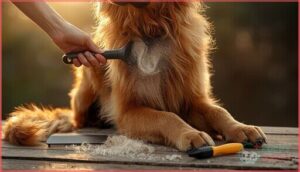
Your Sable German Shepherd’s beautiful coat comes with a price—constant shedding and a grooming routine you can’t skip. That thick double coat sheds year-round, with two major “blow-outs” when the seasons change, so you’ll need the right tools and a solid plan to keep fur under control.
Here’s what you need to know about maintaining that stunning sable coat and managing all that hair.
Double Coat Maintenance
Your Sable German Shepherd’s double coat acts like nature’s own climate control system, with a dense undercoat and protective outer layer working together.
You’ll want to brush 2-3 times weekly to prevent matting and reduce shedding around your home. During spring and fall shedding peaks, daily coat brushing becomes essential for effective shedding control and maintaining healthy skin care beneath all that gorgeous coat color.
Recommended Brushes and Tools
You’ll need a few essential dog grooming and hygiene tools to manage your Sable German Shepherd’s unique dog coat colors effectively.
Grab an undercoat rake for heavy shedding periods, a slicker brush to tackle mats, and pin brushes for daily maintenance.
Deshedding tools can reduce loose fur by 60 percent during peak seasons, while various bristle varieties help distribute natural oils and add shine.
Managing Seasonal Shedding
Your Sable German Shepherd’s coat goes through two major shedding cycles yearly, requiring proactive hair management and seasonal grooming adjustments.
- Increase brushing frequency to daily sessions during spring and fall peaks, removing loose phaeomelanin-rich hairs before they settle on furniture.
- Support scalp health with gentle, sulfate-free shampoos that won’t strip natural oils.
- Maintain coat care with omega-3 supplements for stronger follicles.
- Control indoor humidity to reduce stress on the shedding cycle.
Finding a Sable German Shepherd Puppy

Finding the right Sable German Shepherd puppy takes research, patience, and careful decision-making. You’ll want to weigh your options between working with a breeder or exploring rescue and adoption routes, each with its own benefits and considerations.
Let’s walk through what you need to know about breeders, costs, and alternative ways to bring a Sable Shepherd into your home.
Choosing a Reputable Breeder
Finding the right breeder isn’t just paperwork—it’s your puppy’s foundation. You’ll want health guarantees covering hip dysplasia and elbow issues, plus pedigree analysis showing clear lineage.
Visit kennels in person to see breeding standards firsthand, meet parent dogs, and review puppy contracts carefully. Responsible breeders welcome questions about breeding ethics, provide vaccination records, and stay connected long after you take your shepherd home.
Expected Costs and Considerations
Budgeting for dog ownership means looking beyond the initial purchase costs of $1,500 to $3,000 for your Sable German Shepherd. You’re committing to a financial partnership that spans over a decade, including:
- Veterinary expenses averaging $150-$300 yearly, plus emergency funds
- Grooming needs running $30-$80 per professional session
- Training fees from $100-$250 for basic obedience
- Nutrition budget of roughly $45-$105 monthly for quality food
Plan accordingly for responsible dog ownership.
Adoption and Rescue Options
You don’t have to spend thousands when rescue groups and shelters often house sable German Shepherds seeking families. Adoption fees usually cover vaccines and spay or neuter, averaging far less than breeder prices.
Expect home checks and thorough applications, but foster care options let you trial compatibility first.
Post-adoption support from dedicated German Shepherd rescues ensures you’re never managing challenges alone.
Frequently Asked Questions (FAQs)
What is a sable German Shepherd?
Ever wonder what makes some German Shepherds look like wolves? A Sable GSD features unique coat patterns with dark-tipped hairs creating stunning color variations, though it’s not a separate breed—just a beautiful genetic expression.
How much does a sable German Shepherd cost?
You’ll generally pay $2,000 to $5,000 for a Sable GSD puppy from a reputable breeder.
Champion pedigree lines command premium prices near the upper range due to exceptional genetics and health testing.
Do sable German Shepherds get darker with age?
Most sable German Shepherds do progressively darken as they mature, especially across the shoulders and back. Coat color changes become noticeable within one to three years through the aging process.
What is the rarest German Shepherd mix?
The Akita Shepherd stands out as an exceptionally uncommon breed, seldom bred outside specialized kennels.
The Catahoula Leopard mix and Shiloh Cross also rank among the rarest pairings in dog breeding and genetics.
How does the sable coat pattern develop?
Your puppy’s coat color undergoes a dramatic transformation as the agouti gene triggers pigment distribution along each hair shaft.
Dark tips gradually overlay the phaeomelanin base, creating that signature sable pattern through precise genetic expression and coating patterns.
What jobs are sable German shepherds suited for?
You’ll find these working dogs excel in police work, search rescue, therapy roles, and guard duties.
Their intelligence, drive, and trainable nature make them exceptional at herding tasks and protection assignments.
How do sable German shepherds compare to other breeds?
Like a Swiss Army knife in the dog world, this working breed stands out with unparalleled versatility, combining the genetic differences and training methods that set German Shepherds apart from other guard dog breeds.
Are sable German shepherds good with other pets?
With proper socialization tips and consistent training, these intelligent dogs thrive in multi-pet homes.
Early introductions, positive reinforcement, and supervised interactions create canine harmony, making them compatible household companions alongside cats and other pets.
What are the challenges of owning a sable shepherd?
Your dog ownership journey demands commitment. Sable German Shepherds need 5 to 2 hours of daily exercise, frequent coat maintenance during shedding seasons, early socialization, and proactive health screening for joint issues like hip dysplasia.
Can Sable German Shepherds live in apartments comfortably?
Yes, but you’ll need commitment. Daily walks of 45-60 minutes, mental enrichment, and noise reduction training make apartment living work.
Space management, consistent routines, and pet-friendly lifestyle adjustments support their exercise needs successfully.
Conclusion
Here’s the truth: the sable German Shepherd isn’t just a pretty face with a wolf-like coat—it’s the breed’s genetic blueprint, the pattern Max von Stephanitz chose to define these legendary working dogs.
When you bring one into your life, you’re not getting a diluted show-line variation; you’re welcoming the original shepherd, complete with sharp intelligence, unwavering loyalty, and that commanding presence that turns heads everywhere you go.
- https://vcahospitals.com/know-your-pet/genetics-basics-coat-color-genetics-in-dogs
- https://www.animalgenetics.us/canine/canine-color/ALocus.asp
- https://www.akc.org/dog-breeds/german-shepherd-dog/
- https://link.springer.com/article/10.1007/s00335-004-2445-6
- http://siriusdog.com/color-sable-genetics-breeding-shepherd-grau/