
This site is supported by our readers. We may earn a commission, at no cost to you, if you purchase through links.

Search "teddy bear dog" on any kennel club registry and you’ll come up empty. That’s because a teddy bear dog isn’t a breed at all — it’s a look, a rounded-face, button-nosed, plush-coated style that shows up across dozens of different dogs, from Shichons to full-blooded Chow Chows.
Here’s the surprising part: researchers found breed accounts for only 9% of behavioral variation in dogs. So that sweet, cuddly personality you’re picturing? It comes down more to how a pup’s raised than what’s written on its papers.
Once you know what actually makes a dog earn this nickname, spotting your perfect match gets a lot easier.
Table Of Contents
- Key Takeaways
- What is a Teddy Bear Dog?
- Popular Teddy Bear Dog Breeds
- Teddy Bear Dog Appearance
- Teddy Bear Dog Temperament
- Teddy Bear Dog Care Needs
- Frequently Asked Questions (FAQs)
- What breed of dog is a teddy bear?
- How much does a teddy bear dog cost?
- How big will a teddy bear dog get?
- What is the life expectancy for a teddy bear dog?
- What is the breed of a teddy bear dog?
- What is the average cost of a teddy bear puppy?
- Are teddy bear dogs good family pets?
- Is teddy bear an official dog breed?
- How do teddy bear dogs handle separation anxiety?
- Are teddy bear dogs suitable for apartment living?
- Conclusion
Key Takeaways
- "Teddy bear dog" isn’t an official breed but a look—rounded face, button nose, plush coat—found across many purebred and hybrid dogs like Shichons, Mal-Shis, and even Chow Chows.
- Breed only accounts for about 9% of a dog’s behavioral variation, meaning upbringing and environment shape temperament far more than pedigree.
- Most teddy bear dogs weigh 5-20 pounds, live 12-15 years, and share affectionate, family-friendly temperaments suited to apartment living.
- Owning one requires daily brushing, 20-30 minutes of exercise, portion-controlled feeding, and early socialization to prevent separation anxiety and matting.
What is a Teddy Bear Dog?
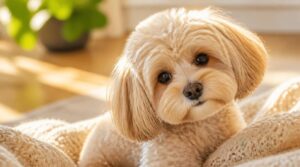
If you’ve ever wondered whether "teddy bear dog" is an actual breed, here’s the short answer: it’s not. It’s really more of a look, one that different breeds and mixes can pull off in their own way. Let’s break down what actually earns a dog that adorable label.
Take the Bichon Frise, for example—its plush, round face is exactly why it leads so many roundups of dog breeds that look like teddy bears.
Not One Specific Breed
Here’s the fun part: a teddy bear dog isn’t one breed at all, it’s a whole look shared across many.
breed accounts for 9% of behavioral differences are linked to breed.
Genetic ancestry impacts show these traits often predate modern breeding, and since behavior is polygenic, temperament varies more by upbringing and environment than by pedigree. So personality vs appearance rarely lines up neatly, making mixed temperaments tricky to predict from looks alone.
Purebred and Mixed Dogs
Some teddy bear dogs come from purebred lines like the Bichon Frise, while others are hybrid mixes blending two breeds entirely.
- Purebred versus hybrid debates often center on predictability
- Purebreds offer breed standard predictability in size and looks
- Mixed-breed pups benefit from genetic diversity benefits
- Color inheritance patterns vary more in mixes
- Health screening importance applies to both types equally
Designer Hybrid Classification
Once breeders started deliberately crossing purebreds for that plush look, a whole designer dog trend took off.
Take the Shichon—a cross between Shih Tzu and Bichon Frise lines. These pups aren’t recognized by traditional kennel clubs; instead, hybrid registry standards through groups like the American Canine Hybrid Club track their designer breed lineage, especially across multi-generation genetics where traits aren’t always a clean 50/50 split.
Common Teddy Bear Traits
No matter which breed mix you’re looking at, a few signature teddy-bear features always show up. Think a rounded facial structure, gentle eyes, and a small button nose, all wrapped in a plush, fluffy coat.
Add compact body proportions and a friendly, playful attitude, and you’ve got that classic soft, huggable look people fall for every time.
Popular Teddy Bear Dog Breeds
Now that you know what makes a dog fall into this cuddly category, let’s meet some of the breeds that wear the title best.
From tiny designer mixes to a surprising heavyweight, each one brings its own spin on that plush, huggable look. Here’s a rundown of the most popular teddy bear dogs you’re likely to come across.
Shichon

Shichon puppies pack the classic teddy-bear look into a compact, sturdy frame, usually 9-15 pounds and 9-12 inches tall.
Just like other breeds, their rich coat colors can fade with age and sun exposure, similar to how Australian Shepherds’ coats change color over time.
Their wavy-to-curly coat needs regular dog coat care to stay mat-free, and most owners call them a hypoallergenic dog option.
These small companion dogs thrive on praise-based training, love mental stimulation, and suit apartment living beautifully.
Mal-Shi
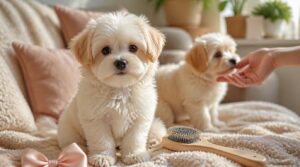
Sometimes spelled Malshi, this Maltese-Shih Tzu mix brings silky, low-shedding fur and a compact 6-12 pound frame perfect for small companion dogs lovers.
Mal-Shi grooming means brushing several times weekly to dodge mats, especially around ears and eyes.
Their temperament? Loyal, cuddly, alert.
Mal-Shi socialization matters early on:
- Reduces barking
- Builds confidence
- Eases stranger comfort
Bichon Frise
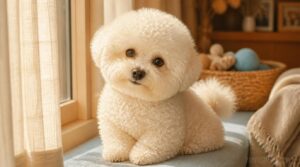
Picture a puff of white cotton that turns into a devoted companion dog—that’s the Bichon Frise, with Mediterranean origins tracing back to 14th-century France and Spain. Fully recognized by the AKC, its cotton-like coat is low shedding and family-friendly.
| Trait | Detail | Why It Matters |
|---|---|---|
| Height | 9.5–11.5" | Perfect lap size |
| Coat | Curly, white | Minimal allergies |
| Training | Positive reinforcement | Happy pup |
Pomeranian Mixes

Fluff meets spunk when Pomeranian genes enter the mix, creating some of the most personality-packed designer hybrid dogs around.
- Pomchi (Pomeranian-Chihuahua): bold, compact, endlessly alert
- Pomapoo: gentle, low-shedding lapdog
- Pomsky: striking markings, bigger frame
- Pomtzu: sturdy, soft-coated snuggler
These hybrid genetic traits mean varied sizes, but most stay under 15 pounds—classic toy dog temperament in a fluffy package.
Chow Chow
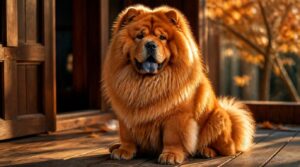
Here’s the outlier of the bunch: a big, lion-maned dog carrying teddy bear looks in an unexpected package.
The Chow Chow brings that famous blue black tongue, dense double coat, and lion like expression—plus a proudly independent nature and real protective instincts. Temperament runs reserved with strangers, devoted at home. Watch for hip dysplasia and other dog health issues. Lifespan hits 9-12 years, with red, black, or cream coat colors common.
Teddy Bear Dog Appearance
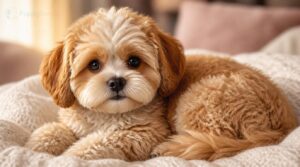
Once you spot that unmistakable teddy bear look, you start noticing exactly what makes it work. It comes down to a handful of physical traits that show up again and again, no matter the breed mix. Here’s what to look for from nose to tail.
Size and Weight Range
Ask ten owners how big their teddy bear dog is, and you’ll get ten different answers, because these mixes span a genuine size range.
Most weigh 5–20 pounds and stand 8–12 inches tall, though Shichons often top out near 14 pounds.
Weight fluctuates naturally, so monthly weigh-ins and simple body checks (can you feel ribs easily?) keep growth on track for apartment-friendly living.
Fluffy Coat Types
Weight isn’t the only variable here—coat type shapes their whole look. Most sport a double coat, dense undergrowth beneath a protective outer layer, though some carry a single coat that sheds more evenly year-round.
Curly and wavy coats (think Bichon-style curly texture) need regular brushing to avoid mats, while woolly coats give that classic rounded, nonshedding Teddy Bear silhouette owners adore.
Common Coat Colors
Color is where genetics really shows off, with parent breeds passing down everything from inky black to soft apricot.
- Solid black, sometimes with copper points
- Bright white (watch for sun fading and staining)
- Cream, ranging near-ivory to warm ivory
- Apricot, pale peach to deep orange
- Bi-color patterns with chest and paw patches
Sun exposure can dull darker coats or yellow white ones over time.
Rounded Facial Features
Coat color aside, it’s the face that really sells the teddy bear look. Picture soft facial contours, round expressive eyes, and a gently rounded nose without any sharp bridge or tip.
Full cheeks and a curved jawline merge smoothly into a soft chin, giving every designer breed that youthful, huggable charm companion dogs are famous for.
Low-shedding Coats
That famous plush look isn’t just about the face — the coat itself does a lot of heavy lifting. Most nonshedding Teddy Bear coats rely on tight curls or wiry texture that trap loose hairs instead of scattering them everywhere.
- Skip the "hypoallergenic" myth — dander still exists
- Brush 2-3 times weekly with the right deshedding tool
- Feed omega-rich food to support texture and skin health
Teddy Bear Dog Temperament

Looks matter, but personality is really what makes these dogs so lovable. A teddy bear dog’s temperament is where you’ll find out if this breed matches your lifestyle and home. Here’s what you can expect once one of these fluffy companions joins your family.
Affectionate Companion Personality
Ever notice how some dogs just know when you need a hug? That’s the teddy bear dog, in short. They’re wired for closeness, leaning into you, nudging for pets, mirroring your mood, whether you’re wound up or winding down.
A teddy bear dog is wired for closeness, nudging for pets and mirroring your mood
Rooted in Shih Tzu warmth and Bichon playfulness, they thrive on routine cuddle sessions, soft praise, and quiet togetherness that makes any house feel like home.
Family and Child Suitability
If your household has kids, this breed’s patience genuinely shines. They’re sweet-natured, family-oriented companions who rarely get rough, though little ones still need coaching on gentle hands and reading canine body language.
Short, supervised play routines build trust without overwhelming anyone. Set household boundaries early: no bothering the dog during meals or nap time, and involve kids in grooming to build real bonding habits.
Behavior With Other Pets
When another animal enters the picture, most teddy bear dogs treat it like a new friend rather than a threat. Slow, supervised meetings on neutral ground help—watch for relaxed body language: loose wagging, play bows, easy breathing.
Three things matter most:
- Separate feeding spots
- Multiple resting areas
- Equal attention to prevent jealousy
Cats often become companions, not chase targets, once introductions stay calm.
Socialization Needs
Think of puppy socialization as your teddy bear’s window to the world—and that window closes fast, ideally before 16 weeks.
Introduce vacuums, doorbells, strangers, and busy sidewalks gradually, rewarding calm behavior with treats. Watch for stress signals like lip-licking or a tucked tail, and pause if you spot them.
Good socialization builds a confident, well-mannered companion who experiences new experiences with ease, not fear.
Separation Anxiety Risks
That velcro-dog love has a flip side: teddy bear dogs can spiral into real distress when left alone, especially after routine changes like a new job schedule.
Watch for:
- Destructive escape attempts near doors
- Stress-related house soiling despite training
- Persistent vocalization distress signs
Consistency and gradual alone-time practice—building on early puppy socialization—help ease separation anxiety in dogs before it affects their health.
Teddy Bear Dog Care Needs

That plush, huggable look doesn’t take care of itself, and keeping your teddy bear dog healthy takes a bit more than daily cuddles.
From grooming routines to feeding habits, a few key areas make all the difference in how happy and comfortable your pup stays. Here’s what you need to know to keep them thriving, inside and out.
Grooming and Brushing
Daily brushing is non-negotiable for these fluffy companions, since their dense coats mat fast without it. A slicker brush and steel comb handle tangles best; detangle from the ends upward, using a pet-safe spray for stubborn knots.
Brush before bathing, use lukewarm water, and dry gently afterward. Brushing time doubles as a skin check, catching irritation early.
Exercise Requirements
Once that coat’s brushed out, your teddy bear pup still needs to burn some energy. Aim for 20-30 minutes of brisk walks and active playtime daily, split into shorter chunks for puppies or seniors.
Keep intensity moderate—no marathon sprints. Stick to a 4-7 day weekly routine, adjusting for hot weather, icy sidewalks, or achy joints as your dog’s life stage demands.
Diet and Feeding
All that walking works up an appetite, so what fills the bowl matters just as much. Look for animal-based protein first—chicken, turkey, or fish—paired with balanced carbs like oats or rice.
Since toy breeds run on small stomachs, split meals into 2-3 servings daily and watch portions closely; those tiny frames pack on weight fast. Budget roughly $50-100 monthly, and keep treats dog-safe and sparing.
Common Health Concerns
Good nutrition only goes so far when a breed’s small size brings its own baggage. Watch for these common issues:
- Skin allergies from fleas, food, or pollen
- Dental disease and plaque buildup
- Joint stiffness in aging or overweight pups
- Eye irritation like redness or squinting
- Ear infections in floppy-eared breeds
Regular brushing, teeth cleaning, and vet checkups catch problems early, before they turn into bigger headaches.
Lifespan and Costs
Catching those issues early pays off long-term: most Teddy Bear Dogs enjoy a 12 to 15 year lifespan, sometimes stretching to 18 with good genetics.
Adoption expenses run $600–$3,000, while veterinary care costs average $150–$300 yearly. Budget for dental cleanings, parasite prevention, and senior care after age 7—joint supplements and monitoring add up, but maximizing lifespan through preventive attention beats costly emergencies every time.
Frequently Asked Questions (FAQs)
What breed of dog is a teddy bear?
Truth is, there’s no single breed behind that plush look. It’s a mixed-breed or hybrid classification, like Shichon or Mal-Shi, bred deliberately for round faces, button noses, and fluffy, teddybearlike features through careful genetic trait inheritance.
How much does a teddy bear dog cost?
Expect to pay $500 to $3,000, with reputable breeders charging more for health-tested bloodlines. Adoption often runs under $ Budget extra for vaccines, microchips, and spay/neuter—your true initial cost stretches well beyond the puppy price tag.
How big will a teddy bear dog get?
Picture a plush toy that actually grows! Most stay small, 6–16 pounds and 8–12 inches tall, though parent breeds, genetics, and nutrition shape final size, with teacup variants dipping under 6 pounds.
What is the life expectancy for a teddy bear dog?
Most small companion dogs enjoy 12 to 15 years, though size, sex, and parent breeds shape the real number—females often edge out males.
Preventive care, dental checkups, and weight control help your teddy bear puppy reach those upper years happily.
What is the breed of a teddy bear dog?
Think of it like a recipe rather than a single ingredient: there’s no official breed here, just a designer hybrid—usually a cross between Shih Tzu and Bichon Frise or Maltese, blending traits through multi-generation crossbreeding rather than fitting one hybrid breed standard.
What is the average cost of a teddy bear puppy?
Your puppy price range generally runs $1,000–$3,500, with health-tested lineage and breeder guarantees pushing costs higher. Budget extra for vaccinations, microchipping, and regional market variations—those hidden ownership expenses add up fast beyond the initial sticker price.
Are teddy bear dogs good family pets?
Funny enough, the same qualities that make a good babysitter—patience, warmth, gentleness—describe teddy bear puppies perfectly. They’re family-oriented, apartment-friendly, and generally safe with supervised kids, making them genuinely family-friendly dog breeds for most households.
Is teddy bear an official dog breed?
Nope — no kennel club recognition exists here. It’s a designer breed label, not an official designation, covering mixed-breed and hybrid dogs registered only through hybrid registries, with no standardized pedigree or breed standards for Teddy Bear puppies.
How do teddy bear dogs handle separation anxiety?
Like a shadow that won’t leave your side, these dogs struggle when you’re gone. Watch for anxiety warning signs—drooling, whining, destructive chewing—and ease separation through crate training, scent comfort toys, and consistent early socialization.
Are teddy bear dogs suitable for apartment living?
Yes — these dogs make apartment-friendly companions. Their small size, moderate energy, and quiet nature suit compact spaces well. Just add puzzle toys for indoor mental stimulation, short daily walks, and check your building’s pet policies beforehand.
Conclusion
A teddy bear dog is stitched together like a quilt, patches of different breeds sewn into one comforting shape. What matters isn’t the fabric; it’s the love woven through daily walks, gentle training, and quiet companionship.
Pick one that fits your home, your energy, your heart, and you’ll get more than a plush face. You’ll get a loyal shadow who turns ordinary days into something worth coming home to.
- https://www.puppylandtexas.com/breeds/puppies/teddy-bears
- https://floridafurbabies.com/dog-breeds/teddy-bear
- https://www.lancasterpuppies.com/dog-breeds/shichon
- https://centralparkpuppies.com/blog/meet-the-shichon-zuchon-the-ultimate-teddy-bear-dog
- https://pawtalepuppies.com/the-ultimate-teddy-bear-dog-care-guide