
This site is supported by our readers. We may earn a commission, at no cost to you, if you purchase through links.

Your dog’s pleading eyes can make even the toughest treat-guarding human crumble, especially when you’re enjoying a handful of chewy, colorful fruit snacks. But before you share, you need to know that these seemingly harmless candies can pose serious risks to your furry friend.
While they might contain “fruit” in the name, most fruit snacks are packed with sugar, artificial additives, and potentially toxic sweeteners like xylitol that don’t belong in your dog’s bowl.
The good news? You have plenty of safer, actually nutritious options that’ll satisfy your pup’s sweet tooth without the worry. Understanding what makes fruit snacks dangerous—and what alternatives work better—helps you make choices that keep your dog healthy and happy.
Table Of Contents
- Key Takeaways
- Can Dogs Eat Fruit Snacks?
- What Are Fruit Snacks Made Of?
- Are Fruit Snacks Safe for Dogs?
- Why Fruit Snacks Are Bad for Dogs
- What Happens if a Dog Eats Fruit Snacks?
- Popular Fruit Snack Brands and Dogs
- Healthier Fruit Snack Alternatives for Dogs
- Safe Fruits Dogs Can Eat
- Fruits and Fruit Snacks Dogs Should Avoid
- Top 3 Healthy Treats Instead of Fruit Snacks
- Frequently Asked Questions (FAQs)
- Are fruit snacks toxic to dogs?
- Can dogs eat fruit snacks in moderation?
- What are the health benefits of fruit snacks for dogs?
- What are the risks of feeding fruit snacks to dogs?
- Are there any safe fruit snacks for dogs to consume?
- Can puppies eat fruit snacks safely?
- Are organic fruit snacks safer for dogs?
- How much fruit should dogs eat daily?
- Can diabetic dogs eat any fruit treats?
- Do fruit snacks cause pancreatitis in dogs?
- Conclusion
Key Takeaways
- Fruit snacks contain dangerous ingredients for dogs, including high sugar content, artificial additives, and potentially fatal sweeteners like xylitol that can cause seizures, liver failure, and hypoglycemia within 30-60 minutes of ingestion.
- Commercial fruit snacks offer zero nutritional value to dogs and pose serious health risks, including obesity, diabetes, dental decay, digestive upset, and allergic reactions from their processed ingredients and sticky texture.
- Safe alternatives to fruit snacks include fresh dog-friendly fruits like apples (seeds removed), blueberries, and bananas in small portions under 10% of daily calories, or vet-approved commercial treats made specifically for canine nutrition.
- If your dog eats fruit snacks, watch for immediate symptoms like vomiting, diarrhea, lethargy, or seizures within 2-24 hours and contact your veterinarian immediately if xylitol exposure is suspected or severe symptoms appear.
Can Dogs Eat Fruit Snacks?
If you’ve ever caught your dog eyeing those colorful fruit snacks in your pantry, you’re probably wondering whether it’s safe to share—and the short answer is no, fruit snacks aren’t a good choice for dogs. While they might seem harmless because they’re marketed as “fruit-based,” these chewy treats are packed with ingredients that don’t support canine wellness.
Instead, you can explore healthier dog-safe alternatives like olives, which offer nutritional benefits without the added sugars and artificial ingredients found in human fruit snacks.
From high sugar content to artificial additives and potentially toxic sweeteners, fruit snacks pose real risks to dog health and nutrition. Unlike safe fruits for dogs—think apples, blueberries, or carrots—commercial fruit snacks lack nutritional value and can actually harm your pet’s well-being.
Before offering any packaged treats, check out this guide to fruit snacks and dog safety to understand which ingredients could trigger digestive issues or worse.
Understanding fruit toxicity and what goes into these processed snacks helps you make smarter decisions about safe treats. Pet nutrition isn’t about depriving your dog of tasty rewards; it’s about choosing options that keep them healthy and happy for years to come.
If you’re exploring safe vegetable options, check out whether dogs can safely eat spinach to expand their diet responsibly.
What Are Fruit Snacks Made Of?

Most fruit snacks aren’t made with real fruit, which might surprise you. Instead, they’re packed with sugar, corn syrup, and a mix of artificial colors, flavors, and preservatives that give them that chewy texture and bright appearance.
Let’s break down what’s really in these colorful little treats so you know exactly what your dog might be getting into.
Typical Ingredients in Fruit Snacks
Most store-bought fruit snacks are basically candy with a healthy-sounding label. They’re built around fruit purees—grape, peach, strawberry—mixed with corn syrup and sugar as the first or second ingredients. That chewy texture comes from gelling agents like gelatin or pectin, while acidulants such as citric acid add tartness. Texture modifiers like modified corn starch keep the shape stable.
- Fruit purees and juice concentrates form the base but often make up less than 10 percent of the product
- Sugar content is substantial, with corn syrup and added sugars dominating the ingredient list
- Gelling agents like gelatin or pectin create that signature chewy consistency
- Acidulants such as citric and lactic acid boost flavor and act as mild preservatives
Artificial Additives and Preservatives
Beyond sugars and gels, fruit snacks pack in synthetic dyes like Red 40 and Yellow 5 to catch your eye, plus preservatives such as BHA or BHT to keep them shelf-stable for months. These artificial additives offer zero nutritional value and may trigger hyperactivity or allergic reactions in sensitive dogs.
Worst of all, some brands sneak in artificial sweeteners like xylitol, which is flat-out toxic to pups. Pet owners should be aware of the risks associated with xylitol poisoning to keep their dogs safe.
Sugar and Sweetener Content
The real trouble with fruit snacks? Sugar makes up nearly half their weight—around 9 to 11 grams of added sugars per pouch, with no fiber to slow absorption. Some “sugar-free” versions swap in xylitol, an artificial sweetener that’s extremely toxic to dogs.
Even a couple of gummy pieces can trigger life-threatening hypoglycemia in small pups within 30 to 60 minutes. It’s essential for dog owners to understand the risks of sugar consumption effects on their pets’ health.
Are Fruit Snacks Safe for Dogs?

No, fruit snacks aren’t safe for dogs. While they might seem harmless, these chewy treats pack ingredients that can seriously harm your pup’s health.
Let’s break down the biggest concerns you need to know about.
Potential Health Risks
Feeding fruit snacks to your dog isn’t just unhealthy—it’s genuinely risky. These colorful treats pack a triple threat to canine health:
- Sugar toxicity leading to obesity, diabetes, and serious metabolic stress
- Xylitol poisoning causing life-threatening drops in blood sugar and liver failure
- Digestive upsets from artificial additives triggering vomiting, diarrhea, and allergic reactions
The consequences can escalate quickly from uncomfortable to emergency-level.
Ingredients Harmful to Dogs
The chemistry behind commercial fruit snacks reads like a warning label for dogs. Artificial dyes such as Red 40, Yellow 5, and Blue 1 can trigger hypersensitivity and behavioral changes, while preservatives like BHA and BHT carry carcinogenic concerns in toxicology studies.
Sugar content often exceeds 40 percent by weight, citric acid irritates canine stomachs, and sorbitol causes diarrhea—all toxic substances for dogs.
Xylitol and Its Dangers
Among sugar substitutes lurking in fruit snacks, xylitol stands as the deadliest toxic ingredient—even 75 mg per kg can trigger seizures in dogs. This sweetener causes rapid insulin release, plummeting blood glucose within 30 minutes and potentially destroying liver cells within 48 hours.
While xylitol poses severe risks, other naturally sweet treats like blackberries and raspberries are safe options for dogs when given in moderation.
Xylitol is the deadliest sweetener in fruit snacks, triggering seizures and liver failure in dogs within hours
Xylitol toxicity represents true pet poisoning emergencies, making canine health and dog nutrition awareness critical when evaluating toxic foods for dogs.
Supporting your dog’s gut health with a probiotic for dogs with diarrhea can help restore balance after accidental toxic food exposure or digestive emergencies.
Why Fruit Snacks Are Bad for Dogs

Fruit snacks might seem harmless, but they can cause real problems for your dog’s health. The combination of sugar, artificial ingredients, and sticky texture creates risks that go beyond just an upset stomach.
Here’s what you need to know about the specific ways fruit snacks can harm your pup.
High Sugar and Obesity Risks
Think of fruit snacks like pouring syrup into your dog’s bowl—it’s just empty calories. High sugar content drives caloric imbalance, making obesity prevention nearly impossible without strict dietary restrictions.
Your dog’s weight management depends on healthy snacks with real nutritional value, not processed treats. Consistent sugar intake disrupts caloric balance, leading to excess body fat, reduced activity, and serious long-term obesity risks that compromise your pet’s quality of life.
Dental Health Concerns
Sticky fruit snacks cling to your dog’s teeth, accelerating plaque formation and increasing the risk of tooth decay and gum disease. Sugar content fuels bacterial growth, leading to oral infections and painful dental fractures over time.
Up to 80% of dogs over age 3 already face periodontal disease—don’t let fruit snacks worsen your pet’s oral health and dental health outcomes.
Digestive and Allergic Reactions
Your dog’s stomach wasn’t designed for sugar alcohols and artificial additives—gastrointestinal issues like diarrhea and vomiting can appear within hours of eating fruit snacks. Food allergies and canine sensitivities to color additives or preservatives may trigger digestive upsets, facial swelling, or skin irritation.
Maintaining digestive health means avoiding these processed treats entirely. Stick to dog nutrition and health basics: offer fresh, dog-safe fruits instead of risky allergic responses from fruit snacks.
What Happens if a Dog Eats Fruit Snacks?

If your dog snatches a fruit snack or two, don’t panic just yet—but do pay close attention to how they’re acting. The response can range from nothing at all to a serious emergency, depending on what’s in those gummy treats.
Let’s walk through the warning signs to watch for, when you need to call your vet, and what steps to take right away.
Immediate Symptoms to Watch For
After your dog sneaks a fruit snack, vomiting causes concern within 2–6 hours, often signaling a sugar overload. Diarrhea signs may appear by 6–24 hours, while lethargy symptoms and bloating issues can surface within 12–24 hours.
Watch for dehydration risks—pale stools or reduced water intake beyond 48 hours warrants veterinary advice and guidance to rule out digestive upsets or reactions to toxic substances.
When to Contact a Veterinarian
If your pup shows repeated vomiting, severe diarrhea, or seizures after eating fruit snacks, emergency care matters—contact your vet immediately for toxic ingestion protocols.
Pet first aid starts with veterinary guidance when urgent symptoms like facial swelling, difficulty breathing, or collapse appear.
For dog health concerns involving toxic fruits for dogs or xylitol exposure, veterinary advice and guidance provides essential pet care and safety support.
Emergency Steps for Pet Owners
While waiting for your vet’s response, you can take a few immediate actions at home to help keep your dog stable and safe. Consider these emergency care steps:
- Remove remaining fruit snacks to prevent further ingestion
- Save packaging to share ingredient details with poison control
- Monitor toxicity symptoms like lethargy, vomiting, or tremors
- Don’t induce vomiting without vet guidance
- Keep your dog calm and restrict activity until veterinary advice arrives
Popular Fruit Snack Brands and Dogs

You’ve probably seen those colorful Welch’s or Mott’s pouches in your pantry and wondered if sharing one with your dog is harmless. The answer isn’t as simple as checking the fruit on the label, since different brands pack different ingredients that range from merely unhealthy to downright dangerous.
Let’s look at some popular fruit snack brands and what they mean for your dog’s safety.
Can Dogs Eat Welch’s Fruit Snacks?
Welch’s Fruit Snacks aren’t a safe choice for your dog. These colorful treats pack fruit juice concentrate, added sugars, and preservatives that offer zero nutritional benefit for canine health. Here’s what you need to know:
| Component | Risk to Dogs |
|---|---|
| Sugar content | Weight gain, diabetes |
| Artificial colors | Stomach irritation |
| Preservatives | Digestive upset |
| Xylitol (some varieties) | Potentially fatal toxicity |
| Sticky texture | Dental problems |
Always check labels for toxic ingredients before sharing human snacks with your pup.
Can Dogs Eat Motts Fruit Snacks?
Motts ingredients mirror the same concerns as other fruit snack brands—corn syrup, added sugars, and artificial additives your pup doesn’t need. With 7-12 grams of sugar per serving and zero dog nutrition benefits, these chewy treats pose fruit snack risks like obesity and dental issues.
Always prioritize pet safety tips by choosing healthy alternatives over human snacks, and remember that toxic vegetables for dogs and unsafe fruit and vegetable safety go hand-in-hand with proper dog treats selection for healthy treats and snacks.
Can Dogs Eat Gummy Fruit Snacks?
Gummy fruit snacks carry the same gummy snack risks as regular varieties, but their sticky texture poses extra choking hazards and clings to teeth, worsening dental decay. Here’s what makes them particularly problematic for pet food safety:
- Xylitol danger: Sugar-free versions can be fatal, making toxic ingredient list awareness critical
- Digestive upset: Artificial colors irritate sensitive stomachs
- Choking risk: Large, chewy pieces lodge in airways
- Zero dog nutrition facts: Empty calories with harmful additives
Skip gummy fruit snacks entirely—healthy pet options like fresh blueberries satisfy sweet cravings safely.
Healthier Fruit Snack Alternatives for Dogs

Your dog doesn’t need processed fruit snacks to enjoy a sweet treat. There are plenty of healthier options that satisfy their cravings without the sugar, artificial ingredients, and health risks.
Let’s look at some safe, dog-friendly alternatives that you can feel good about sharing.
Safe Fresh Fruits for Dogs
Looking for natural, healthy dog treats that won’t spike your pup’s blood sugar? Fresh fruit can be a great option when chosen carefully. Safe choices like apples, bananas, and blueberries provide essential nutrients without artificial additives, making them ideal snacks that support your dog’s health and well-being.
| Fruit | Key Benefits |
|---|---|
| Apples (no seeds) | Vitamins A, C, fiber for digestion |
| Bananas | Potassium, low-calorie energy |
| Blueberries | Antioxidants, phytochemicals |
Always introduce dog-friendly fruits gradually, and remember to remove cores and pits to prevent choking.
Dog-Friendly Homemade Fruit Snacks
You can make simple, healthy dog treats at home using unflavored gelatin and dog-safe fruits like blueberries or apples.
Most homemade fruit gummies combine about three tablespoons of plain gelatin with one cup of pureed fruit or broth, then chill in silicone molds until firm.
These homemade fruit snacks offer better canine nutrition than store-bought options, with no artificial additives and controlled portions that support dog wellness.
Commercial Dog Fruit Treats
If you’d rather skip the kitchen, commercial treats designed for dogs can offer safe fruit flavor without the guesswork. Many brands use real fruit puree or juice, but you’ll want to check labels carefully—some still contain added sugars, artificial colors, or preservatives that don’t support pet health.
Look for simple ingredient lists that prioritize whole fruit and meet fruit treat regulations for canine health risks and dog wellness.
Safe Fruits Dogs Can Eat
The good news is that plenty of fresh fruits make safe, nutritious treats for your dog. These whole-food options give your pup vitamins, fiber, and natural sweetness without the artificial additives found in fruit snacks.
Let’s look at some of the best choices you can feel confident offering.
Apples, Bananas, Blueberries

When you’re thinking about healthy treats and fresh snacks beyond processed fruit snacks for dogs, apples, bananas, and blueberries top the list for safe, nutritious fruit nutrition. These fruits dogs can eat offer real benefits for your dog’s diet when served properly:
- Apples – Remove seeds and core, then slice into bite-sized pieces rich in fiber and vitamins A and C
- Bananas – Offer small portions (half for large dogs, a few pieces for small breeds) as a potassium-packed energy boost
- Blueberries – Serve 2-8 berries daily depending on size, delivering powerful antioxidants for pet safety and wellness
Cantaloupe, Mango, Pineapple

Beyond apples and bananas, cantaloupe, mango, and pineapple round out your safe fruit toolkit—just prepare them with care.
| Fruit | Safe Part | Remove Completely |
|---|---|---|
| Cantaloupe | Small cubes of flesh | Rind, seeds |
| Mango | Peeled, diced flesh | Pit, skin |
| Pineapple | Soft flesh pieces | Core, skin, leaves |
Each offers unique cantaloupe nutrition, mango safety when pitted, and pineapple benefits like bromelain—but watch for fruit allergies and limit portions to support pet wellness.
Serving Size and Preparation Tips

Fresh fruit portions matter more than you might think. The general rule is to keep all treats—including healthy snacks—under 10 percent of your dog’s caloric needs. For a typical 30-pound pup eating 600 calories daily, that’s about 60 treat calories total.
Safe serving sizes depend on body weight:
- Small dogs (under 10 lbs): 1–2 half-inch fruit cubes
- Medium dogs (10–30 lbs): 3–4 cubes
- Large dogs (30–60 lbs): 5–6 cubes
Always wash fruit thoroughly, remove seeds and pits, peel tough skins, and cut into bite-sized pieces to prevent choking. This simple prep aligns with canine nutrition guidelines without the sugar content risks of commercial fruit snacks.
Fruits and Fruit Snacks Dogs Should Avoid

While some fresh fruits make great treats, certain fruits and any commercially made fruit snacks pose serious risks to your dog’s health. Grapes, raisins, and cherries top the list of toxic fruits, but artificial sweeteners like xylitol in packaged snacks can be even more dangerous.
Here’s what to watch out for and keep far away from your pup.
Toxic Fruits (Grapes, Raisins, Cherries)
Grapes and raisins are notoriously toxic to dogs, even in small amounts—they can trigger acute kidney failure with no known safe threshold. The exact compound behind grape toxicity and raisin poisoning isn’t fully identified, but clinical cases confirm the danger.
Cherry pits pose choking and obstruction risks, plus stems and pits harbor toxins. If your pup grabs any, contact your vet immediately for pet safety.
Artificially Sweetened Snacks
Sugar-free snacks bring their own risks. Xylitol, a common artificial sweetener in diet products, causes rapid insulin spikes in dogs—leading to dangerous hypoglycemia within 30 minutes. Even tiny amounts can trigger seizures, liver failure, or death.
Other artificial sweeteners like sorbitol can cause vomiting and diarrhea. Always check labels for toxic ingredients before sharing any human snack with your pup.
Recognizing Unsafe Ingredients
Reading ingredient labels is your first line of defense against food toxicity. Look beyond “fruit” in the name—many fruit snacks pack toxic additives like xylitol, high sugar content, and artificial flavors that spell trouble.
Hidden dangers include Red 40, citric acid, and artificial preservatives like potassium sorbate. When sugar risks and toxic ingredients share a label, skip it entirely.
Top 3 Healthy Treats Instead of Fruit Snacks
If you’re looking for better options than fruit snacks, you don’t need to look far. The right treats can support your dog’s health while still giving them something they’ll love.
Here are three vet-approved alternatives that offer real nutritional benefits without the risks.
1. Simplehuman Semi Round Kitchen Trash Can

When you’re committed to keeping toxic fruit snacks and other harmful foods away from your dog, a secure trash can design becomes essential kitchen equipment. The Simplehuman semi-round step can, with its 45-liter capacity and lockable pedal mechanism, prevents curious canines from accessing discarded dog treats or fruit snacks.
Its liner management system and space efficiency make it ideal for busy kitchens, while the fingerprint-resistant stainless steel withstands daily use. Proper kitchen waste containment promotes canine nutrition by eliminating temptation.
| Best For | Households with pets or small children who need a durable, space-saving trash can that prevents unwanted access to kitchen waste. |
|---|---|
| Brand | simplehuman |
| Primary Use | Waste Management |
| Special Feature | Lockable Lid |
| Made In | Not Specified |
| Target User | Pet Owners |
| Price Range | Premium |
| Additional Features |
|
- Lockable lid and secure slide lock keep pets and kids out of the trash
- Silent close technology with lid shox makes it quiet for busy kitchens
- Semi-round shape fits flush against walls, saving floor space in smaller kitchens
- Lock mechanism can occasionally be tricky to unlock
- Higher price point compared to basic trash cans
- Large size may not work in very tight spaces
2. Probiotics for Dog Digestive Health
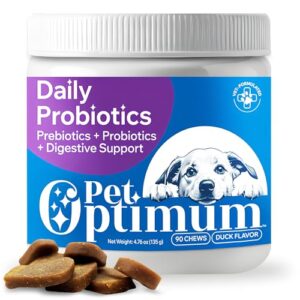
Support your dog’s gut health with vet-formulated probiotics containing 120 million CFUs of beneficial bacteria, prebiotics, and digestive enzymes. These duck-flavored soft chews promote microbiome balance, ease digestive upsets like gas or loose stool, and address canine dietary needs far better than sugary fruit snacks.
The probiotic benefits extend beyond digestion—supporting immune function and reducing itching. While results vary by individual, you’re investing in real canine nutrition.
Always consult your veterinarian before starting probiotics, especially for puppies or dogs with chronic conditions, to guarantee proper dog care.
| Best For | Dog owners looking for a vet-formulated supplement to support their pet’s digestive health, ease occasional stomach issues, and promote overall gut balance. |
|---|---|
| Brand | PetOptimum |
| Primary Use | Digestive Health |
| Special Feature | Probiotic Formula |
| Made In | USA |
| Target User | All Dog Owners |
| Price Range | $35.95 |
| Additional Features |
|
- Contains 120 million CFUs of probiotics plus prebiotics and digestive enzymes to support gut health and immune function
- Duck-flavored soft chews make daily administration easy, even for picky eaters
- Made in the USA with clean ingredients—no synthetic colors, artificial flavors, or common allergens like soy or corn
- Results vary significantly between dogs, with some owners reporting no improvement even after 90 days of use
- At $35.95, it’s a premium-priced supplement that may not fit every budget, especially for long-term use
- Not suitable as a standalone treatment for serious digestive issues—always requires veterinary consultation for severe or chronic conditions
3. Fruitables Pumpkin Dog Treats

Fruitables Pumpkin Dog Treats offer a smart alternative to fruit snacks, with pumpkin as the star ingredient—a safe vegetable for dogs that aids canine digestion through its fiber benefits. Five oven-baked flavors, each under 9 calories and rich in antioxidants, meet real canine dietary needs.
This dog food option prioritizes pumpkin nutrition and dog treat safety without artificial additives. While pricier than conventional treats, these healthy alternatives deliver species-appropriate ingredients your dog can actually benefit from, making them a practical choice for thoughtful dog care.
| Best For | Dog owners looking for low-calorie training treats with digestive benefits, especially those with pups who have sensitive stomachs or need variety in their snack routine. |
|---|---|
| Brand | Fruitables |
| Primary Use | Training Treats |
| Special Feature | Low Calorie Recipe |
| Made In | Not Specified |
| Target User | All Life Stages |
| Price Range | $28.98 |
| Additional Features |
|
- Each treat has fewer than 9 calories, making them perfect for training without adding extra weight.
- Pumpkin and fiber support healthy digestion, which helps dogs with occasional tummy troubles.
- Five different flavors in one pack mean you can rotate options and keep your dog interested.
- The $28.98 price tag is steep compared to regular dog treats on the market.
- Contains grains like oats or brown rice, so they won’t work for dogs with grain sensitivities.
- Some dogs might turn their nose up at the pumpkin-forward taste or crunchy texture.
Frequently Asked Questions (FAQs)
Are fruit snacks toxic to dogs?
While most fruit snacks aren’t inherently toxic, they often contain harmful ingredients like xylitol, artificial sweeteners, and excessive sugar. These pose serious canine health risks, requiring immediate veterinary care if your dog ingests xylitol-containing products.
Can dogs eat fruit snacks in moderation?
No, even in moderation, fruit snacks aren’t recommended. They contain added sugars and artificial colors, and offer no veterinary benefit.
Replacing them with safe fruit options like blueberries or carrots fosters healthier canine habits.
What are the health benefits of fruit snacks for dogs?
Like a mirage in the desert, the promise of healthy treats can mislead.
Most fruit snacks offer negligible canine nutrition benefits—minimal vitamins, excessive sugar, and synthetic additives outweigh any fiber or hydration value for pet health.
What are the risks of feeding fruit snacks to dogs?
High sugar content leads to canine obesity, dental decay, and digestive upsets. Toxic ingredients like xylitol cause life-threatening emergencies.
Artificial additives trigger allergies, while nutrient imbalance disrupts your dog’s dietary needs completely.
Are there any safe fruit snacks for dogs to consume?
Unfortunately, no commercial fruit snacks are safe for dogs. These products contain sugar, artificial additives, and sometimes xylitol—all harmful to canines.
Instead, choose vet-approved dog treats or fresh fruits prepared correctly.
Can puppies eat fruit snacks safely?
No, puppies shouldn’t eat fruit snacks safely. Their developing systems are vulnerable to high sugar, artificial additives, and xylitol toxicity.
Stick to puppy-safe fresh fruits like apples or blueberries for healthy, age-appropriate treats instead.
Are organic fruit snacks safer for dogs?
No, organic fruit snacks aren’t safer for dogs. They still contain high sugar levels, may include xylitol or grape ingredients, and pose the same obesity, dental, and toxicity risks as conventional versions.
How much fruit should dogs eat daily?
Think of fruit as a garnish, not the main course.
Your dog’s daily fruit limits should stay under 10 percent of total calories, aligning with canine nutrition guidelines and healthy snack options.
Can diabetic dogs eat any fruit treats?
Diabetic dogs can enjoy very limited, veterinarian-approved portions of low-sugar fruits like blueberries or apple slices—never fruit snacks—within their controlled carbohydrate plan.
Even natural fruit sugars affect canine glycemic control and require careful dietary management.
Do fruit snacks cause pancreatitis in dogs?
Fruit snacks aren’t directly proven to cause pancreatitis in dogs, but their high sugar, fat, and possible xylitol content align with known dietary triggers.
These factors are especially risky for dogs with existing Pancreatitis Risk or Canine Nutrition sensitivities.
Conclusion
Sure, fruit snacks have “fruit” in the name—but so does fruitcake, and nobody’s calling that health food. The answer to “can dogs eat fruit snacks” is a clear no.
These sugar-loaded gummies offer zero nutritional benefit and real health risks, especially if they contain xylitol.
Instead, reach for actual fresh fruit like blueberries or apple slices. Your dog gets the sweet treat, you get peace of mind, and everyone wins.
- https://vcahospitals.com/know-your-pet/xylitol-toxicity-in-dogs
- https://www.merckvetmanual.com/toxicology/food-hazards/xylitol-toxicosis-in-dogs
- https://bartowanimalclinic.com/sugar-free-safety-understanding-xylitol-toxicity-in-pets/
- https://www.dialavet.com/blog/can-dogs-eat-fruit-snacks
- https://timesofindia.indiatimes.com/life-style/relationships/pets/are-sugary-treats-safe-for-dogs-health-risks-effects-and-safe-alternatives/articleshow/125618573.cms