
This site is supported by our readers. We may earn a commission, at no cost to you, if you purchase through links.

Your dog just left a puddle on the kitchen floor, but he’s wagging his tail at the back door, ready for his morning walk. This scenario confuses many pet owners—diarrhea usually signals illness, yet your pup seems perfectly happy and energetic.
The truth is that dogs can experience digestive upset without feeling sick, and most cases resolve on their own within 24 hours. However, even mild diarrhea requires your attention because it can signal anything from a dietary indiscretion to an underlying health issue.
Understanding when to monitor at home versus when to call your veterinarian protects your dog’s health and saves you unnecessary worry.
Table Of Contents
- Key Takeaways
- Why is My Dog Having Diarrhea?
- Is It Serious if My Dog Acts Normal?
- Recognizing Different Types of Diarrhea
- Symptoms to Watch Alongside Diarrhea
- At-Home Steps for Mild Diarrhea
- Safe Supplements for Digestive Support
- What Foods and Substances to Avoid
- When to Contact Your Veterinarian
- How Vets Diagnose and Treat Dog Diarrhea
- Preventing Future Diarrhea Episodes
- Frequently Asked Questions (FAQs)
- What should I do if my dog’s diarrhea persists for more than 48 hours?
- What is the best diet to feed my dog with diarrhea?
- Can I give my dog human medication if it has diarrhea?
- Is there anything I can give my dog to prevent diarrhea?
- Can diarrhea cause long-term digestive problems?
- How long does bland diet feeding continue?
- Are certain dog breeds more prone to diarrhea?
- Can stress-related diarrhea become a chronic issue?
- Whats the difference between diarrhea and colitis?
- Conclusion
Key Takeaways
- Most cases of dog diarrhea resolve on their own within 24-48 hours, especially when your dog maintains normal energy levels, appetite, and behavior—suggesting the issue stems from minor dietary indiscretion rather than serious illness.
- Bright red blood in stool, black tarry stools, persistent diarrhea beyond 24 hours, or accompanying symptoms like vomiting and lethargy require immediate veterinary attention, even if your dog seems otherwise fine.
- Home treatment for mild diarrhea includes a 12-24 hour fast for adult dogs, followed by a bland diet of boiled chicken and rice in small portions, while ensuring constant access to fresh water to prevent dehydration.
- Gradual food transitions over 7-14 days, routine deworming and vaccinations, and maintaining consistent feeding schedules prevent most future diarrhea episodes by supporting your dog’s digestive health and reducing stress-related gut disturbances.
Why is My Dog Having Diarrhea?
Dog diarrhea can stem from dozens of different causes, ranging from minor dietary mishaps to more serious underlying health problems. Understanding what’s triggering your dog’s loose stools helps you decide whether to monitor at home or seek veterinary care.
If your puppy is dealing with loose stools, check out these proven methods to treat puppy diarrhea and help them feel better fast.
Let’s look at the most common culprits behind diarrhea in dogs.
One often-overlooked cause is liver disease in dogs, which can disrupt digestion and lead to persistent gastrointestinal issues.
Common Causes of Diarrhea in Dogs
Diarrhea in dogs can stem from something as simple as eating yesterday’s leftovers from the trash or as serious as an underlying infection. Common triggers include food allergies, dietary sensitivities, and inflammatory issues affecting gut health.
Stress is another major factor—responsible for 43% of cases within the first day—so choosing the right diet for dogs with diarrhea should address both physical and emotional triggers.
Parasites like hookworms, stress from routine changes, and environmental toxins can all disrupt your dog’s gastrointestinal health. Identifying the root cause helps you address canine health problems effectively.
If you notice specks of blood in your dog’s vomit, it could signal inflammation or a more serious underlying condition that requires immediate attention.
Identifying the root cause—from parasites to stress to toxins—helps you address your dog’s gastrointestinal problems effectively
Dietary Indiscretion and Sudden Food Changes
One of the most common culprits behind dog diarrhea is dietary indiscretion—when your pup raids the trash or sneaks table scraps. Sudden food changes disrupt gut health within 24 to 72 hours, throwing off digestive enzymes and beneficial bacteria. Even switching protein sources too quickly can trigger loose stools.
Gradual dietary transitions over 7 to 14 days protect canine nutrition and prevent digestive issues.
Rushing the process can trigger symptoms like diarrhea or vomiting, so watching your dog’s stool and digestive response helps you adjust the transition speed as needed.
Stress, Anxiety, and Environmental Factors
Your dog’s emotional state directly impacts intestinal health. Stress and anxiety trigger gut disturbances in ways you mightn’t expect. Dogs experiencing environmental stress—moves, boarding, loud noises, or new pets—release hormones that alter gut motility and weaken the intestinal barrier.
Watch for these anxiety triggers linked to dog diarrhea:
- Changes in household routines or schedules
- Separation from family members
- Unfamiliar visitors or animals
- Thunderstorms or fireworks
- Veterinary visits or grooming appointments
Stress management aids better canine nutrition and overall dog health issues prevention.
Parasites, Infections, and Medical Conditions
Beyond emotional triggers, microscopic invaders and underlying illnesses often explain why your dog’s stool turns loose even when energy levels seem fine. Intestinal parasites like hookworms disrupt gut health silently.
Infectious diseases—parvovirus in puppies, bacterial infections—damage intestinal lining without immediate lethargy. Conditions like pancreatitis or hemorrhagic gastroenteritis produce diarrhea before other symptoms appear.
Medical tests identify these infection types, guiding parasite control and immune support strategies your vet will recommend.
Is It Serious if My Dog Acts Normal?

When your dog has diarrhea but seems perfectly normal otherwise, it’s natural to wonder whether you should worry. Normal behavior doesn’t always mean everything is fine, but it often suggests the problem isn’t immediately life-threatening.
Understanding how to assess your dog’s condition will help you decide if this is something you can monitor at home or if it requires prompt veterinary attention.
Evaluating Your Dog’s General Behavior
Your dog’s normal temperament acts as your baseline. Even when appetite remains, watch for behavioral red flags like lethargy signs or reluctance to interact—these stress indicators can reveal dehydration before other dog symptoms appear.
Canine body language matters more than eating habits alone. If your usually playful dog withdraws or shows decreased enthusiasm despite acting “fine,” don’t dismiss these changes in dog behavior.
Differences Between Mild and Severe Diarrhea
Timing tells you everything about diarrhea severity. Mild cases resolve within 24 to 48 hours with home care, while severe diarrhea persists or worsens. You’ll notice fluid loss signs like sunken eyes with serious gut inflammation.
Stool analysis matters—soft but formed indicates mild dog digestive issues, but watery stools with blood signal infection signs requiring immediate diarrhea treatment for your dog’s canine gastrointestinal health.
When Normal Behavior Can Be Misleading
Your dog’s energy level can hide serious canine gastrointestinal health problems. In 30% of acute cases, dogs show normal behavior despite ongoing diarrhea, creating misleading appearances that delay diagnosis.
Watch for these hidden symptoms beyond activity level:
- Decreased water intake masking early dehydration
- Subtle signs like panting during rest periods
- Mild appetite reduction you might dismiss
- Stool changes indicating infection despite normal behavior
Don’t rely on behavior alone when evaluating dog digestive issues requiring diarrhea treatment.
Recognizing Different Types of Diarrhea
Not all diarrhea looks the same, and the type your dog has can give you important clues about what’s going on. Understanding whether it’s acute or chronic, watery or bloody, can help you decide how quickly you need to act.
Let’s break down the main types you should recognize.
Acute Vs. Chronic Diarrhea

How long has your dog had diarrhea? That’s the key question. Acute diarrhea in dogs lasts less than three weeks—usually just a few days—and often stems from dietary indiscretion or minor infection.
Chronic diarrhea persists beyond three weeks and signals deeper gut health issues like inflammatory bowel disease or parasites.
Recognizing diarrhea duration helps you decide when home care is enough or when disease management requires your vet’s expertise.
Watery, Mucous, and Bloody Stools

What does your dog’s stool look like? Watery diarrhea in dogs signals high liquid content and may indicate severe fluid loss, while mucus production points to intestinal inflammation in the colon. Bloody diarrhea demands urgent attention—bright red blood suggests lower gastrointestinal bleeding, and dark tarry stools indicate upper digestive issues.
- Watery stools can cause rapid dehydration within hours if untreated
- Mucus appears as jelly-like coating from colon irritation or stress colitis
- Bright red blood (hematochezia) indicates bleeding in colon or rectum
- Dark tarry stool (melena) signals stomach or small intestine bleeding
- “Raspberry jam” appearance with large blood amounts requires immediate veterinary care
Color Changes and What They Mean
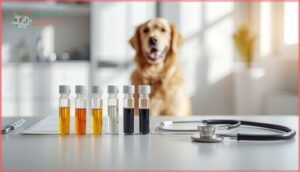
Stool color acts like a diagnostic tool, revealing what’s happening inside your dog’s digestive system. Yellow or greenish diarrhea often means rapid intestinal transit, while orange hues can indicate liver or bile duct issues. Gray or greasy stools suggest pancreatic problems. Black tarry fecal texture signals upper GI bleeding—a serious concern requiring immediate veterinary attention despite normal behavior.
Symptoms to Watch Alongside Diarrhea

Even if your dog seems fine, diarrhea rarely appears alone. Other symptoms can show up alongside loose stools, and they often signal whether the problem is minor or needs immediate attention.
Watch for these warning signs that tell you more about what’s happening inside your dog’s body.
Signs of Dehydration
Even if your dog seems fine, diarrhea can quickly lead to fluid loss. Watch for these dehydration signs that require prompt attention:
- Dry Mouth: Gums feel tacky and saliva appears thick or sticky
- Skin Elasticity: Pinched skin tents and returns slowly instead of snapping back
- Eye Sunkenness: Eyes appear dull or recessed into their sockets
- Lethargy: Your dog seems unusually tired or unresponsive
Vomiting, Lethargy, or Loss of Appetite
When diarrhea comes with vomiting, lethargy signs, or appetite loss, your dog’s condition needs closer attention. Vomiting causes dehydration risks to compound quickly—studies show 10–60% of dog digestive issues involve both symptoms.
If your dog refuses meals, seems unusually tired, or vomits repeatedly, these dog symptoms and diagnosis signals warrant veterinary care. Don’t wait beyond 24 hours when multiple symptoms appear together.
Abdominal Pain and Discomfort
Dogs with abdominal pain often show subtle signs like a hunched posture, reluctance to move, or whimpering when you touch their belly. These behaviors can signal stomach inflammation, intestinal spasms, or even bowel obstruction alongside diarrhea in dogs.
Watch for these abdominal discomfort indicators:
- Tight, tense abdomen when you gently palpate
- Guarding behavior or pulling away from touch
- Restlessness or inability to find comfortable spots
- Panting without exertion or heat exposure
- Reduced activity despite otherwise normal behavior
Abdominal cramps and gut sensitivity warrant prompt veterinary evaluation.
At-Home Steps for Mild Diarrhea
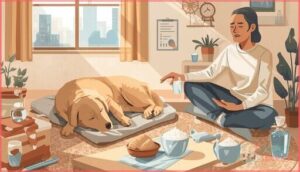
When your dog has mild diarrhea but is still acting like their usual self, you can often manage the situation at home with a few simple steps.
The key is to give the digestive system a chance to rest and reset while preventing dehydration.
Here’s what you can do to help your dog feel better and get their stool back to normal.
Withholding Food and Fasting Guidelines
When your dog has mild diarrhea without blood, a short 12 to 24-hour fast can give their digestive system a much-needed break. This gastro rest period is one of the most effective early steps in diarrhea treatment and management. However, you should always keep fresh water available to prevent dehydration.
| Who Can Fast | Who shouldn’t Fast |
|---|---|
| Healthy adult dogs with mild, non-bloody diarrhea | Puppies under 6 months |
| Dogs acting normally otherwise | Senior dogs or those with chronic illness |
| Cases where symptoms started recently | Dogs already showing weakness or dehydration |
The recovery timeline usually improves within 24 to 48 hours if fasting benefits apply. Food reintroduction should happen gradually after this brief fast. Keep hydration tips in mind: offer small, frequent sips rather than large amounts at once.
If your dog’s gastrointestinal issues persist beyond two days or worsen during the fast, contact your veterinarian immediately. This approach aids canine care and dog health and wellness by allowing natural healing processes to work.
Starting a Bland Diet (Boiled Chicken and Rice)
After the fasting period, a bland diet offers gentle relief for your dog’s digestive system. Boil skinless chicken breast and plain white rice without seasonings—this combination provides easily digestible protein and carbohydrates that help firm stools.
Feed small portions three to four times daily. Most dogs show improvement within 24 to 48 hours, signaling effective diarrhea treatment and management through proper canine nutrition.
Ensuring Proper Hydration
Throughout recovery, fresh water should always be within reach—your dog needs consistent access to maintain fluid balance. Monitor water intake closely, and consider veterinary-approved electrolyte solutions if your dog refuses to drink or shows worsening dehydration despite home care.
Watch for hydration signs like moist gums and normal skin elasticity. If skin stays tented when gently lifted, dehydration risks are rising.
Safe Supplements for Digestive Support

When your dog’s stomach needs a little extra help, certain supplements can support recovery and restore balance to the digestive system. Probiotics, prebiotics, and fiber are commonly recommended tools that work gently alongside a bland diet.
Before reaching for any supplement or medication, it’s important to understand what’s safe and what should be avoided.
Using Probiotics and Prebiotics
Probiotics and prebiotics can help restore microbiome balance in your dog’s gut during gastrointestinal issues. These supplements support gut health by introducing beneficial bacteria and feeding them with specialized fibers.
- Choose probiotic strains proven effective in dogs (Lactobacillus, Enterococcus species)
- Use products with billions of colony-forming units daily
- Consider synbiotic therapy combining both prebiotics and probiotics
- Monitor stool consistency for 1-2 weeks to assess response
Fiber Supplements for Gut Health
Fiber supplements can firm up loose stools by adding bulk and supporting beneficial gut microbes. Soluble fibers like psyllium absorb water, while insoluble varieties such as beet pulp speed transit time. These prebiotic sources feed healthy bacteria, amplifying probiotic effects on dog digestive issues and treatment.
| Fiber Type | Example | Primary Benefit |
|---|---|---|
| Soluble | Psyllium husk | Absorbs water, firms stool |
| Insoluble | Beet pulp | Adds bulk, speeds transit |
| Fermentable | Oat bran | Feeds gut microbes |
Introduce fiber gradually over several days to prevent gas. Monitor your dog’s stool consistency and hydration closely, adjusting amounts based on response for ideal gastrointestinal health.
When to Avoid Over-the-Counter Medications
Never reach for human medications without vet guidance—many OTC drugs marketed for diarrhea treatment contain toxic ingredients like ibuprofen or loperamide that can harm your dog.
Pet pharmacy products lack veterinary approval and pose serious OTC risks.
When diarrhea in dogs strikes, always contact your veterinarian before administering any medication to guarantee proper dog health and safe veterinary care.
What Foods and Substances to Avoid
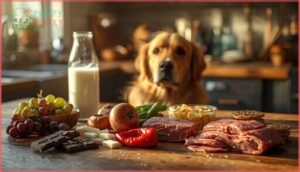
When your dog has diarrhea, what you feed them matters just as much as what you avoid. Certain foods and substances can make digestive upset worse or even introduce new problems.
Here’s what to keep out of your dog’s reach while their stomach settles.
Table Scraps and Human Foods
Your dog’s gut doesn’t handle human snacks the way yours does. High-fat or fried foods can trigger dog diarrhea and even pancreatitis. Avoid onions, garlic, grapes, raisins, and chocolate—they’re toxic to dogs. Cooked bones pose choking risks and can injure the intestines.
If you’re planning meals with proper canine nutrition in mind, stick to plain, lean proteins and bland carbohydrates in tiny amounts.
Spoiled or Toxic Substances
Even worse than table scraps are spoiled substances and household poisons lurking in your home. Spoiled food harbors bacterial contamination and fungal toxins that trigger diarrhea in dogs within 6–24 hours.
Antifreeze, cleaning agents, and certain plants are toxic food hazards causing severe GI distress. Keep trash secured, watch what your dog sniffs outdoors, and call your vet immediately if you suspect poisoning.
Sudden Diet Changes and Treats
Just as dangerous as spoiled items are abrupt switches in pet nutrition. A sudden diet shift can throw your dog’s canine digestion off balance and trigger diarrhea within 24 to 72 hours.
Here’s how to protect your dog’s gut health:
- Shift gradually over 7–10 days by mixing old and new foods
- Skip fatty table scraps that overwhelm digestive enzymes
- Avoid rich treats that cause acute gastrointestinal issues in dogs
- Watch for food intolerance signs like loose stools after new foods
- Keep chocolate and xylitol away—they worsen dog diarrhea fast
Monitor your pet’s response for 48–72 hours after any change. Even small amounts of the wrong food allergens can disrupt canine health and disease patterns you’re trying to prevent.
When to Contact Your Veterinarian

Even when your dog seems fine, certain warning signs mean it’s time to call your vet.
Some symptoms point to problems that need professional attention right away. Watch for these red flags that require veterinary care.
Persistent Diarrhea Over 24 Hours
If your dog’s diarrhea continues beyond 24 hours, you’ll need veterinary care promptly. Persistent diarrhea in dogs often signals chronic infection, gut health problems, or dehydration risks that won’t resolve on their own.
Your vet will recommend diagnostic tests to identify the underlying cause and start appropriate dog diarrhea treatment before chronic diarrhea leads to serious complications.
Presence of Blood or Black Stool
Blood in your dog’s stool—whether bright red or dark and tarry—demands immediate veterinary attention, even if your dog seems fine otherwise. Hematochezia symptoms (bright red rectal bleeding) and black tarry stool both indicate gastrointestinal bleeding that requires prompt diagnosis.
Blood stool causes you shouldn’t ignore:
- Hemorrhagic gastroenteritis affecting the intestinal lining
- Intestinal parasites causing tissue damage
- Serious infections like parvovirus
- Ulcers or internal bleeding from toxins
Vomiting, Weakness, or Other Concerning Symptoms
Watch for vomiting signs alongside diarrhea—repeated episodes (more than two in 24 hours) increase dehydration risks rapidly.
Diarrhea weakness, including reluctance to move or reduced responsiveness, suggests electrolyte imbalances requiring veterinary medicine assessment.
Abdominal pain indicators like restlessness or whining when touched, especially with bloody stools or persistent symptoms beyond 24 hours, warrant immediate evaluation to prevent serious complications in dogs.
How Vets Diagnose and Treat Dog Diarrhea
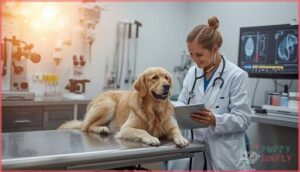
When you bring your dog to the vet for diarrhea, they’ll take a systematic approach to find the root cause and create a treatment plan. The process usually starts with simple tests and progresses to more involved care if needed.
Here’s what you can expect during your visit and the options your vet might recommend.
Diagnostic Tests and Stool Analysis
Your vet will likely start by examining a fresh stool sample under a microscope to check for parasites, bacteria, and other telltale signs of what’s causing your dog’s digestive upset.
Common diagnostic tests include:
- Fecal exam – microscopy analysis for worms and protozoa
- Parasite testing – detecting hidden infections
- Stool culture – identifying bacterial overgrowth
- Blood work – evaluating organ function
- Gut biopsy – examining tissue if needed
Treatment Approaches for Dogs Acting Normal
When your dog has mild, short-lived diarrhea but seems otherwise healthy, most vets recommend home remedies first. These include a bland diet and canine probiotics to restore gut health.
These natural therapies often resolve dog diarrhea without medication. Your vet may suggest dietary changes, increased hydration, and monitoring stool quality.
This approach promotes canine health while avoiding unnecessary diarrhea treatment if symptoms improve within 24 to 48 hours.
Hospitalization and Advanced Therapies
Most dogs with acute diarrhea recover at home, but severe cases require hospitalization. Intensive care involves intravenous therapy to restore electrolyte balance and prevent shock.
Sophisticated diagnostics like bloodwork and imaging help identify underlying gastrointestinal issues in dogs. Under veterinary supervision, your dog receives targeted diarrhea treatment and prevention strategies.
Veterinary care and advice guarantee proper recovery when home remedies aren’t enough.
Preventing Future Diarrhea Episodes

Once your dog recovers from diarrhea, you’ll want to take steps to prevent it from happening again. Most cases can be avoided with a few simple changes to how you feed and care for your dog.
Here are three key strategies to keep your dog’s digestive system healthy.
Gradual Dietary Transitions
One of the most effective ways to prevent dog diarrhea is making dietary adjustments slowly. Introduce new foods over 5–7 days, mixing small portions with your dog’s current diet. This aids gut recovery and maintains electrolyte balance.
Choose single protein sources and keep meal frequency consistent—about 4–6 small servings daily during transitions helps dog nutrition stabilize and promotes canine health.
Routine Deworming and Vaccinations
Regular deworming and vaccinations are essential pillars of pet wellness that directly reduce diarrhea risk. Intestinal parasites and parvovirus both trigger severe gastrointestinal upset.
Your veterinarian will tailor deworming schedules based on your dog’s age and lifestyle—puppies need treatment every 2–3 weeks, while adults require maintenance every 3–6 months. Fecal testing identifies specific parasites, and health records guarantee timely boosters for peak parasite control.
Maintaining Consistent Routines and Diets
Beyond vaccines and parasite control, keeping your dog’s daily schedule predictable can shield their digestive system from unnecessary stress. Dogs thrive on routine monitoring and consistent feeding schedules.
- Diet planning: Stick to the same brand and formula to maintain nutrient balance
- Meal portioning: Feed measured amounts at set times daily
- Canine nutrition and diet: Avoid frequent treat changes that disrupt dietary management
Stable routines support dog health and wellness while preventing future dog diarrhea episodes.
Frequently Asked Questions (FAQs)
What should I do if my dog’s diarrhea persists for more than 48 hours?
Sure, your pup might wag its tail like nothing’s wrong—but 48 hours of diarrhea demands veterinary care.
Dehydration, electrolyte imbalance, and underlying disease don’t wait for symptoms you can see. Call your vet now.
What is the best diet to feed my dog with diarrhea?
Start with a bland diet of boiled chicken or turkey and plain white rice. Feed small portions several times daily, make sure fresh water is available, and consider probiotics to support gut health and restore electrolyte balance.
Can I give my dog human medication if it has diarrhea?
Don’t give human anti-diarrheal medications without veterinary approval. Some medications like loperamide may be safe at prescribed doses, but acetaminophen and ibuprofen are toxic to dogs and require veterinary guidance.
Is there anything I can give my dog to prevent diarrhea?
You can’t completely prevent diarrhea, but probiotic supplements, prebiotics, and digestive enzymes support gut health.
Gradual diet changes, fiber-rich foods, and consistent routines minimize risk.
Avoid anti-diarrheal meds without veterinary guidance.
Can diarrhea cause long-term digestive problems?
Yes, chronic dog diarrhea can cause long-term digestive issues. Persistent gastrointestinal problems may lead to chronic inflammation, malabsorption risks, and nutrient deficiencies. Early diarrhea treatment and prevention helps protect your dog’s gut health.
How long does bland diet feeding continue?
Most dogs recover within 24 to 72 hours on a bland diet. Continue feeding boiled chicken and rice for 3 to 5 days, then gradually shift back to regular food over 2 to 3 days.
Are certain dog breeds more prone to diarrhea?
While every dog can experience diarrhea, some breeds face higher risk. German Shepherds and Boxers show genetic factors affecting gut microbiome and dietary sensitivities, making breed susceptibility a real consideration in canine health.
Can stress-related diarrhea become a chronic issue?
Ongoing stress can disrupt gut health and contribute to chronic diarrhea by altering intestinal cells and barrier function.
Stress management, behavioral therapy, and addressing canine anxiety help prevent recurrent episodes alongside veterinary evaluation.
Whats the difference between diarrhea and colitis?
Diarrhea describes loose, watery stools from various causes, while colitis specifically means colon inflammation—often producing mucus, fresh blood, straining, and urgent small-volume stools that signal targeted intestinal disease requiring stool analysis.
Conclusion
Think of your dog’s digestive system like a smoke detector—sometimes it sounds the alarm for burnt toast, not a real fire. When your dog has diarrhea but is acting fine, you’re likely dealing with a minor upset that resolves quickly.
Monitor symptoms closely, provide supportive care at home, and trust your instincts about when something feels wrong. Your veterinarian remains your best partner in distinguishing between harmless hiccups and genuine health concerns requiring immediate attention.