This site is supported by our readers. We may earn a commission, at no cost to you, if you purchase through links.
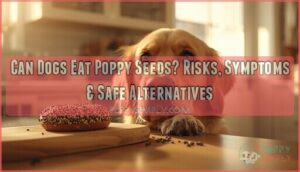
That everything bagel sitting on your counter might seem harmless, but for your dog eyeing those fallen crumbs, the poppy seeds coating it could trigger a medical emergency. Most pet owners know to keep chocolate away from dogs, yet poppy seeds rarely make that mental list of household dangers—and that oversight costs some dogs their lives every year.
These tiny seeds contain natural alkaloids that act like opioids in a dog’s body, affecting their nervous system fast and hard. Knowing whether dogs can eat poppy seeds, what to watch for, and how to respond could make all the difference.
Table Of Contents
- Key Takeaways
- Can Dogs Eat Poppy Seeds?
- Why Poppy Seeds Are Dangerous for Dogs
- Symptoms of Poppy Seed Poisoning in Dogs
- What to Do if Your Dog Eats Poppy Seeds
- Veterinary Treatment for Poppy Seed Ingestion
- Safe Alternatives to Poppy Seeds for Dogs
- Top 4 Dog Foods Without Poppy Seeds
- Frequently Asked Questions (FAQs)
- What happens if a dog eats a poppy seed?
- Can dogs eat a poppyseed bagel?
- Can dogs eat food with poppy seeds cooked in it?
- Is poppy toxic to pets?
- What happens if a dog eats poppy seeds?
- Can my dog have poppy seed bread?
- What seeds are toxic to dogs?
- Are some poppy seeds poisonous?
- Is there a specific treatment for poppy seed toxicity in dogs?
- What is the fatal dose of poppy seeds for dogs?
- Conclusion
Key Takeaways
- Poppy seeds contain opioid alkaloids like morphine and codeine that can affect your dog’s nervous system fast, even in small amounts.
- Cooking or baking doesn’t make poppy seeds safe — the alkaloids survive heat, so muffins and bagels are just as risky as raw seeds.
- Symptoms like sudden lethargy, stumbling, pinpoint pupils, or slowed breathing can appear within 30 minutes and worsen over 12–24 hours.
- If your dog gets into poppy seeds, don’t wait for symptoms — call your vet immediately and note how much was eaten and when.
Can Dogs Eat Poppy Seeds?

Poppy seeds show up in a lot of everyday foods, from bagels to muffins, so it’s a fair question to wonder if they’re safe to share with your dog. The short answer is no, and there’s good reason behind that.
Even small amounts can be toxic, so it’s worth understanding why poppy seeds are dangerous for dogs before sharing any baked goods with them.
Here’s what you should know before your curious pup gets into something they shouldn’t.
Poppy Seed Origins and Common Uses
Poppy seeds have a long history — humans have cultivated the opium poppy plant since around 3,400 BCE, when ancient Sumerians first recorded its use.
Today, these tiny seeds come in blue and white varieties, each with distinct culinary uses across global traditions, from European pastries to Indian curries.
But behind their nutty flavor, poppy seeds carry natural alkaloids and plant-based toxins that make them a real concern for your dog.
Why Poppy Seeds Are Found in Human Foods
These tiny seeds earn their place in kitchens worldwide for good reason. Their flavor profile adds a mild, nutty depth to baked goods, while their texture contribution gives bagels and muffins that satisfying crunch.
Culinary versatility, nutritional value, and cultural significance all explain why they’re so common:
- They balance sweet flavors naturally
- They add visual appeal to breads
- They provide minerals and healthy fats
Poppy seeds have been used in culinary traditions for centuries, a fact highlighted in this exhaustive.
That popularity, though, makes food safety and canine nutrition a real concern for dog health.
Current Veterinary Guidance on Dogs and Poppy Seeds
Veterinary professionals are clear on this: dogs shouldn’t eat poppy seeds. The concern isn’t just general canine nutrition — it’s opium toxicity from alkaloids that directly affect a dog’s nervous system.
Seed contamination from plant sap can make actual toxicity levels unpredictable, which complicates any “it was just a little” reasoning. For dog health and overall pet safety, the veterinary response is consistent — treat any poppy seed poisoning as a real risk, not a maybe.
Be aware that even trace amounts of alkaloids in poppy seeds may cause unpredictable health effects in dogs.
Why Poppy Seeds Are Dangerous for Dogs

Poppy seeds might seem harmless, but they carry real risks for dogs that are worth understanding.
The danger comes down to a few specific factors, and knowing them can help you make safer choices for your pet.
Here’s what’s actually going on when a dog gets into poppy seeds.
Toxic Alkaloids in Poppy Seeds
The danger comes down to toxic alkaloids — specifically morphine, codeine, and thebaine — found through alkaloid contamination on the seed’s surface. Toxicity levels vary widely, with morphine ranging from 3.6 to over 261 mg per kilogram of seeds.
Poppy seed regulation exists for a reason: even standard baking won’t reliably achieve alkaloid removal, meaning opioid poisoning from plant-based toxins remains a real risk. Seed processing matters, but it doesn’t guarantee safety.
Effects on a Dog’s Nervous System
Once alkaloids enter your dog’s bloodstream, the central nervous system takes the hardest hit. Opiate poisoning from these toxic substances disrupts normal brain activity fast, causing central depression that can spiral quickly. Neurological signs appear as the brain struggles to regulate basic functions.
Once alkaloids enter a dog’s bloodstream, the central nervous system takes the hardest hit — and the spiral can be fast
Watch for these central nervous system effects:
- Unusual sleepiness or stupor that’s hard to shake
- Loss of coordination and stumbling
- Pinpoint pupils and sensory changes in awareness
- Slowed breathing and dropping heart rate
- Seizures or neurological damage in severe cases
Variability in Toxicity by Dog Size and Health
Not every dog faces the same risk from poppy seeds — dog size factors and health status can dramatically shift toxicity levels. A 10-pound dog absorbs far more alkaloid per pound than a 40-pound dog eating the same amount, making body weight impact a serious concern.
| Factor | Lower Risk | Higher Risk |
|---|---|---|
| Body Weight | 40+ lbs | Under 15 lbs |
| Breed Sensitivity | Standard breeds | MDR1 herding breeds |
| Health Status | Healthy organs | Liver/kidney disease |
Symptoms of Poppy Seed Poisoning in Dogs
Knowing what to look for after your dog gets into something they shouldn’t is half the battle. Poppy seed poisoning can show up in different ways depending on how much your dog ate and how quickly things progress.
Here’s what you need to watch for.
Early Warning Signs to Watch For

Spotting early symptoms can make all the difference. Watch for sudden lethargy, unusual quietness, or mild vomiting shortly after your dog got into poppy seed foods. Behavioral shifts like confusion, clinginess, or stumbling hint at early loss of coordination.
Gut irritation may show as drooling or soft stool. Pupil changes and a slower breathing rate are early clues your dog’s nervous system is already reacting.
Severe Symptoms and Complications

When mild signs go unaddressed, opioid poisoning can escalate fast. Opium toxicity doesn’t plateau — it spirals. Neurological collapse, respiratory failure, and cardiovascular shock can all develop within the same crisis window.
Watch for these severe signs:
- Seizures or coma from severe opioid effects on the brain
- Respiratory distress with barely visible chest movement or blue gums
- Cardiovascular shock causing collapse, weak pulse, and pale gums
- Organ damage to kidneys, liver, or brain from prolonged oxygen loss
- Aspiration pneumonia if your dog vomits while unconscious
How Quickly Symptoms May Appear

Symptoms can show up faster than you’d expect. Toxin absorption begins quickly, especially if your dog ate poppy seeds on an empty stomach — mild signs like drooling or low energy may appear within 30 minutes.
Reaction speed also depends on your dog’s size and age. Smaller or older dogs face faster canine toxicity onset. The full poisoning timeline can stretch 12 to 24 hours, so don’t let early calm fool you.
What to Do if Your Dog Eats Poppy Seeds

Finding out your dog got into poppy seeds can send your heart racing, but staying calm and acting quickly makes all the difference. Knowing the right steps ahead of time puts you in a much stronger position. Here’s what to do.
Immediate Steps for Dog Owners
If your dog got into poppy seeds, acting fast is your best move for pet safety. Accidental ingestion can escalate quickly, so don’t wait for symptoms of poppy ingestion to appear before responding.
- Remove access immediately — pull your dog away and secure all poppy seed foods in a sealed trash can.
- Check their condition — note breathing, coordination, and gum color.
- Gather details — record the food type, estimated amount, and time of ingestion for emergency veterinary care.
When to Contact Your Veterinarian
Once you’ve gathered those details, don’t wait to see how things unfold. Contact your veterinarian immediately — or call Poison Control if your vet isn’t reachable. Any known toxic dose warrants Vet Guidance right away.
Emergency Signs like wobbling, slow breathing, or sedation mean you need urgent care now. Even without symptoms of poppy ingestion, pet poisoning from toxic effects can escalate fast, so err on the side of emergency veterinary care.
Information to Provide Your Vet
When you call your vet, come prepared. Share Exposure Details like when ingestion happened and how much your dog ate. Cover Product Specifics — brand, ingredients, and whether other toxins like chocolate or xylitol were present.
Mention your Dogs History, including weight, medications, and health conditions. Walk through the Symptom Timeline clearly.
The more your vet knows upfront, the faster they can act on opium toxicity and begin veterinary care for poisoned pets.
Veterinary Treatment for Poppy Seed Ingestion

Once your dog is in the vet’s hands, the focus shifts quickly to figuring out how much was eaten and how the body is responding. What happens next depends on your dog’s condition, but there’s a clear path vets usually follow.
Here’s what treatment generally looks like.
Diagnosis and Assessment Procedures
Diagnosis begins the moment you walk through the clinic door. Your vet will take a full Medical History, asking about the time of ingestion, the amount eaten, and your dog’s weight and age.
A Physical Exam follows, checking alertness, pupils, heart rate, and breathing.
Lab Tests and Toxicity Screening help rule out other causes and confirm toxic exposure, giving the team the clearest picture possible before building Treatment Plans.
Common Treatments (inducing Vomiting, Activated Charcoal)
Once your vet has a clear picture of what happened, decontamination methods move quickly. If your dog ate poppy seeds within the last hour or two and isn’t showing symptoms of poisoning, the veterinarian may induce vomiting to limit toxic absorption.
After that, activated charcoal is often given to catch any remaining toxins in the gut — a key part of emergency care and poison control under careful vet guidance.
Hospital Care and Monitoring
Hospitalization means your dog isn’t just resting — they’re being watched closely around the clock. A veterinarian will coordinate care targeting the central nervous system, keeping your dog stable through:
- Essential Sign Monitoring and Respiratory Support, with oxygen provided if breathing slows
- Fluid Therapy using intravenous fluids to support organ function
- Neurologic Care and Nursing Protocols tracking mentation, coordination, and any sudden changes
Medical attention at this level genuinely saves lives.
Safe Alternatives to Poppy Seeds for Dogs

The good news is there are plenty of dog-friendly options that won’t put your pup at risk. Knowing what’s safe to share can make treat time both fun and stress-free.
Here are some great alternatives to explore.
Dog-friendly Fruits and Vegetables
Regarding safe treats for dogs, fresh fruit options and nutrient-rich vegetables are among the best choices dog nutrition experts recommend. Apple slices, blueberries, and watermelon give your dog vitamins A and C without the risks.
For canine dietary needs, carrots and green beans offer fiber with very few calories. These healthy snack ideas follow basic pet nutrition tips and support overall dog food safety.
Seeds That Are Safe for Canine Consumption
Not all seeds are off-limits — some can actually promote canine nutrition and health when used carefully. Dog nutrition experts often recommend these safe alternatives to poppy seeds:
- Flaxseed Benefits: Ground flaxseed promotes skin, coat, and digestion.
- Chia Seed: Soaked chia offers fiber and omega-3s safely.
- Pumpkin Seeds: Plain, unsalted pumpkin seeds provide zinc and magnesium.
- Sunflower Seeds: Shelled, unsalted seeds offer vitamin E in small amounts.
- Hemp Seeds: Hulled hemp hearts supply balanced fatty acids for pet safety.
Tips for Choosing Healthy Treats
Choosing the right treat isn’t complicated, but it does matter. For calorie control, keep treats under 10 percent of your dog’s daily intake — a few extra biscuits can quietly add 100 or more calories.
Check each treat ingredient label for a named protein first, and skip anything with xylitol or artificial sweeteners.
Prioritizing healthy snacks built on real food promotes canine nutrition and health while reducing dog health risks tied to toxic food for pets.
Top 4 Dog Foods Without Poppy Seeds
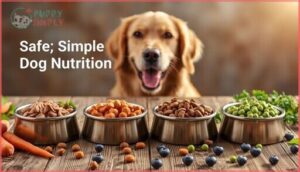
If you want to skip the guesswork at the grocery store, choosing a dog food with clean, simple ingredients is a solid place to start.
The options below are free of poppy seeds and made with your dog’s health in mind. Here are four worth considering.
1. JustFoodForDogs Beef Dog Food
If you’re looking for a simple, clean option for your dog, JustFoodForDogs Beef & Russet Potato is worth a look. It’s made with 100% human-grade ingredients — beef, potatoes, green beans, carrots — with no artificial preservatives or fillers.
The fresh-cooked formula is 40% more digestible than kibble, which makes it a solid pick for dogs with sensitive stomachs.
It’s on the pricier side at around $259 for a 21-pack, but the ingredient quality shows in what’s not included.
| Best For | Active adult dogs, underweight pups, or dogs with sensitive stomachs who need a clean, high-quality diet. |
|---|---|
| Protein Source | Beef |
| Grain-Free | No |
| Artificial Additives | None |
| Life Stage | All Life Stages |
| Digestive Support | Gently cooked for absorption |
| Price Range | Premium |
| Additional Features |
|
- Made with 100% human-grade ingredients — real beef, potatoes, and veggies, nothing sketchy
- 40% more digestible than kibble, so it’s great for dogs with stomach issues
- Works as a full meal or a topper, so you’ve got flexibility
- At $259 for a 21-pack, it’s a serious investment
- You’ll need freezer space, which not everyone has
- Some dogs may not take to it well, so a slow transition (and a vet check) is a good idea
2. Castor and Pollux Organix Chicken Oatmeal Dry Dog Food
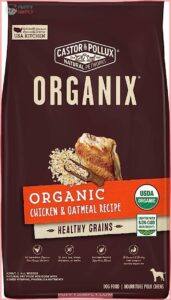
If your dog needs a grain-inclusive kibble without any sketchy ingredients, Castor & Pollux Organix Chicken & Oatmeal is a solid choice. It’s USDA certified organic, with real chicken as the first ingredient and no corn, wheat, or soy in the mix.
Organic blueberries and flaxseed add natural antioxidants, while oatmeal and barley support easy digestion.
It’s pricier than standard kibble, but you’re getting clean, traceable ingredients — and no poppy seeds anywhere near the formula.
| Best For | Dogs with sensitive stomachs or skin issues who need a clean, grain-inclusive kibble made with organic, traceable ingredients. |
|---|---|
| Protein Source | Chicken |
| Grain-Free | No |
| Artificial Additives | None |
| Life Stage | Adult |
| Digestive Support | Organic oatmeal and barley |
| Price Range | Premium |
| Additional Features |
|
- USDA certified organic with real chicken as the first ingredient — no corn, wheat, or soy
- Oatmeal and barley support healthy digestion, while blueberries and flaxseed bring natural antioxidants
- Free from artificial preservatives, flavors, and colors, making it a solid pick for dogs with ingredient sensitivities
- Noticeably more expensive than conventional kibble, and prices have been creeping up over time
- Not a great fit for dogs with confirmed grain allergies since it does contain oats and barley
- Can be hard to find in stores or online, and the bag sizes leave some owners feeling like they’re not getting great value
3. Taste Of The Wild Dog Food
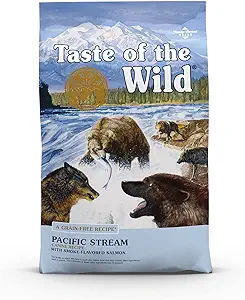
Taste of the Wild takes a different approach — grain-free recipes built around real animal proteins like smoked salmon, with sweet potatoes and lentils handling the carbs.
The Pacific Stream formula lists salmon as the first ingredient and delivers 32% protein to support lean muscle and joint health. It also includes K9 Strain probiotics for digestion and immune support.
No poppy seeds appear anywhere in their ingredient lists, making it a clean, reliable option for sensitive dogs.
| Best For | Dogs with grain sensitivities or allergies who need a high-protein diet with easy-to-digest carbs and gut health support. |
|---|---|
| Protein Source | Salmon |
| Grain-Free | Yes |
| Artificial Additives | None |
| Life Stage | Adult |
| Digestive Support | Probiotics and prebiotics |
| Price Range | Mid-range |
| Additional Features |
|
- Salmon is the first ingredient, so you’re getting real protein — not filler — at a solid 32% that helps with muscles and joints.
- The K9 Strain probiotics are a nice touch, keeping digestion and immune health in check without needing supplements.
- Grain-free with sweet potatoes and lentils means sensitive dogs get steady energy without the stuff that messes with their stomach.
- It’s pricier than a lot of other brands, so it adds up fast if you’ve got a big dog.
- Some dogs are picky, and the salmon flavor or pellet texture might not win everyone over.
- Switching too fast can cause stomach upset — you’ll want to transition slowly over a week or so.
4. Rachael Ray Nutrish Dog Food
Rachael Ray Nutrish takes a more familiar approach — real beef as the first ingredient, grain-free, and formulated for dogs of all ages and sizes. It delivers 30% protein to support lean muscle and healthy organs, with added taurine and vitamins to round things out.
There are no artificial preservatives, flavors, or colors in the mix. And poppy seeds? Not anywhere on the label. If your dog needs a straightforward, nutritious option without the guesswork, Nutrish is worth considering.
| Best For | Dog owners who want a clean, protein-rich food with real beef that works for dogs of all ages and sizes. |
|---|---|
| Protein Source | Beef |
| Grain-Free | Yes |
| Artificial Additives | None |
| Life Stage | All Life Stages |
| Digestive Support | Reduced gas formula |
| Price Range | Mid-range |
| Additional Features |
|
- Real beef is the first ingredient, with 30% protein to support lean muscle and a healthy heart
- No artificial preservatives, flavors, or colors — just straightforward nutrition
- Works for all life stages and breeds, so you don’t need a different bag as your dog grows
- Pricier than a lot of other dog food options on the market
- Some dogs with food sensitivities may react to ingredients like peas or potatoes
- Not a fit for dogs with specific dietary restrictions or protein allergies
Frequently Asked Questions (FAQs)
What happens if a dog eats a poppy seed?
If your dog eats a poppy seed or two, they’ll likely be fine — maybe a little stomach upset at most.
But larger amounts can affect their nervous system, causing sedation, breathing changes, or worse.
Can dogs eat a poppyseed bagel?
No, dogs shouldn’t eat poppyseed bagels. The seeds contain alkaloids that can affect your dog’s nervous system, and the bagel itself adds unnecessary salt and refined carbs — a combination worth avoiding entirely.
Can dogs eat food with poppy seeds cooked in it?
No, cooking or baking doesn’t make poppy seeds safe for your dog. The opioid alkaloids on the seeds survive normal heat, so a muffin or casserole can still put your dog at risk.
Is poppy toxic to pets?
Yes, poppy is toxic to pets. It contains alkaloids like morphine and codeine that affect the nervous system.
Even small amounts can cause lethargy, breathing problems, or worse — so keep it away from your animals.
What happens if a dog eats poppy seeds?
If your dog eats poppy seeds, it can experience opioid-like effects, including lethargy, uncoordinated movement, slowed breathing, and in serious cases, coma.
Even small amounts can affect a dog’s central nervous system.
Can my dog have poppy seed bread?
Poppy seed bread looks harmless, but it’s not safe for your dog. Each slice packs enough alkaloids to affect their nervous system, and the added sugar makes it a double risk.
What seeds are toxic to dogs?
Several seeds are toxic to dogs. Poppy seeds contain opioid alkaloids, apple seeds release cyanide, and sago palm seeds can cause liver failure. Castor beans are especially deadly due to ricin.
Are some poppy seeds poisonous?
Not all poppy seeds carry the same risk. Some batches, especially non-food-grade varieties, can hold enough morphine and thebaine to cause serious harm — even in small amounts.
Is there a specific treatment for poppy seed toxicity in dogs?
Yes, there is. Treatment usually involves inducing vomiting, giving activated charcoal, and sometimes administering naloxone to reverse opioid effects. Severe cases may require hospitalization for monitoring and supportive care.
What is the fatal dose of poppy seeds for dogs?
There’s no clear fatal dose — veterinary science hasn’t defined one.
Most concern arises at roughly 100+ grams for small dogs, but even tiny amounts warrant caution and a quick call to your vet.
Conclusion
Some owners assume a stray seed or two won’t hurt a small dog, but there’s no safe threshold regarding poppy seed toxicity—size only determines how fast the danger hits.
If your dog can eat poppy seeds without immediate symptoms, don’t mistake silence for safety; delayed reactions still happen.
Act fast, call your vet, and keep poppy-containing foods out of reach entirely. Your dog’s safety is always worth that extra caution.