This site is supported by our readers. We may earn a commission, at no cost to you, if you purchase through links.
Your dog eyes the veal cutlet on your plate with that signature head tilt, and you’re stuck wondering if sharing is caring—or risky business. Veal sits in a gray area for many pet owners: it’s protein-rich and technically safe when prepared correctly, yet it’s not the go-to choice you’ll find in most dog food bags.
Unlike chicken or beef, veal brings unique nutritional benefits alongside specific concerns worth understanding. The fat content runs higher, the price tag steeper, and the preparation requirements stricter than everyday protein sources.
Before you slip your pup a bite of that tender meat, you’ll want to know how veal stacks up against other options, what portions make sense, and which preparation mistakes could turn a nutritious treat into a digestive disaster.
Table Of Contents
- Key Takeaways
- Can Dogs Eat Veal Safely?
- Nutritional Benefits of Veal for Dogs
- Potential Risks of Feeding Veal to Dogs
- Veal Vs. Other Protein Sources for Dogs
- How to Prepare Veal for Dogs
- Foods and Additives to Avoid With Veal
- Signs of Veal Allergy or Intolerance in Dogs
- How Much Veal Can Dogs Eat?
- Alternatives to Veal for Dogs
- When to Consult Your Veterinarian About Veal
- Frequently Asked Questions (FAQs)
- Can dogs eat cooked veal?
- How do I cook veal for my dog?
- Is veal good for dogs with allergies?
- What are the signs of veal allergy in dogs?
- Are veal bones safe for dogs?
- How often should I feed veal to my dog?
- Are veal treats a good substitute for regular meals?
- What are the differences between veal and other meats for dogs?
- Can puppies eat veal safely?
- Is veal bone broth safe for dogs?
- Conclusion
Key Takeaways
- Veal is safe for dogs when cooked plain (no seasonings, garlic, or onions) and served in small portions—limit it to 10% of daily calories, roughly once or twice weekly, as it’s higher in fat than chicken and pricier than beef.
- The real risks aren’t toxicity but rather bacterial contamination from undercooked meat, potential food allergies (watch for itching, vomiting, or diarrhea), and excessive fat intake that can strain digestion, especially in senior or large-breed dogs.
- Always cook veal thoroughly to 165°F internal temperature, remove all bones to prevent choking or intestinal damage, and trim visible fat before serving bite-sized pieces—skip the marinades and seasonings entirely.
- Veal works best as an occasional protein rotation alongside chicken, beef, or fish rather than a dietary staple, and you should consult your vet before introducing it if your dog has allergies, pancreatitis, kidney disease, or other health conditions.
Can Dogs Eat Veal Safely?

The short answer is yes—dogs can eat veal safely when it’s prepared correctly. However, there’s more to the story than a simple yes or no.
Just like bananas can be a healthy treat for dogs, veal offers protein benefits when served plain and cooked through.
Let’s look at what you need to know about toxicity, how often to serve it, and whether your dog’s age or breed matters.
Is Veal Toxic to Dogs?
Good news: veal isn’t toxic to dogs. Unlike garlic or onion, which poison your pet, plain cooked veal poses no inherent danger.
The real concerns center on food allergies, bacterial contamination from undercooked meat, and excessive fat intake—not toxicity levels. Your dog’s wellness depends on proper preparation and portion control, not avoiding veal altogether.
When cooked thoroughly without seasonings, it’s a safe protein option. Learn more about benefits and nutritional facts to help guide your dog’s diet.
Recommended Serving Frequency
Knowing veal is safe doesn’t mean your dog should eat it daily. Feeding guidelines suggest limiting veal to an occasional treat—once or twice a week at most. Here’s how to maintain nutrient balance considerations:
- Daily feeding limits: Keep veal under 10% of total calories for small breeds, 5% for larger dogs.
- Weekly serving size: One to two small portions prevents diet imbalance.
- Meal frequency guidelines: Senior dogs tolerate veal best every two weeks.
- Portion control tips: Start with 1–3 tablespoons based on your dog’s size.
Age and Breed Considerations
Your dog’s age and breed significantly influence how well they can manage veal in their diet. Puppies, for instance, require consistent puppy nutrition rather than rich treats to support their growth. Large breeds typically reach senior status around 5 to 6 years of age and often benefit from senior diets that are lower in fat, as the richness of veal may strain their aging joints. Small breeds, on the other hand, tend to tolerate veal better into their 7th or 8th year due to their faster metabolisms.
| Breed Size | Senior Age | Veal Tolerance |
|---|---|---|
| Small | 7–9 years | Higher metabolic rate manages fat better |
| Medium | 7–10 years | Moderate; watch for joint issues |
| Large/Giant | 5–6 years | Lower tolerance; reduce fat intake |
| Puppy (all) | Under 1 year | Avoid; stick to balanced puppy food |
Breed variations and age factors play a crucial role in determining a dog’s dietary needs. It is essential to consult your veterinarian before incorporating veal into your dog’s routine to ensure it aligns with their specific health requirements.
Nutritional Benefits of Veal for Dogs
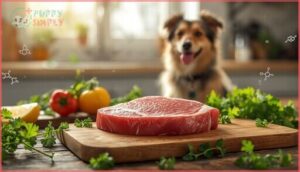
Veal brings more to the table than just its tender texture. When prepared properly, it delivers a solid nutritional profile that can support your dog’s health in specific ways.
Let’s look at what makes veal a worthwhile protein option from a nutrient standpoint.
Protein Content and Quality
Veal delivers outstanding protein density for your dog, packing about 20 to 24 grams per 100-gram cooked serving. This meat protein offers impressive bioavailability—proteins absorb at rates near 90 percent when cooked gently.
Here’s what makes veal stand out in animal nutrition:
- Complete amino acid profile aids muscle maintenance and tissue repair
- High leucine content stimulates protein synthesis after meals
- Balanced methionine and cysteine aid antioxidant production and coat health
- Strong lysine levels promote collagen formation and calcium absorption
- Fast digestion rate makes nutrients readily accessible for your dog’s system
Veal’s nutrient value fits well into a balanced diet when you’re rotating quality protein sources.
Essential Vitamins and Minerals
Beyond protein, veal brings a solid lineup of vitamins and minerals your dog needs. You’ll find ample B vitamins like B12 for nerve health and metabolism, plus meaningful amounts of zinc and iron that support immune function and oxygen transport.
These nutrients work together to improve nutrient absorption, helping prevent mineral deficiency without requiring extra dietary supplements when veal appears in rotation.
Fat Content and Energy
Generally, lean veal delivers a moderate fat profile—about 5 to 9 grams per 100-gram serving—that contributes roughly 170 to 210 calories. This energy density aids your dog’s dietary needs without excessive calorie intake when portioned carefully.
Here’s why fat metabolism and nutrient density matter for energy balance:
- Fat provides essential fatty acids for coat health.
- Protein stays high, maintaining muscle support.
- Cooking methods affect final fat levels.
- Leaner cuts improve protein-to-calorie ratios.
- Balanced diet planning prevents weight gain.
Potential Risks of Feeding Veal to Dogs

While veal offers nutritional benefits, it’s not without potential downsides for your dog. Like any protein source, veal comes with specific risks you’ll want to understand before adding it to your pet’s bowl.
Let’s look at three main concerns that could affect your dog’s health and wellbeing.
Food Allergies and Sensitivities
Some dogs develop sensitivities to proteins they’ve never encountered before, and veal is no exception. While food allergies to veal are less common than reactions to beef or chicken, symptoms like itching, skin rashes, vomiting, or diarrhea can still appear.
An elimination diet under veterinary supervision helps identify triggers, ensuring your dog’s balanced diet fosters ideal nutrition and health without uncomfortable dietary reactions.
High Fat and Cholesterol Concerns
While veal offers lean protein, certain cuts can pack notable saturated fat that influences cholesterol levels and overall dietary risks. A 3-ounce serving generally delivers 6-8 grams of fat and 60-70 milligrams of cholesterol, which matters for dogs managing weight or heart health.
- Fat intake adds calories quickly, risking excess pounds
- Cholesterol levels vary by individual metabolism and nutrient balance
- Health implications grow when veal replaces lighter proteins regularly
Choose lean cuts and balanced diets for dogs to support food safety and dog nutrition and health.
Bacterial Contamination Risks
Raw meat acts like a microscopic playground where harmful bacteria multiply fast. Salmonella and E. coli thrive on veal surfaces when handling practices fall short, spreading through cross-contamination to other foods and kitchen tools. Temperature control matters—keep veal refrigerated below 40°F and cook it thoroughly to a minimum of 145°F. Proper meat safety and food safety protocols protect your dog from dangerous bacterial growth.
| Risk Factor | What Happens | Prevention Strategy |
|---|---|---|
| Cross contamination | Bacteria spread to bowls, counters, other foods | Use separate cutting boards; wash hands 20+ seconds |
| Bacterial growth | Pathogens multiply in danger zone (40-140°F) | Refrigerate promptly; never leave out over 2 hours |
| Undercooked veal | Salmonella, E. coli survive and cause illness | Cook to 145°F internal temperature with thermometer |
| Poor storage | Spoilage bacteria develop within days | Use veal within 3-5 days or freeze at 0°F |
| Thawing errors | Room-temperature thaw breeds bacteria rapidly | Thaw in fridge using sealed container |
Veal Vs. Other Protein Sources for Dogs
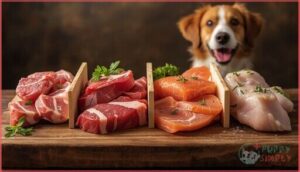
You’ve got plenty of protein options for your dog beyond veal. Each type of meat brings something different to the table regarding nutrition, digestibility, and how well dogs tolerate it.
Let’s look at how veal stacks up against the usual suspects and when it might actually be a better choice.
Comparison With Beef, Chicken, Lamb
When you’re weighing protein options for your dog, understanding the trade-offs matters. Beef generally delivers more iron and zinc per serving than veal, while chicken offers leaner nutrition with lower fat. Lamb brings higher selenium and phosphorus to the table. Veal tends to be pricier and harder to find than these common alternatives, though its tender texture can appeal to some dogs.
| Nutrient Profiles | Veal | Beef | Chicken | Lamb |
|---|---|---|---|---|
| Protein Density | High | Higher | Moderate-High | High |
| Iron & Zinc | Moderate | Higher | Lower | Higher |
| Fat Content | Low-Moderate | Moderate-High | Low | High |
| B Vitamins | Rich in B12 | Good B12, niacin | Moderate | Highest B12 |
| Cost & Availability | Expensive, Limited | Affordable, Widely available | Most affordable, Common | Moderate cost, Available |
Digestibility and Amino Acid Balance
Understanding how well your dog can actually use a protein is just as important as the amount in the bowl. Veal’s tender fibers break down more efficiently in your dog’s gut than tougher beef, meaning higher nutrient absorption. This matters because digestible indispensable amino acids—the building blocks your dog can’t make on their own—determine true protein quality.
| Protein Source | Digestibility | Limiting Amino Acid | DIAA Score |
|---|---|---|---|
| Veal | 85-90% | Methionine | High |
| Beef | 80-85% | Varies | Moderate-High |
| Chicken | 88-92% | Methionine | High |
Lean veal delivers excellent bioavailability when cooked gently, supporting canine health through balanced amino acid profiles that align with your dog’s metabolic needs.
Suitability for Dogs With Sensitivities
For dogs with food allergies and sensitivities, veal can act as a novel protein—one your dog’s immune system hasn’t encountered before. This makes it a useful option during allergy screening, but always under veterinary guidance and advice. A gradual introduction, following careful portioning guidelines, helps you spot any adverse reactions early. Track symptoms over 7 to 14 days, watching closely for signs of itching or digestive upset.
| Sensitivity Type | Veal Suitability |
|---|---|
| Chicken/Beef Allergy | Often well-tolerated |
| Fat-Sensitive Digestion | Choose lean cuts only |
| Pancreatitis History | Requires vet approval |
Always weigh the potential risks of feeding veal to dogs against their specific dietary needs. If veal triggers any issues, consider alternative protein sources for your dog.
How to Prepare Veal for Dogs
If you decide to feed veal to your dog, proper preparation is the most important step you can take. The way you cook it, what you remove, and how much you serve all affect whether it’s safe and beneficial.
Let’s walk through the essential preparation methods to keep your pup healthy.
Safe Cooking Methods (boiling, Baking, Grilling)
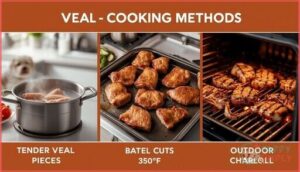
Properly cooking veal ensures food safety and protects your dog from harmful bacteria. You have three reliable methods to choose from:
- Boiling – Submerge veal pieces in water at 212°F (100°C) and simmer gently until fully cooked.
- Baking – Preheat your oven to 350°F and bake for 20-30 minutes.
- Grilling – Use high, direct heat without oils or marinades for flavor.
Removing Bones and Excess Fat
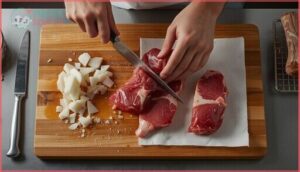
After cooking your veal, let it cool, then tackle bone removal and fat trimming. Use a sharp boning knife to separate meat from bones along natural seams—this prevents choking hazards.
Trim all visible fat caps and marbling to reduce cholesterol content. Cut away small cartilage bits that can irritate your dog’s gut.
Pat portions dry to remove surface fats before serving.
Serving Size and Portioning

Most adult dogs should get veal as no more than 10 percent of their daily calorie intake—think palm-sized portions once or twice weekly. Portion control keeps calorie management on track while safe foods for dogs remain balanced:
- Weigh portions using a kitchen scale for precision in daily feeding guides
- Adjust meal frequency based on your dog’s activity level
- Follow feeding schedules that account for veal alongside regular dog food
This aids ideal pet care and wellness through smart nutrition choices.
Foods and Additives to Avoid With Veal
When you’re preparing veal for your dog, what you leave out matters just as much as what you put in. Certain ingredients that make food taste great to us can actually harm your pet.
Here’s what to keep off your dog’s plate when serving veal.
Toxic Seasonings (garlic, Onion)
You might think a pinch of garlic or onion adds flavor, but these common seasonings pose serious Allium risks to your dog. Both contain toxic compounds called thiosulphates that damage red blood cells, causing anemia. Garlic toxicity is particularly dangerous—even small amounts can harm your pet. Onion allergy symptoms include vomiting, pale gums, and weakness.
| Toxic Seasoning | Why It’s Dangerous |
|---|---|
| Garlic (fresh or powder) | Contains concentrated thiosulphates that destroy red blood cells |
| Onion (any form) | Causes oxidative damage leading to hemolytic anemia |
| Mixed seasonings | Often hide garlic or onion powder in “natural flavors” |
Always prepare veal plain—no seasoning dangers, no exceptions.
Dangerous Additives and Marinades
Beyond garlic and onion, many store-bought marinades hide toxic ingredients that threaten your dog’s health. Commercial preparations often contain preservatives, carcinogenic compounds, and seasoning dangers that trigger food allergies or sensitivities in pets.
- Nitrites and nitrates create cancer-linked compounds when heated
- High salt levels raise blood pressure and sodium imbalance risk
- Sugar-laden marinades contribute to obesity and dental decay
- BHA and BHT preservatives irritate the gastrointestinal tract
- Artificial colorings cause digestive upset and allergic reactions
Always skip the marinade risks entirely—plain, thoroughly cooked veal prevents exposure to bacteria like salmonella and E. coli while avoiding these hidden dangers.
Risks of Raw or Undercooked Veal
Raw veal poses serious bacterial contamination risks that cooked meat doesn’t. Salmonella and E. coli thrive on uncooked surfaces, causing food poisoning with vomiting and diarrhea within 12 to 72 hours.
These raw meat risks intensify in puppies and senior dogs, where foodborne illness can trigger dehydration requiring urgent care.
Follow veal safety tips: always cook thoroughly to eliminate digestive hazards and bacteria completely.
Signs of Veal Allergy or Intolerance in Dogs

Even if you’re careful about preparation, some dogs just don’t tolerate veal well. Food allergies and intolerances can show up in ways that aren’t always obvious at first.
Here’s what to watch for if you’ve recently introduced veal into your dog’s diet.
Skin Issues and Itching
If your dog starts scratching obsessively after eating veal, you’re likely witnessing a food allergy or sensitivity in action. Skin inflammation causes intense itching, often accompanied by redness, hives, or dry patches. You might notice your pup gnawing at their paws or rubbing against furniture for itch relief. These signs signal that veal doesn’t agree with their system and warrant prompt attention to protect their skin health.
Digestive Symptoms (vomiting, Diarrhea)
When your dog’s stomach rebels against veal, vomiting and diarrhea often appear within hours of eating. These acute episodes signal food allergies or sensitivities at work. Dehydration risks escalate quickly with repeated episodes, especially in smaller dogs. Watch for red flag symptoms like bloody stool or relentless vomiting beyond 12 hours.
Home care starts with withholding food temporarily while offering small water amounts—critical steps in canine nutrition and dog health management.
When to Seek Veterinary Help
Sometimes vomiting or diarrhea resolves on its own, but certain red flags demand immediate veterinary care. Call your vet if symptoms persist beyond 24 hours, or if you notice blood, extreme lethargy, or signs of dehydration like sunken eyes.
Difficulty breathing, collapse, or seizures qualify as a vet emergency requiring canine first aid and urgent animal medical help.
How Much Veal Can Dogs Eat?

Portion control matters when you’re adding veal to your dog’s diet. The right amount depends on your dog’s size, current diet, and whether you’re using veal as an occasional treat or part of their regular meals.
Let’s break down the safe quantities and feeding guidelines.
Safe Quantity as a Treat
When veal becomes a treat, think quality over quantity. Your dog’s waistline will thank you for limiting veal to no more than 5 percent of their daily calorie intake—about 25 to 40 calories for a typical 30-pound pup.
Follow these treat portioning guidelines for digestive health and nutrient balance:
- Choose lean cuts and trim visible fat to support calorie control
- Limit frequency to once or twice daily as part of your feeding schedule
- Measure portions accurately instead of eyeballing
- Provide fresh water after treats to aid digestion and hydration
When giving veal as a treat, remember that maintaining nutritional balance in treats helps support your dog’s long-term health.
Incorporating Veal Into a Balanced Diet
Think of veal as one player on your dog’s nutritional team, not the star quarterback. Protein variety bolsters canine dietary needs, so rotate veal with chicken, fish, and beef for complete amino acid coverage.
Here’s how to build balanced meals that bolster dog digestion and pet nutrition:
| Meal Component | Role in Balanced Diet for Dogs |
|---|---|
| Lean veal protein | Supplies amino acids and B vitamins |
| Vegetables (pumpkin, green beans) | Adds fiber for digestive health |
| Whole grains or sweet potato | Provides sustained energy |
| Fresh water | Bolsters nutrient absorption |
Veal nutrition works best when it complements—not replaces—your regular meal planning strategy. The nutritional benefits of veal for dogs shine when paired with diverse ingredients that cover all bases.
Frequency of Feeding
Once you’ve incorporated veal into your balanced diet plan, set a steady meal frequency—most adult dogs thrive on two meals daily, spaced twelve hours apart, to support digestion rates and nutrient timing. Feeding schedules matter:
- Offer veal no more than twice weekly as part of portion control
- Stick to consistent times for predictable digestion rates
- Balance cooking and preparing veal for dogs with other protein rotations
Consistency reinforces nutritional benefits of veal for dogs within your overall dog diet framework.
Alternatives to Veal for Dogs
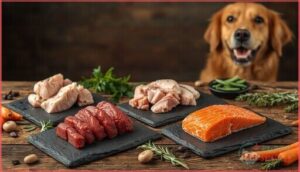
If veal doesn’t work for your dog—or you just want other options—you’ve got plenty of safe protein choices. Some meats offer similar nutritional benefits, while others work better for dogs with allergies or sensitivities.
Here’s a look at the alternatives worth considering.
Other Safe Meats (beef, Chicken, Fish, Lamb)
You don’t have to stick with veal regarding feeding your dog quality protein. Beef nutrition packs about 26 grams of protein per 3 ounces and delivers essential iron and zinc.
Chicken benefits include lean protein—around 25 grams per breast—while fish oil from salmon promotes healthy skin and coat.
Lamb digest easily for some dogs, offering a tasty meat alternative to traditional pet food proteins like turkey or beef.
Novel Proteins for Sensitive Dogs
For dogs with sensitive stomachs or proven allergies, hypoallergenic diets built on novel ingredients can bring real relief. Consider these uncommon proteins under veterinary advice:
- Venison or rabbit – Rarely used in commercial pet care, reducing prior exposure risk
- Duck or kangaroo – Limited ingredient options for elimination trials
- Veal – A novel protein when rotated strategically with other meats
Rotational Protein Feeding
Rotating protein sources every one to four weeks keeps your dog’s diet interesting and nutrient-rich. This feeding strategy reduces intolerance risks while delivering diverse amino acids and fatty acids that support digestive health and coat condition.
| Week | Primary Protein | Benefit |
|---|---|---|
| 1 | Beef | Iron and zinc |
| 2 | Chicken | Lean, digestible |
| 3 | Veal | Tender, novel option |
Pair proteins with appropriate carbs and monitor stool quality as you rotate.
When to Consult Your Veterinarian About Veal

While veal can be a safe occasional treat for many dogs, there are specific situations where you should check with your vet first. Some health conditions or dietary needs require professional guidance before introducing any new protein source.
Here are the key times when a conversation with your veterinarian is essential before offering veal to your dog.
Dietary Changes and Allergies
Switching your dog’s protein can stir up unexpected reactions, especially if veal is new to their menu. Before making dietary adjustments, talk to your vet about food sensitivities and whether allergy testing makes sense.
They’ll help you maintain nutrient balance while exploring alternative protein sources for dogs—ensuring canine nutrition stays on track even if veal doesn’t work out.
Special Health Conditions
If your dog handles chronic kidney disease, diabetes, or pancreatitis, veal may complicate their dietary restrictions and medical nutrition plan. These special diets require careful health monitoring—what works for a healthy pup won’t suit one with food sensitivities or metabolic disorders.
Your vet can recommend nutrient supplements and veterinary advice customized to your dog’s specific pet health needs, ensuring animal welfare stays the priority.
Creating a Safe Home-cooked Diet
Building a home-cooked diet with veal demands precision in nutrient balance and meal planning to match your dog’s dietary needs.
Your vet or veterinary nutritionist can guide you on cooking techniques, meat safety and handling, and food safety protocols that protect pet health. They’ll help you design dog food and nutrition plans using cooked veal alongside vegetables, grains, and supplements for complete meals.
Frequently Asked Questions (FAQs)
Can dogs eat cooked veal?
Yes, your dog can safely enjoy cooked veal as an occasional treat. Plain preparation without seasonings, garlic, or onions keeps it non-toxic and reduces stomach upset or choking risks when served properly.
How do I cook veal for my dog?
Boil, bake at 350°F, or grill veal without oils or seasonings until it reaches 165°F internally with no pink center.
Remove all bones and visible fat, then cool completely before serving bite-sized pieces.
Is veal good for dogs with allergies?
Roughly 10-15% of canine food allergies involve meat proteins.
Veal can work for dogs with allergies if beef triggers reactions, but introduce it gradually under veterinary advice since some dogs still develop sensitivities to this novel protein source.
What are the signs of veal allergy in dogs?
Watch for itching and red skin on paws, ears, or belly. Vomiting, diarrhea, or gas often follow veal meals. Less common respiratory problems include sneezing or wheezing after eating.
Are veal bones safe for dogs?
Veal bones pose serious chewing hazards. Cooked bones splinter into sharp fragments that risk mouth injuries, choking, and intestinal damage. Raw veal bones carry infection risks.
Safer alternatives like vet-approved chew toys protect canine digestion better.
How often should I feed veal to my dog?
Think of veal as a special guest at the dinner table, not a regular. Limit it to 10 percent of daily calories, offering 1-3 ounces as an occasional topper for dietary balance.
Are veal treats a good substitute for regular meals?
No, veal treats aren’t a meal replacement for dogs. They lack the nutrient balance your dog needs daily.
Use veal supplements sparingly within a complete canine diet to support proper dog health and wellness.
What are the differences between veal and other meats for dogs?
Compared to beef, veal offers leaner protein with milder flavor and easier digestibility. Chicken provides less fat but similar protein, while lamb runs richer in minerals.
Each meat brings distinct nutrient profiles suited to different canine dietary needs.
Can puppies eat veal safely?
Yes, puppies can safely eat plain, fully cooked veal in small portions. Introduce it gradually and avoid bones, seasonings, or added fats.
Monitor for allergic reactions and prioritize balanced puppy nutrition first.
Is veal bone broth safe for dogs?
Homemade veal bone broth can benefit dogs when prepared properly—simmered slowly without onions, garlic, or salt, then strained to remove bone fragments.
Start with small portions and consult your veterinarian for guidance.
Conclusion
Like choosing between generic and name-brand ingredients, deciding whether dogs can eat veal comes down to weighing quality against practicality. Veal offers excellent protein and nutrients when cooked plain and served in moderation, but it’s not essential for a healthy diet.
Leaner, more affordable options work just as well for most dogs. If you choose veal, keep portions small, preparation simple, and watch for any digestive changes. Your vet can help tailor protein choices to your dog’s specific needs.