This site is supported by our readers. We may earn a commission, at no cost to you, if you purchase through links.
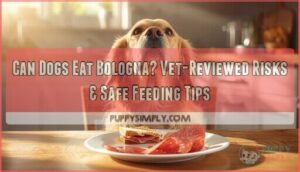
Your dog’s pleading eyes make that bologna sandwich in your hand almost impossible to enjoy alone, but what seems like a harmless bite of lunch meat carries risks most pet owners don’t realize. Bologna ranks among the most common human foods shared with dogs, yet its high sodium content, excessive fat levels, and chemical preservatives create a troubling combination for canine health.
A single slice can contain up to 300 milligrams of sodium—nearly 15 percent of a small dog’s daily limit—alongside additives like garlic powder and nitrites that may trigger serious reactions. Understanding what’s actually in bologna and how it affects your dog’s body helps you make informed decisions about treats, portion sizes, and when to choose healthier alternatives that satisfy without compromising your pet’s well-being.
Table Of Contents
- Key Takeaways
- Can Dogs Eat Bologna?
- Health Risks of Feeding Bologna to Dogs
- Potential Benefits and Downsides
- Safe Ways to Offer Bologna (if Any)
- Healthier Alternatives to Bologna for Dogs
- Frequently Asked Questions (FAQs)
- Can dogs have a little bologna?
- Which deli meats are safe for dogs?
- What is the one meat to never feed a dog?
- Can dogs eat hotdogs and bologna?
- What if my dog ate a piece of bologna?
- What deli meats can dogs eat?
- Which meat can dogs not eat?
- Can a dog eat cheese?
- Can dogs eat bologna in moderation?
- What are the dangers of bologna for dogs?
- Conclusion
Key Takeaways
- Bologna poses significant health risks for dogs due to its high sodium content (up to 300mg per slice), excessive fat levels, and chemical preservatives like nitrites that can trigger salt poisoning, pancreatitis, or methemoglobinemia in sensitive pets.
- Some bologna varieties contain garlic or onion powder, which are toxic to dogs and can cause hemolytic anemia by oxidizing red blood cells, making ingredient label scrutiny essential before offering any processed meat.
- While bologna technically provides protein, it delivers only 2-4 grams per slice with an unfavorable protein-to-fat ratio and lacks essential vitamins and minerals like iron, calcium, and zinc that dogs need for optimal health.
- Fresh, unprocessed meats like plain chicken, lean beef, or fish offer superior nutritional value without the dangerous additives, making them safer alternatives that support your dog’s health without compromising their well-being.
Can Dogs Eat Bologna?
You’ve probably caught your dog eyeing that bologna sandwich with serious interest, but before you share a slice, it’s worth knowing what you’re actually feeding them. Bologna isn’t straightforward in terms of canine nutrition, and the answer depends on what’s in it, how much you’re offering, and how often.
Since treats like bologna can add up quickly, understanding your dog’s active dog calorie requirements helps you decide whether that slice fits into their daily intake without causing weight gain.
Let’s break down the key factors that determine whether bologna belongs in your dog’s bowl or stays off the menu entirely.
Bologna Ingredients and Composition
Bologna is a processed meat product formed from a finely ground emulsion of pork, beef, or both, usually containing 15 to 30 percent fat content. Manufacturers add sodium nitrite or nitrate as preservatives, alongside salt, sugar, and various spices like black pepper, paprika, and coriander to create the characteristic flavor profile.
These high sodium levels and preservative effects warrant careful consideration before offering this meat product to your dog. To better understand what goes into bologna, you can review the typical bologna ingredients list.
Occasional Vs. Regular Consumption
Understanding how often you feed bologna matters substantially for your dog’s health. Consumption patterns directly impact canine health risks and pet food safety outcomes.
Consider these feeding frequency distinctions:
- Occasional treats occur irregularly with multi-week gaps between servings
- Regular feeding establishes fixed weekly patterns in meal planning
- Occasional portions tend to be smaller than habitual amounts
- Regular intake builds dietary habits that compromise dietary balance
- Celebration-driven occasional feeding differs from routine nutrition timing
The difference between these consumption patterns determines whether processed meat becomes a health concern or remains a harmless indulgence.
Is Bologna Toxic to Dogs?
Technically, bologna isn’t classified as poisonous to dogs, but toxicity levels depend on what’s inside. Some varieties contain garlic or onion powder, which trigger hemolytic anemia and severe canine health risks.
Nitrates may cause methemoglobinemia in sensitive pets, while excessive sodium leads to salt poisoning with tremors and vomiting. Though not inherently lethal, bologna allergies and food toxicity in dogs warrant caution for pet wellness and balanced canine nutrition.
Nitrates and high sodium in bologna can trigger dangerous reactions in dogs, making allergies and toxicity a real concern for pet health
It’s also important to bear in mind the potential risks of bologna due to its high sodium content and lack of essential nutrients.
Health Risks of Feeding Bologna to Dogs

While bologna isn’t outright toxic to dogs, feeding it comes with several health concerns you should understand before offering it as a treat.
The high fat content, excessive sodium levels, and potentially harmful additives can all pose risks to your dog’s wellbeing. Let’s look at the specific health issues associated with feeding bologna to dogs.
High Fat and Obesity Concerns
High fat processed meats aren’t just empty calories—they’re a fast track to canine obesity. When you regularly offer bologna, you’re setting up a calorie imbalance that can quietly tip your dog toward excess weight, especially if you’re also:
- Underestimating portion sizes throughout the day
- Reducing exercise while maintaining fat intake
- Missing early signs of metabolic health shifts
Weight management starts with knowing what’s really on the plate.
Sodium and Salt Poisoning Risks
When you toss your pup a slice of bologna, you’re delivering far more sodium than their system should handle.
Canine hypernatremia develops quickly if salt poisoning occurs, throwing off electrolyte balance and triggering vomiting, diarrhea, and dangerous neurological signs. Bologna safety for dogs hinges on sodium monitoring—because even one generous portion can risk sodium toxicity in smaller or sensitive animals.
Toxic Additives (Onion, Garlic, Preservatives)
Beyond salt, flavor enhancers like onion powder and garlic hide inside bologna formulations, creating serious toxic substances for dogs.
Onion toxicity stems from organosulfur compounds that oxidize red blood cells, while garlic allergies and preservative risks compound the threat. Chemical interactions between these toxic ingredients may trigger hemolytic anemia or digestive irritation, making label scrutiny essential before you share any processed meat.
Digestive Upset and Pancreatitis
Rich fat metabolism in bologna disrupts normal fat metabolism and triggers an inflammatory response that strains your dog’s pancreas, sometimes provoking acute pancreatitis symptoms like vomiting, abdominal pain, and lethargy.
This condition impairs nutrient absorption and can escalate from mild digestive issues to life-threatening inflammation requiring urgent veterinary care, especially if your pet consumes processed meats repeatedly.
Potential Benefits and Downsides

While bologna does offer some protein, it’s important to weigh this against its nutritional shortcomings and potential health impacts.
You’ll want to understand what your dog actually gets from a slice of bologna compared to what they’re missing out on. Let’s break down the protein benefit, the gaps in essential nutrients, and how bologna stacks up against healthier options you could offer instead.
Protein Content in Bologna
You might expect bologna to deliver solid protein since it’s meat-based, but the reality is more complicated. When examining meat composition and protein density for dog nutrition, consider these key points about bologna’s amino acid profile:
- A single 28-gram slice provides only 2 to 4 grams of protein, far less than lean chicken or beef
- The protein-to-fat ratio is unfavorable, with 6 to 9 grams of fat per slice
- Added fillers and textured soy proteins can alter the amino acid composition
- While technically complete in essential amino acids, the biological value remains lower than fresh meats
This nutrient balance makes bologna a poor choice for meeting canine dietary needs, especially when fat content overshadows the modest protein contribution in pet nutrition.
Lack of Essential Nutrients
When you feed your dog bologna regularly, you’re setting the stage for nutrient deficiency. This processed meat falls short on essential vitamins and minerals vital for canine dietary needs—offering minimal iron for oxygen transport, scant calcium for bone health, and insufficient zinc for immune function.
Vitamin imbalance and mineral shortage become real concerns, undermining dog nutrition and overall wellness despite bologna’s protein content.
Comparison to Healthier Protein Sources
When stacking bologna against fresh protein sources, the nutritional gap becomes clear. Choosing lean chicken, beef, or fatty fish provides your dog with higher nutrient balance, healthier fats including omega-3s, and complete amino acid profiles that support canine health.
- Fresh chicken breast delivers high-quality protein without excessive sodium or preservatives
- Fatty fish like salmon supplies beneficial omega-3 fatty acids for coat and joint health
- Plain cooked beef offers essential minerals and vitamins absent in processed meat products
These meat alternatives form the foundation of balanced diets, ensuring your dog receives proper pet nutrition without the drawbacks of processed options.
Safe Ways to Offer Bologna (if Any)

If you’ve decided to give your dog a tiny taste of bologna despite the potential risks, there are a few ground rules that can help minimize potential harm. You’ll need to pay close attention to how much you’re offering, what’s actually in the product, and how your dog responds afterward.
Let’s break down the essential precautions you should take before handing over even a small piece.
Portion Control and Frequency
If you’re tempted to share bologna with your dog, keep it truly rare—no more than a quarter-inch slice once every few weeks for a medium-sized pet.
Treats, including bologna, shouldn’t exceed 10% of daily calorie tracking goals, which means careful portion control and feeding frequency matter.
Most adult dogs thrive on two meals per day; adding processed snacks disrupts balanced dog diet planning and undermines sound pet nutrition advice for long-term dog health.
Checking for Harmful Ingredients
Before offering even a thin slice, you need to examine ingredient labels for toxic compounds like onion or garlic powder, which cause serious harm.
- Look for nitrites and other preservatives that trigger digestive distress
- Check sodium levels—bologna’s meat products often contain excessive salt
- Identify food additives such as BHA or sulfites
- Verify absence of xylitol or dangerous emulsifiers
Preservative effects and nutrient imbalance make most bologna unsuitable for food safety compliance.
Monitoring for Allergic Reactions
Even if ingredients pass inspection, watch closely for allergy signs within the first hour—vomiting, diarrhea, or facial swelling indicate food allergies in dogs requiring immediate veterinary guidance.
Reaction timing varies, but hives on paws or muzzle often appear within minutes. Symptom severity can escalate quickly, so emergency response means contacting your vet if you notice labored breathing, pale gums, or persistent gastrointestinal distress.
Healthier Alternatives to Bologna for Dogs
If you want to reward your dog without the risks that come with processed meats, there are plenty of healthier options that provide better nutrition and fewer potential complications.
Fresh proteins, safe fruits and vegetables, and quality commercial treats can all serve as satisfying alternatives that support your dog’s overall health. Here’s what you should consider when choosing treats that won’t compromise your pet’s well-being.
Fresh Meats (Chicken, Beef, Fish)
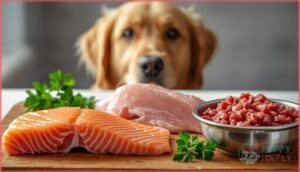
Fresh, unprocessed meats offer better protein sources compared to bologna in terms of canine diet and pet nutrition. Plain, cooked chicken, lean beef, or fish deliver essential amino acids without the sodium and preservatives found in processed options, making them safer choices for dog nutrition and health.
- Chicken Nutrition: Skinless breast provides roughly 26 grams of protein per three ounces, supporting lean muscle without excess fat
- Beef Safety: Lean ground beef offers about 22 grams of protein alongside iron and zinc for immunity
- Fish Handling: Salmon and cod deliver omega-3 fatty acids that promote coat health and reduce inflammation
- Meat Storage: Always cook to safe temperatures and store raw proteins separately to prevent contamination
Following veterinary advice on proper preparation ensures you’re providing balanced protein sources your dog can safely enjoy.
Dog-Safe Vegetables and Fruits

Whole produce strengthens your dog’s canine nutrition without the hazards linked to processed meats like bologna. Carrots and green beans offer veggie benefits through fiber and vitamins, while blueberries and watermelon deliver antioxidants for healthy snacking.
Always remove seeds and cores to support fruit safety, and introduce fresh food options gradually to monitor your pet’s response and maintain balanced dog nutrition and health.
Commercial Dog Treats Vs. Processed Meats

Commercial dog treats differ from processed meats like bologna because they’re designed with dog nutrition standards and meat quality control in mind. Unlike bologna, these healthy snack options provide defined protein and fat ratios, avoid toxic additives, and include feeding guidelines that support pet food safety.
Choosing veterinary-approved treats over processed meat risks helps you maintain food safety for pets while following sound pet nutrition advice.
When to Consult Your Veterinarian

Sometimes, even with careful health monitoring and symptom tracking, your dog’s reaction to an unfamiliar food warrants immediate veterinary care. Pet nutrition advice from your vet becomes essential when you notice concerning vet visit signs:
- Persistent vomiting or diarrhea lasting beyond 24 hours requires urgent assessment for proper pet care and safety.
- Difficulty breathing, unusual lethargy, or seizures demand emergency care without delay.
- Severe appetite changes or excessive thirst within 24 hours need veterinary evaluation.
- New swelling or limping persisting over 48 hours shouldn’t be ignored.
Pet insurance can help offset costs when dog health and nutrition concerns arise unexpectedly.
Frequently Asked Questions (FAQs)
Can dogs have a little bologna?
A single paper-thin slice won’t spell disaster, but that doesn’t make bologna a smart choice for canine health.
High sodium, fat content, and risky additives like garlic powder undermine proper dog nutrition and pet food safety.
Which deli meats are safe for dogs?
Plain, unseasoned chicken or turkey without skin represents the safest deli meat choice for dogs, while avoiding processed options containing garlic or onion powder, or excessive sodium that pose significant canine nutrition guidelines concerns.
What is the one meat to never feed a dog?
You should never feed your dog cooked bones from any meat, as they splinter easily and can injure the digestive tract or cause life-threatening blockages requiring emergency veterinary intervention.
Can dogs eat hotdogs and bologna?
Both hot dogs and bologna fall into the same risky category of processed meats—high in sodium, fat, and potentially toxic additives like garlic or onion powder, making them poor choices for canine nutrition and pet food safety.
What if my dog ate a piece of bologna?
If your dog ate a piece of bologna, monitor for vomiting, diarrhea, or excessive thirst over the next 24 hours—signs of sodium overload or digestive upset that warrant contacting your veterinarian immediately.
What deli meats can dogs eat?
Most deli meats carry similar risks to bologna—high sodium, preservatives, and potential toxic seasonings like garlic or onion powder—so you should avoid them as regular treats, opting instead for plain cooked turkey meat or roast beef in minimal amounts.
Which meat can dogs not eat?
Avoid feeding your dogs processed meats like bacon and sausage, which contain dangerous levels of salt and fat.
Raw pork, undercooked poultry, and any meat seasoned with toxic onion or garlic pose serious health risks.
Can a dog eat cheese?
Like a slice of the nutritional spectrum, cheese sits somewhere between acceptable and risky for dogs.
Most tolerate small amounts, though lactose intolerance, cheese allergies, and high fat content warrant caution and veterinary advice.
Can dogs eat bologna in moderation?
Yes, but only on rare occasions and in very small portions.
Regular feeding poses serious risks to canine diet and pet nutrition, including obesity, salt toxicity, and potential bologna allergy or food allergies in dogs.
What are the dangers of bologna for dogs?
Think of bologna as a sodium bomb wrapped in fat—it can trigger pancreatitis, salt poisoning, digestive upset, and even hemolytic anemia from garlic or onion powder, making processed meat a serious canine nutrition concern.
Conclusion
The bottom line on whether dogs can eat bologna? It’s best to cut that habit out entirely.
While a tiny taste won’t send your dog to the emergency room, the sodium overload, chemical additives, and nutritional emptiness make bologna a poor choice for any feeding routine.
Your dog deserves protein sources that fuel their health rather than compromise it—fresh meats, veterinarian-approved treats, and whole foods offer satisfaction without the hidden dangers lurking in processed lunch meats.