This site is supported by our readers. We may earn a commission, at no cost to you, if you purchase through links.
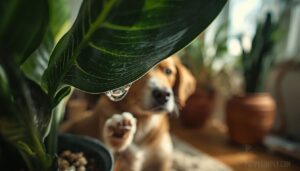
A puppy strips one leaf off your pothos while you’re refilling your coffee. Ten minutes later, he’s drooling on the couch cushions, pawing at his mouth like something’s stuck. That’s often the first sign owners get that their home is full of indoor plants dangerous to dogs, and most never see it coming.
Nearly 700 plant species carry toxins that can harm pets, and a good number sit on windowsills right now. Some cause mild drooling. Others, like sago palm, can shut down a dog’s liver within days.
Knowing which leaves belong on your coffee table and which belong out of reach can spare you a frantic drive to the emergency vet.
Table Of Contents
- Key Takeaways
- Indoor Plants Dangerous to Dogs: What Owners Should Know
- 15 Toxic Indoor Plants for Dogs
- Dog Plant Poisoning Symptoms to Watch For
- What to Do if Your Dog Eats a Toxic Plant
- Dog-Safe Houseplants and Prevention Tips
- Frequently Asked Questions (FAQs)
- Can dogs build tolerance to mild plant toxins?
- Are dried or dead plants still toxic to dogs?
- Do toxic plants affect puppies more than adult dogs?
- Can dogs absorb toxins through skin contact alone?
- Are plant fertilizers or soils also dangerous to dogs?
- How long after ingestion do symptoms appear?
- Are dried or fallen plant leaves still dangerous?
- Will dogs naturally avoid eating toxic plants?
- How much does emergency vet treatment typically cost?
- Conclusion
Key Takeaways
- Nearly 700 common houseplant species, including sago palm, oleander, and pothos, contain toxins ranging from mild irritants to liver- or heart-damaging compounds, so even "pet-friendly" looking greenery can pose serious risks.
- A dog’s size and health status change how dangerous a bite is, since small, young, or elderly dogs get a bigger toxin dose per pound and can develop symptoms faster than larger, healthier dogs.
- Warning signs progress from drooling and mouth pawing, to vomiting and lethargy, up to tremors, seizures, or breathing problems, with the severity and timing depending on the toxin involved.
- If ingestion happens, calmly remove and bag the plant material, identify the plant with photos, and call your vet or poison control immediately rather than inducing vomiting or waiting to see if symptoms appear.
Indoor Plants Dangerous to Dogs: What Owners Should Know

That new fern on your windowsill might look harmless, but plenty of common houseplants can make your dog seriously sick. Size, chewing habits, and even which part of the plant gets nibbled all change how dangerous a bite can be.
Knowing what to watch for can make all the difference, and this guide to toxic plant symptoms in dogs breaks down the warning signs by plant type.
Here’s what you need to know before we walk through the plants that pose the biggest risk.
Why Dogs Chew Plants
Because dogs explore the world mouth-first, that new fern on your shelf looks like a toy. Curiosity drives most nibbling, but boredom, teething discomfort, and even fiber-seeking play a role too. Some dogs chew when under-stimulated or anxious; others do it out of habit if nobody’s redirected them. Left unchecked, this curiosity turns into a real poisoning risk.
Puppies often chew to relieve teething discomfort, which is a common reason for plant exploration. Puppies chew to relieve teething discomfort and explore their environment.
Toxicity by Dog Size
Size matters as much as the plant itself. Body weight dosage scaling means a Chihuahua chewing the same leaf as a Labrador gets a far bigger dose per kilogram—small dog vulnerability is real.
Large dogs often tolerate small nibbles with mild vomiting and diarrhea. Small, thin, or elderly dogs cross toxic thresholds faster, sometimes triggering neurological symptoms sooner. Don’t judge risk by "just a few bites.
Dangerous Plant Parts
Leaves and stems irritate the mouth and gut—think Pothos, Philodendron, Peace Lily, Dieffenbachia. Sap and juice coat gums, causing drooling. Seeds and pods pack concentrated toxins. Underground bulbs (Lily of the Valley) deliver bigger doses. Even flowers and buds aren’t harmless—pretty doesn’t mean safe.
Common Plant Toxins
Toxin type decides everything—how fast symptoms hit, how bad they get. Cardiac glycosides (oleander) disrupt heart rhythm. Cycasin (sago palm) causes liver failure. Grayanotoxins (azalea) hit sodium channels.
- Calcium oxalate crystals—instant mouth pain
- Cardiac glycosides—irregular heartbeat
- Lycorine—vomiting, drooling
Onset varies: crystals burn immediately, cycasin can take hours. Same bite, different clocks.
Mild Vs Severe Risk
Not every plant nibble means an emergency vet trip, so knowing the difference matters. Toxin dose level and dog weight factor drive severity most: a big dog licking one leaf differs wildly from a puppy eating several.
Mild cases show brief drooling that fades. Severe risk brings vomiting, diarrhea, lethargy, difficulty breathing or swallowing, or abnormal heart rate—symptom progression speed and treatment timing impact the outcome. When in doubt, seek veterinary attention.
15 Toxic Indoor Plants for Dogs
Some of these plants might already be sitting on your windowsill. Others show up as "pet-friendly" gift plants more often than they should. Here’s what to look for, plant by plant, so you know exactly what you’re dealing with.
Sago Palm

Sago palm looks harmless — almost prehistoric, with its stiff fronds fanning out like a mini palm tree. Don’t be fooled. Every part is toxic, but the seeds pack the most punch, loaded with cycasin that can trigger liver failure within days.
Watch for vomiting, diarrhea, and lethargy. Any ingestion means an immediate vet call — this one doesn’t wait.
Oleander
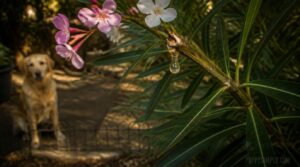
With those pretty pink and white blooms, oleander seems like a nice houseplant — but every part is dangerous, sap included. Cardiac glycosides called oleandrin and neriine can trigger arrhythmias or cardiac arrest in pets.
Watch for:
- Drooling and pawing at mouth
- Vomiting and diarrhea
- Irregular heartbeat
- Weakness
Any ingestion needs emergency vet care — immediately.
While you’re on the phone with your vet, this rundown of what to do if your dog eats something toxic can help you describe symptoms and next steps clearly.
Castor Bean Plant
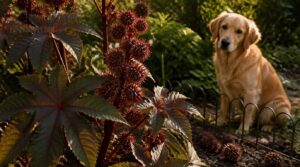
Castor bean (Ricinus communis) grows fast, with dramatic leaves that make it a striking ornamental — but its spiny seed pods hide ricin, one of the most potent plant toxins known. Ricin blocks protein synthesis in cells, causing severe vomiting and diarrhea, weakness, and organ damage. Seeds carry the highest concentration.
Behind the castor bean’s striking leaves hide seed pods packing ricin, one of the most potent plant toxins known
Remove fallen pods promptly and seek emergency vet care immediately if ingestion occurs.
Peace Lily

That elegant white bloom on your windowsill isn’t as harmless as it looks. Peace lilies contain calcium oxalate crystals, which cause immediate oral irritation when chewed—drooling, pawing at the mouth, and swelling. Vomiting and diarrhea often follow.
Chewing behavior triggers the reaction, so even curious nibbles matter. Keep peace lilies elevated or in dog-free rooms as a simple prevention strategy.
Dieffenbachia
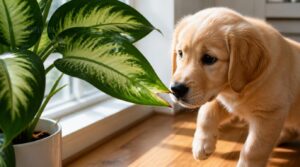
Toxicity level: moderate, but painful. Dieffenbachia’s leaves and stem contain calcium oxalate crystals that cause instant oral irritation in pets—drooling, oral swelling, pawing at the mouth.
Vomiting and diarrhea can follow within hours. Watch for eye contact too, since the sap irritates corneas.
For pet safety, keep plant placement high or off-limits entirely. Severe swelling warrants emergency vet care.
Pothos

Pothos (Epipremnum aureum) causes milder but still real trouble—same calcium oxalate crystals as dieffenbachia, meaning drooling, oral irritation, and lethargy after a curious bite.
Its trailing vines and aerial roots make hanging baskets tempting targets for jumping dogs.
Because pothos tolerates low light so well, owners often place it anywhere—including within paw’s reach. Keep it high, and watch for vomiting or diarrhea afterward.
Philodendron
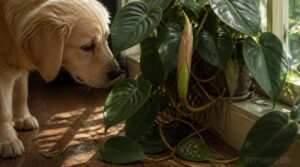
Same family, same risk. Philodendron leaves carry insoluble calcium oxalate crystals, so chewing brings drooling, oral pain, and lethargy fast.
Look for climbing vines with aerial roots and papery cataphylls wrapping new leaves. Juvenile and mature leaves differ in shape, which can fool owners into thinking it’s harmless.
Skip letting pups near the spadix flower spike—unlikely indoors, but the leaves alone cause enough gastrointestinal upset.
Aloe Vera
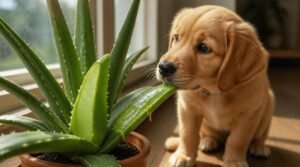
Here’s a plant many owners assume is safe, precisely because it’s marketed for skin care. That inner leaf gel is mild, but the yellow latex layer near the rind is the problem.
Dogs chewing aloe often get vomiting and diarrhea, plus lethargy after plant ingestion.
Quick aloe dog safety checklist:
- Keep pots on high shelves
- Trim leaves away from pups
- Watch for GI upset
- Call your vet if symptoms persist
- Discard clippings immediately
Snake Plant
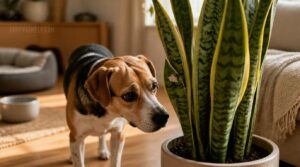
Snake plant owners often think of it as tough and low-maintenance, which it is, but that doesn’t make it safe. Its stiff leaves cause vomiting and diarrhea if chewed.
Watch for drooling and lethargy after plant ingestion. Smaller dogs react to smaller amounts.
Rinse your dog’s mouth, save a leaf sample, and call your vet — don’t wait for symptoms to worsen.
Begonia

With over 2,000 species, begonias vary wildly — some grown for showy flowers, others for their metallic, spotted leaves. That variety doesn’t mean safety. Ingestion causes oral irritation, vomiting, and diarrhea.
Begonias like partial shade and acidic, well-drained soil. Symptoms usually show within hours. If your dog nibbles one, monitor closely and call your vet if signs persist or worsen.
Rubber Plant
Snap a leaf and you’ll see it — milky white latex sap, the plant’s main defense and your dog’s problem. Chewing triggers mouth irritation, drooling, and pawing at the face.
Swallowed sap upsets the gut too, causing vomiting and diarrhea. Usually mild to moderate, but small dogs feel it faster. Rinse the mouth, remove leaf pieces, and call your vet if symptoms linger.
ZZ Plant

Zanzibar gem, low-light lover, office desk favorite — the ZZ plant’s easy-care reputation hides a real risk for dogs. Leaf ingestion irritates the mouth and gut, triggering drooling, vomiting, or diarrhea.
Its thick rhizomes store water, so even a "neglected" plant stays leafy and tempting. Toxicity level is mild-to-moderate, but don’t wait out symptoms — call your vet if chewing occurred.
Jade Plant

That chubby-leafed succulent on your windowsill? Mild toxicity, real symptoms. Chewing triggers vomiting and diarrhea, plus drooling from mouth irritation.
Prevention checklist:
- Keep pots on high shelves
- Trim trailing stems
- Watch puppies closely
- Offer chew toys instead
- Call your vet if ingestion occurs
Don’t dismiss it as harmless — even "mild" plants warrant a phone call, not a wait-and-see approach.
Azalea

Pretty flowers, real risk. Azaleas cause vomiting and diarrhea in dogs, along with drooling, lethargy, and loss of appetite after leaves or buds are chewed.
Symptoms can escalate with abdominal pain, so treat any nibble seriously. Keep azaleas out of reach entirely, or better yet, skip them for pet-safe greenery instead.
If ingestion happens, call your vet right away, don’t wait for symptoms to worsen.
English Ivy

That trailing vine on your shelf climbs using tiny aerial rootlets, and it’s mildly toxic if chewed. Expect gastrointestinal upset—vomiting and diarrhea—plus drooling from saponins in the leaves.
Leaf shape changes as English Ivy matures, but toxicity risk stays constant regardless of growth stage. Keep growth rate control in mind: trim trailing stems, place pots high, and call your vet if symptoms persist.
Dog Plant Poisoning Symptoms to Watch For

Not every dog eats a toxic plant in front of you, so knowing the warning signs matters just as much as knowing which plants to avoid. Symptoms can show up fast or take a few hours to appear, and they range from mild to genuinely scary. Here’s what to watch for, and why each one matters.
Drooling and Mouth Pawing
Drooling and mouth pawing are often your dog’s first tell. Watch for pawing at the face paired with sudden, heavy saliva after chewing Dieffenbachia, Philodendron, Pothos, or Peace Lily — all cause oral irritation from calcium oxalate crystals.
- One-sided drool signals localized injury
- Reluctance to swallow means pain
- Thick, foamy drool needs immediate vet attention
Don’t wait — this triggers emergency response.
Vomiting and Diarrhea
Once mouth pain settles, the gut often takes over. Vomiting and watery diarrhea can start within 2–8 hours, sometimes with blood.
Track frequency and stool consistency — repeated episodes signal faster fluid loss. Watch for dehydration warning signs: dry gums, sunken eyes, lethargy.
Offer small water sips often. If symptoms persist past a few hours, call your vet — electrolyte balance can shift quickly in toxic plant ingestion.
Lethargy and Weakness
Sometimes the gut settles down, but your dog just isn’t right. Energy loss and sluggish behavior are red flags too.
Watch for:
- Reluctance to stand or climb stairs
- Disinterest in food, toys, or greetings
- Muscle fatigue during normal walks
This kind of physical weakness often signals systemic toxicity, even without vomiting. Don’t wait it out — call your vet.
Tremors or Seizures
Neurological signs are the scariest to witness. Some dogs get fine tremors while staying alert; others go rigid, then jerk violently, unresponsive to your voice — a true seizure.
Timing varies: symptoms can hit within minutes or lag for hours, depending on the toxin. Either way, this isn’t a "wait and see" moment. Call your vet immediately.
Breathing or Heart Problems
When your dog’s breathing looks off after chewing a plant, don’t wait to see if it passes.
Cardiac glycoside effects from plants like oleander cause irregular heartbeat, weakness, and fluid buildup in the lungs. You might notice rapid, shallow breaths or open-mouth breathing. This signals shock or organ failure risk.
Any breathing difficulty after plant exposure means an emergency vet visit, now, not later.
What to Do if Your Dog Eats a Toxic Plant

Catching your dog mid-chew is scary, but what you do in the next few minutes matters more than panic. There’s a clear order of steps that gives your vet the best shot at helping fast. Here’s exactly what to do, one step at a time.
Remove Plant Material Safely
First things first: get the remaining plant out of reach, calmly and quickly.
- Wear gloves before touching torn leaves or stems
- Bag material in thick plastic, double-bagged if crumbly
- Seal tightly so fragments can’t escape
- Wipe surfaces for stray leaf bits, then wash your hands
Keep your dog in another room during cleanup. Toxic plant identification comes next, but containment happens first.
Identify The Plant
Grab your phone before the memory fades. Snap the whole plant, then close-ups of leaves, stems, and any flowers or seed pods.
Leaf shape, edge pattern, and arrangement (opposite or alternate) narrow things down fast. Note growth habit, too: vine, rosette, or upright cane.
Check which part your dog chewed. That detail, plus your photos, helps your vet identify toxic plants accurately and quickly.
Call Your Veterinarian
Don’t wait and see — call immediately, even if your dog seems fine.
Have your dog’s weight, the plant name, time eaten, and amount ready. The vet or pet poison control hotline will ask about breathing, gum color, and vomiting to gauge urgency, then tell you whether home monitoring works or you need emergency vet care right away.
Avoid Unapproved Vomiting
Skip the kitchen-cupboard remedies. Inducing vomiting without veterinary guidance can backfire fast — some toxins burn worse coming back up, and vomiting rarely clears everything anyway.
- Salt or peroxide "tricks" aren’t vet-approved
- Weak or drowsy dogs risk aspiration
- Some plant toxins cause more harm refluxed
- Only a professional should decide if vomiting helps
Call first. Let your vet guide next steps safely.
Emergency Clinic Warning Signs
Some symptoms mean don’t wait for a callback. Difficulty breathing, bluish gums, or sudden unconsciousness signal shock from plant poisoning — get to an emergency clinic now.
Seizures onset, rapid heartbeat, or an irregular heartbeat in dogs point to serious cardiac or neurologic trouble. Even persistent vomiting, diarrhea, drooling, and lethargy that worsen over hours deserve urgent evaluation, not a wait-and-see approach.
Dog-Safe Houseplants and Prevention Tips

The good news? Keeping your dog safe doesn’t mean giving up greenery altogether. A few smart swaps and simple habits go a long way toward peace of mind. Here’s where to start.
Non-Toxic Indoor Plants
Once you’ve picked a few toxic offenders to avoid, it helps to know what actually belongs on your shelf. Spider plants, Boston ferns, and African violets top most vet-approved lists, prized for chew-resistant leaves and low irritant sap.
- Spider plant
- Boston fern
- African violet
- Air plant
- Parlor palm
Always verify botanical names, common names mislead. Even pet-friendly picks can cause mild stomach upset, so low-severity outcomes are still worth watching.
Safer Plant Placement
Height beats hope. Hanging planters and elevated shelves keep leaves out of reach far better than trusting your dog to ignore them.
Match plant stand height to your dog’s nose, then add a few inches. Anchor everything securely, and water with a controlled pour, not a spray, so drips don’t land where paws and tongues can find them.
Barriers and Baby Gates
Not every dog respects a shelf. When a plant sits behind a room your dog can’t enter, a baby gate becomes your backup plan.
Gate height selection matters most for tall or determined dogs—measure nose-to-floor, then add margin. Check mounting surface strength; hardware-mounted beats pressure-mounted near stairs. Confirm gap size control at the bottom and sides, verify latch dog-proofing, and set swing direction away from traffic to prevent "just for a second" openings.
Teach “Leave It”
Teach "leave it" for a reliable backup when gates and shelves fail. Start with a closed fist treat, say the cue once, and mark disengagement with "yes"—reward from your other hand. Progress to open-hand and floor temptations.
If your dog lunges, close your fist; no scolding needed. Proof it around toys, wrappers, even houseplants.
Provide Safe Chew Alternatives
Redirecting curiosity is easier than correcting it. Once "leave it" is solid, back it up with real options:
- Size-appropriate dental chews (VOHC-approved)
- Frozen, texture-based enrichment chews
- Rotate toys weekly to prevent boredom
- Single-ingredient, sugar-free chews only
Always run supervised chew sessions, and toss anything cracked or small—choking risk beats plant hazards every time.
Frequently Asked Questions (FAQs)
Can dogs build tolerance to mild plant toxins?
Old habits die hard"—except here, there’s no habit to build. Tolerance myths debunked: dogs don’t adapt to toxins. Size affects exposure, but repeated bites still risk cumulative harm. Prevention beats hoping your dog’s immune system learns something it can’t.
Are dried or dead plants still toxic to dogs?
Yes. Drying doesn’t break down calcium oxalates or cardiac glycosides — toxin persistence stays high. Dogs still chew and swallow dried leaves, so treat every fallen or brittle piece as a genuine poisoning risk, not yard debris.
Do toxic plants affect puppies more than adult dogs?
Puppies bear the brunt. Smaller body mass means the same nibble delivers a bigger dose per pound, while developing organs and less fluid reserve let vomiting, diarrhea, or neurological symptoms escalate faster than in sturdier, more resilient adult dogs.
Can dogs absorb toxins through skin contact alone?
Rarely on its own — sap has to sit on skin long enough to absorb. The real danger is grooming ingestion: a dog licks contaminated fur or paws, turning simple contact into gastrointestinal upset or worse within hours.
Are plant fertilizers or soils also dangerous to dogs?
Fertilizer granules pose real dose-dependent exposure risks, causing drooling, vomiting, and diarrhea.
Pesticide-mixed products may trigger tremors or cardiac issues.
Soil contamination from residue adds danger through licking.
Call your vet immediately if ingestion occurs.
How long after ingestion do symptoms appear?
Timing varies widely: gastrointestinal upset often starts within 1-2 hours, while neurological or cardiac symptoms may lag behind. Dose and your dog’s size both shift the timeline—don’t assume "no symptoms yet" means "no danger."
Any signs within 24 hours warrant a vet call.
Are dried or fallen plant leaves still dangerous?
Yes. Drying doesn’t neutralize toxins—chemicals persist in leaf litter that falls into pot soil. Dogs chewing dried fragments still risk gastrointestinal upset, oral irritation, or worse. Treat any known-toxic foliage as dangerous until confirmed safe, regardless of its dried or fallen condition.
Will dogs naturally avoid eating toxic plants?
Don’t count on it. Taste avoidance is a myth—many toxic plants aren’t bitter enough to deter chewing. Boredom, curiosity, and pica drive plant chewing regardless of danger. Individual sensitivity varies too, so one dog’s "safe" nibble could poison another.
How much does emergency vet treatment typically cost?
Funny how a $10 houseplant can trigger a bill with three commas. Emergency exam fees run $100–$250, bloodwork $80–$250, IV fluids $60–$95, hospitalization $600–$3,500 daily, surgery $1,500–$5,000 — pet insurance helps soften the shock.
Conclusion
Nobody wants their pup taking an unplanned trip to the emergency vet over a single nibbled leaf. That’s the real cost of overlooking indoor plants dangerous to dogs: a scary night, a big bill, a lesson learned the hard way.
Swap the risky greenery for pet-safe varieties, keep vulnerable plants up high, and watch your dog like a hawk near new foliage. A little caution now saves a world of worry later.