This site is supported by our readers. We may earn a commission, at no cost to you, if you purchase through links.
Most people don’t realize how much of their daily diet comes from products designed to taste irresistible, not help their bodies thrive. Soda, deli meat, chips, and sugary snacks slide into routines so easily that they start to feel normal, even when they leave you dealing with cravings, energy crashes, and a cart full of ingredients you can’t pronounce.
The good news, from a dietitian’s point of view, is that you don’t need a perfect pantry or a dramatic cleanse. A few smart swaps can change a lot.
Once you see the best healthy alternatives, toxic foods lose their grip fast.
Table Of Contents
- Key Takeaways
- Toxic Foods to Replace First
- Healthy Alternatives to Toxic Drinks
- Healthy Alternatives to Refined Sweeteners
- Healthy Alternatives to Seed Oils
- Healthy Alternatives to Processed Proteins
- Healthy Alternatives to Processed Snacks
- Top 5 Non-Toxic Lifestyle Picks
- Frequently Asked Questions (FAQs)
- What are some healthy food alternatives?
- Are there alternatives to toxic products for every room in the House?
- Are there healthy food substitutes for unhealthy foods and drinks?
- What is the best non toxic dinnerware?
- How do cooking methods affect food toxicity levels?
- How does food packaging leach toxins into meals?
- What are the safest non-toxic options for children?
- Conclusion
Key Takeaways
- Swapping just a handful of everyday staples—sodas, deli meats, chips, and refined grains—for whole-food alternatives like sparkling water, wild-caught fish, raw nuts, and whole grains can dramatically cut your exposure to harmful additives and hidden sugars.
- Industrial seed oils (canola, soybean, sunflower) and refined sweeteners (corn syrup, table sugar) quietly drive inflammation and blood sugar spikes, but swapping in avocado oil, olive oil, raw honey, or maple syrup delivers real nutritional payoff.
- Processed proteins like deli meats and hot dogs carry nitrites, excess sodium, and questionable preservatives, while whole alternatives like eggs, leftover roast chicken, sardines, and wild salmon give you cleaner protein with far less chemical baggage.
- small, consistent swaps (fresh fruit over candy, air-popped popcorn over chips, herbal tea over energy drinks) stack up fast and make a genuine, lasting difference in how you feel.
Toxic Foods to Replace First
Some foods in your kitchen are more likely to harm your health than help it.
Some of these everyday staples—ones we rarely question—are actually toxic foods hiding in your kitchen that quietly work against your health over time.
If you’re ready to make a change, start by swapping out the biggest offenders first. Here’s where you’ll want to focus your attention.
Sugary Sodas and Diet Sodas

Even if you’re just reaching for a midday pick-me-up, sugary sodas and diet sodas pack a punch you don’t want: Sugar cravings, artificial sweetener risks, acidic tooth erosion, and caffeine dependence all sneak in.
Swapping soda for sparkling water with fruit—think Pellegrino, Topo Chico, or Mountain Valley—helps curb calorie substitution and keeps things invigorating without the baggage.
Regular consumption of sugary soda increases visceral fat.
Energy Drinks With Synthetic Additives

If sodas are the tip of the iceberg, energy drinks with synthetic additives are the submerged danger.
You get a heavy caffeine load, artificial sweetener risks, synthetic color concerns, and preservative health impact—all in one can.
B-vitamin overdose isn’t unheard of, either.
If you’re after chemicalfree living and nontoxic foods, these drinks are worth swapping for lowglycemic sweeteners and real hydration.
Refined Sugar Snacks and Desserts
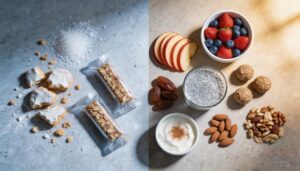
You know those cookies and snack bars that promise quick energy? They’re loaded with refined sugar and flour, spiking your Glycemic Index Impact.
Additive Flavor Enhancers keep you reaching for more, while fiber is nowhere to be found.
Try Portion Control Strategies, swap in Fiber‑Rich Swaps, and choose low glycemic sweeteners or real food snacks for Sugar Craving Management and nutrient-dense, non-toxic foods.
Processed Deli Meats and Hot Dogs

That sugar rush from desserts isn’t the only thing to watch—processed deli meats and hot dogs bring their own baggage.
Nitrite Risks and Sodium Overload stack up, with N-nitroso Carcinogens lurking behind the “uncured” label.
Preservative Regulations and Labeling Transparency are spotty, so keep these off your nontoxic foods list.
Choose organic whole foods for safer nontoxic meal planning and swaps.
Packaged Chips and Ultra-processed Snacks

While that satisfying crunch might call your name, packaged chips and ultra-processed snacks are a chemical exposure minefield—Sodium Overload, Artificial Flavorings, and Crunchy Texture Engineering all work together to keep you reaching for more.
Hidden additives and packaging waste impact add up fast.
Reach for organic whole foods, low pesticide produce, and healthy snack swaps for truly nontoxic foods.
- Artificial flavorings boost taste but mask quality
- Crunchy texture engineering increases overeating
- Hidden additives and packaging waste harm health and environment
Refined White Grains and Low-fiber Staples

Even though refined white grains seem harmless, they’re stripped of fiber and nutrients, leaving mostly empty carbs that spike your glycemic index. Processing Additives and shelf-life extension come at the cost of mineral depletion and texture differences.
Swap these low-fiber staples for whole grains, legumes, or fiber-rich options—boosting nutrient density and supporting a plant-based diet that keeps your gut happy.
Industrial Seed Oils Used in Processed Foods
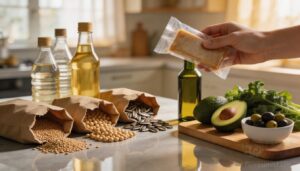
While you’re scanning ingredient lists, industrial seed oils—like canola, soybean, and sunflower—often sneak in as “vegetable oil.” Their refining process hazards include hexane extraction risks, trans fat formation, and oxidation byproducts.
Regulatory gaps mean toxic exposure reduction falls on you. Swap these for healthy fats like avocado or olive oil to boost nutrient density, support a plant‑based diet, and add anti‑inflammatory foods.
Healthy Alternatives to Toxic Drinks

Drinks are often overlooked regarding hidden chemicals and sugars. Swapping out toxic beverages can make a big difference in how you feel every day.
Here are some easy options to help you upgrade what’s in your glass.
Sparkling Water With Lemon Instead of Soda
Ready to ditch soda for good? Try sparkling water with a DIY lemon infusion—it’s a low-calorie refreshment bursting with citrus aroma and that satisfying carbonation mouthfeel.
You get a gentle vitamin C boost, minus the chemicals. This swap fits right into a chemicalfree lifestyle, promotes a healthy home, and aligns with sustainable, ecofriendly practices for your chemicalfree household.
Organic, Mold-free Coffee Instead of Energy Drinks
Craving energy without a chemical cocktail?
Swap those synthetic energy drinks for organic, mold-free coffee—nature’s own pick-me-up.
You get Caffeine Natural, not a lab blend, and with Organic Certification plus Mold Testing and Roast Date Transparency, you know what’s in your cup. Choose fair trade organic coffee for:
- Bean Freshness
- Affordable non-toxic product swaps
- A chemical-free lifestyle
- A healthier home
Herbal Teas Instead of Artificially Flavored Beverages
Why settle for fake flavors when you can steep real botanicals? Herbal teas—like chamomile, peppermint, or rooibos—deliver Botanical Flavor Profiles and Herbal Tea Benefits without synthetic fragrances or artificial preservatives.
Try Cold Brew Herbal or DIY Sweetener-Free Teas using organic certification and sustainable tea packaging. You get natural ingredient substitutes, pure hydration, and a soothing ritual that’s truly non-toxic.
Fruit-infused Filtered Water for Daily Hydration
If you’re tired of artificial flavors, fruit‑infused filtered water is your ticket to a chemical‑free life. Choose flavor pairings like lemon and berries, use glass or stainless steel containers, and rely on PFAS water filters for non‑toxic living.
For a healthy home:
- Filtered tap water for clean taste
- Safe container materials
- Infusion timing matters
- Follow safety practices
Unsweetened Coconut Water Instead of Sports Drinks
Looking for clean eating after fruit‑infused water? Unsweetened coconut water offers electrolyte balance without the sugar rush of sports drinks. It’s lower in calories, aids hydration timing, and keeps sodium content in check.
Swap out engineered drinks for this non‑toxic option—especially after lighter workouts. Pair it with organic fruits and vegetables for safe eating and healthy benefits of non‑toxic living.
Healthy Alternatives to Refined Sweeteners

Cutting back on refined sugar doesn’t mean you have to give up sweetness. There are plenty of tasty swaps that are better for your body and still satisfy your cravings.
Here’s how you can make smarter choices when you want something sweet.
Raw Honey Instead of Table Sugar
When you switch from table sugar to raw honey, you get a richer flavor profile, lower caramelization temperature, and a unique crystallization process.
Raw honey’s nutrient content—trace minerals and flavonoids—adds health benefits of toxin reduction.
It often has a gentler glycemic impact.
Add it to your nontoxic foods list alongside organic fruits and vegetables for safe eating and reduced toxin intake.
Organic Maple Syrup Instead of Corn Syrup
If you’re already reaching for raw honey, organic maple syrup deserves a spot in your food detox toolkit. Its Antioxidant Benefits and Mineral Content (like manganese and zinc) outshine corn syrup’s empty calories.
The Flavor Profile is pure, sap-derived, with a lower Glycemic Impact. Sustainable Production and organic certification mean you’re choosing healthy benefits of non‑toxic foods.
- Antioxidant Benefits
- Mineral Content
- Sustainable Production
Mashed Banana for Natural Baking Sweetness
When you mash banana into your batters, you’re not just lowering Glycemic Impact—you’re boosting Moisture Retention and Binder Replacement, making Crumb Softness a breeze. Flavor Pairing with cinnamon or chocolate turns simple whole foods into healthy alternatives.
Choosing non-toxic foods like organic fruits and vegetables for safe eating brings real health benefits, especially compared to processed sweeteners.
Unsweetened Applesauce in Homemade Desserts
Even when you crave dessert, unsweetened applesauce offers Moisture Retention and Fat Substitution, creating a tender crumb and smooth Baking Structure. Its gentle Flavor Profile pairs well with cinnamon, letting you enjoy healthy benefits of consuming non‑toxic foods.
Choosing applesauce from organic fruits and vegetables for safe eating gives you a Nutrient Boost—think fiber and vitamin C—without processed food drawbacks.
Fresh Fruit to Satisfy Sweet Cravings
While your sweet tooth might call for cookies, reaching for fresh fruit gives you a Berry Fiber Boost and a punch of antioxidants. With Citrus Sweetness or the pop of Seasonal Fruit Variety, you satisfy cravings using a Natural Sugar Profile, not refined sugar.
Portion Control Strategies are simple—one apple, a cup of berries—delivering nutrient dense snacks that fit a whole food diet.
Healthy Alternatives to Seed Oils

Seed oils show up in so many packaged foods, but there are safer options you can use every day.
If you’re ready to switch up your cooking fats, you’ll find plenty of healthy choices that taste great and support your well-being.
Here are some easy swaps to try in your kitchen.
Avocado Oil for High-heat Cooking
Looking for a nontoxic cooking oil that won’t break down under heat? Avocado oil is your answer.
Its Smoke Point Advantages (520°F) and Oleic Acid Stability mean it’s perfect for searing, stir-frying, and wok cooking.
Here’s why it stands out:
- Polymerization Resistance
- Healthy fats (monounsaturated)
- Flavor Pairings
- Chemical-free cooking
- Storage Tips
Extra-virgin Olive Oil for Dressings
Ever wonder why extra virgin olive oil is the star in healthy dressings? Its polyphenol boost and monounsaturated healthy fats make salads taste vibrant and support anti-inflammatory foods. For best results, use a 3:1 oil-to-acid ratio, emulsify with Dijon, and store in dark glass.
Here’s a quick guide:
| Flavor Pairing | Acid Ratio |
|---|---|
| Mild Fruity | Lemon Juice |
| Bold Peppery | Balsamic Vinegar |
| Nutty Almond | Apple Cider Vinegar |
| Medium Grassy | Red Wine Vinegar |
| Herb Infused | Fresh Citrus |
Butter and Ghee for Traditional Cooking
Did you know ghee is nearly pure healthy fat and totally lactose free? Butter and ghee bring rich flavor development and high-heat stability to cultural recipes, making them stars in a nontoxic kitchen makeover.
Ghee’s long shelf life means less waste, and both fit beautifully with sustainable kitchen materials. Swap seed oils for these nontoxic cooking classics—your taste buds will thank you.
Coconut Oil for Occasional Baking
If you’re craving a Vegan Fat Swap that won’t compromise flavor, coconut oil is your go-to for occasional baking.
With Smoke Point Guidance—refined for high heat, unrefined for subtle coconut notes—it’s perfect for Texture Enhancement in muffins or quick breads.
Storage Stability means less waste, and it’s a nonstick alternative that keeps your kitchen chemical free with nontoxic cooking utensils.
Tips for Spotting Hidden Oils on Labels
Swapping coconut oil for baking is one thing, but food label reading is your real shield against chemical exposure. Ingredient order clues help you spot hidden oils—if “soybean oil” or “canola oil” shows up early, that’s your red flag.
Oil alias detection, blend labeling, and “may contain” language signal mixed fats. Watch for hydrogenated oil flags to keep your foods non‑toxic.
Healthy Alternatives to Processed Proteins

Processed meats can sneak in more chemicals and additives than you might expect.
If you want cleaner protein options, there are easy swaps that taste great and keep things simple. Here’s how you can make better choices for your meals.
Wild-caught Salmon Instead of Processed Meats
When you choose wild-caught salmon over processed meats, you’re getting a whole-food protein that’s rich in omega-3 fatty acids—key for anti-inflammatory foods and Omega-3 Benefits.
Lower Fat delivers a Micronutrient Boost (like calcium and iron), and Reduced Contaminants. It’s a smart move for anyone wanting nontoxic foods, healthy fats, and a cleaner, more nourishing plate.
Sardines and Mackerel for Cleaner Omega-3s
If wild-caught salmon isn’t on your plate, sardines and mackerel step up with cleaner omega-3s—EPA and DHA—plus a Calcium Boost from sardines’ edible bones.
These Low Mercury Fish pack protein, healthy fats, and B vitamins.
Canned Omega Convenience makes them easy to stash and serve, supporting Sustainable Ocean Harvest and helping you skip processed meats for good.
Leftover Roast Chicken Instead of Deli Slices
When you use leftover roast chicken instead of deli slices, you gain Flavor Customization and Nutrient Retention—plus you cut down on Food Waste Reduction. It’s a smart nontoxic food swap: you control Portion Control, skip Additive-Free Protein, and avoid extra chemical exposure.
This whole-food approach promotes nontoxic living and brings healthy benefits of consuming nontoxic foods straight to your plate.
Eggs as a Simple Whole-food Protein
Even if you’re on a plant-based diet, eggs offer a complete Amino Acid Profile, making them a go-to for Low Carb Breakfasts and Satiety Benefits. Thanks to their Digestibility Advantages, cooked eggs fit easily into nutrient-dense snacks.
Experiment with Cooking Methods—scrambled, boiled, baked—to keep meals interesting.
Eggs belong on any Guide to nontoxic foods list, bridging Whole foods versus processed foods affordably.
Unsweetened Almond or Oat Milk Alternatives
When you’re hunting for nontoxic foods, unsweetened almond milk and oat milk stand out as plant-based milk stars.
Label Reading Tips help you spot “zero added sugar.” Ingredient Simplicity means fewer fillers.
Heat Stability, oat milk shines in coffee.
Nutrient Comparison? Almond milk is lighter, oat milk creamier. Environmental Impact? Both trump dairy alternatives for sustainability.
Healthy Alternatives to Processed Snacks

Processed snacks are everywhere, but you don’t have to settle for them. There are plenty of tasty swaps that are better for your body and your peace of mind.
Here’s how you can snack smarter without missing out on flavor or crunch.
Fresh Fruit Instead of Candy
Ever notice how a bowl of berries or crisp apple slices feel more satisfying than a handful of candy? That’s Hydration Volume and Low Glycemic power at work—plus you get a Vitamin C Boost and antioxidants.
Snack Pairing with yogurt or nuts turns fruit into a nutrient-dense snack, reducing exposure to chemicals through diet and supporting the health benefits of consuming non-toxic foods.
Carrot Sticks and Cucumbers Instead of Chips
Why settle for greasy chips when you can grab crisp carrot sticks and cucumber slices?
You get a Fiber Boost, Calorie Savings, and Hydration Support in every bite. Their Micronutrient Profile—vitamin A, K, C, and potassium—makes them nutrient-dense snacks.
Dip Pairings like hummus keep things satisfying, fitting perfectly with a plant-based diet and non-toxic food swaps.
Raw Nuts and Seeds Instead of Packaged Snacks
Looking for a snack that’s both crunchy and nutrient dense?
Raw nuts and seeds deliver healthy fats, plant protein, and fiber—real anti-inflammatory foods you can portion easily for smart Portion Control Strategies.
They’re shelf-life champions, support sustainable sourcing, and work for most diets (just mind Allergy Considerations).
Pair with whole grains and legumes for non-toxic options that actually satisfy.
Air-popped Popcorn for Crunchy Cravings
If raw nuts and seeds aren’t calling your name, air-popped popcorn is a crunchy must-try. It’s a Whole Grain Snack that packs a Fiber Boost and helps Calorie Control—about 100 calories for three cups.
Try Flavor Variations like smoked paprika or lemon zest.
With proper Popcorn Storage, you’ve got a non-toxic snack ready for any craving.
Sweet Potato Wedges Instead of Fries
Craving fries?
Sweet potato wedges are your Fiber Rich Side, with a Beta Carotene Boost that helps eye health and immunity.
Oven Roasting Benefits mean you use less oil—making this a Low Calorie Option and a win for portion control tips.
You get all the healthy benefits of nontoxic foods, plus a nutrient‑dense snack that fits a plantbased, antiinflammatory foods lifestyle.
Oats, Quinoa, and Brown Rice Over Refined Grains
If you want a snack that works as hard as you do, oats, quinoa, and brown rice are your go-to. You’ll get Fiber Satiety, a boost in Micronutrient Density, and real Antioxidant Content—plus, these whole grains and legumes are stars for Gut Microbiome Support and Complete Protein. That’s the kind of swap that brings real, lasting health benefits.
Oats, quinoa, and brown rice keep you full, fuel your gut, and deliver real nutrition every time you snack
- Feel fuller, longer—no more crash-and-burn hunger
- Support your gut and overall well-being
- Savor real food with plant-based diet power
Top 5 Non-Toxic Lifestyle Picks
If you’re ready to upgrade your routine, switching to safer personal care is a smart next step. These top picks make it easy to cut out hidden toxins and support your health every day.
Here’s a handful of favorites to help you get started.
1. Organic Vegan Dry Shampoo Powder Lavender
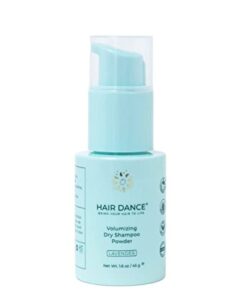
Ever wonder if your hair routine could be as clean as your diet?
Organic vegan dry shampoo powder in lavender skips benzene, talc, parabens, and phthalates—no nasty surprises. The refillable pump delivers plant-based powders like kaolin clay and arrowroot, soaking up oil without weighing you down.
You get a light floral scent, gentle for sensitive scalps, and it’s perfect for travel or mornings on the run.
The powder can be messy, but you’ll dodge harsh chemicals and keep your scalp happy.
| Best For | People who want a natural, vegan dry shampoo that’s gentle on sensitive scalps and convenient for travel or busy mornings. |
|---|---|
| Vegan | Yes |
| Cruelty-Free | Yes |
| Natural Ingredients | Yes |
| USA Made | Yes |
| Scented | Lavender |
| Hair Care | Dry Shampoo |
| Additional Features |
|
- Free of harsh chemicals like benzene, talc, and parabens
- Refillable, eco-friendly packaging with a pleasant lavender scent
- Works for all hair colors and adds lightweight volume
- Powder can be messy and the pump may overspray
- May leave visible white residue if not fully brushed out
- Small size means frequent repurchasing for heavy users
2. Bread Beauty Silicone Free Color Safe Hair Oil
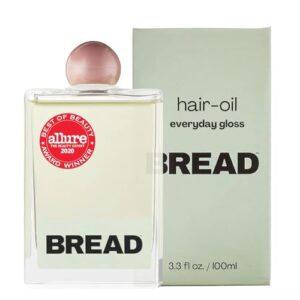
A sleek glass bottle of Bread Beauty’s silicone-free hair oil feels like a little luxury for your routine. You get shine and softness without the sticky residue or hidden toxins—no silicones, phthalates, or parabens here.
The strawberry-like scent is gentle, though it can be sweet for some.
It’s color-safe, vegan, and works for curls, waves, or straight strands.
Just a few drops tame frizz and boost gloss, making your hair manageable and hydrated without weighing it down.
| Best For | Anyone looking for a lightweight, silicone-free hair oil that adds shine and softness, especially those with curls, textured, or color-treated hair. |
|---|---|
| Vegan | Yes |
| Cruelty-Free | Yes |
| Natural Ingredients | Yes |
| USA Made | Yes |
| Scented | Strawberry-like |
| Hair Care | Hair Oil |
| Additional Features |
|
- Leaves hair glossy and soft without sticky residue
- Vegan, cruelty-free, and color-safe for dyed hair
- Works well for daily use or overnight moisture treatments
- Sweet strawberry-like scent may be too strong for scent-sensitive users
- Pump dispenses a small amount, which can feel wasteful
- Might weigh down very fine hair if used as a leave-in
3. Cliganic Organic Jojoba Oil
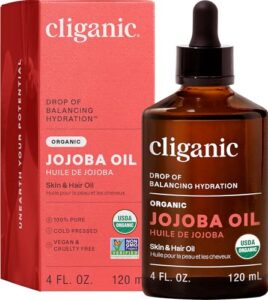
Even if your skin feels sensitive or ultra-dry, Cliganic Organic Jojoba Oil offers gentle, fast-absorbing hydration without greasy residue. It’s pure, cold-pressed, and USDA organic—no synthetic additives, hexane, or GMOs.
You can use it for face, scalp, nails, or as a base for DIY creams.
For those battling acne, redness, or flaky scalp, this oil helps balance and soothe.
Packaging varies, but the recyclable glass bottle keeps things eco-friendly.
Patch-test first, and store away from sunlight for best results.
| Best For | Anyone looking for a gentle, all-natural moisturizer that works for sensitive, dry, or acne-prone skin. |
|---|---|
| Vegan | Yes |
| Cruelty-Free | Yes |
| Natural Ingredients | Yes |
| USA Made | Yes |
| Scented | None |
| Hair Care | Jojoba Oil |
| Additional Features |
|
- USDA-certified organic, cold-pressed, and free from synthetic additives
- Multipurpose—great for face, scalp, nails, and DIY cosmetics
- Fast-absorbing and non-greasy, suitable for all skin types
- Packaging may leak or vary between pump and dropper styles
- Shelf-life is limited once opened; needs careful storage
- Doesn’t contain therapeutic actives for severe skin conditions
4. Innersense Natural Hold Styling Gel
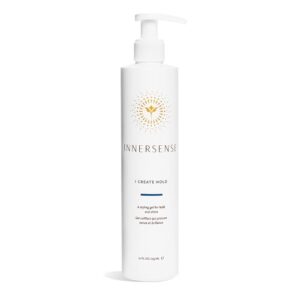
If you’re tired of gels that leave your curls stiff or sticky, Innersense Natural Hold Styling Gel is a welcome change. It’s honey- and aloe-based, with nettle and rooibos extracts for shine and strength—plus a light, herbal scent.
You’ll get structure and definition without flaking or crunch, and it washes out easily. The gluten-free, certified non-toxic formula works well for curly, wavy, or slicked-back styles.
Just scrunch in a small amount for flexible, all-day hold.
| Best For | People with curly or wavy hair who want a firm, flexible hold without crunch or stickiness. |
|---|---|
| Vegan | Yes |
| Cruelty-Free | Yes |
| Natural Ingredients | Yes |
| USA Made | Yes |
| Scented | Herbal |
| Hair Care | Styling Gel |
| Additional Features |
|
- Enhances shine and curl definition without flaking.
- Made with organic, non-toxic ingredients and a fresh scent.
- Holds up well in humidity and washes out easily.
- Premium price compared to drugstore gels.
- Thick consistency can make brush styling tricky.
- May leave very tight or fine hair feeling dry unless paired with extra moisture.
5. Aveda Nutriplenish Leave In Conditioner
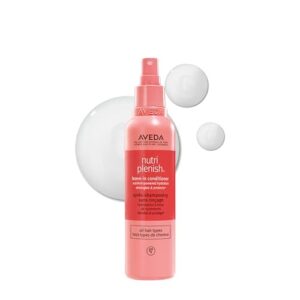
Want hair that feels as healthy as your diet? Aveda Nutriplenish Leave In Conditioner hydrates for up to 72 hours, shields against heat and UV, and detangles without weighing you down.
The 98% naturally derived formula—think plant oils and butters—makes combing easier, adds shine, and helps control frizz.
It’s gentle enough for kids’ hair, but strong enough for thick, curly, or colored strands.
Use a small amount; too much can leave hair overly soft. At $47, it’s a premium pick.
| Best For | Anyone looking for lasting hydration, heat and UV protection, and easy detangling—especially those with dry, colored, curly, or kids’ hair. |
|---|---|
| Vegan | Yes |
| Cruelty-Free | Yes |
| Natural Ingredients | Yes |
| USA Made | Yes |
| Scented | Spa-like |
| Hair Care | Leave-In Conditioner |
| Additional Features |
|
- Hydrates and softens hair for up to 72 hours without feeling greasy
- Protects against heat styling and sunlight
- Works for all hair types, including kids and color-treated hair
- Pricey at $47 per bottle
- Strong fragrance may bother sensitive users
- Overuse can leave hair too soft, especially on fine strands
Frequently Asked Questions (FAQs)
What are some healthy food alternatives?
Swapping out one thing leads to another — whole grains for white rice, sparkling water for soda, nuts for chips.
Small, steady changes quietly add up to a genuinely cleaner, healthier plate.
Are there alternatives to toxic products for every room in the House?
Yes, absolutely. Every room has safer swaps. Think vinegar and baking soda for kitchens and bathrooms, dryer balls for laundry, and microfiber cloths with plain water for living spaces.
Are there healthy food substitutes for unhealthy foods and drinks?
Absolutely — and the swaps are easier than you’d think.
From sparkling water instead of soda to raw nuts over packaged chips, small changes add up quickly and make a real difference for your health.
What is the best non toxic dinnerware?
Your safest bets are tempered glass, lead-free porcelain, or 18/10 stainless steel. All three are non-reactive, easy to clean, and won’t leach chemicals into your food.
How do cooking methods affect food toxicity levels?
Think of your stove like a dial between nourishing and harmful. High heat grills and fries create toxic compounds, while steaming, boiling, and simmering keep food safer and nutrients intact.
How does food packaging leach toxins into meals?
Food packaging leaches toxins through heat, acidity, and fat. Microwaving plastic containers pushes BPA and phthalates directly into your food. Glass or stainless steel storage sidesteps this problem entirely.
What are the safest non-toxic options for children?
For kids, stick to whole foods: fresh fruit, vegetables, eggs, and water.
Skip sodas, deli meats, and packaged snacks.
Simple, minimally processed choices keep additives, preservatives, and unnecessary sugars out of their diet.
Conclusion
The moment of truth arrives when you realize your daily choices can be your greatest allies or adversaries. As you stand at the crossroads, ready to swap toxic foods for life-affirming nourishment, remember that every healthy alternative you choose is a victory.
Embracing healthy alternatives to toxic foods isn’t just about cutting out the bad—it’s about inviting vitality into your life. Make the shift, and let wellness become your new normal, starting today, for a brighter tomorrow.
- https://www.clinicspots.com/blog/dr-ramit-singh-sambyal-general-physician
- https://naturallycos.com.au/
- https://enb.iisd.org/oewg3-science-policy-panel-contribute-sound-management-chemicals-waste-prevent-pollution-summary
- https://www.niehs.nih.gov/health/topics/agents/sya-bpa
- https://www.epa.gov/sites/default/files/2017-08/documents/phthalates_updates_live_file_508_0.pdf