This site is supported by our readers. We may earn a commission, at no cost to you, if you purchase through links.

Short-coated dogs fool a lot of owners. The coat looks low-maintenance, almost self-sufficient, so grooming sessions get pushed back, skipped, or forgotten entirely.
But a Boxer or Beagle sheds more than most people expect, and without a consistent routine, that “easy” coat starts showing up on every couch cushion and dark shirt you own.
Short coat grooming frequency matters more than the length of the fur suggests. Getting it right means understanding what your dog’s coat actually needs—not what it looks like it needs. The answers are simpler than you’d think, and the payoff shows up fast.
Table Of Contents
- Key Takeaways
- What is a Short Coat in Dogs?
- How Often Should Short Coats Be Groomed?
- Why Weekly Brushing is Important
- Essential Grooming Tasks for Short Coats
- Best Grooming Tools for Short-Haired Dogs
- Health Benefits of Regular Short Coat Grooming
- Signs Your Short-Coated Dog Needs Grooming
- Adjusting Grooming Frequency by Lifestyle
- When to Seek Professional Grooming
- Tips for Stress-Free Short Coat Grooming
- Frequently Asked Questions (FAQs)
- How often should I get my short haired dog groomed?
- How often should I groom my short-haired cat?
- How to groom a short coat dog?
- Can diet affect a short-coated dogs shedding?
- Do short-coated dogs need sunscreen outdoors?
- How does stress impact a dogs coat health?
- Are certain short coats prone to skin allergies?
- Should short-coated dogs wear coats in winter?
- Conclusion
Key Takeaways
- Short-coated dogs shed more than they look like they will, so brushing 2–3 times a week is the move—not a once-in-a-while thing.
- Grooming isn’t just about fur; every session is a chance to catch skin issues, parasites, or early health problems before they get expensive.
- Nails, ears, and teeth are just as important as brushing—skip them long enough and you’ll be dealing with infections, pain, and vet bills.
- Your dog’s lifestyle matters: an active dog that loves mud needs a tighter grooming schedule than one who barely leaves the couch.
What is a Short Coat in Dogs?
Not all dog coats are created equal, and short coats are their own category with their own rules. Before you can groom your dog the right way, it helps to know exactly what you’re working with.
Knowing your dog’s exact coat type also helps you pick the right tools — a deshedding vacuum designed for short-coated dogs can make a surprising difference in keeping loose hair under control.
Here’s what defines a short-coated breed and which dogs fall into that group.
Defining Short-Coated Breeds
Short-coated breeds are often the low-maintenance dogs people picture when they imagine skipping the endless brushing sessions — but there’s more to their coats than meets the eye. Breed classification and canine genetics shape how short hair actually behaves. Some short coats shed heavily; others barely at all. Understanding your dog’s coat type helps you set the right dog grooming frequency from day one.
Short coats generally share these traits:
- Lies flat and close to the skin
- Requires minimal detangling but regular upkeep
- Varies in texture based on breed size and genetics
- Can be single or double-layered despite appearing thin
- Reflects grooming needs tied directly to coat type
Common Examples of Short-Coated Dogs
From the sleek, muscular build of a Boxer to the spotted coat of a Dalmatian, short-coated breeds span a surprisingly wide range of shapes, sizes, and personalities. Beagles, Dobermans, and Labradors all fall into this category, yet their coat variations mean grooming challenges differ.
Breed size and dog temperament influence your dog grooming frequency, so don’t assume one pet maintenance routine fits every shorthaired dog.
How Often Should Short Coats Be Groomed?
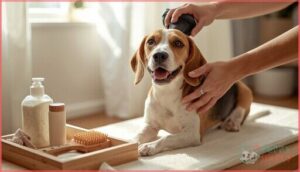
Short-coated dogs are pretty low-maintenance, but that doesn’t mean you can skip grooming altogether. Knowing the right schedule keeps your dog comfortable and your furniture a little less furry.
Here’s what you need to know about brushing and bathing frequency for short-haired dogs.
Recommended Brushing Frequency
Most short coats only need brushing 2–3 times a week — that’s it. Consistent coat maintenance keeps shedding control manageable and your dog comfortable.
Weekly brushing works well for low-activity dogs, but if yours loves rolling in the yard, bump up your grooming schedules accordingly.
Smart hair management doesn’t have to be complicated; solid brushing techniques and the right dog grooming frequency make all the difference. To further customize your care routine, check out a helpful resource like the dog grooming frequency calculator that estimates ideal schedules based on coat type and activity.
Bathing Schedule for Short-Haired Dogs
Brushing manages the day-to-day, but bathing rounds out your grooming routines for short coats. Most shorthaired dogs do well with a bath every four to eight weeks. Active dogs getting muddy outside may need one every three to four weeks.
If your dog has skin conditions, check with your vet — over-bathing strips natural oils and causes more problems than it solves. For more details, see these guidelines for based on your dog’s lifestyle and needs.
Why Weekly Brushing is Important

Weekly brushing does more for your dog than just keeping them looking neat. It’s one of those small habits that quietly works in the background, keeping your short-coated pup healthier than you might expect.
Here’s why making it a weekly routine is worth your time.
Removing Loose Hair
Every short-coated dog sheds — and without weekly brushing, that loose hair ends up on your couch, your clothes, and just about everywhere else. A simple brushing routine gives you back control.
The right brush makes all the difference, so it’s worth knowing common dog grooming mistakes to avoid before you get started.
Here’s what regular coat maintenance actually does:
- Pulls dead hair before it falls off naturally
- Cuts down shedding by nearly half
- Keeps the coat looking clean and healthy between baths
Distributing Skin Oils
Your dog’s skin quietly produces natural oils every single day — and brushing is what spreads them where they need to go. Skip that weekly session, and those natural oils pool near the skin instead of coating the full strand.
Think of it like skipping conditioner — your coat suffers for it. Consistent oil distribution keeps skin health stable, sustains coat care from root to tip, and reduces your chances of running into skin issues down the road.
Skip brushing and your dog’s natural oils stay trapped at the skin, letting coat health suffer from root to tip
Reducing Shedding and Odor
Nobody wants a couch covered in fur or a dog that clears the room. Weekly brushing manages both. It pulls out loose, dead hair before it hits your furniture — that’s fur minimization in action.
It also lifts dirt and bacteria sitting against the skin, which is the real source of that “dog smell.” Regular grooming keeps coat hygiene tight and skin balance steady, so shedding and odor stay manageable between baths.
Essential Grooming Tasks for Short Coats

Brushing gets most of the attention, but it’s only part of the picture. Short-coated dogs still need a few other basics to stay comfortable and healthy.
Here’s what you shouldn’t skip.
Nail Trimming Frequency
Nail trimming often gets overlooked, but it’s a non-negotiable part of your grooming schedule. Most shorthaired dogs need nail trims every two to three weeks. Use the Click Test Indicators — if you hear nails tapping on the floor, they’re already too long.
Activity Level Impact matters too; active dogs naturally wear nails down faster.
Don’t forget Dewclaw Maintenance Needs and Age-Related changes, as puppies and seniors need closer monitoring.
Ear Cleaning Needs
Most dog owners scrub every inch of their pup during bath time — and completely forget about the ears. That’s a fast track to ear infections, wax buildup, and even hearing loss. Check and clean ears every two to four weeks using a vet-approved solution.
Here’s what ear cleaning should cover:
- Canal cleaning to flush out debris
- Wax removal with a soft cloth or cotton ball
- Checking for redness or ear odor
- Drying thoroughly to protect skin health
Consistent pet hygiene here is non-negotiable for canine health.
Dental Care Considerations
Dental disease affects nearly 80% of dogs by age three — and skipping tooth brushing is one of the fastest ways to get there.
Brush your dog’s teeth two to three times a week using dog-safe toothpaste. Pair that with dental chews for daily tartar control and oral rinses to support gum care between sessions.
| Dental Task | Frequency |
|---|---|
| Tooth Brushing | 2–3x per week |
| Dental Chews | Daily |
| Oral Rinses | 3–4x per week |
| Vet Dental Check | Once a year |
| Tartar Control Treats | As directed |
Staying consistent with this part of dog grooming protects canine health from the inside out.
Best Grooming Tools for Short-Haired Dogs
Having the right tools makes short coat grooming faster, easier, and actually effective. Not every brush or shampoo on the shelf is built for your dog’s coat type, so knowing what to reach for matters.
Here’s what you’ll want to have on hand.
Brushes and Combs for Short Coats
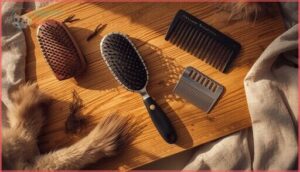
The right brush can make all the difference between a quick, easy grooming session and a frustrating struggle for both you and your dog. For short coat types, a rubber curry brush or pin brush works best — they pull loose hair without irritating skin.
Comb materials matter too; wide-tooth combs glide smoothly without scratching. Keep your tools clean after each use, and make sure handle ergonomics feel comfortable in your grip.
Choosing The Right Shampoo

Once you’ve got the right brush in hand, picking a shampoo that actually works for your dog’s short coat is the next piece of the puzzle. Not all shampoo types are created equal — your dog’s coat type and skin allergies should drive that choice.
Look for pH-balanced formulas designed for canine coat care, and go easy on fragrance options if your dog has sensitive skin. Grooming for skin health starts with what you lather on.
Additional Useful Tools
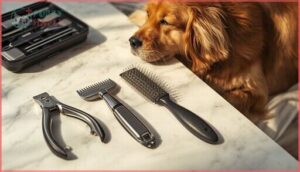
Beyond the brush and shampoo, a few extra tools can make short coat grooming faster, easier, and a lot less messy. A solid set of nail clippers keeps overgrown nails in check between appointments. Grooming kits often bundle brush sets and other essentials together, saving you money.
Even shedding rakes help during heavy shed seasons — your dog’s coat type and grooming schedule will tell you what’s worth grabbing.
Health Benefits of Regular Short Coat Grooming

Regular grooming does more than keep your dog looking clean — it plays a real role in keeping them healthy. For short-coated dogs, those weekly brushing sessions are actually your first line of defense against some common problems.
Here’s what consistent grooming protects against.
Skin Health and Early Detection
Every grooming session doubles as a health check — and that’s not an exaggeration. Regular coat care helps you catch skin issues like Sebaceous Adenitis or early Skin Cancer signs before they escalate.
Watch for these during your routine:
- Unusual lumps or bumps
- Patchy hair loss or moth-eaten appearance
- Persistent redness or scaling
- Dull coat signaling Nutritional Deficiencies
- Delayed wound healing
Early Detection starts with you.
Preventing Parasites and Infections
Regular grooming doesn’t just keep your dog looking sharp — it’s also your first line of defense against parasites and infections that can sneak up fast. Running your hands through that short coat weekly means you’ll catch fleas, ticks, or early skin infections before they spiral.
Consistent coat care makes Parasite Detection simple. Skip it, and skin issues quietly turn into bigger overall health problems that cost real money to treat.
Signs Your Short-Coated Dog Needs Grooming

Your dog can’t tell you when they need a bath, but they’ve got other ways of getting the message across. Most short-coated dogs show a few clear signs when grooming is overdue. Here’s what to watch for.
Shedding and Dullness
If your short-coated dog is leaving a trail of hair on every couch cushion and their coat has lost that healthy shine, it’s a clear sign their grooming routine needs some attention. Dull coat causes often trace back to skipped brushing sessions that disrupt natural shedding patterns and block skin health.
Watch for these three signs:
- Excessive loose hair clinging to furniture despite normal coat type
- Flat, lackluster hair texture instead of a sleek, healthy sheen
- Visible flakiness signaling poor coat conditioning and disrupted skin oils
Regular grooming resets all of this fast.
Odor and Skin Irritation
A dog that suddenly smells like a wet sock after a walk isn’t just unpleasant — it’s often your first clue that something’s off with their skin. Odor control starts with understanding irritation causes. Bacteria and yeast thrive when hygiene practices slip.
Skin infections, allergies, and other skin conditions can all flare up between grooming sessions. Adjusting your dog grooming frequency based on coat type keeps skin health in check before things escalate.
Overgrown Nails
Clicking sounds on hardwood floors aren’t just annoying — they’re your dog’s way of telling you their nails have gone way too long. Overgrown nails affect paw care, posture, and comfort. Skip regular grooming long enough, and you’re also risking nail fungus hiding underneath.
Stay ahead of your dog grooming needs with these nail health red flags:
- Nails touching the floor when standing
- Visible curling or sideways growth
- Limping or reluctance to walk
- Dark discharge around the claw trimming area
- Foul smell despite recent nail trimming
Nail clipping every 3–4 weeks keeps dog grooming frequency on track.
Adjusting Grooming Frequency by Lifestyle

Not every dog lives the same life, and your grooming routine shouldn’t pretend otherwise. A dog that spends weekends hiking through mud needs different care than one curled up on the couch all day.
Here’s how lifestyle shapes how often your short-coated dog actually needs a brush or bath.
Active Vs. Indoor Dogs
Your dog’s lifestyle has just as much say in grooming frequency as their coat does. A high-energy dog with serious exercise needs and regular outdoor hazards — think mud, burrs, and debris — needs more frequent grooming than one focused on indoor activities.
Dog energy levels and lifestyle impact how fast coats get dirty. Adjust your grooming schedule accordingly, because breed size alone won’t tell the whole story.
Seasonal Changes and Shedding
Shedding patterns shift with the seasons — and daylight effects are the real trigger, not just temperature. In spring and fall, even short-coated dogs shed more heavily as coat thickness adjusts. Environmental factors like indoor lighting can blur these cycles.
Nutritional impact matters too — omega-rich food reduces excessive seasonal shedding.
Make seasonal grooming adjustments by brushing more often during peak shedding periods to stay ahead of it.
When to Seek Professional Grooming

Home grooming works well most of the time, but there are moments when a professional’s hands make all the difference. Knowing when to hand things off isn’t giving up—it’s smart dog ownership.
Here’s when calling in a pro is the right move.
Professional Services for Short Coats
Even short-coated dogs benefit more than you’d think from a professional groomer’s trained eye and hands. Salon services go beyond a basic bath — think coat conditioning treatments, thorough ear cleaning, and nail trims done right.
Fitting professional dog grooming into your grooming schedule every four to eight weeks keeps your short coat healthy without overspending on grooming costs. It’s simple, practical, and worth it.
Mobile Grooming Options
For pet owners with busy schedules or dogs that stress out in busy salon environments, mobile grooming brings all the same professional dog grooming services right to your driveway.
A pet van or grooming truck offers a quieter, one-on-one setting — no waiting rooms, no other dogs.
Mobile bath service fits easily into your grooming schedule, keeping your dog’s coat on track without the hassle of dog salons.
Tips for Stress-Free Short Coat Grooming

Grooming doesn’t have to be a battle every time you pick up a brush. A few simple habits can make the whole process calmer for both you and your dog. Here’s what actually works.
Creating a Positive Experience
Most dogs don’t magically love grooming — you have to make them want to. Start with a gentle touch and keep sessions short. Use positive reinforcement like treats or praise to build trust.
A solid reward system turns grooming frequency from a battle into a routine they accept. Emotional bonding is the secret ingredient behind every stress-free dog grooming session.
Handling Puppies and Seniors
Puppies and senior dogs need a softer touch than the average adult dog — and once you’ve built that foundation of trust, adjusting your approach for their age makes all the difference.
Puppy socialization starts early, so introduce grooming gently. Senior care tips focus on comfort, since sensitive skin issues and stiff joints change everything. Age-specific grooming isn’t one-size-fits-all.
- Start puppy grooming introduction at 8 weeks with short, calm sessions
- Adjust your dog grooming schedule around energy levels and tolerance
- Use softer brushes for sensitive skin issues in older dogs
- Match dog grooming frequency to breed size and coat condition
- Practice special needs handling — slow movements, extra breaks, gentle praise
Frequently Asked Questions (FAQs)
How often should I get my short haired dog groomed?
Short-haired breeds generally need professional grooming every four to eight weeks.
Weekly brushing at home manages shedding control and coat maintenance between visits, keeping dog hygiene in check without breaking the bank on grooming costs.
How often should I groom my short-haired cat?
Cats handle most of their own grooming through self-grooming habits, but weekly brushing still helps with hairball prevention tips and keeps shedding manageable.
Even short-haired cats benefit from regular grooming as part of a solid pet care routine.
How to groom a short coat dog?
Grooming a short coat dog is simpler than you’d think.
Follow basic Brushing Technique Steps weekly, use proper Bathing Process Guide monthly, dry thoroughly, and clean the face — that’s solid dog coat maintenance covered.
Can diet affect a short-coated dogs shedding?
Yes, diet absolutely affects shedding. Dog food rich in omega-3 fatty acids promotes coat health and reduces excess shedding.
Nutritional considerations like protein quality and dietary effects directly influence dog wellness and overall shedding factors.
Do short-coated dogs need sunscreen outdoors?
Yes — short-coated dogs can get sunburned. Their thin coat offers little UV protection, so Sunscreen Application on exposed areas promotes UV Safety, prevents Skin Cancer, and protects overall health during outdoor adventures.
How does stress impact a dogs coat health?
Stress is a silent thief — it steals from your dog’s coat before you notice. Elevated cortisol causes coat damage, dull fur, and skin issues. Reducing anxiety promotes overall health and keeps canine hygiene on track.
Are certain short coats prone to skin allergies?
Certain coat types do carry breed predispositions toward skin conditions. Boxers and Dalmatians, for example, are more prone to skin issues — making allergy testing and consistent grooming part of maintaining their overall health.
Should short-coated dogs wear coats in winter?
Absolutely — without one, a short-coated dog in freezing temps might as well be wearing a t-shirt in a blizzard. Winter Coat Benefits are real: Thermal Insulation and Climate Adaptation matter for breed-specific grooming needs.
Conclusion
The less you groom a short coat, the more it demands your attention—in shed hair, skin flare-ups, and a dog that’s quietly uncomfortable. That’s the trap most owners fall into.
Short coat grooming frequency isn’t about vanity; it’s about staying ahead of problems before they start. A rubber brush, a weekly routine, and eyes that actually look at your dog’s skin—that’s all it takes to keep everything running smoothly.
- https://www.woofies.com/blog/pet-grooming/how-often-should-you-groom-your-dog-a-complete-g/
- https://kontota.com/how-often-bathe-short-haired-dog/
- https://waggz.com/blog/dog-breed-guide-how-often-should-i-groom-my-pet/
- https://www.sudsnpupsdoggroomingandwashinc.com/blog/how-to-groom-short-haired-dogs/
- https://whitneyvet.com/how-often-should-dogs-be-groomed/