This site is supported by our readers. We may earn a commission, at no cost to you, if you purchase through links.
A patch of crusty skin on your dog’s muzzle isn’t always a sign of allergies or a rough play session—it could be the first clue to a zinc deficiency dog skin problem. Certain breeds, especially northern types like Huskies and Malamutes, battle this hidden culprit more often than most.
When zinc levels drop, you’ll notice more than flaky skin; hair thins, infections creep in, and your dog’s comfort slips away. Understanding the subtle signs and underlying causes gives you the power to protect your dog’s health, starting with the skin and stretching far beyond.
Table Of Contents
- Key Takeaways
- What is Zinc Deficiency in Dogs?
- Causes of Zinc-Responsive Dermatosis
- Dog Breeds Prone to Zinc Deficiency
- Skin Problems Linked to Zinc Deficiency
- How to Recognize Zinc Deficiency Symptoms
- Diagnosing Zinc-Responsive Dermatosis
- Treatment Options for Zinc Deficiency Skin Issues
- Preventing Zinc Deficiency in Dogs
- Long-Term Management and Prognosis
- Frequently Asked Questions (FAQs)
- How to tell if your dog has a zinc deficiency?
- How do you fix a dog’s zinc deficiency?
- What does zinc deficiency look like on skin?
- What dog breeds are prone to zinc deficiency?
- Can zinc deficiency affect a dogs immune system?
- How does zinc interact with thyroid function in dogs?
- What foods are naturally high in zinc for dogs?
- Can puppies develop zinc deficiency skin problems?
- How long does recovery from zinc deficiency take?
- Conclusion
Key Takeaways
- Breeds like Siberian Huskies and Alaskan Malamutes are genetically wired to absorb only about 25% of dietary zinc, meaning even a well-balanced diet won’t protect them without targeted supplementation.
- The earliest signs of zinc deficiency show up on the skin—crusty lesions around the eyes and muzzle, patchy hair loss, and thickened paw pads—often weeks before owners connect the dots to nutrition.
- Plant-heavy dog foods and excess calcium supplementation actively block zinc absorption in the gut, so a premium label doesn’t guarantee your dog is actually getting the zinc it needs.
- With consistent oral zinc supplementation and dietary correction, most dogs see clear skin improvement within two to four weeks and full recovery within eight weeks—making this a very manageable condition when caught early.
What is Zinc Deficiency in Dogs?
Zinc deficiency in dogs occurs when your pet doesn’t absorb or receive enough of this essential trace mineral, leading to a specific skin condition called zinc-responsive dermatosis. This nutritional imbalance disrupts normal immune function, thyroid regulation, and cell development—particularly affecting skin, hair, and nails.
Since zinc absorption is already a challenge, choosing a nutrient-dense dog food formulated for healthy weight and digestion can help ensure your dog actually gets what their body needs.
To understand why zinc matters so much for your dog’s health, let’s examine three critical areas where this mineral plays an irreplaceable role.
The Role of Zinc in Canine Health
Zinc is a trace mineral your dog can’t produce internally, so canine nutrition depends entirely on dietary sources like meat and organ tissues.
It enhances immune function by activating white blood cells that fight infection, drives skin regeneration through collagen production and cell replication, and regulates hormones affecting metabolism and reproduction.
Zinc bioavailability determines how much your dog actually absorbs, making proper zinc supplementation critical when diet alone falls short. Learn more about zinc’s role in immune and skin health for dogs.
How Zinc Deficiency Affects Dog Skin
When zinc absorption falls below your dog’s needs, the skin barrier breaks down at a cellular level, disrupting keratinization and weakening the protective outer layer. This triggers zinc-responsive dermatosis, a canine skin condition marked by crusting, scaling, and inflammation—especially around the eyes, muzzle, and pressure points.
Mineral balance is critical in dog nutrition because zinc deficiency sets off a cascade of canine dermatology problems, from secondary infections to chronic skin lesions. Learn more about the diagnostic process and zinc responsive dermatosis syndromes in French Bulldogs.
Prevalence of Zinc Deficiency in Dogs
Although true dietary zinc deficiency in dogs remains uncommon in general practice, zinc-responsive dermatosis shows clear breed distribution and demographic patterns. Northern breeds—especially Siberian Huskies and Malamutes—dominate documented cases, while recent dermatology reports now include French Bulldogs. Geographic patterns often mirror local breed populations, and environmental factors like seasonal stress can trigger flare-ups in predisposed dogs.
- Around 40% of zinc-responsive dermatosis cases appear before two years of age
- Siberian Huskies represent the largest share of documented canine skin conditions linked to zinc
- Most lesions in northern breeds emerge between September and April
- Home-prepared or unconventional dietary trends increase risk in any region
- Kennels housing multiple at-risk breeds may see clusters despite overall rarity
Causes of Zinc-Responsive Dermatosis
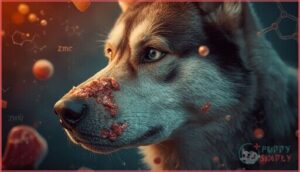
Zinc-responsive dermatosis doesn’t happen by chance—it’s the result of specific, identifiable factors that interfere with your dog’s ability to maintain adequate zinc levels.
Some dogs are born with a genetic disadvantage, while others develop problems due to diet or underlying health conditions. Understanding the root cause in your dog’s case is essential for effective treatment and long-term management.
Genetic Predisposition and Breed Risks
Some dogs are simply born with a zinc uptake problem. Hereditary defects in zinc absorption mean your Siberian Husky, Alaskan Malamute, or other Nordic breeds may absorb only 25 percent of dietary zinc—no matter how balanced the food. This inherited trait drives zinc-responsive dermatosis in Alaskan breeds, and stress events like illness trigger flare-ups even on proper diets.
| Breed Group | Genetic Factors | Key Characteristics |
|---|---|---|
| Alaskan/Nordic Breeds | Type 1 hereditary zinc malabsorption | Absorb ~25% normal zinc levels; lifelong management needed |
| Large/Giant Breeds | Suspected genetic vulnerability during growth | Dobermans, Great Danes show higher risk; often transient |
| Bull Terriers | Severe inherited zinc metabolism disorder (mkln1 mutation) | Lethal acrodermatitis; stunted growth, early death common |
| French Bulldogs | Emerging breed recognition for Type 1 pattern | Thick crusted lesions; reacts to zinc supplementation |
| Non-Arctic At-Risk | Variable hereditary zinc responsive dermatosis | Pharaoh Hounds, Standard Poodles, Labs, German Shepherds |
Dietary Factors and Poor Nutrition
Even premium-label foods can fail your dog if they’re packed with cereals and soy—plant-heavy diets bring phytates that bind zinc in the gut and slash absorption. Mineral interactions matter: iron, copper, and high fiber all interfere with zinc uptake, turning balanced labels into nutritional disorders your dog’s skin will show you first.
Even premium dog food can betray your pet when plant-heavy ingredients bind zinc before absorption begins
Large-breed puppies face particular risk when excess calcium from dietary supplements competes with bioavailable zinc.
Health Conditions Affecting Zinc Absorption
Malabsorption disorders disrupt zinc uptake before your dog’s skin can use it. Chronic inflammation from inflammatory bowel disease damages the duodenum and ileum, cutting absorption by 75 percent in some breeds.
Breeds prone to gut inflammation often face compounding issues, as mineral deficiency in dogs frequently triggers both the skin and organ complications that follow poor absorption.
Endocrine imbalance—especially hypothyroidism—slows zinc transport and conversion. Liver dysfunction alters storage; kidney disease increases urinary loss.
Gastrointestinal issues speed transit time, leaving too little contact for nutritional disorders to correct themselves.
Dog Breeds Prone to Zinc Deficiency

Zinc deficiency doesn’t affect all dogs equally—some breeds face a markedly higher risk than others. Genetic factors, growth rates, and metabolic differences mean certain dogs are practically hardwired for zinc absorption problems.
Let’s look at which breeds you need to watch most carefully.
Alaskan and Northern Breeds
Siberian Huskies, Alaskan Malamutes, and Samoyeds top the list for zinc-responsive dermatosis due to genetic factors affecting zinc absorption. Even when you feed a balanced diet, these northern breeds often can’t process zinc efficiently, leading to characteristic skin lesions around the eyes, muzzle, and pressure points.
Key concerns include:
- Hereditary intestinal zinc malabsorption requiring lifelong zinc supplementation
- Stress triggers (heat cycles, illness) worsening skin lesions in dogs
- Secondary bacterial or yeast infections complicating zinc deficiency in dogs
Most affected Alaskan breeds show symptoms before two years of age and need consistent breed management.
Large and Giant-Breed Puppies
Great Danes, Doberman Pinschers, and other large-breed puppies face a unique challenge during rapid growth—their expanding bodies can outpace zinc absorption, triggering zinc-responsive dermatosis. You’ll notice crusty skin lesions around the mouth, eyes, and foot pads when diet formulation doesn’t match their developmental needs.
Poor puppy nutrition, excessive calcium supplementation, or phytate-rich diets interfere with zinc absorption. Most cases resolve with proper zinc supplementation and balanced dog health management.
Other At-Risk Breeds
While northern breeds get most attention, you should know that German Shepherd Dogs, Standard Poodles, Beagles, and even Labrador Retrievers face documented zinc-responsive dermatosis risk. Breed-specific risks combine with genetic factors and dietary interactions that block absorption.
Four critical considerations for these breeds:
- Calcium-heavy diets bind zinc in Dobermans and Labs, triggering nutrient deficiencies despite adequate intake
- Plant-based foods rich in phytates interfere with zinc uptake in German Shepherds
- Rapid growth periods in Standard Poodles demand careful supplement guidelines to prevent skin lesions
- Inherited susceptibility in Bull Terriers causes lethal acrodermatitis, a severe canine skin health crisis requiring genetic screening
Skin Problems Linked to Zinc Deficiency
Zinc deficiency doesn’t show up the same way in every dog, but the skin tells the story first. You’ll notice specific patterns of damage that distinguish this nutritional problem from other skin conditions.
Let’s look at the four main skin problems that signal your dog isn’t getting enough zinc.
Crusty and Scaly Skin Lesions
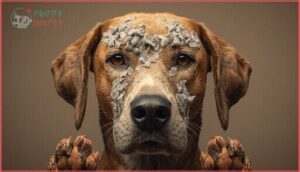
Crusty, scaly patches stand out as the hallmark of zinc-responsive dermatosis—those tightly adherent gray or white flakes that stick stubbornly to your dog’s skin. Lesion formation usually clusters around the eyes, muzzle, and ears, creating rough plaques with sharply defined edges. The compromised skin barrier allows bacterial overgrowth, worsening the skin condition. Proper zinc supplementation and careful crust removal help restore normal zinc absorption and clear these distressing skin lesions tied to zinc deficiency.
| Lesion Location | Appearance | Functional Impact |
|---|---|---|
| Eyes, muzzle, lips | Gray-white adherent crusts, “goggles” pattern | Dogs resist face handling, avoid grooming |
| Elbows, hocks | Thick plaques, hyperkeratosis | Pain from pressure, limping on rough ground |
| Footpads, nose | Rough, cracked surfaces | Bleeding fissures, reluctance to walk |
Hair Loss and Thinning

Beyond the crusty plaques, your dog’s coat tells another story—patchy baldness spreading from the eyes, muzzle, and pressure points like elbows and hocks. This zinc deficiency hallmark creates a moth-eaten appearance as hair follicles falter without adequate zinc for cell development.
Zinc-responsive dermatosis disrupts normal coat quality, leaving dry, dull fur that breaks easily.
Zinc supplements restore hair regrowth within 4–8 weeks, reversing this dermatological condition.
Redness, Inflammation, and Itching

Beneath the crusts, you’ll see bright red skin around your dog’s eyes, mouth, ears, and pressure points—classic zinc deficiency erythema that triggers persistent itching.
This inflammation management challenge centers on mucocutaneous junctions, where irritated tissue drives pruritus and discomfort. Many dogs scratch and lick affected areas weeks before lesions fully develop, making early itching relief essential in zinc-responsive dermatosis treatment.
Secondary Skin Infections
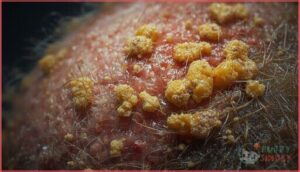
When zinc deficiency breaks down your dog’s skin barrier, bacterial infections and yeast overgrowth quickly follow. Thick crusts and cracked lesions invite Malassezia and surface pyoderma, adding pustules, grease, and that telltale musty odor to existing zinc-responsive dermatosis signs.
Microbe management through topical antimicrobials and systemic antibiotics becomes necessary, but infection control fails without correcting the underlying zinc deficiency driving these dermatological conditions.
How to Recognize Zinc Deficiency Symptoms

Catching zinc deficiency early can prevent serious skin damage and prolonged discomfort for your dog. The signs often appear gradually, starting with subtle changes you might dismiss as seasonal dryness or minor irritation.
Here’s what to watch for so you can recognize the problem before it progresses.
Early Warning Signs on Skin and Coat
You’ll often notice your dog’s coat texture shifts from soft to dry and rough before you see dramatic lesions. Zinc-responsive dermatosis begins subtly, affecting skin health at a cellular level long before obvious dermatological conditions emerge. Watch for these early mucocutaneous signs:
- Dull, matte coat that loses shine even after grooming
- Symmetric hair thinning around eyes, mouth, and ears
- Light scaling on nose bridge or between toes
- Redness along eyelids or lip margins
Behavioral Changes and Discomfort
Discomfort from zinc-responsive dermatosis extends far beyond visible skin lesions—your dog’s temperament may shift noticeably. Irritability signs include snapping during grooming, shorter tolerance for children, and guarding sore areas. Lethargy causes many dogs to lose interest in walks, while restlessness factors like nighttime scratching disrupt sleep cycles. Anxiety triggers from chronic discomfort can make confident dogs hesitant. Zinc supplementation therapy usually restores normal mood within weeks.
When to Suspect Zinc Deficiency
How can you tell when Zinc Deficiency in Dogs is more than just a passing skin issue? Look for classic Skin Patterns and Breed Signals that don’t fit allergy or flea stories. Watch for Dietary Triggers and stubborn Skin Lesions. If Supplement Interactions muddy the picture, ZincResponsive Dermatosis diagnosis moves up your list. Consider these clues:
- Symmetrical crusting around eyes, mouth, ears
- Thick, hyperkeratotic footpads
- Dull, rough coat alongside localized lesions
- Lesions worsen during growth or stress
- Skin improves after zinc supplementation
Diagnosing Zinc-Responsive Dermatosis

Getting to the bottom of zinc-responsive dermatosis requires more than guesswork—your veterinarian will rely on a combination of clinical evaluation, laboratory diagnostics, and sometimes tissue analysis to confirm the diagnosis.
Blood or hair zinc levels aren’t routinely measured because they don’t reliably reflect what’s happening in your dog’s skin. Instead, the diagnostic process focuses on three key areas that help distinguish zinc deficiency from other skin conditions with similar appearances.
Clinical Examination and History
Your vet starts the diagnostic process with a thorough physical exam, checking coat quality, mucous membranes, and overall body condition to spot systemic issues. They’ll map skin lesions—noting crusts around your dog’s muzzle, eyes, and pressure points—while taking a detailed medical history about diet, supplements, and breed.
This clinical examination reveals dermatologic signs that guide treatment planning for zinc-responsive dermatosis and help rule out other skin conditions.
Skin Cytology and Biopsy
Your vet uses two diagnostic tools—skin cytology and biopsy—to confirm zinc-responsive dermatosis while detecting secondary infections. Here’s how these methods work together:
- Cytology: Tape presses or swabs from crusty areas identify bacteria and Malassezia yeast driving your dog’s itching.
- Biopsy sampling: Three to five punch samples from thick crusts on the face or paw pads capture diagnostic tissue.
- Histopathology: Lab analysis reveals parakeratotic hyperkeratosis, the hallmark “cap” of thick, scaly skin with retained nuclei.
- Combined approach: Cytology guides immediate infection treatment while biopsy confirms the underlying zinc deficiency.
This dual strategy distinguishes zinc-responsive dermatosis from autoimmune disorders and provides a blueprint for long-term management.
Ruling Out Other Skin Conditions
Because crusting and hair loss appear in dozens of canine skin diseases, your vet rules out allergies, parasites, infections, and endocrine disorders before confirming zinc-responsive dermatosis. Differential diagnosis involves skin scrapings for mites, flea control trials, food elimination diets, thyroid panels, and sometimes intradermal allergy testing.
A skin biopsy showing parakeratotic hyperkeratosis meets diagnostic criteria, separating zinc deficiency from other dermatological conditions in dogs.
Treatment Options for Zinc Deficiency Skin Issues

Once your vet confirms zinc-responsive dermatosis, you’ll need a multi-pronged treatment approach to restore your dog’s skin health. Treatment centers on correcting the underlying zinc deficiency while addressing any complications that have developed.
Here’s what your veterinarian will likely recommend to get your dog back on track.
Dietary Adjustments and High-Quality Foods
Your first line of defense is switching your dog to a complete, balanced diet that delivers at least 120 mg of zinc per kg of dry matter—meeting AAFCO dietary requirements for healthy skin.
Therapeutic formulas for zinc-responsive dermatosis often include bioavailable zinc like zinc proteinate, paired with named animal proteins such as salmon or bison, and omega fatty acids to support skin barrier repair and nutrient interactions.
Oral Zinc Supplementation Protocols
When diet alone won’t cut it, your veterinarian will prescribe oral zinc supplementation therapy—usually starting at 2 to 3 mg of elemental zinc per kilogram of your dog’s body weight once daily.
Zinc sulfate, zinc methionine, and zinc gluconate offer different elemental forms and bioavailability; crushing tablets and mixing them with food improves zinc absorption while minimizing stomach upset during zinc-responsive dermatosis treatment.
Managing Secondary Skin Infections
Bacterial overgrowth and yeast management demand separate attention alongside zinc supplementation. Your veterinarian will prescribe three to four weeks of systemic antibiotics for pyoderma, oral antifungal therapy like ketoconazole for Malassezia, and medicated shampoos or wipes to clear surface microbes.
Infection control remains essential—secondary skin infections recur quickly if you don’t address the underlying zinc-responsive dermatosis.
Preventing Zinc Deficiency in Dogs

Prevention beats treatment for zinc deficiency in dogs. You can protect your dog’s skin and overall health by making smart choices about diet, mineral balance, and breed-specific needs.
Let’s break down the key strategies that keep zinc levels where they should be.
Formulating a Balanced Diet
A complete, balanced commercial food that meets AAFCO profiles lays the foundation for dietary management of zinc deficiency. You’ll want animal protein as the main ingredient to support skin repair, plus a reliable zinc source such as zinc proteinate or zinc methionine for better bioavailability.
For dogs with zinc‑responsive dermatosis, consult your veterinarian or a veterinary nutritionist to design a meal plan—home‑cooked diets often need separate zinc supplementation because meat and grain combinations alone rarely deliver adequate canine nutrition and health levels.
Monitoring Mineral Interactions
Zinc absorption doesn’t happen in isolation—high dietary calcium, iron, and copper compete at intestinal transport sites, reducing how much zinc your dog actually takes up. Phytate effects from grains and legumes further block zinc metabolism by binding the mineral in complexes your dog can’t break down.
Regular veterinary check-ups tracking mineral balance and health prevent copper interaction issues and catch mineral deficiency before skin lesions appear, letting you adjust supplements or recipes to keep iron competition low.
Breed-Specific Preventive Strategies
Hereditary risk lurks in breeds like Siberian Huskies and Great Danes—so you need a proactive plan. For your dog, consider:
- Genetic Screening for Zinc-Responsive Dermatosis in Doberman Pinschers and northern breeds.
- Dietary Planning that prioritizes nutrient balance, avoiding high-phytate grains.
- Supplement Timing—give zinc separately from calcium to optimize absorption and minimize zinc deficiency recurrence.
Long-Term Management and Prognosis

Managing zinc-responsive dermatosis in your dog is a long-term commitment that goes beyond initial treatment. You’ll need to stay vigilant and work closely with your veterinarian to track progress.
Here’s what you can expect as you plan for ongoing care and your dog’s future.
Lifelong Supplementation and Diet
Ever wondered why a single missed zinc dose can trigger crusty skin lesions? For dogs with Zinc Deficiency, lifelong zinc supplementation and careful Dietary Formulation and Nutrition become your daily routine.
Consistent access to Zinc Rich Foods, precise Supplement Timing, and attention to Mineral Balance are essential for ideal Zinc Absorption, preventing Nutritional Imbalances in Dogs.
| Key Focus | Practical Example |
|---|---|
| Zinc Rich Foods | Beef, lamb, eggs |
| Supplement Timing | With food, daily |
| Mineral Balance | Avoid excess calcium |
| Dietary Zinc | 20 mg/1000 calories |
Monitoring Progress and Veterinary Check-Ups
Consistently tracking Skin Healing and sticking to Recheck Schedules is your best defense against flare-ups. Veterinary Followups include physical exams, Owner Monitoring logs, and periodic Lab Tests—each step customized for Zinc-Responsive Dermatosis Treatment. In Veterinary Medicine, your vigilance matters.
Bring food labels, note missed doses, and check trouble spots monthly. This partnership ensures precise Veterinary Diagnosis and Care.
- Monthly home skin checks
- Bringing food labels to visits
- Logging itch and lesions
Outlook for Dogs With Zinc-Responsive Dermatosis
Imagine your dog’s skin healing like a garden after drought—once Zinc Supplementation starts, most see clear Treatment Outcomes within weeks. Prognosis Factors include breed, diet, and Management Strategies.
With steady Zinc-Responsive Dermatosis Treatment and Veterinary Care, Skin Recovery is strong. Even lifelong Dermatological Disorders can be managed, keeping Skin Lesions at bay and your dog comfortable for years.
Frequently Asked Questions (FAQs)
How to tell if your dog has a zinc deficiency?
Spotting a zinc deficiency starts with your dog’s skin. Look for crusty, scaly lesions on the face, thickened paw pads, and a dull coat — classic clinical signs of zinc-responsive dermatosis.
How do you fix a dog’s zinc deficiency?
Correcting zinc deficiency in dogs means blending dietary changes, zinc supplements, and skin care under veterinary guidance. You’ll switch to balanced foods, enhance zinc absorption and bioavailability, and manage infections—ensuring nutritional balance for effective Zinc-Responsive Dermatosis Treatment.
What does zinc deficiency look like on skin?
Zinc deficiency in dogs usually shows as crusty facial lesions, patchy hair loss, thickened paw pads, redness, and hyperpigmentation — all hallmarks of zinc-responsive dermatosis affecting canine skin health.
What dog breeds are prone to zinc deficiency?
Some breeds are simply wired to absorb zinc poorly—no matter how balanced their diet looks. Siberian Huskies and Alaskan Malamutes top that list, followed by Samoyeds and certain giant breeds.
Can zinc deficiency affect a dogs immune system?
Yes, absolutely. Poor zinc absorption weakens your dog’s immune system function on multiple levels — reducing T cell activity, lowering antibody production, and increasing infection risk, making even minor threats harder for their body to fight off.
How does zinc interact with thyroid function in dogs?
Your dog’s thyroid function quietly depends on zinc. Without adequate zinc absorption, hormone regulation falters—thyroid receptors lose efficiency, T4-to-T3 conversion slows, and even zinc supplementation for zinc-responsive dermatosis can indirectly support healthier thyroid function.
What foods are naturally high in zinc for dogs?
Red meat sources like beef and lamb top the list for bioavailable zinc. Seafood options, organ meats, and zinc rich seeds round out your dog’s dietary intake naturally and effectively.
Can puppies develop zinc deficiency skin problems?
Absolutely — puppies can develop zinc deficiency skin problems. Without adequate zinc absorption, young dogs quickly show crusty skin lesions, poor coat quality, and stunted growth, making early dietary changes and zinc supplements essential for canine health.
How long does recovery from zinc deficiency take?
Most dogs show initial skin improvement within 2 to 4 weeks of starting nutritional therapy. Full recovery from zinc-responsive dermatosis, including complete skin regeneration, generally takes 4 to 8 weeks with consistent zinc dosage.
Conclusion
Some might assume crusty skin is just part of owning a northern breed—something to manage, not solve. It isn’t. Zinc deficiency dog skin problems are diagnosable, treatable, and in many cases, entirely preventable with the right nutritional strategy and veterinary guidance.
Once zinc levels stabilize, most dogs regain healthy coats, comfortable skin, and their full quality of life. You have everything you need to make that happen—start with your vet today.
- https://open.lib.umn.edu/animaldermatology2/chapter/nutritional-related-keratinization-disorders-zinc-responsive-dermatosis-dogs/
- https://vetster.com/en/wellness/how-to-treat-and-prevent-zinc-deficiency-in-dogs
- https://animalallergycolorado.com/animal-disease-index/zinc-responsive-dermatosis
- https://www.dvm360.com/view/canine-zinc-responsive-dermatosis
- https://vcahospitals.com/know-your-pet/zinc-responsive-dermatosis-in-dogs