This site is supported by our readers. We may earn a commission, at no cost to you, if you purchase through links.
When your dog’s energy fades and their gums turn pale, something’s quietly stealing oxygen from every cell in their body. Iron deficiency anemia in dogs develops slowly—often unnoticed until the shortage becomes severe enough to affect their heart, muscles, and brain.
Unlike the sudden onset of injury or infection, this condition creeps in through chronic blood loss from intestinal parasites, hidden ulcers, or tumors that bleed just a little each day. Your dog’s body compensates for months, working harder to deliver less oxygen, until one day they can’t keep up.
The good news? Once identified, iron deficiency anemia responds well to treatment, and most dogs bounce back when you address both the iron shortage and whatever’s causing it.
Table Of Contents
- Key Takeaways
- What is Iron Deficiency Anemia in Dogs?
- How Red Blood Cells and Iron Work in Dogs
- Causes of Iron Deficiency Anemia in Dogs
- Common Symptoms of Iron Deficiency Anemia
- Diagnosing Iron Deficiency Anemia in Dogs
- Treatment Options for Iron Deficiency Anemia
- Preventing Iron Deficiency Anemia in Dogs
- Prognosis and Long-Term Management
- Frequently Asked Questions (FAQs)
- What is the prognosis for a dog with anemia?
- What is the most common cause of anemia in dogs?
- How do dogs act when they are anemic?
- Can I give my dog iron pills for anemia?
- Can puppies develop iron deficiency more easily than adults?
- Are certain dog breeds more prone to this condition?
- How long does iron supplementation treatment typically last?
- Can iron deficiency anemia recur after successful treatment?
- What foods are naturally high in iron for dogs?
- Conclusion
Key Takeaways
- Iron deficiency anemia in dogs develops gradually through chronic blood loss from parasites, ulcers, or tumors rather than sudden onset, making early detection through routine veterinary checkups and watching for pale gums or lethargy essential to prevent serious organ damage.
- The condition responds well to treatment when you address both the iron shortage through supplementation and the underlying cause, with most dogs showing recovery within weeks though complete iron replenishment may take several months.
- Hookworms and fleas are among the most common preventable causes of iron deficiency anemia, making year-round parasite control and regular deworming critical protection especially for puppies whose rapid growth depletes their limited iron reserves.
- Severe symptoms like collapse, extreme weakness, bluish gums, or labored breathing at rest require immediate emergency veterinary care for oxygen support and possible blood transfusions, as these signal dangerously low oxygen levels throughout your dog’s body.
What is Iron Deficiency Anemia in Dogs?
Iron deficiency anemia happens when your dog’s body doesn’t have enough red blood cells or hemoglobin to carry oxygen effectively. This condition develops gradually in most cases and can seriously impact your dog’s energy, strength, and overall quality of life.
Without proper nutritional support, including the minerals outlined in dog vitamin requirements, recovery from iron deficiency can be slower and more complicated.
Understanding what anemia actually is, how it affects your dog’s body, and the different types you might encounter helps you recognize the problem early and get the right care.
Definition and Overview
Iron deficiency anemia in dogs is a specific anemia type where your dog’s body lacks enough iron to produce healthy red blood cells and hemoglobin. This leads to smaller, paler cells that can’t transport oxygen efficiently.
It’s usually secondary to another problem, most often chronic blood loss from the gastrointestinal tract, parasites, or poor diet, rather than being a standalone disease requiring veterinary care.
Dogs may also experience other forms of anemia, such as regenerative or immune-mediated anemia, which present with similar symptoms and require appropriate diagnosis.
How Anemia Affects Canine Health
When your dog’s red blood cells drop, their whole body feels the strain. Cardiovascular impact shows up as a racing heart even at rest, pushing cardiac output higher to deliver oxygen.
Energy levels plummet, leaving your furry companion too tired for their usual walks. Without proper iron supplementation and veterinary care, organ damage can develop as the kidneys and liver struggle under prolonged stress, while immune response weakens and growth effects stunt developing puppies.
It’s important to be aware that issues like chronic blood loss causes are often at the root of iron deficiency anemia in dogs.
Difference Between Regenerative and Nonregenerative Anemia
Understanding the bone marrow response helps you and your veterinarian make sense of hematology results. Regenerative anemia means the marrow actively replaces lost red cells, boosting reticulocyte counts above 60,000 per microliter.
Nonregenerative anemia shows inadequate production despite need. Typical causes include blood loss or hemolysis for regenerative forms, while chronic kidney disease or marrow disorders trigger nonregenerative patterns. Iron deficiency anemia in dogs often shifts between these types during progression over time.
How Red Blood Cells and Iron Work in Dogs
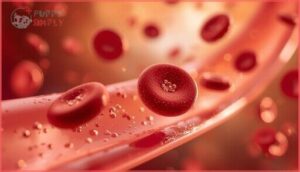
Think of red blood cells as tiny delivery trucks cruising through your dog’s bloodstream, carrying oxygen to every muscle, organ, and tissue that keeps your pup running, playing, and wagging. Iron sits at the heart of this delivery system, making the whole operation possible.
Red blood cells are tiny oxygen delivery trucks, and iron powers the entire system that keeps your dog healthy and active
Let’s break down exactly how these cells work and why iron matters so much for your dog’s health.
Role of Red Blood Cells
Think of red blood cells as tiny oxygen delivery trucks racing through your dog’s body. These cells carry oxygen from the lungs to every tissue, while also hauling carbon dioxide waste back out.
Each cell circulates for about 110 days before the spleen recycles it. When iron deficiency anemia strikes, this essential transport system breaks down, leaving your furry companion weak and breathless.
Importance of Hemoglobin and Iron
Without enough iron, your dog’s bone marrow can’t produce hemoglobin, the protein that gives red blood cells their oxygen-carrying power. Each hemoglobin molecule contains four iron atoms that bind oxygen in the lungs.
When iron levels drop, new red blood cells emerge small and pale, reducing oxygen transport throughout the body and triggering the telltale signs of iron deficiency anemia.
Oxygen Transport in The Body
Every breath your dog takes begins an extraordinary journey. Fresh air enters the lungs, where tiny alveoli transfer oxygen into the bloodstream through gas exchange. Hemoglobin in red blood cells then carries this oxygen via blood flow to every tissue, supporting cellular respiration and tissue oxygenation.
When iron deficiency anemia strikes, reduced iron levels mean fewer functional red blood cells, compromising oxygen delivery throughout your furry companion’s body. The process involves:
- Alveolar absorption – Oxygen moves from inhaled air into pulmonary capillaries
- Hemoglobin binding – Iron-containing proteins latch onto oxygen molecules
- Cardiovascular transport – The heart pumps oxygen-rich blood to organs and muscles
- Tissue extraction – Cells pull oxygen from capillaries for energy production
Causes of Iron Deficiency Anemia in Dogs

Iron deficiency anemia in dogs doesn’t usually happen overnight. Unlike a sudden accident or injury, this condition usually develops slowly as your dog loses small amounts of blood over weeks or months.
One common culprit is mineral deficiency in dogs, which weakens the immune system and makes it harder for their bodies to produce healthy red blood cells.
Let’s look at the most common reasons dogs end up with iron deficiency anemia.
Chronic Blood Loss (Ulcers, Tumors)
Chronic blood loss is the silent thief behind most iron deficiency anemia cases in adult dogs.
Gastrointestinal bleeding from stomach or intestinal ulcers oozes small amounts of blood over weeks, slowly draining your dog’s iron stores. Tumor growth in the digestive tract works the same way, creating chronic hemorrhage that’s often invisible until anemia shows up on bloodwork.
Parasites (Hookworms, Fleas)
Blood-sucking parasites are among the sneakiest culprits behind Iron Deficiency Anemia in Dogs, especially in puppies and young dogs.
Hookworms latch onto your dog’s intestinal lining and drink blood directly, while heavy flea infestations can drain enough blood to trigger anemia in smaller dogs. Here’s what makes parasite control critical for Anemia Management:
- Hookworm Treatment requires repeated deworming every 2-3 weeks to catch newly matured worms
- Flea Prevention through monthly preventives stops ongoing blood loss before iron stores drop
- Regular fecal testing catches hookworm infections early, preventing severe anemia
Effective Deworming Strategies and year-round Parasite Control protect your furry companion from these hidden threats.
Poor Diet and Malabsorption
Feeding your dog unbalanced meals or low-quality foods can directly cause Iron Deficiency Anemia through Nutrient Deficiencies.
Malabsorption Issues arising from inflamed intestines or chronic diarrhea prevent proper Iron Absorption even when diet improves.
That’s why vets assess both Gut Health and Dietary Adjustments, sometimes adding Dietary Supplements to support Iron Metabolism while addressing underlying Nutrition and Dietary Adjustments problems.
Chronic Diseases (Kidney, Liver)
When your dog’s kidneys or liver fail, Organ Dysfunction disrupts Iron Metabolism and red blood cell production, causing Iron Deficiency Anemia alongside other Blood Disorders.
Kidney Failure reduces erythropoietin, while Liver Inflammation alters iron regulation through hepcidin changes. Disease Progression worsens Anemia over time, making Iron Supplementation plus treating the underlying condition essential for restoring Canine Health.
Breed and Genetic Factors
Some breeds carry a Genetic Predisposition to Iron Deficiency Anemia in Dogs through inherited Canine Blood Disorders. American Cocker Spaniels, Miniature Schnauzers, and Poodles appear more often in anemia cases, while Basenjis and West Highland White Terriers suffer Enzyme Deficiencies that shorten red cell life.
Cell Size Traits in Akitas and Shibas can mimic iron deficiency, complicating Disease Pathophysiology and diagnosis in your dog.
Common Symptoms of Iron Deficiency Anemia
Spotting iron deficiency anemia early can make all the difference in getting your dog the right help.
The signs often build slowly over weeks or months, so you mightn’t notice them all at once. Watch for these common symptoms that signal your dog’s body isn’t getting enough oxygen-rich red blood cells.
Pale Gums and Tongue

One of the most visible anemia signs you’ll notice is a shift in your dog’s gum color changes and tongue pallor. When iron deficiency anemia in dogs develops, oral mucosa loses its healthy pink tone because fewer red blood cells carry oxygen to those tissues.
Watch for these telltale indicators of pale gums and iron deficiency anemia:
- Gums fade from bright pink to pale pink, white, or even grayish
- Tongue appears washed out instead of its normal rosy hue
- Capillary refill stretches beyond two seconds when you press the gum
- Inner eyelids also look noticeably lighter than usual
- Color change happens gradually with chronic blood loss, making it easy to miss
Checking oral mucosa regularly helps you catch canine health and wellness problems early, especially if your furry companion seems a bit off.
Lethargy and Weakness

Beyond pale color changes, fatigue factors and muscle weakness show up as some of the clearest red flags in dogs with low iron levels. Your dog’s energy levels can plummet because anemia starves muscles of oxygen, making even simple movements feel exhausting.
You’ll often see previously playful pups choosing to rest instead of join games, cutting walks short, or hesitating before climbing stairs or jumping onto furniture.
Rapid Heart Rate and Panting

As your furry companion struggles with iron deficiency anemia, you might notice heavy panting even when they’re resting, plus a heart that races faster than normal. These compensatory mechanisms happen because fewer red blood cells mean reduced oxygen delivery to tissues, so tachycardia symptoms and panting patterns develop to help:
- Move more blood despite lower hemoglobin
- Pull in extra oxygen through faster breathing
- Compensate for respiratory stress and tissue oxygen shortage
- Maintain organ function under anemia’s strain
- Signal that your dog needs iron supplementation soon
This cardiovascular response often appears alongside lethargy and pale gums.
Poor Appetite and Weight Loss

Many dogs with iron deficiency anemia pick at their food or skip meals entirely, and this poor appetite often leads to noticeable weight loss over weeks.
Digestive issues like nausea and general malaise make even favorite foods unappealing. Effective anemia recovery requires treating the underlying cause and offering nutrition therapy—nutrient-dense meals, appetite stimulation, and dietary supplements—to rebuild your dog’s strength and body condition.
Exercise Intolerance or Collapse

Exercise intolerance marks a warning sign of serious oxygen delivery problems in dogs with iron deficiency anemia. Your dog’s muscles can’t get enough oxygen during activity, so cardiovascular strain builds quickly and even short walks may trigger collapse.
- Healthy romps suddenly leave your dog panting heavily or lying down mid-play
- Rear legs wobble or give out after mild exertion, recovering only with rest
- Hot weather or excitement amplifies collapse triggers as oxygen demand spikes
- Iron supplementation helps restore normal iron levels and rebuild exercise tolerance over weeks
Diagnosing Iron Deficiency Anemia in Dogs

When your dog shows signs of anemia, your vet will use a combination of hands-on assessment and lab work to pinpoint the cause.
A complete physical exam is the first step, but blood tests and additional diagnostics give the full picture.
Here’s what to expect during the diagnostic process.
Physical Examination Findings
When your veterinarian examines your dog for iron deficiency anemia, they’ll look at several key physical signs. Pale gums and mucous membranes inside the eyelids are telltale cardiovascular signs.
Your vet will listen for heart murmurs caused by thinner blood, check respiratory changes like faster breathing, assess body condition and muscle loss, and watch for lethargy or exercise intolerance during handling.
Complete Blood Count (CBC)
A complete blood count is the main diagnostic tool your vet uses to detect iron deficiency anemia. This test measures red blood cells, hemoglobin, and hematocrit values, revealing how severe the anemia is.
Blood cell morphology shows smaller, paler cells in iron deficiency, while reticulocyte counts indicate whether your dog’s bone marrow is responding. Platelet function and red cell analysis help distinguish chronic blood loss from other causes.
Iron and Hemoglobin Tests
Once your vet suspects iron deficiency anemia, specialized blood tests reveal exactly how much iron your dog has available. These diagnostic tests measure different aspects of iron status:
- Serum Iron and Total Iron Binding Capacity – These show circulating iron and how much your dog’s transferrin proteins can carry, with typical ranges around 33 to 147 micrograms per deciliter
- Transferrin Saturation – This percentage reveals what portion of binding sites actually hold iron, usually falling between 15 and 63 percent in healthy dogs
- Serum Ferritin – Low ferritin strongly indicates depleted iron stores, though inflammation can complicate interpretation
Together, these hemoglobin and iron levels help your veterinarian confirm anemia diagnosis and separate true iron deficiency from inflammation-related problems.
Fecal Exams and Parasite Checks
Your veterinarian will check a stool sample for intestinal parasites that silently steal blood and iron. Hookworms, in particular, latch onto the gut wall and can drain puppies to life-threatening anemia.
Centrifugal fecal flotation combined with antigen tests catches twice as many infections as older methods. Regular checks protect both your furry companion and your household from zoonotic parasites.
Imaging for Internal Bleeding
When stool tests don’t explain ongoing blood loss, your veterinarian uses imaging techniques to find hidden sources inside your dog. Abdominal ultrasound and X-ray diagnosis quickly reveal fluid buildup or organ changes that point to internal bleeding. Emergency FAST protocols detect even small amounts of free blood within minutes.
CT scan imaging offers detailed maps of complex bleeds, while endoscopy procedures let vets look directly at ulcers or tumors in the digestive tract. The following methods are used to diagnose internal bleeding:
- Ultrasound shows bleeding from the spleen, liver, or kidneys without radiation exposure
- Chest X rays catch fluid around the lungs that signals serious hemorrhage
- Video capsule endoscopy finds vascular malformations missed by standard scans
Treatment Options for Iron Deficiency Anemia

Once your vet identifies iron deficiency anemia, treatment focuses on restoring your dog’s iron levels and stopping whatever’s causing the blood loss.
The approach depends on how severe the anemia is and what’s behind it. Your vet will usually combine several strategies to get your dog back on track.
Iron Supplementation (Oral and Injectable)
Iron supplementation is the cornerstone of therapy for iron deficiency anemia in dogs. Your veterinarian will likely prescribe oral supplements like ferrous sulfate—usually around 15 mg per kilogram daily—to restore iron levels and boost iron absorption.
In severe cases or when vomiting makes oral supplements impractical, injectable forms such as iron dextran deliver rapid results. Proper iron dosage and supplement safety require careful monitoring.
Treating The Underlying Cause
Supplements alone won’t fix your dog’s anemia if the bleeding or disease continues. Blood Loss Management is essential—your vet will track down the source and address it directly.
Treatment may include:
- Parasite Elimination with deworming drugs and flea preventatives to stop hookworms and fleas from draining blood
- Gut Health Restoration using acid reducers for ulcers or surgery for bleeding tumors
- Chronic Disease Control with kidney diets, medications, or immunosuppressive drugs for organ or autoimmune conditions
Effective Veterinary Care and Treatment targets the root problem alongside Iron Supplementation and Therapy.
Blood Transfusions
When your dog’s anemia is severe—usually a packed cell volume below 20 percent with rapid breathing and weakness—a Blood Transfusion can be lifesaving.
Your vet will perform Blood Typing and Donor Selection to match compatible Red Blood Cells, then monitor closely for Transfusion Reactions like fever or vomiting. This emergency step stabilizes your dog while iron therapy and treatment for the underlying cause rebuild Hemoglobin over weeks.
Dietary Adjustments and Nutrition
Alongside oral Iron Supplements, Dietary Adjustments can aid your dog’s recovery from Iron Deficiency Anemia in Dogs. Beef liver provides 5 mg of iron per 100 g and valuable proteins, while cooked lentils and sardines add plant-based and heme iron to balanced Meal Planning.
Pair iron-rich foods with vitamin C from cabbage to boost Digestive Health and Nutrient Balance, ensuring Canine Nutrition and Wellness promotes red blood cell production without triggering Food Allergies.
Preventing Iron Deficiency Anemia in Dogs

You can’t always prevent iron deficiency anemia, but you can lower your dog’s risk with consistent care and attention.
Most cases develop from ongoing issues that slip under the radar for weeks or months. Here are four practical steps to help keep your dog’s iron levels healthy and catch problems before they turn serious.
Regular Veterinary Checkups
Think of routine checkups as a safety net for your dog’s wellbeing. Most adult dogs benefit from wellness exams every six to twelve months, while seniors and those with chronic conditions may need health screening every three to six months.
These preventive measures allow your veterinarian to catch iron deficiency anemia early through complete blood counts and follow-up exams before serious symptoms develop.
Parasite Prevention and Deworming
Protecting your dog from worms and fleas isn’t just about comfort—it’s one of the most effective ways to prevent anemia. Hookworms can drain up to 0.1 milliliters of blood per worm daily, and heavy flea infestations similarly rob your furry companion of iron stores.
Key parasite control steps include:
- Starting puppy deworming at two weeks and repeating every two weeks until eight weeks old
- Using year-round heartworm preventives that also target intestinal parasites
- Applying monthly flea and tick treatments to all household pets
- Picking up feces daily to reduce environmental contamination and reinfection risk
Feeding Complete and Balanced Diets
One of the simplest shields against iron deficiency anemia in dogs is feeding a diet that meets AAFCO standards for complete and balanced nutrition.
Look for the AAFCO adequacy statement on dog food labels—it confirms your pet receives adequate dietary iron, around 80 milligrams per kilogram of dry matter, plus the copper and vitamins needed for nutrient absorption and healthy red blood cells.
Monitoring for Early Warning Signs
Catching anemia early depends on daily monitoring habits you can build at home. Check your dog’s gum color each morning—healthy pink gums signal strong oxygen delivery, while pale or white tissue raises concern.
Track breath rate during rest, log appetite changes, and feel for faster heart beats. If lethargy or exercise intolerance appears alongside pale gums, diagnosis shouldn’t wait.
Prognosis and Long-Term Management

Most dogs with iron deficiency anemia bounce back well once you and your vet identify and treat the root cause.
The timeline and ease of recovery depend heavily on what’s draining your dog’s iron stores and how far the anemia has progressed. Here’s what you can expect during recovery, how to manage tougher cases, and when to get help right away.
Recovery Expectations
Most dogs show early signs of iron deficiency anemia recovery within 5 to 7 days after starting treatment, with energy levels picking up first.
Your dog’s red blood cell counts usually rise over 2 to 4 weeks, though complete iron replenishment and full recovery can take several months. Follow-up care with repeat blood tests every 1 to 2 weeks helps track progress and prevent relapse. Exercise restrictions ease gradually as iron levels stabilize.
Managing Chronic or Severe Cases
When your dog faces severe anemia or a chronic underlying cause, long term prognosis depends heavily on disease management.
Chronic care plans usually combine iron therapy with control of kidney disease, tumors, or intestinal problems. You’ll schedule follow-up blood tests every few weeks to monitor iron deficiency anemia in dogs, adjust medications, and watch for side effects, ensuring managing anemia in dogs remains effective over months.
When to Seek Immediate Veterinary Care
Even with chronic management, certain emergency signs demand urgent treatment. If your dog shows any of these severe symptoms, don’t wait for your regular appointment—seek immediate veterinary care:
- Severe breathing problems – rapid, labored breathing or gasping at rest signals dangerously low oxygen levels
- Collapse or extreme weakness – sudden inability to stand or repeated fainting episodes
- Pale or bluish gums – white, gray, or blue mucous membranes indicate critical oxygen shortage
- Active bleeding – black tarry stool, bloody vomit, nosebleeds, or swollen abdomen suggesting internal bleeding
- Worsening of known anemia – sudden refusal to eat, severe lethargy, or difficulty breathing in diagnosed dogs
Call ahead to describe symptoms like gum color and breathing rate so emergency vets can prepare oxygen, IV fluids, and blood transfusions upon arrival for critical care.
Frequently Asked Questions (FAQs)
What is the prognosis for a dog with anemia?
The outlook hinges on what’s draining iron from your dog’s system.
Treatment outcomes improve dramatically when underlying causes like parasites or ulcers are caught early, with most dogs showing measurable recovery within weeks.
What is the most common cause of anemia in dogs?
The most common cause of immune-mediated hemolytic anemia in dogs is where the immune system destroys red blood cells.
Chronic disease, cancer, and parasites also frequently trigger blood loss and iron depletion.
How do dogs act when they are anemic?
When your dog is anemic, you’ll notice pale gums, sluggishness, and rapid breathing even at rest.
They may tire quickly during walks, show little interest in play, and seem weaker overall.
Can I give my dog iron pills for anemia?
Think of iron supplements as a prescription medicine, not a home remedy.
Never give your dog iron pills without veterinary guidance—human iron dosage can be toxic, and proper anemia treatment requires blood tests first.
Can puppies develop iron deficiency more easily than adults?
Yes, puppies develop iron deficiency anemia more easily than adults because their rapid growth factors and puppy nutrition demands outpace their small iron reserves, especially when hookworms or poor diet reduce iron levels during critical developmental stages.
Are certain dog breeds more prone to this condition?
Any dog can develop iron deficiency anemia, but certain breeds face higher genetic predisposition.
Breed risk factors include inherited bleeding disorders in Dobermans, stomach cancer susceptibility in Standard Poodles, and enzyme deficiencies in Basenjis.
How long does iron supplementation treatment typically last?
Treatment Duration for Iron Replenishment usually spans one to three months, though Anemia Recovery may require longer Therapy Adjustment.
Supplement Timing depends on blood test results, underlying cause severity, and whether you’re using Iron Dextran or Ferrous Sulfate for Iron Deficiency Anemia Treatment.
Can iron deficiency anemia recur after successful treatment?
Iron deficiency anemia can return if the underlying cause isn’t fully corrected.
Chronic bleeding, parasites, or incomplete iron store replenishment create relapse factors that increase recurrence rates without consistent chronic management and monitoring after recovery.
What foods are naturally high in iron for dogs?
Want to beef up your furry companion’s iron? Organ meats like liver, lean red meats, dark poultry, oily fish, and cooked eggs offer natural iron sources that support canine nutrition and help prevent nutritional deficiencies.
Conclusion
Your dog’s body can’t manufacture iron from thin air—it depends entirely on what you provide and protect. When iron deficiency anemia in dogs takes hold, every breath becomes harder work, every step more exhausting.
But here’s the truth: you hold the power to reverse it. Stay vigilant with routine checkups, eliminate parasites ruthlessly, and feed quality nutrition. Catch the earliest signs—pale gums, fatigue—and you’ll stop anemia before it steals your dog’s vitality.
- https://www.merckvetmanual.com/dog-owners/blood-disorders-of-dogs/anemia-in-dogs
- https://www.lakecross.com/site/blog-huntersville-vet/2020/09/29/symptoms-causes-treatment-anemia-dogs
- https://vcahospitals.com/know-your-pet/anemia-in-dogs
- https://www.charlotte.providencevets.com/site/blog/2020/10/25/signs-symptoms-anemia-dogs
- https://willowwoodah.com/canine-anemia-causes-symptoms-how-to-help/