This site is supported by our readers. We may earn a commission, at no cost to you, if you purchase through links.
I spent fifteen years reviewing pet food formulations before I realized something unsettling: the term “premium” on a dog food label means absolutely nothing from a regulatory standpoint. Any manufacturer can slap that word on their bag, regardless of what’s actually inside.
What separates truly outstanding nutrition from marketing fluff comes down to premium dog food standards—specific, measurable criteria involving protein quality, digestibility rates, ingredient sourcing, and nutritional completeness that you won’t find listed on most packaging.
The difference shows up in your dog’s energy levels, coat condition, and long-term health, but decoding these standards requires looking past the front-of-bag promises and understanding what quality really means at the ingredient level.
Table Of Contents
Key Takeaways
- “Premium” on dog food labels carries no regulatory meaning—genuine premium status depends on measurable criteria like named protein sources, digestibility rates, AAFCO compliance, and ingredient transparency rather than marketing claims.
- High-quality animal proteins (beef, chicken, fish) listed as first ingredients deliver complete amino acids your dog can actually absorb, while human-grade ingredients meet stricter safety standards than feed-grade alternatives that allow rendered by-products.
- Premium formulas show measurable benefits within weeks, including improved energy levels, healthier coat and skin, reduced allergies and digestive issues, and better support for aging dogs through targeted nutrients like omega-3s and joint supplements.
- Choosing the right premium food requires matching your dog’s specific life stage, breed size, and health conditions with verified ingredient quality—consulting your veterinarian and checking certifications beyond AAFCO ensures you’re getting nutritional value, not just paying for packaging.
Defining Premium Dog Food Standards
When you’re standing in the pet food aisle trying to figure out what “premium” actually means, you’re not alone—the term gets thrown around so much that it’s lost real meaning. The truth is, genuine premium dog food isn’t just marketing hype; it’s defined by specific standards that directly impact your dog’s health, from the protein sources to how ingredients are processed and labeled.
Understanding dog food ingredient quality helps you cut through the marketing noise and identify foods that actually deliver on their premium promises.
Let’s break down the four core standards that separate truly premium food from everything else on the shelf.
High-Quality Animal Protein Sources
Protein digestibility separates premium dog food from ordinary kibble—you want your dog’s body to actually use what you’re paying for. High-quality animal protein sources deliver complete amino acids and nutrient-dense ingredients that support muscle health, energy, and immunity.
Look for these protein-rich nutrition markers:
- Named meats like beef (26g per 3oz), chicken breast, or lamb as the first ingredient
- Fish oil from salmon providing omega-3s alongside 22-25g protein per serving
- Organ proteins including liver for concentrated iron and vitamin A
- Eggs supplying complete essential amino acids in highly digestible form
- Meat quality verified through high-protein recipes with real muscle meat, not byproducts
Recent research underscores the importance of providing your pet with for peak nutrient absorption and muscle maintenance.
Human-Grade Vs. Feed-Grade Ingredients
You’ll see “human-grade ingredients” on premium labels, but that phrase carries serious weight—it means every component meets human food safety standards, from sourcing through manufacturing practices in certified facilities.
Feed-grade vs. human-grade boils down to ingredient sourcing and regulatory compliance: feed-grade allows rendered by-products and fillers, while human-grade demands identifiable muscle meats, whole grains, and rigorous labeling standards that vet-approved products follow for true nutritional balance and food safety.
For a deeper look at critical safety differences, see this summary of FDA and USDA pet food standards.
AAFCO Approval and Nutritional Adequacy
When you see “AAFCO approved” on a bag, you’re looking at food that meets defined Nutrient Profiles for protein, fat, vitamins, and minerals—verified through Feeding Trials or rigorous calculation. These Regulatory Standards guarantee nutritional adequacy for your dog’s life stage, supporting Pet Safety through veterinarian-approved formulas that deliver true nutritional balance. Label Compliance confirms manufacturers back up every claim with data addressing your dog’s specific nutritional needs.
- AAFCO sets minimum protein and fat levels customized to puppies, adults, and seniors
- Feeding Trials involve monitored dogs over weeks to confirm health outcomes
- Nutrient Profiles define precise ranges for trace elements like zinc, iron, and copper
- Manufacturers must document ingredients and processing to substantiate adequacy claims
- Nutritional adequacy statements on labels signal the diet is complete and balanced
Ingredient Transparency and Labeling
Beyond meeting AAFCO standards, you deserve to know exactly what’s in your dog’s bowl. Premium brands publish ingredient sourcing details—from farm origins to processing methods—right on their labels, ensuring Label Clarity and Regulatory Compliance.
Nutrition Facts panels show guaranteed analysis values, digestibility data, and probiotic strains, while Transparency Standards demand that every claim about food safety standards and pet food quality is backed by traceable, verifiable evidence.
Essential Nutritional Components
You’ve probably noticed that premium dog food labels throw around a lot of numbers—protein percentages, fat ratios, ingredient lists that read like a health food store inventory. But understanding what your dog actually needs nutritionally can feel like decoding a foreign language, especially when marketing claims don’t always match up with biological reality.
Let’s break down the essential components that separate genuinely nourishing food from expensive packaging, so you can make informed choices that support your dog’s health at every life stage.
Importance of High Protein Content
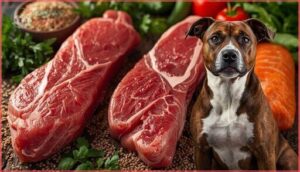
Your dog’s body runs on protein like a car runs on gas—except protein does so much more than fuel. It’s the foundation for muscle growth, tissue repair, immune defense, and even enzyme production. That’s why high-protein diets have become the benchmark in premium nutrition, and why protein requirements aren’t just a number—they’re essential for your dog’s long-term vitality.
- Amino acids from quality protein sources support muscle maintenance and recovery, especially in active dogs
- High-protein recipes deliver nutrient-dense ingredients that satisfy hunger and stabilize energy throughout the day
- Real meat provides complete amino acid profiles, unlike plant-based proteins that often need careful combining
- Protein-rich nutrition preserves lean mass during weight management, reducing muscle loss while shedding pounds
- Nutrient balance matters just as much as quantity—bioavailability determines how well your dog actually uses that protein
Role of Healthy Fats and Carbohydrates
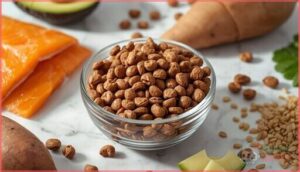
Quality fats and smart carbohydrates work together like a well-oiled machine in high-quality dog food. Fats deliver 9 calories per gram for energy balance while supporting fat solubility of vitamins A, D, E, and K—essential for nutrient absorption.
Brands like Ziwi Peak’s lamb recipe for Wheaten Terriers pair those healthy fats with digestible carbs to fuel active dogs without triggering common sensitivities.
Carbohydrate digestion releases steady fuel without blood sugar spikes, and fatty acid roles extend to skin health and anti-inflammatory benefits. Nutrient-dense ingredients guarantee your dog’s nutritional requirements are met through digestive health and peak canine nutrition.
Prebiotics, Probiotics, and Digestibility

Your dog’s digestive health relies heavily on prebiotics, probiotics, and fiber sources. Prebiotics feed beneficial gut bacteria, while probiotics introduce live strains like Lactobacillus and Bifidobacterium to balance the microbiome. Fiber sources, such as inulin, boost nutrient retention.
Digestive enzymes help break down proteins, and fermentable fibers generate short-chain fatty acids that nourish colon cells. This process improves stool quality within one to two weeks of consistent feeding.
Limited-Ingredient and Grain-Free Options
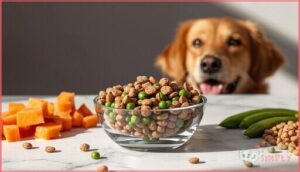
Limited-ingredient formulas feature a single source protein—like venison or duck—and one carbohydrate to minimize allergen exposure, while grain-free options swap wheat and corn for grain alternatives such as peas or lentils. Both prioritize protein quality with novel proteins and limited binding agents.
- Premium dog food with high-quality ingredients aids dogs with sensitivities
- Vet-approved limited-ingredient diets simplify allergen identification
- Grain-free formulas often deliver higher protein-to-carbohydrate ratios
Regulatory and Safety Requirements

When you’re shopping for premium dog food, you might assume that fancy packaging and high prices mean the product is safe and nutritious, but there’s actually a whole regulatory framework working behind the scenes to protect your dog.
Understanding these safety requirements helps you distinguish between brands that meet legitimate standards and those that are just good at marketing.
Let’s look at the key regulations that govern what goes into your dog’s bowl.
FDA Pet Food Regulations
You might assume all dog food on store shelves is thoroughly vetted, but the FDA doesn’t require premarket approval for most pet foods. Instead, the agency enforces pet food regulations through the Federal Food, Drug, and Cosmetic Act, mandating that manufacturers follow labeling standards, maintain compliance with sanitary production practices, and guarantee pet food safety through regulatory oversight and enforcement actions when violations occur.
Ingredient Safety and Functionality
Every ingredient in your dog’s bowl must serve a clear purpose and meet strict safety standards. Premium brands prioritize named protein sourcing like “deboned chicken” over vague by-products, ensuring nutrient bioavailability through careful ingredient testing.
Human-grade ingredients undergo rigorous food safety protocols, while supply chain transparency confirms quality at every stage. Vet-approved formulas balance permitted food additives with your dog’s nutritional requirements, protecting health without compromise.
Truthful Labeling and Compliance
You deserve to know exactly what you’re feeding your dog, which is why FDA regulations mandate that pet food labels can’t mislead you. Premium brands excel at regulatory compliance by ensuring ingredient disclosure lists ingredients in descending order by weight, while packaging transparency requires clear product identification and contact information.
Claim substantiation means any nutrition statement must be backed by real evidence, protecting you from empty marketing promises and ensuring label accuracy you can trust.
Data-Backed Health Claims
When a brand says their food improves coat shine or enhances joint health, you’re looking at claim validation that requires real data analysis—not just marketing fluff. Premium foods back health outcomes with nutrient profiles tied to research methods showing measurable improvements.
Vet-approved brands demonstrate how quality of ingredients meets nutritional requirements for dogs, directly linking veterinarian-approved pet nutrition to your dog’s health and happiness.
Benefits of Premium Dog Food
You’ve done the work to understand what makes premium dog food worth the investment, and now it’s time to see how those quality standards actually benefit your dog’s daily life.
The difference between feed-grade and human-grade ingredients, between filler-heavy formulas and nutrient-dense recipes, shows up in ways you can see and measure. Let’s look at four specific areas where premium nutrition makes a real impact on your dog’s health and longevity.
Improved Energy and Overall Health
You’ll notice the shift in your dog’s vitality when premium, high-quality dog food delivers maximum nutrient absorption. Balanced proteins and healthy fats fuel physical activity, while prebiotics support gut health, which directly impacts energy levels and mental wellness.
I’ve seen dogs transform from sluggish to spirited within weeks because their nutritional requirements are finally met, boosting their health and happiness through excellent energy boosters.
Enhanced Coat, Skin, and Immune Support
Your dog’s coat health and skin wellness improve dramatically with omega 3 fatty acids at 0.5 to 1.0 percent of their diet, while biotin and zinc strengthen hair shafts and skin barrier function.
High-quality dog food delivers biologically appropriate nutrient absorption through digestible proteins that build keratin and collagen, plus probiotics for gut balance that directly powers immune system support and vibrant skin and coat health.
Reduced Allergies and Digestive Issues
You’ll reduce food sensitivities by choosing human-grade ingredients with single protein sources like salmon or turkey that minimize cross-contamination. Premium high-quality dog food improves gut health through these five targeted strategies:
- Probiotic strains such as Lactobacillus balance gut flora and strengthen inflammatory response control
- Digestive enzymes paired with fermentable fibers boost nutrient breakdown
- Grain-free formulations eliminate common allergens triggering reactions
- Novel proteins avoid traditional triggers like beef or dairy
- Transparent ingredient lists help you identify and prevent allergy escalation
Support for Healthy Aging and Weight Management
Premium senior diets deliver greater than 25 percent crude protein on a dry matter basis to preserve lean muscle mass while controlling calories for weight management.
You’ll find glucosamine and chondroitin supporting joint health and healthy mobility in aging nutrition formulas, paired with omega-3 fatty acids that benefit cognitive function.
These veterinarian-approved pet nutrition options meet the evolving nutritional requirements for dogs entering their golden years.
Top 7 Premium Dog Food Brands
After learning what makes dog food truly premium, you’re probably wondering which brands actually deliver on those standards.
I’ve selected seven standout options that represent different approaches to quality—from air-dried and freeze-dried formulas to grain-inclusive and plant-based recipes.
Each of these brands meets rigorous nutritional standards while offering something unique for dogs with different needs and preferences.
1. Ziwi Peak Air Dried Dog Food
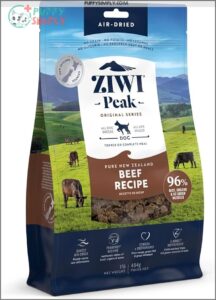
If you’re looking for nutrient density that mirrors what your dog would eat in the wild, Ziwi Peak air-dried beef formula delivers 36 to 45 percent protein from New Zealand free-range beef, organs, and bone. The gentle air-drying process preserves vitamins without high heat, creating a crunchy, jerky-like texture your dog will love.
Green mussels support joint health, while the grain-free, limited-ingredient recipe works well for dogs with food sensitivities, though you’ll feed smaller portions due to its concentrated calorie content.
| Best For | Dogs with food sensitivities or owners who want a nutrient-dense, minimally processed food that mirrors a natural diet. |
|---|---|
| Brand | ZIWI |
| Age Range | All Life Stages |
| Item Form | Chunk |
| Primary Protein | Beef |
| Grain Status | Grain-Free |
| Price Point | Premium |
| Additional Features |
|
- High protein content (36-45%) from ethically sourced New Zealand beef, organs, and bone with no hormones or antibiotics
- Air-dried process preserves nutrients while creating a crunchy texture dogs love, works as a meal, treat, or topper
- Green mussels support joint health and grain-free formula helps with food allergies
- Significantly more expensive than most conventional dog foods
- Some dogs experience diarrhea, especially when used as the sole diet
- Non-returnable policy even for unopened bags, and natural ingredients can cause batch-to-batch variation in appearance
2. Open Farm Ancient Grains Dog Food
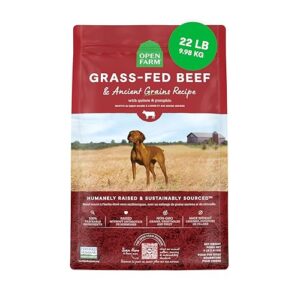
When you want high protein without digestive drama, Open Farm’s Ancient Grains formula blends 90% animal protein—real grass-fed beef and turkey—with gentle grains like oats, quinoa, and millet that won’t upset sensitive stomachs.
You’ll see the difference in your dog’s coat and energy levels, thanks to superfoods like pumpkin and coconut oil that boost nutrient absorption.
The 22-pound bag runs about $80, but every ingredient is traceable and non-GMO, giving you control over exactly what fuels your dog’s day.
| Best For | Dogs with sensitive stomachs or legume sensitivities who need high-quality protein and gentle grains for better digestion. |
|---|---|
| Brand | Open Farm |
| Age Range | All Life Stages |
| Item Form | Pellet |
| Primary Protein | Grass-Fed Beef |
| Grain Status | Ancient Grains |
| Price Point | $80.00/22lb |
| Additional Features |
|
- 90% animal protein from traceable, grass-fed beef and turkey supports muscle health and energy
- Ancient grains like oats and quinoa are easier on digestion than common fillers like potatoes or legumes
- Superfoods like pumpkin and coconut oil promote healthy coat, skin, and nutrient absorption
- $80 for a 22-pound bag is on the pricier side compared to mainstream brands
- Some dogs may be picky about the taste or need a slow transition to avoid upset
- Not ideal if your dog has allergies to specific ingredients in the formula
3. Open Farm Freeze Dried Dog Food
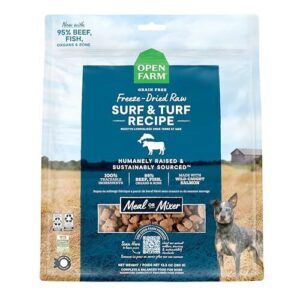
If you’re worried about nutrient loss from high-heat processing, Open Farm’s Freeze Dried Raw delivers 85% meat, organs, and bone locked in through gentle freeze-drying that preserves vitamins without artificial preservatives.
You can serve the bite-sized morsels dry for convenient training rewards, rehydrate them with water for a soft raw texture, or sprinkle them over kibble as a protein-packed topper.
The Surf & Turf variant blends traceable, humanely raised proteins with organic veggies like kale and coconut oil, giving you complete control over your dog’s biologically appropriate nutrition.
| Best For | Dog owners prioritizing minimal processing and ingredient transparency who want a versatile freeze-dried raw option that works as a complete meal, topper, or training treat. |
|---|---|
| Brand | Open Farm |
| Age Range | All Life Stages |
| Item Form | Pellet |
| Primary Protein | Surf & Turf |
| Grain Status | Grain-Free |
| Price Point | Premium |
| Additional Features |
|
- Freeze-drying preserves nutrients without artificial preservatives while maintaining raw food benefits
- Flexible serving options—use dry, rehydrated, or as a kibble topper
- Traceable protein sources with organic vegetables provide biologically appropriate nutrition
- Premium price point makes it expensive for daily feeding, especially for larger dogs
- 13.5oz bag size isn’t cost-effective for multi-dog households or big breeds
- Limited availability of larger bags restricts bulk purchasing options
4. Ziwi Peak Lamb Dog Food
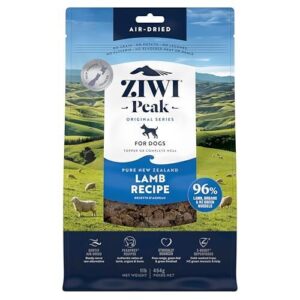
When you’re feeding a dog with sensitivities, Ziwi Peak Lamb offers a single-protein solution that’s gentle on digestion. Its formula consists of 96% lamb meat and organs, along with New Zealand green mussels.
The air-dried formula locks in raw-like nutrients, including natural glucosamine and chondroitin from the mussels for joint support. Additionally, chicory inulin and parsley aid gut health.
You can serve it as a complete meal for any life stage, mix it as a topper, or portion it out for training rewards. Just know the premium price reflects New Zealand’s ethical, grass-fed sourcing.
| Best For | Dog owners looking for a high-quality, single-protein food for pets with sensitivities or those who want ethically sourced, nutrient-dense nutrition. |
|---|---|
| Brand | ZIWI |
| Age Range | All Life Stages |
| Item Form | Dry |
| Primary Protein | Lamb |
| Grain Status | Grain-Free |
| Price Point | Premium |
| Additional Features |
|
- Air-dried processing preserves raw nutrients and natural joint-supporting ingredients like glucosamine
- 96% lamb with limited ingredients makes it gentle on sensitive stomachs
- Versatile—works as a complete meal, topper, or training treat for all life stages
- Significantly more expensive than standard dog food options
- Some dogs may experience digestive upset when fed as the sole food
- Non-returnable policy, even if the package is unopened
5. Wild Earth Vegan Dry Dog Food Performance Formula
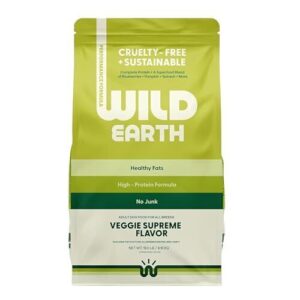
If your dog thrives on activity but you’re looking to avoid animal protein, Wild Earth’s Performance Formula delivers 28% crude protein from dried yeast, oats, barley, and potato protein. DHA for brain health, taurine and L-carnitine for heart function, plus prebiotics like chicory root inulin support digestion.
The kibble uses canola, sunflower, and safflower oils for omega balance, promoting skin and coat health. It’s vet-developed, wheat-free, and environmentally conscious, though the plant-based approach and higher price won’t suit every dog or budget.
| Best For | Active dogs in vegan-friendly households who need high protein without animal products and have owners willing to invest in premium, environmentally conscious nutrition. |
|---|---|
| Brand | Wild Earth |
| Age Range | All Life Stages |
| Item Form | Pellet |
| Primary Protein | Plant-Based |
| Grain Status | Contains Grains |
| Price Point | Premium |
| Additional Features |
|
- High protein content (28%) from plant-based sources supports active dogs while being suitable for those with meat allergies
- Contains targeted supplements like DHA, taurine, and L-carnitine for brain, heart, and recovery support
- Vet-developed formula with omega-rich oils and prebiotics promotes healthy digestion, skin, and coat
- Higher price point compared to conventional dog food options
- Plant-based flavor profile may not appeal to all dogs, potentially requiring a gradual transition period
- Limited track record with formula changes and may not suit dogs with specific dietary requirements beyond meat allergies
6. Zignature Turkey Dog Food
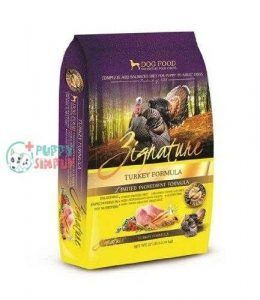
Zignature’s Turkey formula puts real turkey front and center, delivering a lean protein source naturally rich in riboflavin for nutrient absorption and selenium for antioxidant support.
The limited-ingredient approach skips corn, wheat, soy, and chicken, relying on chickpeas and peas as primary carbs alongside added probiotics to support gut health. It’s grain-free, designed for dogs with sensitivities, and works well in rotational feeding plans.
The moderate fat profile keeps energy balanced without excess calories, though you’ll pay a premium and some picky eaters may need encouragement.
| Best For | Dogs with food sensitivities or allergies who need a clean protein source and gentle digestion support. |
|---|---|
| Brand | Zignature |
| Age Range | All Life Stages |
| Item Form | Dry |
| Primary Protein | Turkey |
| Grain Status | Grain-Free |
| Price Point | Premium |
| Additional Features |
|
- Real turkey as the first ingredient provides lean, high-quality protein
- Limited ingredients make it easier to identify triggers for dogs with sensitivities
- Added probiotics support gut health and may reduce digestive issues
- Higher price point compared to standard dog food brands
- Some dogs may be picky and refuse to eat it without mixing
- Feeding amounts differ from other brands, requiring careful portion adjustment
7. Orijen Grain Free Puppy Dog Food
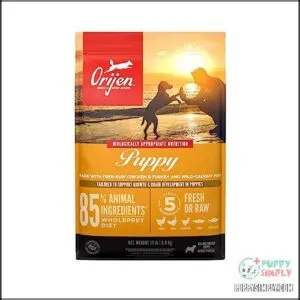
Orijen Grain Free Puppy leans heavily on whole prey nutrition, packing 85% fresh or raw poultry and fish—chicken, turkey, liver, salmon, whole herring—into every pellet to fuel rapid growth.
The formula skips grains entirely, relying on legumes and vegetables for fiber while prebiotics and probiotics support digestion during those critical early months.
It’s biologically appropriate, nutrient-dense, and meets AAFCO guidelines for peak development, though the higher price point and rich protein load may trigger loose stools if you shift too quickly.
| Best For | Puppy owners who want biologically appropriate, grain-free nutrition with high-quality whole prey ingredients and don’t mind paying premium prices for peak development support. |
|---|---|
| Brand | ORIJEN |
| Age Range | Puppy |
| Item Form | Pellet |
| Primary Protein | Chicken & Fish |
| Grain Status | Grain-Free |
| Price Point | Premium |
| Additional Features |
|
- 85% fresh or raw poultry and fish delivers exceptional protein quality with whole prey ratios (meat, organs, bone)
- Grain-free formula with added prebiotics and probiotics supports healthy digestion and reduces food sensitivities
- Nutrient-dense recipe meets AAFCO standards while supporting brain development, muscle growth, and immune function
- Premium pricing makes it one of the more expensive puppy food options on the market
- Rich protein content can cause loose stools or digestive upset during the transition period if switched too quickly
- Some puppies may be picky eaters and refuse the food initially, and ingredient consistency may vary between manufacturing facilities
How to Choose The Right Premium Dog Food

You’ve seen what sets premium dog food apart and which brands deliver on quality, but standing in the pet food aisle with dozens of options can still feel overwhelming. The right choice isn’t just about picking the most expensive bag—it’s about matching your dog’s unique needs with the food that’ll help them thrive.
Let’s break down the key factors you should consider to make this decision with confidence.
Evaluating Ingredients and Protein Sources
You can’t rely on a label’s protein percentage alone—what really matters is which amino acids your dog can actually use. Look for specific animal proteins like chicken, beef, or lamb listed first, not vague terms like “meat meal” or “animal by-product meal.” Premium dog food delivers complete amino acid balance through high-quality, human-grade ingredients with proven bioavailability.
Premium dog food isn’t about protein percentage—it’s about specific, named animal proteins that deliver complete amino acids your dog can actually absorb
- Check the first three ingredients: Whole meats or named meat meals (like “chicken meal”) should dominate, ensuring excellent protein quality
- Verify amino acid adequacy: Quality sources provide all nine essential amino acids, especially leucine for muscle protein synthesis
- Demand ingredient sourcing transparency: Brands should clearly state where proteins come from and how they’re processed
- Compare digestibility data: Animal-based proteins generally offer higher bioavailability than plant-based alternatives for your dog’s nutritional needs
- Look for third-party testing: Certifications and safety audits confirm that protein sources meet rigorous quality standards beyond basic compliance
Considering Life Stage, Breed, and Health Needs
Premium dog nutrition isn’t one-size-fits-all—your puppy’s nutritional requirements differ completely from your senior dog’s needs. Life stage planning means matching energy density to growth phases, while breed-specific formulas address size-related joint risks.
Dogs with health conditions like allergies demand tailored diets with limited ingredients. Veterinarian-approved pet nutrition considers everything from your dog’s life stage to orthopedic concerns, ensuring health conditions and treatments align with what’s in the bowl.
Budget and Personalization Options
Balancing premium dog food quality with your budget doesn’t mean sacrificing nutritional integrity. Most brands offer flexible tailored nutrition options that align cost savings with your dog’s specific needs:
- Custom feeds through subscription plans – lock in pricing and adjust delivery schedules to prevent waste
- Pet profiles with tiered pricing – larger bags reduce per-pound costs while maintaining high-quality ingredients
- Customizable meal plans – digital feeding calculators tailor portions to activity level, preventing overfeeding and stretching your budget
Budget planning for premium options means mastering value per calorie, not just price per bag.
Consulting Veterinarians and Reviews
Before you commit to any premium brand, you’ll want a veterinarian’s perspective on ingredient quality, food safety standards, and life stage suitability.
Consulting veterinarians offer tailored pet nutrition advice based on your dog’s health profile, while vet-recommended reviews help you decode labels and compare vet-approved options. Their veterinary recommendations turn marketing claims into practical consultation tips you can trust.
Frequently Asked Questions (FAQs)
What is considered a premium dog food?
Quality shines through the bowl—premium dog food means you’re investing in named protein sources, transparent ingredient sourcing, AAFCO-approved nutrient density, and vet-approved formulas that prioritize food safety over fillers.
Do vets recommend premium pet brands?
Yes, veterinarians frequently recommend vet-approved premium dog food brands that feature named protein sources, nutritionist support, and detailed feeding guidelines—especially when you’re managing health conditions or shifting your dog to address digestive or skin issues.
How do premium brands ensure sustainable ingredient sourcing?
Premium brands verify sustainable sourcing through third-party certifications, supplier audits, and transparent supply chain documentation.
They prioritize responsible farming, eco-friendly packaging, and ethical sourcing practices while maintaining human-grade ingredients with minimal processing throughout production.
What certifications beyond AAFCO should owners look for?
Look for vet-approved markers such as WSAVA endorsements, GMP standards, ISO certifications, nutrient analysis certificates, and sustainability labels beyond AAFCO. These confirm ingredient quality, manufacturing safety, and verify the nutritional claims you’re relying on.
Are premium foods suitable for dogs with diabetes?
Managing your dog’s blood sugar is like walking a tightrope—premium dog food with controlled carbs, high-quality protein, and fiber can help diabetic dogs maintain steady glucose levels when paired with vet-approved canine nutrition plans.
How long can premium dog food be safely stored?
Dry kibble stays fresh 12 to 18 months unopened, then 6 to 8 weeks after opening when you store it in airtight containers away from heat and moisture to preserve nutritional integrity and food safety.
Conclusion
The simplest choice—grabbing any bag labeled “premium”—is often the hardest one to undo later. Understanding premium dog food standards means you’re no longer guessing at what fuels your dog’s vitality, longevity, and daily joy.
I’ve watched countless owners transform their pets’ health by prioritizing protein quality, ingredient transparency, and AAFCO compliance over marketing buzzwords. Your dog can’t read labels or advocate for better nutrition—that responsibility falls entirely on you, and now you know exactly what to look for.
- http://www.aafco.org/
- https://www.ecfr.gov/current/title-21
- https://the-honest-kitchen.pxf.io/75zYNV
- https://academic.oup.com/jas/article/92/9/3781/4702209
- https://pangovet.com/talk-to-a-vet-online-dog-nutrition/?utm_source=dogster&utm_medium=article&utm_campaign=dog-nutrition&utm_content=best-premium-dog-foods