This site is supported by our readers. We may earn a commission, at no cost to you, if you purchase through links.
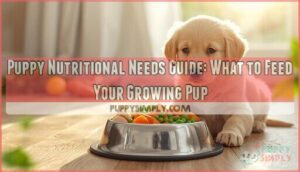
Your puppy’s first year is a biological sprint—they’ll grow faster in twelve months than at any other point in their lives. During this critical window, their brain develops, bones harden, organs mature, and immune systems build defenses that’ll last a lifetime.
What fuels this extraordinary transformation? The food you put in their bowl. Getting your puppy’s nutrition right isn’t just about preventing a pudgy pup or keeping energy levels manageable. It’s about building the foundation for everything from joint health and cognitive function to disease resistance and longevity.
One poor dietary choice now can echo for years, while the right puppy nutritional needs guide can set your growing companion up for a healthier, longer life.
Table Of Contents
- Key Takeaways
- Why Proper Nutrition Matters for Puppies
- Key Nutritional Requirements for Puppies
- Choosing The Best Puppy Food
- Matching Nutrition to Puppy Size and Breed
- Creating a Healthy Puppy Feeding Schedule
- Monitoring Growth and Adjusting Diet
- Common Puppy Feeding Mistakes to Avoid
- Recommended Puppy Foods and Supplements
- Frequently Asked Questions (FAQs)
- Conclusion
Key Takeaways
- Your puppy’s first year is a biological sprint where nutrition directly shapes bone density, organ maturation, immune defenses, and cognitive development—poor dietary choices now can create health problems that last their entire life.
- Proper puppy nutrition requires specific ratios of high-quality protein (with nine essential amino acids), healthy fats including omega-3s for brain development, controlled calcium-to-phosphorus ratios (especially for large breeds), and AAFCO-certified complete formulas rather than guesswork.
- Feeding schedules must match your puppy’s age and size—small breeds need three to four meals daily with higher calorie density, while large breeds require controlled portions over 18-24 months to prevent joint stress and skeletal problems.
- Common feeding mistakes like excessive treats (over 10% of daily calories), inconsistent meal times, and ignoring breed-specific guidelines disrupt nutrient balance and can trigger obesity, digestive issues, or developmental problems that undermine long-term health.
Why Proper Nutrition Matters for Puppies
Your puppy’s first year sets the foundation for their entire life.
A complete puppy checklist helps you prepare everything they’ll need from day one through their first wellness visit.
What you feed them now doesn’t just fill their belly—it shapes their bones, muscles, organs, and immune defenses as they grow.
What you feed your puppy now shapes their bones, muscles, organs, and immune defenses for life
Let’s look at three key reasons why getting nutrition right during puppyhood matters so much.
Impact on Growth and Development
Your puppy’s nutritional requirements for puppies directly shape growth patterns during critical development stages.
Proper energy balance fuels brain development and healthy canine development from 3 to 6 months, when caloric needs peak.
High-quality protein promotes lean muscle without excess fat, while nutrient timing through multiple daily meals matches your pup’s metabolic capacity.
This foundation prevents skeletal problems and ensures steady puppy growth and development across all dietary requirements.
Access to quality healthcare and development is also essential to back your puppy’s overall well-being.
Role in Immune System Health
Building strong bones matters, but a resilient immune system protects your puppy from daily threats.
Proper nutrition needs shape immune boosters through three key pathways:
- Gut health microbiome balance regulates inflammatory responses
- Protein and zinc fuel antibody production
- Vitamins A, D, and E strengthen barrier defenses
This nutrition therapy enhances puppy health while white blood cells mature, bridging innate protection with long-term immunity.
Preventing Long-Term Health Issues
Long before adulthood arrives, your feeding choices shape decades of health ahead. Nutrition planning now prevents obesity in puppies, reducing diabetes and joint problems later. Dental care protects against heart and kidney disease. Veterinary guidance through routine checkups catches issues early, while balanced nutrition needs—adequate protein, fiber, limited sugars—promote disease prevention. Healthy weight maintenance through proper puppy nutrition and age-appropriate activity builds lasting metabolic health.
| Health Priority | Nutritional Action | Long-Term Benefit |
|---|---|---|
| Weight Management | Portion control, regular activity | Prevents diabetes, joint issues |
| Dental Health | Oral hygiene, appropriate textures | Reduces heart, kidney disease risk |
| Immune Function | Balanced essential nutrients | Lowers chronic disease susceptibility |
| Bone Development | Adequate calcium, phosphorus | Enhances skeletal integrity |
| Metabolic Health | Limited sugars, fiber-rich foods | Maintains healthy metabolism |
Key Nutritional Requirements for Puppies

Your puppy’s body needs specific nutrients to build strong bones, healthy muscles, and a sharp mind.
These aren’t just nice-to-haves—they’re the building blocks that turn your little furball into a thriving adult dog.
Let’s break down what your pup actually needs in their bowl every day.
Essential Proteins and Amino Acids
Think of protein as the construction crew building your puppy’s body from the ground up. Your growing pup needs high-quality protein for muscle growth and puppy development, but amino acid balance matters just as much.
Just as important as what you feed your puppy is knowing what to avoid—some human foods like pistachios and other nuts can pose serious health risks that interfere with proper development.
Nine essential amino acids—like leucine, methionine, and tryptophan—drive protein digestion and nutrient absorption. Without them, even calorie-rich diets can’t support proper canine nutrition advice or meet your puppy’s true nutritional needs.
It’s important to understand essential amino acid roles in order to enhance your puppy’s dietary health.
Importance of Fats and Fatty Acids
Your pup’s diet needs healthy fats to fuel rapid growth and support brain development. Fatty acid roles extend beyond energy—they transport fat soluble vitamins A, D, E, and K through the bloodstream.
Omega three benefits include sharper learning and a glossy coat, while proper lipid metabolism ensures cells build correctly. Canine nutrition experts emphasize calorie density from fats to meet intense nutritional needs without overfeeding.
Role of Carbohydrates in Puppy Diets
Carbohydrates fuel your pup’s busy days and support healthy digestion. Here’s how carb sources work in puppy nutrition:
- Energy needs – Steady glucose powers puppy growth and daily play
- Fiber benefits – Whole grains promote regular stools and gut health
- Brain development – Balanced carbs maintain focus during training
- Nutritional needs – Rice and oats deliver quick fuel without overloading protein
- Canine nutrition – Quality matters; choose vegetables and whole grains over refined starches
Vital Vitamins and Minerals
Your puppy’s vitamin balance and mineral deficiency prevention depend on complete canine nutrition.
Calcium ratio matters most—too little weakens bones, while excess harms joints in large breeds.
Quality puppy foods include vitamins A, D, E, zinc, and iron to support puppy growth and nutrient absorption.
Dietary supplements aren’t usually needed when you’re feeding formulas that meet nutritional needs.
Choosing The Best Puppy Food

Picking the right puppy food can feel overwhelming when you’re standing in the pet store aisle staring at dozens of bags.
The good news is that understanding a few key guidelines makes the decision much simpler. Let’s look at what really matters when choosing food that fosters your puppy’s growth.
AAFCO Standards and Certification
When you’re scanning puppy food bags, look for the AAFCO compliance statement—it’s your best friend. This certification process verifies that foods meet strict nutrient profiles through either feeding trials or formulated standards.
A veterinary nutritionist will tell you: products approved for growth or all life stages guarantee your pup gets balanced nutrition. Don’t settle for anything less than complete and balanced.
Decoding Puppy Food Labels
Understanding what’s actually in that bag starts with reading labels correctly. The ingredient list ranks components by weight, so those first five items reveal the main nutritional sources.
Your guaranteed analysis shows minimum protein and fat percentages, plus maximum fiber and moisture. Feeding guidelines suggest portions based on your pup’s weight, while the AAFCO statement confirms complete nutrition.
Check calorie content to prevent overfeeding.
Wet Vs. Dry Puppy Food Options
Both options deliver excellent puppy nutrition when they meet AAFCO standards. Dry kibble offers feeding convenience, dental health benefits through texture, and better nutrient retention during storage.
Wet food provides higher moisture content and outstanding palatability for picky eaters. Many owners blend both forms in their puppy feeding guide, balancing the practical advantages of dry food with the hydration boost wet options provide for overall dog nutrition.
Matching Nutrition to Puppy Size and Breed
Not all puppies grow at the same pace, and their nutritional needs shift based on their size and breed.
A Chihuahua puppy’s dietary requirements look quite different from those of a growing Great Dane.
Here’s what you need to know about tailoring your pup’s diet to their specific growth pattern.
Small Breed Puppy Nutritional Needs

Your tiny companion burns energy at an astonishing rate, making nutrient balance critical during early growth stages. Small breed puppies need higher puppy calories per kilogram than larger dogs to fuel their metabolism and development.
Feed three to four small meals daily to prevent blood sugar dips while supporting puppy nutrition and health. High-quality protein and moderate fat keep your pup thriving without overwhelming their little stomach.
Large and Giant Breed Considerations

Big pups face unique challenges during their extended growth phase. Giant nutrition demands go beyond more food—you’re managing skeletal development that stretches over 18 to 24 months.
Your large breed puppy needs controlled puppy feeding and nutrition to protect joint health and bone growth. Here’s what makes their nutritional needs different:
- Balanced calcium and phosphorus prevent stress on developing hips and elbows
- Moderate calorie density aids steady puppy growth without rapid weight gain
- Omega-3 fatty acids ease inflammation and promote comfortable joints
- High-quality protein builds strong muscles around growing bones
Regular vet visits help you fine-tune portions as your pup matures.
Special Needs for Mixed Breed Puppies

Mixed breed diets require flexibility since you can’t predict your pup’s adult size. Focus on nutrient balance with quality animal protein and controlled calcium—about 1.2 to 1 ratio with phosphorus protects hybrid health during growth.
Watch for puppy allergens like food sensitivities through regular growth monitoring of skin, coat, and stool quality. Adjust portions based on your pup’s unique development pattern.
Creating a Healthy Puppy Feeding Schedule

Getting the timing and portions right can feel tricky at first, but puppies thrive on routine. A consistent schedule helps regulate digestion, prevents overeating, and builds healthy habits that last a lifetime.
Here’s how to structure your puppy’s meals as they grow.
Frequency of Meals by Age
Your puppy’s feeding schedule shifts as they grow, and getting it right fosters steady development. Most puppies thrive on three meals daily until around 4 to 6 months, when you’ll switch to twice-daily feeding.
Age-based feeding intervals help your pup:
- Sustain energy throughout active days without dramatic spikes or crashes
- Support nutrient timing that matches growth spurts and digestive capacity
- Build predictable routines that reduce stress and simplify training efforts
Portion Control and Measuring
Accurate portion sizes anchor your puppy feeding schedule and safeguard puppy nutrition and health. Start with feeding charts on your food packaging, then use measuring cups or digital scales to deliver precise caloric intake each day.
Recording portion sizes alongside your pup’s weight helps you adjust feeding strategies for puppies and catch early signs of over- or underfeeding, keeping puppy feeding guidelines aligned with growth.
Transitioning to Fewer Meals
Gradually trim meal frequency over one to two weeks, dropping one meal at a time so your pup adjusts without stress. Keep feeding schedules consistent and match portion sizes to daily calorie needs—growth monitoring during this shift ensures nutrient balance promotes puppy development.
Puppy feeding guidelines recommend maintaining puppy nutrition and health through steady routines, so feeding strategies for puppies align with their changing energy demands.
Monitoring Growth and Adjusting Diet

Your puppy’s growth happens fast, but it won’t follow a straight line.
You’ll need to keep a close eye on their weight and body condition to make sure they’re developing properly.
Here’s what to watch for and when to adjust their feeding plan.
Tracking Weight and Body Condition
You can’t manage what you don’t measure, and that holds true for puppy growth. Weigh your puppy weekly at the same time using a digital scale, and record the numbers in a dedicated log.
Pair Weight Tracking with Body Scoring—check whether ribs feel easily under a light fat cover and the waist tucks gently. These simple checks reveal whether your puppy’s nutritional needs and Feeding Schedules support healthy puppy development.
Recognizing Overfeeding or Underfeeding
Your puppy’s appetite can tell you whether you’re hitting the mark or missing it entirely. Watch for these Feeding Signs to maintain Nutrition Balance and support Puppy Nutrition and Growth:
- Persistent hunger with rapid weight gain signals overfeeding beyond nutritional needs
- Loose, foul-smelling stools after meals reveal portions too large for digestion
- Constant begging between feedings suggests underfeeding and poor Weight Monitoring
- Dull coat or low energy accompanies inadequate nutrition and threatens Puppy Health Risks and Prevention
- Bloated belly or lethargy points to excess intake, raising concerns about Preventing Obesity in Puppies
Compare your pup’s progress against Growth Charts weekly, adjusting portions to keep Puppy Appetite satisfied without tipping into weight management problems.
When to Consult Your Veterinarian
You don’t need to wait for a crisis to reach out for Veterinary Advice for Puppy Care. Schedule Routine Visits every three to four weeks until sixteen weeks, then annually to monitor Puppy Health Risks and Prevention.
Contact your veterinarian immediately if you spot Urgent Symptoms like persistent vomiting, lethargy, or diarrhea lasting over twenty-four hours. Diet Transitions, Parasite Concerns, and Behavioral changes also warrant professional Veterinarian Recommendations from a Veterinary Nutritionist.
Common Puppy Feeding Mistakes to Avoid

Even well-meaning puppy parents can stumble into feeding habits that undermine their pup’s nutrition and development. These missteps often seem harmless at first but can lead to picky eating, digestive upset, or improper growth over time.
Let’s look at the most common feeding mistakes and how you can avoid them.
Overuse of Treats and Table Scraps
It’s easy to spoil your puppy with treats and table scraps, but those extras add up fast. Scrap dangers include toxic ingredients like onions and chocolate, while treat consequences range from obesity to picky eating.
Excess calories disrupt your puppy’s caloric needs and create behavior issues like begging. Follow veterinarian recommendations: keep treats under 10% of daily intake to protect against health risks and support proper puppy diet and nutrition.
Inconsistent Feeding Times
Just like treats, erratic feeding schedules undermine your puppy’s growth patterns. When meal timing swings wildly, nutrient delivery becomes unpredictable, disrupting energy balance and digestion. Your puppy’s body thrives on routine.
Lock in consistent feeding schedules for puppies:
- Feed at the same times daily—morning, midday, and evening
- Use measured portions of puppy food every time
- Leave food down for only 15 minutes
- Track any skipped meals or appetite changes
Solid feeding schedules support steady puppy diet and nutrition, making training and housebreaking easier for both of you.
Ignoring Breed-Specific Advice
Your puppy’s breed size matters more than you think. Large-breed puppies need specific calcium levels to protect skeletal health, while small breeds face different growth rates entirely.
Ignoring breed-specific advice disrupts nutrient balance and can trigger joint problems or digestive issues. Breed-informed nutrition planning for dogs promotes dietary flexibility as your pup matures, aligning canine nutrition requirements with individual needs for ideal puppy health and wellness.
Recommended Puppy Foods and Supplements

You’ve worked hard to understand your puppy’s nutritional needs, and now it’s time to put that knowledge into action.
Selecting the right food means looking at trusted brands that meet AAFCO standards and considering whether supplements fit into your pup’s diet. Let’s review some top options and help you make an informed choice for your growing companion.
Reviewing Top Puppy Food Brands
Several well-regarded brands consistently meet the nutrition standards your puppy needs. Here’s what veterinarians often recommend:
- Hills Science Diet – Backed by research, with specific formulas for breed size
- Royal Canin – Customized recipes for different growth stages and breeds
- Purina Pro Plan – Strong ingredient quality with DHA for brain development
- Blue Buffalo – Real meat first, with added antioxidants
- IAMS – Budget-friendly option meeting AAFCO puppy feeding guidelines
These brands offer transparent feeding guidelines and proven nutrient balance for growing pups.
Spotlight on Dr Harvey’s Canine Health Dog Food
Dr Harvey’s Canine Health Miracle Premix offers a different approach to puppy nutrition. You’ll combine organic grains like oats and barley with your choice of protein and oil, creating custom meals with natural ingredients.
Each scoop provides about 70 calories plus vitamins and minerals for nutrient balance. It’s a homemade-style option that lets you control exactly what goes into your pup’s bowl.
When Supplements May Be Needed
Most healthy puppies thrive on complete dog food without extra vitamins and minerals. However, nutrient deficiencies confirmed through blood work—like low iron or vitamin D—may require targeted supplementation.
- Puppies with limited dietary variety or food allergies need amino acid and mineral support
- Growth stalls despite proper nutrition planning for dogs warrant veterinary nutritionist evaluation
- Medical conditions affecting absorption benefit from prescribed supplements
- Recovery periods require temporary supplement timing adjustments
Your vet guides appropriate puppy nutrition and diet choices.
Frequently Asked Questions (FAQs)
Can puppies eat raw or homemade diets safely?
While tempting to prepare meals yourself, raw and homemade plans often lack essential nutrients growing pups need.
Bacterial contamination and unbalanced ratios create real risks—consult your veterinarian before choosing either option.
How does spaying or neutering affect nutritional needs?
After spaying or neutering, your pup experiences a metabolic shift that reduces caloric needs by 10-20 percent.
Post-surgery diet adjustments prevent weight gain while maintaining muscle through adequate protein and careful caloric management.
What human foods are toxic to puppies?
The old saying “curiosity killed the cat” applies to puppies too.
Chocolate toxicity, grape poisoning, xylitol dangers, onion allergy, and alcohol poisoning pose serious risks requiring immediate veterinary advice and guidance for puppy health.
Should puppies take probiotics for digestive health?
Probiotics can support gut health in puppies experiencing digestive issues or stress.
Choose dog-specific formulas with visible strains and CFU counts. Always follow veterinary advice, especially if your puppy has health concerns.
How do food allergies present in young puppies?
Food allergy signs in puppies can look almost dramatic—intense skin irritation on paws and belly, chronic digestive issues like vomiting or diarrhea, red inflamed ears, and relentless scratching that disrupts sleep and comfort.
Conclusion
Imagine feeding your puppy like a toddler surviving on candy and crossed fingers—absurd, right? Yet many owners wing it with nutrition, hoping for the best. Your puppy’s body won’t wait for you to figure things out later.
This puppy nutritional needs guide gives you the blueprint to fuel proper growth now, when it matters most. Feed with intention, measure with care, and you’ll build a foundation that lasts far beyond puppyhood.