
This site is supported by our readers. We may earn a commission, at no cost to you, if you purchase through links.
Your dog’s shampoo bottle lists “coconut-derived cleanser” and “botanical extracts”—but three lines down, you’ll find parabens, synthetic fragrances, and surfactants linked to hormone disruption. I’ve treated hundreds of dogs for chronic skin conditions that disappeared after one simple change: switching shampoos.
The truth is, manufacturers exploit loose regulations to hide toxic ingredients behind marketing jargon that sounds safe. Sodium lauryl sulfate strips your dog’s natural skin barrier. Phthalates mimic estrogen and disrupt endocrine function. Formaldehyde-releasing preservatives? They’re in products labeled “gentle” and “hypoallergenic.”
Knowing what ingredients to avoid in dog shampoo isn’t about being overly cautious—it’s about protecting your dog from chemicals that accumulate in tissues and cause real, measurable harm over time.
Table Of Contents
Key Takeaways
- Common shampoo ingredients like sodium lauryl sulfate, parabens, phthalates, and formaldehyde-releasing preservatives can strip your dog’s skin barrier, disrupt hormones, and cause chronic irritation that accumulates over time.
- Manufacturers exploit loose regulations by hiding toxic chemicals behind vague terms like “fragrance” or “botanical extracts,” making it essential to scrutinize every ingredient list rather than trusting marketing claims.
- Safe alternatives exist using plant-based cleansers (like decyl glucoside), organic oils (avocado, jojoba, coconut), and soothing additives (colloidal oatmeal, aloe vera) that clean effectively without compromising your dog’s health.
- Look for third-party certifications, transparent ingredient lists using INCI names, and pH-balanced formulas (6.5-7.5) to avoid greenwashing and ensure the shampoo you choose actually protects rather than harms your dog.
Harmful Chemicals Commonly Found in Dog Shampoos
Your dog’s skin absorbs whatever you put on it—and that’s where things get concerning. Many popular shampoos contain chemicals that can strip away natural oils, disrupt hormones, or trigger allergic reactions you won’t see coming.
That’s why choosing gentle shampoos designed for dogs with longer coats can protect their skin while keeping their fur healthy and clean.
Your dog’s skin absorbs whatever you put on it, and many shampoos contain chemicals that strip oils, disrupt hormones, or trigger hidden allergic reactions
Let’s look at the specific ingredients you should be watching out for (and why they’re problematic in the first place).
Sodium Lauryl Sulfate (SLS) and Sodium Laureth Sulfate (SLES)
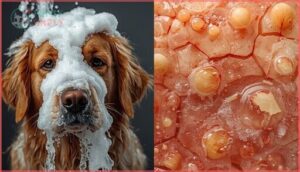
The irony here? Those luxurious suds you’re rinsing through your dog’s coat may be stripping away their first line of defense. Sodium lauryl sulfate and sodium laureth sulfate—common foam agents—can wreak havoc on sensitive skin:
- They strip natural oils, leaving skin dry and vulnerable
- SLS and SLES often contain manufacturing contaminants that worsen reactions
- Repeated exposure triggers chronic flakiness and itching
- Some dogs develop inflammation within 24-48 hours
- These sulfates compromise your dog’s skin barrier over time
You should be concerned—gentle cleansers exist. For a thorough understanding of additional, you should also consider the risks posed by artificial fragrances, parabens, and formaldehydes as well.
Parabens and Phthalates
Parabens—methylparaben, propylparaben, butylparaben—lurk as preservatives in countless formulas. Phthalates hide in artificial fragrance blends. Both are endocrine disruptors that mimic hormones and throw off your dog’s hormone balance.
Chemical exposure through skin absorption is the silent threat here—toxic effects accumulate over time. You need safe alternatives (and they exist), because these harmful chemicals and toxic ingredients don’t belong anywhere near your dog’s coat.
It’s important to be aware of other harmful ingredients in dog shampoo that can also pose serious risks to your pet.
Artificial Fragrances and Colors
Fragrance toxicity and colorant risks come next—and they’re everywhere. Synthetic fragrances hide dozens of undisclosed chemicals (including phthalates) that irritate your dog’s eyes and skin.
Artificial colors derived from petroleum trigger pet allergies and chemical sensitivities you won’t see until the damage is done. Those synthetic dyes mask harsh residues while adding zero cleaning power—pure marketing, pure risk.
Formaldehyde and Isothiazolinone Preservatives
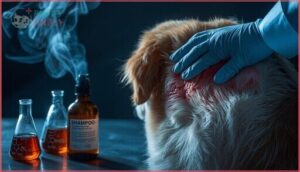
Preservative risks don’t stop there. Formaldehyde-releasing compounds—diazolidinyl urea, DMDM hydantoin, quaterniums—extend shelf life while triggering skin sensitizers and allergic responses you can’t ignore.
Isothiazolinone preservatives (including methylchloroisothiazolinone) cause contact dermatitis and neurotoxic exposure in pets.
These toxic ingredients in dog shampoo create chemical reactions under your dog’s coat—harmful chemicals in dog shampoo ingredients to avoid, period.
Cocamide-MEA/DEA and Triethanolamine
You should be concerned about foaming agents in your dog’s shampoo. Cocamide-MEA and cocamide-DEA—toxic surfactants derived from coconut oil—can harbor nitrosamine contamination during manufacturing, raising carcinogen concerns. Triethanolamine (TEA) reacts under certain conditions to form these same cancer-linked compounds.
These skin irritants create thick lathers that mislead you while exposing your dog to harmful chemicals in dog shampoo—toxic chemicals and dog shampoo ingredients to avoid completely.
Health Risks of Toxic Shampoo Ingredients
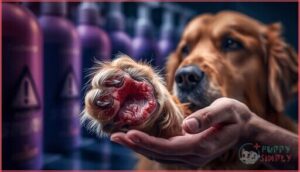
The toxic ingredients lurking in dog shampoo don’t just sit on the surface—they absorb through your dog’s skin and trigger a cascade of health problems you should be concerned about.
That’s why switching to a safe dog paw moisturizer with natural ingredients helps protect your dog from harmful chemical exposure.
From immediate reactions like rashes and itching to long-term damage affecting hormones and organs, these chemicals pose real dangers.
Here’s what happens when your dog’s body encounters these toxins.
Skin Irritation and Allergic Reactions
Your dog’s skin barrier—that protective shield keeping irritants out—breaks down when harsh chemicals like Sodium Lauryl Sulfate strip away natural oils. Artificial Fragrance and Paraben preservatives trigger contact dermatitis (that angry, red rash you’ve probably noticed), often within 24-72 hours of exposure.
Common signs of Skin Sensitivity and Allergic Responses include:
- Intense scratching and biting at freshly washed areas
- Red, inflamed patches that develop into weeping sores
- Persistent irritation requiring veterinary intervention
- Chronic dermatitis from repeated exposures to the same irritants
Hypoallergenic Options and Dermatitis Prevention start with reading labels carefully.
Hormone Disruption and Endocrine Issues
Phthalates and Parabens—those hidden ingredients lurking in Artificial Fragrance and preservatives—are powerful Endocrine Disruptors that interfere with your dog’s Hormone Balance. They mimic natural hormones, disrupting thyroid function and causing Reproductive Issues like altered puberty timing.
You should be concerned about Neuroendocrine Effects too—these chemicals affect metabolism, stress responses, and even insulin signaling. Hormone disruption from repeated shampoo exposure creates lasting Endocrine Issues affecting Thyroid Health across your dog’s lifespan.
Long-Term Organ Damage and Cancer Links
Chronic exposure to toxic substances like Phthalates and Formaldehyde does more than irritate skin—it silently stresses your dog’s liver and kidneys, reducing filtration rates over time.
These carcinogens trigger chronic inflammation that creates a pro-oncogenic environment, amplifying cancer risks with every bath.
Neurotoxic effects from repeated toxic exposure can even cross the blood-brain barrier, increasing the real threat of organ failure you can’t afford to ignore.
Compromised Skin Barrier and Absorption Risks
When harsh surfactants like Sodium Lauryl Sulfate and Propylene Glycol strip your dog’s protective lipid layer, they create wide-open gaps for toxins—Phthalates, Cocamide-MEA, and Artificial Fragrances—to penetrate deeper tissues and trigger systemic toxic exposure.
Barrier repair can’t keep pace with:
- Disrupted lipid lamellae allowing larger molecules through
- Chronic inflammation weakening tight junctions
- Sensitization from repeated irritant reactions
- Increased water loss and cracking
- Cumulative absorption risks with every wash
Greenwashing and Misleading Shampoo Labels
You’ve read the ingredient list and seen “natural” splashed across the label—but that doesn’t mean your dog’s shampoo is actually safe. Manufacturers use clever marketing tactics to make toxic products look harmless, and they’re not always required to tell you what’s really inside the bottle.
Here’s what you need to watch out for when those “natural” claims start looking a little too good to be true.
The Problem With Natural Claims
You’ve probably spotted bottles boasting “natural” or “chemical-free products” claims—but here’s what you should be concerned with: natural pet products lack universal standards. Greenwashing tactics exploit this regulatory gap.
Manufacturers slap natural claims on labels while hiding synthetic additives in vague language (label transparency is nearly nonexistent).
Without certification standards, those organic grooming promises mean almost nothing—and artificial fragrances still lurk inside.
Undisclosed Ingredients and Proprietary Blends
Beyond those misleading natural claims lies an even darker problem: proprietary blends that dodge ingredient disclosure entirely. Trade secret risks mean you can’t verify what’s actually touching your dog’s skin—CocamideMEA, Sodium Lauryl Sulfate, even phthalates and formaldehyde hide inside these blend mechanics.
Label transparency becomes impossible when manufacturers cite:
- Undisclosed fragrance compounds masking dozens of chemicals
- Proprietary coat conditioner blends with hidden surfactants
- Protected formulations that bypass consumer safety reviews
- Umbrella terms replacing specific preservative names
How to Spot Greenwashing in Pet Care
Greenwashing in pet care relies on eco labeling without third-party verification. You’ll spot false advertising when products emphasize vague green claims—”chemical-free” or “natural ingredients”—while hiding synthetic preservatives in their formulas.
| Red Flag | What It Reveals |
|---|---|
| Self-issued “eco” seals | No independent organic products audit |
| Broad sustainability talk | Avoids measurable sustainable practices metrics |
| One highlighted feature | Distracts from overall pet safety failures |
Verify certifications against official databases to protect your dog.
Safe and Beneficial Ingredients in Dog Shampoo
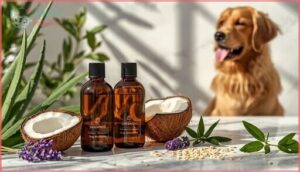
Now that you know what to avoid, let’s talk about what you should be looking for—natural cleansers that actually work without putting your dog at risk.
Safe shampoos rely on organic oils, and botanical extracts that clean effectively while supporting skin health. Here’s what to seek out on those ingredient labels.
Natural Cleansers and Botanical Extracts
Plant-based cleansers work differently than harsh sulfates—and you should understand why. Gentle surfactants like decyl glucoside and coco glucoside (coconut-derived) dissolve dirt without stripping your dog’s skin barrier. Natural soaps from soapwort extract provide mild foaming action.
Look for these botanical extracts in organic formulas:
- Chamomile extract—reduces redness after bathing
- Calendula officinalis—promotes wound healing
- Green tea polyphenols—protect against environmental stress
- Aloe vera gel—delivers cooling hydration
Organic Oils and Soothing Additives
Carrier oils deliver therapeutic benefits your dog’s skin actually needs. Avocado oil penetrates the hair shaft—reducing dryness without heavy residue. Jojoba oil mimics natural sebum and balances both oily and dry skin. Coconut oil provides lauric acid while gently cleansing (no harsh detergents required).
Pair these with colloidal oatmeal for soothing protection, aloe vera for healing hydration, and carefully selected essential oils for natural fragrance.
Transparent Ingredient Lists and Certifications
A full ingredient list—using INCI or common names—stops greenwashing cold. Look for third-party certifications (cruelty-free, vegan, certified organic) that verify chemical-free products and confirm sourcing transparency.
Regulatory compliance matters, but certification standards go further by auditing suppliers and testing batches. QR codes linking to safety data sheets prove ingredient disclosure isn’t just marketing—it’s accountability you can verify before toxic ingredients reach your dog’s skin.
Top 4 Safe Dog Shampoos to Consider
After wading through all those toxic ingredients, you’re probably wondering which shampoos actually pass the safety test.
I’ve vetted dozens of products through the lens of veterinary dermatology—checking for clean ingredient lists, proper certifications, and real skin compatibility.
Here are four shampoos that meet the clinical standards I’d use for my own patients.
1. Skout’s Honor Probiotic Dog Shampoo
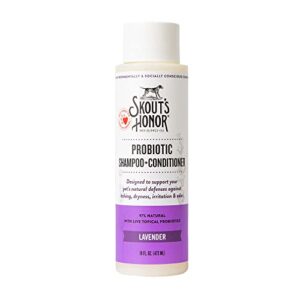
Skout’s Honor Probiotic Shampoo stands out because it actually promotes your dog’s skin microbiome—the protective bacterial layer that keeps irritation at bay. The formula combines avocado oil with omega-3s to hydrate while cleansing (without stripping natural oils).
It’s 97% natural, paraben-free, and sulfate-free—which matters when you’re trying to avoid those harsh surfactants we discussed earlier. The tear-free design makes bath time less stressful, and it’s certified microbiome-friendly.
For dogs with sensitive skin or allergies, this 2-in-1 approach simplifies grooming without compromising safety.
| Best For | Dog owners dealing with sensitive skin, allergies, or recurring irritation who want a gentle, microbiome-supporting shampoo that hydrates without harsh chemicals. |
|---|---|
| Formula Type | Probiotic with avocado oil |
| Free From | Parabens and sulfates |
| Scent | Lavender |
| Size | 16 oz |
| Skin Benefits | Moisturizes and soothes itchy skin |
| Natural Content | 97% natural |
| Additional Features |
|
- Probiotic formula actively supports healthy skin bacteria instead of just masking problems
- Avocado oil and omega-3s moisturize deeply without stripping natural oils
- 97% natural, paraben-free, sulfate-free, and hypoallergenic—safe for dogs with sensitivities
- Lavender scent might be too strong for some dogs or owners
- Won’t replace vet treatment for severe skin conditions
- Probiotic benefits vary by dog—results aren’t guaranteed for everyone
2. Burt’s Bees Natural Dog Shampoo
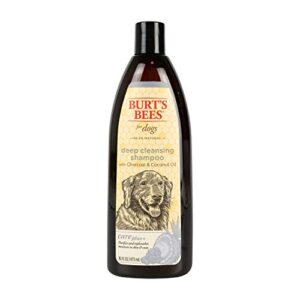
Burt’s Bees offers a tearless formula that works well for routine grooming—but you should understand its limitations. The shampoo relies on gentle coconut-derived surfactants (coco betaine) and includes honey and beeswax for moisture retention. It’s free from sulfates and synthetic fragrances, which reduces irritation risk.
However, the formula isn’t certified organic—so you’re trusting the brand’s transparency. For dogs with dry skin, it’s a reasonable middle-ground option. Just avoid the eye area despite the “tearless” claim (chemical exposure isn’t worth the risk).
| Best For | Dogs with sensitive or dry skin who need a gentle, natural shampoo without harsh chemicals. |
|---|---|
| Formula Type | Charcoal and coconut oil |
| Free From | Sulfates and parabens |
| Scent | Coconut |
| Size | 16 oz |
| Skin Benefits | Deep cleans and replenishes moisture |
| Natural Content | 98.2% natural |
| Additional Features |
|
- Tearless coconut formula is pH-balanced and free from sulfates, parabens, and synthetic fragrances
- Deep cleans while adding moisture back to skin and coat, helping with dandruff and itchiness
- Works for all dogs and puppies, including those with sensitive skin
- Doesn’t lather well for some users, which may require using more product
- Not ideal for all coat types, particularly short-haired breeds
- Despite being labeled tearless, it’s still safest to avoid the eye area during application
3. Richard’s Organics Flea Shampoo
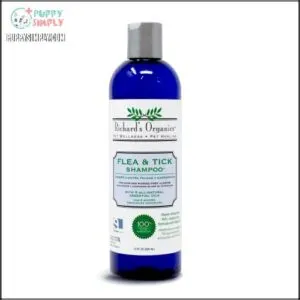
Essential oils can control fleas—but not all formulas do it safely. Richard’s Organics uses a blend of cinnamon, clove, cedarwood, peppermint, and rosemary oils at concentrations effective against adult fleas and ticks. It’s sulfate-free and paraben-free, which minimizes irritation risk for sensitive skin.
However, essential oil blends can still trigger allergic reactions (especially in breeds prone to atopic dermatitis). And it’s completely unsafe for cats—the oils are hepatotoxic to felines. Use only on dogs over 12 weeks, and watch for skin reactions.
| Best For | Dog owners looking for a natural flea and tick shampoo who want to avoid synthetic chemicals and have dogs with sensitive or dry skin. |
|---|---|
| Formula Type | Essential oil blend |
| Free From | Parabens, sulfates, artificial fragrances |
| Scent | Cedarwood, Peppermint, Rosemary |
| Size | 12 oz |
| Skin Benefits | Soothes dry and irritated skin |
| Natural Content | 100% natural actives |
| Additional Features |
|
- Uses 100% natural essential oils (cinnamon, clove, cedarwood, peppermint, rosemary) to kill fleas and ticks without harsh chemicals
- Gentle, pH-balanced formula that’s free from sulfates, parabens, soap, and artificial fragrances—ideal for dogs with sensitive or irritated skin
- Also repels mosquitoes and can be used alongside topical flea treatments for added protection
- Completely unsafe for cats due to toxic essential oils, and not suitable for puppies under 12 weeks old
- May not work well for severe flea and tick infestations—better as a maintenance or mild prevention option
- Essential oil blends can still cause allergic reactions in some dogs, especially breeds prone to skin allergies
4. 4Legger Organic Oatmeal Dog Shampoo
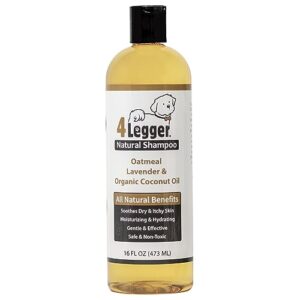
Colloidal oatmeal isn’t just soothing—it forms a protective film that prevents water loss and reduces cytokine release (that’s the inflammatory signaling your dog’s immune system uses).
4Legger pairs organic oat milk with aloe vera, coconut oil, and jojoba oil to support barrier function without synthetic emulsifiers. It’s USDA certified organic, which means third-party verification of ingredient purity—including absence of pesticide residues and nitrosamine contamination.
The lavender essential oil concentration is low enough to avoid sensitization in most dogs, though you should still patch-test on reactive breeds.
| Best For | Dog owners looking for a certified organic, gentle shampoo to soothe itchy, dry, or sensitive skin without harsh chemicals. |
|---|---|
| Formula Type | Organic oatmeal and aloe |
| Free From | Synthetic chemicals |
| Scent | Lavender & Oatmeal |
| Size | 16 oz |
| Skin Benefits | Relieves itchy skin and moisturizes |
| Natural Content | USDA certified organic |
| Additional Features |
|
- USDA certified organic with natural ingredients like oat milk, aloe, and coconut oil that moisturize and calm irritated skin
- Hypoallergenic formula works well for dogs with allergies or skin sensitivities across all life stages
- Concentrated formula means you use less per bath, making the bottle last longer despite the higher price point
- Thin, watery consistency doesn’t lather much and may need diluting, which some owners find inconvenient
- Pricier than most dog shampoos on the market
- Lavender scent can be overpowering for some people and pets, and may not suit dogs with severe skin conditions without vet approval first
Frequently Asked Questions (FAQs)
How to tell if a shampoo is safe for dogs?
Check the pH range—5 to 5 is ideal. Scan the ingredient list for SLS, parabens, or artificial fragrances. Look for veterinary endorsements and certifications. A clear label means safer skin.
How often should I bathe my dog?
Most dogs need a bath every 4 to 8 weeks—but oily coats demand monthly cleansing, while active pups may require baths every 2 to 4 weeks to control odor and dirt buildup.
Can human shampoo be used on dogs?
No—human shampoo disrupts your dog’s neutral pH (2–4), stripping essential oils and weakening the skin barrier.
In true emergencies, one rinse won’t cause disaster, but repeated use invites dryness, irritation, and infection.
Are puppy shampoos different from adult formulas?
Yes. Puppy shampoos use gentler surfactants and avoid harsh detergents that can irritate thinner, more absorbent skin.
Adult formulas often contain stronger cleansers—potentially causing redness or allergic reactions in young pups.
What if my dog has sensitive skin?
Sensitive skin demands hypoallergenic formulas with oatmeal or aloe vera—not synthetic fragrances or sulfates that strip protective oils.
Bathe every three to four weeks, and consult your vet if irritation persists.
Do medicated shampoos contain harmful ingredients?
Many medicated formulas rely on sulfates, synthetic preservatives, and potentially irritating antifungal agents—ketoconazole, chlorhexidine, selenium sulfide—that can disrupt your dog’s skin barrier and trigger sensitivity, especially with repeated use.
Conclusion
The buck stops with you—because manufacturers won’t voluntarily remove harmful chemicals from your dog’s bath routine.
Now that you know what ingredients to avoid in dog shampoo, you can sidestep hormone disruptors, carcinogens, and skin irritants hiding behind “botanical” labels. Read every ingredient list. Question vague terms like “fragrance.” Choose transparency over marketing promises.
Your dog’s skin absorbs what you apply, and those choices compound over a lifetime—make them count.