
This site is supported by our readers. We may earn a commission, at no cost to you, if you purchase through links.

Your dog’s body runs on an intricate system of tiny but powerful micronutrients that most owners never think about until something goes wrong. Micronutrients—the vitamins and minerals dogs need daily—don’t provide calories or energy, yet without them, everything from immune defense to bone strength begins to break down.
A deficiency in just one trace mineral like zinc can trigger skin lesions, hair loss, and impaired wound healing within weeks. The challenge isn’t whether your dog needs these nutrients; it’s ensuring the specific vitamins and minerals reach your dog’s cells in adequate amounts every single day, across every life stage, without tipping into excess or falling short.
Table Of Contents
- Key Takeaways
- What Are Micronutrients for Dogs?
- Essential Vitamins Dogs Need Daily
- Key Minerals Required in a Dog’s Diet
- Daily Micronutrient Requirements by Life Stage
- Natural Food Sources of Dog Micronutrients
- Signs of Micronutrient Deficiencies in Dogs
- Ensuring Adequate Micronutrient Intake
- Frequently Asked Questions (FAQs)
- What nutrients do dogs need every day?
- What micronutrients do dogs need?
- What are the 6 essential nutrients for dogs?
- Can dogs overdose on vitamins and minerals?
- Do homemade diets provide enough micronutrients?
- How does cooking affect micronutrient content?
- Are breed-specific micronutrient requirements significantly different?
- Do micronutrient needs change during pregnancy?
- Conclusion
Key Takeaways
- Micronutrients—vitamins and minerals needed in milligram amounts—don’t provide calories but drive every system in your dog’s body, from immune defense and bone strength to energy metabolism and wound healing, with deficiencies in even one trace mineral like zinc triggering skin lesions and hair loss within weeks.
- Fat-soluble vitamins (A, D, E, K) store in your dog’s body and don’t need daily replenishment, while water-soluble vitamins (B-complex, C) flush through the system and require consistent intake, with each vitamin performing distinct roles like vitamin A sharpening vision and vitamin K ensuring proper blood clotting.
- Complete commercial diets meeting AAFCO standards reliably deliver all required micronutrients in proper ratios, but homemade diets fail to meet basic nutritional requirements 94% of the time without veterinary guidance, creating serious deficiency risks that supplements can’t safely fix without professional oversight.
- Your dog’s micronutrient requirements shift dramatically by life stage—puppies need 2-3 grams of calcium per 1,000 calories for rapid bone growth, adults require only 0.5-1.0 grams for maintenance, and seniors need adjusted phosphorus levels with increased antioxidants to protect aging cells and joints.
What Are Micronutrients for Dogs?
Your dog’s body runs on more than just protein and fat. Micronutrients are the vitamins and minerals that work behind the scenes, supporting everything from bone strength to immune function.
From essential nutrients for dogs like calcium and phosphorus to antioxidants, these small but mighty compounds keep your pup’s systems running smoothly.
Understanding what they’re and why they matter helps you make better decisions about your dog’s nutrition.
Definition of Micronutrients
Micronutrients are nutrients your dog needs in very small daily amounts, usually measured in milligrams or micrograms per kilogram of food dry matter. In canine nutrition, these dietary essentials include vitamins and minerals. Unlike macronutrients like protein and fat, micronutrients don’t supply energy calories, but they’re absolutely essential for biochemical roles and molecular functions that keep your dog’s body running smoothly.
For deeper insight into the difference between macronutrients and micronutrients, see this detailed breakdown of.
Importance in Canine Health
Though needed in trace amounts, vitamins and minerals drive nearly every system in your dog’s body. They protect the immune response so white blood cells can fight infection, support strong bones by directing calcium into the skeleton, fuel energy metabolism in working muscles, and shield aging brains from oxidative stress.
Vitamins and minerals drive every system in your dog’s body—protecting immunity, building bones, fueling muscles, and shielding aging brains from oxidative stress
Without adequate daily micronutrient intake, even a dog on high-quality protein can face:
- Slower wound healing and recurring skin infections
- Weak bones and joint deformities in growing puppies
- Lethargy and poor stamina during exercise
- Cognitive decline and disorientation in senior dogs
Ensuring your dog’s healthy skeletal development relies on understanding the importance of bone health minerals and support.
Difference From Macronutrients
While protein, fat, and carbohydrates fuel your dog’s body with calories and build tissue, vitamins and minerals regulate the biochemical functions that keep those systems running.
Macronutrients provide energy and structure in gram quantities, but micronutrients orchestrate metabolism, immunity, and nerve signaling in milligram amounts.
Both nutrient classifications are essential for dietary balance, yet each plays a distinct role in meeting your dog’s daily nutrient requirements.
Essential Vitamins Dogs Need Daily

Your dog’s body depends on vitamins every single day to regulate critical processes, from building strong bones to clotting blood after an injury. These essential compounds fall into two categories based on how your dog’s body stores and uses them.
Understanding both fat-soluble and water-soluble vitamins helps you recognize what your dog needs and why quality nutrition matters.
Fat-soluble Vitamins (A, D, E, K)
Your dog’s body tucks away vitamins A, D, E, and K in fat tissue and the liver, so these fat-soluble vitamins don’t need daily top-ups the way water-soluble ones do.
That’s why understanding your dog’s nutritional requirements daily matters so much—it helps you figure out which vitamins need consistent attention and which ones your pup can store for later.
Vitamin A sharpens night vision and keeps skin healthy, vitamin D balances calcium for strong bones, vitamin E guards cells from damage, and vitamin K ensures blood clots properly after cuts.
Water-soluble Vitamins (B-complex, C)
Unlike their fat-soluble cousins, water-soluble vitamins—B complex and vitamin C—flow through your dog’s system daily, so steady intake matters.
The B complex vitamins drive energy metabolism, turning kibble into fuel, while also supporting nerve signals and red blood cell formation. Vitamin C acts as an antioxidant, though your dog’s liver makes enough naturally.
These nutrients rarely cause toxicity because excess washes out in urine.
Functions and Daily Requirements
Each vitamin and mineral performs distinct roles in your dog’s body, from vitamin A sharpening vision and immune defense to zinc maintaining healthy skin and wound repair. Daily allowances shift by life stage—puppies need higher calcium and phosphorus concentrations for bone growth, while adults require balanced nutrient ratios around 1.2:1 calcium to phosphorus.
Bioavailability factors like phytate in plant ingredients affect absorption, so essential nutrients must exceed minimum requirements to guarantee your dog actually uses what’s in the bowl.
Key Minerals Required in a Dog’s Diet

Minerals form the structural backbone of your dog’s body and keep every metabolic process running smoothly. Unlike vitamins, these inorganic elements can’t be created internally, so your dog must get them through food every single day.
Let’s break down the essential minerals into two groups: macro-minerals needed in larger amounts and micro-minerals required in smaller but equally indispensable quantities.
Macro-minerals (calcium, Phosphorus, Potassium, Sodium)
Your dog’s skeleton, heartbeat, and nerve signals all rely on four macro-minerals working in harmony. Calcium balance and phosphorus intake team up to build strong bones, while potassium levels keep the heart beating steadily and sodium toxicity risks remind us moderation matters. These minerals interact constantly:
- Calcium strengthens bones and triggers muscle contraction
- Phosphorus powers cellular energy and forms sturdy teeth
- Potassium maintains fluid balance and heart rhythm
- Sodium regulates blood pressure and nerve impulses
Complete commercial diets meeting AAFCO nutrient requirements deliver these minerals in proper ratios, so your dog’s body can absorb vitamins and minerals without dangerous imbalances.
Micro-minerals (zinc, Iron, Copper, Selenium)
Your dog needs zinc, iron, copper, and selenium in tiny amounts—measured in milligrams per kilogram of food—but these trace minerals power hundreds of reactions that keep skin healthy, blood oxygenated, and cells protected.
Zinc toxicity from over-supplementation disrupts mineral balance, while copper deficiency fades coat color and iron supplements treat anemia.
Selenium benefits include antioxidant protection, so complete diets meeting nutrient requirements deliver these minerals without guesswork.
Roles in Growth and Metabolism
When your puppy’s body builds new muscle and bone, mineral balance sets the foundation—calcium and phosphorus work together to harden growing skeletons, while vitamin functions like those of vitamin A guide how cells divide and mature. Metabolic rate climbs as thyroid hormones made from iodine steer energy use, and B vitamins release fuel from every meal.
- Growth factors depend on nutrient interactions between vitamins D and calcium to shape strong bones
- Dietary needs shift as puppies mature, requiring precise nutrient requirements at each stage
- Essential nutrients for dogs like zinc and B6 power hundreds of metabolic reactions daily
Daily Micronutrient Requirements by Life Stage

Your dog’s micronutrient needs aren’t one-size-fits-all—they change as your furry friend moves through different life stages.
A growing puppy requires different vitamin and mineral ratios than an adult dog in maintenance mode, and senior dogs face their own unique nutritional challenges.
Let’s break down what your dog needs at each stage of life.
Puppies and Growing Dogs
Growing dogs have sky-high nutrient requirements—they’re building bones, brains, and immune systems all at once. Your puppy needs around 2 to 3 grams of calcium per 1,000 calories to support bone health, plus extra zinc (roughly 10 mg per 1,000 kcal) for immune support and development needs.
These dietary needs shift as growth stages progress, so matching vitamins and minerals to your pup’s age keeps nutrient requirements on track.
Adult Maintenance Needs
Once your dog reaches full maturity, nutrient requirements shift to maintenance mode. Adult dogs need lower energy requirements than puppies—around 0.5 to 1.0 gram of calcium per 1,000 calories keeps bones strong without overdoing it.
Maintenance diets focus on balance: vitamins like vitamin E (50 IU/kg) and minerals such as zinc (120 mg/kg) support daily nutritional requirements. These nutrient profiles prevent deficiency while maintaining adult dog health.
Senior Dog Considerations
As dogs move into their senior years, Aging Dog Health requires a careful shift in nutritional balance. Older dogs may need fewer calories but stable or increased levels of vitamins and minerals to maintain wellness.
Geriatric Feeding Strategies focus on controlled phosphorus, antioxidants for cell protection, and joint support, forming the foundation for Senior Nutrition Tips and ideal Elderly Dog Care through targeted micronutrient support.
Natural Food Sources of Dog Micronutrients
When you’re choosing what to feed your dog, knowing where their vitamins and minerals come from matters. Some foods pack a stronger nutritional punch than others, and absorption can vary quite a bit.
Let’s look at which natural sources best deliver these essential micronutrients.
Animal-based Sources (meat, Organs, Eggs, Fish)

Animal-based foods deliver the most concentrated, highly absorbable vitamins and minerals your dog needs every day. Organ meat benefits include dense vitamin A, B12, and iron, while egg nutrition offers complete protein plus vitamin D and choline. Fish oil supplements and fatty fish supply omega-3s and selenium, and meat protein quality ensures heme iron and zinc your dog absorbs efficiently.
- Beef liver provides 9,000 to 12,000 micrograms of vitamin A per 100 grams
- Whole eggs contain all essential amino acids plus B vitamins and choline
- Oily fish like salmon deliver EPA, DHA, and natural vitamin D
- Red meats supply highly bioavailable heme iron and zinc
Plant-based Sources (vegetables, Grains)

Vegetables and grains round out your dog’s micronutrient profile with vitamins, minerals, fiber benefits, and phytochemicals that animal foods can’t supply alone. Carrots convert beta carotene to vitamin A for healthy eyes, while leafy greens deliver folate and vitamin K for blood clotting.
Brown rice and oats contribute B vitamins plus magnesium, and pumpkin adds vitamin C alongside soluble fiber that aids digestion and gut health.
Bioavailability and Absorption
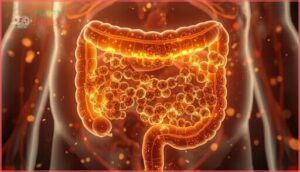
Unfortunately, your dog won’t absorb every vitamin and mineral listed on the label. Fat-soluble vitamins like A, D, E, and K require dietary fat to form micelles in the small intestine, while chelated minerals offer 5 to 15 percent better bioavailability than oxides.
Gut health factors, age, and nutrient interactions all shape digestive efficiency and how completely your dog uses micronutrients.
Signs of Micronutrient Deficiencies in Dogs

Even when you’re doing everything right with your dog’s diet, nutritional deficiencies can sometimes slip through the cracks. Your dog’s body sends clear signals when something’s missing, from subtle changes in coat quality to more concerning shifts in energy or appetite. Recognizing these warning signs early helps you address deficiencies before they become serious health problems.
Common Deficiency Symptoms
Your dog’s body sends clear signals when vitamins and minerals fall short. Skin issues like dry, flaky patches with dandruff-like flakes often point to deficiency effects from low essential fatty acids or vitamins A and E.
Nutritional deficiencies can also show up as a dull, faded coat from copper shortages, patchy hair loss with crusty skin from zinc deficits, or pale gums signaling iron-related dietary imbalances.
Impact on Health and Behavior
When vitamins and minerals run short, behavioral issues often emerge alongside physical health outcomes. Nutrient deficiencies can quietly erode your dog’s emotional wellness and mood stability in ways that reshape daily life:
- Nervous system disruptions from low B vitamins or magnesium may trigger anxiety, irritability, or trouble settling after normal activities.
- Thyroid-related shifts linked to inadequate iodine can increase unexpected aggression or fearfulness during routine interactions.
- Cognitive slowdowns from chronic gaps in key nutrients may reduce trainability, focus, and your dog’s ability to learn new commands.
Meeting daily nutrient requirements fosters balanced behavior and long-term dog health and wellness.
When to Consult a Veterinarian
Persistent changes in weight, coat quality, or digestion lasting more than a week signal the need for veterinary guidance and health monitoring. Emergency care becomes urgent if vomiting continues beyond a few hours, bloody diarrhea appears, or seizures develop after supplement exposure.
Chronic conditions, home-prepared meals, and unexplained treatment failures all warrant a nutrition consult to identify nutritional deficiencies affecting dog health and wellness through proper diet planning.
Ensuring Adequate Micronutrient Intake

You don’t need to guess or overthink your dog’s micronutrient needs. Complete commercial diets formulated to AAFCO standards provide all the vitamins and minerals your dog requires for daily health.
Here’s how to guarantee your dog gets adequate micronutrients: through proper diet selection, appropriate supplementation, and professional guidance when needed.
Complete and Balanced Commercial Diets
Choosing a commercial dog food that meets AAFCO standards is the most reliable way to deliver all required vitamins and minerals each day. Look for the words complete and balanced on dog food labels alongside the intended life stage, which tells you the product supplies nutrients in the right amounts and ratios.
When you follow feeding guidelines on the package, your dog receives consistent, balanced formulas designed by experts who understand nutrient profiles and processing impacts, so daily intake aligns with what veterinary nutritionists recommend for ideal dog nutrition.
Supplementation Guidelines
Most healthy dogs eating complete commercial food don’t need added vitamins or minerals, but certain conditions change the rules. When supplementation becomes necessary—for homemade diets, diagnosed deficiencies, or life stage gaps—dose calculation by body weight prevents toxicity risks while meeting nutritional requirements. You’ll want to avoid stacking products with overlapping ingredients, since combining multivitamins with fortified treats can quietly push nutrient intake beyond safe limits and trigger serious supplement safety concerns.
| Supplement Scenario | When Needed | Key Safety Consideration |
|---|---|---|
| Homemade diets | Missing key micronutrients daily | Measure premix to the gram, not guess |
| Joint or skin conditions | Diagnosed health issues | Monitor for stomach upset in first week |
| Growth stages | AAFCO targets not met by food alone | Large-breed puppies sensitive to excess calcium |
| Chronic disease | Kidney, liver, or gut problems | Must fit specific lab results and medical plan |
Always check nutrient interactions—calcium and iron can block absorption of certain medications when given together, so veterinary consultation ensures your supplement choices support health rather than create hidden imbalances.
Role of Veterinary Nutritionists
A board-certified veterinary nutritionist brings specialized training in canine nutrition that goes beyond general veterinary medicine. They design specific diets matching your dog’s exact needs, provide nutrition counseling for medical conditions, and perform detailed pet food analysis to verify micronutrient adequacy.
This veterinary guidance ensures vitamins and minerals support health through expert diet planning rather than guesswork.
Frequently Asked Questions (FAQs)
What nutrients do dogs need every day?
You’d think every owner knows what fuels their pup, yet daily nutritional requirements often go overlooked.
Dogs need proteins, fats, carbohydrates, vitamins, and minerals—all essential nutrients for dogs to thrive.
What micronutrients do dogs need?
Your dog needs fat-soluble vitamins like A, D, E, and K, plus water-soluble B-complex and choline for daily metabolic functions, alongside essential minerals including calcium, phosphorus, potassium, sodium, zinc, iron, copper, and selenium.
What are the 6 essential nutrients for dogs?
Your dog’s body runs on six core nutrients every day: water, protein, fats, carbohydrates, vitamins, and minerals.
Together, they fuel energy needs, support pet wellness, and maintain complete canine nutrition and nutrient balance.
Can dogs overdose on vitamins and minerals?
Yes, your dog can overdose on vitamins and minerals. Fat-soluble vitamins like A and D store in body fat, creating toxicity risks.
Supplement risks include mineral overload, nutrient imbalance, and severe overdose symptoms requiring immediate veterinary care.
Do homemade diets provide enough micronutrients?
Most homemade diet risks include nutrient deficiency and micronutrient imbalance—only six percent meet basic nutritional requirements.
Without veterinary guidance on proper dog food formulation, your dog’s vitamins and minerals will likely fall short.
How does cooking affect micronutrient content?
Like a delicate fabric in a hot dryer, vitamins shrink under heat while minerals hold their ground.
Cooking methods determine nutrient loss—thiamine drops 90% during extrusion, but gentle steaming preserves bioavailability better than harsh thermal processing.
Are breed-specific micronutrient requirements significantly different?
Your dog’s breed doesn’t substantially change its daily nutritional requirements.
AAFCO nutrient profiles apply uniform micronutrient minimums across all breeds, as canine genetics show only slight variations in vitamin and mineral needs.
Do micronutrient needs change during pregnancy?
Absolutely—your dog’s nutritional requirements shift dramatically during the gestation period. Pregnancy nutrition demands increase for vitamins, minerals, and fatty acids to support fetal development, maintain canine health, and prevent vitamin deficiencies.
Conclusion
Your dog’s body orchestrates thousands of cellular reactions each day, yet a single missing nutrient can silence that symphony. The micronutrients dogs need daily—from zinc’s role in wound repair to vitamin D’s command over calcium absorption—work invisibly until they’re absent.
Commercial diets formulated to AAFCO standards deliver these nutrients reliably, but homemade feeding demands veterinary oversight. Don’t wait for deficiency signs like limping or dull coats; prevention through balanced nutrition protects your dog’s long-term vitality.
- https://www.aorvethospital.com/services/dogs/blog/understanding-your-dogs-nutritional-needs-different-life-stages
- https://petcubes.com/blogs/aafco-approved-dog-food/nutrient-requirements
- https://pmc.ncbi.nlm.nih.gov/articles/PMC11680413/
- https://www.theanimalhospital.net/role-of-vitamins-and-minerals-in-your-pets-diet/
- https://www.merckvetmanual.com/management-and-nutrition/nutrition-small-animals/nutritional-requirements-of-small-animals