This site is supported by our readers. We may earn a commission, at no cost to you, if you purchase through links.
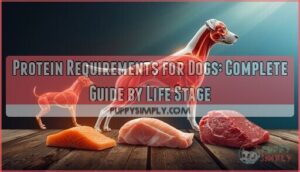
Your dog’s body can’t store protein the way it stockpiles fat or carbohydrates. Every day, amino acids break down during normal metabolic processes—repairing muscle tissue, building antibodies, producing enzymes that regulate everything from digestion to hormone balance.
Without adequate dietary protein, your dog’s body begins cannibalizing its own muscle mass to meet these non-negotiable demands. The stakes aren’t theoretical: insufficient protein shows up as dull coats, slow wound healing, weakened immunity, and in growing puppies, stunted development.
But here’s where it gets tricky—protein requirements for dogs shift dramatically across life stages, activity levels, and health conditions, and the percentages listed on commercial dog food labels don’t tell the whole story. Understanding how much protein your dog actually needs requires looking beyond marketing claims to the biological realities of canine nutrition.
Table Of Contents
- Key Takeaways
- Why Dogs Need Protein
- Minimum Protein Requirements for Dogs
- Optimal Protein Intake by Life Stage
- Protein Needs for Active and Working Dogs
- Protein Quality and Best Sources
- Calculating Your Dog’s Daily Protein Needs
- Factors Affecting Protein Requirements
- Signs of Protein Deficiency in Dogs
- Risks of Excess Protein in Dog Diets
- Frequently Asked Questions (FAQs)
- Conclusion
Key Takeaways
- Your dog’s protein needs shift dramatically by life stage—puppies require a 22.5% minimum for growth, while adults need 18%, but seniors actually need more (25-32%) to preserve muscle mass as their bodies lose efficiency at rebuilding tissue.
- Quality trumps quantity because your dog can’t store protein like fat—amino acids break down daily, forcing the body to cannibalize muscle mass if dietary intake falls short, showing up as dull coats, slow healing, and weakened immunity.
- Active and working dogs need 25-35% protein (1.6-2.0 grams per kilogram body weight) to support muscle repair and performance, with timing mattering as much as amount—feed within 1-2 hours post-exercise for optimal recovery.
- Dry matter basis reveals the truth behind labels—that 8% canned food actually delivers 36.4% protein once you remove moisture, making direct label comparisons between wet and dry foods misleading without mathematical correction.
Why Dogs Need Protein
Protein isn’t just another nutrient on your dog’s food label—it’s the foundation of nearly every biological process keeping them healthy.
It plays a crucial role in everything from repairing tissue and building muscle to maintaining a strong immune system—all key aspects of your dog’s daily nutritional requirements.
From building muscle tissue to fighting off infections, protein does the heavy lifting in your dog’s body.
Let’s break down exactly why this macronutrient matters so much and what happens at the cellular level when your dog eats it.
Protein’s Role in Canine Health
Protein metabolism drives every essential process in your dog’s body. From muscle repair after a morning jog to immune response against infection, protein supplies the raw materials.
Amino acids—protein’s building blocks—form antibodies, enzymes, and hormones that regulate growth and energy. Without adequate protein quality and amino acid balance, your dog’s tissues can’t regenerate properly.
Amino acids build the antibodies, enzymes, and hormones your dog needs to regenerate tissue and sustain life
That’s why understanding protein needs for dogs isn’t optional—it’s foundational canine nutrition. For more detail about the biological value of proteins and its impact on canine health, see this dedicated resource.
Essential Functions of Protein
Beyond basic tissue repair, protein orchestrates five critical systems in your dog’s body.
Structural proteins like collagen form muscles, tendons, and skin—the framework holding everything together. Enzymes speed up digestion, breaking down food into usable nutrients.
Antibodies and cytokines power immune support against pathogens. Transport mechanisms shuttle oxygen and iron through blood.
Hormone regulation controls growth, metabolism, and reproduction—all protein-dependent processes. For more insight, explore how the sequence of amino acids determines a protein’s specific structure and function.
Amino Acids and Dogs
Those structural and enzymatic roles depend on smaller building blocks called amino acids. Your dog’s body needs 22 total amino acids for protein synthesis, but can only produce 12 internally.
The remaining 10 essential amino acids must come from diet:
- Arginine prevents toxic ammonia buildup
- Lysine promotes collagen and immune function
- Methionine provides sulfur for coat pigment
Without complete amino acid profiles, deficiency disrupts canine nutrition and health—from muscle loss to poor dog gut health.
Minimum Protein Requirements for Dogs

You can’t just eyeball your dog’s protein needs and hope for the best. The Association of American Feed Control Officials (AAFCO) sets baseline standards that vary by life stage, but understanding what those numbers actually mean requires knowing how protein percentages are measured.
Let’s break down the official guidelines, compare adult versus puppy requirements, and clarify what “dry matter basis” means for your dog’s bowl.
AAFCO Guidelines Explained
What do those AAFCO standards on your dog food label actually mean?
The Association of American Feed Control Officials sets nutrient profiles that define minimum protein requirements for dogs. These guidelines help manufacturers formulate complete and balanced diets for specific life stages.
| Life Stage | Minimum Protein (Dry Matter) |
|---|---|
| Adult Maintenance | 18% |
| Growth/Reproduction | 22.5% |
Pet food regulation requires label claims to meet AAFCO standards through either nutrient profiles or feeding trials—your guarantee of nutritional adequacy.
Adult Vs. Puppy Needs
喙 Your puppy’s protein requirements for dogs dwarf what adult dogs need—and here’s why.
- Growth stages demand more: Puppies can double their weight in weeks, requiring extra grams per kilogram to build muscle, bone, and organs.
- Life stage minimums differ: Puppy foods usually hit mid-20s to low-30s percent crude protein; adult formulas sit lower.
- Nutrient needs shift: Adults maintain existing tissues; puppies prioritize rapid development phases.
- Feeding strategies adapt: Protein ratios drop once skeletal maturity arrives.
- Body weight drives intake: Growing pups need higher gram-per-kilogram targets than finished adults.
Dry Matter Basis in Dog Food
Moisture content skews your food label analysis if you compare proteins side by side without adjusting. Dry matter basis strips away water, revealing true protein density so you can match dog dietary requirements across kibble and canned formats.
Dry Matter Calculation in Action
| Food Type | As-Fed Protein | Moisture | Dry Matter Protein |
|---|---|---|---|
| Canned | 8% | 78% | 36.4% |
| Kibble | 26% | 10% | 28.9% |
| Wet Pouch | 10% | 82% | 55.6% |
Divide as-fed protein by (1 − moisture decimal) to compare nutrient content fairly. That canned recipe supplies more amino acids per bite than the kibble—despite lower label numbers. Use this lens when evaluating protein sources for accurate dog dietary requirements.
Optimal Protein Intake by Life Stage
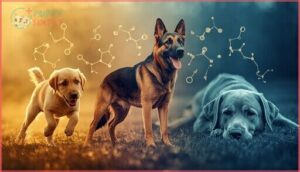
Meeting minimum standards isn’t the same as meeting your dog’s actual protein needs. A growing puppy requires far more protein than a couch-loving senior, and those differences matter for long-term health.
Here’s how protein requirements shift across your dog’s life.
Puppies and Growing Dogs
Growth and Development demand more fuel—your puppy needs at least 22.5% protein on a dry matter basis to build muscle, organs, and a healthy coat. Puppies burn through amino acids fast. That’s why Growth Stages require high-quality Protein Sources like chicken, fish, and eggs.
Small breeds mature around 12 months; large breeds need sustained Puppy Nutrition until 18–24 months for proper Digestive Health and complete development.
Adult Maintenance Needs
Once your dog hits adulthood, Protein Requirements shift to preservation—you’re maintaining Muscle Maintenance, not building from scratch. Adult Nutrition demands steady Protein Balance to support Canine Health without excess calories.
Here’s what your Maintenance Diets should deliver:
- 18–25% protein on a dry matter basis meets minimum Nutrient Requirements
- 0.5–1.0 grams per pound of body weight daily for most adults
- Higher percentages (25–28%) suit active lifestyles and larger breeds
- Complete amino acid profiles from digestible sources like poultry or fish
- Adjust intake during weight changes or Dietary Management plans
Quality beats quantity.
Senior Dog Considerations
Your senior dog’s muscles don’t rebuild like they used to—that’s why Senior Nutrition requires more high-quality protein, not less. Aim for 25–32% on a dry matter basis to preserve lean mass and support Aging Health.
Combine complete Amino Acids from eggs or fish with joint-supporting nutrients for thorough Geriatric Care that covers Canine Wellness beyond basic Protein Requirement formulas.
Protein Needs for Active and Working Dogs

Dogs with active lifestyles burn through energy and tear down muscle tissue at higher rates than their couch-potato counterparts.
Working dogs—whether they’re herding livestock, competing in agility trials, or spending hours in the field—have protein demands that far exceed minimum requirements. Let’s break down what active and working dogs actually need to maintain muscle mass, recover properly, and perform at their best.
Active Lifestyle Requirements
Your active dog burns through calories like fuel in a high-performance engine. To maintain lean muscle and support daily performance diets, you’ll need 1.6 to 2.0 grams of high-quality protein per kilogram of body weight. That translates to roughly 25–32% protein in the diet.
Exercise nutrition requires protein timing too—feed within one to two hours post-activity to optimize recovery strategies and muscle repair.
Working Dog Protein Demands
Police, military, and search-and-rescue dogs push their bodies to extremes—28 to 35% crude protein becomes non-negotiable for muscle maintenance and recovery.
Your working dog’s protein requirement climbs because sustained power and repair demand high-quality protein rich in branched-chain amino acids. Pair adequate protein intake with sufficient fat to fuel energy balance without compromising digestion rates, ensuring performance optimization during multi-day deployments.
Adjusting for Exercise Levels
When your dog’s activity level climbs 20 percent, protein intake should rise 3 to 5 percent to support muscle recovery and athletic performance.
Spread protein timing across multiple meals on training days—amino acid availability peaks when you deliver high-quality sources after exercise. Monitor energy balance closely: if lean mass drops despite consistent exercise nutrition, increase daily protein by 5 to 10 percent until body condition stabilizes.
Protein Quality and Best Sources
Not all protein is created equal. The source matters just as much as the percentage on your dog’s food label, because digestibility and amino acid profiles vary widely between ingredients.
Let’s break down what separates top-tier protein sources from the rest.
Animal Vs. Plant Proteins
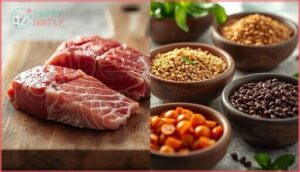
喙 Animal Vs. Plant Proteins
Your dog’s protein requirement hinges on amino acid profile and bioavailability. Animal protein sources deliver all nine essential amino acids in ideal proportions, maximizing protein efficiency and nutrient absorption. Plant proteins often fall short on one or more amino acids.
Here’s what sets them apart:
- Animal proteins offer higher protein digestion rates
- Plant options require careful combination for completeness
- Bioavailability differs markedly between sources
- Processing methods can improve both protein types
Highly Digestible Protein Sources
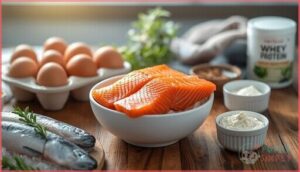
喙 Highly Digestible Protein Sources
Whey benefits include rapid absorption and amino acids above DIAAS 100. Egg digestibility peaks with cooking—leucine content drives muscle synthesis.
Fish preparation matters: baking salmon or whitefish preserves protein structure better than frying. Even plant blends like pea-rice combinations can approach animal protein quality when engineered correctly.
Your dog extracts more nutrition when digestibility exceeds 85%.
Biological Value of Protein
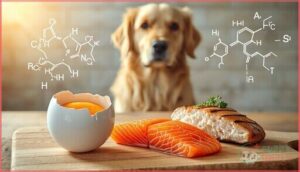
Biological Value of Protein
Protein efficiency reveals how well your dog’s body uses each amino acid for tissue repair. Biological value measures absorption and retention—eggs score highest, followed by whey and fish.
- Complete essential amino acid balance drives ideal muscle synthesis
- Animal-based protein sources generally deliver higher bioavailability scores
- Plant proteins often lack one limiting amino acid, reducing overall nutrient absorption
- Digestion rates affect how quickly amino acids reach tissues for repair
Combine sources strategically to fulfill your dog’s protein requirement.
Calculating Your Dog’s Daily Protein Needs

Figuring out exactly how much protein your dog needs isn’t guesswork—it’s math based on weight and activity level.
The calculation involves a protein factor that changes depending on whether you’re feeding a couch potato or a high-energy working dog.
Here’s how to run the numbers and determine your dog’s daily protein requirement.
Weight-Based Protein Calculations
Calculating your dog’s protein requirement starts with body weight in kilograms. Multiply that number by a protein factor—usually 2.0 to 6.0 grams per kilogram—to determine daily intake.
Weight adjustments matter: a 20-kilogram dog needing 2.5 g/kg requires 50 grams of protein daily. This foundation ensures nutrient balance before you fine-tune for activity or health status.
Protein Factors by Age and Activity
Your dog’s protein requirement shifts with life stage and activity level, shaping how efficiently their body uses each gram. Puppies need 1.5–2.0 g/kg to fuel rapid growth, while adults maintain muscle on 1.0–1.6 g/kg daily.
- Puppy growth phase: 1.5–2.0 g/kg promotes bone and tissue development
- Adult maintenance: 1.0–1.6 g/kg preserves lean mass and metabolic function
- Senior dogs: 1.0–1.2 g/kg offsets age-related muscle loss
- Active dogs: Add 0.2–0.5 g/kg per day based on exercise intensity
Example Calculation Methods
You’ll multiply your dog’s weight in kilograms by the protein factor—2.5 g/kg for a moderately active adult, 3.5 g/kg for working breeds.
A 20-kg dog at 2.5 needs 50 g daily protein intake. Then check your food label’s crude protein percentage, apply dry-matter correction, and divide daily grams across meals for balanced nutrient delivery and energy calculation.
Factors Affecting Protein Requirements
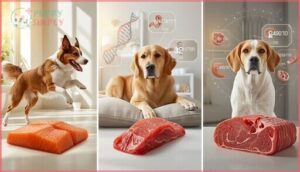
Your dog’s protein needs aren’t one-size-fits-all. Beyond age and activity level, several individual factors determine how much protein your dog actually requires.
Let’s look at three key variables that influence these requirements.
Breed and Size Differences
Your dog’s breed and size shape their protein needs more than you might expect. Metabolic rates, growth patterns, and digestive systems all vary by breed and size, directly influencing how much protein your dog requires at each life stage.
Key breed and size factors:
- Metabolic rates differ sharply – Small breeds burn energy faster per kilogram than large breeds, requiring higher protein per body weight.
- Growth patterns vary by size – Puppies of toy breeds finish growing by 9–12 months, while giant breeds need sustained higher protein for up to 18 months.
- Digestive efficiency changes with size – Larger dogs digest protein more slowly, benefiting from higher-quality animal sources for better amino acid absorption.
Senior dogs and working breeds show additional protein demands based on muscle maintenance and activity intensity.
Health Status and Medical Conditions
Health conditions reshape your dog’s protein needs in ways standard guidelines can’t predict. Kidney disease often demands restricted, high-quality protein to limit waste buildup, while liver function disorders require customized amino acid profiles.
Pancreatic health, chronic illness, and immune response all drive dietary restrictions that override typical recommendations. Immune system support during recovery may actually increase protein demands. Nutrition management starts with veterinary blood work and diagnosis.
Diet Type (Commercial, Raw, Homemade)
Commercial options deliver 22 to 28 percent protein quality on a dry matter basis with consistent formulated blends from chicken, beef, or fish.
Raw feeding centers on uncooked muscle meat, bones, and organs—freshness determines protein quality. Homemade food lets you tailor protein sources like turkey or salmon, but nutrient balance demands careful diet planning to meet complete amino acid requirements without supplementation gaps.
Signs of Protein Deficiency in Dogs

While protein deficiency is rare in dogs eating commercial diets, it can happen with homemade meals, illness, or poor-quality food.
Catching the signs early prevents serious health consequences. Your dog’s body will show clear warning signals when protein intake falls short.
Physical and Behavioral Symptoms
A drop in energy levels often signals your dog’s body is struggling to meet its protein needs. When essential amino acids run short, the immune system weakens and muscle wasting begins—especially across the hips and hindquarters.
Watch for these telltale signs:
- Behavioral changes like irritability, lethargy, or social withdrawal during play
- Digestive issues including loose stools, gas, or fluctuating appetite after meals
- Joint stiffness and slower gait, particularly noticeable on morning walks
Impact on Coat, Weight, and Healing
Your dog’s coat tells the story first. Protein deficiency triggers dry, brittle hair and patchy shedding as amino acids drop too low for keratin production.
Weight loss follows—muscle wastes while fat stores deplete unevenly. The healing process slows noticeably; minor cuts linger, surgical sites take longer to close, and skin barrier function weakens.
Protein balance directly governs nutrient absorption, making coat health, weight management, and wound healing reliable markers of dietary adequacy.
Risks of Excess Protein in Dog Diets

While protein is essential, more isn’t always better for your dog. Excess protein can create real health issues, especially for dogs with certain medical conditions or those eating poorly digestible sources.
Understanding these health risks helps you avoid overfeeding protein while still meeting your dog’s nutritional needs.
Effects on Healthy Dogs
Most healthy dogs handle extra protein without harm. Their bodies efficiently process surplus amino acids for energy or excretion. Protein Metabolism in canine nutrition promotes muscle repair, immune response, and digestive health naturally.
Still, watch for:
- Weight gain from excess calories in high-protein diets
- Digestive upset when switching protein sources too quickly
- Smelly stools from poorly digestible protein ingredients
- Increased thirst as kidneys process nitrogen waste
- Unnecessary expense beyond ideal nutrition management for dogs
Kidney Disease and Protein Restriction
Chronic Kidney Disease changes everything about Protein Requirement. Your veterinarian will recommend Renal Diets with Protein Limitation—usually 0.55–0.6 grams per kilogram daily—to reduce Uremic Symptoms and ease Kidney Function workload.
This careful Nitrogen Balance preserves essential Amino Acids while minimizing nitrogenous waste. Lower Protein doesn’t mean low quality; these specialized Dietary Requirements use highly digestible sources that protect failing kidneys without sacrificing nutrition.
Digestive Issues From Excess Protein
Protein Intolerance triggers Digestive Enzymes to work overtime, overwhelming your dog’s Gut Health with unprocessed Amino Acids. You’ll notice declining Stool Quality—soft, greasy, or unusually odorous—paired with Gas Symptoms like bloating and flatulence.
Poor Digestibility strains Dog Health and Wellness, especially in breeds prone to Kidney Disease. Monitor these signals; they reveal when protein levels exceed your dog’s processing capacity.
Frequently Asked Questions (FAQs)
How much protein should I feed my dog?
Your dog’s protein intake depends on life stage and activity. Adult dogs need at least 18% crude protein on a dry matter basis, while puppies require 22-23% for growth.
Can dogs be allergic to certain protein sources?
Yes—food allergies in dogs often involve proteins like chicken, beef, dairy, or eggs.
Allergic reactions cause itching, ear infections, and digestive upset. Novel proteins or hydrolyzed diets help manage these sensitivities effectively.
How does spaying or neutering affect protein needs?
After surgical recovery, your neutered dog needs roughly 20–30 percent fewer calories, yet protein density per 1000 kilocalories should stay moderate to high—protecting lean muscle despite lower energy requirements and shifting metabolic hormones.
What protein percentage is best for weight loss?
For healthy weight loss, your dog’s diet should contain more than 25 percent crude protein on a dry matter basis while cutting calories to protect muscle and boost fat loss.
Are high-protein diets safe during pregnancy in dogs?
During canine gestation, balanced high-protein diets are safe when they contain 25–30% protein from digestible animal sources.
You’ll support fetal development and maternal health without risking obesity or nutrient imbalances that complicate whelping.
How quickly can protein deficiency symptoms appear?
Like a battery draining, protein deficiency speed varies by age and activity.
Puppies show symptom onset within 5–10 days; adults display health impacts after 1–2 weeks of inadequate protein intake.
Conclusion
Think of protein as your dog’s daily construction crew—not a material you can stockpile for tomorrow. Meeting protein requirements for dogs isn’t about hitting a single magic number; it’s about calibrating intake to match your dog’s current biological demands.
A 12-week-old Labrador puppy and a sedentary 10-year-old Chihuahua occupy completely different nutritional universes. Calculate based on life stage, verify quality sources, and adjust when circumstances change. Your dog’s muscle mass depends on it.
- https://vmc.vet.osu.edu/services/companion-animal-nutrition-support-service
- https://www.loyalsaintspets.com/post/what-aafco-protein-standards-mean-for-dog-food
- https://www.petmd.com/dog/nutrition/evr_dg_whats_in_a_balanced_dog_food
- https://us.k9natural.com/blogs/stories-and-pet-tips/animal-protein-vs-plant-protein-whats-the-big-difference
- https://www.blackhawkpetcare.com/en/articles/plant-vs-animal-proteins-what-s-the-difference-in-pet-food/