This site is supported by our readers. We may earn a commission, at no cost to you, if you purchase through links.
Picture a young puppy as a sponge—soaking up every sound, touch, and scent. The first weeks set the tone for life ahead, shaping curiosity, trust, and how pups handle stress.
Gentle puppy exposure guidelines aren’t about rushing into new situations, but about thoughtful steps that help puppies feel secure while their brains wire up to the world. When you know how and when to introduce each new face, paw, or unfamiliar noise, you give your pup the building blocks for calm, confident behavior.
A strong start now keeps future worries small and brightens every adventure ahead.
Table Of Contents
- Key Takeaways
- Why Gentle Puppy Exposure Matters
- When to Begin Puppy Socialization
- Safe Exposure Before Full Vaccination
- Introducing Puppies to New People
- Socializing Puppies With Other Animals
- Exposing Puppies to New Environments
- Familiarizing Puppies With Everyday Noises
- Positive Socialization Techniques
- Monitoring Progress and Troubleshooting
- Frequently Asked Questions (FAQs)
- How long before a puppy can be exposed to other dogs?
- How often should I schedule socialization sessions?
- Can older puppies still be successfully socialized?
- What treats work best for socialization training?
- Should I socialize puppies with resource guarding issues?
- How do I socialize fearful or shy puppies?
- Conclusion
Key Takeaways
- You’ve got a narrow window between 3 and 14 weeks when your puppy’s brain is wired to learn socialization—miss it, and building confidence gets harder later on.
- Safe socialization doesn’t mean waiting until vaccines are done; you can expose your pup to vaccinated dogs, controlled home visitors, and varied sounds right away with vet guidance.
- Watch your puppy’s body language like tucked tails or flattened ears to know when you’re pushing too fast, then slow down and let them set the pace.
- Early exposure to different people, animals, places, and everyday noises prevents up to 50% of future behavioral problems like aggression and anxiety.
Why Gentle Puppy Exposure Matters
The way you introduce your puppy to the world in those first few weeks shapes everything that comes after.
A protective puppy socialization approach helps you expose your pup to new experiences safely while building their confidence for the future.
Gentle exposure during this critical window doesn’t just make life easier today—it builds the foundation for a well-adjusted adult dog.
Gentle early experiences shape your puppy into a confident, well-adjusted adult dog for life
Let’s look at why this early investment pays off for years to come.
Benefits for Long-Term Behavior
Early exposure shapes your puppy’s Behavioral Development in ways that last a lifetime. During the critical Socialization Period, repeated positive experiences strengthen neural pathways, making confident social behaviors automatic.
This foundational Social Learning builds Emotional Intelligence and healthy Habit Formation that reduces stress responses over time. Proper Puppy Socialization during early Puppy Development directly influences Canine Behavior patterns and even contributes to Longevity Benefits through reduced anxiety-related health issues.
Preventing Future Behavioral Issues
Proper Puppy Socialization actively prevents aggression, fear, and anxiety disorders that emerge later. Gentle exposure during peak Canine Development reduces disruptive behaviors by up to 50% when you use Habituation Techniques consistently.
Without structured Social Learning, Puppy Temperament hardens into problematic patterns requiring intensive Behavioral Therapy. That’s why Preventing Future Behavioral Issues starts now—Socialization Techniques shape Puppy Behavioral Issues before they become Behavioral Training for Dogs challenges. Early intervention is essential, mirroring the benefits outlined in these effective prevention strategies for behavioral issues.
Building Confidence and Resilience
Beyond preventing problems, Puppy Socialization builds lasting Confidence Building and Resilience Training through consistent Positive Reinforcement. Controlled Sensory Stimulation for dogs during Puppy Developmental Stages strengthens your pup’s ability to recover from stress—the foundation of emotional health.
Social Learning paired with Puppy Emotional Support creates adaptable dogs who bounce back from surprises. Socialization Techniques directly improve Puppy Socialization and development outcomes you’ll see for years.
When to Begin Puppy Socialization

Timing matters more than most new puppy owners realize. Your puppy’s brain develops rapidly in the first few months, and missing key windows can make socialization harder down the road.
Let’s look at when to start, what your breeder should be doing, and how to tell if your puppy’s ready for new experiences.
Critical Socialization Period (3-14 Weeks)
Your puppy’s brain is wired to learn between 3 and 14 weeks—a narrow window when sensory exposure and social learning shape lifelong behavior. This critical socialization period is when fear prevention matters most.
Positive experiences with people, sounds, and surfaces during these puppy developmental stages build confidence and prevent anxiety. Miss it, and habituation techniques become harder later.
To understand why early exposure is so impactful, learn more about the critical socialization period and its lifelong benefits.
Early Handling and Breeder’s Role
Before you bring your puppy home, a responsible breeder has already begun shaping puppy temperament through gentle handling techniques and early socialization methods. Their litter management practices during the first eight weeks set the stage for confident puppy exposure throughout the socialization period.
Quality breeders follow these handling techniques rooted in breeder ethics:
- Gently touch paws, ears, and mouths daily to reduce fear of human contact
- Introduce varied voices, textures, and calm movements in short sessions
- Monitor stress cues and adjust puppy socialization techniques to each individual’s comfort level
Signs Your Puppy is Ready
Your puppy shows readiness indicators when you spot these key puppy readiness indicators during the critical socialization period. Watch for calm behavior like maintaining eye contact for five to fifteen seconds, responding to simple cues with treats, and tolerating gentle handling without flinching.
These socialization signs confirm your puppy’s confidence building is on track, helping you recognize when to advance exposure and when fear recognition signals you should slow down.
Safe Exposure Before Full Vaccination

You don’t need to wait until your puppy’s fully vaccinated to start socialization—you just need to be smart about it.
Your vet can help you identify safe ways to expose your puppy to new experiences without putting them at risk. Here’s how to balance early socialization with your puppy’s health and safety.
Vet-Approved Socialization Practices
You can start safe puppy socialization before full vaccination with vet guidance. Schedule early vet visits during the critical socialization period to build positive associations with veterinary care for puppies.
Use high-value treats at the veterinarian’s office to support puppy desensitization and social learning. Focus on controlled, low-stress exposures that promote healthy canine development and puppy habituation without compromising your puppy’s health or confidence.
Avoiding High-Risk Environments
Until your puppy’s fully vaccinated, think of certain places as off-limits zones. Skip dog parks, pet store floors, and any area where unvaccinated dogs gather—these spots carry environmental risks you can’t see.
- Steer clear of public sidewalks with heavy dog traffic and unknown waste
- Avoid veterinary waiting rooms during peak hours when illness exposure climbs
- Keep puppies away from standing water and muddy trails where parasites thrive
Your puppy socialization can still flourish in safe zone creation at home and controlled visits.
Home-Based Exposure Ideas
Your home becomes a powerful training ground with the right setup. Create a quiet practice zone with washable mats and rotate textures like carpet and tile during play.
Introduce gentle handling—paws, ears, tail—for 30 seconds paired with treats. Schedule calm visitor meet-and-greets, practice short car rides, and vary lighting or room layouts.
These socialization techniques build confidence through environmental enrichment and sensory stimulation before venturing outdoors.
Introducing Puppies to New People

Your puppy needs to meet all kinds of different people during those critical first weeks. The goal isn’t just quantity—it’s about thoughtful variety that mirrors the real world your dog will navigate.
Let’s look at the key types of people your puppy should encounter.
Diverse Ages and Ethnicities
Your puppy needs to meet people who look, sound, and move differently—it’s how they learn the world is safe. Introduce infants, toddlers, older kids, and adults of different ethnicities so your pup doesn’t startle later.
These encounters build ethnic sensitivity and age diversity, turning puppy socialization into genuine cultural exchange that fosters social inclusion and community engagement throughout their life.
Calm Interactions With Children
Children move fast and speak loudly, so teach them to approach your pup slowly. Gentle touch and calm environments prevent stress signals like tucked tails or flattened ears. Use positive reinforcement when infants, toddlers, or older kids sit quietly near your dog.
- Speak in a soft, even tone to model calmness
- Let your puppy approach children first, not the other way around
- Reward gentle petting with treats immediately
- Watch for tense shoulders or backing away in either party
- Keep sessions brief—two minutes beats overwhelming encounters
Exposure to Different Attire and Genders
Your pup needs to see people in hats, coats, and uniforms—not just casual wear. Soft fabric clothing reduces startle responses, while bright accessories help puppies track handler presence. Gentle touch with open palms builds trust across all gender presentations. Reassuring eye contact and a friendly tone matter more than stereotypes.
Watch for lip licking or yawning, then pause and reward calm responses with high-value treats.
| Attire Variety | Social Cues to Model |
|---|---|
| Hats, uniforms, bright accessories | Slow movements, open palms |
| Soft fabrics, neutral colors | Relaxed facial expressions, steady posture |
| Close-fitting vests, sweaters | Gentle voice tone, reassuring eye contact |
Socializing Puppies With Other Animals

Your puppy needs to learn that other animals aren’t scary or threatening. The right introductions help your pup stay calm and confident around different species throughout life.
Here’s how to safely expose your puppy to dogs, cats, small pets, and other animals.
Meeting Vaccinated Dogs and Cats
Before your puppy completes their vaccination protocols, they can still meet other dogs and cats—if those animals are fully vaccinated.
Safe introductions in calm environments help your puppy learn animal body language early in the socialization period. Choose quiet, neutral spaces and watch for relaxed tails and soft eyes.
Keep sessions brief, reward gentle behavior, and always follow your veterinarian’s guidance on puppy vaccinations and socialization techniques.
Introducing Small Pets and Livestock
Larger animals need the same careful approach. Start Small Pet Encounters in quiet neutral spaces, letting your puppy observe birds or rabbits in secure cages from a distance. For Puppy Farm Visits and Livestock Handling, introduce calm sheep or goats one at a time behind fences. These Socialization Techniques and Environmental Enrichment for pets practices build Animal Habituation gradually.
- Begin with secure cages to prevent escapes and injuries
- Use baby gates or pens as safe boundaries during first meetings
- Reward calm behavior with treats and praise
- Never leave your puppy unattended with small animals
Observing Wildlife From a Distance
Wildlife Viewing teaches your puppy that nature exists without interaction. Keep safe distances of at least 50 meters from deer or birds, using binoculars as quiet gear. These ethical rules prevent stress while supporting puppy socialization and environmental enrichment for pets through animal socialization.
| Wildlife Type | Recommended Distance |
|---|---|
| Large mammals | 50+ meters |
| Birds nesting | 25+ meters |
| Squirrels/rabbits | 10+ meters |
| Waterfowl | 15+ meters |
| Forest animals | 30+ meters |
Practice respectful photography using zoom lenses during puppy exposure, teaching calm observation as core socialization techniques.
Exposing Puppies to New Environments
Your puppy needs to experience different places beyond your living room.
The goal isn’t to overwhelm them—it’s to build confidence one location at a time.
Here’s how to introduce new environments safely and at the right pace.
Safe Home and Yard Exploration
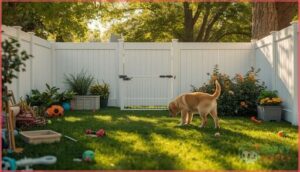
Your home and yard are the first classroom for puppy socialization. Install a 6-foot fence with self-latching gates to establish secure play areas and outdoor boundaries.
Use pet gate options to control access while you supervise. Practice yard safety tips by storing tools in locked boxes and checking for choke hazards.
These environment socialization steps and sound socialization techniques build confidence through gentle puppy exposure.
Gradual Outings to Parks and Stores

Start with 10-minute park visits in wide open spaces and extend gradually by five minutes per outing. Choose low-traffic hours to support puppy safety and crowd control.
Follow these store etiquette and leash training steps:
- Pick quiet aisles to practice puppy socialization techniques with high-value treats
- Use a lightweight vest for secure control during pet stores exposure
- Reward calm walking every 15 seconds
- End outings with fun activities to reinforce positive puppy exposure
Navigating Urban and Rural Settings

City sounds and rural landscapes each present unique puppy socialization challenges. Tailor your environmental adaptation plan to your setting through community engagement and structured puppy classes.
| Setting | Key Stimuli | Socialization Package |
|---|---|---|
| Urban Planning Zones | Traffic noise, crowds, mixed-use areas | Short 5-min walks, reward calm behavior every 20 seconds |
| Rural Landscapes | Farm animals, wildlife, open spaces | Controlled distance exposure, gradual approach with treats |
| Transit Areas | Buses, bikes, pedestrian flow | Observe from quiet spots, increase proximity weekly |
| Natural Settings | Birds, wind, natural sounds | Off-leash practice in fenced areas, encourage exploration |
Match puppy exposure intensity to your environment’s density—cities require frequent brief sessions while rural settings allow longer, spaced encounters.
Familiarizing Puppies With Everyday Noises

Your puppy needs to feel comfortable with the sounds they’ll hear every day. Start with the noises inside your home and gradually work up to louder outdoor sounds.
Here’s how to introduce your puppy to common sounds in a way that builds confidence instead of fear.
Household Appliances and Doorbells
Your puppy won’t fear the vacuum if you introduce household sounds early and calmly. Begin with appliance noise at low volumes—run the blow dryer in another room while offering treats. Gradually move closer as your pup stays relaxed.
Doorbell systems can startle, so practice ringing it softly and rewarding calm behavior. This sound socialization builds confidence and enhances effective puppy socialization and dog training methods.
Outdoor Sounds and Traffic
Traffic noise introduces puppies to urban living, but start at a safe distance—every doubling of space cuts sound by about six decibels.
Walk your pup during quieter morning hours to build sound habituation. Pair car rumbles with treats to encourage environmental exposure and positive dog socialization.
Noise barriers like walls help, but gradual puppy exposure and consistent puppy socialization techniques matter most for confident outdoor behavior.
Handling Loud Events (Thunder, Fireworks)
Thunder and fireworks can overwhelm young pups, but noise desensitization works. Play recorded sounds at low volume, pairing each session with treats for fear reduction. Gradually increase sound exposure over weeks while using calming techniques like gentle massage.
A quiet crate offers refuge during loud events. For extreme cases, vet-approved protective gear or pheromone diffusers support puppy socialization techniques and reduce fear and anxiety in dogs.
Positive Socialization Techniques

The way you introduce new experiences makes all the difference in your puppy’s development. Your approach should always prioritize comfort over speed, using rewards to create positive associations.
Here’s how to guide your puppy through socialization with confidence.
Using Treats and Toys for Rewards
Reinforcement creates the foundation for confident behavior. Use small, soft training bites delivered within one second of your puppy’s calm response during new exposures. Pair treats with a short word cue to build clear associations, and rotate between food and brief tug sessions to sustain enthusiasm.
- Keep treats within 10 percent of daily calories to avoid overfeeding
- Reserve higher value rewards for challenging situations to maintain motivation
- Use toy rewards when food distracts from performance or causes drooling
- Introduce clicker training to mark exact moments of desirable behavior
- Avoid greasy or crumbly treats that leave residue on your hands
Letting Puppies Set The Pace
Rewards work best when your puppy decides how fast to advance. Watch for relaxed posture and curious sniffing—these signals confirm readiness during the socialization period.
If your pup hesitates or backs away in calm environments, pause and let them observe from a safe distance. Pace setting respects puppy development and fosters social learning through gentle handling, preventing overwhelm during critical animal socialization strategies.
Step-by-Step Desensitization and Habituation
Once your puppy’s ready, desensitization methods and habituation techniques work hand in hand. Start with a mildly annoying stimulus—say, distant traffic noise—then gradually increase volume across sessions.
Pair sensory exposure with treats to build positive associations and support fear reduction. Keep sessions short, watch for relaxed body language, and let your pup retreat anytime.
These calming strategies shape confident dog socialization throughout the critical socialization period.
Monitoring Progress and Troubleshooting

Even with the best socialization plan, you’ll need to watch how your puppy responds and be ready to make changes. Some puppies sail through new experiences while others need more time and smaller steps.
Here’s how to read your puppy’s signals, adjust your approach when needed, and know when it’s time to call in expert help.
Recognizing Signs of Fear or Stress
Your puppy’s reactions tell you everything about their comfort level. During the socialization period, watch for fear signals that indicate you’re moving too fast—these cues help prevent dog behavioral issues down the road.
- Body language: tucked tail, flattened ears, crouching, or freezing in place
- Vocal cues: whining, high-pitched barks, or excessive panting unrelated to exercise
- Physiological responses: trembling, rapid breathing, or seeking shelter behind you
Recognizing fearful behavior early lets you adjust before stress builds.
Adjusting Exposure Levels
Often, you’ll want to adjust Exposure Limits with care. Stick with short, calm exposures, gradually increasing sessions as your puppy stays relaxed—think 5 to 10 minutes at a time.
Use this quick-reference:
| Gradual Increase | Contextual Balance | Environmental Monitoring |
|---|---|---|
| Short sessions | Alternate stimuli | Observe body language |
| Small increments | Rotate locations | Track stress signs |
| Hold steady | Keep routine | Note triggers |
This rhythm facilitates successful Puppy Socialization and effective Socialization Techniques like Desensitization and Habituation.
When to Seek Professional Guidance
Wondering when a nudge from a pro is best? If you spot repeated fear signs, puppy stress, or sudden shyness that stalls joy during socialization, it’s time to get Professional Help.
Guidance Timing matters: experienced Behavior Experts and veterinarians’ offices offer support for pet care and health, dog training and behavior, or persistent concerns in animal behavior. Don’t wait—reach out early.
Frequently Asked Questions (FAQs)
How long before a puppy can be exposed to other dogs?
Most puppies can meet healthy, vaccinated dogs after their first vet visit around 7-8 weeks.
The critical socialization timeline extends through 14 weeks, balancing puppy development stages against health risks from premature exposure.
How often should I schedule socialization sessions?
Schedule socialization sessions two to three times weekly for ten to fifteen minutes during weeks three through eight.
Between weeks nine and twelve, shift to daily five to ten minute sessions to reinforce calm responses.
Can older puppies still be successfully socialized?
Research shows 70% of behavioral issues in adult dogs stem from incomplete early socialization.
Yes, older puppies can still learn through gentle exposure methods and consistent positive reinforcement, though progress takes patience.
What treats work best for socialization training?
You’ll want soft rewards like cooked chicken or cheese. Treat selection and reward timing matter—deliver immediately after calm behavior.
Rotate textures to keep puppies engaged without exceeding daily calorie management limits.
Should I socialize puppies with resource guarding issues?
Yes, absolutely—but you’ll need a certified trainer to design a gentle exposure plan.
Resource guarding puppies benefit from careful socialization that builds trust without triggering defensive behavior around food or toys.
How do I socialize fearful or shy puppies?
Start with extremely brief exposures and let your fearful puppy retreat freely.
Pair every interaction with high-value treats, watch for stress signals, and never force contact.
Building puppy confidence through desensitization takes patience and calm behavior training.
Conclusion
Think of gentle puppy exposure guidelines as the compass that steers your pup toward a lifetime of balance. Each careful introduction—whether it’s a new sound, face, or place—roots confidence deeper. You’re not rushing; you’re building trust one positive moment at a time.
When fear stays small and curiosity stays strong, your dog walks through the world with ease. That solid foundation? It starts right now, in your hands.
- https://get.rover.com/goodpup-certification
- https://www.aspcapro.org/sites/default/files/2023-11/socializing-a-puppy.pdf
- https://apps.apple.com/us/app/sound-proof-puppy-training/id700513321
- https://www.petmd.com/dog/general-health/when-can-puppy-go-outside
- https://www.pdsa.org.uk/pet-help-and-advice/looking-after-your-pet/puppies-dogs/puppy-socialisation