
This site is supported by our readers. We may earn a commission, at no cost to you, if you purchase through links.

Your puppy’s brain undergoes more neural development between 3 and 14 weeks than at any other time in their life. Miss this window, and you’re not just delaying socialization—you’re potentially shaping a dog who struggles with fear, aggression, or anxiety for years to come.
Yet most new puppy owners face a genuine dilemma: veterinarians warn about disease risk before full vaccination, while behaviorists emphasize that inadequate early socialization is the leading cause of behavioral euthanasia in dogs under three years old.
The good news? You don’t have to choose between physical safety and behavioral health. With the right puppy socialization window techniques, you can introduce your puppy to the world systematically and safely, building confidence without compromising their immune system.
Table Of Contents
Key Takeaways
- Your puppy’s brain undergoes peak neural development between 3 and 14 weeks—miss this critical socialization window and you’re not delaying training, you’re potentially hardwiring fear, aggression, or anxiety that can last a lifetime.
- You don’t have to choose between disease prevention and behavioral health during early puppyhood; controlled exposure to vaccinated dogs, at-home sensory experiences, and gradual environmental introductions let you socialize safely before full vaccination is complete.
- Recognizing stress signals like whale eye, freezing, excessive panting, or avoidance behaviors during socialization is just as important as the exposures themselves—pushing through these warning signs conditions anxiety instead of preventing it.
- Socialization doesn’t end at 14 weeks; ongoing exposure to new environments, professional puppy classes, and systematic desensitization techniques continue building confidence and resilience well into adulthood, especially for puppies adopted after the critical window closes.
When is The Puppy Socialization Window?
Your puppy’s brain is like a sponge during those first few weeks, soaking up everything around them. Miss this narrow window, and you’re facing an uphill battle with fear and anxiety down the road.
Let’s break down exactly when this critical period happens, why it matters so much, and how you’ll know your puppy is ready to take on the world.
Key Developmental Stages (3-14 Weeks)
Your puppy’s brain development moves fast between 3 and 14 weeks—this critical period shapes their entire emotional foundation. During this socialization window, four milestones matter most:
- Weeks 3-5: Sensory stimulation begins; puppies explore textures and sounds
- Weeks 5-7: Social learning theory kicks in through littermate play
- Weeks 7-9: Fear imprinting starts; positive experiences build confidence
- Weeks 9-14: Enhanced puppy socialization techniques shape adult temperament
Miss this window, and anxiety often follows. Researchers use scientific study methods to understand developmental processes.
Why Timing is Critical for Behavior
Neural development peaks during this critical period, making every interaction count. Your puppy’s brain is wiring fear responses and behavioral patterns that’ll stick for life. Social learning happens fastest now—positive experiences literally reshape neural pathways, while missed exposures increase anxiety risk by up to 25%. That’s why the socialization window isn’t flexible; waiting means working against biology.
Your puppy’s brain wires fear responses for life during this narrow window—miss it, and you’re fighting biology
| Timing | Impact on Behavior |
|---|---|
| During Window (3-14 weeks) | Rapid learning, durable confidence, reduced fear responses |
| Delayed (After 14 weeks) | Heightened fearfulness, aggression risk, harder retraining |
| Rushed/Overwhelming | Anxiety, avoidance behaviors, long-term stress |
Signs Your Puppy is Ready to Socialize
Before you start introducing new experiences, watch for developmental signs that signal readiness. Your puppy should approach unfamiliar people or dogs without retreating by 12–16 weeks.
Look for calm indicators: relaxed body posture, loose tail wagging, soft eyes. Curiosity—sniffing, pawing, nudging—shows healthy social cues.
Fear responses like pinned ears or escape-seeking mean pause and slow down.
Step-by-Step Puppy Socialization Techniques
Now that you understand when your puppy’s socialization window opens, let’s talk about how to make the most of it. The key is using specific, proven techniques that build confidence without overwhelming your pup.
Here are five practical approaches you can start using today to set your puppy up for a lifetime of balanced behavior.
Introducing New Sights, Sounds, and Smells

Your puppy’s brain thrives on controlled sensory exposure during the socialization window—not chaos, but thoughtful introductions.
Start with soft household sounds at low volume, pair unfamiliar sights with calm handling, and let novel environments unfold gradually.
Use a scent-free zone between sessions to prevent overstimulation.
These socialization techniques build confidence through gradual acclimation, preparing your puppy for life’s sensory richness without triggering fear during this critical socialization period.
Positive Reinforcement and Reward Systems

Consistently pairing treats with calm behaviors during socialization techniques builds lasting confidence—that’s positive reinforcement in action. Choose high-value, palatable treats scaled to your puppy’s caloric management needs, and deliver feedback within one second of the desired response.
Variable reward schedules maintain engagement longer than fixed patterns, while diverse reinforcer types—verbal praise, play, food—keep puppy training fresh and effective throughout the critical puppy socialization window.
Handling, Grooming, and Vet Visits

Gentle grooming and puppy handling during the socialization window set the stage for stress-free vet visits throughout your dog’s life. Start with brief, positive sessions—brush for 30 seconds, touch paws, examine ears—pairing each step with high-value treats.
Calm environments and consistent positive reinforcement transform routine care into bonding moments, building trust that makes veterinary advice easier to follow and socialization techniques more effective.
Safe Meet-Ups With Vaccinated Dogs

Verified vaccination records form your safety foundation—ask owners for recent veterinary documentation before any meet-up during the socialization window.
Choose neutral environments like quiet sidewalks or controlled yards to minimize arousal, then introduce puppies on leash for 5–10 minutes.
Watch for stiff posture or raised hackles, and reward calm behavior with high-value treats to reinforce positive puppy socialization and training techniques.
Gradual Exposure to Environments and Objects

Environmental acclimation shapes your puppy’s confidence when you introduce one new variable at a time—texture, surface, or lighting—during short 5–10 minute sessions.
- Start in quiet, familiar locations before advancing to novel settings over multiple visits during the socialization window.
- Pair positive reinforcement with calm exploration using high-value treats for approach behaviors.
- Introduce objects at a distance where curiosity outweighs fear, rewarding nose-to-object contact.
- Rotate sensory stimulation through varied shapes and textures while tracking your puppy’s socialization progress.
Safety Protocols During Socialization

Socializing your puppy during those critical early weeks means walking a fine line between protecting their health and giving them the experiences they need. You can’t afford to wait until vaccinations are complete, but you also can’t ignore real disease risks.
Let’s break down the safety protocols that let you socialize confidently without second-guessing every decision.
Balancing Disease Prevention and Development
You can’t put puppy socialization on hold until full vaccination—those first 14 weeks shape your dog’s emotional life forever. Vaccine timing and health checks guide when it’s safe to socialize with other dogs, but you can start immediately with controlled, low-risk exposures. Work closely with your vet to balance immune development against behavioral needs, because fear prevention matters as much as disease risk.
| Socialization Activity | Disease Risk Level | Ideal Timing |
|---|---|---|
| Vaccinated friends’ dogs | Low | After first shots |
| Public dog parks | High | After full series |
| Controlled puppy classes | Moderate | 8-10 weeks onward |
At-Home Socialization Strategies
Your home is the safest training ground for puppy habituation and fear prevention. Start with a puppy socialization checklist covering calm training sessions—introduce household sounds, textures, and objects in five-minute intervals.
Use positive reinforcement during socialization techniques to build social learning without disease exposure.
This home environment becomes your puppy’s confidence foundation, blending puppy socialization and training before venturing outside.
Recognizing Overstimulation and Stress
While building your pup’s confidence at home, watch for stress signals that indicate you’ve crossed a line. Overstimulation signs during puppy socialization don’t always scream—they whisper. Learning to read these emotional balance indicators protects against puppy anxiety and fosters fear prevention.
Your puppy shows overstimulation through:
- Pacing or restlessness that won’t settle within minutes
- Avoidance behaviors or pulling away from mild new stimuli
- Rapid panting in calm settings beyond normal puppy energy
- Excessive yawning, lip licking, or seeking constant physical contact
When to Pause Socialization Efforts
If stress signals escalate beyond mild discomfort—think sustained trembling, behavioral shutdown, or aggression across two sessions—pause socialization breaks immediately and seek veterinary guidance. Medical events like illness or vaccination reactions also warrant a full stop until cleared.
Restart cues include 48-hour calm monitoring and low-intensity re-exposure with positive reinforcement. Prioritizing puppy fear periods over rigid timelines prevents long-term anxiety and fosters healthy puppy development stages.
Common Socialization Mistakes to Avoid

You can absolutely love your puppy to pieces and still make critical mistakes during the socialization window. These missteps often stem from good intentions—wanting to show your pup the world or protect them from harm—but they can derail months of careful work.
Let’s walk through the four most common pitfalls so you can sidestep them entirely.
Overexposure Versus Controlled Experiences
You might think more exposure equals better socialization, but that’s a common trap. Overexposure actually spikes stress hormones and can trigger lasting fear responses—the opposite of what you want.
Controlled experiences using positive reinforcement techniques and gradual exposure therapy work better for fear prevention. Short, frequent sessions customized to your puppy’s temperament build confidence without overwhelming their developing nervous system.
Track progress with a puppy socialization checklist.
Socializing When Puppy is Tired or Fearful
Pushing socialization when your puppy shows fear signs or fatigue management issues backfires completely. You’ll condition anxiety instead of preventing it.
Watch for tucked tails, yawning, or lip-licking during puppy socialization—these signal you need to pause. Use gentle exposure paired with calm cues and high-value treats, but don’t force interactions. Desensitization techniques work only when your puppy’s baseline stays relaxed, not shutdown.
Ignoring Body Language and Stress Signals
Your puppy’s body language cues are the clearest roadmap to successful socialization techniques and strategies—yet many owners miss the signals entirely. Ignoring stress signal recognition during this developmental window dramatically increases anxiety prevention failures and behavioral issues down the line.
- Whale eye (showing the whites of eyes) means your puppy’s overwhelmed right now
- Freezing or stiffening signals fear response management is needed immediately
- Excessive panting without heat exposure indicates canine emotional intelligence is crying out for help
Early warning signs prevent escalated arousal and future bite risk during puppy socialization.
Missing The Critical Socialization Window
Missing this window doesn’t just delay development—it fundamentally shapes fear responses and behavioral deficits that persist into adulthood. If you’ve passed the 14-week mark without adequate puppy socialization, your dog faces higher risks of social isolation and anxiety.
Recovery techniques exist, but the long-term consequences demand immediate action. Start your puppy socialization checklist today, focusing on socialization techniques and strategies that prioritize anxiety and fear prevention in dogs during critical puppy development and growth stages.
Top 3 Products for Safe Puppy Socialization
You don’t need a garage full of gear to socialize your puppy safely, but a few well-chosen products can make the process smoother and less stressful. The right tools help you balance your puppy’s developmental needs with disease prevention during those critical early weeks.
Here are three products that veterinary behaviorists consistently recommend for safe, effective socialization.
1. Roodo Pet Stroller For Small Dogs Cats
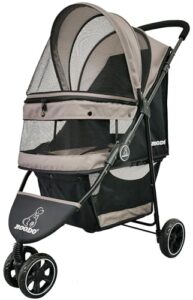
You can’t socialize your puppy in public parks during those critical early weeks—but you can still expose them to the world safely. The Roodo Pet Stroller for small dogs and cats solves this dilemma beautifully.
Its breathable mesh enclosure lets your puppy observe new sights, sounds, and smells while staying protected from disease risks. The foldable design makes it a portable pet solution for vet visits and neighborhood walks.
For effective puppy training and socialization, this stroller offers controlled exposure without compromising safety—essential for your puppy development checklist.
| Best For | Pet owners who want to safely socialize young puppies or transport small dogs and cats with mobility issues during outdoor activities. |
|---|---|
| Primary Material | Alloy Steel & Polyester |
| Weight | 4.8 KG |
| Target Pet Size | Small to Medium |
| Portability | Foldable & Compact |
| Color Options | Grey |
| Use Case | Outdoor Transport |
| Additional Features |
|
- Breathable mesh enclosure keeps pets secure while letting them experience new environments—perfect for early socialization without disease exposure
- Foldable, lightweight design (10.8 lbs) makes it easy to store and carry for vet trips or travel
- Includes practical features like rear brakes, under-storage, and cup holders for convenience during walks
- Fixed handlebar height may be uncomfortable for taller users during longer outings
- Some durability concerns with front wheel noise and handlebar foam wear reported by users
- May need extra padding for pet comfort, and not ideal for heavy use on rough terrain
2. Springer Portable Dog Water Bottle
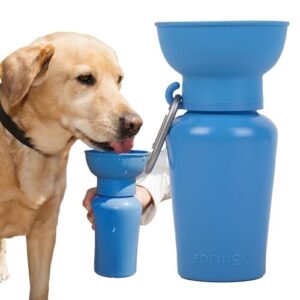
Hydration shouldn’t limit your puppy’s socialization outings. The Springer Portable Dog Water Bottle holds 20 ounces and features leak-resistant technology—critical for longer training sessions outdoors. Its BPA-free silicone design weighs just 3.6 ounces, so you won’t sacrifice bag space for essential puppy training and socialization gear.
The easy-squeeze mechanism and included carabiner make on-the-go dog watering seamless during critical developmental windows. Whether you’re practicing socialization methods at dog-friendly patios or hiking trails, this portable hydration solution keeps your puppy comfortable and focused on positive experiences.
| Best For | Puppy owners who want reliable hydration during outdoor training sessions, socialization outings, and travel without the hassle of bulky water containers. |
|---|---|
| Primary Material | BPA-Free Silicone |
| Weight | 3.6 Ounces |
| Target Pet Size | Various Sizes |
| Portability | Foldable & Lightweight |
| Color Options | Black |
| Use Case | Walks & Travel |
| Additional Features |
|
- Lightweight 3.6-ounce design with 20-ounce capacity means you can carry plenty of water without adding weight to your bag during long walks or hikes.
- Leak-resistant shut-off technology prevents spills in your car or backpack, so you can focus on your puppy instead of cleanup.
- Easy-squeeze mechanism and included carabiner make it simple to offer water quickly during training sessions when timing matters.
- Shallow bowl design can lead to spillover with enthusiastic drinkers, which might frustrate you during training sessions.
- Cleaning the straw and locking mechanism takes extra effort, and debris can build up underneath if you’re not thorough.
- Some dogs won’t drink from the cup-style design, so you might need to train your puppy to use it or find an alternative.
3. Pupford Freeze Dried Dog Treats
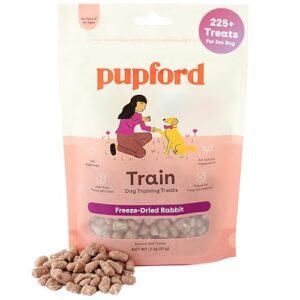
Positive reinforcement transforms puppy socialization from stressful to successful—and treat ingredients matter during critical developmental periods. Pupford’s freeze-dried rabbit treats deliver 100% meat with zero fillers or artificial preservatives, making them ideal training rewards for puppies with sensitive stomachs.
At roughly 1.5 calories per piece, you can reward repeatedly without compromising dog nutrition during frequent socialization methods. Their lightweight, mess-free design facilitates on-the-go puppy motivation whether you’re practicing handling exercises or introducing new environments.
Grain-free formulation reduces allergen exposure while building positive associations through every training session.
| Best For | Puppy owners who want low-calorie, mess-free training treats made with simple ingredients that work well for dogs with sensitive stomachs. |
|---|---|
| Primary Material | Natural Rabbit & Tocopherols |
| Weight | 2 Ounces |
| Target Pet Size | All Life Stages |
| Portability | Small & Mess-Free |
| Color Options | Natural |
| Use Case | Training & Motivation |
| Additional Features |
|
- Only 1.5 calories per treat means you can reward your dog constantly during training without overfeeding
- Made with 100% rabbit meat and nothing else—no fillers, grains, or artificial stuff
- Small and lightweight, so they’re perfect for carrying around during walks or socialization outings
- Pricey compared to other training treats on the market
- The smell isn’t for everyone—some people find it off-putting
- Treats can vary in size between batches, and some might be too tiny for bigger dogs
Continuing Socialization Beyond 14 Weeks

The 14-week mark doesn’t signal the end of socialization—it’s just the beginning of a lifelong commitment to your dog’s emotional health. Your puppy’s brain continues developing well into adulthood, and ongoing experiences still shape behavior, confidence, and resilience.
Let’s explore practical strategies to keep socialization efforts strong as your puppy grows beyond that critical early window.
Ongoing Exposure to New Experiences
Your puppy’s learning doesn’t stop at 14 weeks—think of it as the beginning, not the finish line. Ongoing environmental enrichment and sensory stimulation keep your pup adaptable and confident through puppy development.
Here’s how to maintain momentum with smart exploration strategies:
- Schedule 2–3 brief outings weekly to new parks or streets for habituation techniques
- Introduce varied surfaces like gravel and stairs for confidence building
- Pair novelty with positive rewards during social learning opportunities
- Log each experience to track puppy socialization progress effectively
Socialization Classes and Professional Help
Beyond home practice, expert guidance from certified trainers accelerates social learning through structured puppy class environments. These socialization packages pair positive reinforcement with behavior plans customized to your pup’s needs, offering puppy coaching under professional supervision.
| Program Type | What’s Included | Best For |
|---|---|---|
| Group Puppy Class | Controlled play, basic commands, trainer certification verification | Healthy pups 8–16 weeks |
| Private Coaching | Customized behavior plans, expert guidance sessions | Fear-reactive or shy puppies |
| Clinic-Based Programs | Vaccination checks, structured exposure, dog training and socialization | Safety-conscious owners |
| Multi-Week Packages | Progressive skill building, ongoing assessment | All-round development |
| Drop-In Sessions | Flexible scheduling, group interaction | Busy schedules |
Desensitization Techniques for Older Puppies
If your puppy missed the early window, gradual desensitization can still rebuild confidence and reduce fear. Start with low-intensity stimuli in calm home environments, then slowly increase exposure over several weeks while tracking duration of calm behavior. Pair each feared stimulus with high-value treats to shift emotional response through positive reinforcement and counterconditioning.
- Introduce mock vet exams and gentle brushing without pressure to reduce grooming anxiety
- Keep sessions brief and predictable to prevent overload and promote consistent progress
- Monitor arousal levels closely and pause if distress signs exceed your comfort threshold
Tracking Progress With a Socialization Checklist
A well-designed socialization checklist transforms observation into actionable data. Document each exposure weekly with dates, environments, and your puppy’s reaction using a 0–5 rating scale. Track metrics like approach frequency and stress markers to spot patterns. Color-code statuses—green for progress, yellow for caution, red for regression—so you can adjust your plan quickly and keep development on track.
| Checklist Component | What to Record | Why It Matters |
|---|---|---|
| Exposure details | Date, stimulus type, environment context | Creates verifiable timeline for puppy development |
| Response rating | Calmness score (0–5), stress signals present | Reveals socialization metrics and readiness for next step |
| Progress markers | Voluntary engagement frequency, regression notes | Guides data analysis and training adjustments |
Frequently Asked Questions (FAQs)
Can puppies socialize with unvaccinated neighborhood dogs safely?
The short answer? Not safely. Unvaccinated dogs carry parvovirus and distemper risks your puppy can’t fight off yet.
Always verify vaccination status before any nose-to-nose contact—disease transmission trumps socialization urgency every time.
How do different breeds respond to socialization?
Different breeds carry genetic influences that shape their social learning and training outcomes. Labradors tend toward tolerant responses, while German Shepherds may show heightened alertness. Border Collies thrive with structured interactions, and Chihuahuas often display sensitivity-driven reactivity.
What if my puppy was adopted late?
If your puppy was adopted after twelve weeks, don’t panic—you can still build confidence through structured, shorter socialization plans.
Focus on gentle, positive exposures with vaccinated dogs and calm handling to reduce fear.
Should siblings be socialized together or separately?
Like splitting a deck of cards to reveal each suit, socializing siblings both together and separately lets you uncover each pup’s unique fears and strengths—alternating individual sessions with joint exposure balances puppy development and social hierarchy learning.
How does weather affect outdoor socialization activities?
Weather safety matters: temperatures between 50–75°F support longer outdoor socialization, while humidity above 70% or cold below 40°F requires shorter sessions.
Storm precautions and climate adaptation protect puppy development during vital dog socialization experiences.
Conclusion
The shortest window in your puppy’s life creates the longest-lasting impact on their behavior. By applying these puppy socialization window techniques with intention and care, you’re not just preventing future problems—you’re building a foundation of confidence that will serve your dog for years to come.
Start today, move thoughtfully, and remember: every positive experience now is an investment in the calm, resilient companion you want by your side tomorrow.
- https://avsab.org/wp-content/uploads/2018/03/Puppy_Socialization_Position_Statement_Download_-_10-3-14.pdf
- https://images.akc.org/pdf/star_puppy/6_Weeks_Class.pdf
- https://www.apps.akc.org/cgc-evaluator/
- https://www.vetmed.ucdavis.edu/sites/g/files/dgvnsk491/files/inline-files/Puppy_Socialization.pdf
- https://get.rover.com/goodpup-certification