This site is supported by our readers. We may earn a commission, at no cost to you, if you purchase through links.

A German Shepherd puppy with perfect breeding credentials can still develop hip dysplasia—because genetics tell only part of the story. The condition affects up to 19% of the breed, driven by a mix of inherited risk, nutrition timing, exercise patterns, and environmental factors during critical growth windows.
Your choices in the first 18 months shape your dog’s joint health for life, which means prevention starts long before symptoms appear. Understanding how calcium balance, growth rate, surface hardness, and controlled activity interact gives you the power to reduce dysplasia severity by 20–30%.
The right interventions—applied at the right developmental stages—can mean the difference between a dog who moves freely at ten years old and one facing surgical correction before age two.
Table Of Contents
- Key Takeaways
- What Causes Hip Dysplasia in German Shepherds
- Recognizing Early Signs of Hip Dysplasia
- Importance of Responsible Breeding Practices
- Optimal Nutrition for Joint Health
- Exercise Guidelines for Growing German Shepherds
- Maintaining a Healthy Weight to Prevent Hip Dysplasia
- Regular Veterinary Screenings and Early Intervention
- Top Joint Support Products for German Shepherds
- Long-Term Management and Lifestyle Adjustments
- Frequently Asked Questions (FAQs)
- Conclusion
Key Takeaways
- Hip dysplasia in German Shepherds develops from both inherited genetic risk (heritability 0.20–0.60) and controllable environmental factors during the first 18 months, meaning even puppies from certified parents need careful management of nutrition, exercise, and growth rate to reduce severity by 20–40%.
- Maintaining your puppy at body condition score 4–5 through controlled feeding and avoiding rapid weight gain can cut dysplasia severity by up to 40%, while each extra kilogram increases joint stress by 60% and raises osteoarthritis risk 2.5–3.5 times.
- Low-impact, structured exercise in short 5–10 minute sessions protects developing hips far better than free running or high-impact activities like jumping and stair climbing, which can double dysplasia risk during the critical first year of rapid skeletal growth.
- Early veterinary screening at 12–18 months using OFA or PennHIP protocols, combined with intervention before 6 months when problems are detected, reduces severe osteoarthritis risk by up to 40% and improves long-term mobility outcomes by 10–30% compared to delayed diagnosis.
What Causes Hip Dysplasia in German Shepherds
Hip dysplasia in German Shepherds doesn’t have a single cause—it develops from a combination of inherited traits and environmental factors that affect how your dog’s joints form and function. Understanding what contributes to this condition helps you make informed decisions about breeding, nutrition, exercise, and daily care.
Let’s examine the four primary factors that influence whether your German Shepherd will develop hip dysplasia.
Genetic Factors and Heritability
Hip dysplasia in German Shepherds stems largely from inherited genetic risk. Heritability estimates range from 0.20 to 0.60, meaning canine hip dysplasia passes from parents to offspring through complex inheritance patterns involving multiple genes. Genetic testing and breed selection help identify risk alleles, though no single gene explains most cases.
Your dog’s genetic disorders likelihood increases when:
- Both parents have diagnosed hip dysplasia
- Pedigree analysis reveals repeated hip issues
- Gene expression favors joint laxity
- Heritability estimates suggest moderate genetic influence
- German Shepherd health databases flag lineage concerns.
Understanding the theme development process is essential for analyzing genetic risk factors.
Environmental Influences on Joint Development
Beyond inherited risk, your puppy’s earliest surroundings shape joint health. Temperature effects during puppyhood influence cartilage enzyme activity, while prenatal nutrition—especially calcium and phosphorus balance—guides skeletal timing.
Surface hardness matters: softer flooring encourages better acetabular depth. Joint enrichment through controlled environmental conditions stabilizes growth trajectories, reducing extreme stresses that jeopardize developing hips in your German Shepherd.
Proper education on AP study guides can help you understand the importance of early life conditions.
Impact of Growth Rate and Nutrition
When your puppy gains weight too quickly—especially during the first six months—you’re doubling or tripling the risk of hip joint deterioration.
Proper nutrient timing and balanced calcium, phosphorus, and energy density in German Shepherds’ puppyhood diets slow growth curves, protecting delicate cartilage.
Controlled feeding targeting lean body condition reduces dysplasia severity by up to 40%, making dog nutrition and diet your most powerful prevention tool.
Keeping your German Shepherd lean through controlled feeding can reduce hip dysplasia severity by up to 40 percent
Role of Exercise and Weight Management
Beyond diet, your exercise protocol and weight management directly shape joint health throughout puppyhood and beyond. Controlled, low-impact exercise routines improve hip development by 10–20%, while maintaining body condition score 4–5 prevents the 15–25% spike in dysplasia seen in overweight German Shepherds.
A healthy lifestyle balancing activity with injury prevention reduces joint stress—your most effective defense against deterioration.
Recognizing Early Signs of Hip Dysplasia
Catching hip dysplasia early gives you the best chance to slow its progression and keep your German Shepherd comfortable. The signs can be subtle at first, especially in puppies, but knowing what to watch for makes all the difference.
Let’s walk through the key symptoms, behavioral changes, and warning signs that should prompt a veterinary visit.
Common Symptoms in Puppies and Adults

You may notice early pain signs in your German Shepherd puppy—lethargy affects 15–35% of cases, while hind leg issues like bunny hopping appear in up to 40%. Joint stiffness after rest occurs in 20–50% of affected puppies during their first year.
Limping and mobility problems often emerge gradually, making early diagnosis critical for managing hip dysplasia symptoms in German Shepherds throughout puppyhood and beyond.
Changes in Movement and Activity Levels

Movement patterns reveal subtle shifts you shouldn’t ignore. Objective gait analysis shows your German Shepherd’s pelvic limb range of motion may drop 12–18% during weeks 8–20 if hip dysplasia develops.
Activity levels often decline as joint mobility decreases—affected puppies show reduced daily movement during critical growth windows.
Exercise restrictions become necessary when weight management and joint health intersect, demanding your careful observation of changing movement patterns.
When to Consult a Veterinarian

When should you seek veterinary care rather than wait? Lameness evaluation becomes urgent if your German Shepherd puppy’s hind limb stiffness persists beyond 48 hours or worsens over 7–10 days. Emergency signs—sudden weight-bearing reluctance, bunny-hopping gait, or rising difficulty—demand immediate medical intervention.
Early hip dysplasia diagnosis through professional puppy monitoring allows prevention strategies that improve long-term outcomes in German Shepherds.
Importance of Responsible Breeding Practices

Responsible breeding practices form the foundation of hip dysplasia prevention in German Shepherds. When you choose a breeder who prioritizes health screening and follows proven breeding strategies, you greatly reduce your dog’s risk of developing this painful condition.
Let’s examine the key components of responsible breeding that every German Shepherd owner should understand before bringing a puppy home.
Health Screening and Certifications
Before you commit to a German Shepherd puppy, demand proof of hip screening through OFA or PennHIP certification. These screening methods provide objective hip evaluations that identify joint laxity and dysplasia risk before symptoms appear.
The certification process requires radiographic assessment, usually at 12–18 months, and breeder compliance with genetic testing protocols can reduce hip dysplasia prevalence by 12–18% compared to uncertified lines.
Selecting Breeders With Low-Risk Lineages
Your breeder’s track record matters more than promises. Look for kennels where 74% or more of parents hold top-quartile PennHIP scores and dual OFA certification—a proven strategy for preventing hip dysplasia in German Shepherds. Reputable breeders who embrace genetic testing and hip certification protocols deliver:
- Documented lineage research spanning multiple generations
- DNA-based parentage verification for breeding ethics
- Transparent hip screening records for both sire and dam
- 12% lower dysplasia rates compared to non-certified programs
Breeding Strategies to Reduce Hip Dysplasia
You can cut hip dysplasia risk by pairing parents with OFA Excellent or Good ratings—strategic hip scoring and genetic testing turn heritability analysis into prevention. Breeding strategies that exclude both carriers of HD risk alleles drive measurable declines in German Shepherds.
Annual re-evaluations of lineage management keep your program clean, while breeder selection focused on certified low-risk lines protects future generations from genetic disorders in dogs.
Optimal Nutrition for Joint Health

Your German Shepherd’s diet plays a critical role in building and maintaining healthy joints from puppyhood through adulthood. The right nutritional foundation can support proper hip development and reduce the risk factors associated with dysplasia.
Let’s examine the specific dietary strategies that protect your dog’s joint health.
Large Breed Puppy Diet Recommendations
Your puppy’s diet shapes his hip health from the first meal. Choose a large-breed formula with controlled calcium (around 1.2:1 to 1.5:1 calcium-to-phosphorus ratio) and moderate protein levels—about 22–28% on a dry matter basis. Gradual growth matters more than rapid size gains.
- Feed 3–4 small meals daily during early puppyhood
- Monitor body condition score monthly with your vet
- Target 2,000–3,000 kcal/day based on individual growth rate
- Avoid table scraps that disrupt nutritional balance
Essential Nutrients for Healthy Hip Development
Proper skeletal development hinges on calcium balance and phosphorus levels: aim for a 1.1–1.2:1 ratio during your pup’s first six months. Vitamin D promotes bone mineral density, while controlled growth velocity protects emerging hip joints.
Canine orthopedic care starts with nutrient timing—feeding according to predicted mature weight improves joint health by 8–12%, giving you real control over your shepherd’s future mobility.
Role of Omega-3s, Glucosamine, and Chondroitin
Beyond foundational minerals, targeted joint supplements offer measurable protection. Omega-3 fatty acids (EPA/DHA) dial down inflammation markers by 20–30%, while glucosamine sulfate at 500–1,000 mg daily improves mobility in large breeds. Chondroitin therapy—paired with glucosamine—yields modest pain reductions. These nutraceutical effects support cartilage integrity and modulate inflammatory pathways, giving you proven tools to safeguard your shepherd’s hips over the long haul.
- Omega benefits appear within 8–12 weeks of consistent supplementation
- Anti-inflammatory action targets synovial tissue where hip dysplasia begins
- Glucosamine doses scale with your dog’s projected adult weight
- Chondroitin enhances cartilage resilience, preserving joint cushioning
Exercise Guidelines for Growing German Shepherds

Exercise during your German Shepherd’s growth period can either protect their developing joints or contribute to lasting damage. The right activities build strength and coordination without overloading vulnerable hip structures, while poorly timed or excessive exercise increases the risk of abnormal joint development.
You’ll need to understand which movements support healthy growth and which ones to avoid until skeletal maturity is reached.
Safe Activities for Puppies and Young Dogs
Your German Shepherd puppy needs 60–90 minutes of structured, low-impact play daily to support joint health during those critical growth months. Think short, frequent sessions—just 5–10 minutes multiple times a day—instead of one marathon romp.
Supervised swimming and controlled leash walks of 20–30 minutes protect developing hips far better than free roaming.
Growth monitoring ensures you’re pacing activity with your pup’s body, not pushing beyond safe limits.
Avoiding High-Impact and Repetitive Stress
High-impact activities—jumping, sprinting, or daily stair climbing—can double your German Shepherd’s hip dysplasia risk during that first year of rapid growth. Gentle play tips for injury prevention strategies include limiting repetitive stress on vulnerable joints.
Low impact exercise promotes joint stress reduction without sacrificing puppy activity limits; swimming and controlled leash walks protect developing hips far better than vigorous free running, safeguarding long-term joint health through smart prevention.
Structured Play Versus Free Exercise
Play benefits accumulate when you design short, controlled sessions—studies show structured exercise control can lower hip dysplasia incidence by 15–25% compared with unsupervised romps. You’ll protect joint safety and support dog wellness through consistent ten-minute intervals that build hind limb strength without sudden bursts.
Injury prevention for German Shepherds hinges on balancing dog nutrition and exercise with purposeful movement, safeguarding joint health throughout rapid growth phases.
Maintaining a Healthy Weight to Prevent Hip Dysplasia
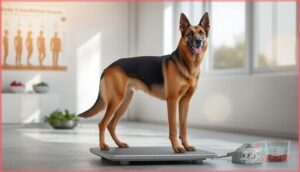
Your German Shepherd’s weight directly impacts the stress placed on developing hip joints, making weight management one of the most controllable factors in hip dysplasia prevention. Even a few extra pounds can accelerate joint deterioration and increase your dog’s risk of developing painful mobility issues.
Let’s look at practical strategies to monitor your dog’s body condition and maintain an ideal weight throughout their life.
Body Condition Scoring and Monitoring
You can protect your German Shepherd’s joint health through careful body scoring and monitoring progress. Use a 1–9 scale where 4–5 is ideal—ribs felt but not visible, a clear waist, and abdominal tuck signal healthy weight management. Monthly assessments catch subtle shifts; even a 0.5-point rise over two months increases hip stress risk. Track weight trajectory and adjust canine nutrition, dog nutrition, and exercise routines to support preventing hip dysplasia in German Shepherds.
- Feel ribs easily without excess fat covering—visible ribs suggest underweight, buried ribs indicate overweight
- Check for a waist behind the ribs when viewing from above—absence signals excess weight
- Assess monthly to detect 0.5-point BCS changes that precede joint problems
- Use objective measures like weight combined with body length for precise hip load tracking
- Adjust feeding plans when BCS exceeds 6/9 to reduce hip dysplasia risk through controlled weight loss
Risks of Obesity in Joint Health
Carrying extra pounds isn’t just uncomfortable—it dramatically accelerates hip dysplasia in German Shepherds. Obesity raises osteoarthritis risk 2.5 to 3.5 times and increases hip joint stress by up to 60% during normal movement.
Each added kilogram compounds malalignment, grinding cartilage faster and triggering earlier bone changes.
Weight management through controlled canine nutrition and exercise protects joint health and delays disease progression in predisposed dogs.
Feeding Strategies for Weight Control
Portion control and feeding schedules form the backbone of preventing hip dysplasia in German Shepherds. Controlled-calorie diets during growth reduce hip laxity markers by 14%.
Target a body condition score of 4–5, feed measured portions instead of ad libitum, and maintain nutrient balance with 25–30% protein. Calorie management and growth monitoring support large breed dog health without excess adiposity.
Regular Veterinary Screenings and Early Intervention

Catching hip dysplasia early can make all the difference in your German Shepherd’s quality of life. Regular veterinary screenings give you the chance to spot problems before they become painful or limit your dog’s mobility.
Here’s what you need to know about timing those check-ups, understanding the results, and keeping your dog’s hips healthy for years to come.
Recommended Hip Evaluations and Imaging
Your veterinarian will recommend radiographic evaluation at 12–18 months for German Shepherds, with hip scoring through the Orthopedic Foundation for Animals or PennHIP to assess joint laxity. A PennHIP Index below 0.30 markedly reduces osteoarthritis risk, while combined imaging protocols improve predictive accuracy in canine orthopedics.
These screening methods enable reliable hip evaluation, guiding breeding decisions and early intervention strategies to address hip dysplasia before clinical signs emerge.
Early Detection Benefits and Next Steps
Early intervention following veterinary screening reduces your German Shepherd’s risk of severe osteoarthritis by up to 40%. When diagnosis occurs between 4 and 12 months, you’ll see measurably better long-term outcomes. Proactive care initiated before 6 months improves your dog’s chances of maintaining normal movement into adulthood:
- Weight management and radiographic evaluation lower surgical needs by 20–30%
- Multimodal treatment plans increase normal gait probability by 10–18%
- Timely adjustments through diagnostic tools prevent clinical progression by 12–22%
Monitoring Joint Health Over Time
You’ll need serial hip screenings every 6–12 months to catch dysplastic changes before they progress.
Track your German Shepherd’s weight velocity, gait patterns, and activity levels between veterinary visits—owner observations improve early detection by 15–30%.
Combine radiographic imaging with force plate analysis and daily activity logs for the most accurate long-term joint health tracking and timely preventive measures.
Top Joint Support Products for German Shepherds
You can support your German Shepherd’s joint health with targeted nutritional supplements designed to protect cartilage and reduce inflammation. These products contain key ingredients like glucosamine, chondroitin, and omega-3 fatty acids that work together to maintain hip function and comfort.
Below are four proven supplement options that can help you take a proactive approach to your dog’s orthopedic wellness.
1. Joint Support Chews For Dogs
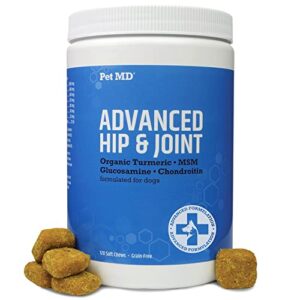
Joint support chews offer a convenient way to deliver glucosamine, chondroitin, and MSM directly to your German Shepherd’s system. In clinical trials, dogs receiving a glucosamine-chondroitin combination showed measurable improvements in mobility scores over 12 weeks.
Most veterinary practices now recommend these dog chews as part of multimodal hip dysplasia management.
When selecting joint supplements for canine hip dysplasia, you’ll want products with omega-3 fatty acids, which reduce inflammatory markers more effectively than formulations without them—supporting both hip care and overall pet wellness.
Best For: Dog owners looking for an easy-to-give supplement to support joint health and mobility in dogs of any age, especially larger breeds or seniors dealing with stiffness or early arthritis.
- Contains a solid combo of glucosamine, chondroitin, and MSM—ingredients backed by research showing real improvements in mobility and joint function
- Bacon flavor makes it easier to get dogs to actually take their supplements without a fight
- Adds organic turmeric and yucca, which can help with inflammation and discomfort beyond just the standard joint support ingredients
- Some dogs won’t touch these due to taste or smell issues, and the texture can be hit-or-miss depending on the batch
- The color and consistency seem to vary between orders, with some customers reporting they received a noticeably different product than expected
- Results aren’t guaranteed—effectiveness really depends on your individual dog and the severity of their joint problems
2. Joint Health Supplement For Dogs
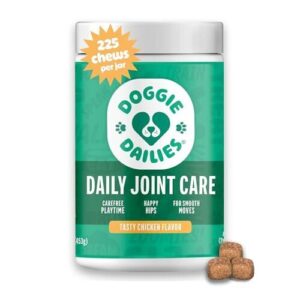
Look for formulations that combine glucosamine, chondroitin, and MSM—research demonstrates that these three ingredients together can improve mobility scores by 15–25% in dogs with hip dysplasia. Omega-3 fatty acids reduce inflammation markers by 10–20%, making them invaluable for arthritis management and overall dog wellness.
Enteric-coated supplements boost bioavailability by up to 30%, ensuring your German Shepherd actually absorbs what you’re giving.
Quality joint supplements support both canine nutrition and long-term hip support when integrated into your dog’s daily routine.
Best For: Dogs of all breeds and sizes dealing with arthritis, hip dysplasia, or joint stiffness who need a tasty soft chew that supports mobility and reduces inflammation.
- Combines research-backed ingredients like glucosamine, chondroitin, MSM, and omega-3s that studies show can improve mobility by 15–25% and reduce inflammation by 10–20%
- Made in a certified U.S. facility with safety testing and comes with 225 soft chews in chicken flavor that dogs actually like
- Works for dogs at any life stage and can help reduce reliance on prescription pain meds
- Some dogs lose interest in the flavor after a while, so palatability might drop off over time
- Color and texture can be inconsistent between batches, which might be a quality control issue
- Results vary by dog, and you need to stay consistent with dosing to see any real improvement
3. Dog Multivitamin And Joint Support
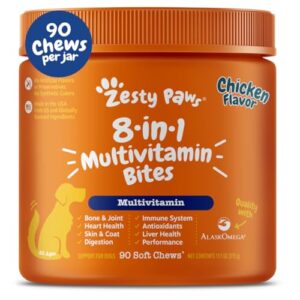
Complete multivitamins deliver targeted support for German Shepherds at risk for hip dysplasia. You’ll want formulations that pair glucosamine (500–1500 mg daily for medium to large breeds) with omega-3 fatty acids, which reduce joint inflammation markers by 20–50% when combined with chondroitin.
These pet wellness products address canine nutrition tips by filling gaps in dog vitamin needs, though supplement safety guidelines emphasize veterinary oversight—imbalances in calcium or vitamin D can affect skeletal health.
Consistency matters: daily administration of joint health supplements yields better outcomes than sporadic dosing in dog nutrition programs.
Best For: Dog owners looking for an all-in-one supplement that tackles joint health, skin issues, and overall wellness in one chew—especially helpful for German Shepherds or larger breeds prone to hip problems.
- Combines glucosamine, omega-3s, and chondroitin in one formula, so you’re not juggling multiple bottles or supplements every day.
- The chicken-flavored chews make it easier to get picky dogs on board compared to pills or capsules they might spit out.
- Covers more than just joints—supports heart, gut, liver, and immune health, which is great if your dog needs broader nutritional support.
- Can get pricey fast, especially if you have a bigger dog that needs higher doses or you’re using it long-term.
- Some dogs get gassy or don’t love the taste, and formula changes have frustrated owners who felt the product wasn’t as good after updates.
- Label accuracy isn’t always perfect across the industry, and you’re relying on the brand’s transparency since independent testing sometimes shows ingredient mismatches.
4. Hip And Joint Dog Supplement
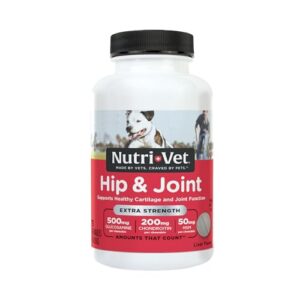
Targeted formulations for hip support combine glucosamine (500 mg), chondroitin (200 mg), and MSM to address joint health and disease in German Shepherds. Better supplement efficacy is achieved when products include hyaluronic acid for lubrication alongside omega benefits from fatty acids—this multi-ingredient approach reduces inflammation markers and aids cartilage integrity.
Canine nutrition research shows that consistent administration over 8–12 weeks yields measurable improvements in mobility for dogs with hip dysplasia, though individual responses vary and veterinary monitoring remains essential for best outcomes.
Best For: German Shepherds and large breeds prone to hip dysplasia who need targeted joint support with clinically-backed ingredients at effective doses.
- Contains evidence-based doses of glucosamine (500mg), chondroitin (200mg), MSM, and hyaluronic acid that work together to support cartilage health and joint lubrication
- Liver-flavored chewable format makes daily administration easier and improves long-term compliance compared to capsules or liquids
- Veterinarian-formulated and made in the USA with transparent ingredient lists, providing quality assurance for consistent results
- Takes up to 2 months of regular use before you’ll see noticeable improvements in mobility or comfort
- Price has increased over time, which can add up for long-term use, especially with larger dogs requiring higher doses
- Some dogs don’t like the taste despite the liver flavoring, so you might need to hide tablets in food or treats to get them to take it consistently
Long-Term Management and Lifestyle Adjustments

When your German Shepherd develops hip dysplasia or shows early warning signs, you’ll need to make thoughtful changes to support their quality of life over the years ahead. These adjustments aren’t about limiting your dog’s world—they’re about creating an environment where movement stays comfortable and symptoms remain manageable.
Let’s look at three key areas that form the foundation of long-term hip dysplasia care.
Home Modifications for Comfort and Mobility
Your home’s design becomes a silent partner in pain management for German Shepherds with hip dysplasia. Install non-slip mats across smooth surfaces—they cut fall risk by roughly 30%. Ramps with 18–24-degree slopes reduce hind limb strain by 15–25% during transitions.
Orthopedic bedding elevated 8–12 inches improves comfort scores by 20–30%, while mobility aids and strategic flooring options transform home accessibility into everyday rehabilitation.
Physical Therapy and Low-Impact Activities
Physical Rehabilitation transforms your German Shepherd’s daily function. Controlled Exercise Therapy—hydrotherapy, leash-walks, gentle terrain—strengthens supporting muscles while minimizing axial load. Start Therapy Exercises within 6–12 weeks of diagnosis:
- Joint Mobilization routines improve range-of-motion scores
- Low Impact Sports like swimming reduce lameness
- Therapeutic ultrasound aids Pain Management
- Stationary cycling builds hindlimb strength
- Progressive PT sustains Canine Orthopedic Health
Early intervention delivers measurable gains in Hip Dysplasia Management.
Ongoing Support to Delay or Minimize Symptoms
You can’t reverse hip dysplasia, but you can keep your German Shepherd comfortable and mobile for years.
Ongoing Care blends pharmacologic Pain Management—non-steroidal anti-inflammatories drop pain scores by 1.6 points within four weeks—with Canine Rehabilitation protocols that slow functional decline by 20–40%.
Regular vet check-ups catch worsening gait scores early, so timely Joint Therapy or surgical consultation preserves quality of life.
Frequently Asked Questions (FAQs)
Can hip dysplasia be completely cured in dogs?
Hip dysplasia in dogs can’t be fully cured—you’re managing a developmental condition, not reversing it. Surgical interventions like total hip replacement offer substantial relief, but ongoing management strategies remain essential for most cases.
Are certain German Shepherd lines more susceptible?
Yes, lineage genetics markedly influence breed susceptibility. Studies show first-degree relatives of affected German Shepherds face 2–3 times higher risk, with pedigree analysis revealing hip scoring differences of 15–20 percentage points between high-risk and lower-risk lines.
Does spaying or neutering timing affect hip development?
Research shows that spay timing and neuter effects on skeletal development remain inconclusive for German Shepherds. Delaying sterilization until skeletal maturity may theoretically support hip growth, though genetics and weight management prove more decisive than sterilization impact.
Can swimming help prevent hip dysplasia in puppies?
Swimming offers joint conditioning through buoyant resistance that reduces peak loading on developing hips.
Aquatic therapy complements weight management and controlled exercise, though you shouldn’t rely on water exercise alone for preventing hip dysplasia.
Conclusion
Hip dysplasia isn’t something you can simply prevent—yet your actions can profoundly alter its trajectory. From the puppy food you choose to the surfaces your dog runs on, every decision during those critical 18 months compounds.
German Shepherd hip dysplasia prevention isn’t about guarantees; it’s about stacking the odds in your dog’s favor through deliberate, evidence-based choices. The joint you protect today determines the miles your companion will walk beside you tomorrow.